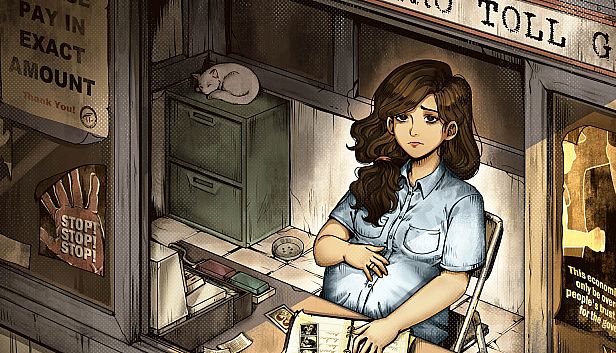



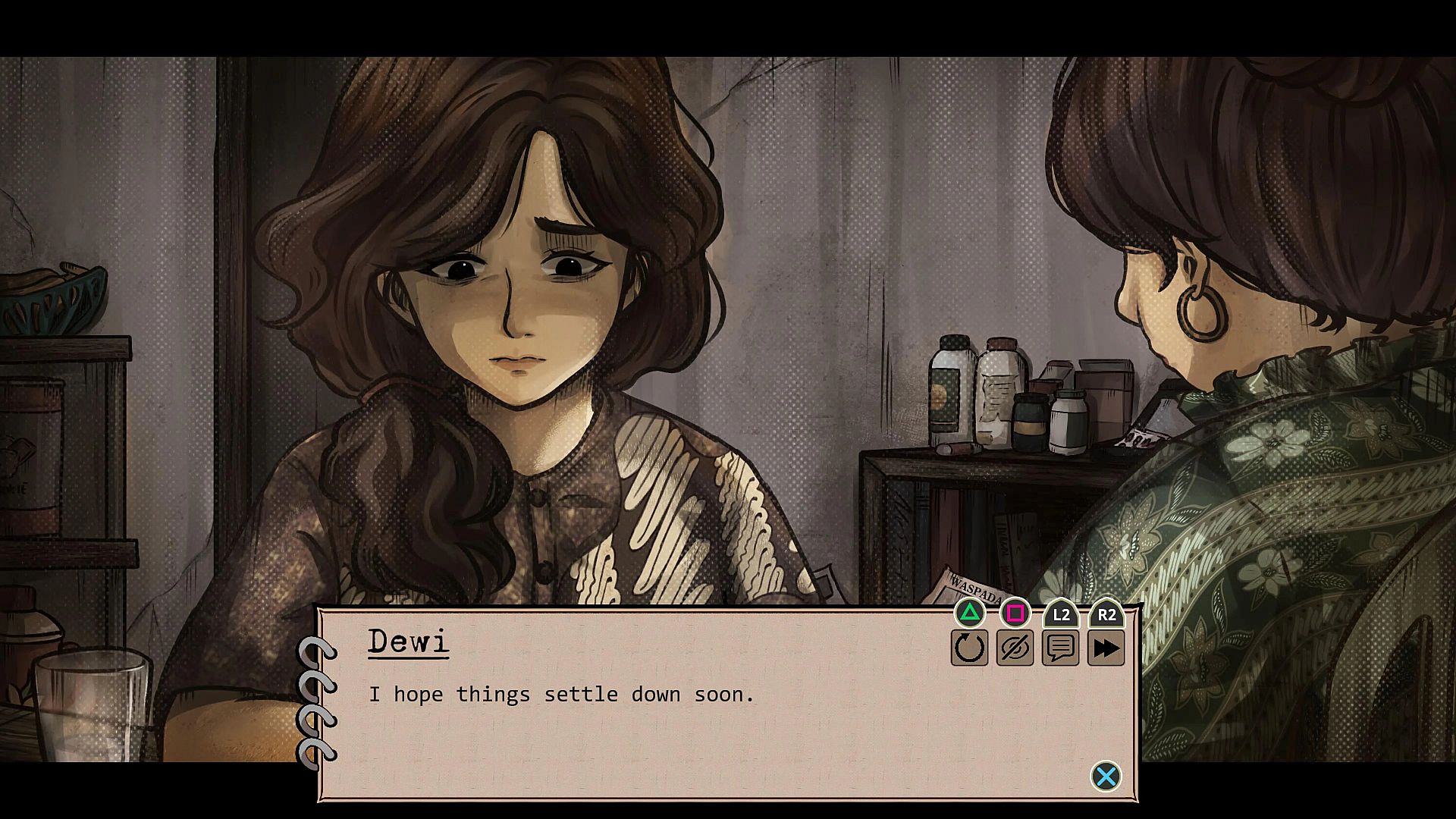



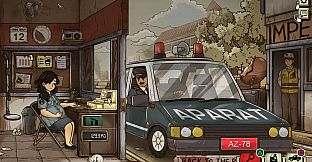
1998: The Toll Keeper Story is an indie narrative simulation that places players in the role of Dewi, a pregnant toll keeper navigating survival and moral decisions amid national collapse in the fictional country of Janapa. The game draws from the 1998 Asian financial crisis and related unrest in Indonesia, focusing on everyday pressures rather than action or combat. Players manage shifts at a toll booth while balancing job demands, personal safety, and the well-being of an unborn child through a series of small but impactful choices.
Gameplay
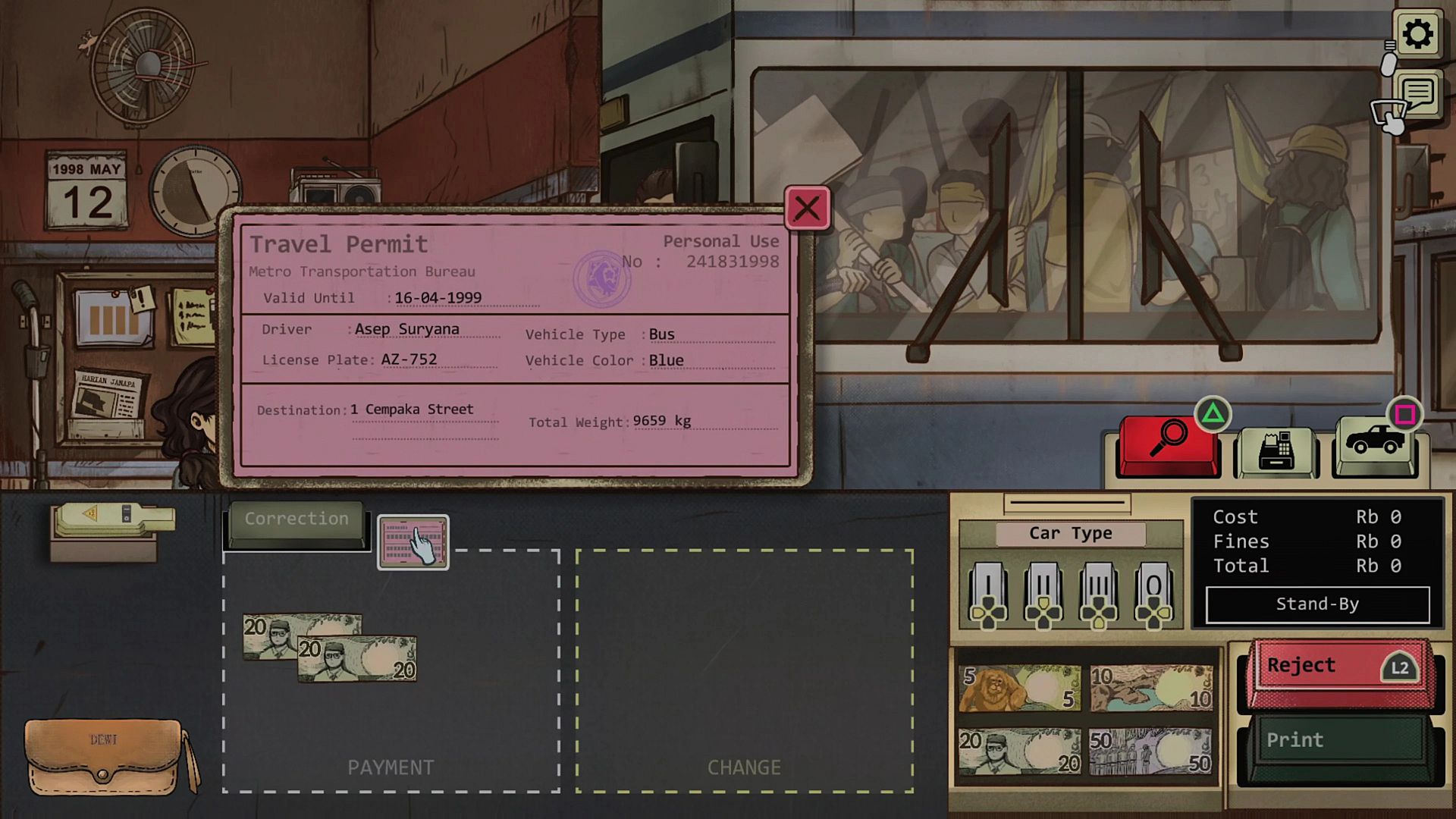
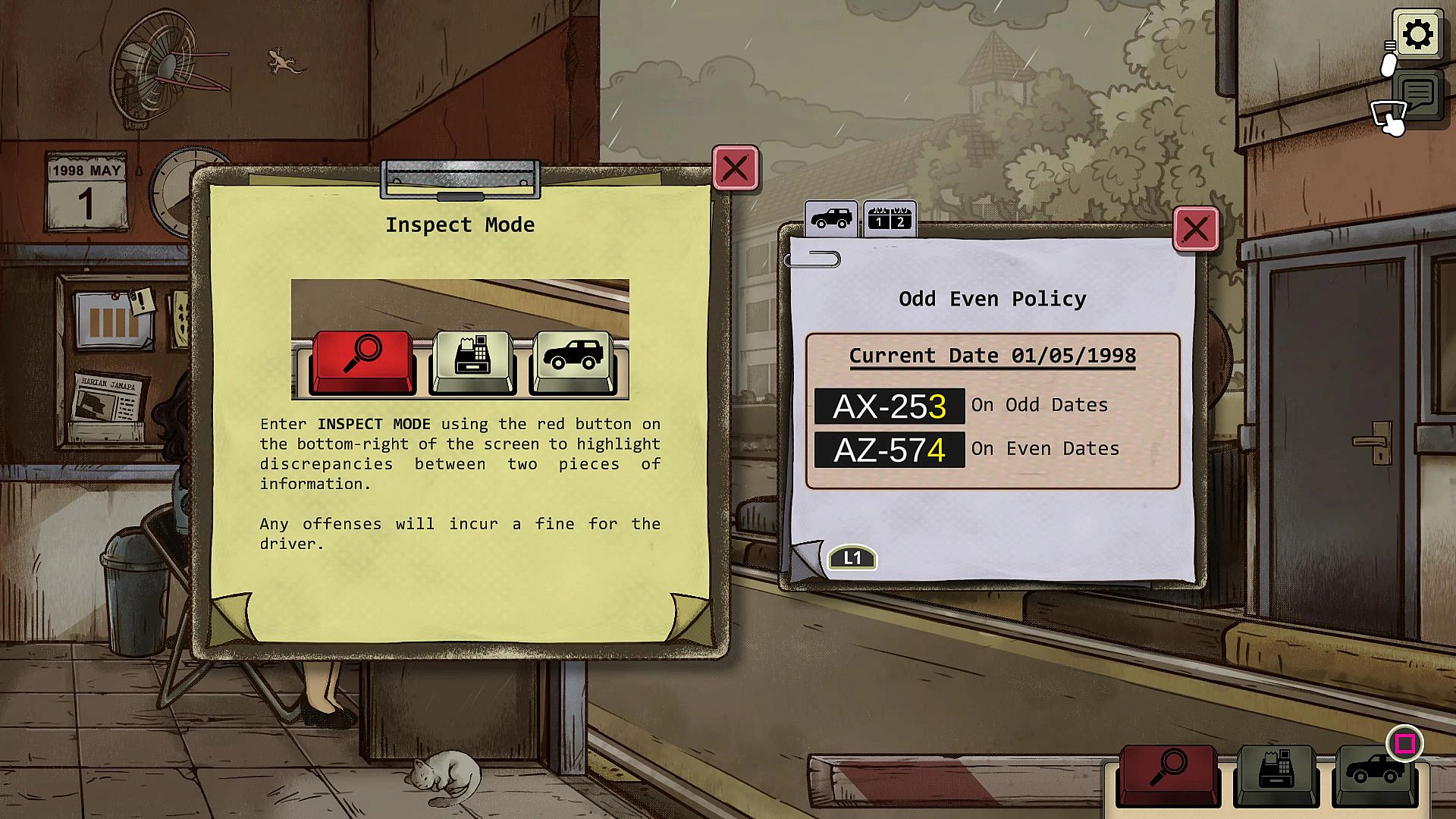
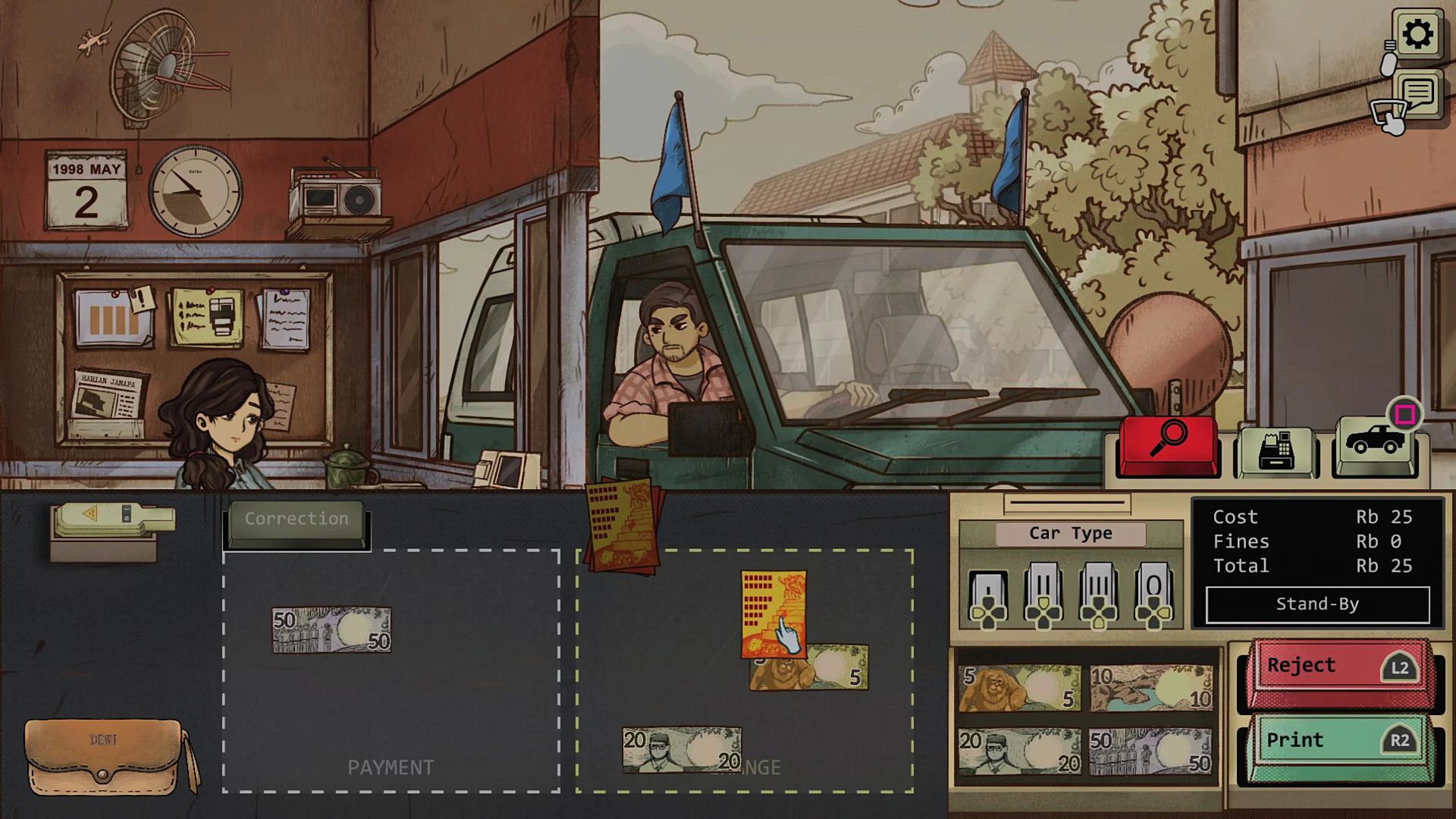
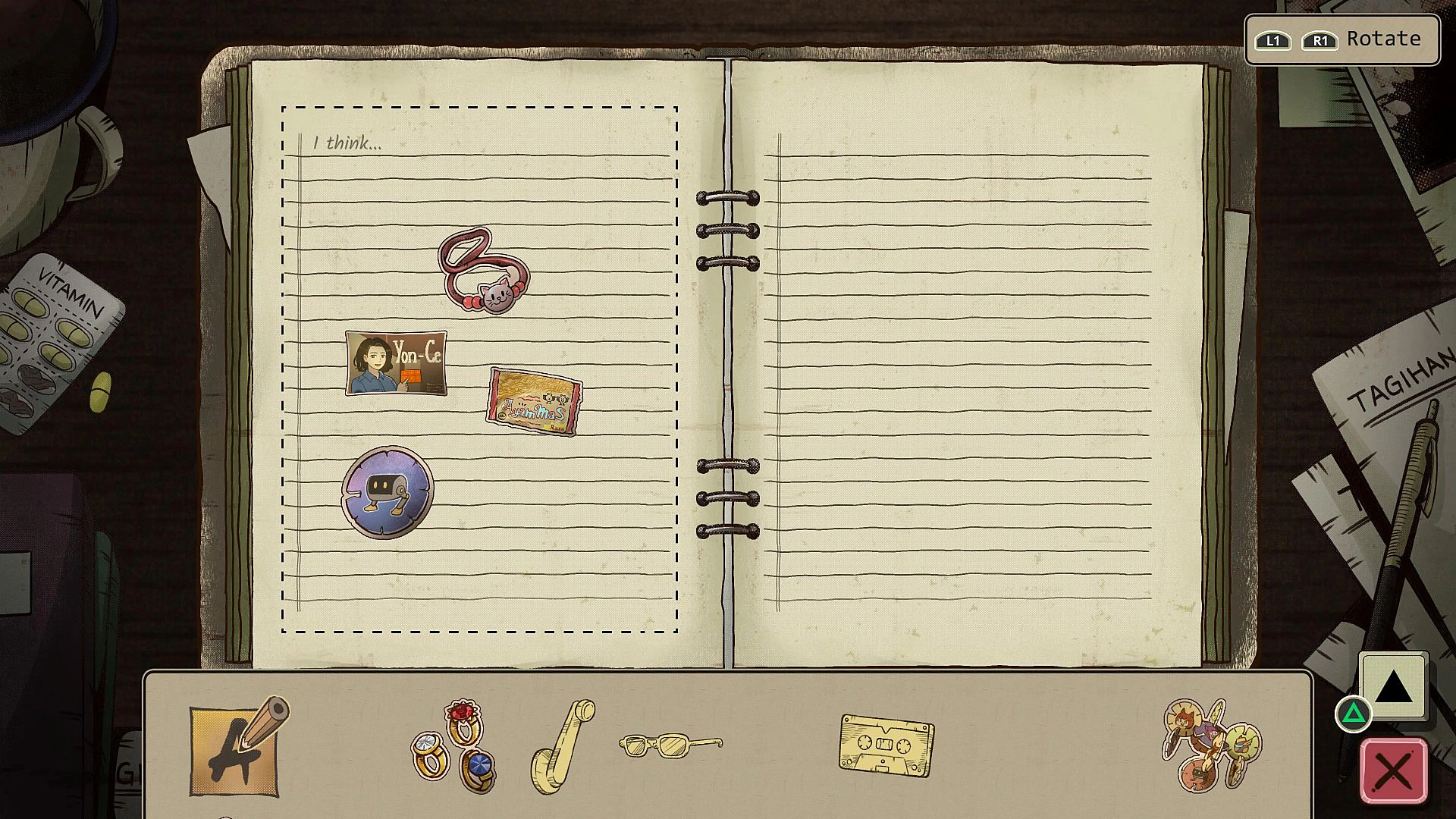
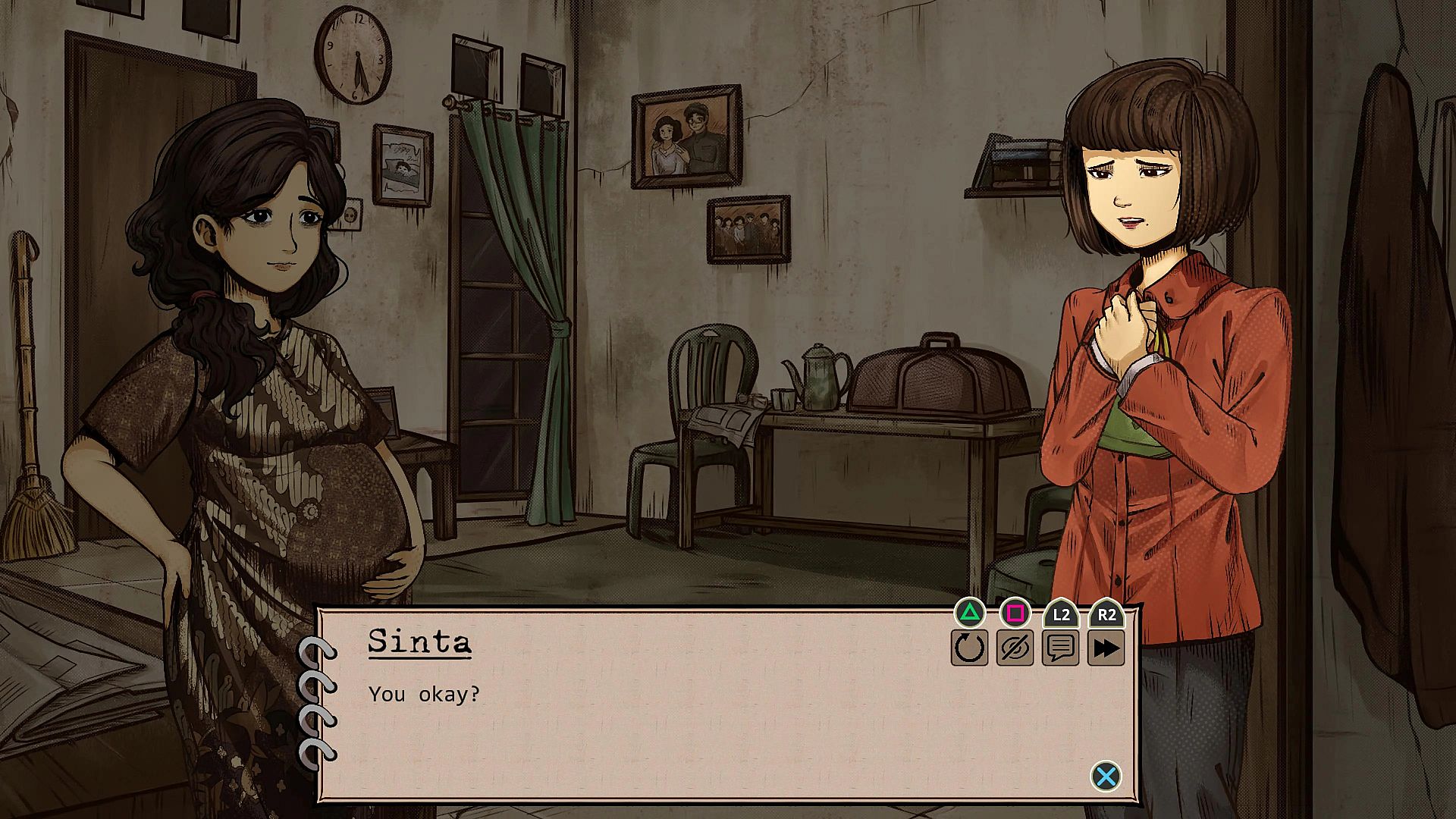
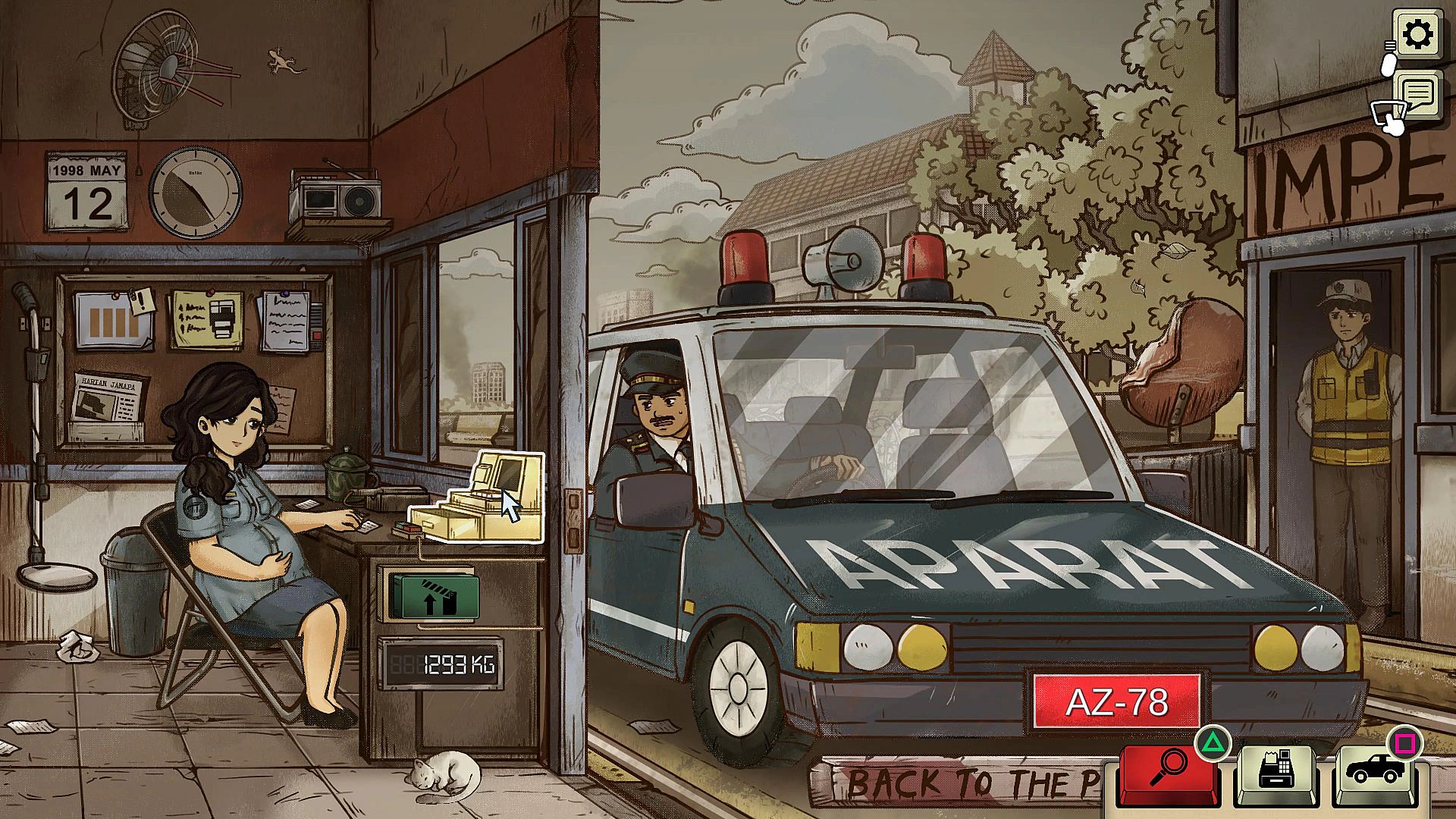
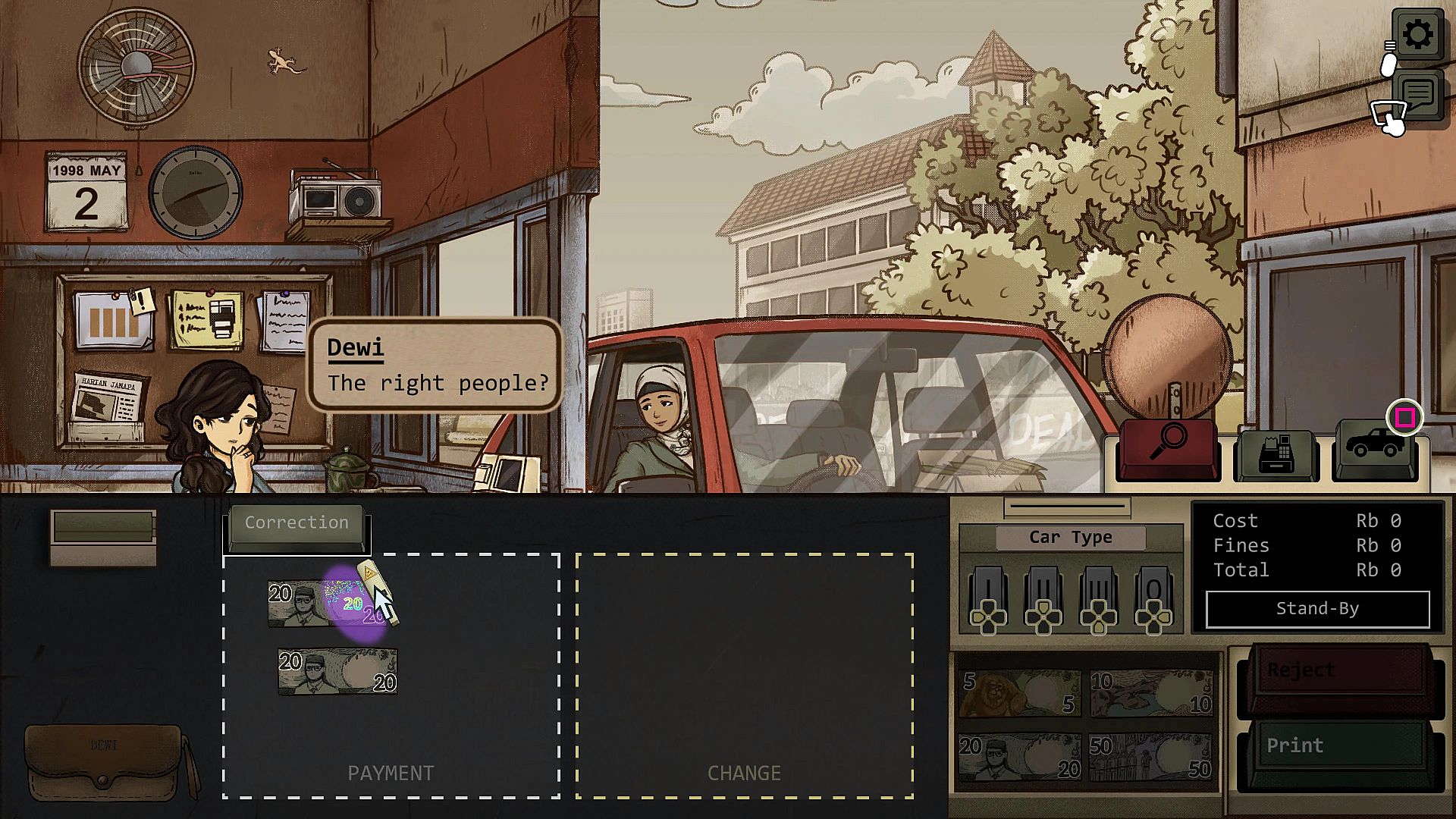
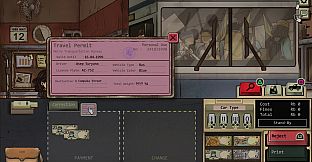
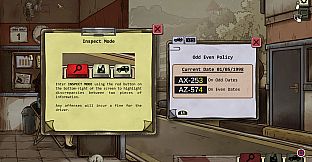
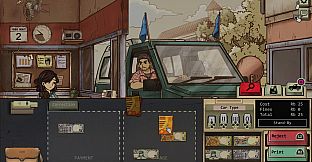
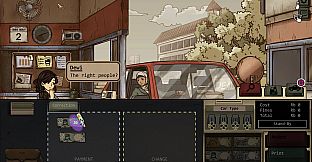
The core loop centers on operating the toll booth each day. Players inspect approaching vehicles, verify documents such as licenses and papers, determine correct toll amounts based on vehicle class, and handle additional checks that grow more complex over time. Tools like a metal detector for contraband, a UV lamp for counterfeit money, and weight verification appear as new regulations take effect. Mistakes lead to wage deductions, while compliance maintains income needed for personal matters. Between shifts, narrative elements unfold through interactions at home and with the broader situation, including radio broadcasts and limited personal decisions that tie into the pregnancy and family stability. The 90s-inspired visual style uses dot textures, aged paper aesthetics, and a blueish filter to evoke printed materials from the era, reinforcing the grounded atmosphere without relying on flashy effects.
Game Modes
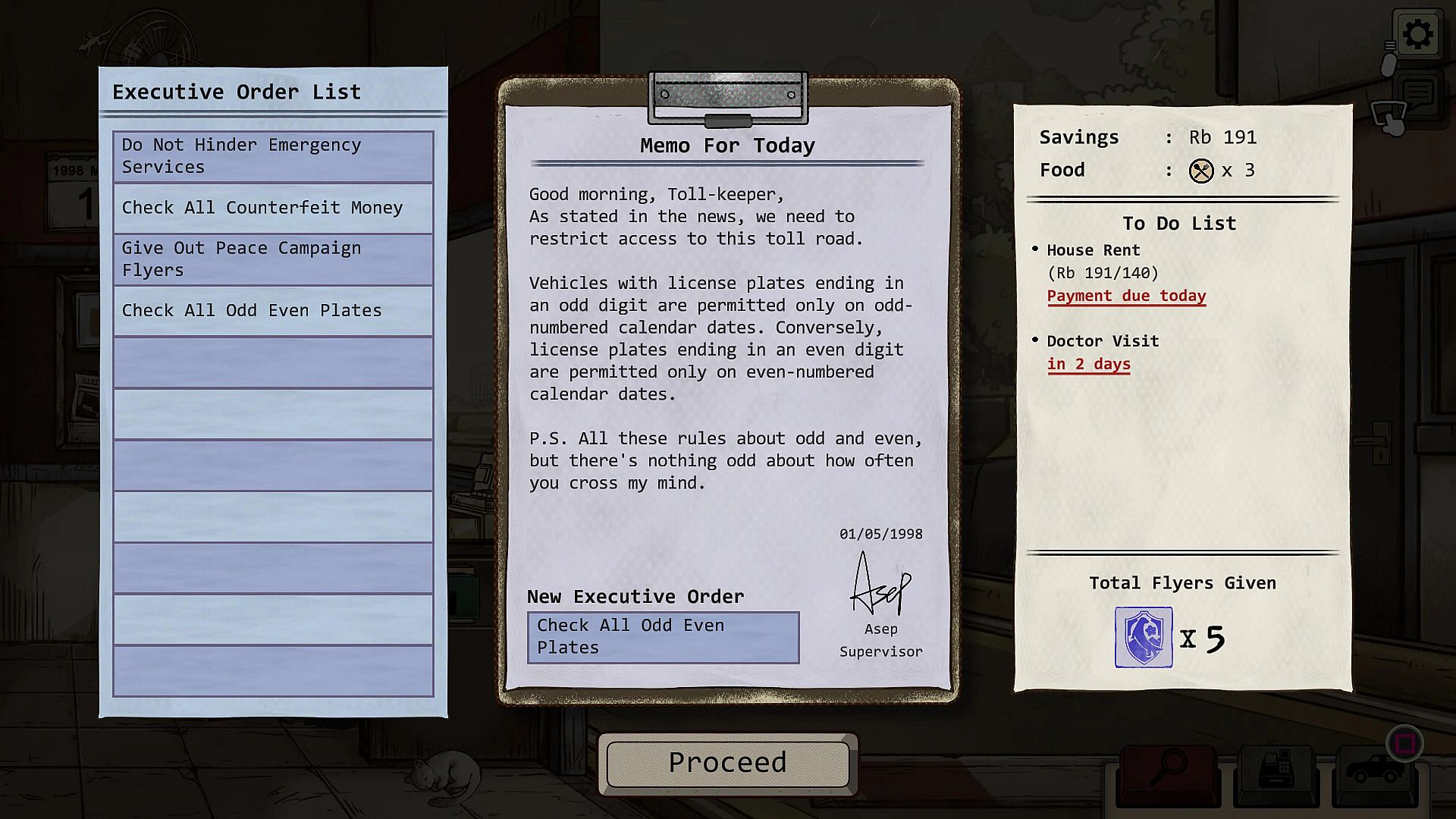
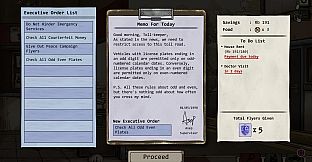
The experience unfolds as a single continuous narrative simulation across multiple days. Each day introduces fresh rules and restrictions that build tension, requiring players to adapt inspection procedures while weighing whether to enforce every directive strictly or bend them in response to individual pleas. Branching outcomes emerge from these choices, leading to one of several endings that reflect different paths through the crisis. There are no separate multiplayer or competitive modes; the focus remains on the solitary routine of the toll booth intertwined with personal stakes.
Story and Themes
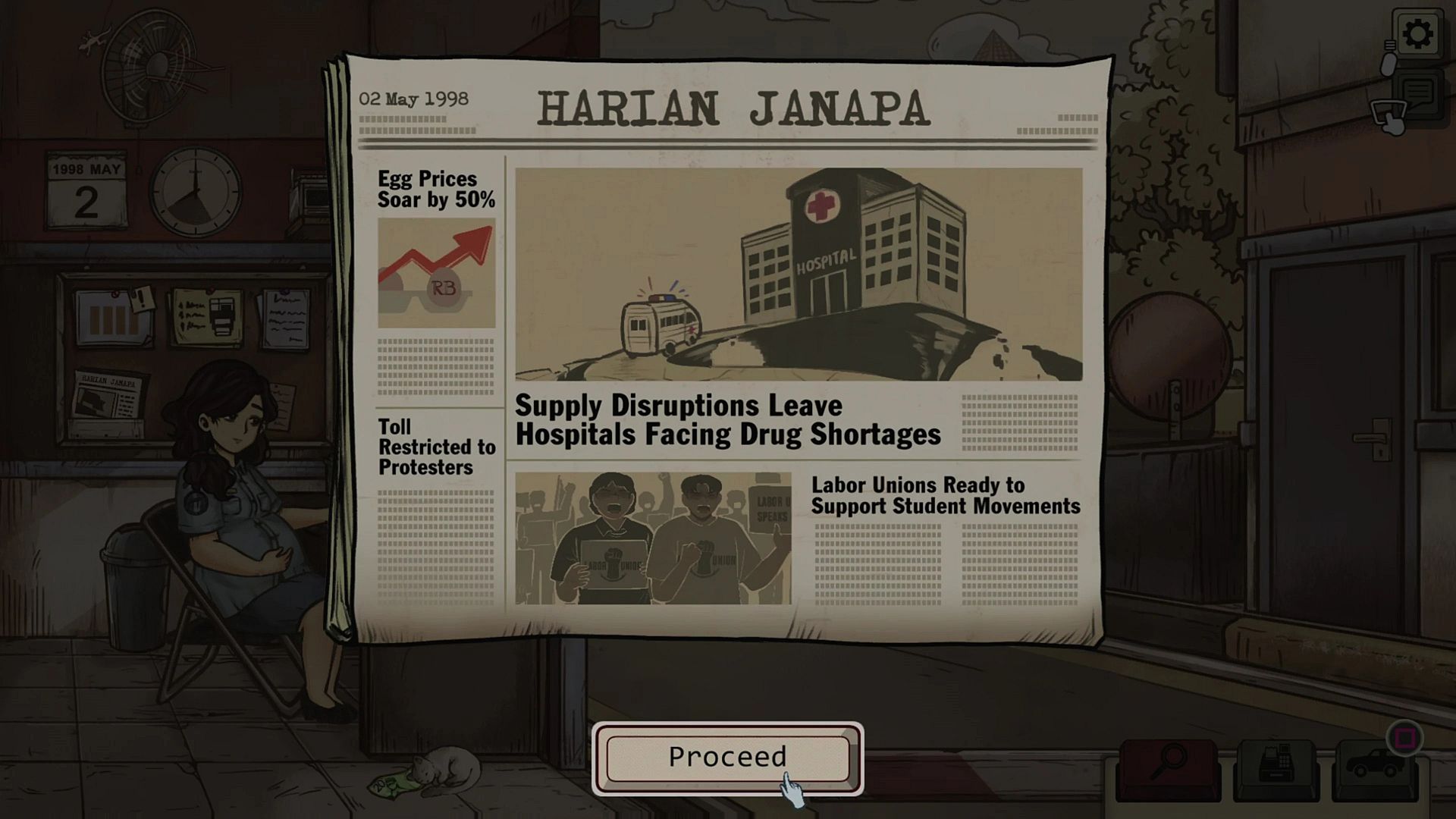
Dewi works to keep her position and protect her child as protests intensify, prices rise, and authority erodes around her. The narrative explores survival without positioning the protagonist as a savior or combatant. Moral weight accumulates through routine interactions, such as deciding whether to overlook minor infractions or report suspicious activity, all while resources stay tight and fear grows. The story draws directly from historical events but sets them in a fictional Southeast Asian nation to highlight universal pressures of economic turmoil and civil unrest.
Is It Worth Playing?
Players who appreciate deliberate, choice-driven simulations with emotional depth will find the game engaging. A typical playthrough lasts around four to five hours, allowing for multiple runs to explore different outcomes. Reception has been positive, with praise centered on the heartfelt narrative and the way routine mechanics heighten the sense of mounting pressure. The title suits those drawn to indie experiences that prioritize personal consequences over spectacle, particularly fans of document-verification gameplay with layered storytelling. Its short length and focused scope make it accessible for a single sitting or repeated explorations of alternate paths.