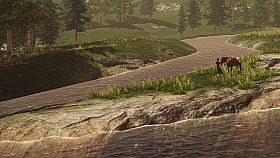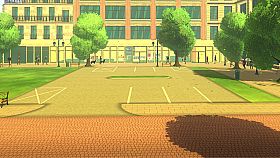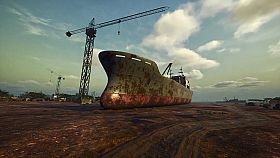



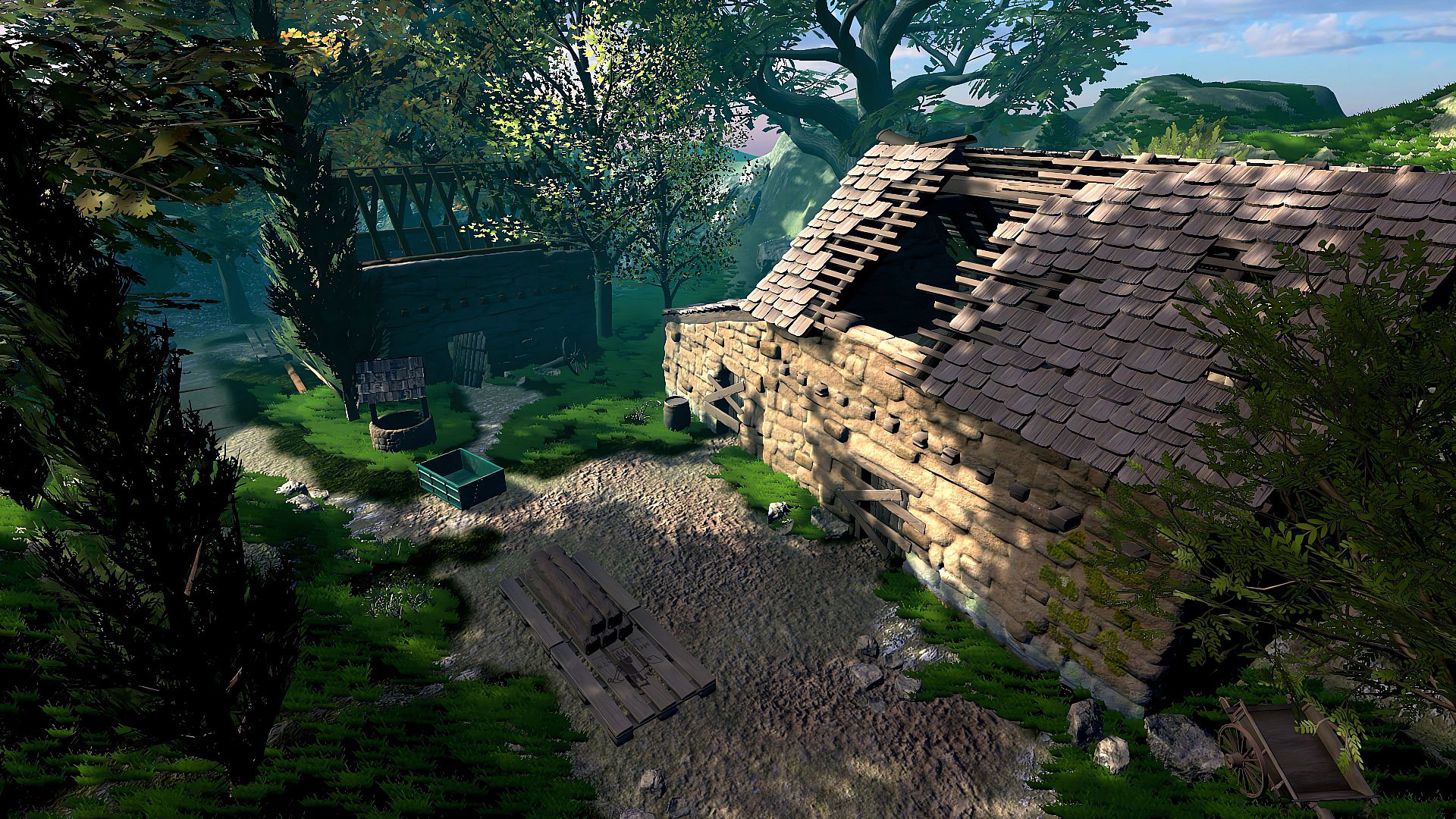
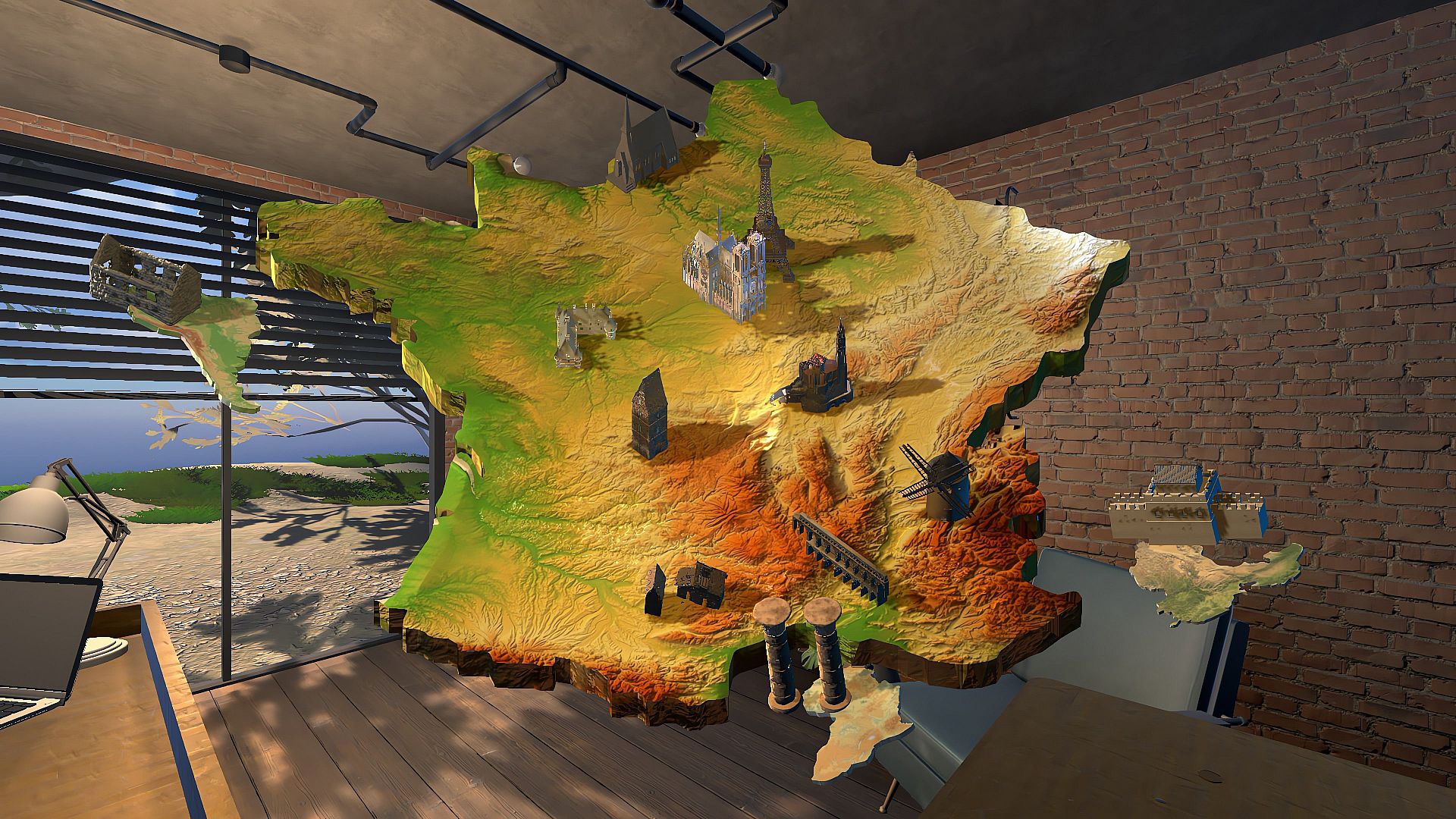

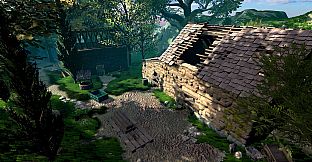
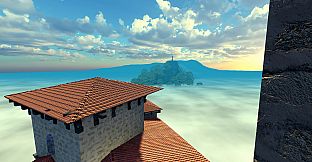
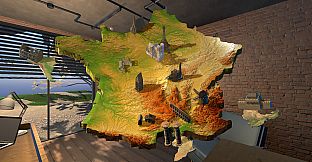

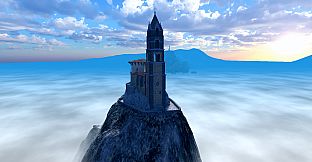
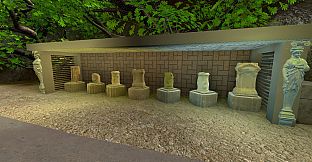
Monuments Renovator is a casual simulation game available on PS5 that places players in the role of a professional tasked with restoring famous historical structures. The experience centers on hands-on renovation work across well-known sites, combining practical tasks with opportunities to engage with architectural details and historical context. Developed as an indie title, it emphasizes methodical progress through organized workflows rather than action or competition.
Gameplay
The core loop involves selecting a monument and progressing through stages of restoration. Players begin by assessing the site, then move into rebuilding collapsed sections of walls and structures using appropriate materials. Painting and filling surfaces follows, with attention paid to matching original designs. Tools improve in efficiency as skills develop, allowing faster and more precise work on larger areas or finer details.
Plans must be consulted regularly to verify alignment with the intended outcome. This step ensures renovations stay true to historical accuracy. Once structural work concludes, the focus shifts to interior furnishings that make the building usable again. Materials and techniques vary by project, encouraging experimentation to find effective combinations for each task.
Progression comes from repeated practice with different tools and approaches. Efficiency gains appear naturally through better handling of equipment and selection of supplies. The process rewards careful observation and adherence to guidelines over speed alone.
Game Modes
Monuments Renovator operates exclusively as a single-player experience. No multiplayer options, competitive modes, or cooperative features exist. All activity centers on individual renovation projects that unfold in a linear sequence tied to specific locations.
Players advance by completing the full restoration cycle on one monument before accessing the next. There are no alternate modes such as timed challenges, sandbox building, or free-form creation outside the guided projects. The structure keeps the focus on deliberate, step-by-step work across the available sites.
Monuments and Locations
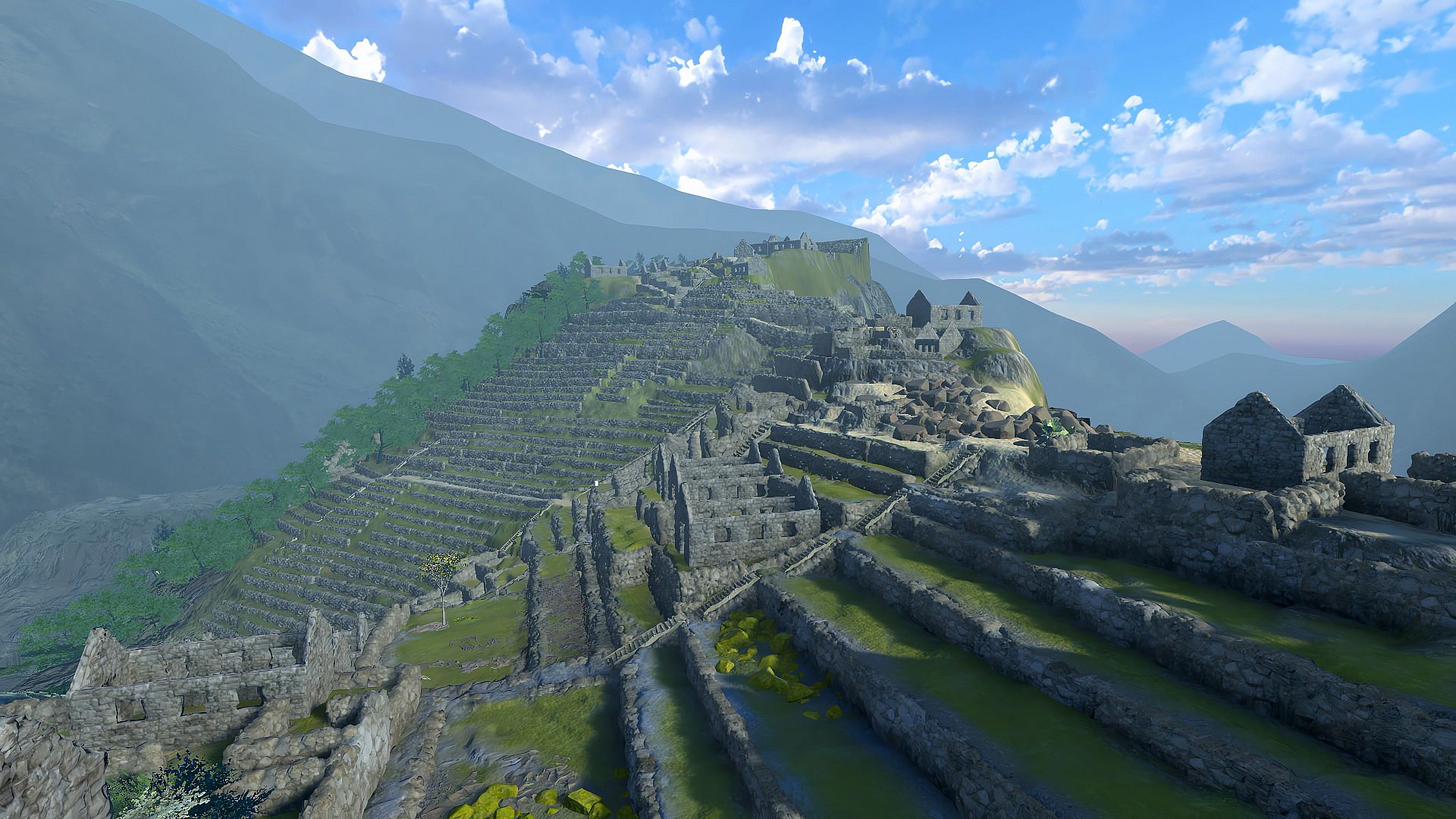
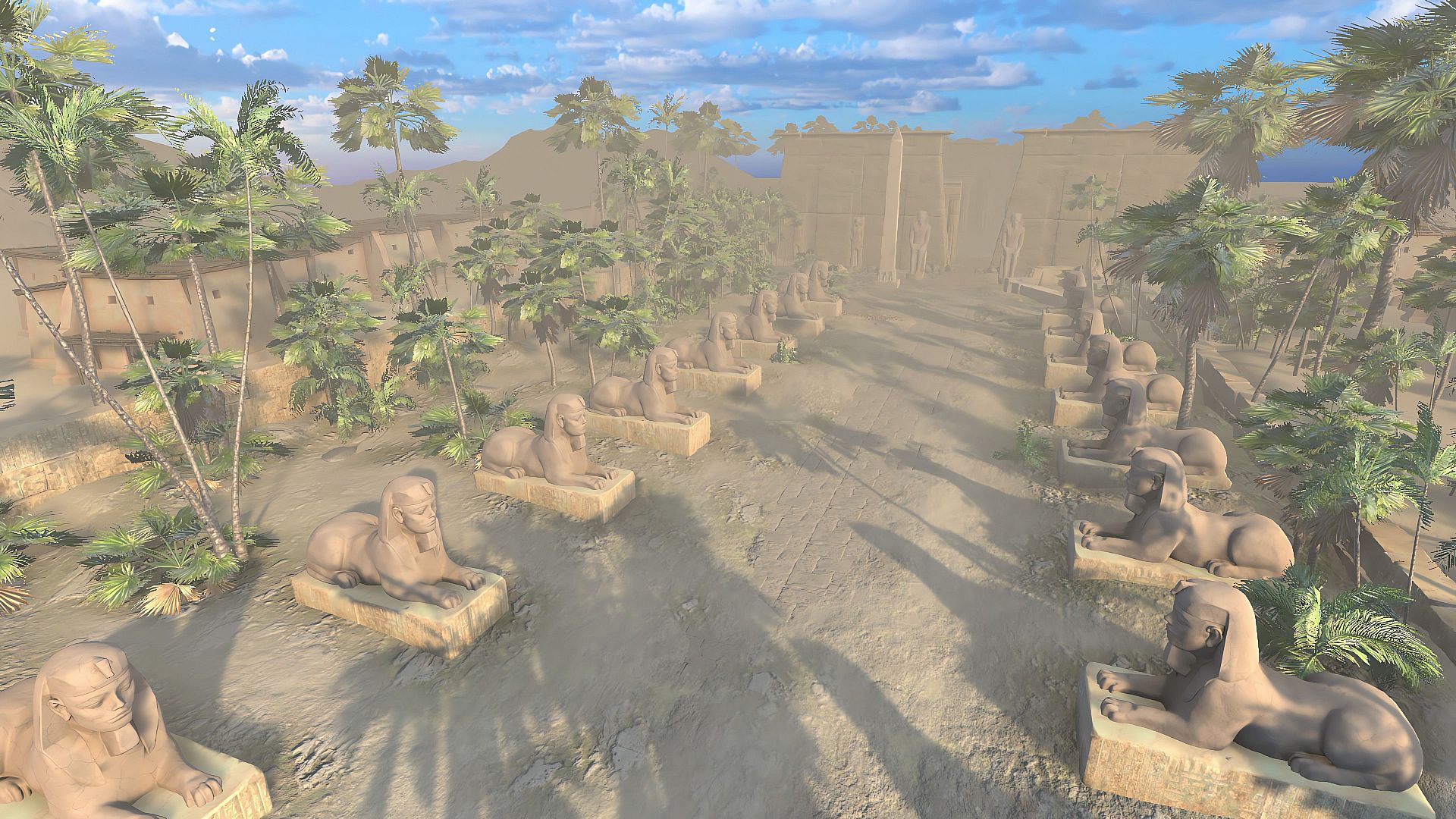
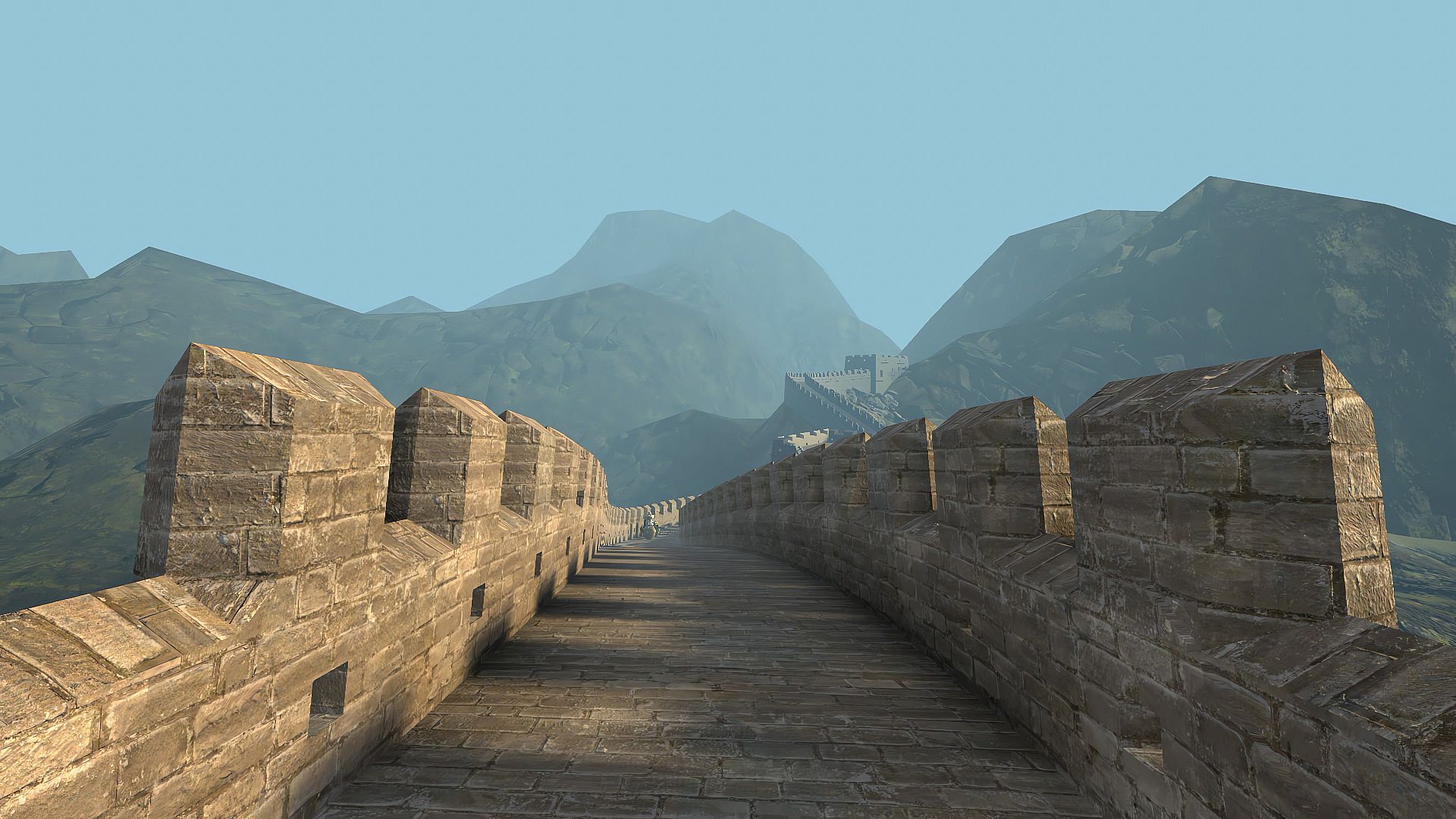
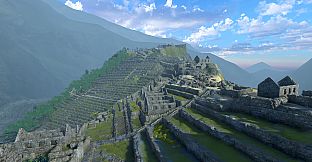
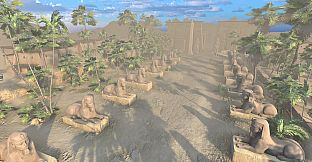
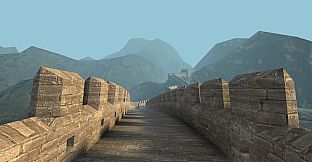
Several iconic structures serve as the primary projects. These include the Great Wall, the temples at Luxor, and the ruins at Machu Picchu. Each site presents distinct challenges based on its architecture and state of disrepair. Work on these locations incorporates elements of their real-world history and design, providing context during the renovation steps.
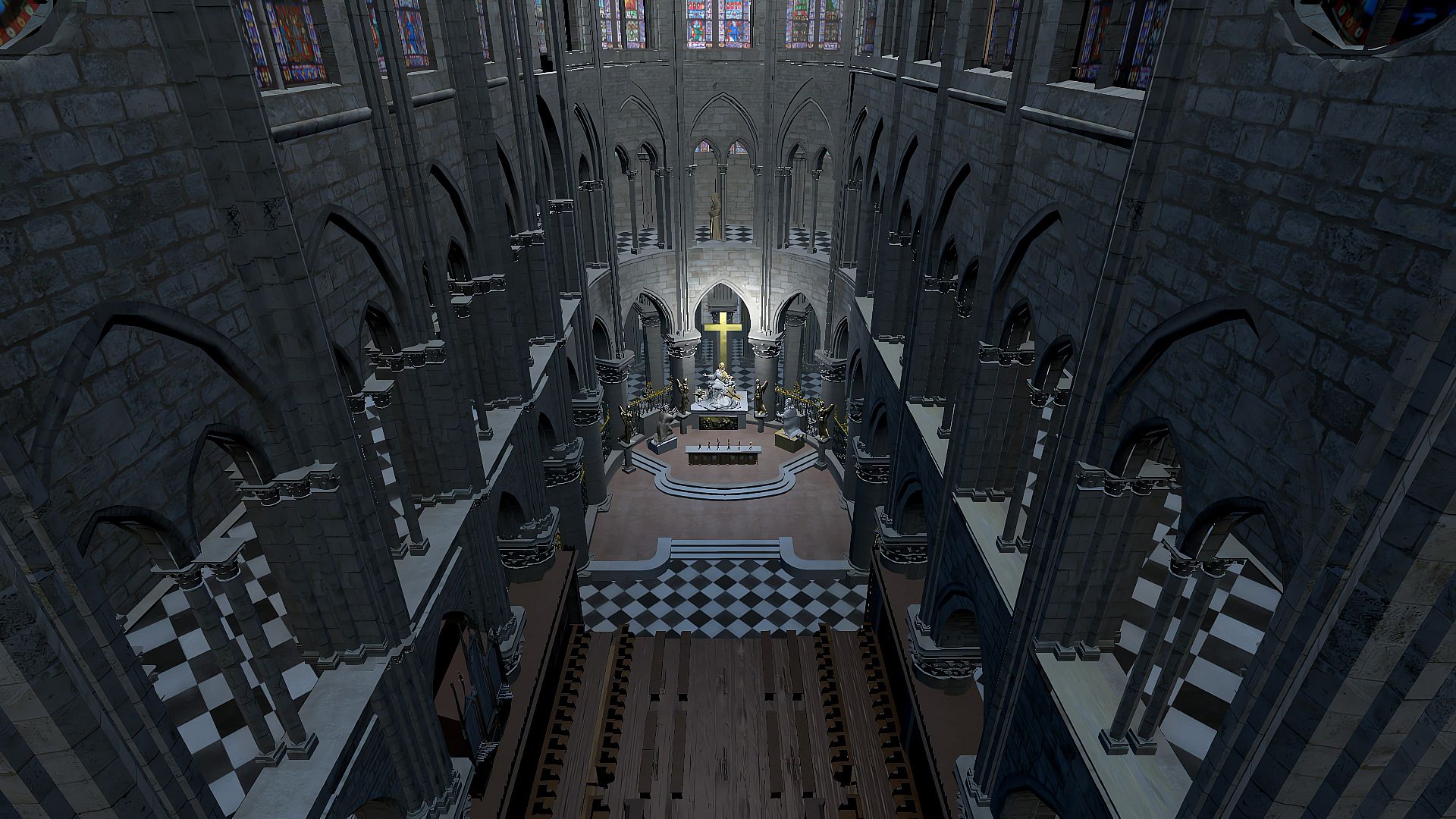
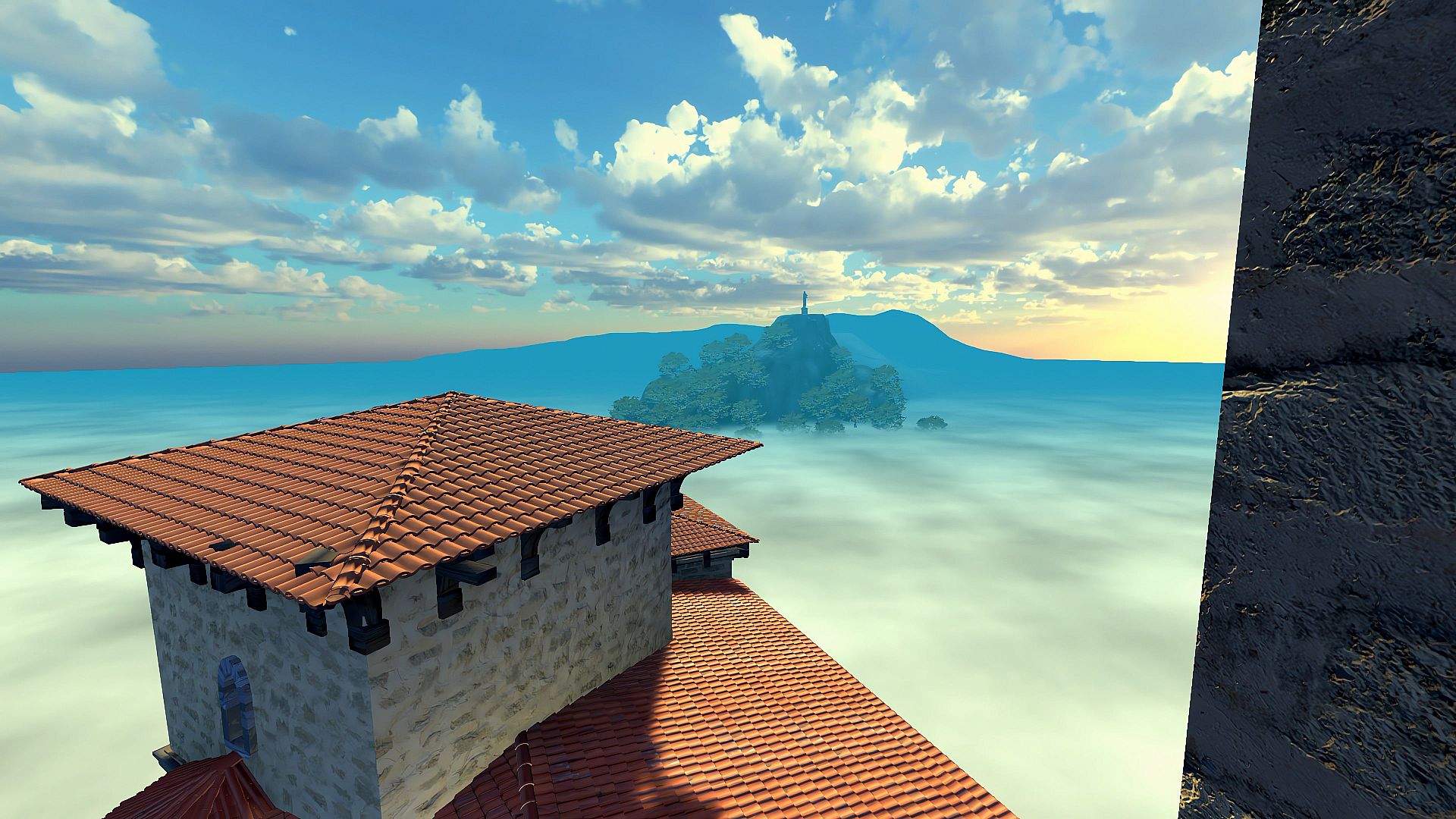
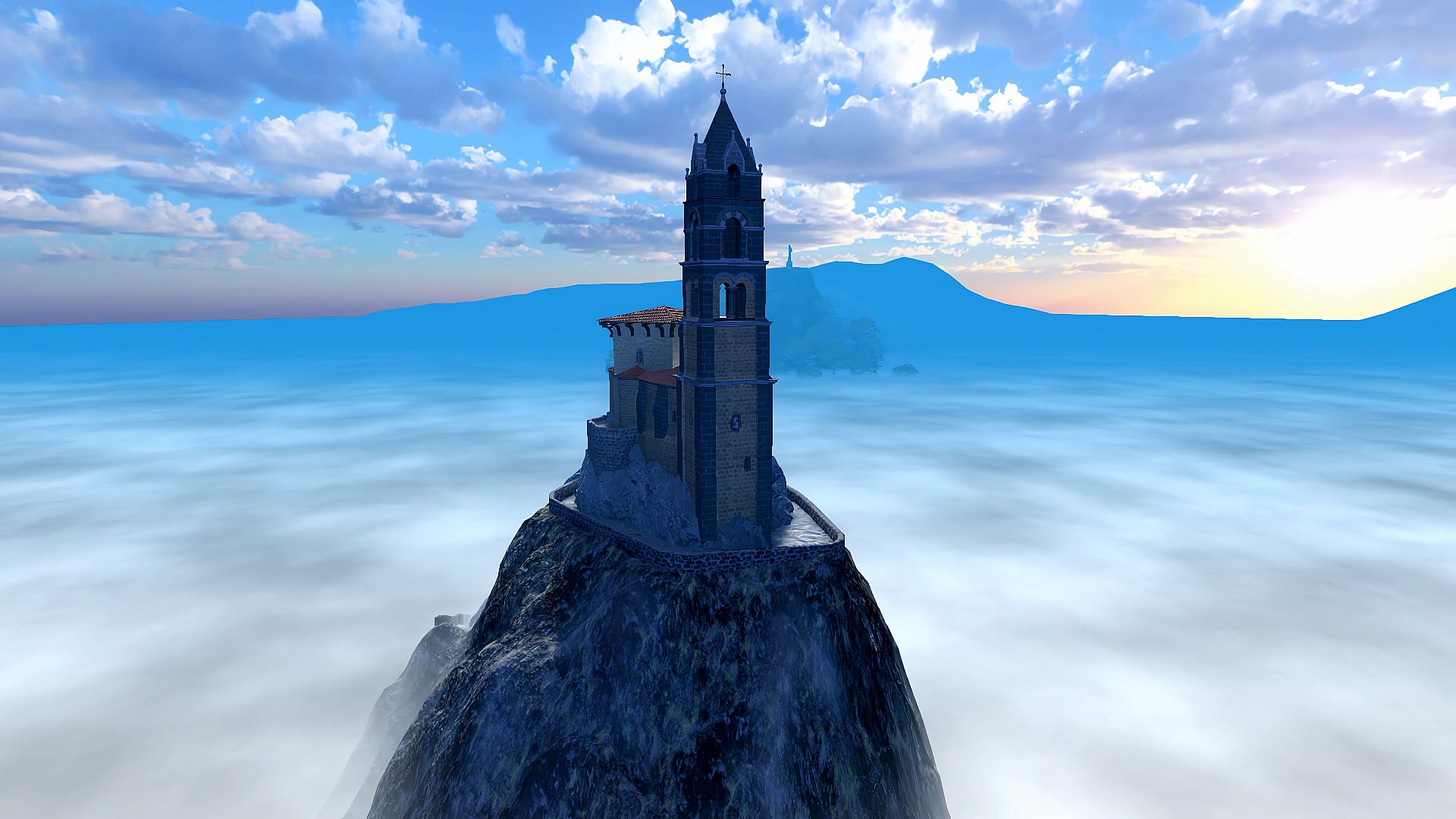
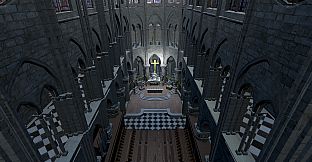
Additional monuments appear as the player completes earlier ones. The selection draws from globally recognized landmarks, allowing exposure to varied building styles and restoration requirements. Details such as fresco renewal or structural reinforcement differ according to the monument chosen.
Skills and Tools
Skill development occurs through consistent use of renovation equipment. Different tools handle specific jobs, from heavy reconstruction to delicate surface work. Selecting the right material for each phase affects both the speed and quality of the outcome.
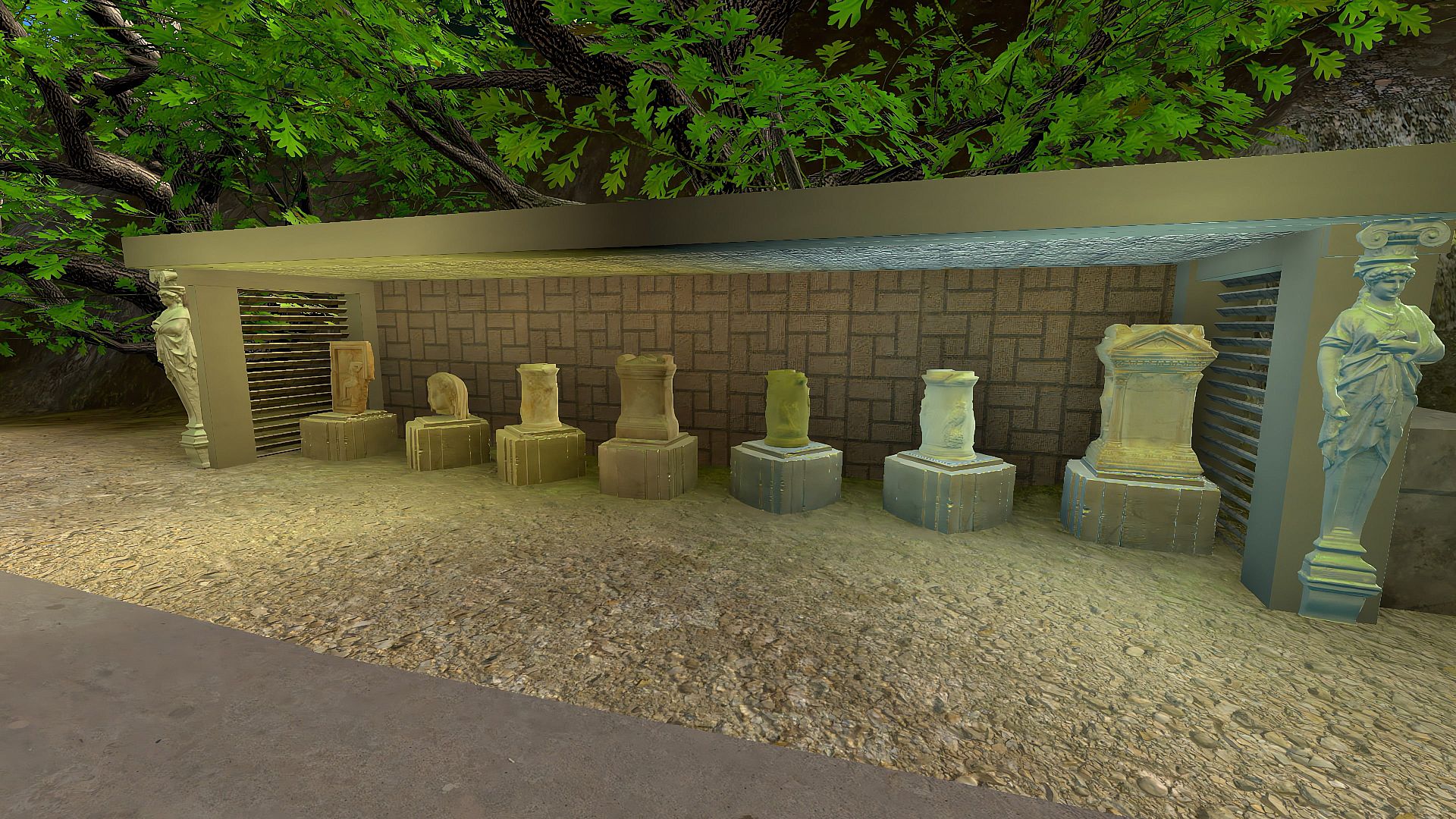
Players learn to balance multiple tasks within a single project. Checking plans integrates into the workflow as a verification step rather than an afterthought. Interior work at the end of each project adds another layer, requiring decisions on functional layouts that complement the restored exterior.
Is It Worth Playing?
Monuments Renovator suits players who enjoy methodical simulation games focused on restoration and historical themes. The single-player format delivers a contained experience centered on completing a series of renovation projects. Completion times typically range from seven to nine hours depending on thoroughness.
Reception highlights the straightforward nature of the tasks but also notes limitations in visual presentation and overall length. Those interested in casual, detail-oriented gameplay may find value in the progression of skills and the variety of monuments. The title offers no ongoing updates or seasonal content, presenting a fixed set of projects upon release.
Potential buyers should consider whether the emphasis on planning, tool use, and phased restoration aligns with their preferences for simulation titles. The PS5 version maintains the same core systems as other platforms, with trophy support for completion tracking. It provides a niche option for fans of architectural and historical restoration mechanics without additional layers of complexity.