


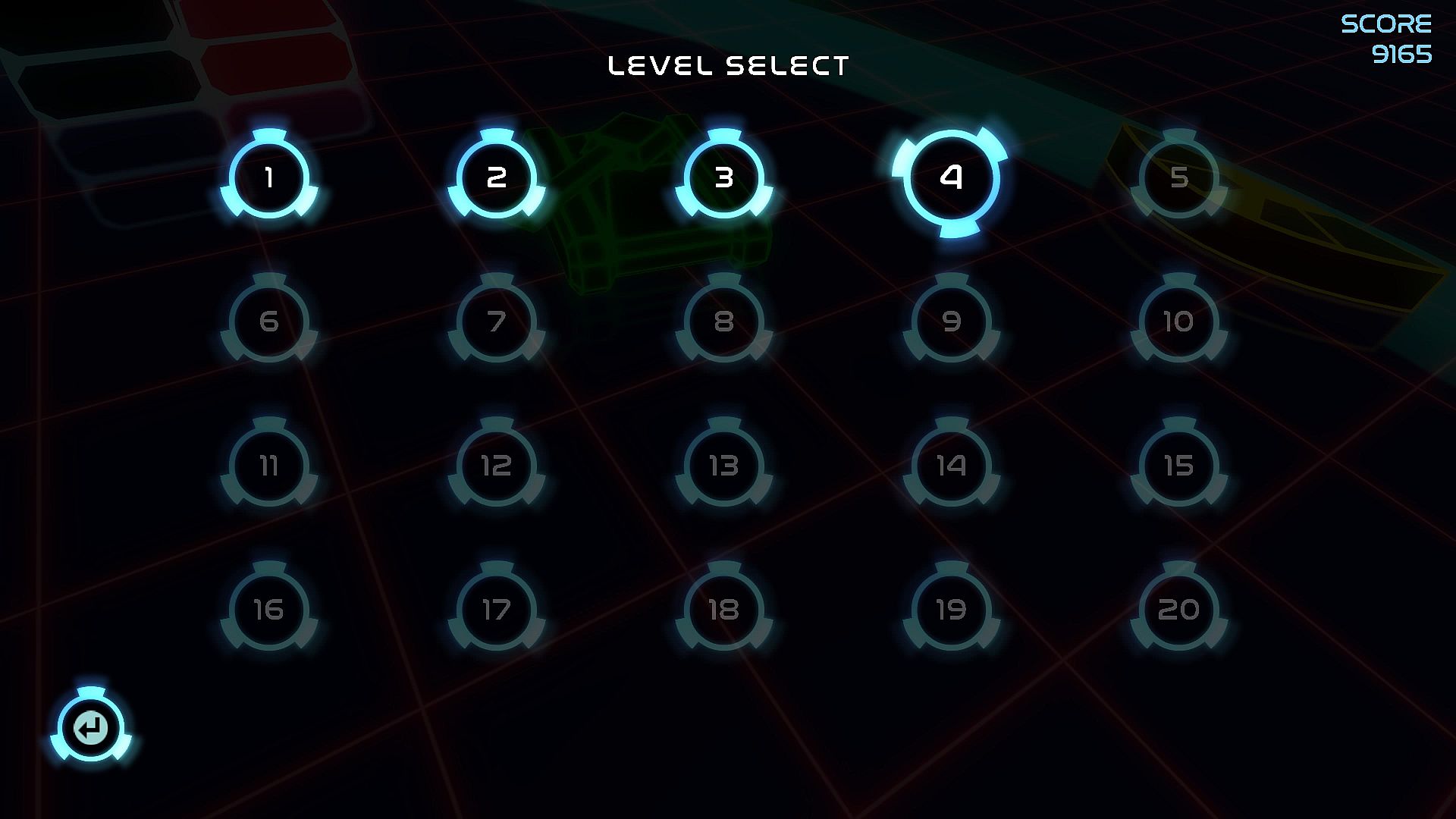
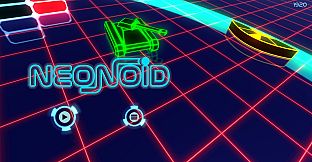
NeoNoid is a casual arcade game developed for the PlayStation 5 that revives the classic brick-breaking formula with precise paddle control and progressive challenges. Players guide a paddle to keep a ball in motion while clearing structures and handling threats across a focused set of stages. The experience centers on single-player progression through twenty distinct levels, each designed to test timing, positioning, and reaction under increasing pressure.
Gameplay
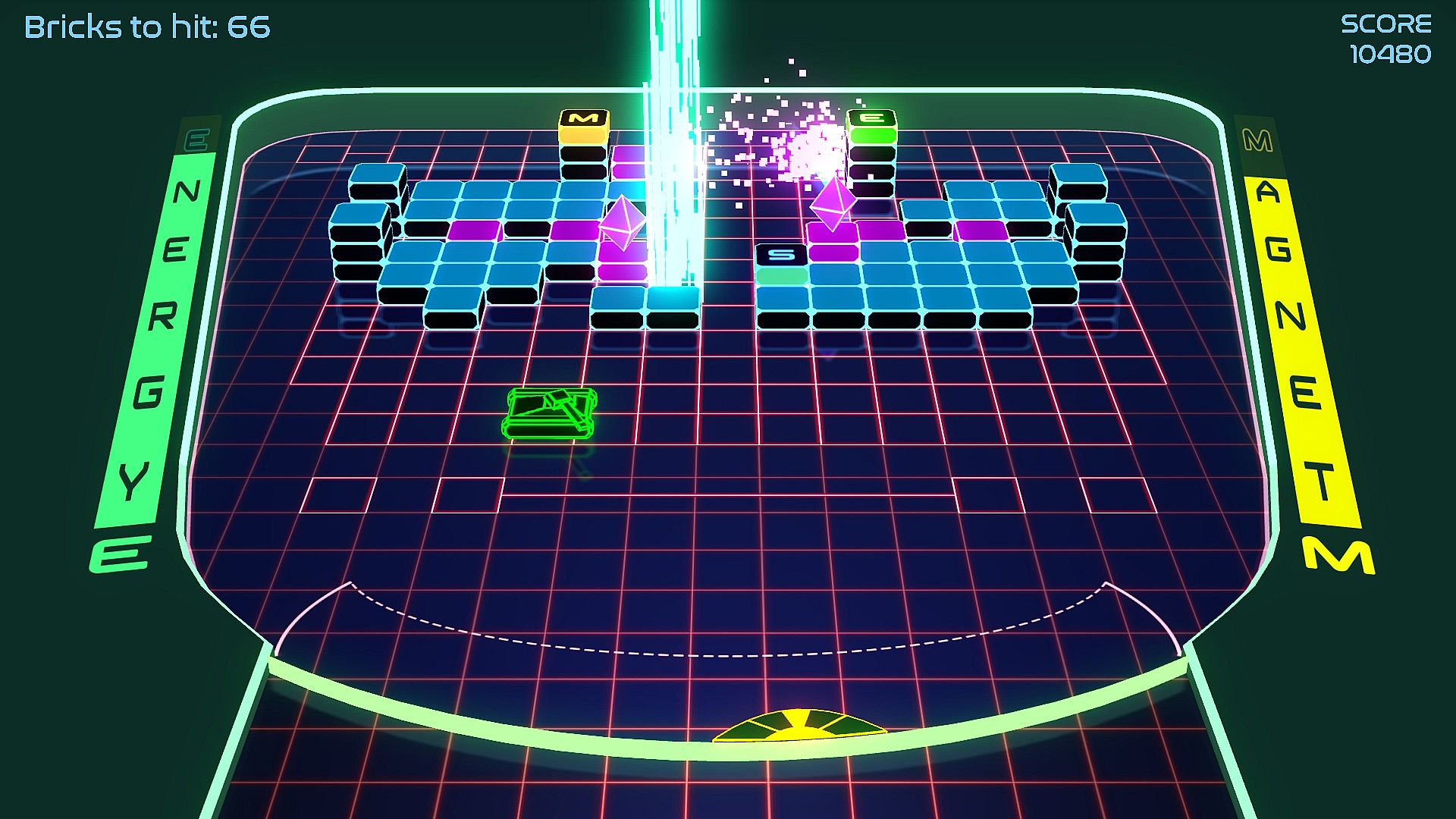
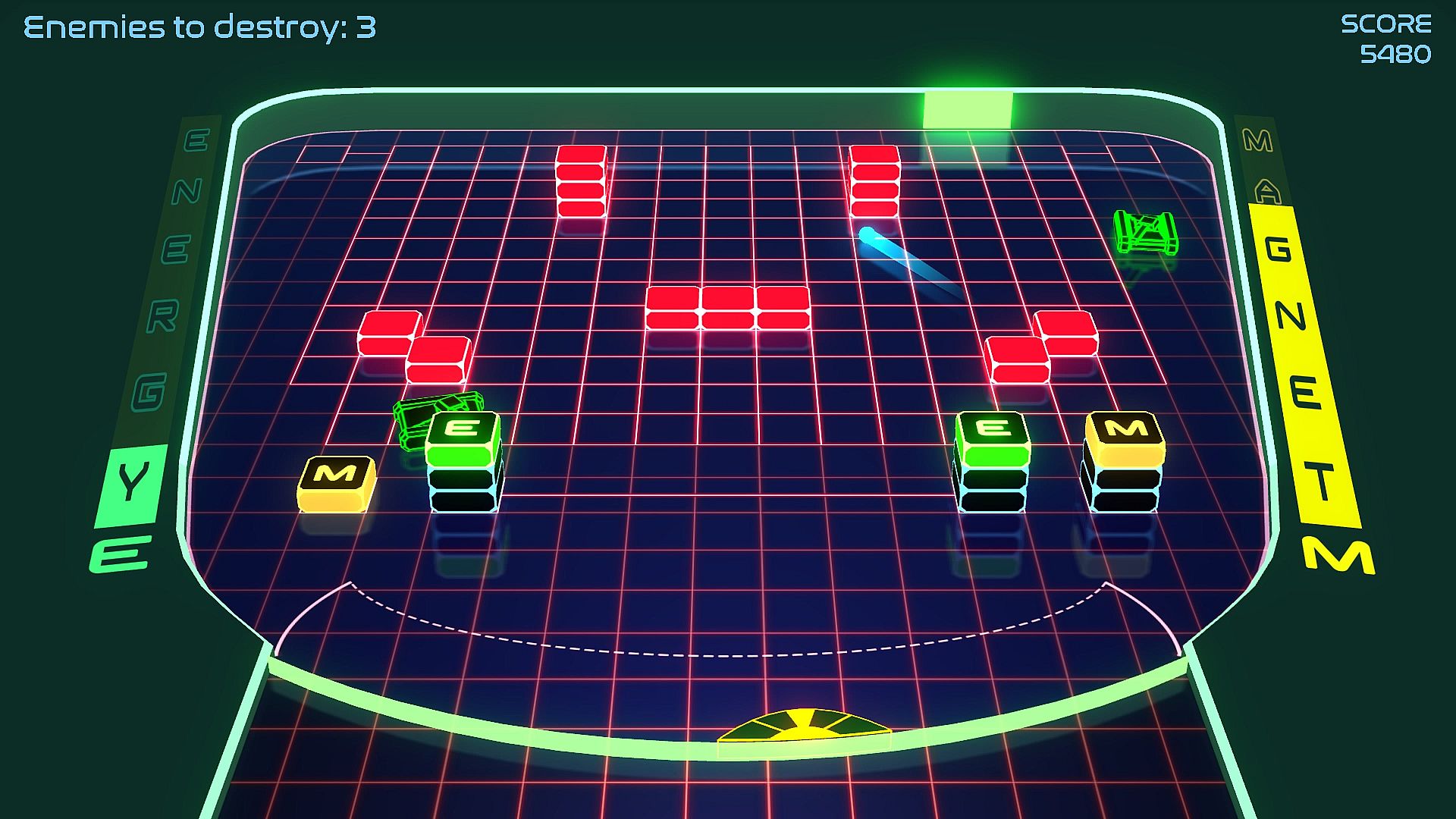
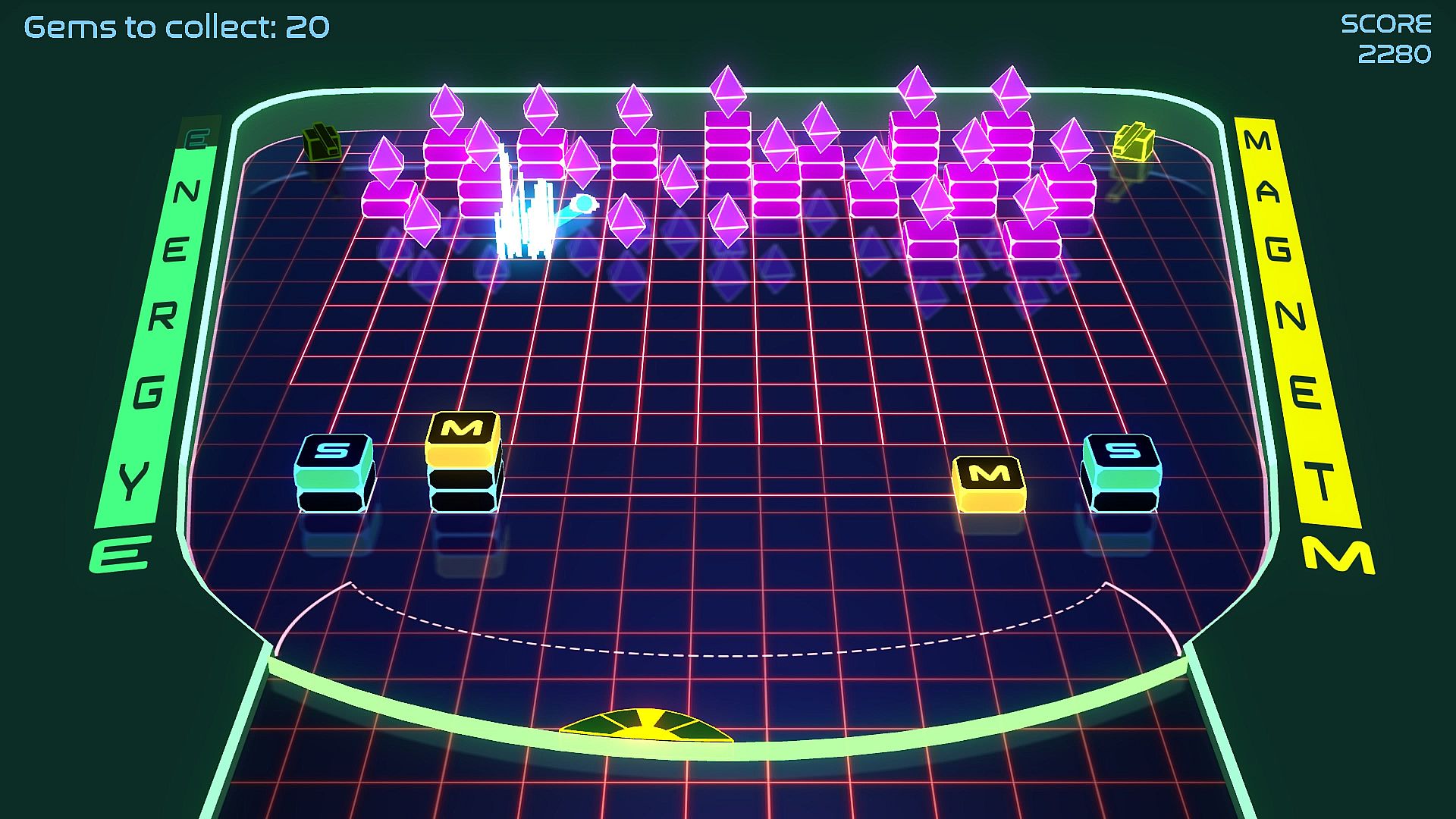
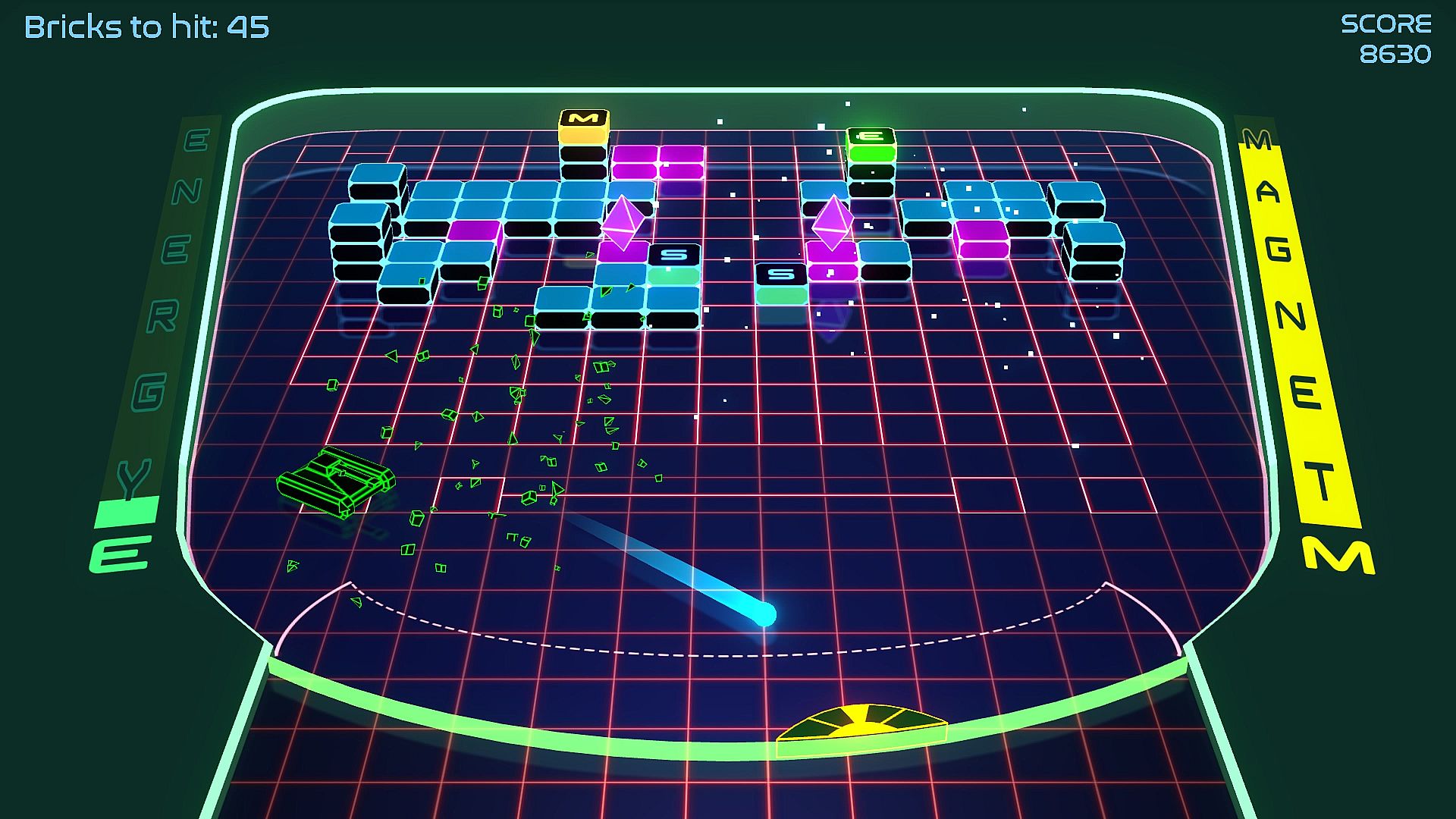
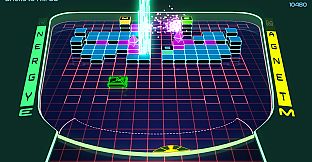
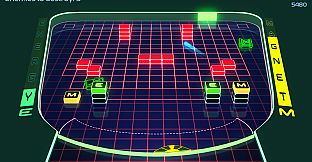
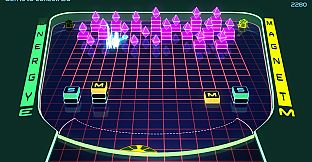
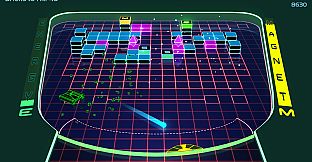
The core loop involves directing the paddle to bounce the ball into arrangements of bricks. Direct hits remove bricks from the playfield, and the ball must remain active to continue the stage. Enemies appear in later sections and require accurate shots to eliminate before they interfere with the ball or paddle. The Magnet power serves as a key tool for redirecting the ball on demand, allowing players to set up better angles or recover from near-misses. Success depends on reading the ball's trajectory, adjusting paddle speed, and activating the magnet at the right moment to maintain control without losing momentum.
Levels build in complexity through tighter brick layouts, faster ball speeds, and more frequent enemy placements. Early stages introduce basic patterns that reward steady paddle movement, while later ones demand quick corrections and strategic magnet use to navigate obstacles. The game emphasizes skill development over extended sessions, with each cleared stage unlocking the next in sequence. Vibration feedback through the DualSense controller provides tactile cues during impacts and power activations, enhancing the sense of contact without requiring additional inputs.
Game Modes
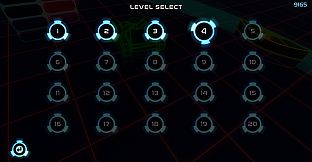
NeoNoid operates entirely in a single-player format. The primary structure consists of a linear campaign that guides players through all twenty levels in order. There are no separate competitive or cooperative options, keeping the focus on individual mastery of the mechanics. Progress saves automatically after each successful stage completion, allowing players to resume from the last cleared level on subsequent play sessions.
Within the campaign, stages vary in layout and enemy density to create distinct pacing. Some emphasize open spaces for longer ball flights, while others feature clustered bricks and moving threats that force tighter control. The absence of additional modes means the entire experience revolves around refining the same core skills across the full set of levels rather than switching between unrelated formats.
Progression and Challenges
Advancement comes from completing each of the twenty levels in sequence. Difficulty ramps through changes in brick density, ball velocity, and enemy behavior, encouraging players to improve paddle precision and magnet timing rather than relying on external systems. The game does not include branching paths or alternative objectives within stages, so every attempt centers on clearing the board while keeping the ball active.
Mastery requires adapting to the specific patterns of each level. Early stages serve as practice for basic bounces and magnet activation, while later ones introduce combinations that punish imprecise timing. Players who focus on consistent paddle positioning and selective magnet use tend to progress more steadily through the later challenges.
Is It Worth Playing?
NeoNoid suits players who enjoy straightforward brick-breaking action with added enemy encounters and a controllable power-up. The twenty-level structure provides a compact campaign that rewards repeated attempts to refine technique. As a new release with no player ratings available yet, its appeal rests on the clarity of its mechanics and the satisfaction of overcoming increasingly demanding stages.
Those familiar with classic paddle-and-ball games will find familiar foundations updated with the magnet mechanic and enemy interactions. The single-player focus and offline availability make it accessible for short sessions or longer focused play without requiring online features. Players seeking a modern take on the genre on PS5 can evaluate it based on how well the core loop matches their preference for precise, skill-based challenges.