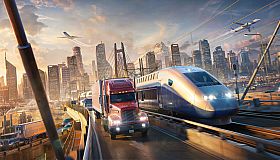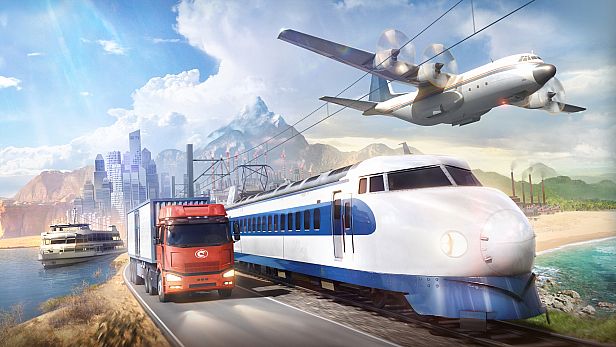


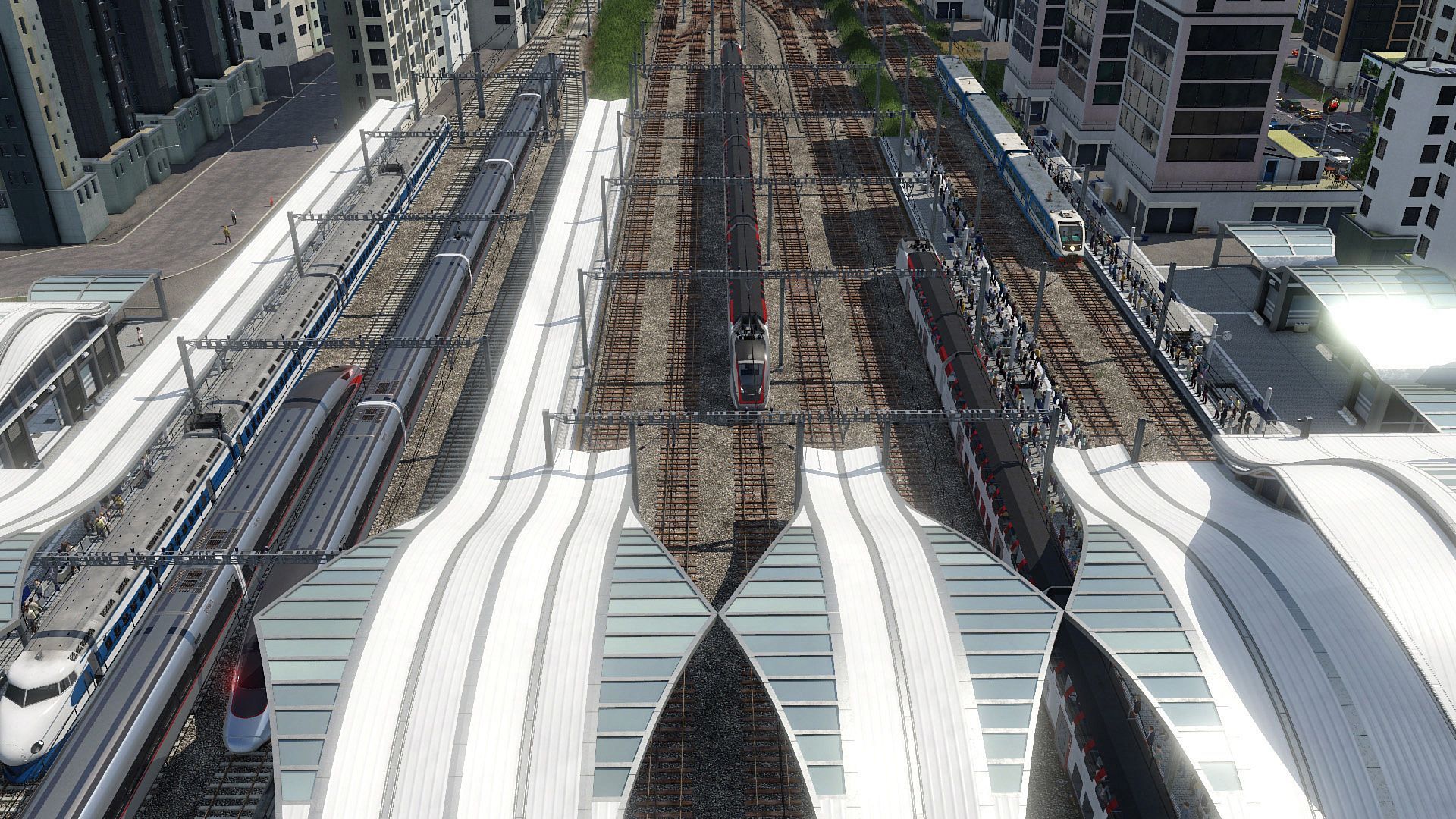
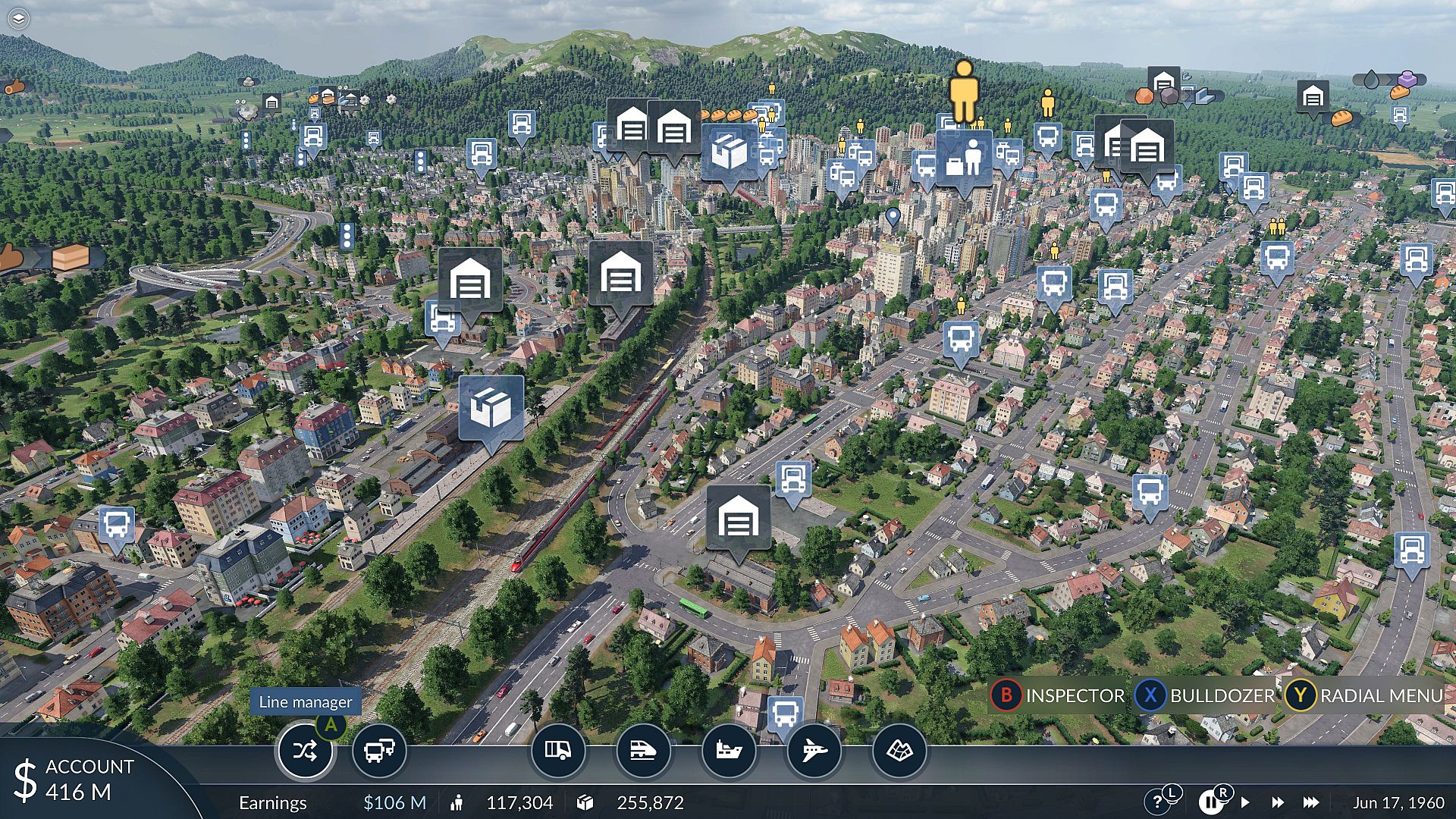
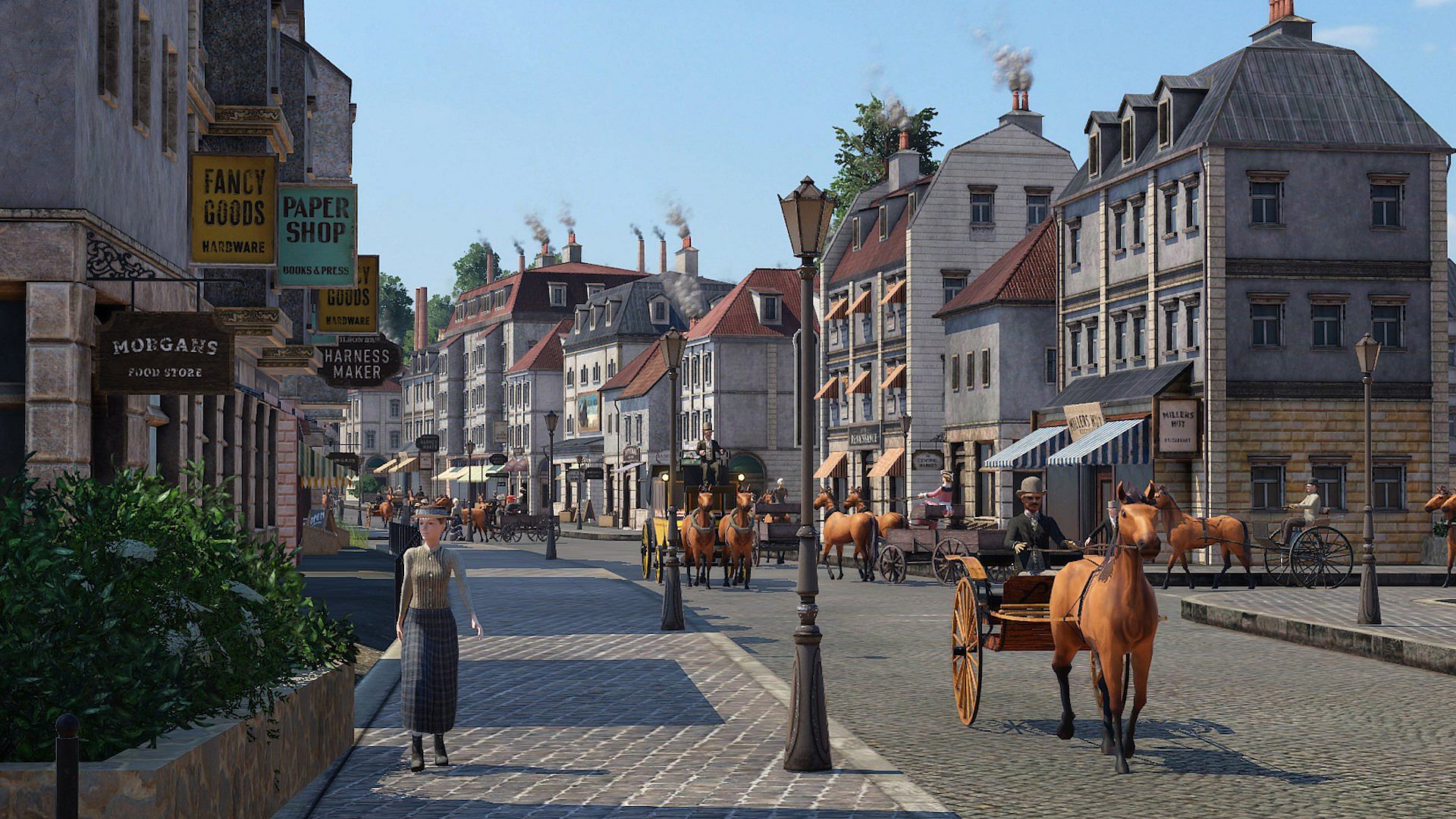
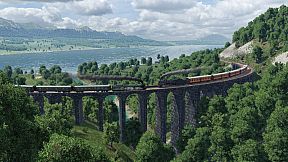
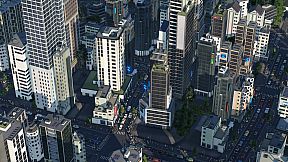
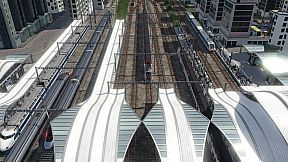
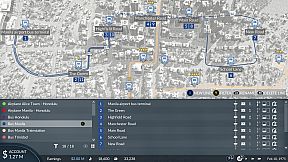
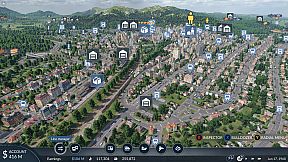
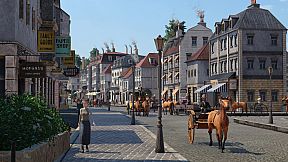
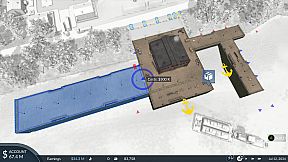
Transport Fever 2 is a transport simulation game that places players in charge of building and managing comprehensive transport networks across land, water, and air. Spanning from 1850 to the present day, the title focuses on connecting cities, delivering passengers to work and leisure destinations, and moving raw materials and finished goods to support economic growth. The core loop revolves around planning routes, constructing infrastructure like rails and stations, and optimizing vehicle fleets to balance costs, capacity, and efficiency while watching cities expand in response to better connectivity.
Gameplay
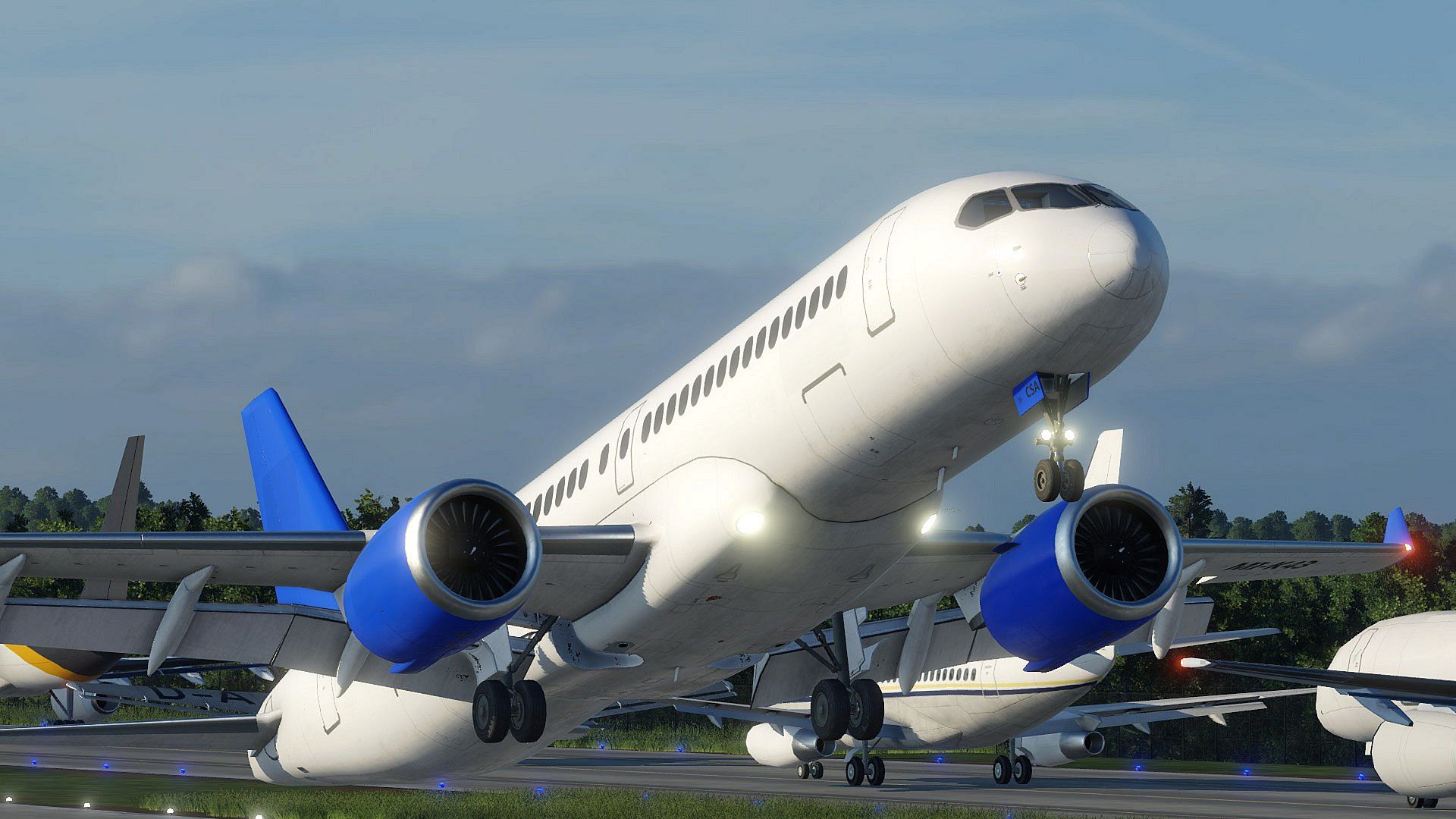
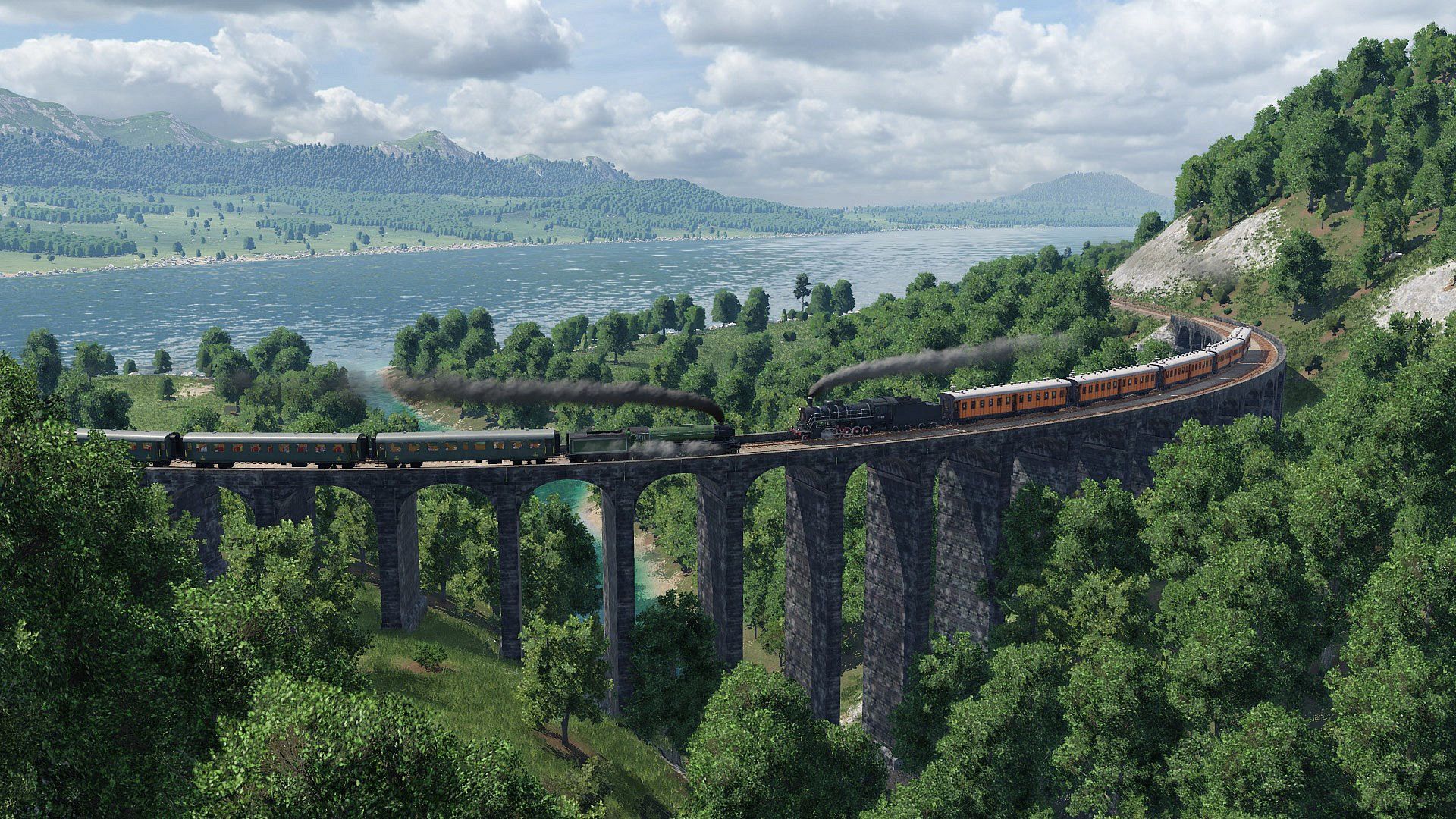
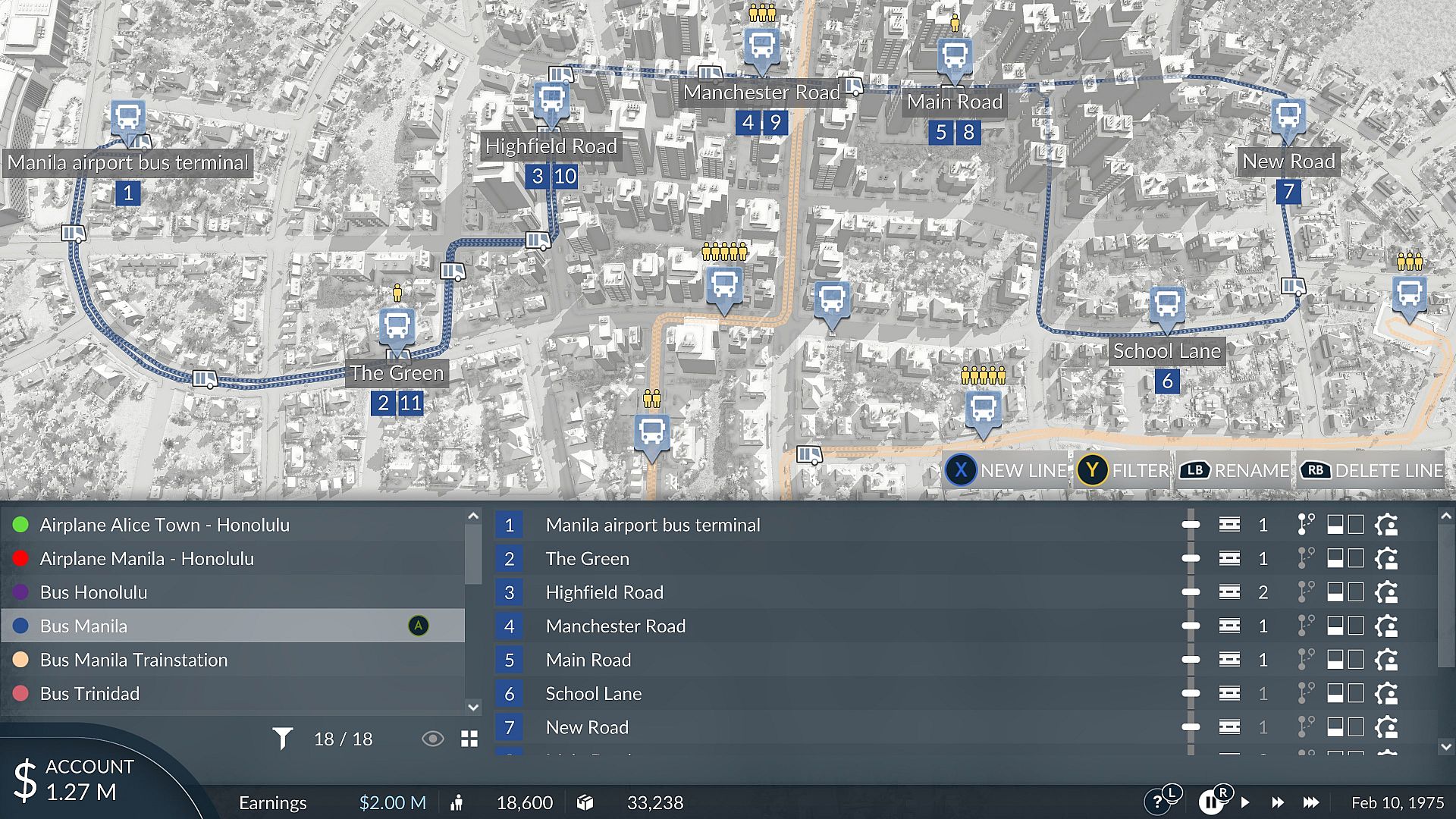
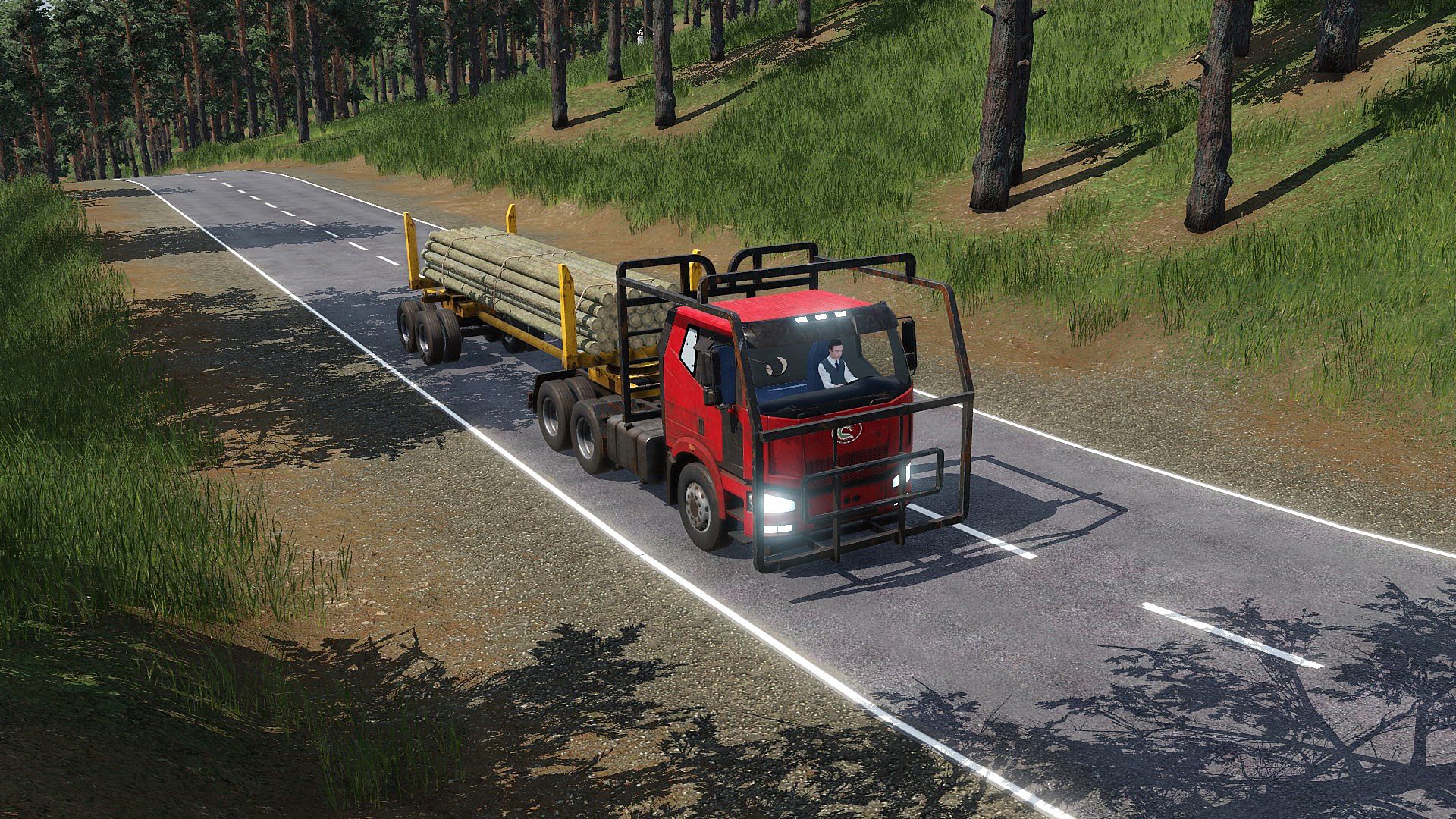
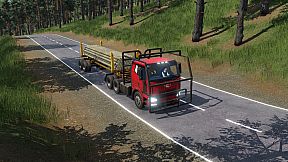
Players design transport lines using trains, buses, streetcars, trucks, aircraft, and ships. Each vehicle type handles specific roles, with trains excelling at high-volume long-distance hauls and planes offering rapid connections once unlocked in later eras. Construction tools allow precise placement of tracks, roads, and terminals, including modular stations that expand with demand. The simulation tracks traffic flow, one-way streets, traffic signals, and emissions on separate overlay layers for informed decision-making.
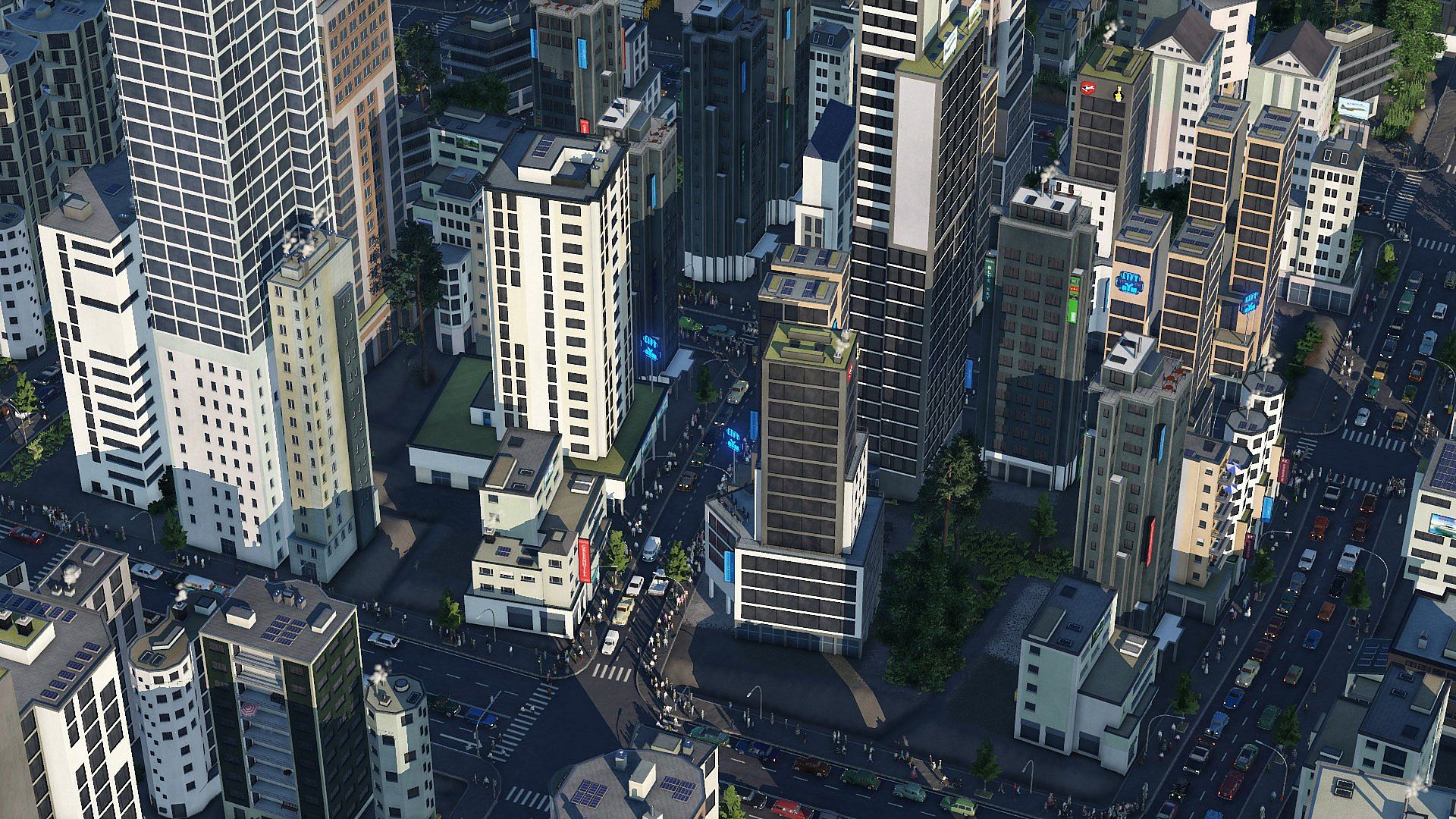
Economy and city systems drive progression. Factories produce goods along more than ten supply chains, while residential, commercial, and industrial buildings generate passenger and cargo needs. Terrain editing supports realistic landscapes across moderate, dry, and tropical zones, with physics-based lighting and individually animated wildlife adding depth to the world. Over 200 vehicles from Europe, America, and Asia appear with detailed models that reflect historical accuracy and wear over time.
Game Modes
Campaign mode delivers structured challenges across three continents and multiple historical periods. Players complete objectives tied to transport milestones, with voiceovers and cutscenes providing context for each mission set. The mode spans more than 20 hours and emphasizes strategic adaptation to changing technology and regional demands.
Free play mode opens a sandbox environment with extensive configuration options for map size, starting year, industry density, and city growth. Players set their own goals, unlock achievements, and experiment without time limits or prescribed objectives. The map editor complements both modes by enabling custom terrain creation and modification of existing saves.
Key Systems and Features
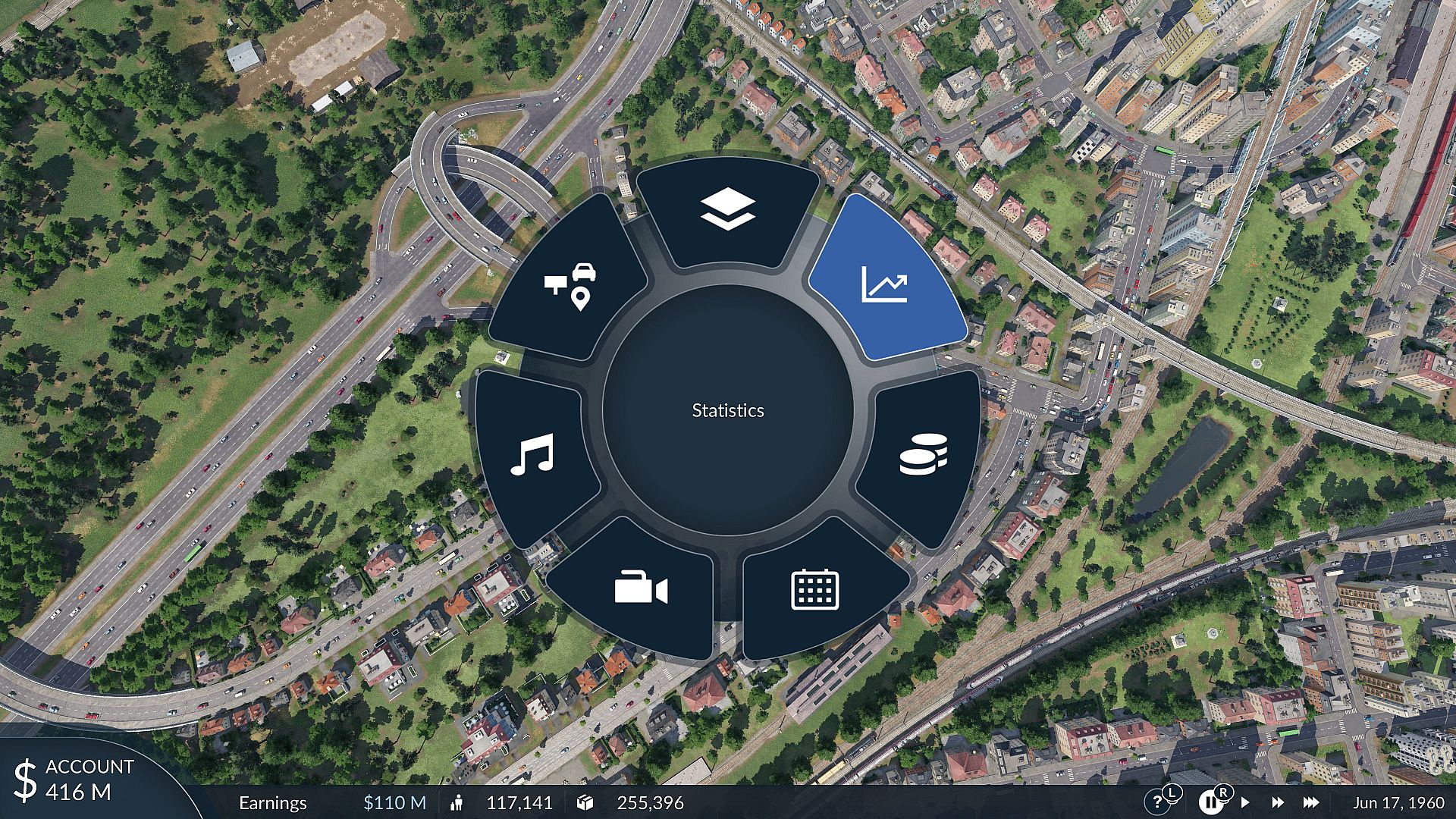
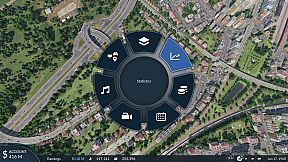
Realistic logistics mechanics require attention to route efficiency, vehicle scheduling, and infrastructure upgrades as eras advance. Dynamic pricing and demand shift based on supply chains and urban development, rewarding players who maintain balanced networks. Separate data layers display critical metrics such as passenger satisfaction, cargo throughput, and environmental impact to guide expansions.
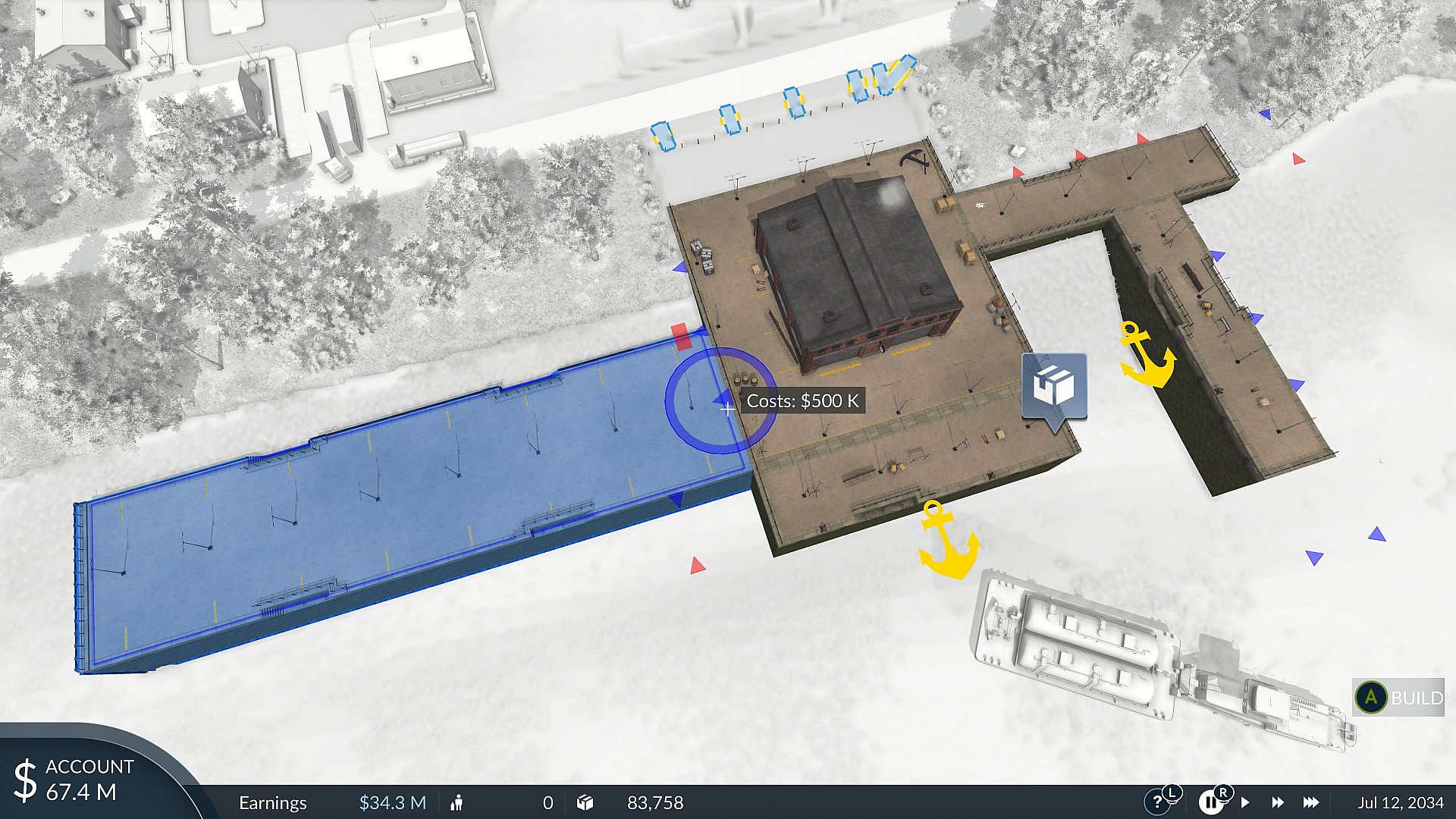
Modular building options extend to harbors, airports, and depots, while paintable terrain and intuitive rail-laying tools reduce friction during large-scale projects. The game runs entirely in single-player, with no multiplayer components.
Is It Worth Playing?
Transport Fever 2 suits players who enjoy methodical simulation and long-term empire building. The campaign provides guided progression with historical variety, while free play supports creative freedom for those who prefer open-ended management. Console controls support both controller and mouse-and-keyboard input, though the experience shines most for those comfortable with detailed planning rather than fast-paced action.
Reception highlights the depth of the transport systems and the quality of the campaign storytelling. Performance varies by hardware generation, with newer Xbox Series consoles handling larger maps more smoothly. The title remains a complete package without ongoing seasonal content, making it a strong choice for anyone seeking a focused transport tycoon experience on Xbox One or Xbox Series consoles. Child accounts under the applicable age threshold cannot access modding features if they become available through updates.