

Crosstalk: The Experiments of the Connectome is a strategy and simulation game available on PC that blends electronic design tools with neural mapping experiments. Players engage in circuit creation and connectome-based simulations drawn from real biological data on flies, mice, and humans. The experience centers on building and testing systems in a sandbox environment while incorporating partial neural structures as modular components.
Gameplay
The core loop involves designing hardware architectures through SystemVerilog descriptions, then running them through built-in simulators and emulators. Users open workspaces, write code in shells, and observe gate-level behavior or higher-level emulation of processors such as i386-compatible CPUs. Designs range from simple LED controllers to full computer systems, with tools for compilation, introspection, and C code emission that allows faster execution of derived software.
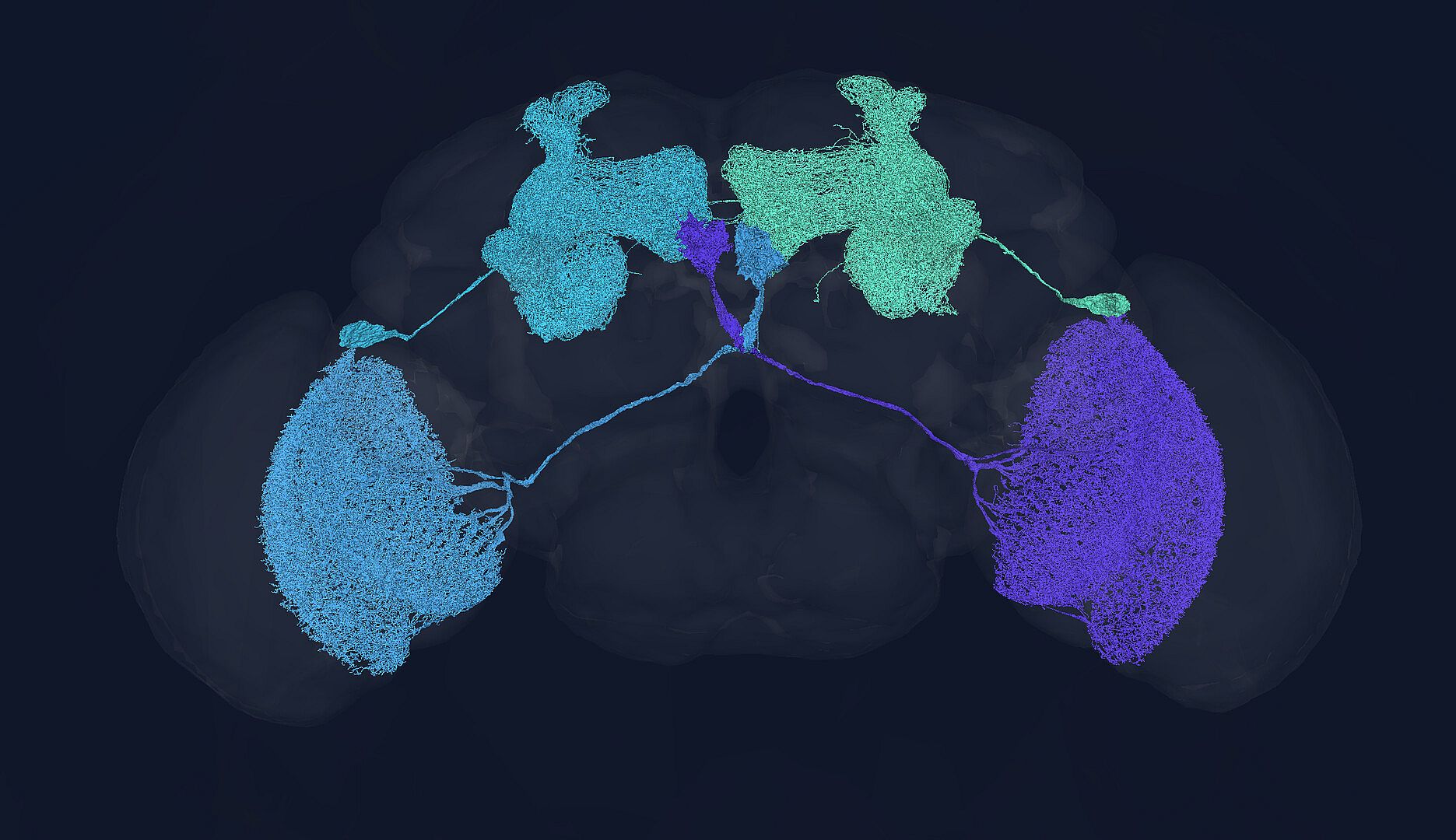
Connectome experiments form a key extension through the free DLC. These allow user-runnable simulations using neural connection data from various animals. The fly connectome provides a complete map, while mouse and human versions remain partial representations limited to scanned regions. Players integrate these structures as building blocks within the simulation framework, testing reinforcement learning setups or independent agent behaviors without external dependencies.
Mechanics emphasize structural and electrical validity. Designs can export to fabrication formats for real-world PCBs, and the system supports both solo exploration and collaborative building. Introspection tools reveal internal states during runs, enabling iterative refinement of architectures and neural integrations alike.
Game Modes
Sandbox mode serves as the primary experience. It offers a customizable workspace with floating windows for editing, simulation, and monitoring. Self-play submode lets individuals handle all aspects alone, from code entry to program execution. Networked submode enables multiple participants to collaborate over connections, sharing designs and emulators in real time.
The connectome DLC integrates directly into these workflows as additional experiment options. Users load partial or full neural maps to run simulations involving animal connectomes, treating them as modular elements alongside standard circuit components. This adds layers of biological modeling to the hardware-focused sandbox without altering the base structure.
Future development includes plans for additional discrete modes beyond the initial PCB city builder elements and sandbox focus, though these remain in progress at the current stage.
Core Systems and Mechanics
SystemVerilog parsing, elaboration, synthesis, and simulation form the technical backbone. A dedicated emulator handles custom architectures like DANGCSA/DANGXA, while C emitters bridge to compiled execution for performance. Workshop sharing extends to designs, software, and emulators, supporting community contributions.
Connectome handling draws from open datasets of neuron and synaptic mappings tied to brain regions. Experiments run natively within the MISC framework, allowing direct interaction with these graphs for tasks such as agent training or structural analysis. Partial data for larger animals limits scope but still permits meaningful building-block use in simulations.
Current State and Availability
The game remains in development with an estimated release window in 2026. Early Access focuses on RTL design and emulation features, with EDA tools and PCB editing slated for later inclusion. The connectome experiments arrive as a free addition once approved, expanding the simulation options without separate purchase.
Support continues through regular updates, including processor emulation advancements and export capabilities for physical fabrication. No user reviews exist yet due to the pre-release status, leaving reception to be determined by early players.
Is It Worth Playing?
This title suits players drawn to technical simulation and strategy elements involving circuit design or neural modeling. The sandbox approach rewards methodical building and testing, particularly for those interested in SystemVerilog workflows or integrating biological data sets. Free access to the connectome experiments broadens appeal for experimentation without added cost.
Those seeking immediate multiplayer depth or narrative content may find the current scope limited until further modes arrive. The emphasis on verifiable, inspectable systems provides a focused experience for dedicated users of hardware simulation tools. Availability on PC positions it well for extended sessions in a development-like environment.