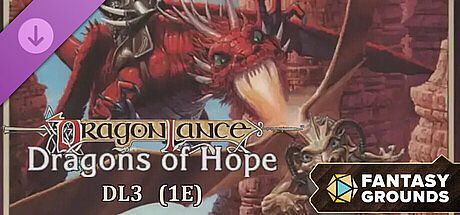


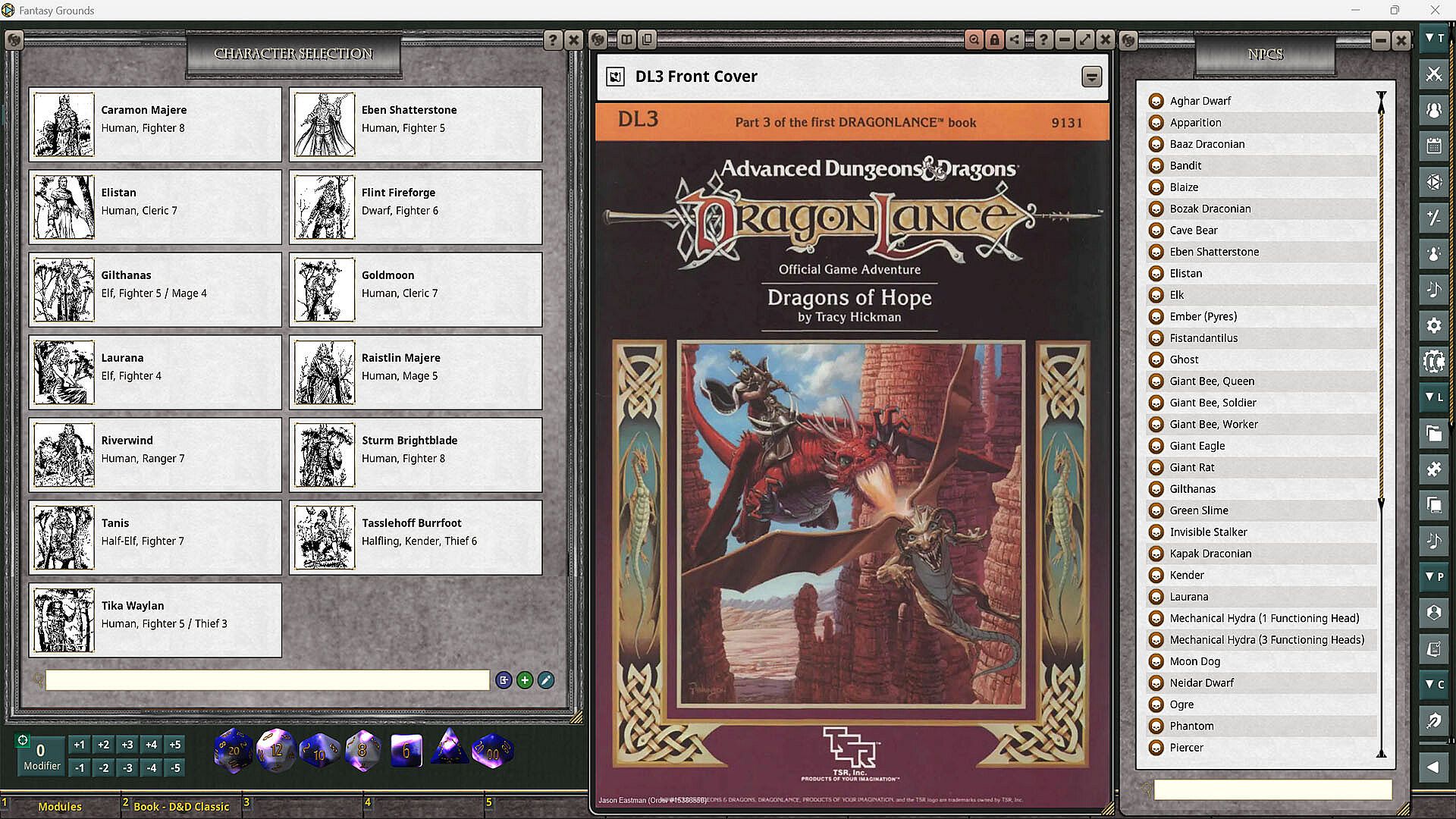
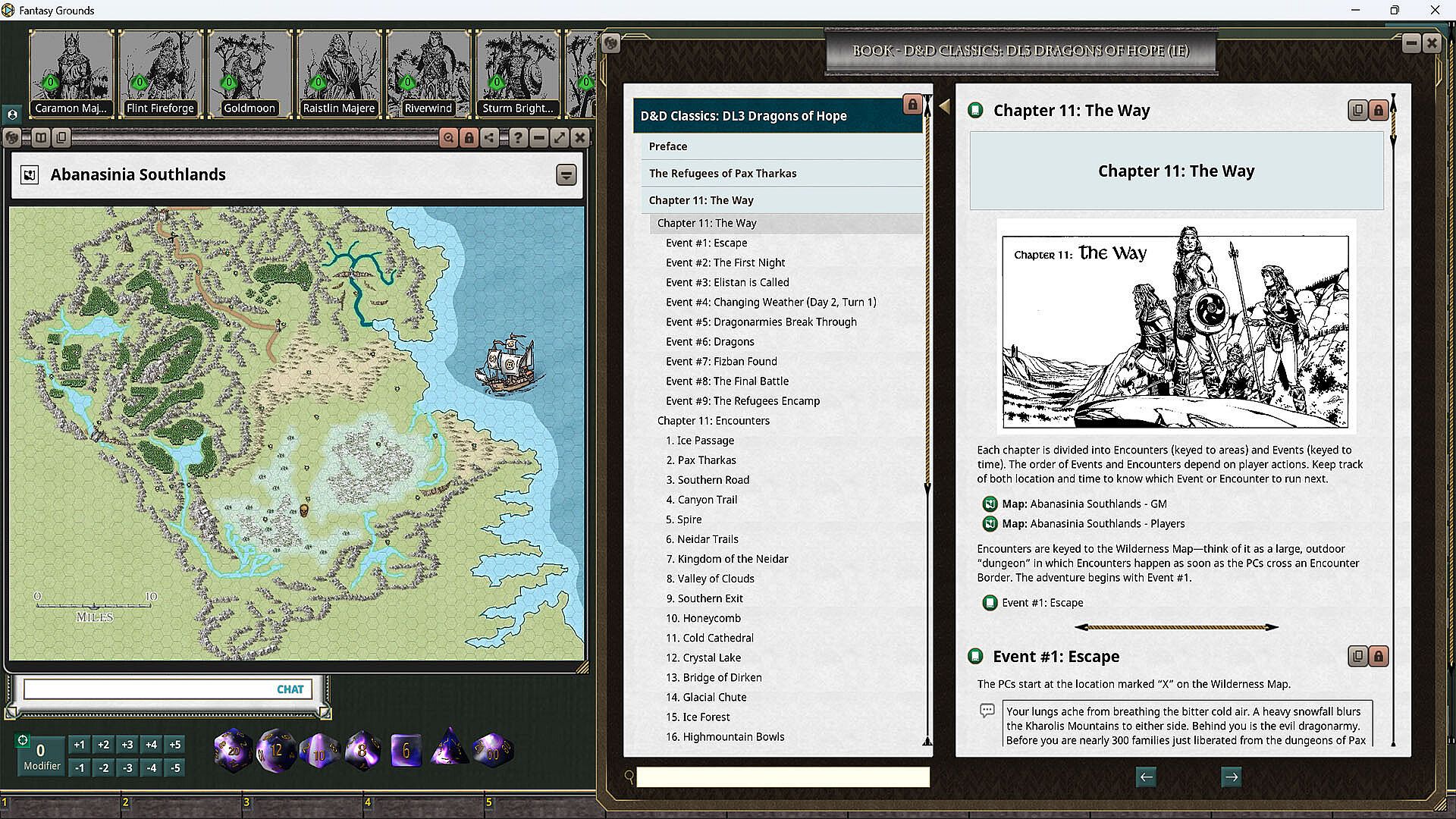
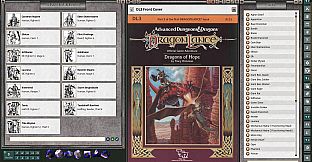
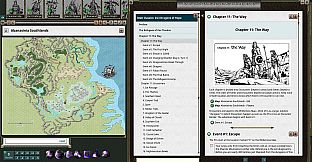
Fantasy Grounds - D&D Classics: DL3 Dragons of Hope (1E) delivers a classic Advanced Dungeons & Dragons first edition adventure module set in the Dragonlance campaign world of Krynn. Players take on the roles of characters at levels 6 through 8 who must guide roughly 800 refugees freed from Pax Tharkas while evading pursuit by the dragon highmaster Verminaard and his forces. The module emphasizes survival decisions across harsh terrain, interactions with refugee leadership, and exploration of ancient sites as the group seeks the sealed gates of the dwarven kingdom Thorbardin.
Gameplay
The core experience centers on managing a large group of non-player characters during an extended wilderness journey. An attrition system tracks the refugees' condition based on food supplies, rest, and exposure to threats, allowing player choices to influence how many survive the trek. A separate political system governs relations with the refugee council, where decisions about routes, resources, and alliances affect group morale and cooperation. Encounters arise from the pursuit by draconian and dragon forces, forcing tactical responses that balance defense of the column with forward progress.
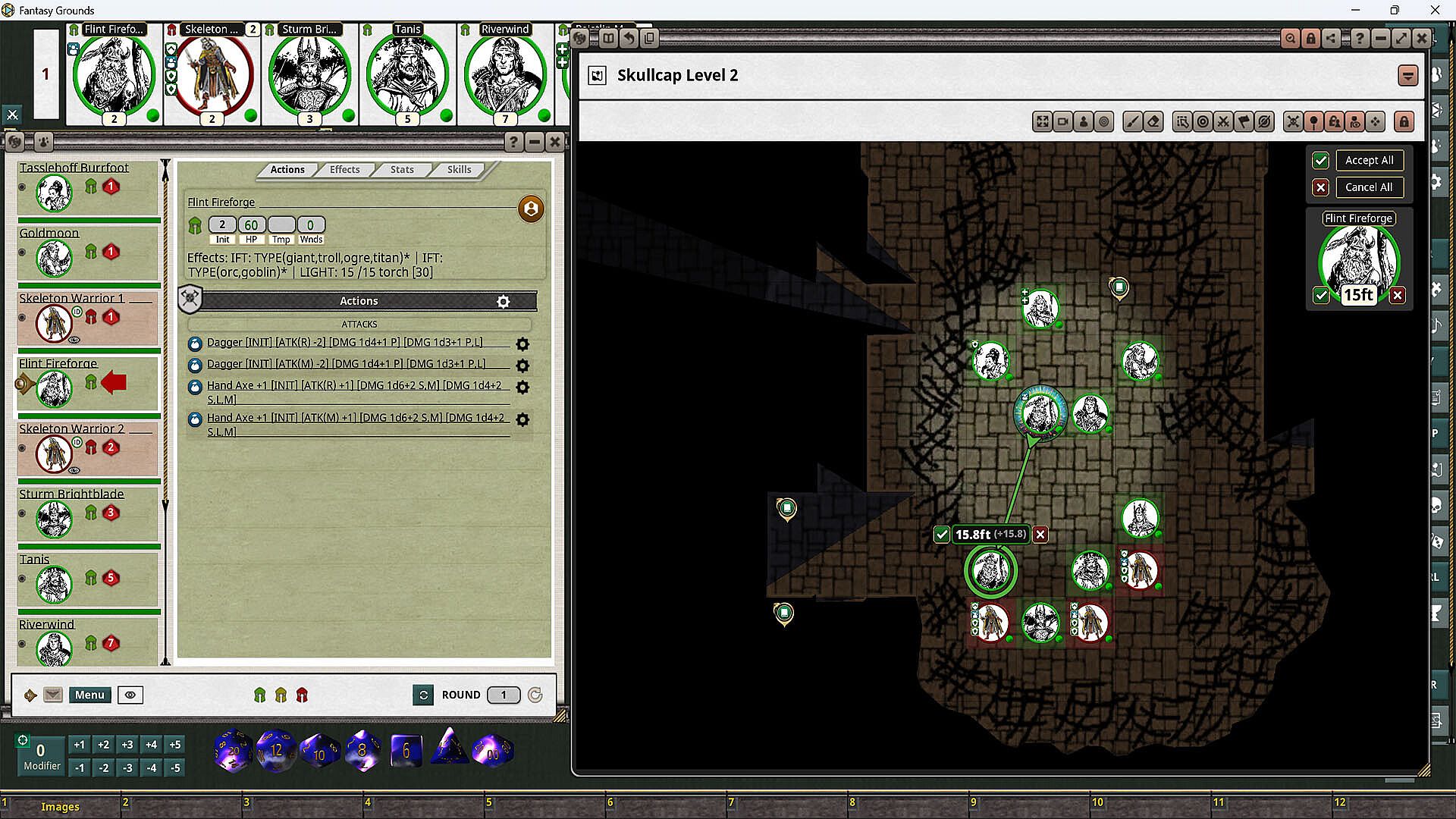
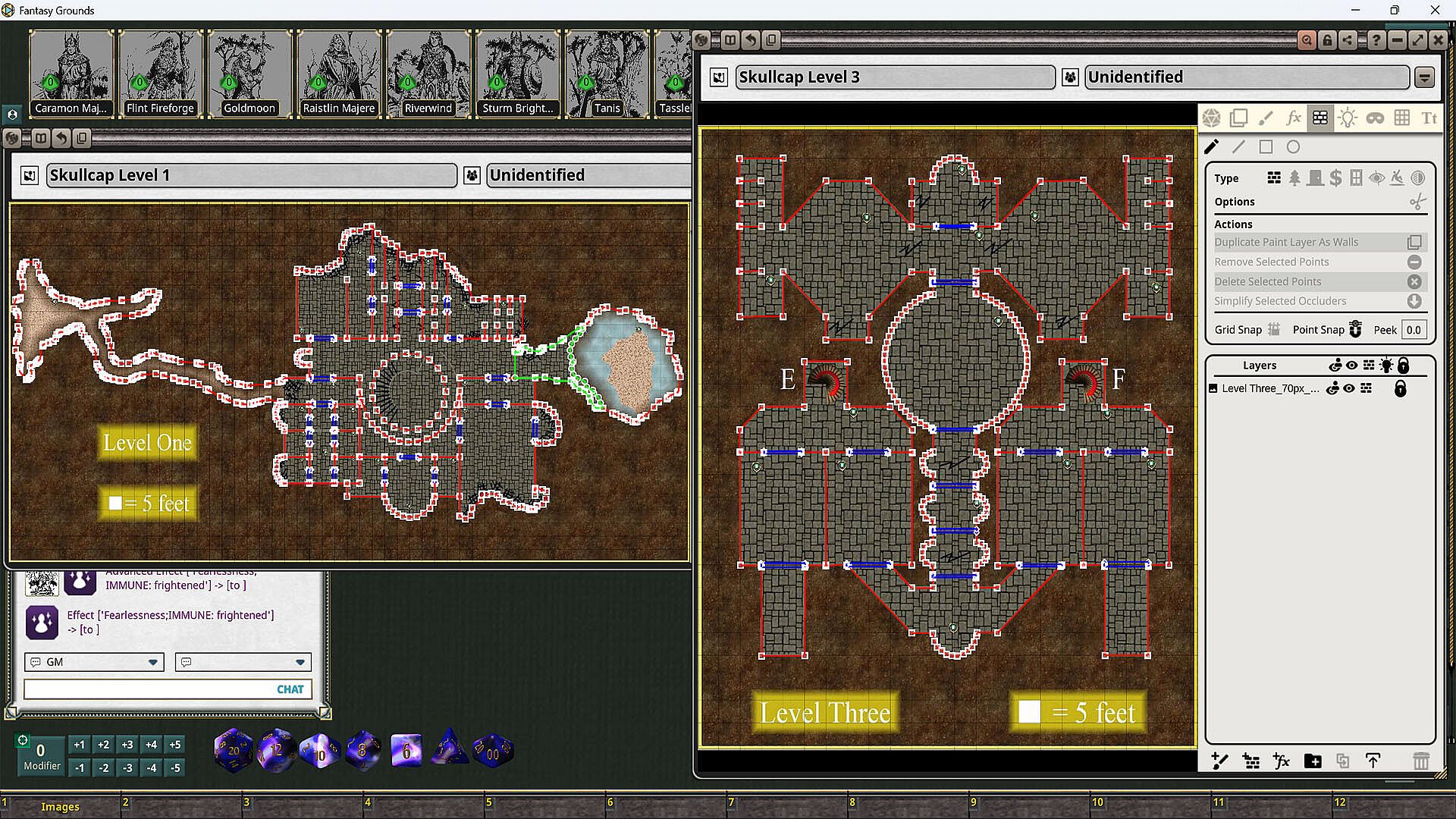
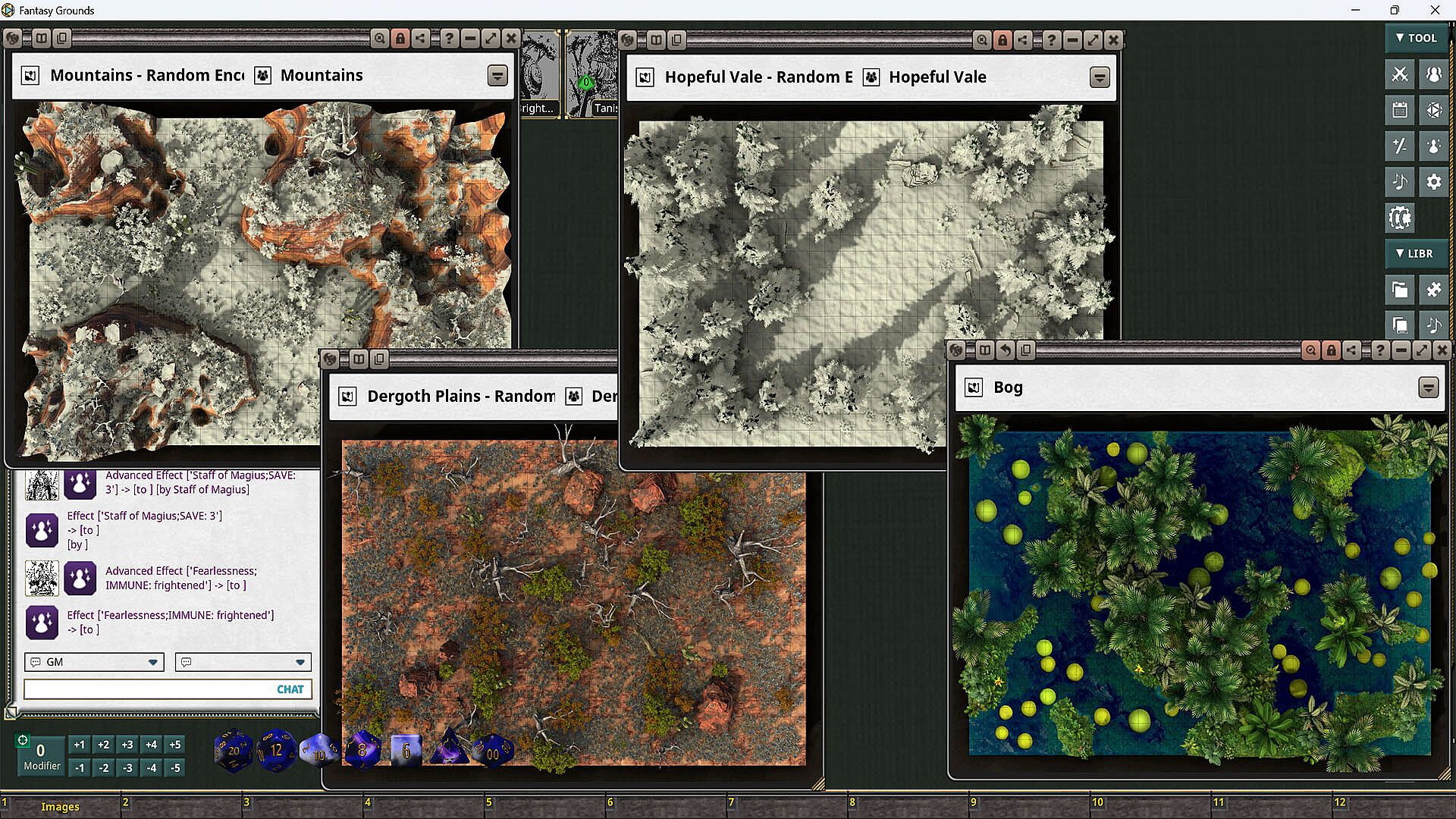
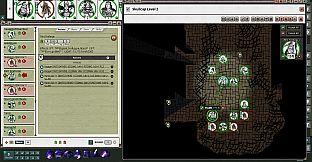
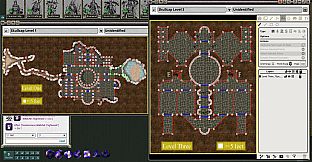
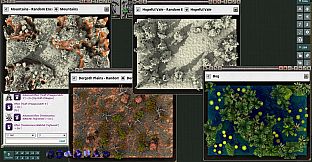
Travel takes the party through snow-covered sections of the Kharolis Mountains and across the haunted Dergoth Plain before reaching the mountain known as Skullcap. Inside Skullcap, exploration shifts to a multi-level dungeon with interconnected areas that reward careful mapping and investigation. Combat and role-playing opportunities mix with the need to locate clues about the dwarven gates. The module supports integration with the broader Dragonlance storyline or use as an independent quest for characters in that level range.
Game Modes
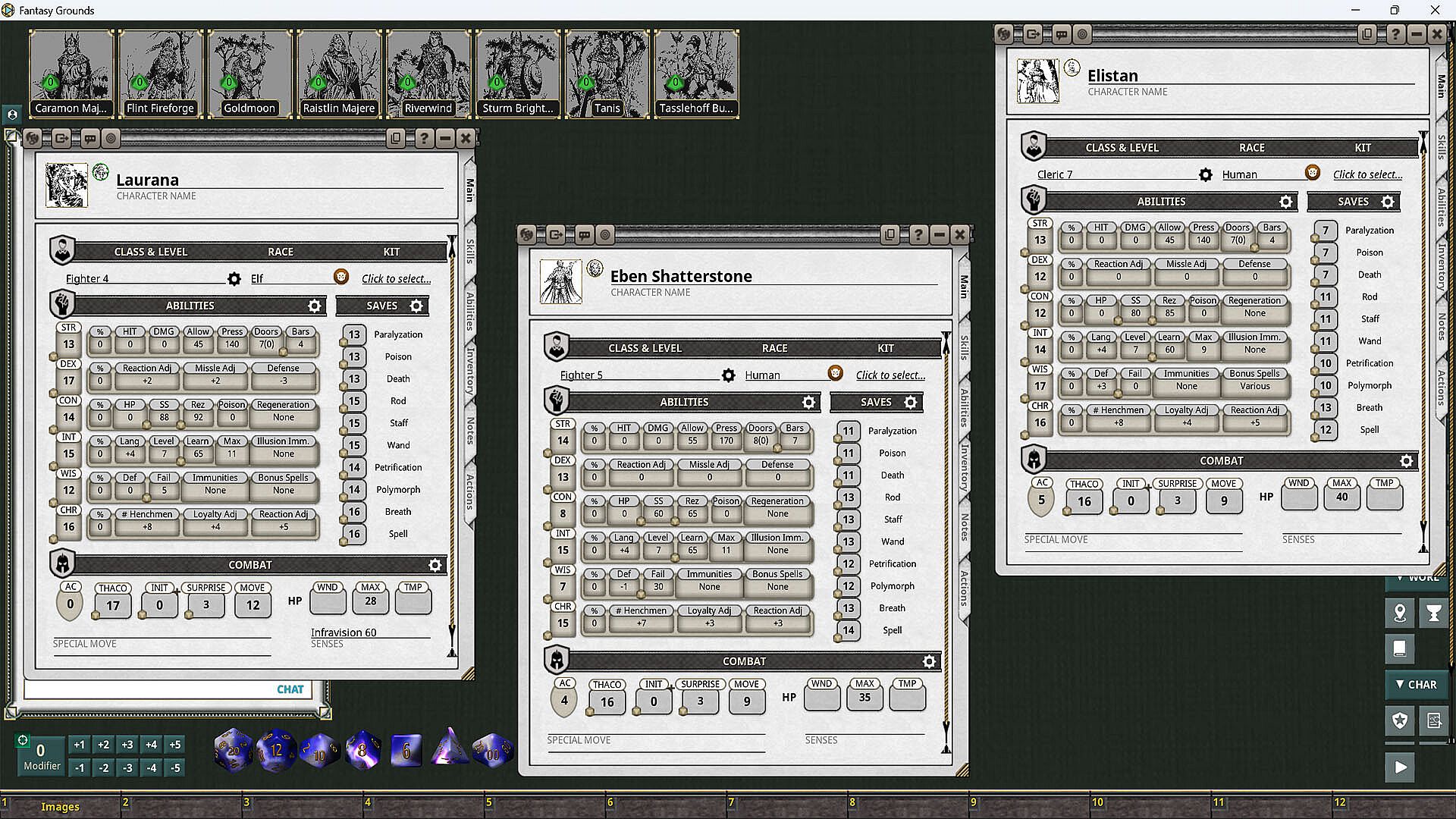
The adventure functions in two primary contexts within Fantasy Grounds. It runs as a self-contained module for a single campaign arc focused on the refugee escort and search for Thorbardin. It also connects directly to the larger Dragonlance series, allowing seamless continuation from prior modules or expansion into subsequent ones. Fantasy Grounds handles the digital tools for map sharing, dice rolls, character tracking, and encounter management during sessions, whether played in real time with a group or prepared in advance by the game master.
No separate competitive or cooperative multiplayer modes exist beyond standard tabletop group play facilitated by the virtual tabletop software. The structure remains narrative-driven with opportunities for both combat and non-combat resolution at key decision points.
Key Elements of the Adventure
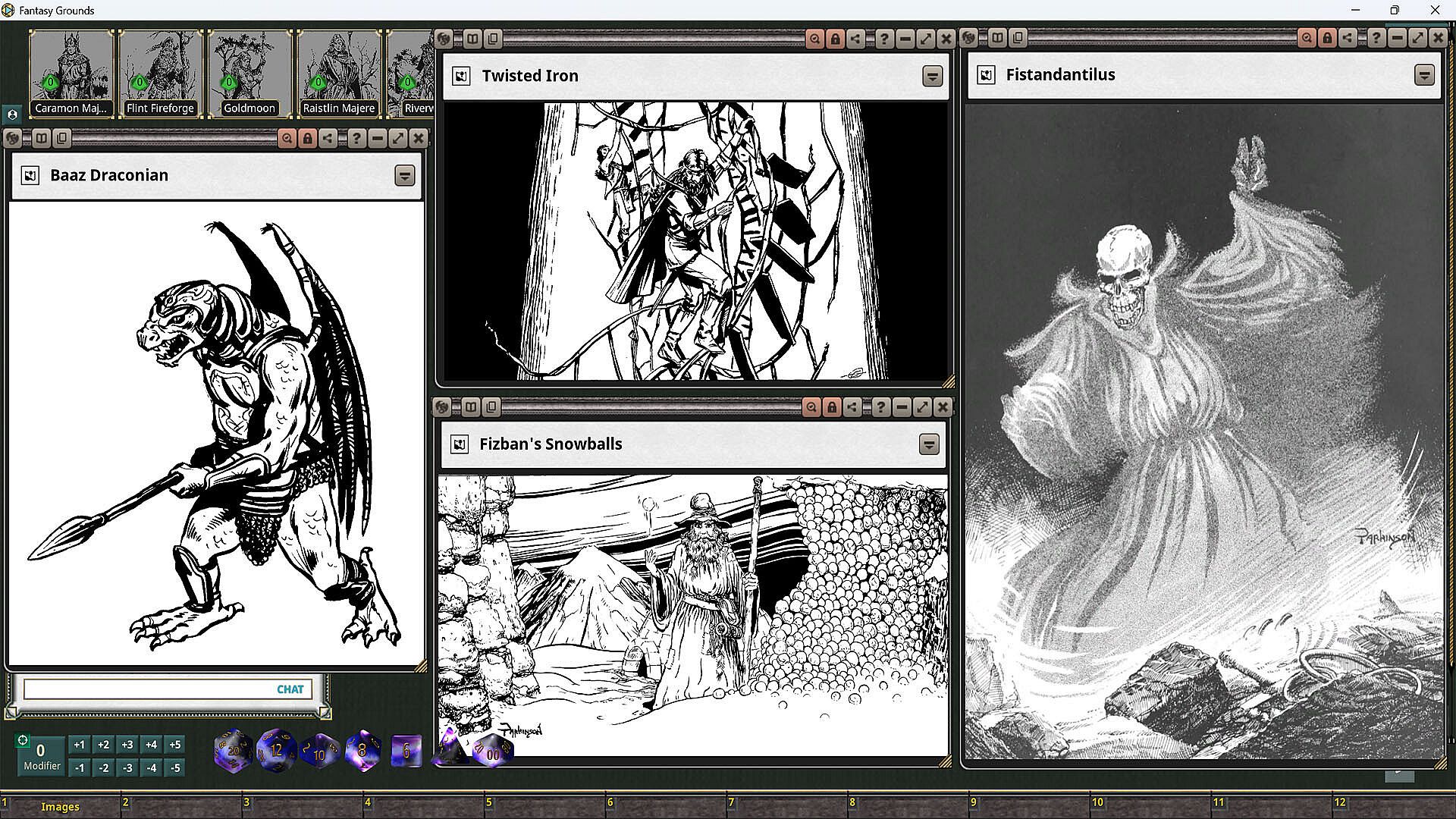
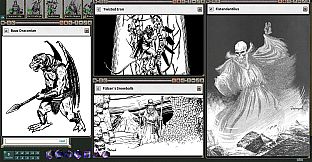
Written by Tracy Hickman, the module introduces mechanical subsystems unusual for its original 1984 release. These include the refugee attrition mechanics that tie player actions to tangible outcomes for the non-player group and the council interactions that add layers of negotiation. Specific locations such as the outpost mines and the Skullcap dungeon provide varied environments, while encounters with dragons and other creatures advance the pursuit narrative. The module includes maps for both players and the game master along with character cards for relevant figures.
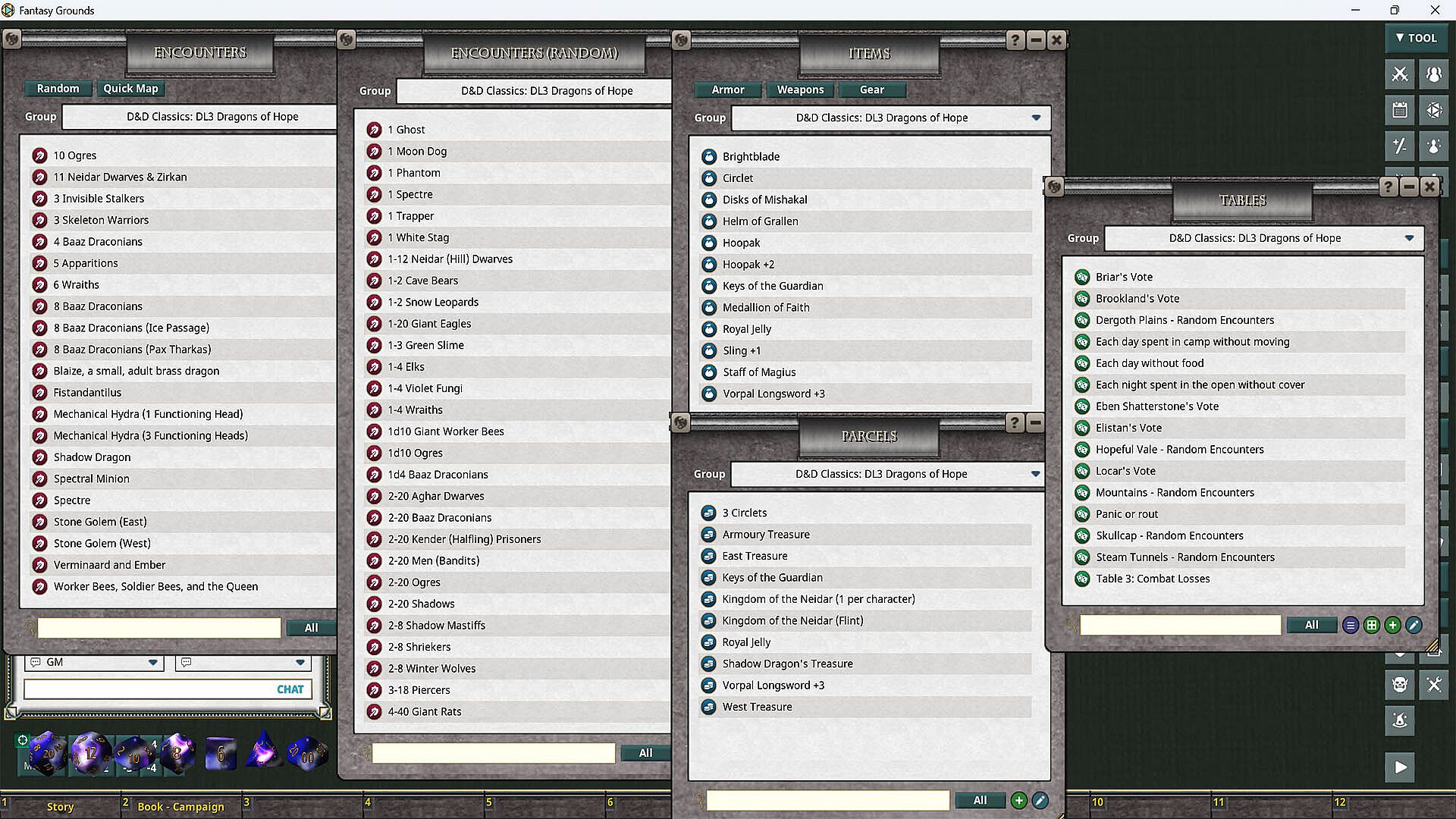
Preparation in Fantasy Grounds allows the game master to pre-load maps, tokens, and notes so sessions flow without constant reference to physical books. The digital format supports quick adjustments during play when player decisions alter the refugee situation or open new paths through the wilderness.
Is It Worth Playing?
Reception of the original module highlights its ambitious scope alongside execution challenges. The refugee management systems offer meaningful choices that affect the story, yet some groups find the political mechanics and attrition tracking cumbersome or in need of additional improvisation by the game master. The wilderness sections provide a change of pace from typical dungeon crawls, while the Skullcap dungeon delivers interconnected exploration that rewards thorough play.
Players who enjoy Dragonlance lore, large-scale narrative consequences, and a mix of role-playing with survival elements will find value in the module. Those seeking tightly scripted encounters or lighter administrative overhead may prefer other entries in the series. Availability as a Fantasy Grounds purchase keeps the content accessible for groups already using the virtual tabletop platform, with the classic 1E rules preserved as originally published.