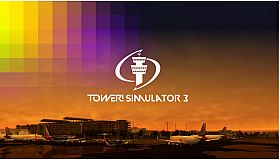




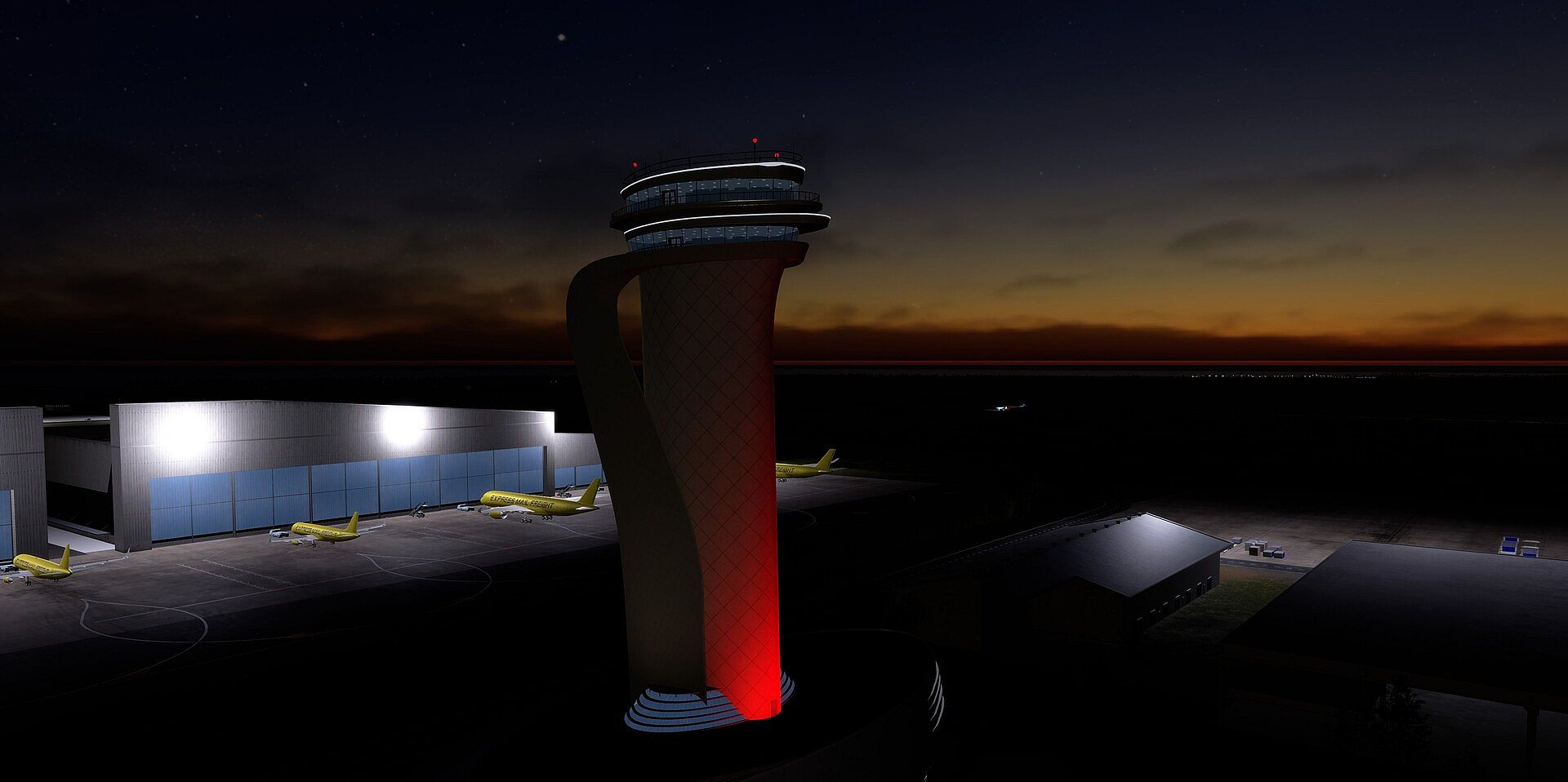

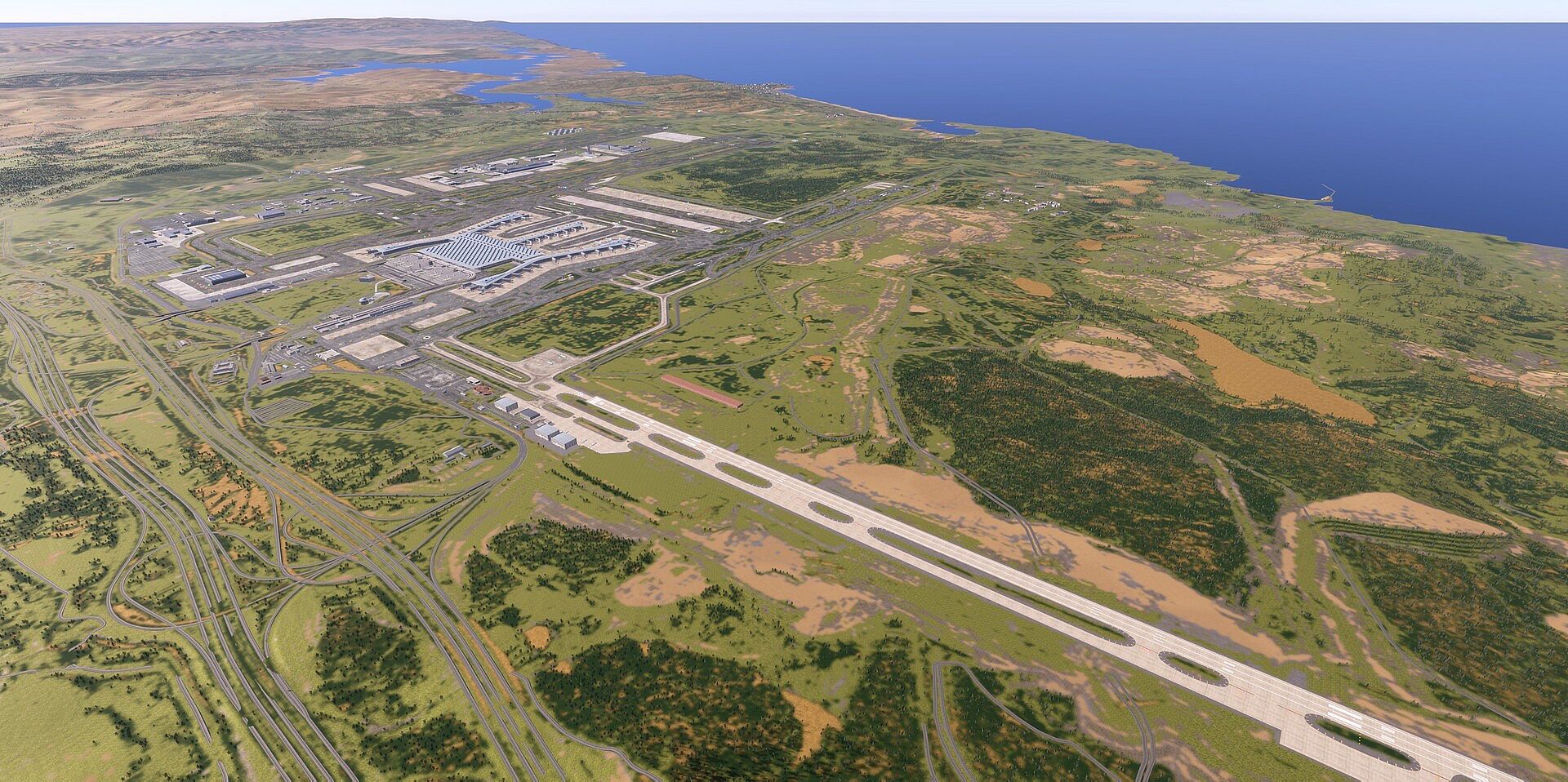
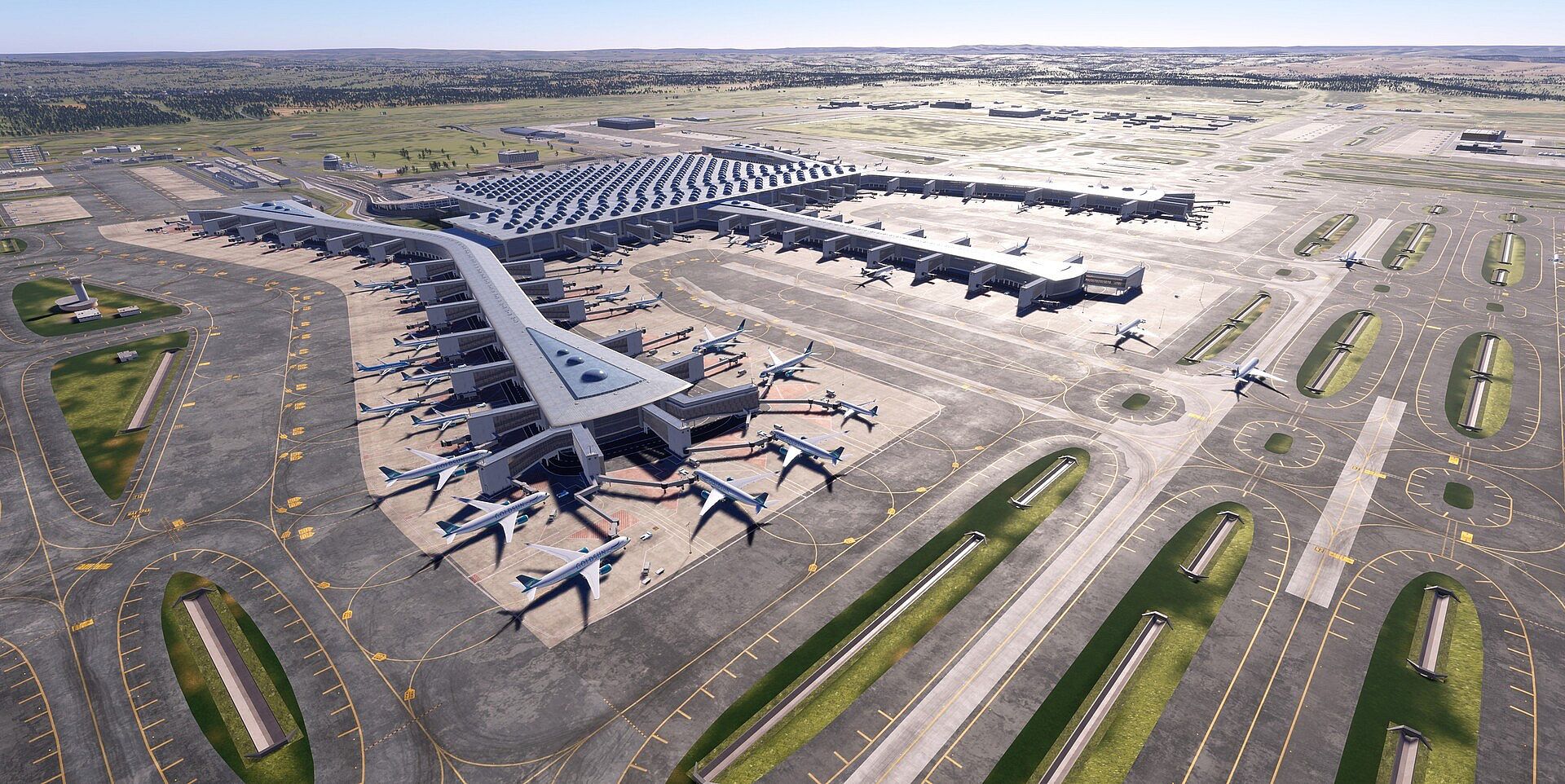
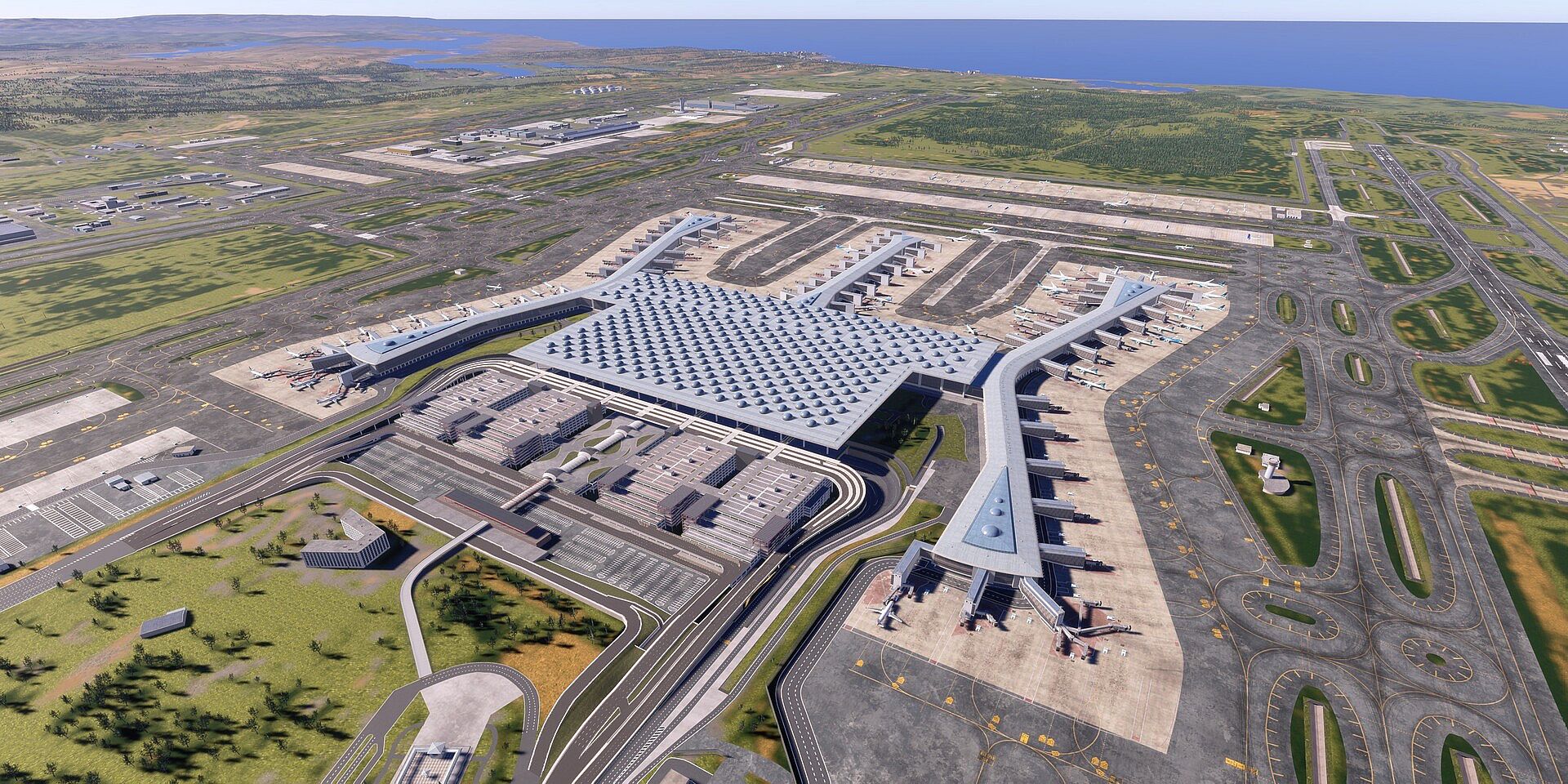
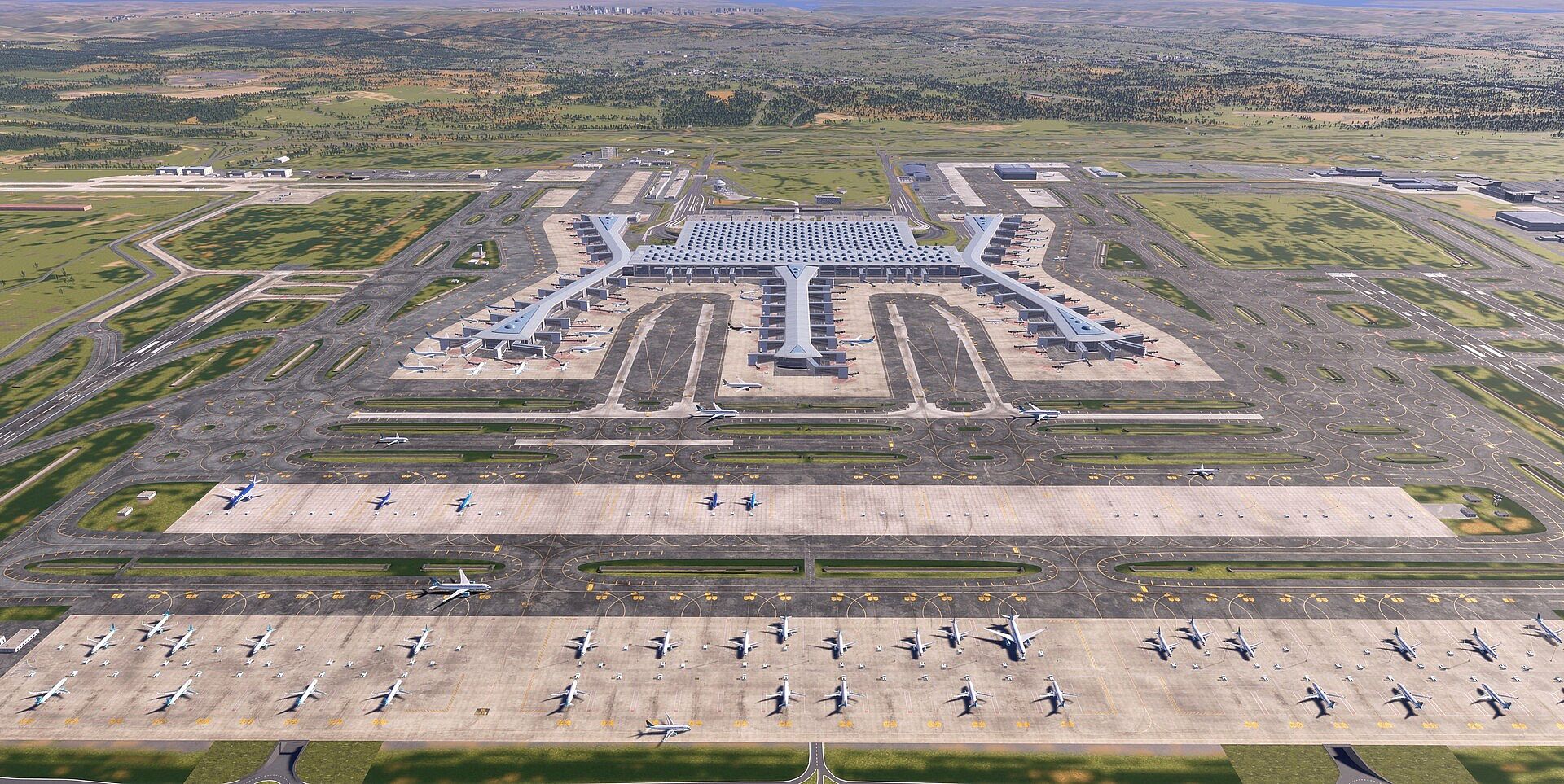
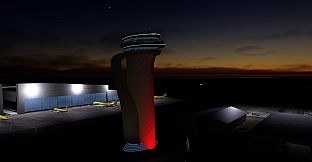
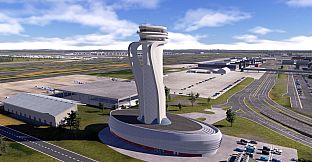

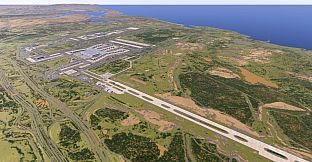
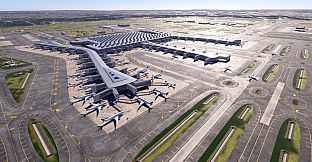
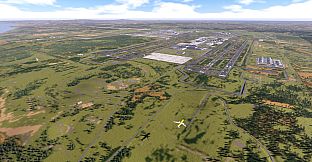
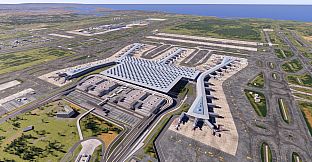
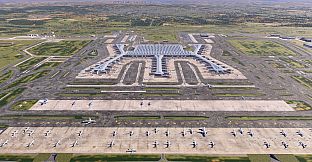
Tower! Simulator 3 - LTFM Airport places players in the role of an air traffic controller at Istanbul Airport, one of Europe's largest and busiest aviation facilities. This strategy and simulation title focuses on managing real-world airport operations through detailed procedures for arrivals, departures, taxi movements, and runway coordination. The experience emphasizes precise decision-making under varying traffic loads at a sprawling complex with six runways and extensive ground infrastructure.
Gameplay
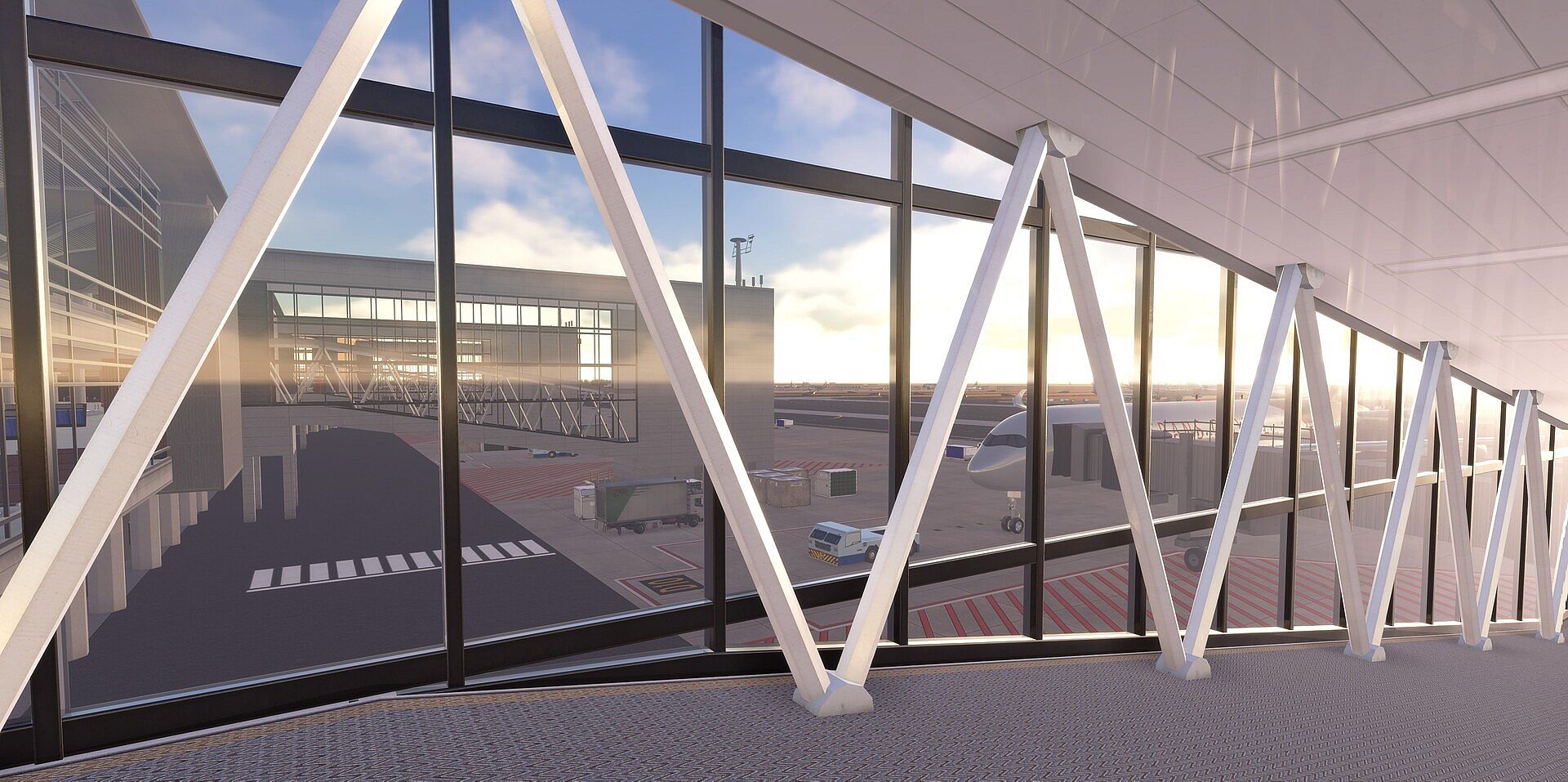
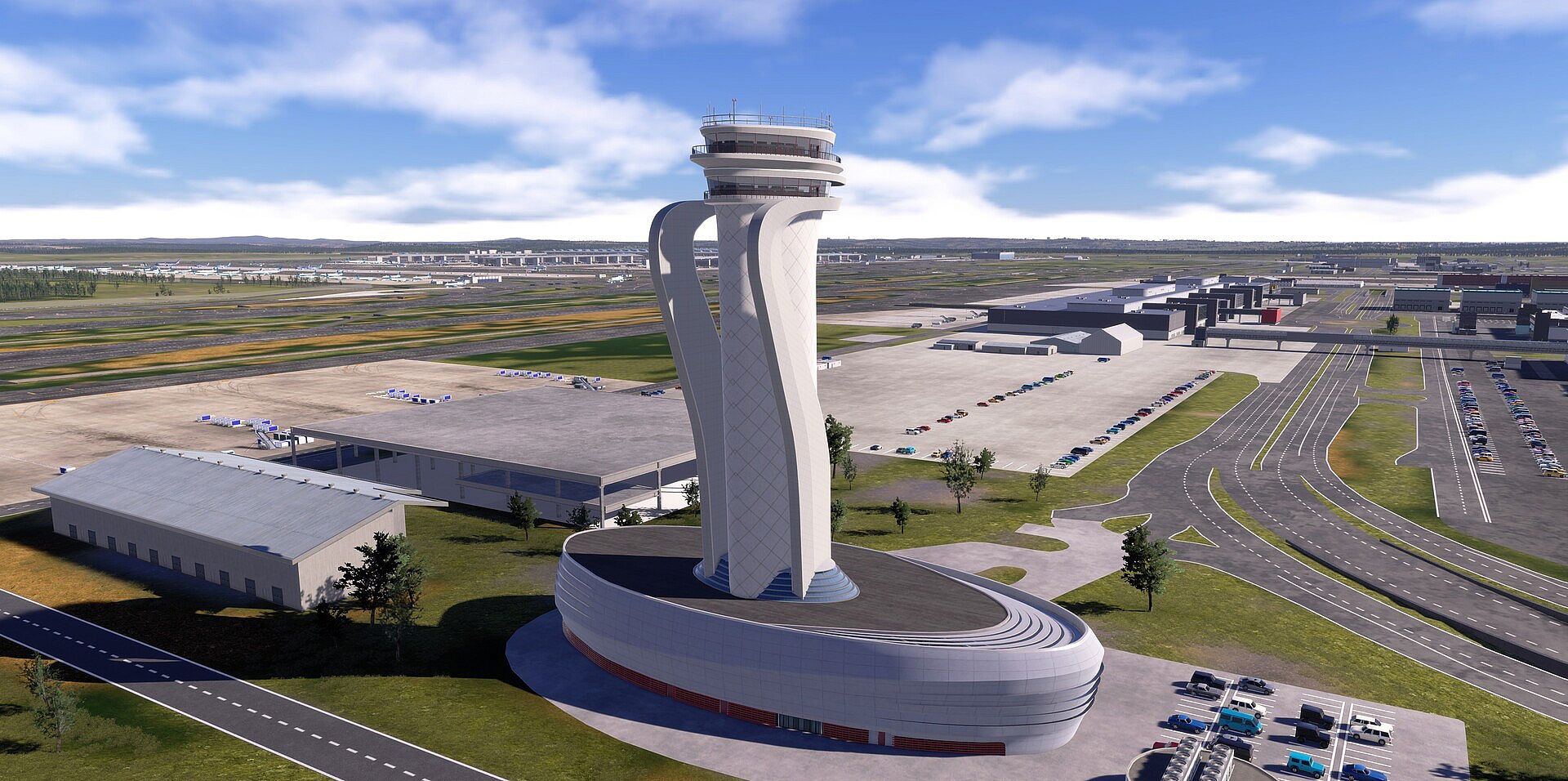
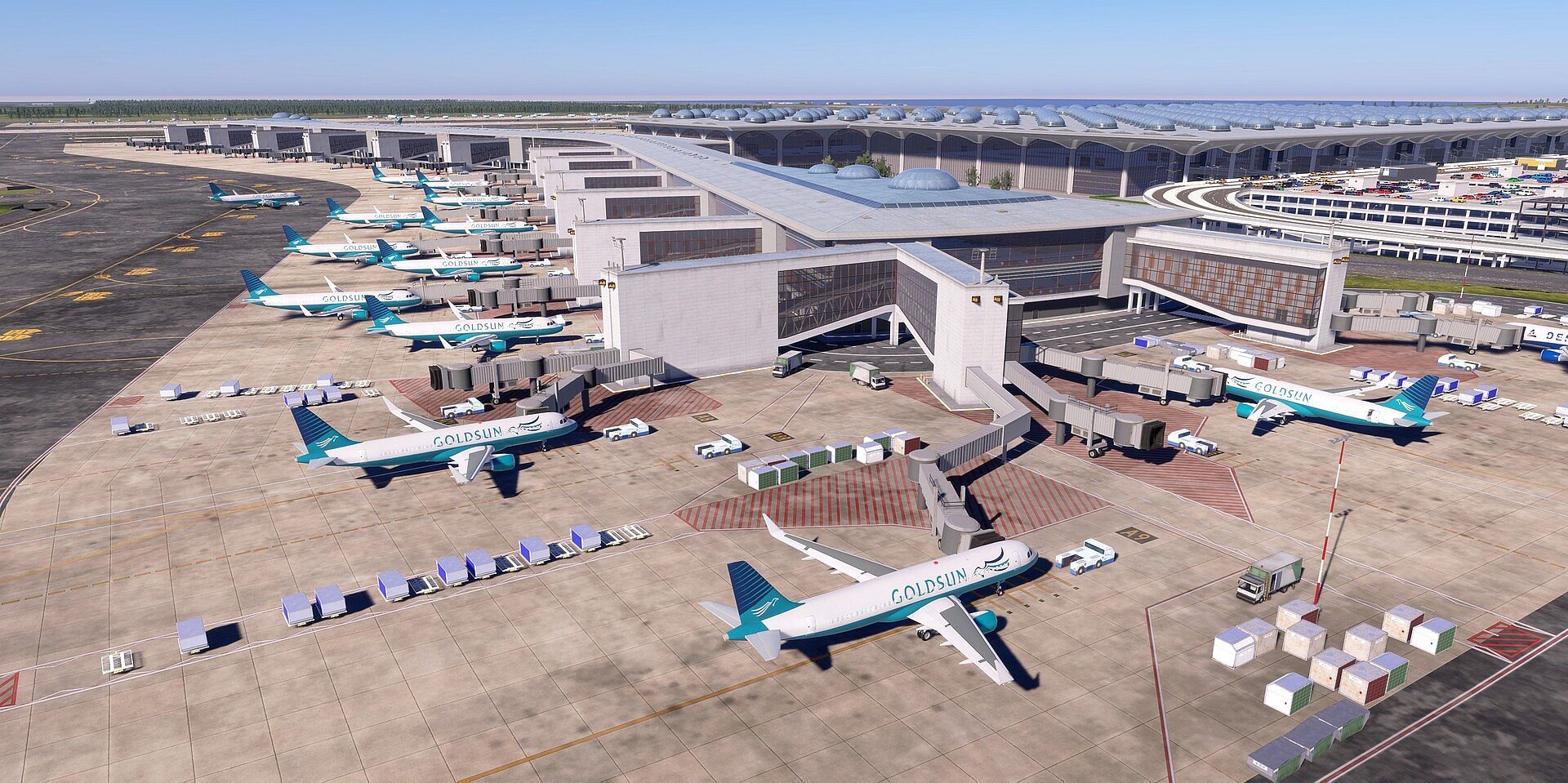
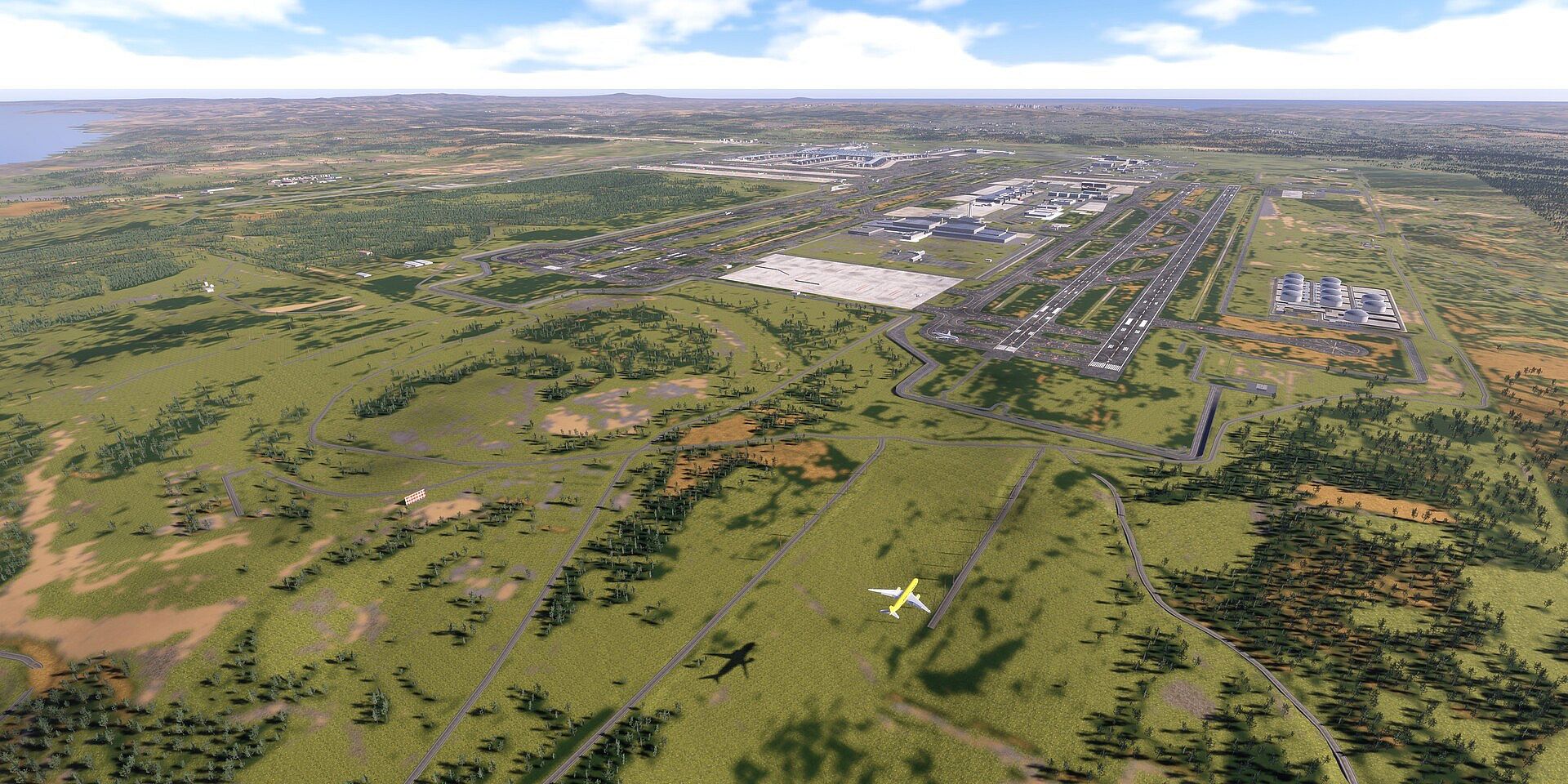
Core gameplay revolves around issuing commands to aircraft using either voice recognition or keyboard inputs to maintain safe and efficient flow. Players handle pushbacks from gates, taxi routing across complex networks, runway crossings, takeoffs, and landings while monitoring multiple data sources such as radar displays and flight strips. The LTFM layout demands careful sequencing due to its scale, long taxi distances, and high volume of domestic, European, and long-haul flights. Adjustable traffic density allows sessions to scale from lighter practice periods to peak operations, with options for different times of day and weather conditions influencing visibility and procedures. Realistic lighting on runways and approaches adds to the operational authenticity, while the ground environment reflects the airport's actual footprint and surroundings generated from mapping data.
Game Modes
QuickPlay serves as the primary entry point for flexible sessions, where density levels and time settings can be customized to suit skill level or available time. Career Mode structures progression through a series of scenarios that increase in complexity, starting with simpler tasks and advancing to more demanding traffic patterns and coordination challenges. Multiplayer support enables cooperative play, allowing multiple controllers to divide responsibilities across ground, tower, and departure positions in real time for added realism during busy periods.
Key Features at LTFM
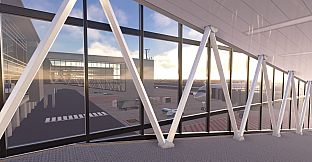
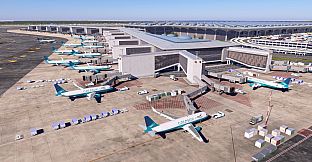
The airport model includes the full complement of six runways supporting simultaneous operations and intricate ground movements. Detailed terminal areas and taxiway systems require methodical planning to avoid conflicts, especially during high-density arrivals and departures. Background scenery aligns with open mapping sources for environmental accuracy, and the overall scale highlights the challenges of Europe's largest airport by land area. Updates to the simulator have refined voice systems, added pilot voice variations, and improved command handling to support these intricate sessions.
Is It Worth Playing?
Player feedback describes the simulation as challenging and satisfying for those drawn to air traffic control mechanics, with strong emphasis on workload management and forward planning. Reviews note its appeal to aviation enthusiasts seeking procedural depth, though voice recognition requires calibration and some users prefer keyboard alternatives for reliability. The title receives mixed overall reception on Steam, reflecting its niche focus and learning curve rather than broad accessibility. Active development continues with regular updates that enhance recognition accuracy and airport fidelity. It suits dedicated simulation fans comfortable with methodical pacing and precise communication protocols, delivering consistent replay value through varied traffic scenarios at demanding locations like LTFM.