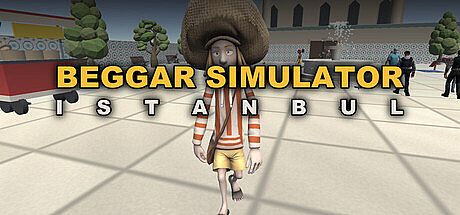


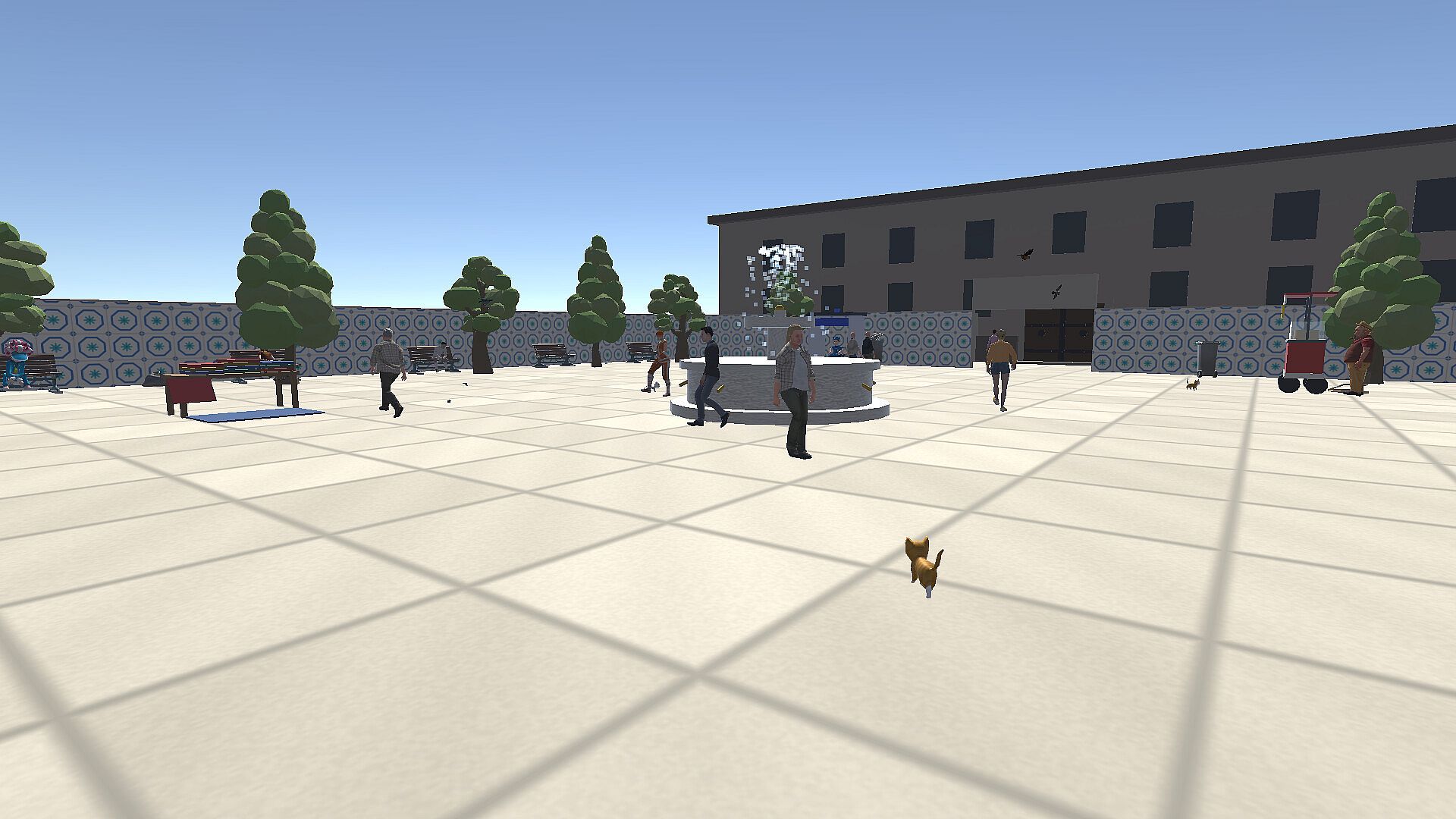


Beggar Simulator: Istanbul is a single-player indie simulation and adventure game set on the streets of Istanbul. Players take on the role of a man who adopts various beggar personas each day to earn money while avoiding detection and managing consequences in a first-person perspective.
Gameplay
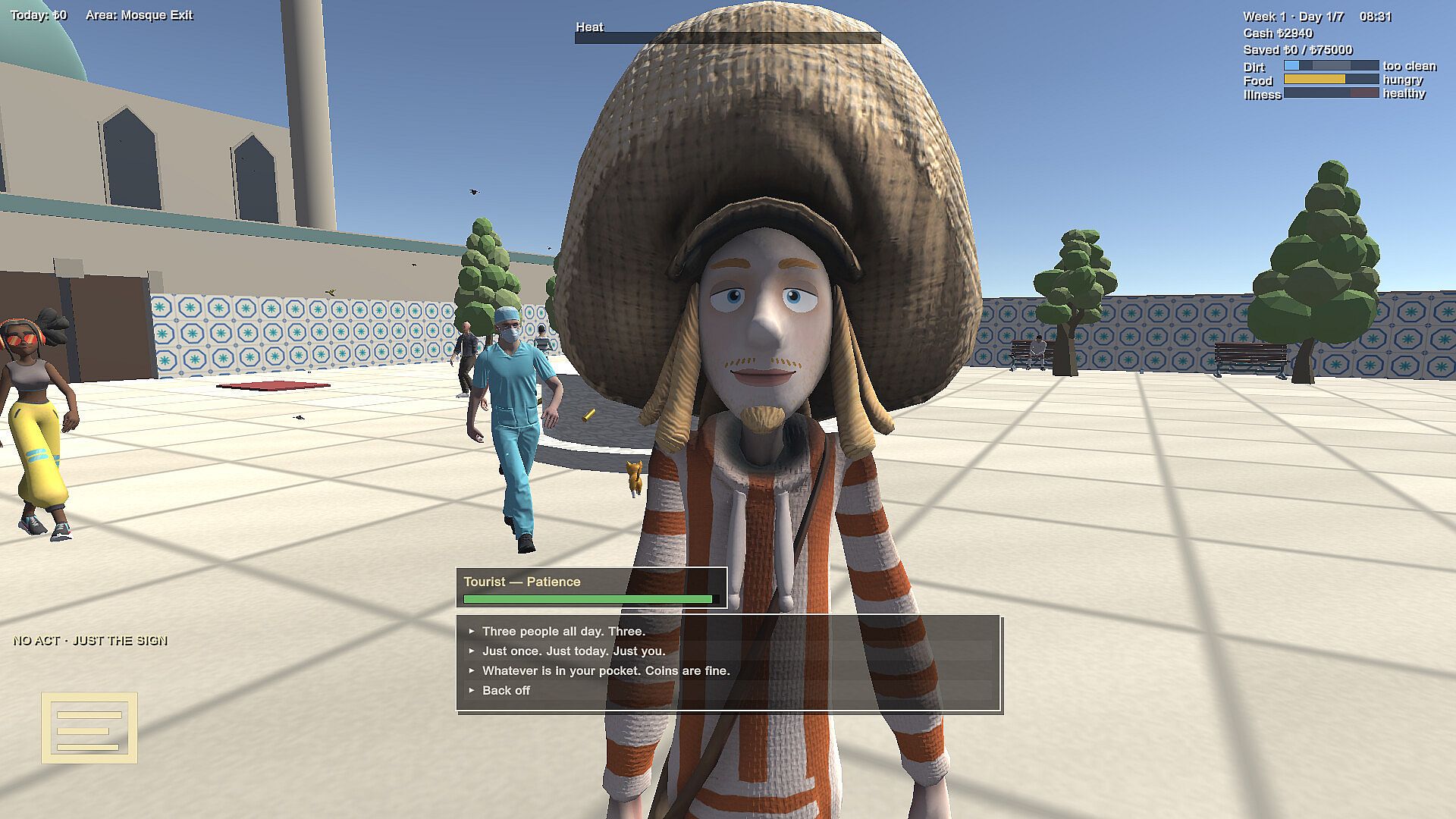
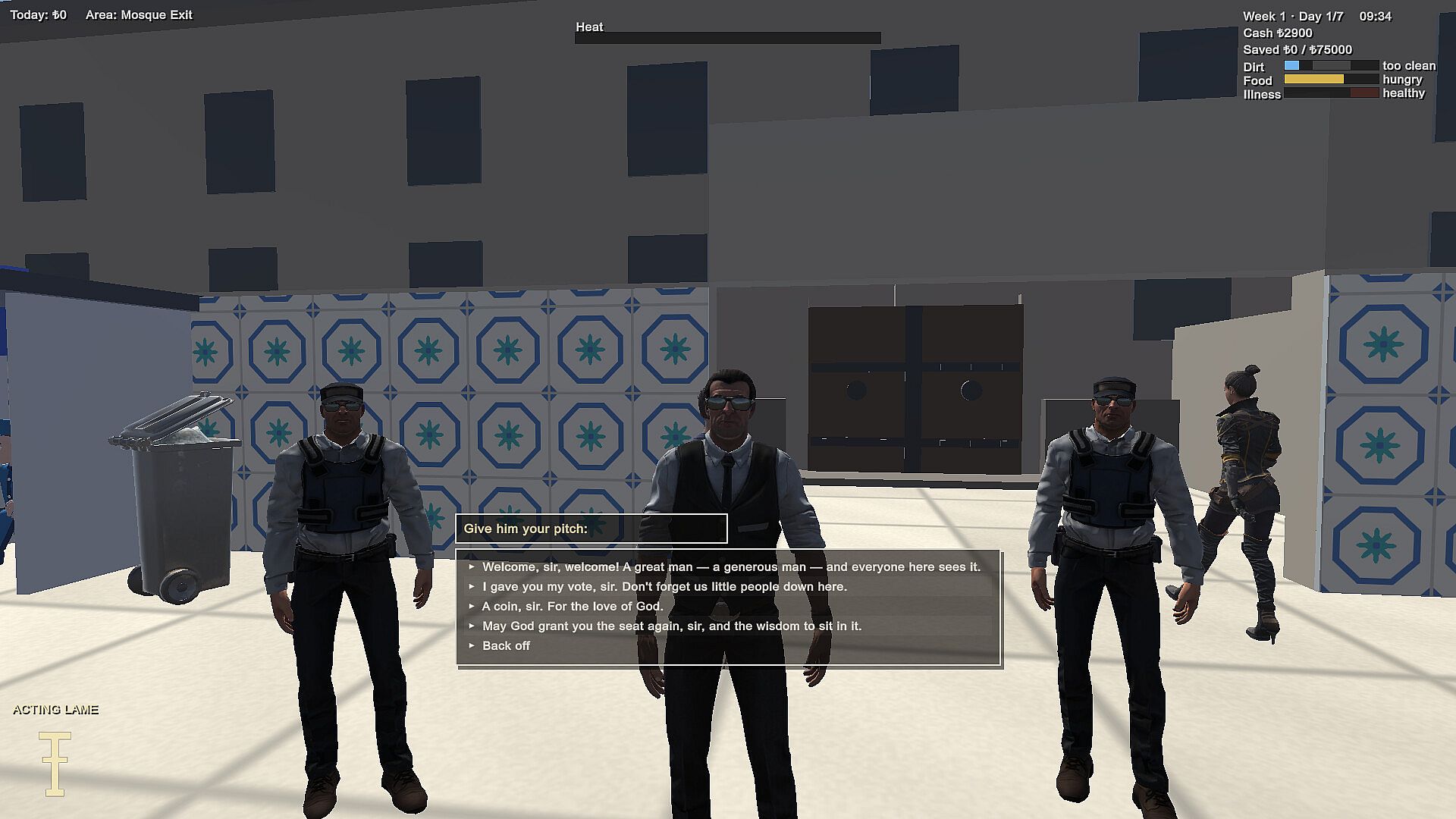
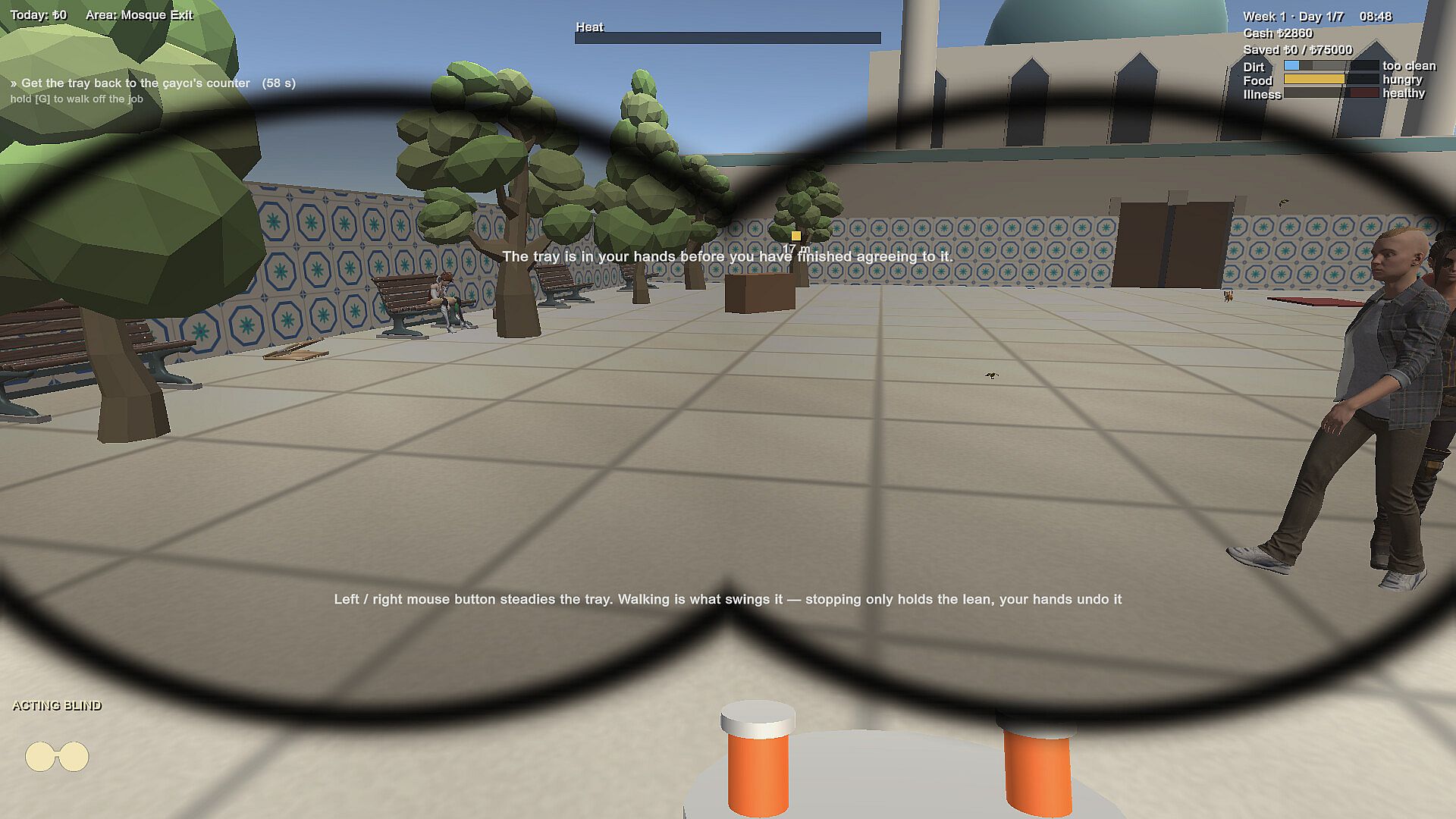
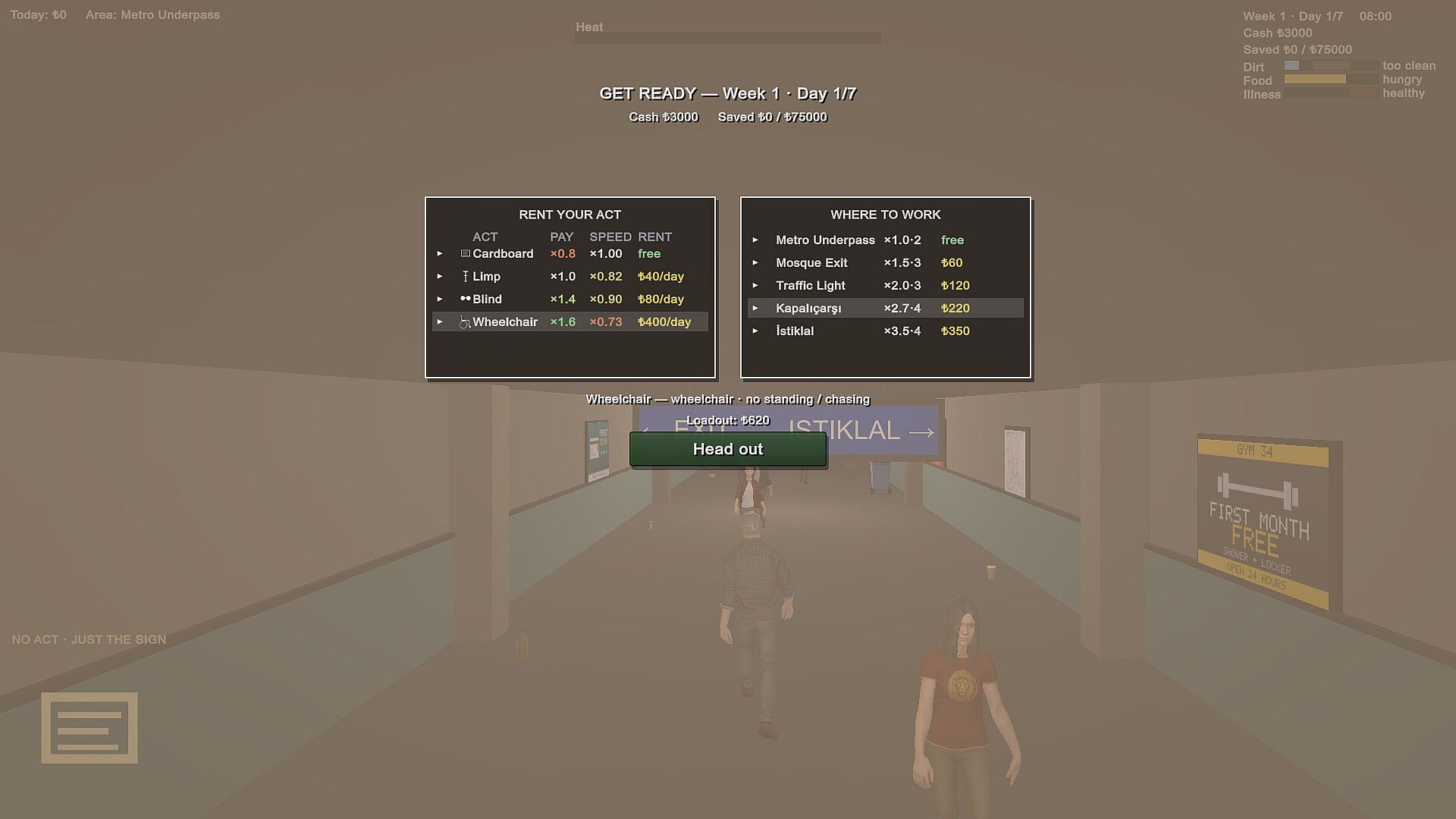
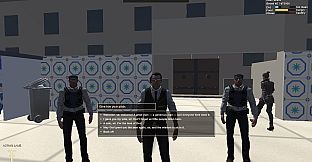
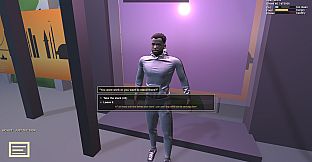
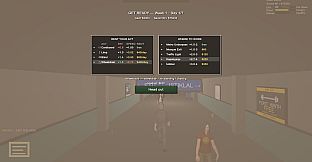
The core loop centers on daily preparation and street work. Each morning requires renting an act along with props such as cardboard signs, sunglasses with a cane, crutches, or a wheelchair. These choices directly limit available dialogue options during encounters, creating trade-offs between higher potential earnings and restricted lines. Approaching people triggers a real-time interaction where four dialogue choices appear with a draining patience meter. Tones include pity, flattery, guilt, and silence, and the system deliberately offers high-payout lines that conflict with the rented act for added risk and reward.
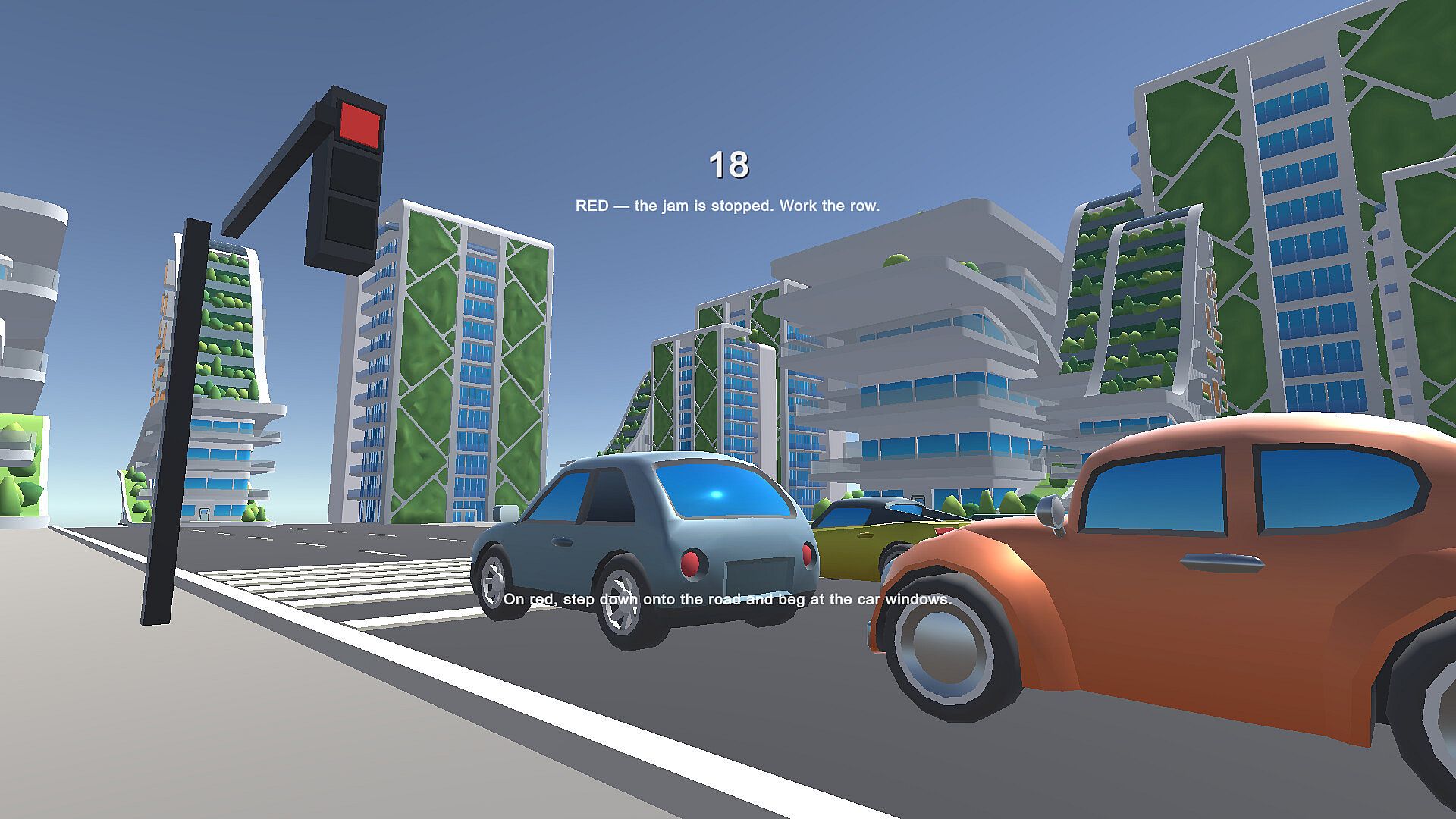
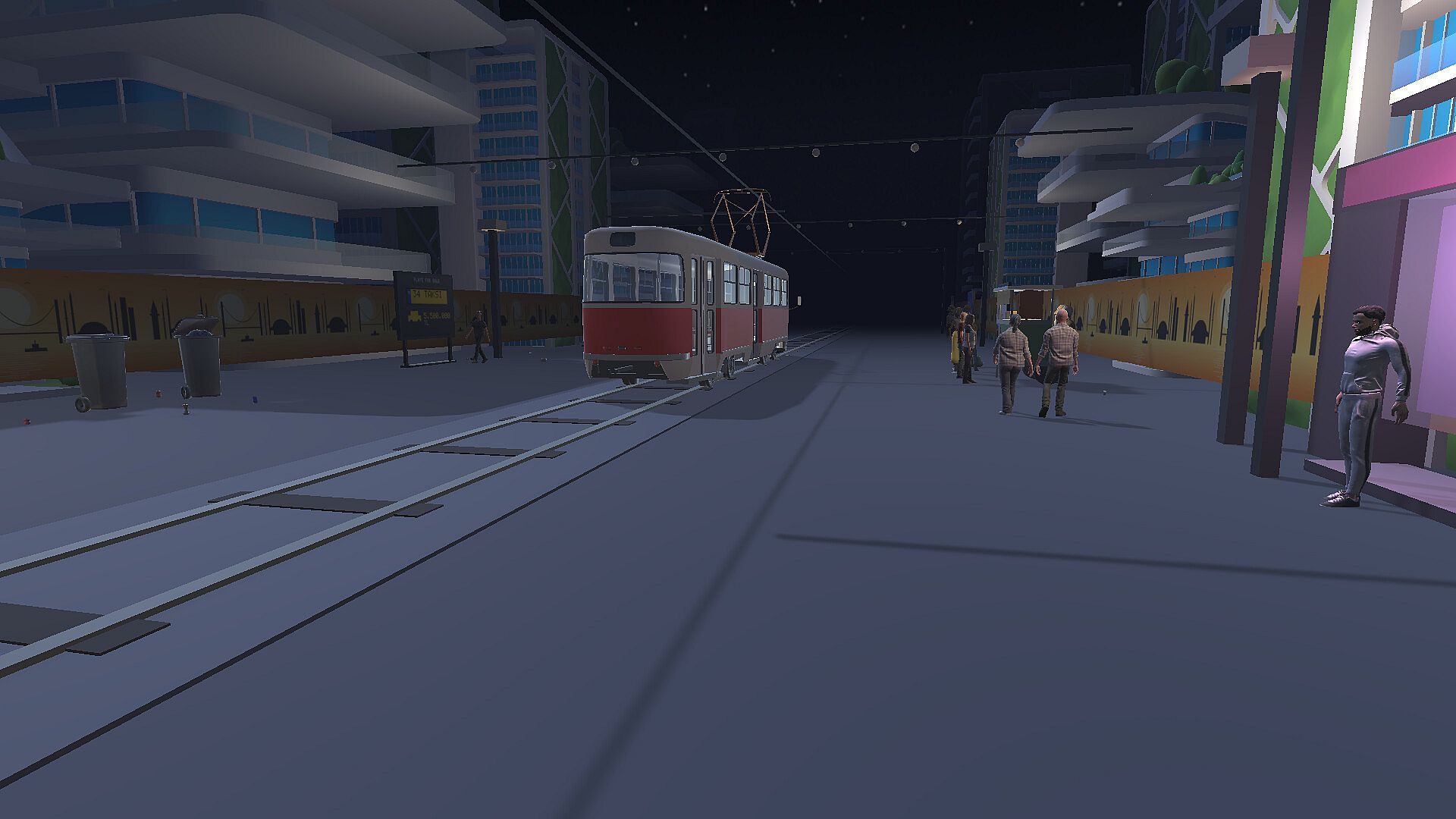
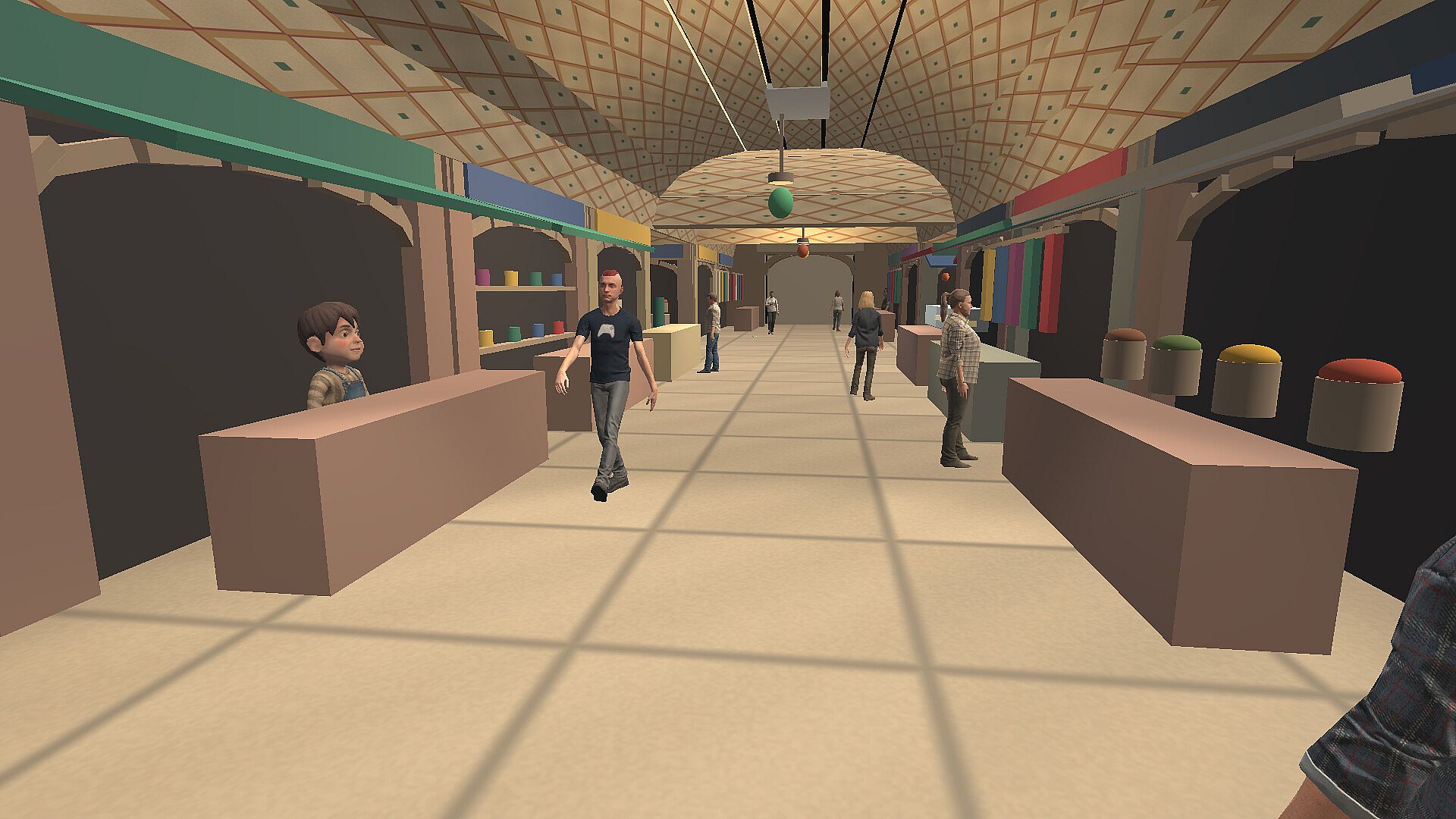
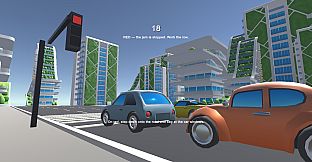
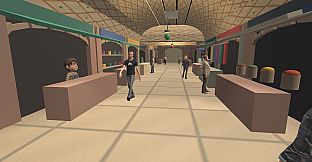
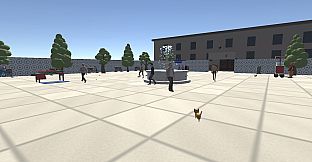
Proximity to marks builds a Heat meter through actions like following targets, stepping into paths, or touching sleeves. A full meter summons municipal officers known as the zabıta, forcing decisions between paying a fine while keeping earnings, surrendering all money for a reset, or fleeing which exposes the act and restricts future access to areas. Locations influence opportunities and risks, with narrow underpasses, busy junctions timed to traffic lights, courtyards near mosques, labyrinthine markets, and nightlife avenues each presenting distinct challenges based on crowd density, timing, and accessibility for certain acts.
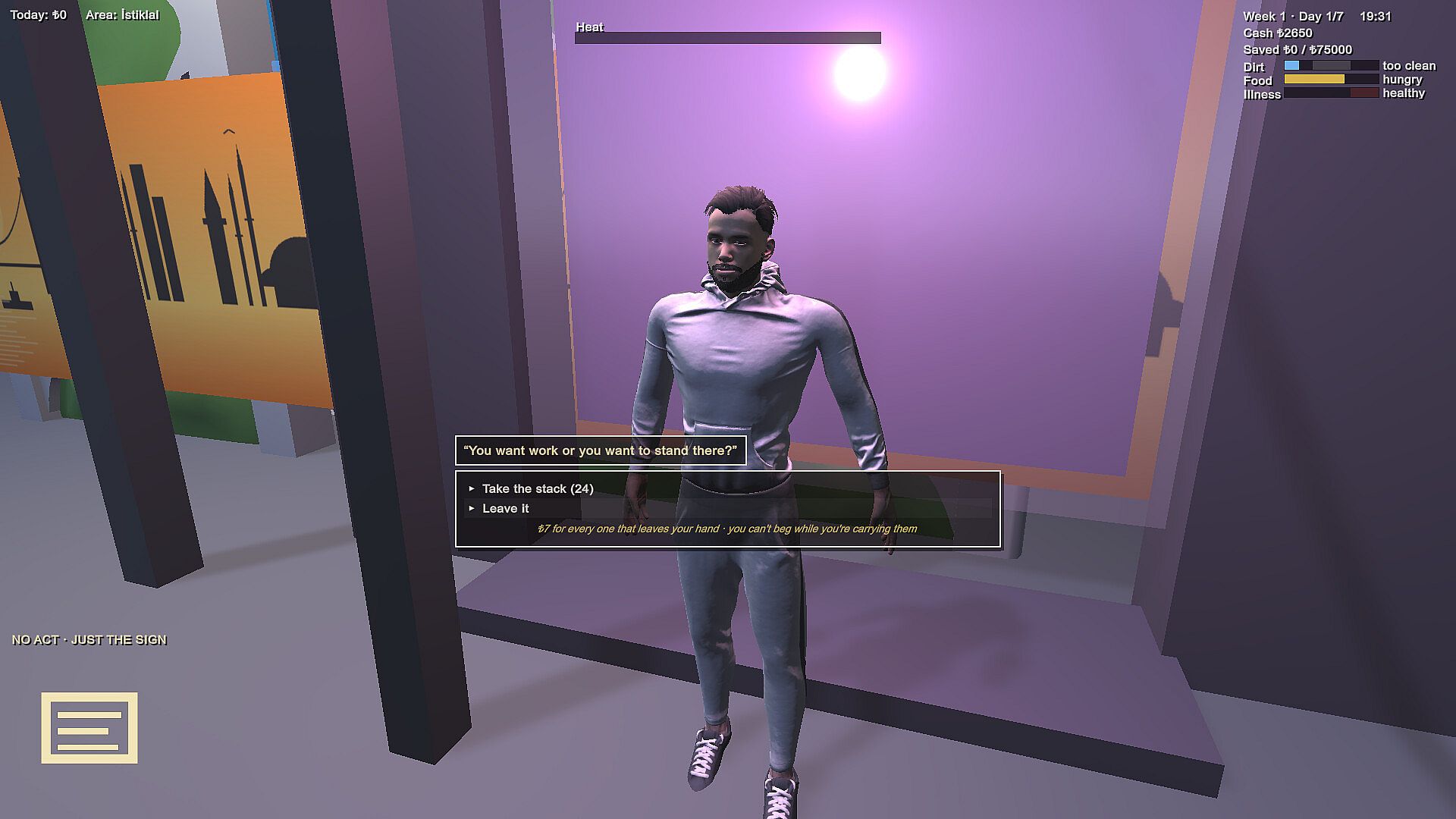
Additional layers include hunger, filth, and illness mechanics that boost short-term performance but carry escalating downsides such as fainting or reduced approachability. Evening management involves allocating limited funds to necessities like beds, washing, or medicine, often requiring choices on what to forgo. Side interactions with other street figures, such as sharing earnings with a squeegee kid or handling pickpocket demands, add negotiation elements, while occasional legitimate jobs like carrying tea trays or distributing flyers provide alternatives during shifts.
Game Modes
The game operates entirely in single-player mode with no multiplayer components. Progression unfolds through a daily cycle across five distinct street locations that function as varied work environments rather than separate modes. Two areas open immediately, while the remaining three require specific achievements such as outrunning officers, extracting a large sum from a politician in one conversation, or completing a clean day without Heat buildup.
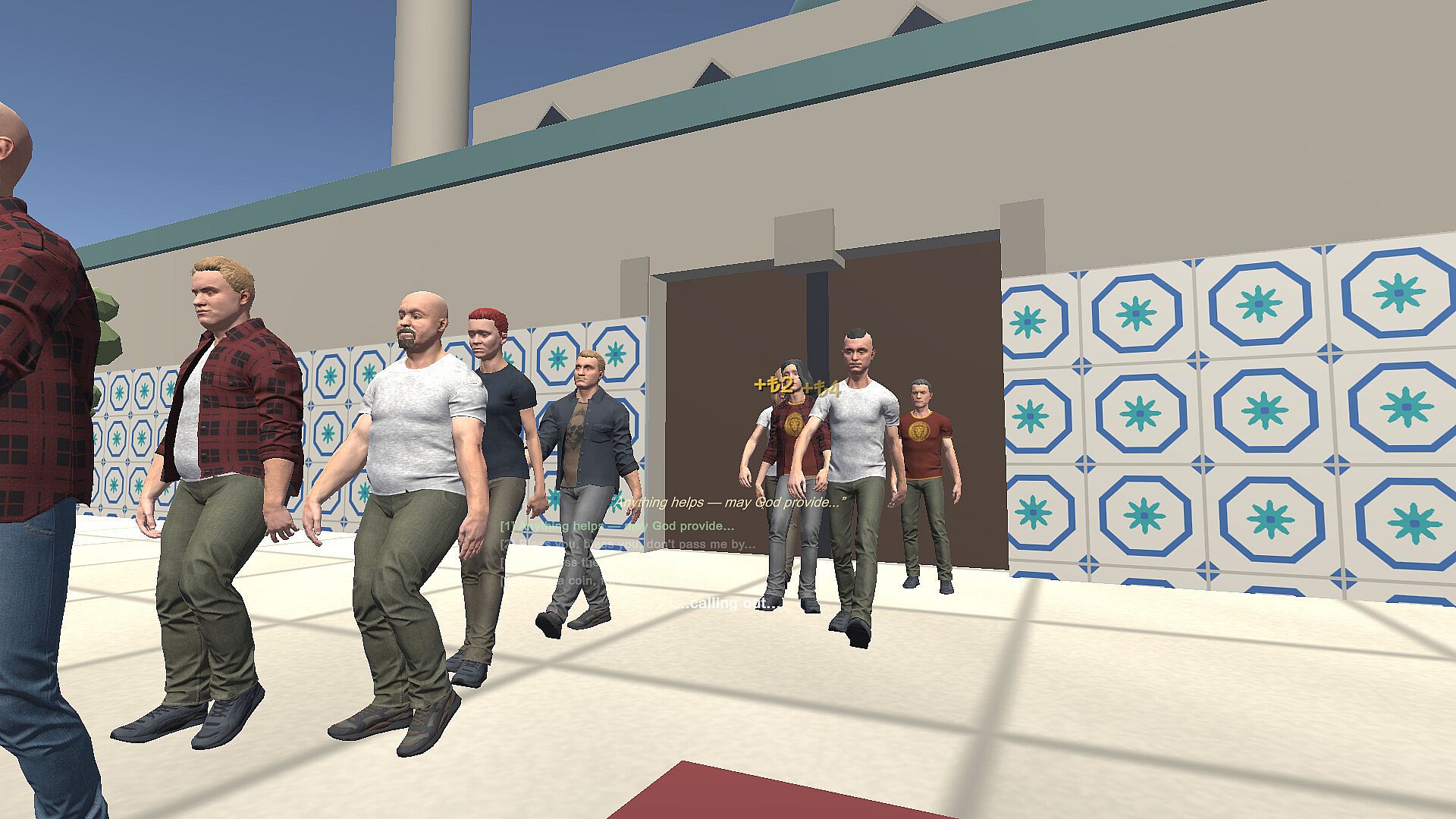
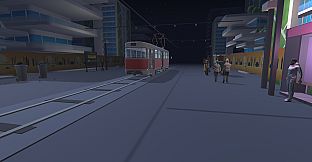
Each location emphasizes different pacing and strategies. The metro underpass favors quick, repeated pitches in confined spaces. The mosque courtyard offers brief high-yield windows after prayers. Junctions demand precise timing around traffic signals. Markets require learning shopkeeper patterns to avoid recognition. Nighttime avenues involve reading intoxicated marks for variable payouts. Some encounters extend into multi-round conversations where prior choices affect later outcomes and audience reactions.
Core Systems and Daily Life
Acts and props form a restriction system where each rental removes specific dialogue topics, forcing adaptation to the remaining options for maximum profit. Heat management creates tension between aggressive earning and long-term sustainability across districts. The economy ties directly to personal condition, rewarding temporary hardship while punishing extremes that lead to collapse or isolation.
Nighttime sequences involve reviewing earnings against expenses on a table interface, deciding skips that influence the next day's starting state. Random elements at night, such as encounters while sleeping rough, present binary choices with immediate effects. The overall structure emphasizes reading situations, managing risk, and balancing short-term gains against accumulating problems.
Is It Worth Playing?
Beggar Simulator: Istanbul launches on September 2, 2026, as a single-player experience focused on its unique job simulation premise. With no user reviews available prior to release, evaluation rests on the detailed mechanics of act rental, real-time dialogue selection, Heat consequences, and location-specific work. The game suits players interested in simulation titles that blend resource management, risk assessment, and narrative-driven street interactions without combat or traditional progression trees.
Those drawn to indie adventures with strong thematic consistency around deception and survival may find the daily loop engaging. The absence of multiplayer or additional modes keeps the focus narrow on the core systems described. Potential buyers should consider the text-heavy dialogue and first-person perspective when deciding on the upcoming release.