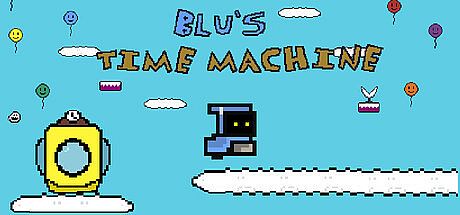


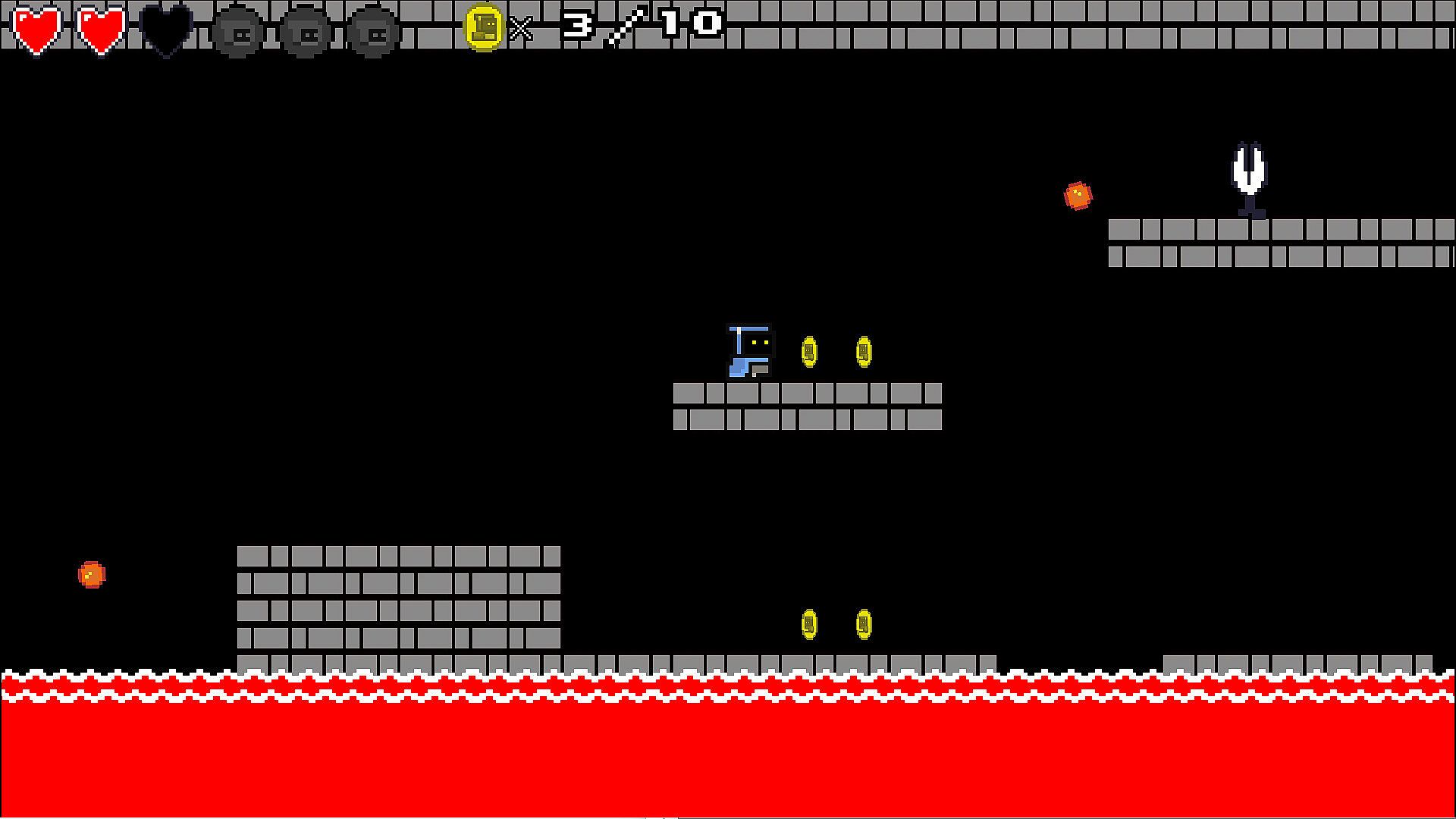
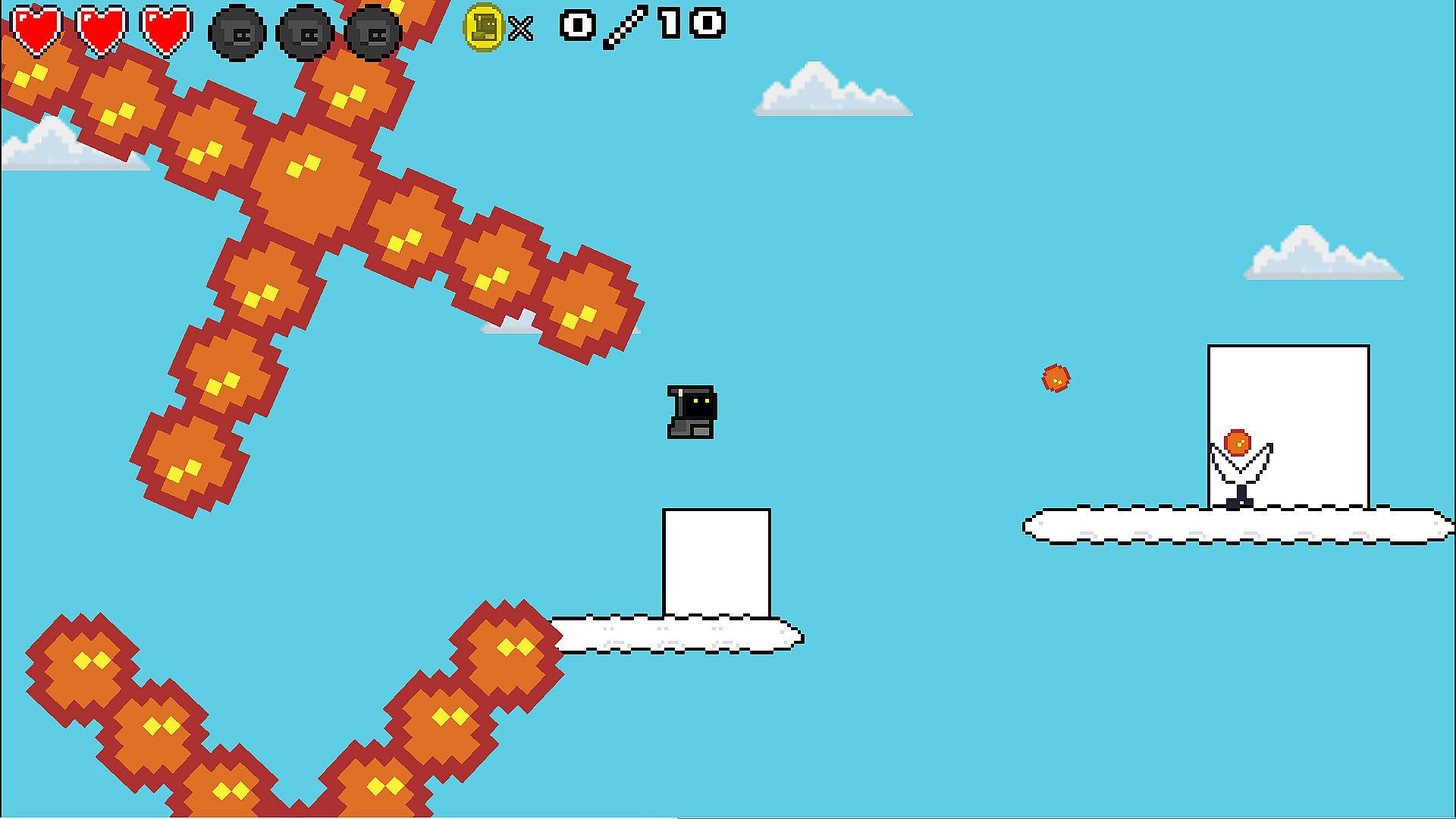
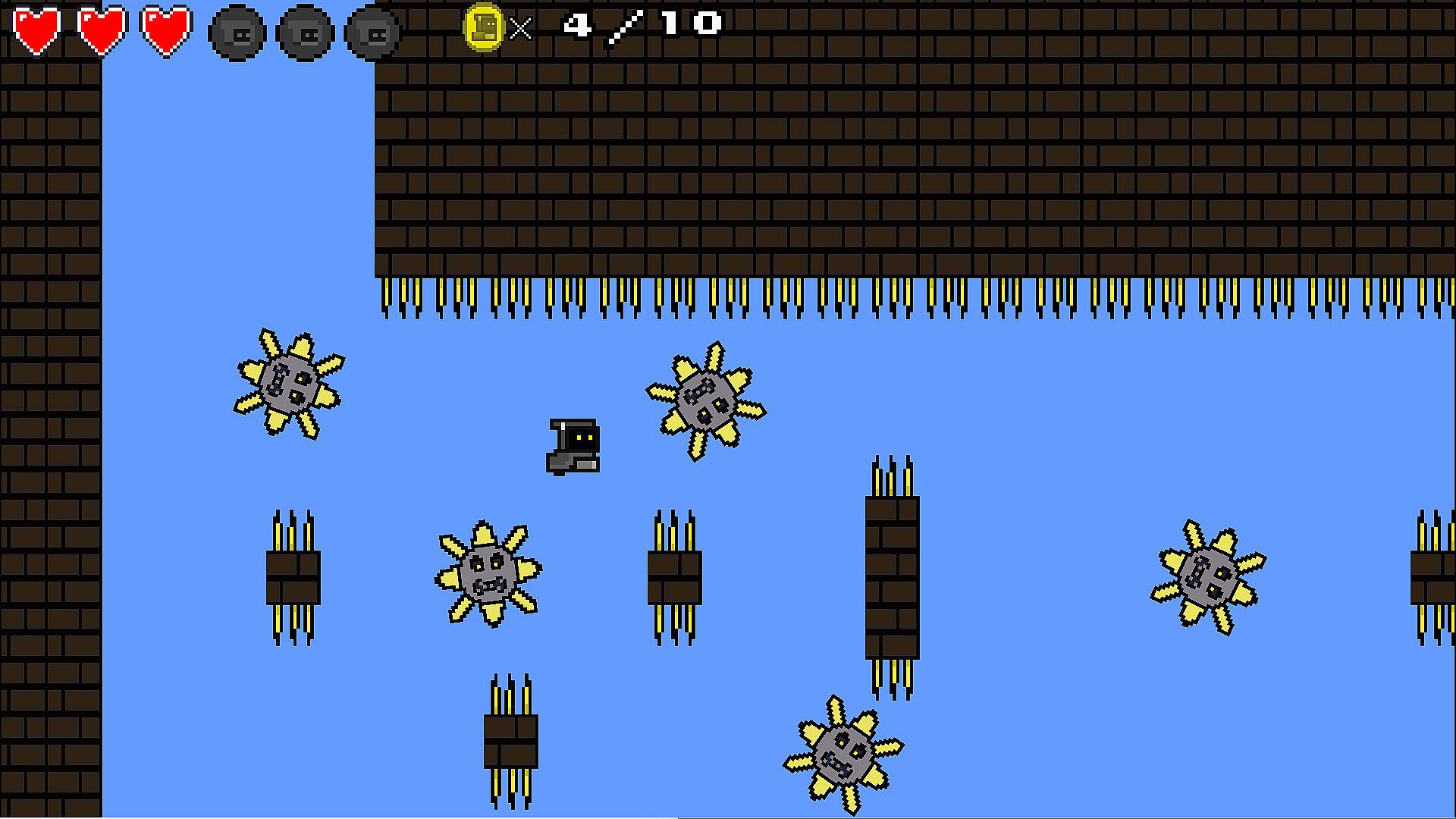
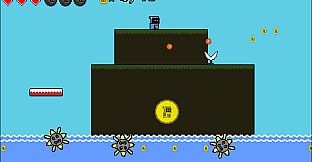
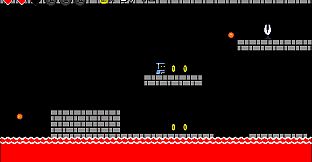
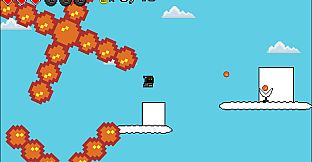
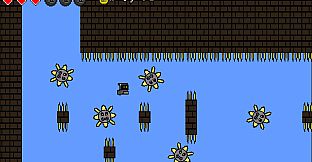
Blu's Time Machine ist ein Einzelspieler-2D-Plattformer für den PC. Das Spiel setzt auf präzise Bewegungs- und Kampfmechaniken in einem retro-inspirierten Setting. Die Spielfigur nutzt einen Flutter-Sprung, um Hindernisse zu überwinden, und einen Wrench, den sie werfen kann, um entfernte Gegner auszuschalten und Ressourcen einzusammeln.
Gameplay
Im Mittelpunkt steht das Durchqueren seitlich scrollender Level, bei denen Timing und Schwungkontrolle entscheidend sind. Mit dem Flutter-Sprung lassen sich Abgründe überwinden und Gefahren umgehen, die sonst das Level beenden würden. Schwung ist dabei essenziell, um Bewegungsabläufe zu verketten - wer Geschwindigkeit hält, ohne über Ziele hinauszuschießen, wird belohnt.
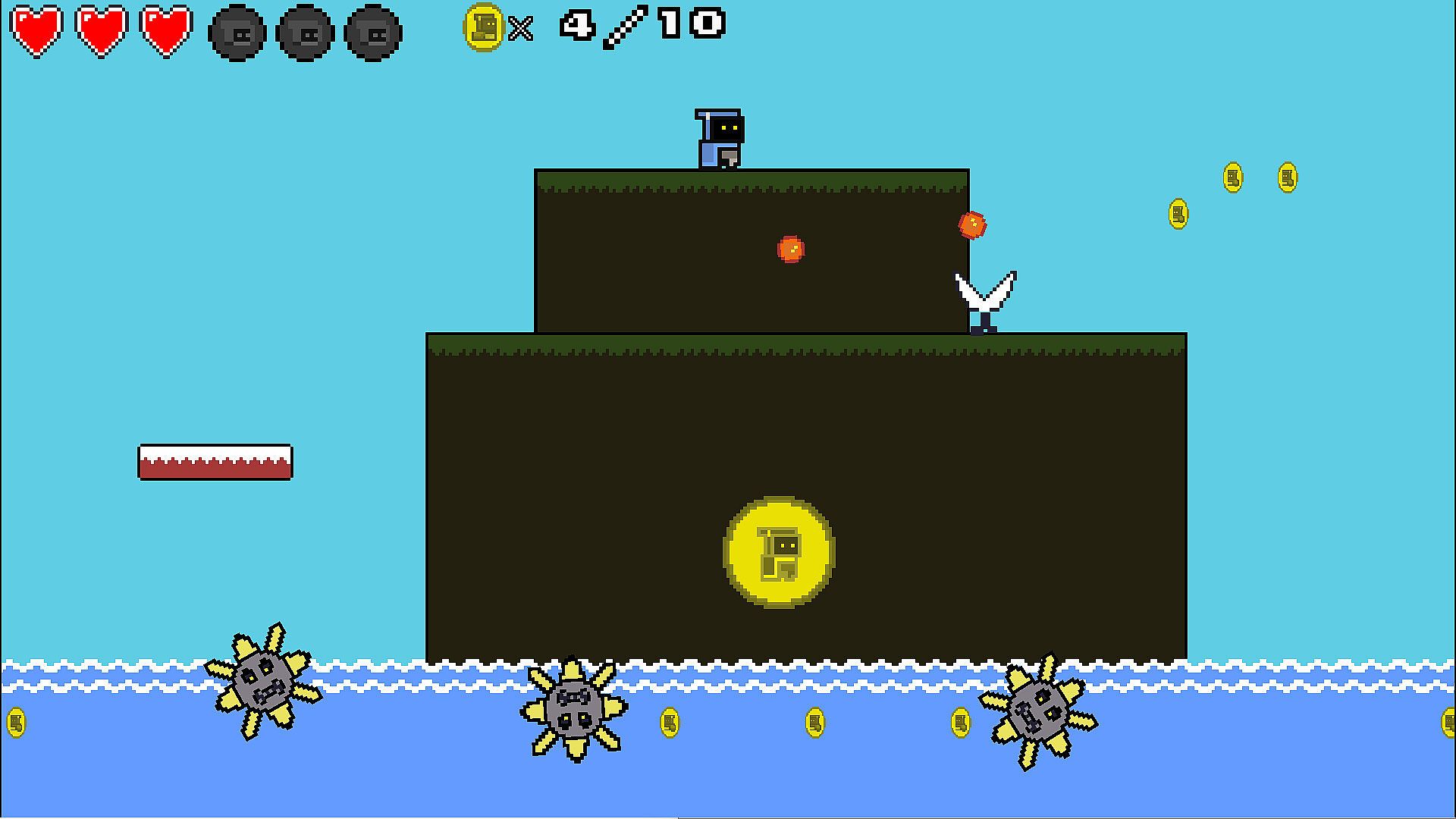
Der Kampf ist direkt in die Erkundung eingebunden: Der Wrench kann geworfen werden, um Gegner aus der Ferne zu treffen und Münzen aus Behältern oder Feinden zu lösen. Dadurch bleibt der Fokus auf Positionierung statt auf Nahkämpfen. Nach jedem Wurf kehrt das Werkzeug automatisch zurück und sorgt so für einen flüssigen Spielablauf.
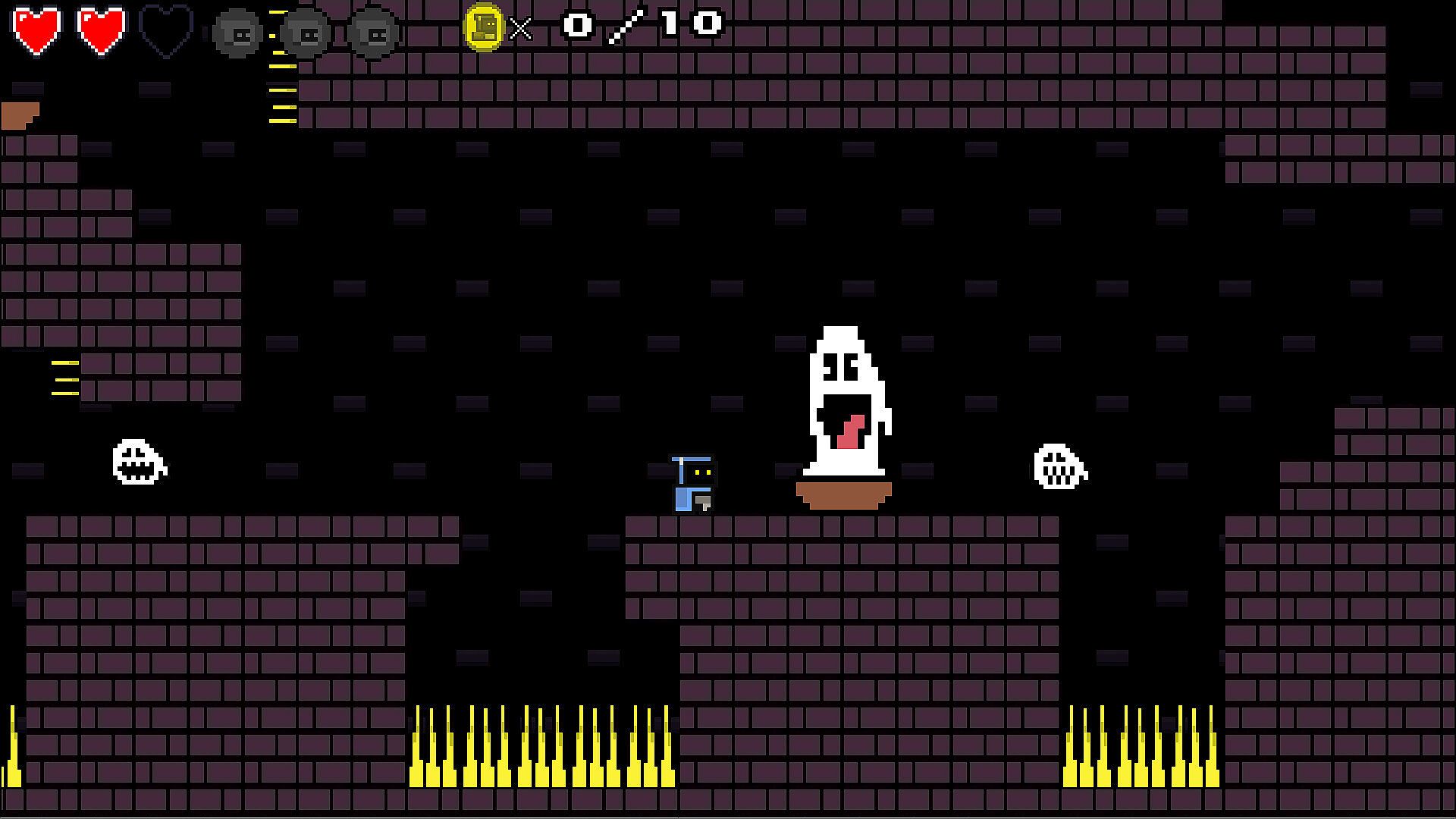
Power-ups erweitern die Möglichkeiten innerhalb der Level, doch der Wrench bleibt das zentrale Werkzeug. Umweltgefahren treten in kreativen Kombinationen auf - etwa bewegliche Plattformen mit Projektilen oder einstürzende Strukturen, die schnelle Reaktionen erfordern. Am Ende größerer Abschnitte warten Bossgegner, deren Angriffsmuster erkannt und mit den bekannten Bewegungs- und Angriffssystemen gemeistert werden müssen.
Versteckte Sammelobjekte laden dazu ein, die Level gründlich zu erkunden. Geheime Wege und abseits liegende Items belohnen Spieler, die zurückgehen oder mit Sprungwinkeln experimentieren. Dadurch erhält jedes Level zusätzlichen Wiederspielwert, ohne die grundlegenden Plattformer-Regeln zu verändern.
Spielmodi
Das Spiel ist ausschließlich als Einzelspielererlebnis konzipiert. Die Progression folgt einer linearen Abfolge von Leveln, die auf vorherigen Mechaniken aufbauen und nach und nach neue Gefahren und Layout-Variationen einführen. Separate Mehrspieler-Optionen oder alternative Modi sind derzeit nicht vorgesehen.
Jedes Level stellt eine eigenständige Herausforderung dar, die Plattformrouten, Gegnerplatzierungen und Sammelobjekte kombiniert. Bossgegner dienen als Prüfsteine, die das bisher Erlernte abfragen, ohne komplett neue Systeme einzuführen. Die Erkundung ist optional, wird aber durch die versteckten Items direkt mit den Abschlusszielen verknüpft.
Grafik und Sound
Das visuelle Erscheinungsbild wird durch Pixel-Art geprägt: klare Sprites und farbenfrohe Hintergründe, die an frühere Plattformer erinnern. Die Leveldesigns variieren thematisch, bleiben aber stets gut lesbar, sodass Gefahren und Plattformen auch bei schnellen Bewegungen deutlich erkennbar sind. Der Soundtrack orientiert sich an nostalgischen Chiptune-Klängen und liefert eingängige Tracks, die das Tempo der Plattformsequenzen unterstützen, ohne sie zu übertönen.
Zusammen erzeugen diese Elemente eine stimmige Retro-Atmosphäre, die die mechanischen Schwerpunkte unterstreicht. Lebendige Farbpaletten helfen dabei, interaktive Elemente von rein dekorativen zu unterscheiden - ein Vorteil in besonders anspruchsvollen Abschnitten.
Lohnt sich das Spiel?
Blu's Time Machine richtet sich an Spieler, die klassische 2D-Plattformer mit präzisen Steuerungsmöglichkeiten und vielschichtigen Herausforderungen schätzen. Die Kombination aus Flutter-Sprüngen, Wrench-Würfen und der Suche nach Geheimnissen ergibt ein fokussiertes Erlebnis, bei dem Geschick im Vordergrund steht. Da sich das Spiel noch in der Vorabversion befindet und bisher keine Nutzerbewertungen vorliegen, sollten Erwartungen auf den beschriebenen Mechaniken basieren.
Fans von retro-inspirierten Abenteuern mit Bossgegnern und sammelbaren Objekten werden hier am ehesten fündig. Die Einzelspieler-Kampagne bietet durch ihre Levelvielfalt und den stetigen Fortschritt ein abgerundetes Paket, auch wenn das Fehlen weiterer Modi die Reichweite einschränkt. Wer präzises Plattforming mit nostalgischer Präsentation sucht, könnte das Spiel nach dem Release als passende Wahl empfinden - vorausgesetzt, der Kernloop mit schwungbasierten Bewegungen und fernkampforientierten Werkzeugen spricht an.