

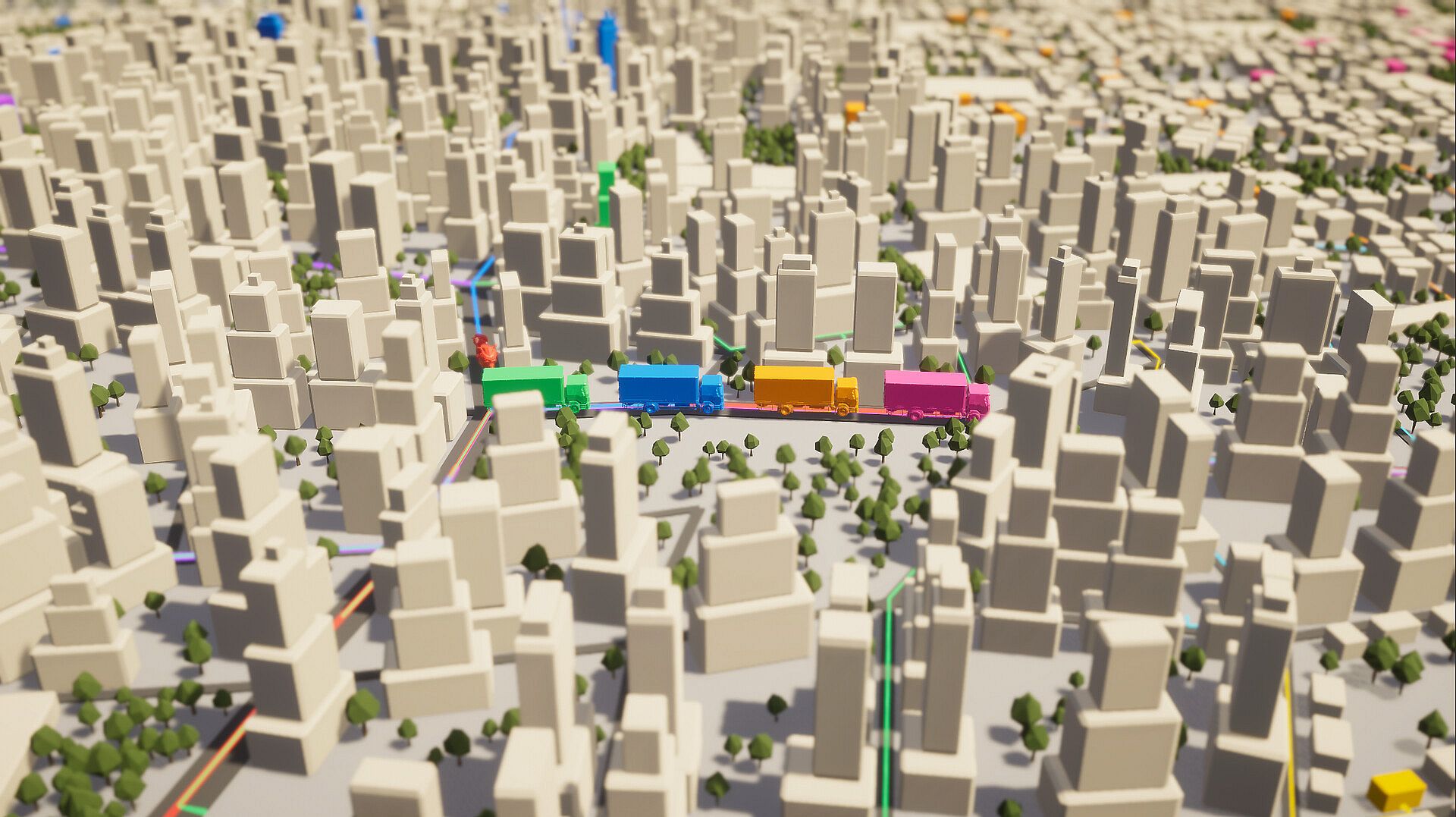

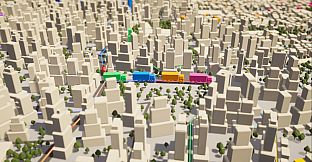

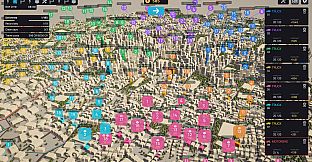

Cargo Tempo is a strategy and simulation game for PC that centers on route planning and fleet management in a delivery operation. Players handle a map packed with orders while working with a limited set of vehicles to meet deadlines, respect capacity limits, and control operating costs. The core challenge involves turning scattered deliveries into efficient routes before sending vehicles out to execute them in real time.
Gameplay
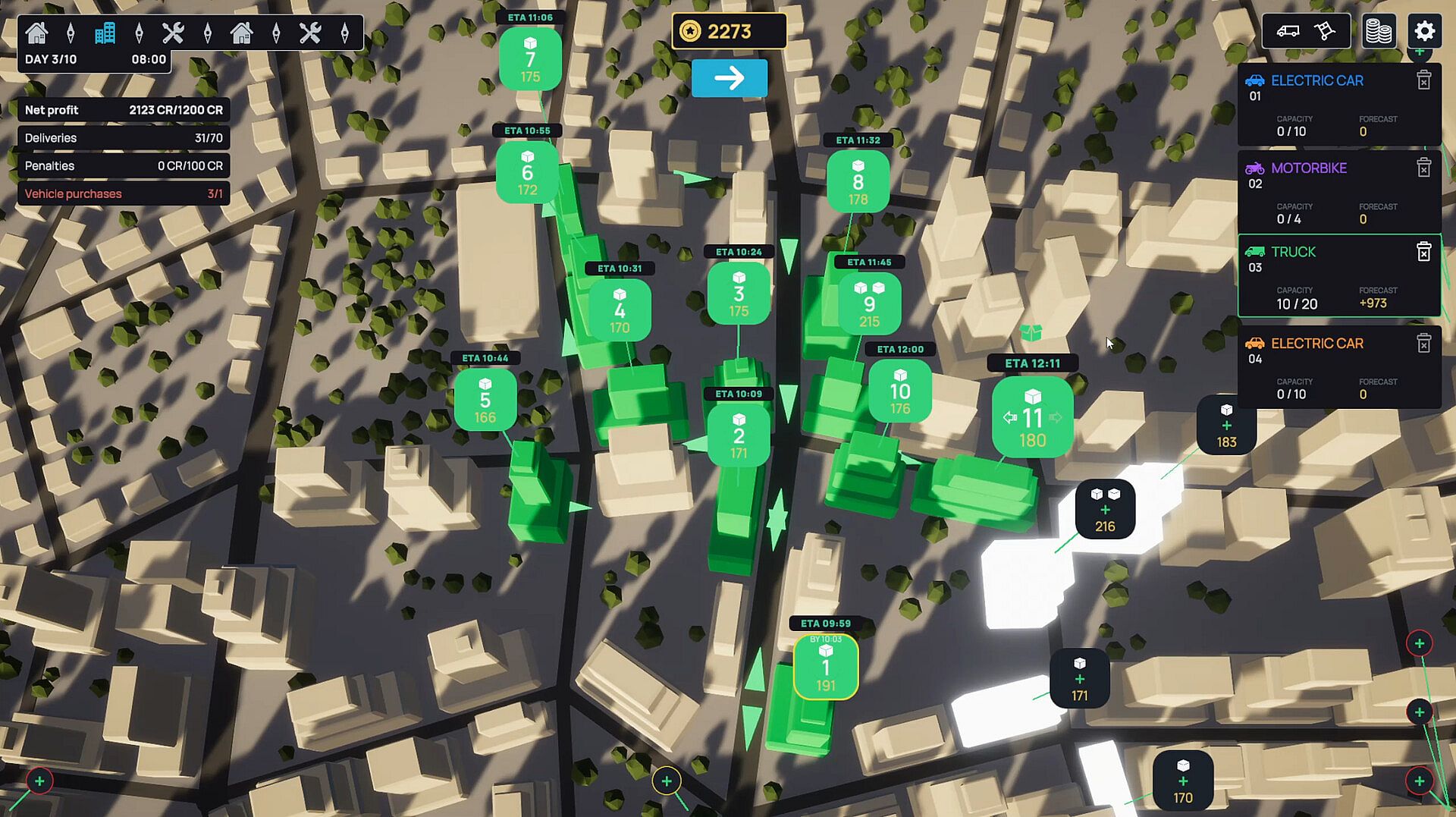
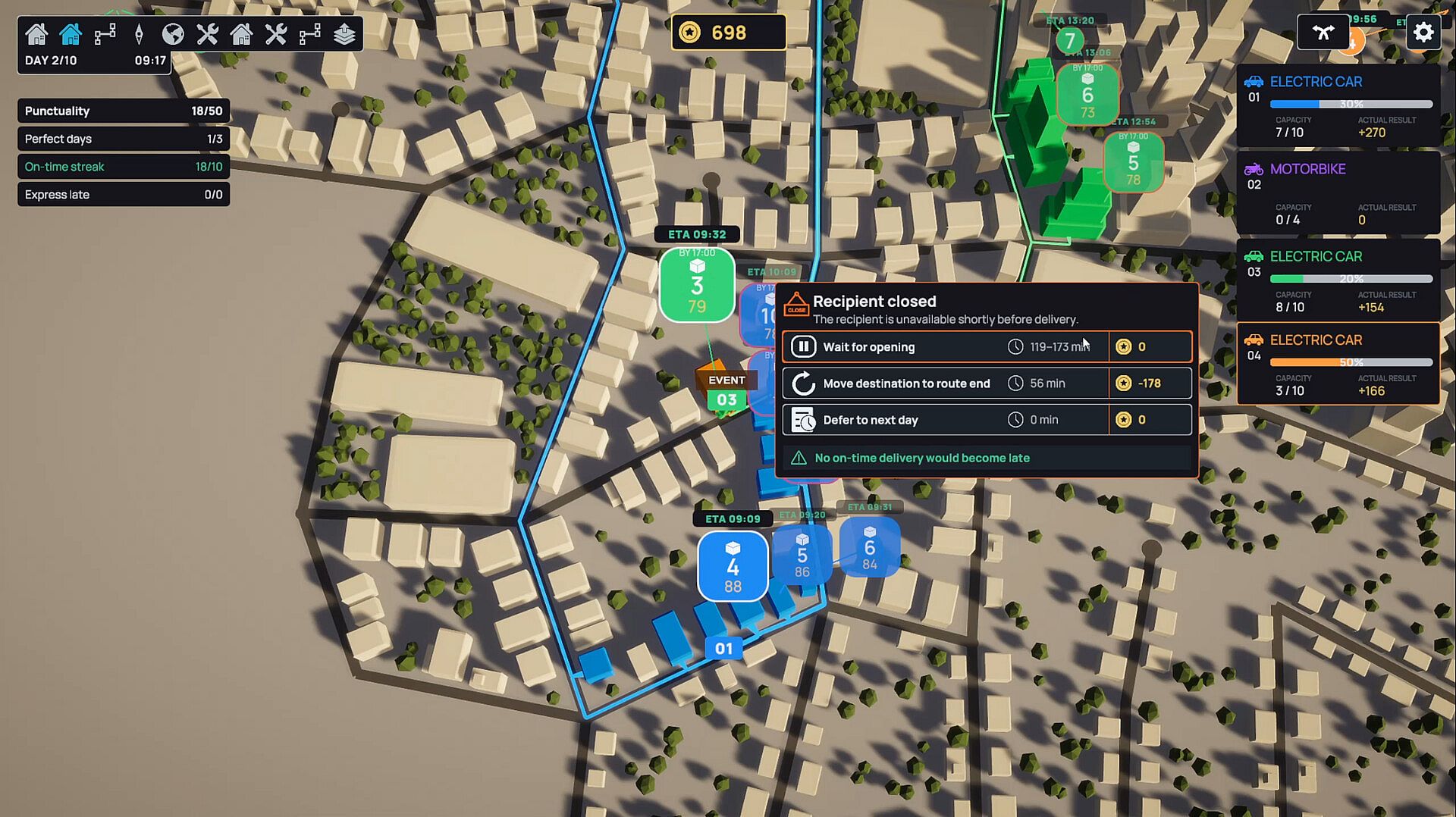
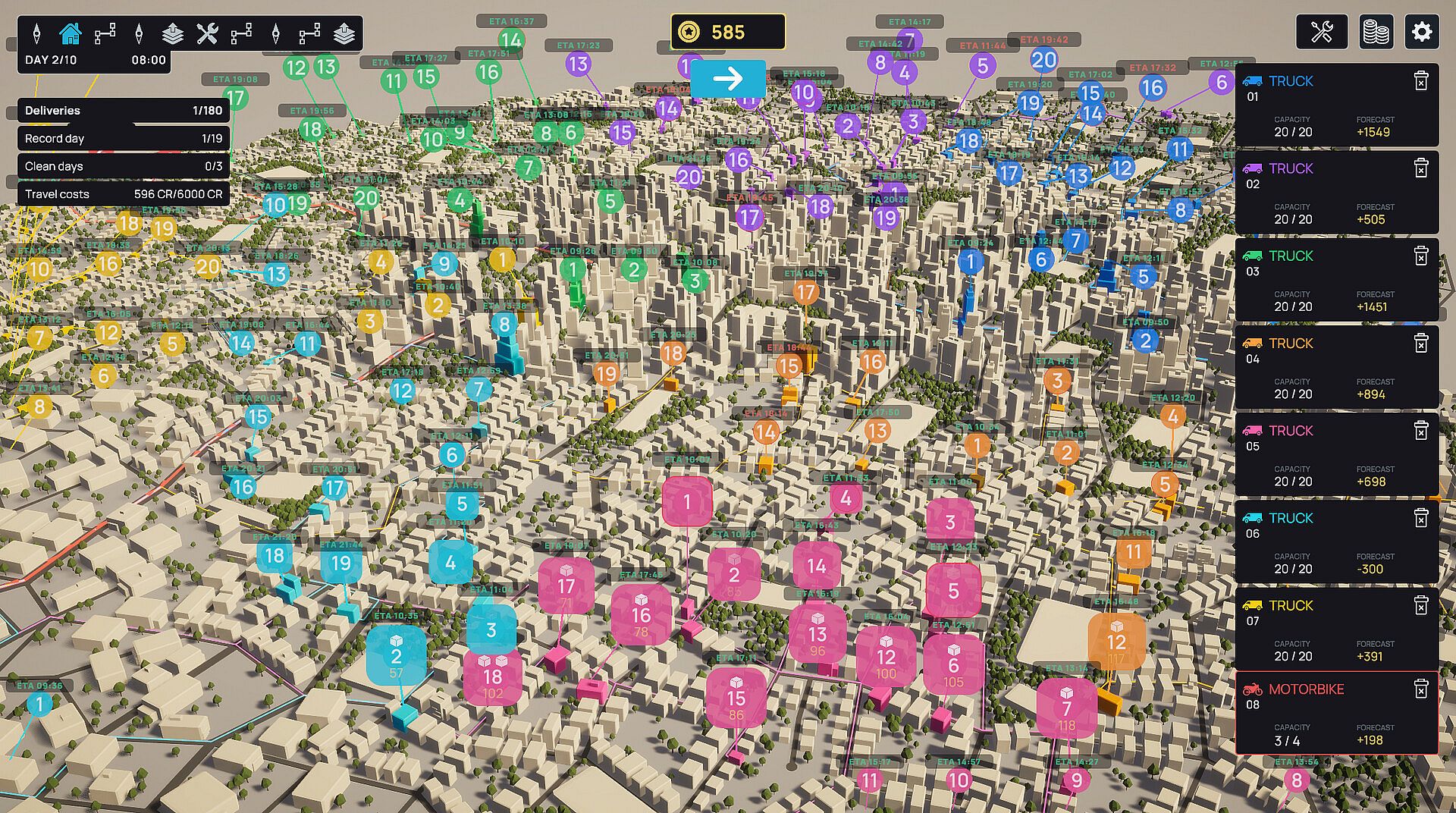
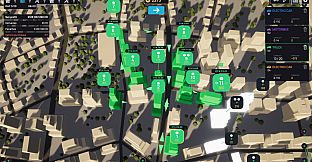
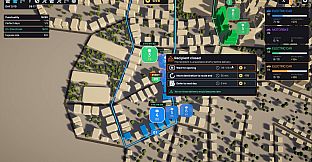
The gameplay loop splits into two distinct phases. First comes the planning stage, where orders are assigned to motorcycles, vans, or trucks. Each vehicle type brings clear tradeoffs: motorcycles move quickly but handle only small loads, vans offer flexibility across different order sizes, and trucks manage high volume at the cost of speed and higher running expenses. Players arrange stops on each route, split larger orders across multiple vehicles when needed, and transfer deliveries between routes to improve outcomes.
Key decisions revolve around deadlines, arrival estimates, revenue potential, and total costs. Urgent express deliveries might require a faster vehicle even if capacity goes unused, while large priority shipments benefit from trucks despite slower progress. A route that looks efficient on paper can still fail if a critical stop lands too late or if one vehicle becomes overloaded. Every adjustment to assignments, stop order, or vehicle choice changes the projected results across the entire fleet.
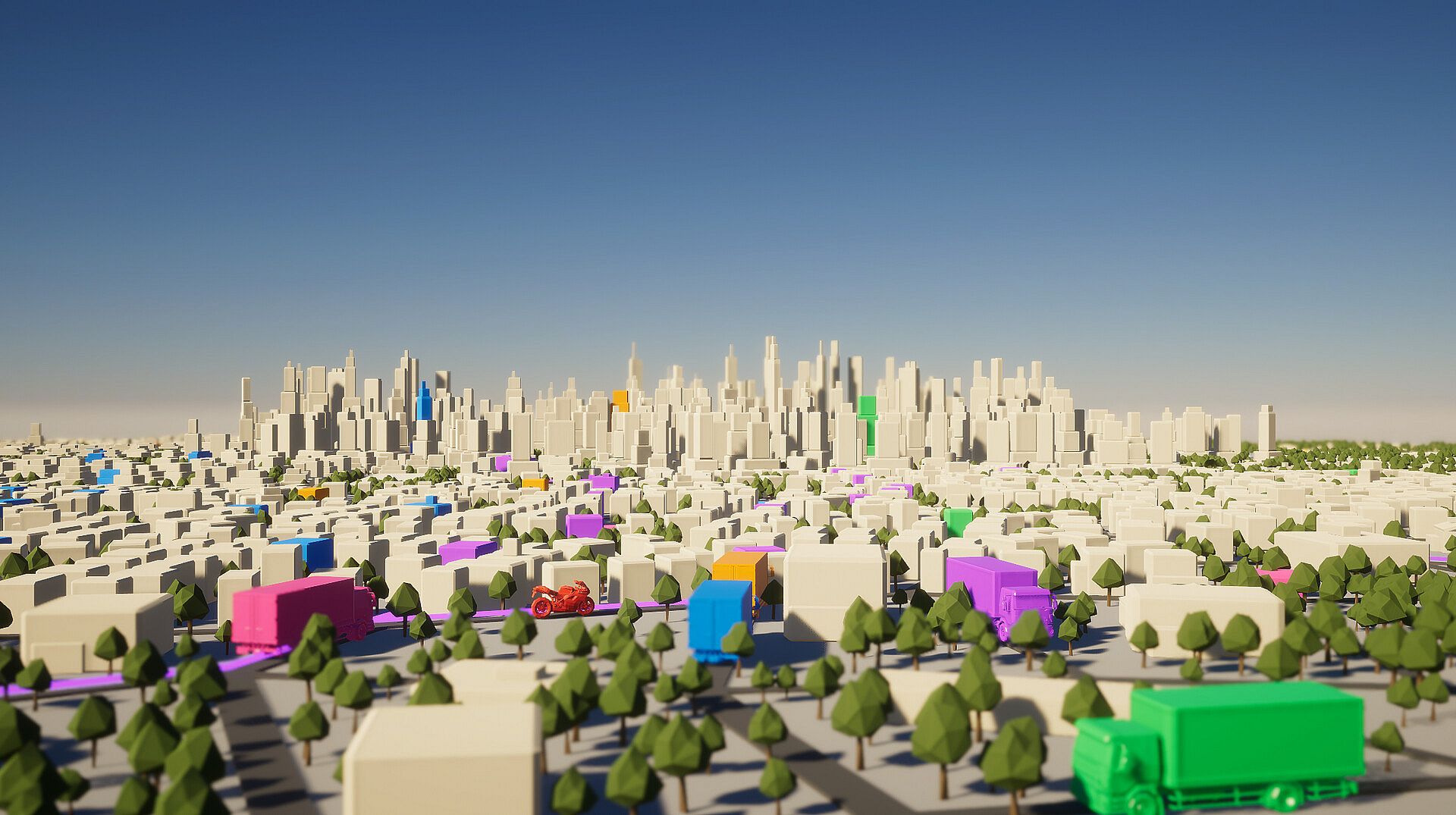
Once planning finishes, the execution phase begins. Vehicles depart the depot together and carry out their routes simultaneously across the city. Players observe deadlines approaching, deliveries completing, and any earlier tradeoffs playing out in real time. Successful completion of a day generates operating capital that can be spent on new vehicles or company policies. These upgrades allow shifts in focus toward speed, greater carrying capacity, express work, reduced costs, or tighter deadline buffers. Each new purchase introduces fresh constraints for subsequent runs.
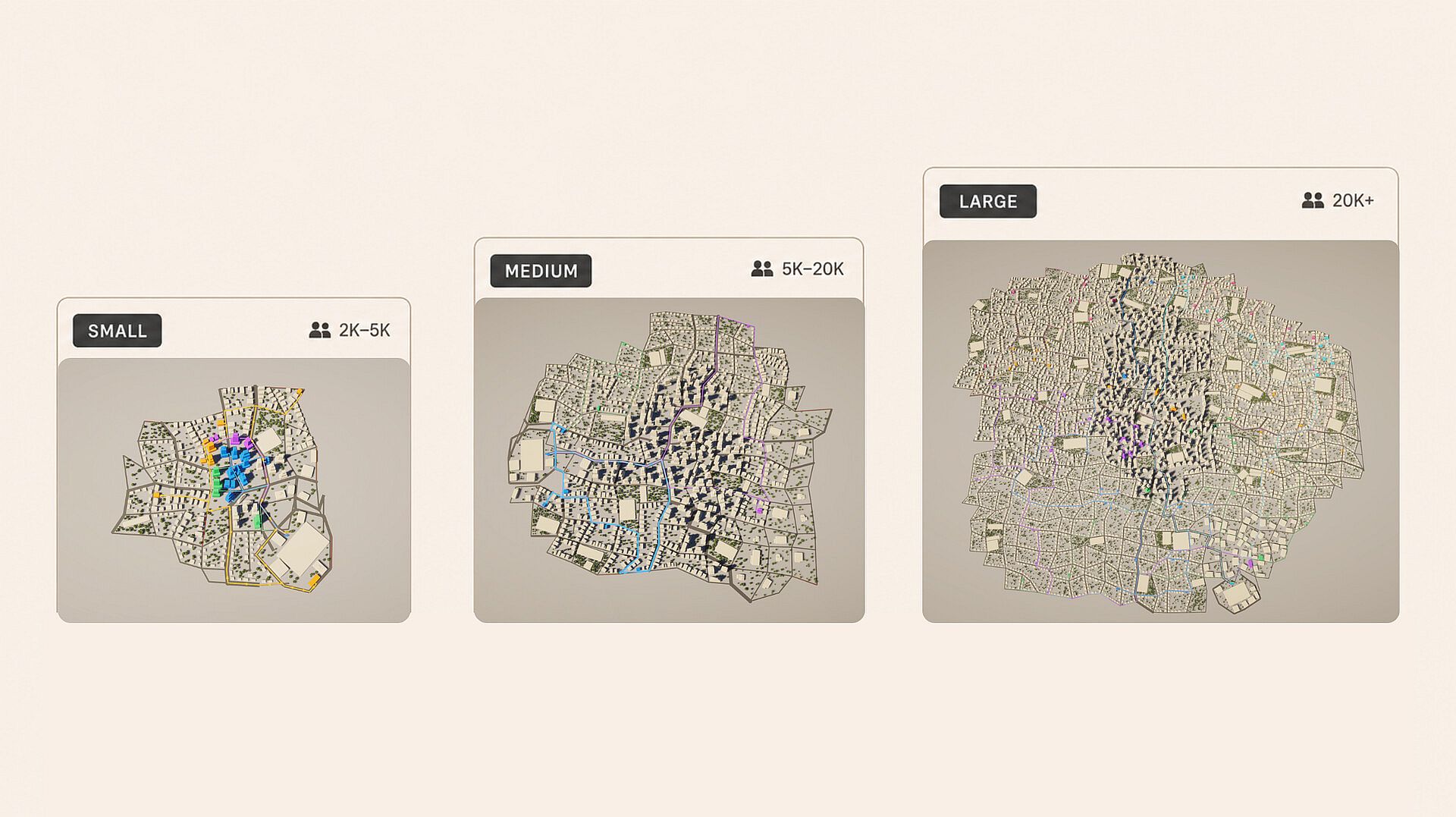
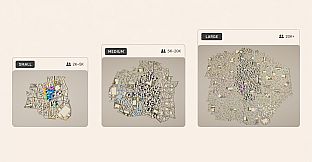
Cities are procedurally generated each time, presenting unique road layouts, districts, and delivery points. Players must learn the network on the fly and adapt route strategies as order volume and complexity increase. No single approach works for every situation, so the emphasis stays on building the strongest plan for the specific fleet and orders available that day.
Game Modes
Cargo Tempo structures play around compact, multi-day runs set in fresh procedurally generated cities. Each run presents a new set of route problems that test planning skills under rising pressure. There are no separate competitive or cooperative modes; the experience remains focused on single-player management across sequential days within one city layout.
Within each run, players handle a mix of delivery types including standard, express, large, priority, and critical orders. The same planning and execution systems apply throughout, with the main variation coming from the growing number of orders and the expanding fleet options unlocked through earnings. This keeps the core loop consistent while the procedural city ensures different route challenges appear each time.
Key Mechanics and Systems
Vehicle specialization forms the foundation of strategy. Motorcycles excel at quick express jobs but cannot manage bulk. Vans provide a middle ground for mixed loads. Trucks maximize volume but slow the schedule and raise daily expenses. Balancing these options across multiple routes at once requires careful comparison of expected arrival times, total capacity use, and net profit before committing to a plan.
Company policies add another layer during fleet expansion. Purchases can emphasize certain strengths, such as better handling of express work or safer margins on deadlines, but each choice creates new limitations for later days. The system rewards thoughtful investment rather than rapid growth, since an oversized fleet only helps when routes stay efficient.
Procedural generation affects roads, district placement, and destination spread, forcing repeated adaptation. Players track how changes in one route ripple through the rest of the schedule, learning to spot efficient combinations that fit the current city layout and order set.
Is It Worth Playing?
Cargo Tempo suits players who enjoy detailed route optimization and resource management in a single-player setting. The game rewards careful planning and attention to vehicle tradeoffs over fast reflexes or combat. Those who like simulation titles focused on logistics and efficiency will find the planning tools and execution feedback engaging across multiple runs.
Because the experience stays within compact multi-day sessions in changing cities, it offers replayability through procedural variety rather than large-scale progression. The absence of multiplayer or additional modes keeps the focus narrow on core route-building decisions. Anyone interested in turning delivery chaos into workable networks will find the systems match that description closely.