






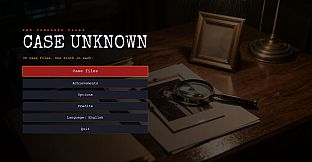


Case Unknown: The Complete Files is an indie adventure game centered on detective work. Players tackle a collection of self-contained mysteries on PC through careful observation, conversation, and logical deduction rather than trial and error or visual cues.
Gameplay
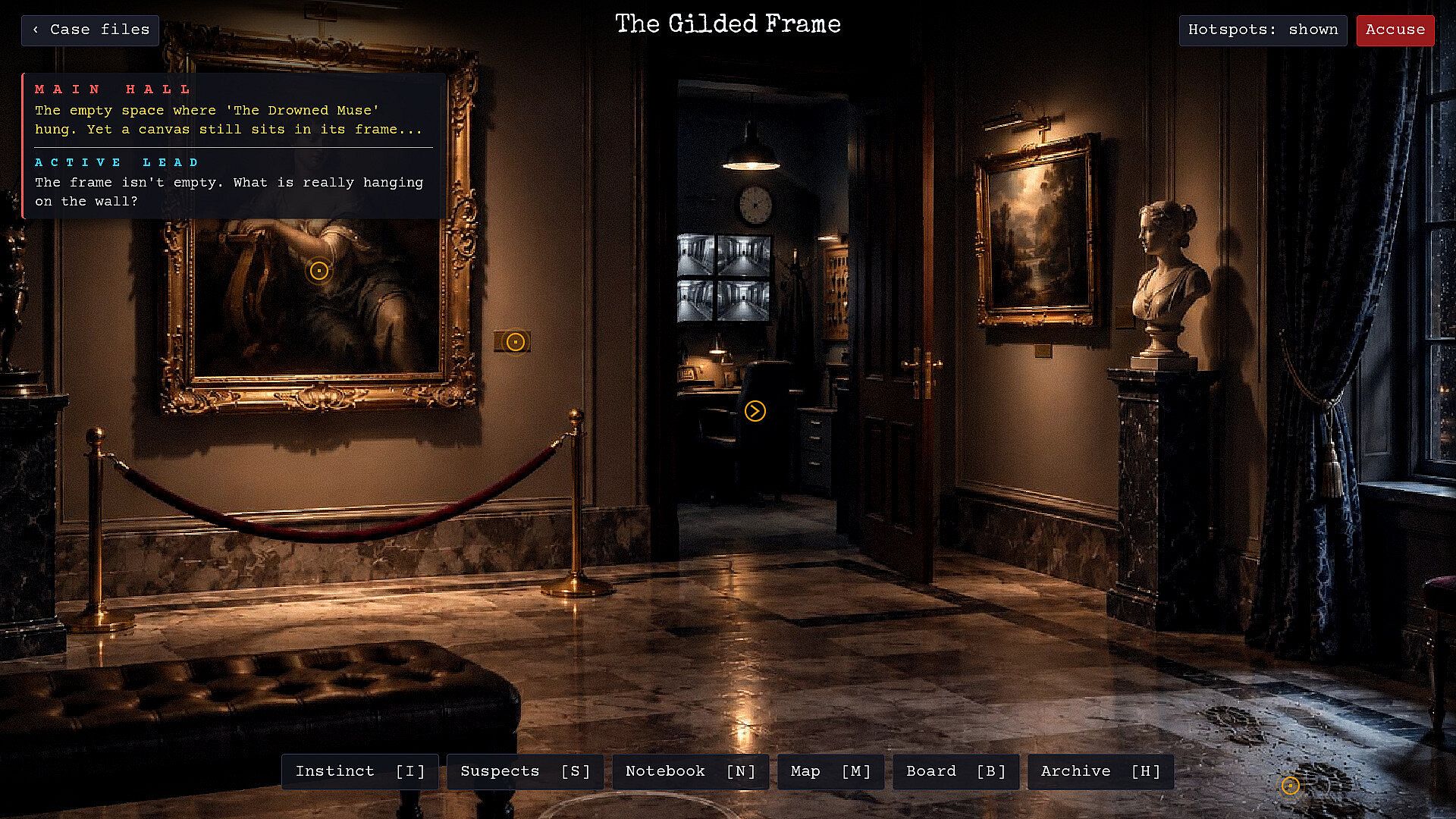
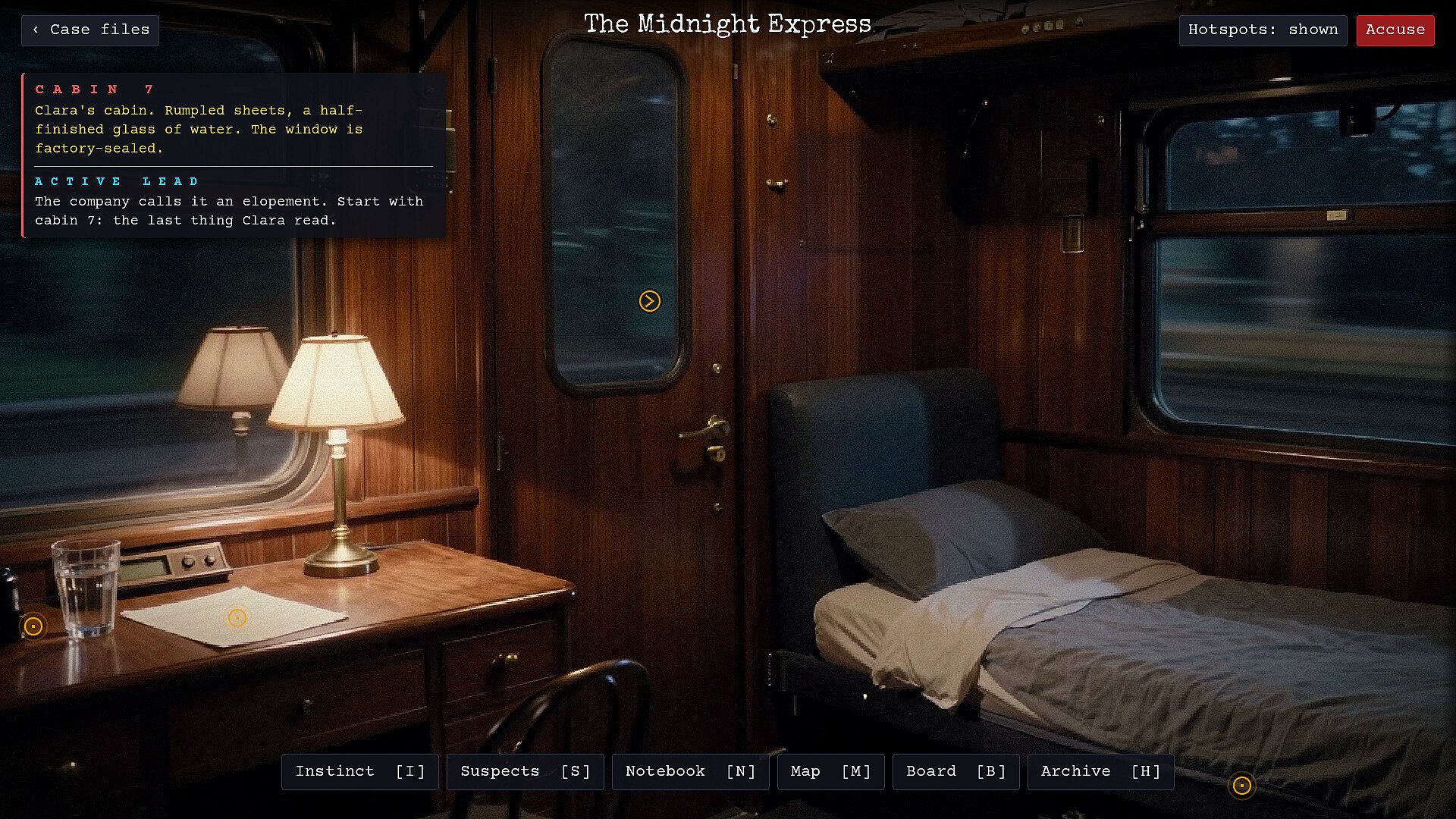
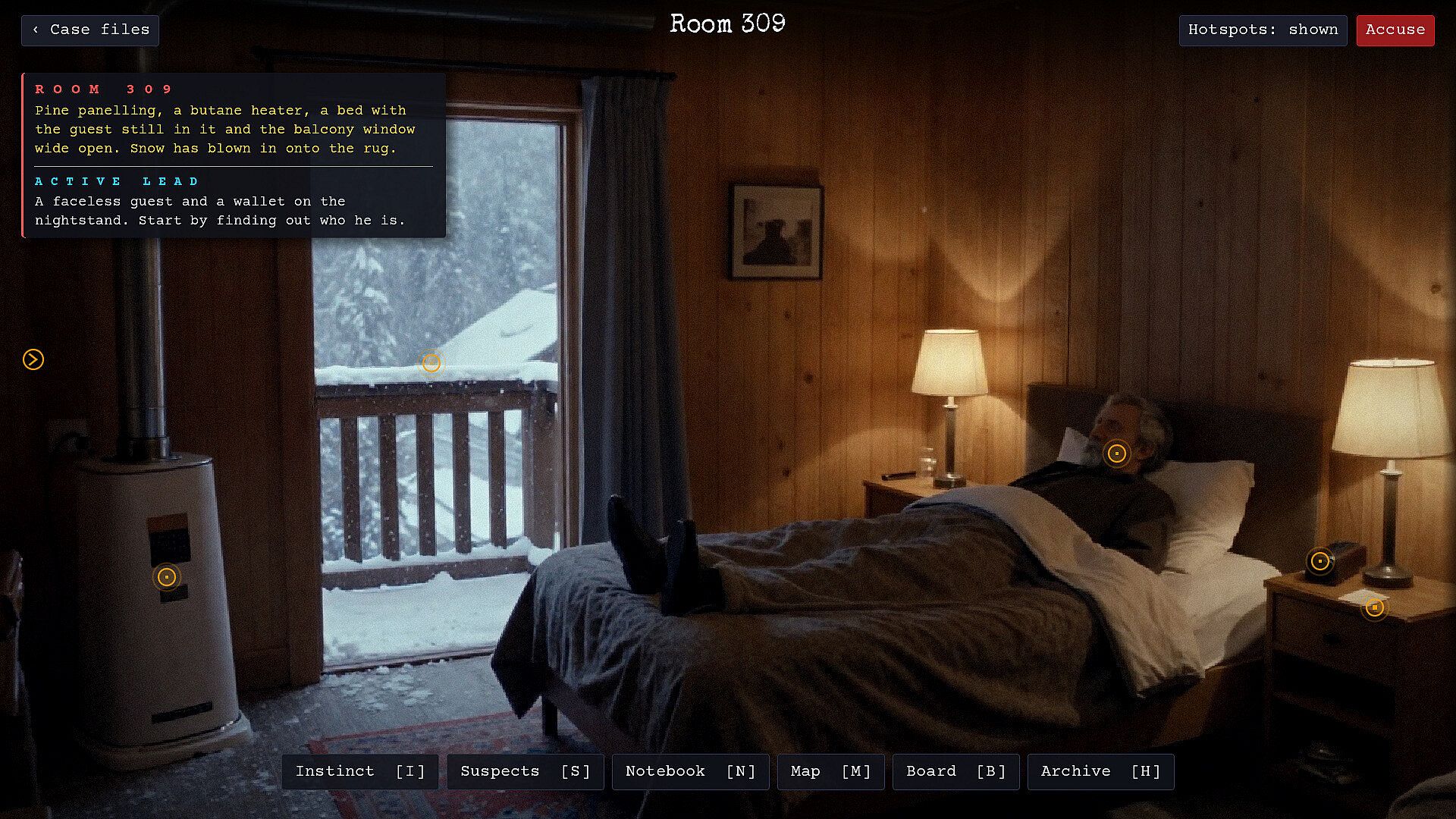
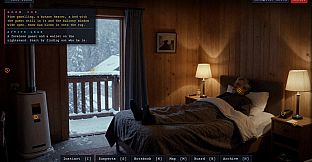
Each case begins with a detailed painted scene rendered in 2.5D. Players examine locations by zooming in on relevant objects, forcing locks where needed, reviewing camera logs, and collecting evidence items. The process emphasizes reading the environment for clues without external prompts.
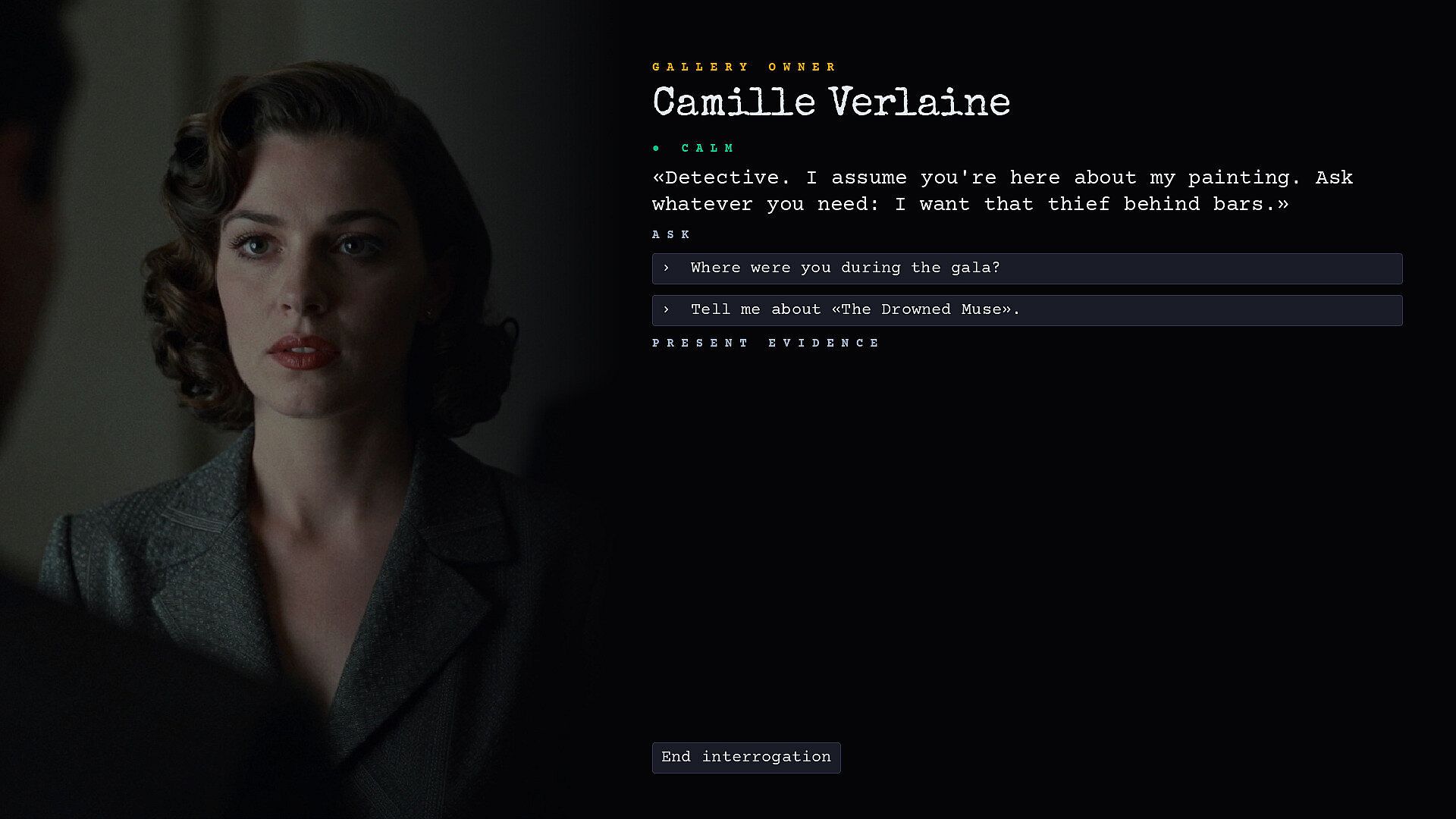
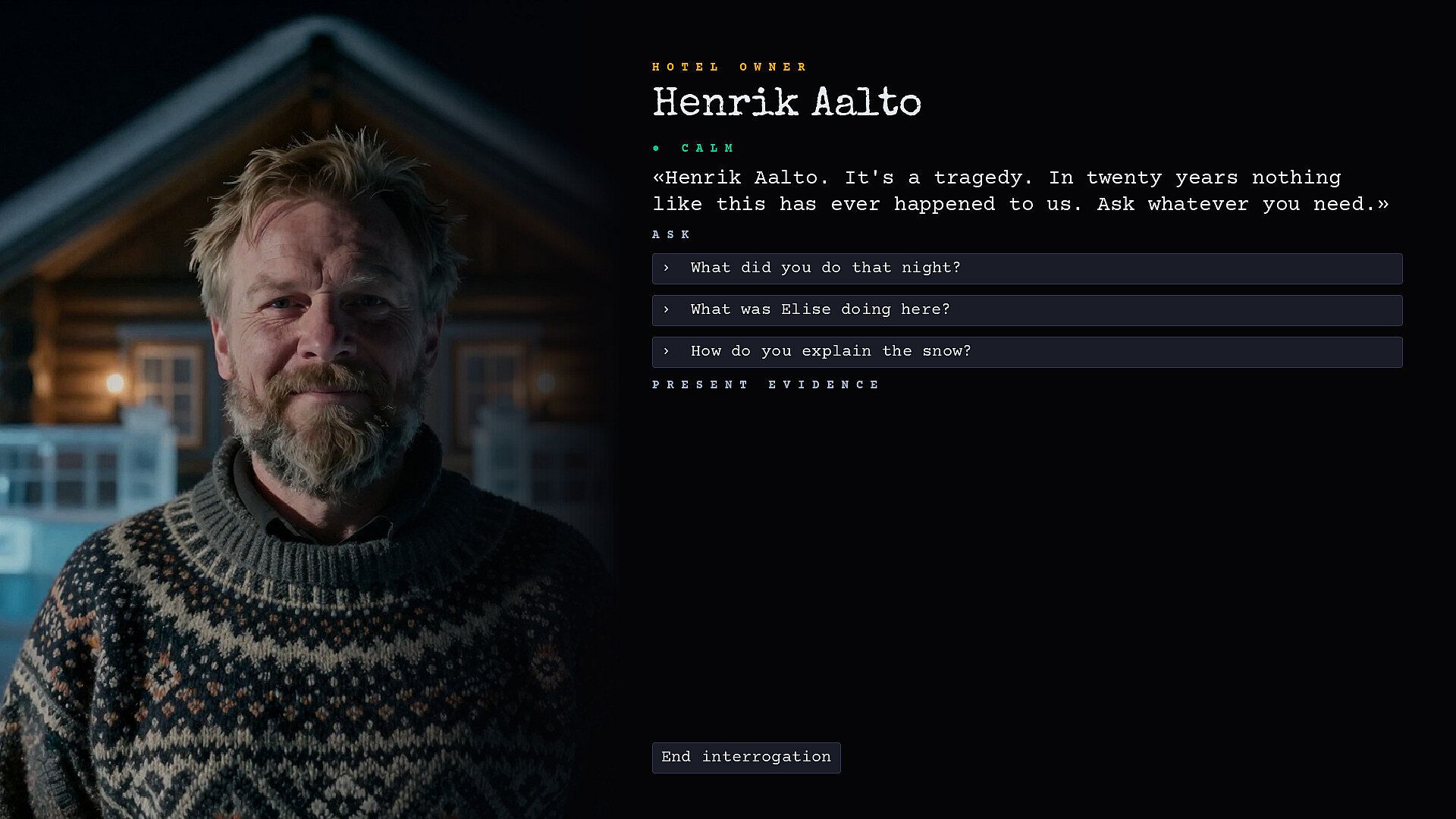
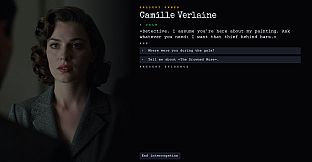
Interrogation forms the next core step. Suspects appear with full voice acting in English and Spanish, each offering an alibi and personal details. Players listen for inconsistencies in their statements and present contradicting evidence to break their accounts. This system relies on timing and precise selection rather than multiple-choice guessing.
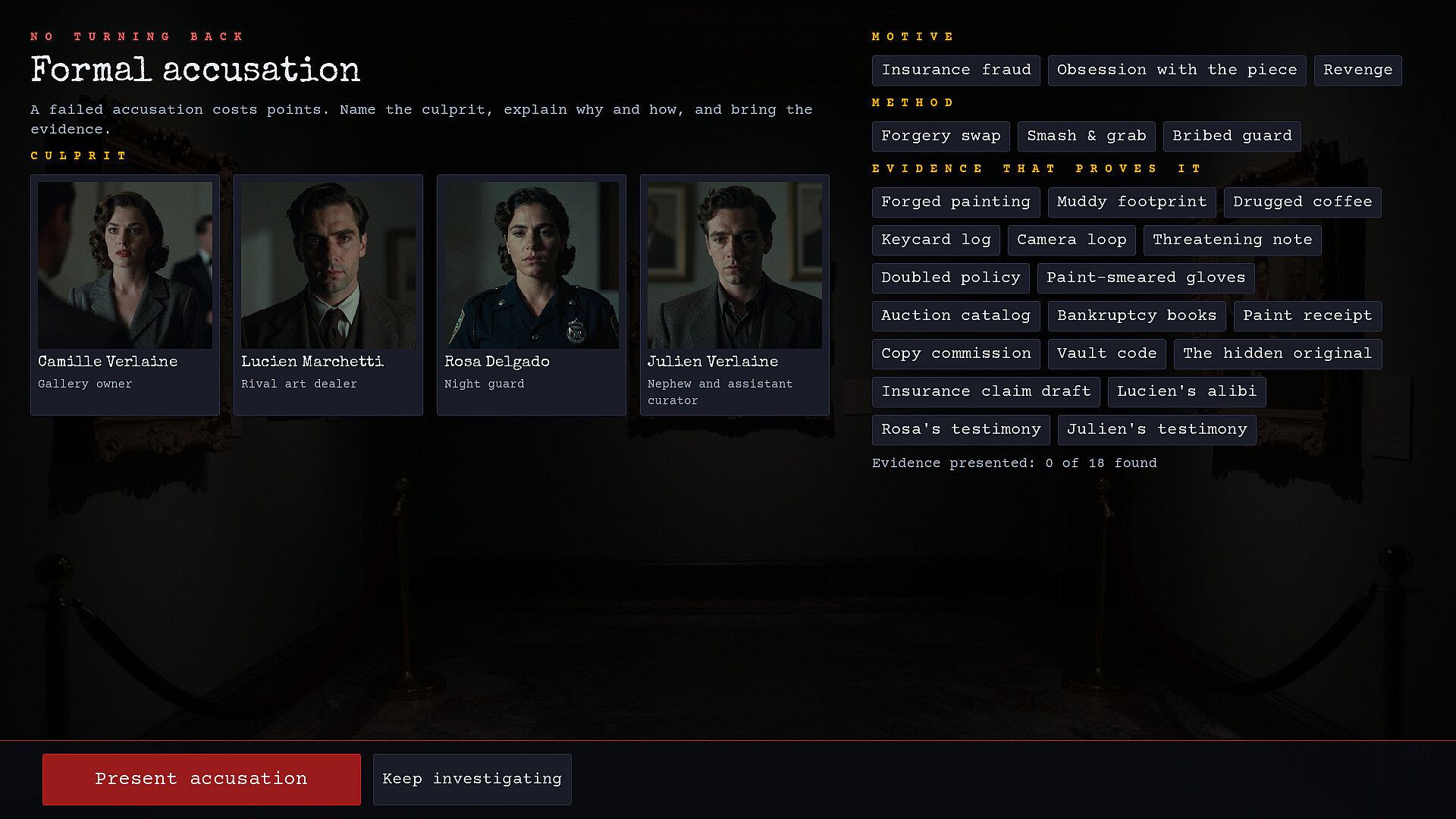
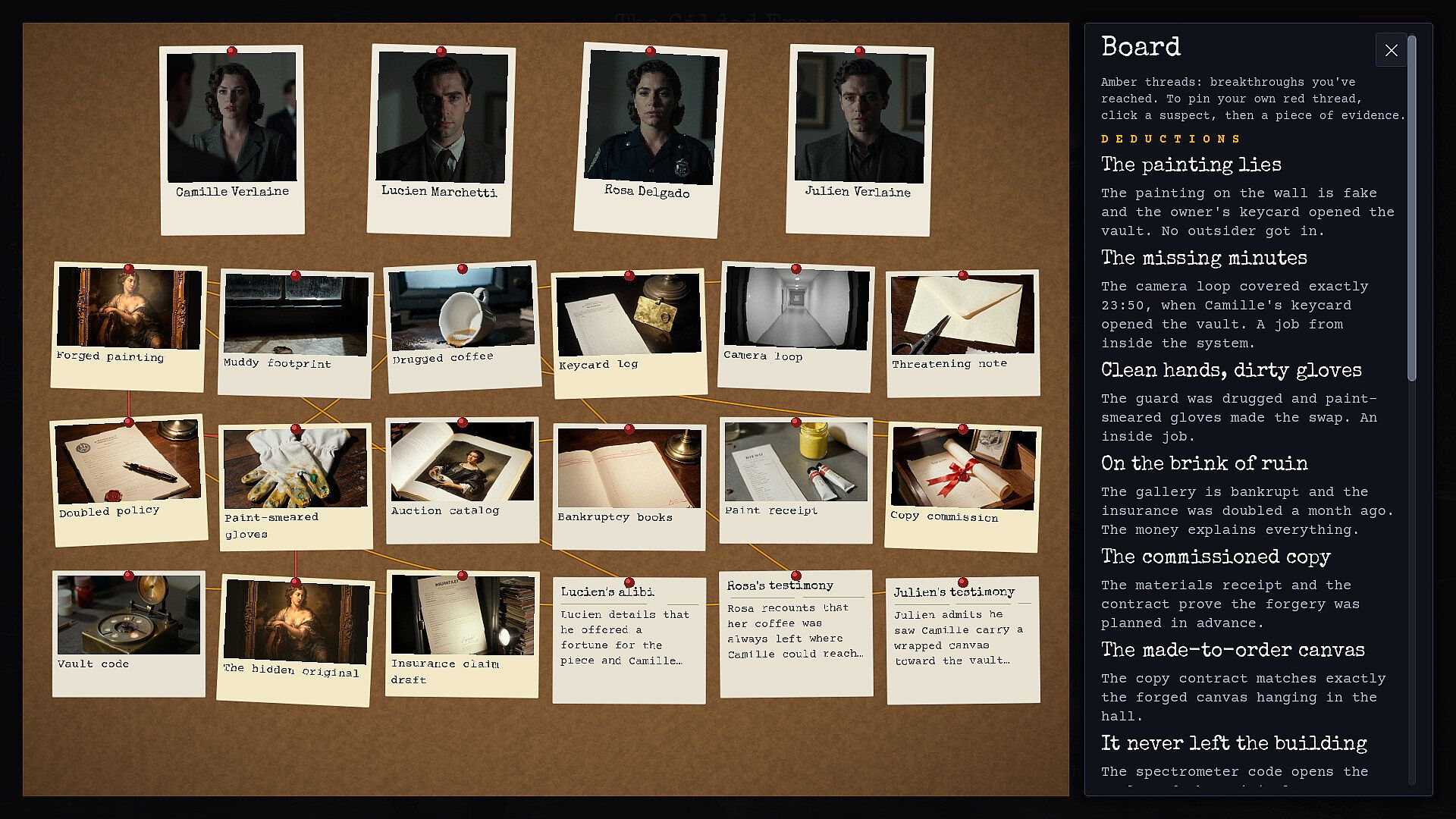
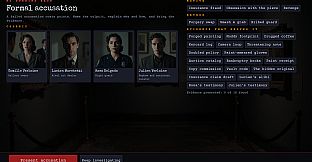
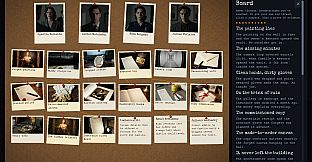
Evidence management happens on a physical-style board. Players pin collected items and draw connections between them to form deductions. These links then feed directly into the final accusation phase, where the player must identify the culprit, motive, and method while supporting every claim with specific proof. An incorrect accusation carries a penalty, encouraging thorough review before committing.
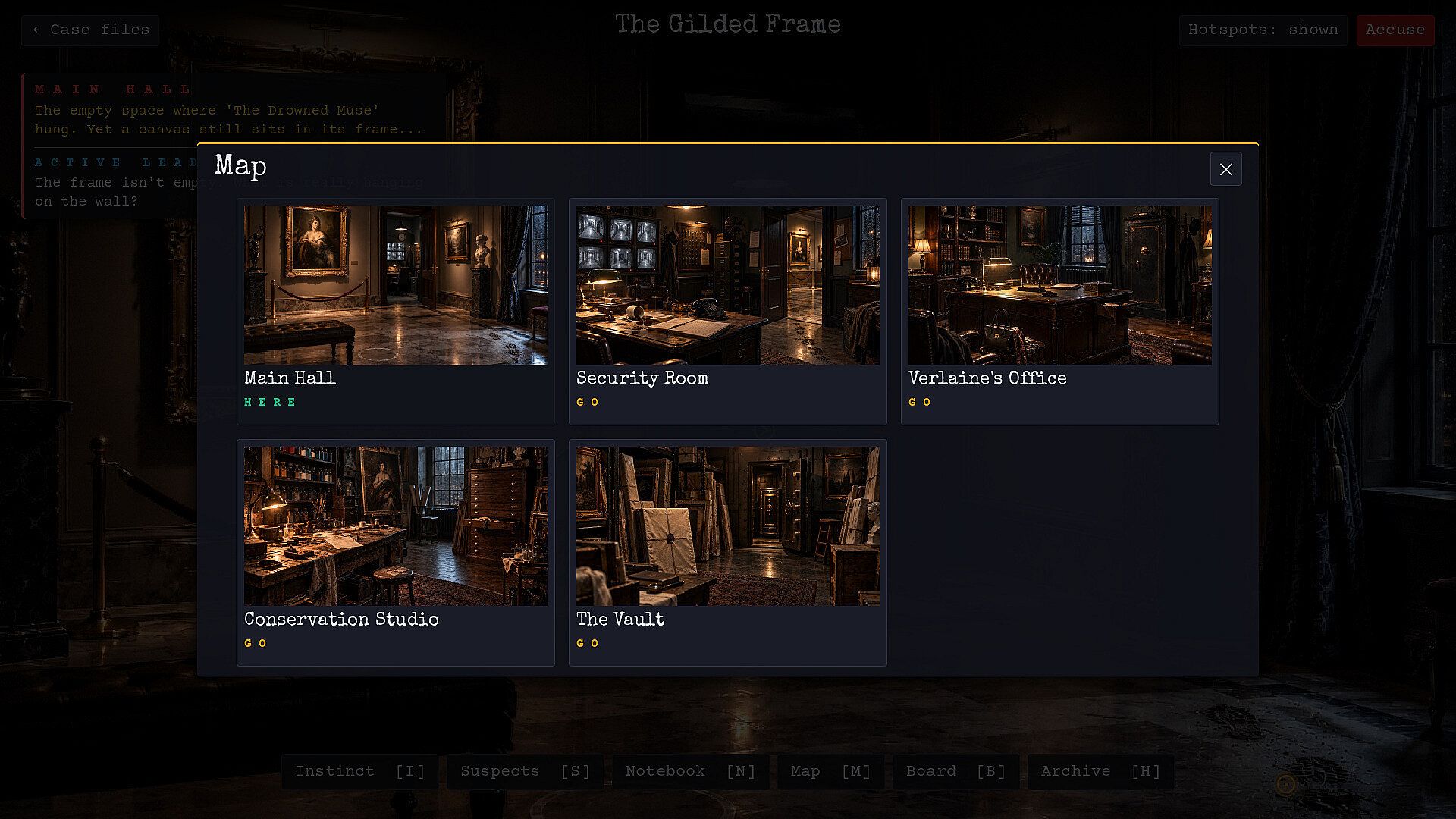
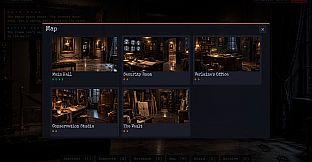
Supporting tools include a notebook for tracking details, a case map for navigation, and a complete report generated at the end of each file. Accessibility options cover interface scaling, adjustable text speed, and reduced-motion settings. Controls support mouse, keyboard, or gamepad, and the entire experience runs offline as a single-player title with no additional purchases or tracking.
Game Modes
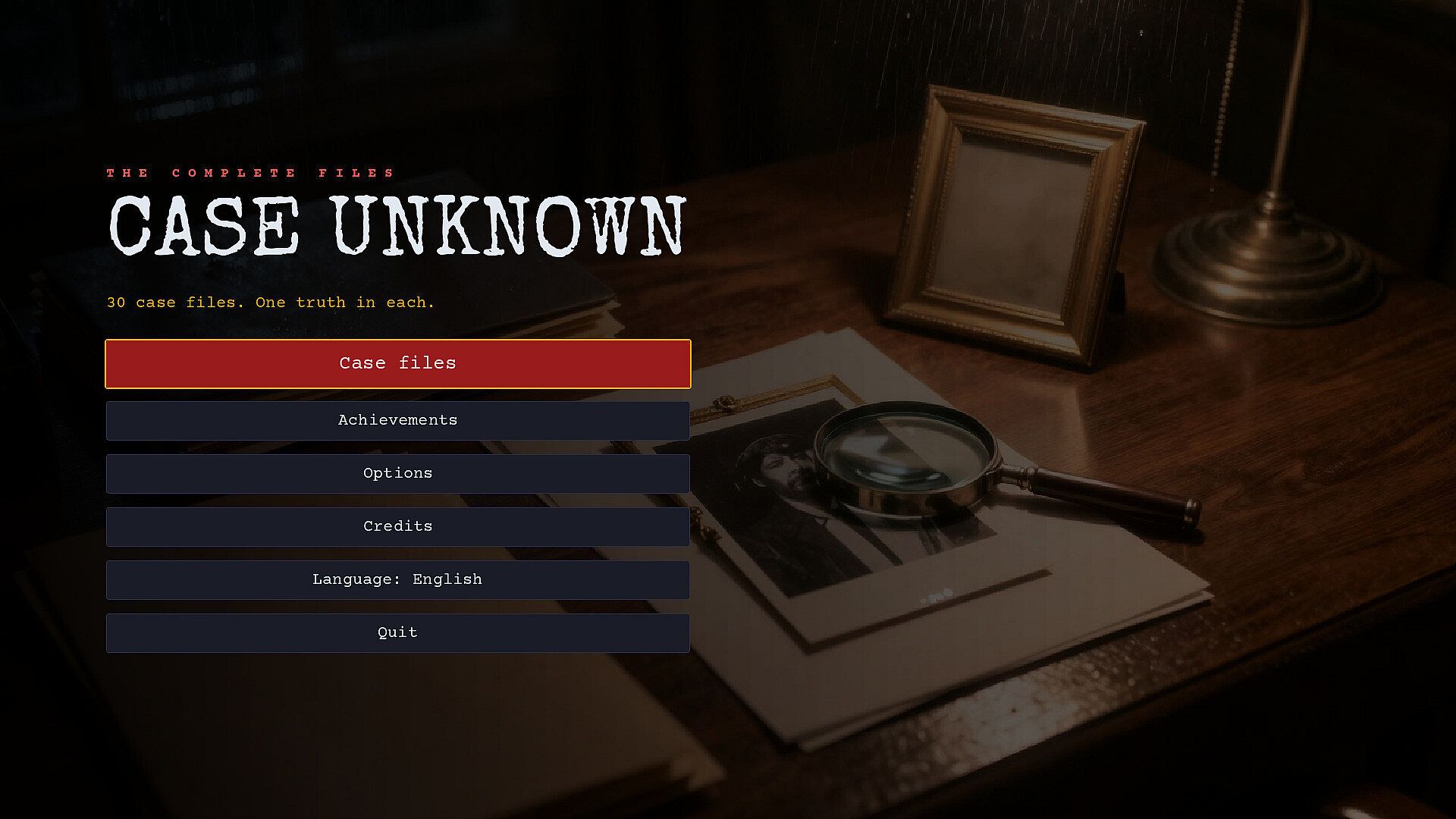
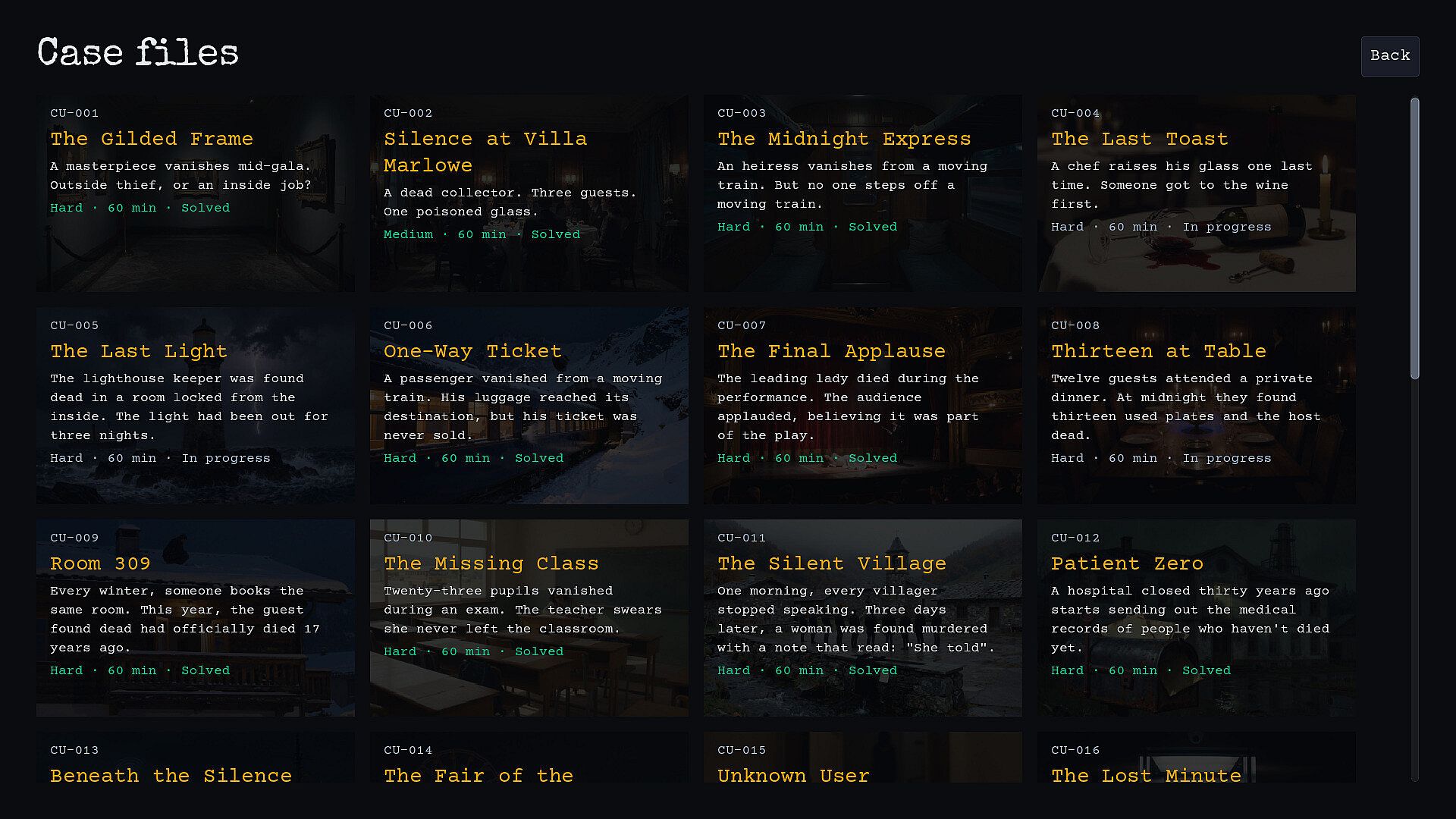
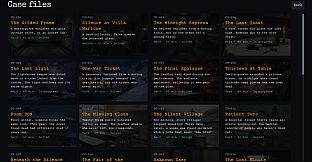
The game consists of thirty standalone cases, each designed to take roughly an hour to complete. There are no overarching campaigns or shared progression between files; every mystery operates independently with its own set of scenes, suspects, and evidence. Players can approach the cases in any order after unlocking them through the main menu.
Within each case the structure remains consistent: scene examination, suspect questioning, board connections, and accusation. Puzzles appear as integrated elements such as locks, codes, ledgers, and altered camera footage rather than separate minigames. The full set includes 149 painted scenes, 120 suspects, nearly 500 evidence pieces, and 121 puzzles across all files. Forty-two achievements track completion milestones and specific deductions.
Story and Setting
The cases span varied fictional locations and situations, from a vanished masterpiece at a gala to a disappearance aboard a moving train and an unexplained death in an ice hotel. All characters, places, and events remain entirely invented, with no ties to real incidents. A narrator provides voiced context alongside the suspects, maintaining a consistent tone across the collection.
Case titles include The Gilded Frame, Silence at Villa Marlowe, The Midnight Express, The Last Toast, The Last Light, One-Way Ticket, The Final Applause, Thirteen at Table, Room 309, The Missing Class, The Silent Village, Patient Zero, Beneath the Silence, The Fair of the Forgotten, Unknown User, The Lost Minute, Final Episode, The Impossible Photograph, Don't Open the Door, The Forbidden Manuscript, The Nameless Tomb, Project Fog, Passenger Zero, Frequency 13, The Unfinished Symphony, The Ice Hotel, The Star That Isn't There, The Last Game, Carnival of Masks, and File Zero.
Is It Worth Playing?
This title suits players who prefer deliberate, evidence-driven detective work without hand-holding mechanics. The absence of hint systems and the requirement to prove every conclusion make it a strong fit for those who enjoy methodical puzzle solving and logical connections. Accessibility features and full offline support broaden its appeal for focused solo sessions on PC.
With thirty self-contained cases and a range of accessibility options, the game offers substantial content for fans of the genre. The voiced dialogue and detailed painted environments add immersion without relying on external services. Since the game has not yet released, player reception remains unavailable, but the described systems emphasize replay value through precise deductions and achievement hunting. Those drawn to standalone mystery experiences with clear rules for success will find a direct match here.










