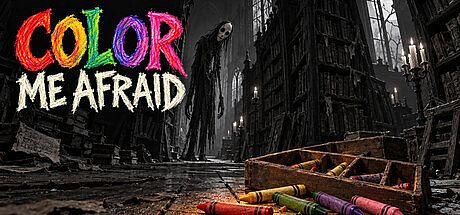


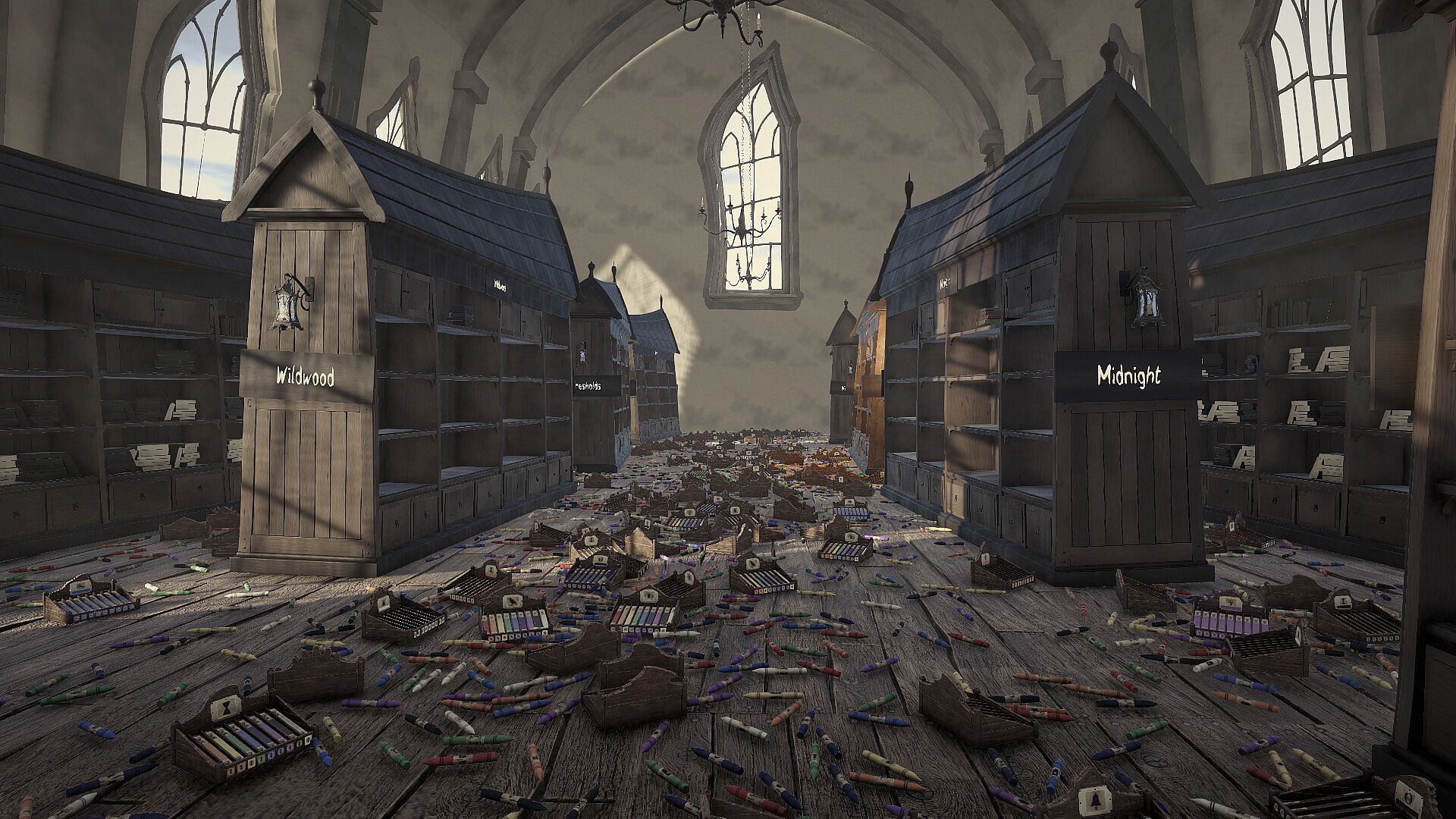
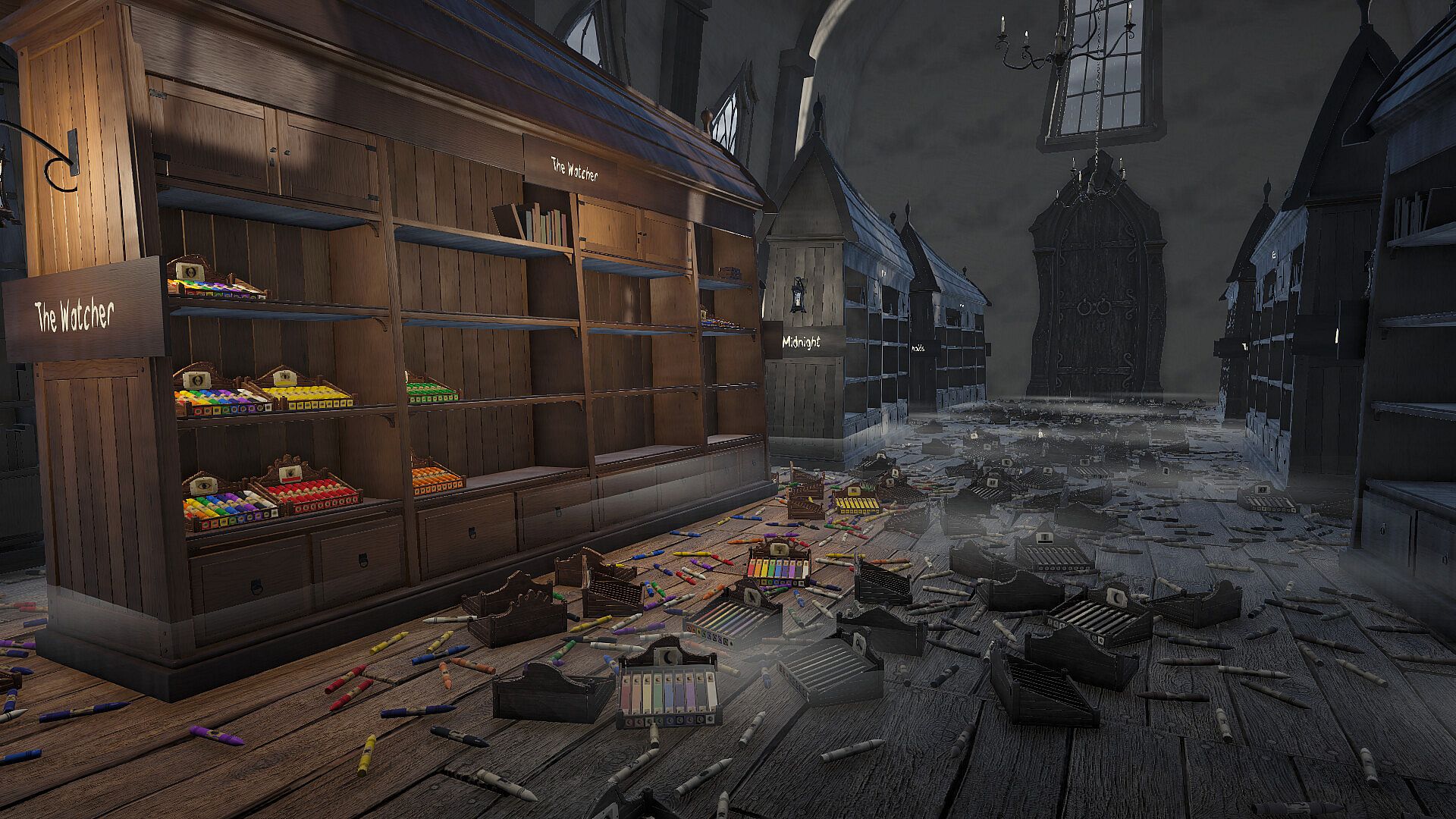
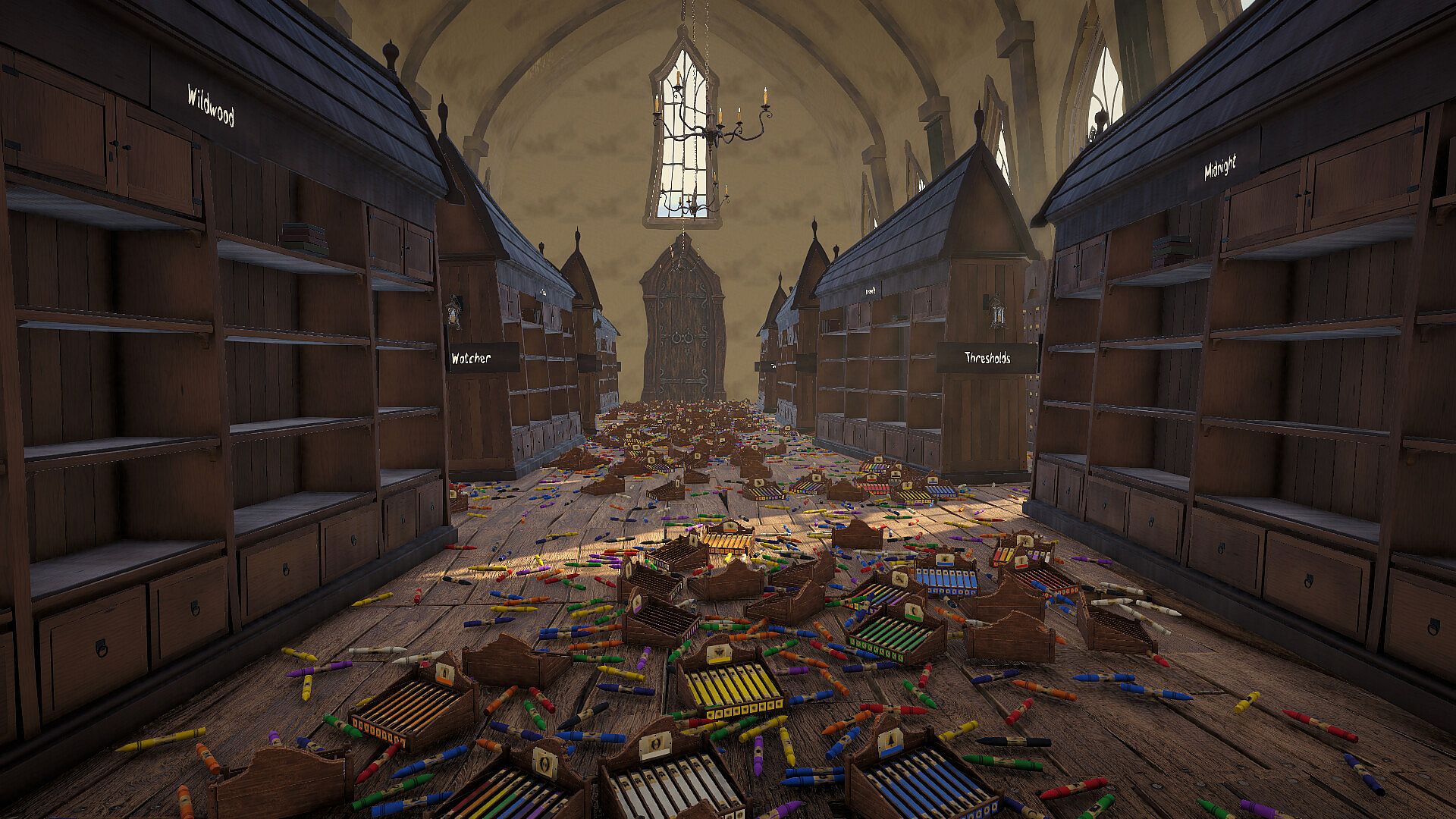
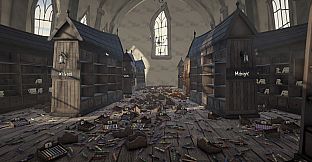
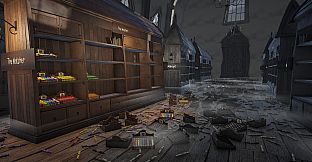
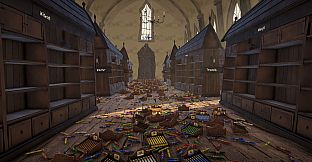
Color Me Afraid is an indie casual simulation adventure game set on PC that blends tactile puzzle mechanics with tense survival horror. Players find themselves trapped in a vast, crooked gothic library drained of all color, where the only path to freedom lies in sorting scattered crayons back into their proper trays. The core loop revolves around methodical organization during the day and careful evasion after dark, creating a deliberate pace that rewards patience and spatial awareness rather than speed or reflexes.
Gameplay
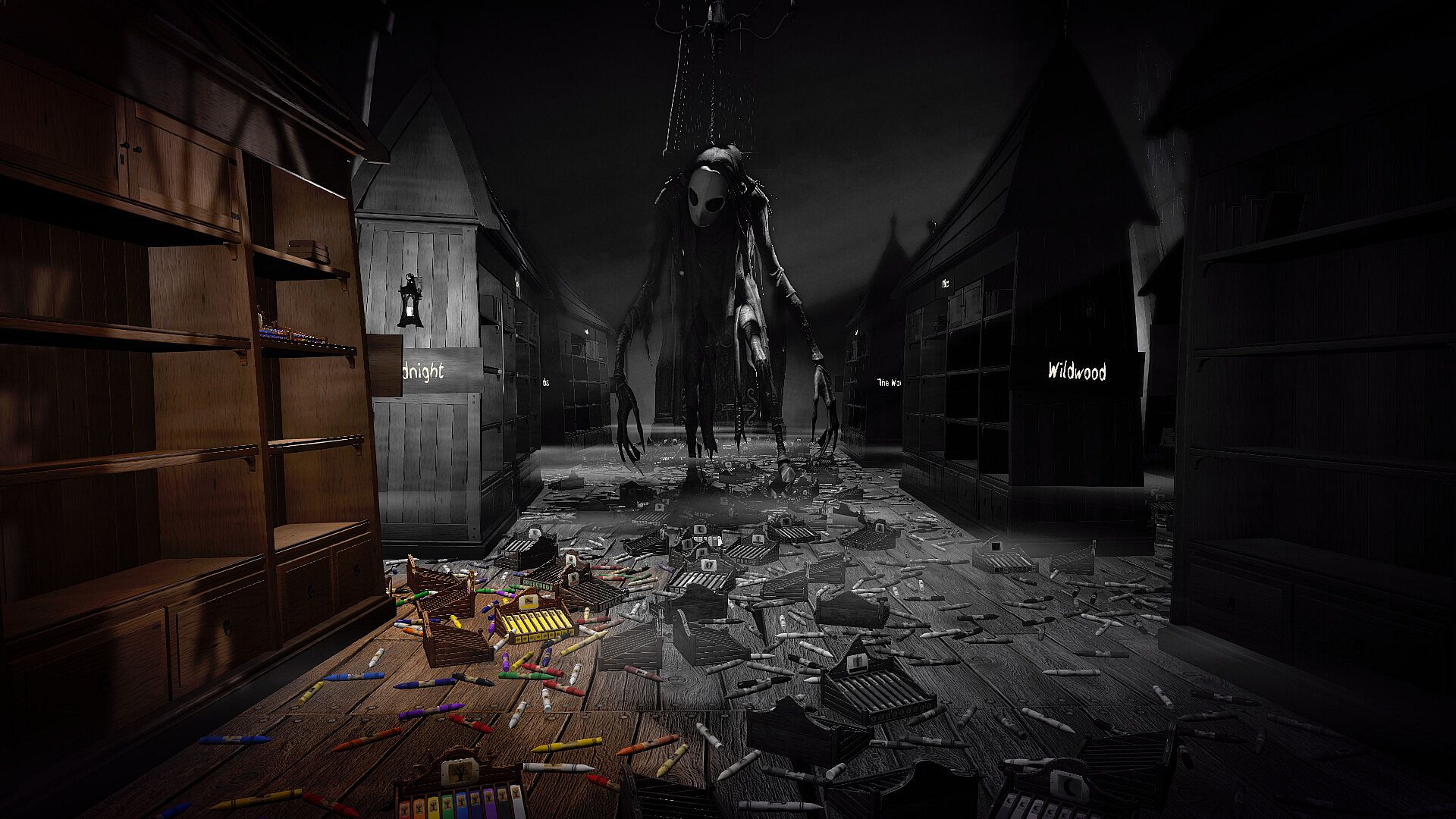
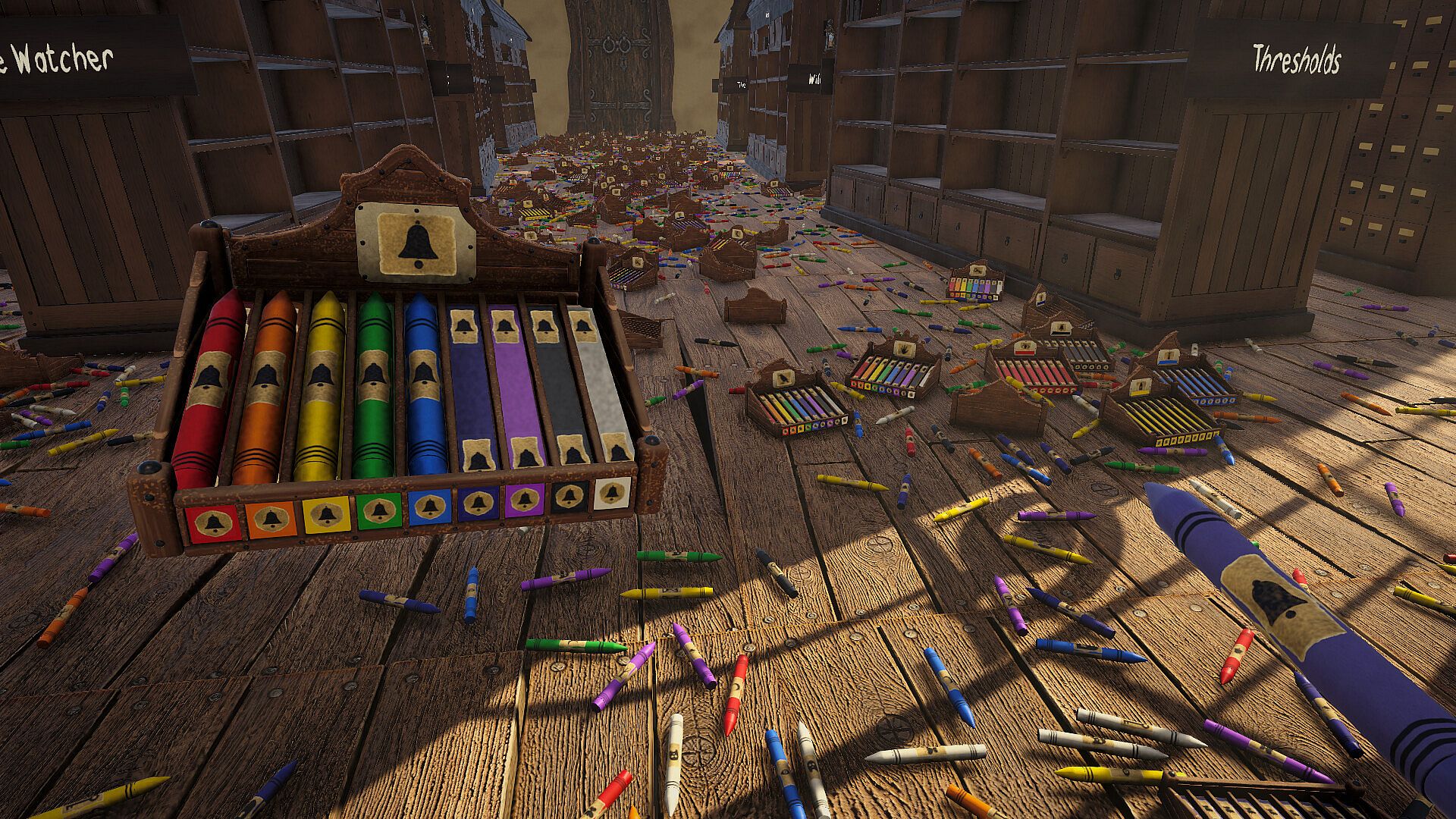
The experience centers on a single handcrafted environment filled with thousands of crayons scattered across the floor. Each crayon features both a color and a distinct symbol, making the sorting process accessible even for colorblind players. Trays are organized by these attributes, and completing a tray restores vibrant color to the corresponding section of the library. Restored areas remain permanently safe, forming barriers the pursuing creature cannot cross or enter.
Daytime focuses entirely on the sorting task. Players pick up individual crayons and slot them into matching trays, gradually expanding safe zones as sections fill. The process feels deliberate and physical, with each placement contributing to the growing map of protected ground. Progress carries forward across nights, so every completed tray builds lasting security.
At night the library changes. A tall, pale creature enters and patrols the remaining gray zones, hunting anything it detects. Players must break line of sight using shelves, retreat into restored color, or continue sorting under pressure. Finishing a section during the night immediately turns it safe. The creature adapts to player patterns over time, forcing constant adjustments in movement and hiding spots. There is no combat or weapons, only observation, positioning, and the color already earned.
Game Modes
Color Me Afraid presents a single cohesive experience built around its day and night cycle rather than separate selectable modes. The core loop remains consistent across play sessions, with the library layout and creature behavior providing the primary variables. Restored sections persist through every night and any restarts, encouraging methodical exploration of the space over repeated attempts.
The structure emphasizes one continuous challenge: restore enough color to reach the locked exit door. Procedural elements in crayon placement and creature patrol routes add replayability without introducing distinct game modes or factions. The focus stays on the same handcrafted gothic library and the single relentless stalker that learns from prior encounters.
Atmosphere and Presentation
The visual style draws from classic stop-motion horror, resulting in a crooked, handmade aesthetic that feels unsettling even in brightly restored areas. Shadows stretch unnaturally, and the library's architecture creates natural chokepoints and sightlines that heighten tension during night sequences. Audio design supports the isolation, with subtle cues for the creature's movements and the satisfying click of crayons finding their places.
Progression ties directly to the environment. Every tray shelved expands the safe zone, turning the once-uniform gray library into a patchwork of color that players can use strategically. The absence of combat shifts emphasis toward planning routes, managing risk, and deciding when to push for one more tray before night falls.
Is It Worth Playing?
Color Me Afraid targets players who enjoy deliberate puzzle-solving paired with atmospheric tension rather than action or combat. Its mechanics reward careful observation and incremental progress, making it suitable for those who appreciate survival horror without traditional combat systems. The single-setting design keeps the focus tight on the library and the creature's behavior.
Because the game remains in a coming-soon state with no user reviews available yet, any recommendation rests on the described systems. Fans of tactile organization tasks and stealth evasion in confined spaces will likely find the loop engaging. Those seeking fast-paced action or multiple distinct modes may want to wait for more information after release. The colorblind-friendly symbols and persistent color restoration add accessibility and a sense of tangible achievement to each session.