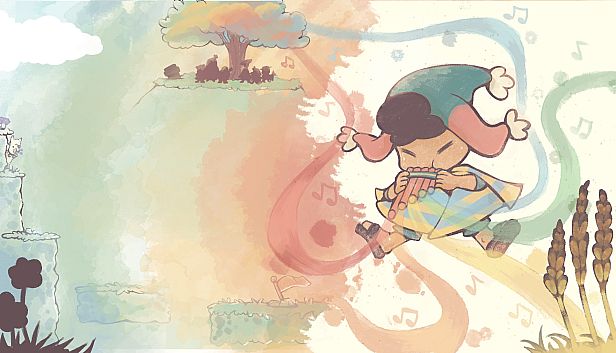


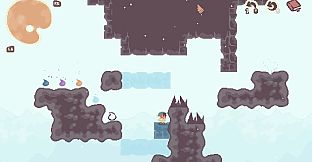
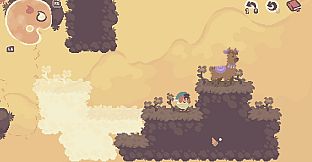
Colorbound is a single-player puzzle platformer that places players in control of Anku, a young Aymara boy who wields the ability to paint the world with collected colors. The game blends light platforming with environmental logic challenges across diverse landscapes drawn from South American settings. Its core appeal lies in using a growing palette of hues to alter object properties and background interactions, turning static scenes into solvable arrangements while following a story of family, music, and remembrance.
Gameplay
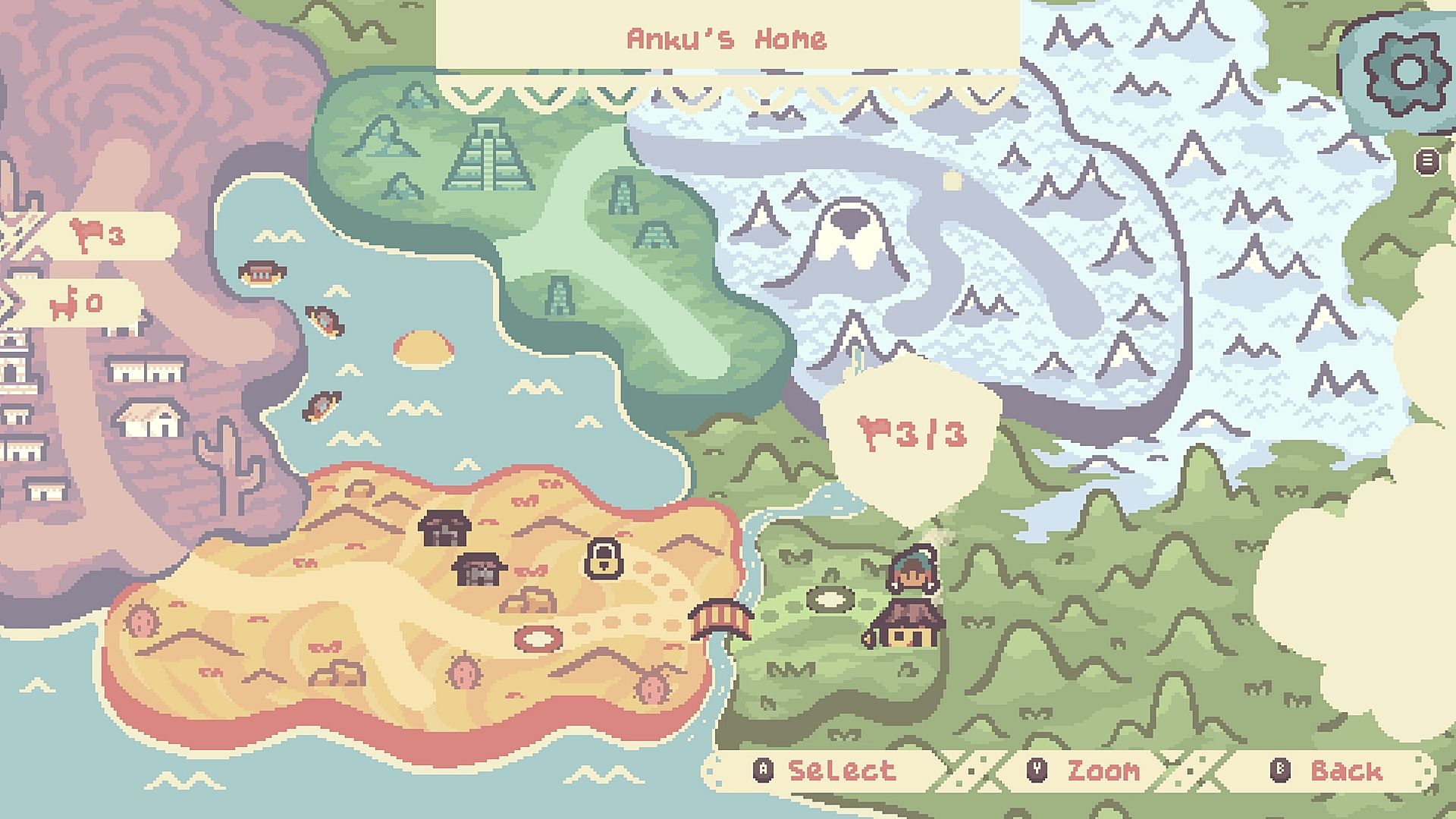
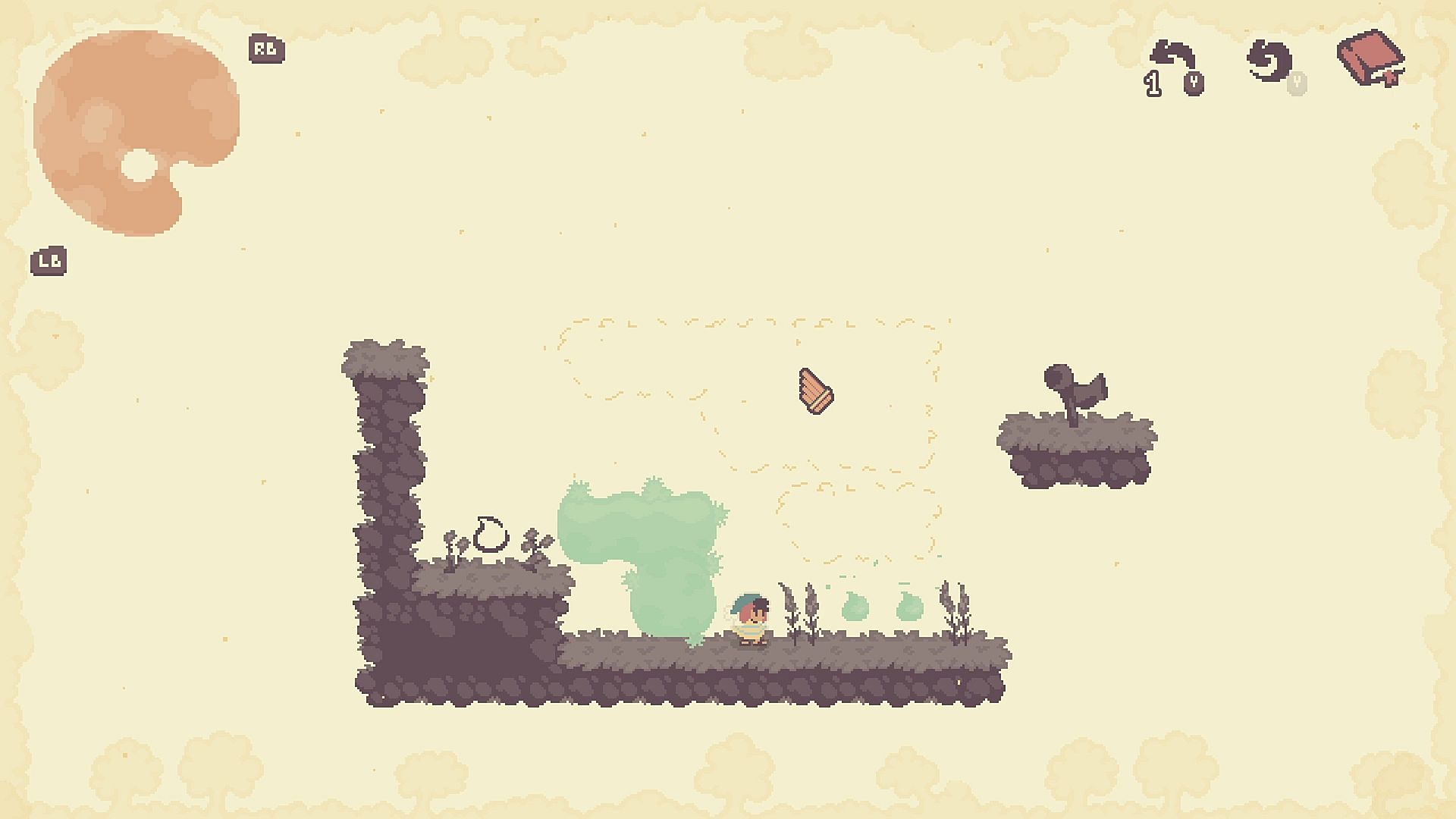
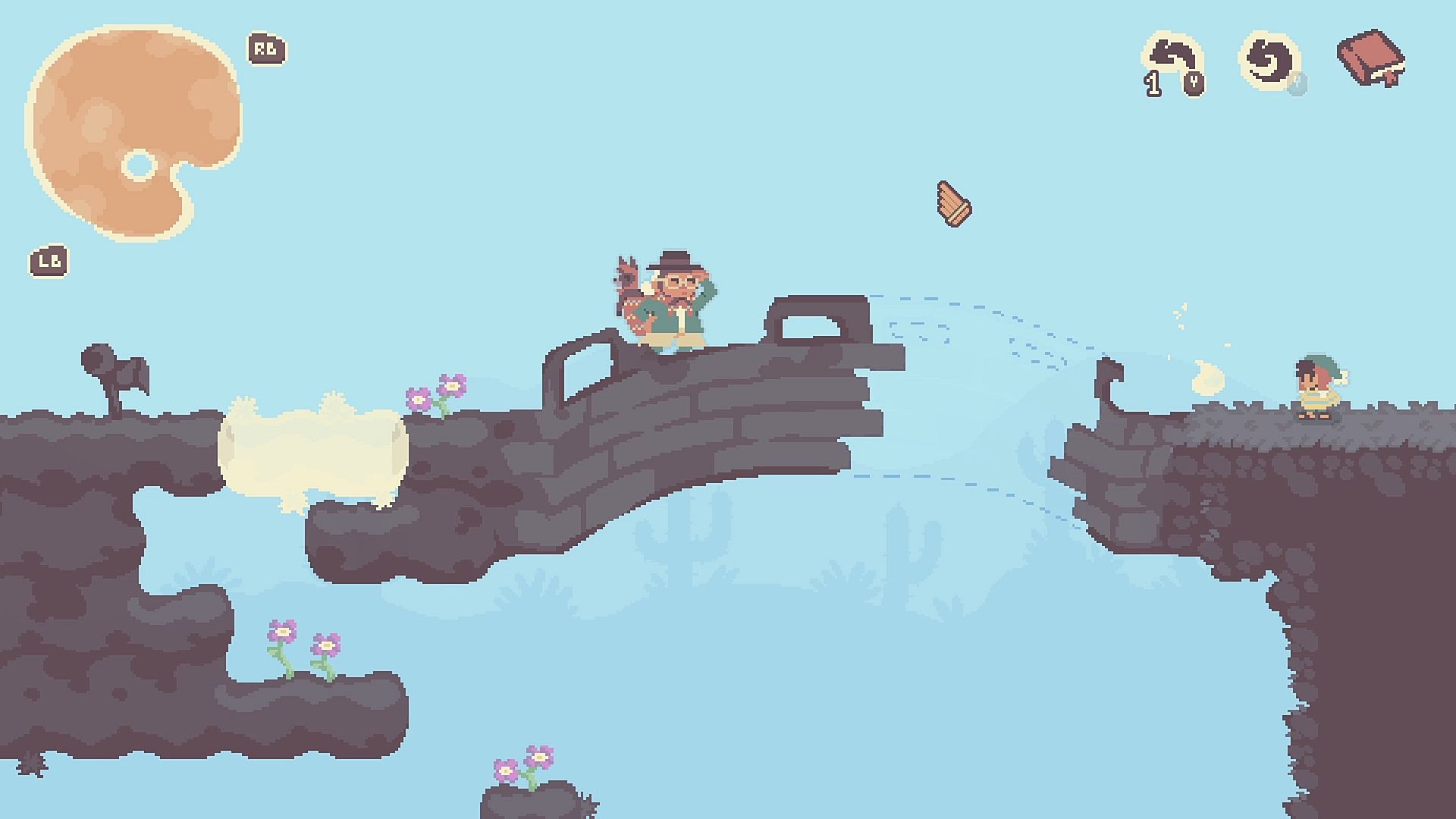
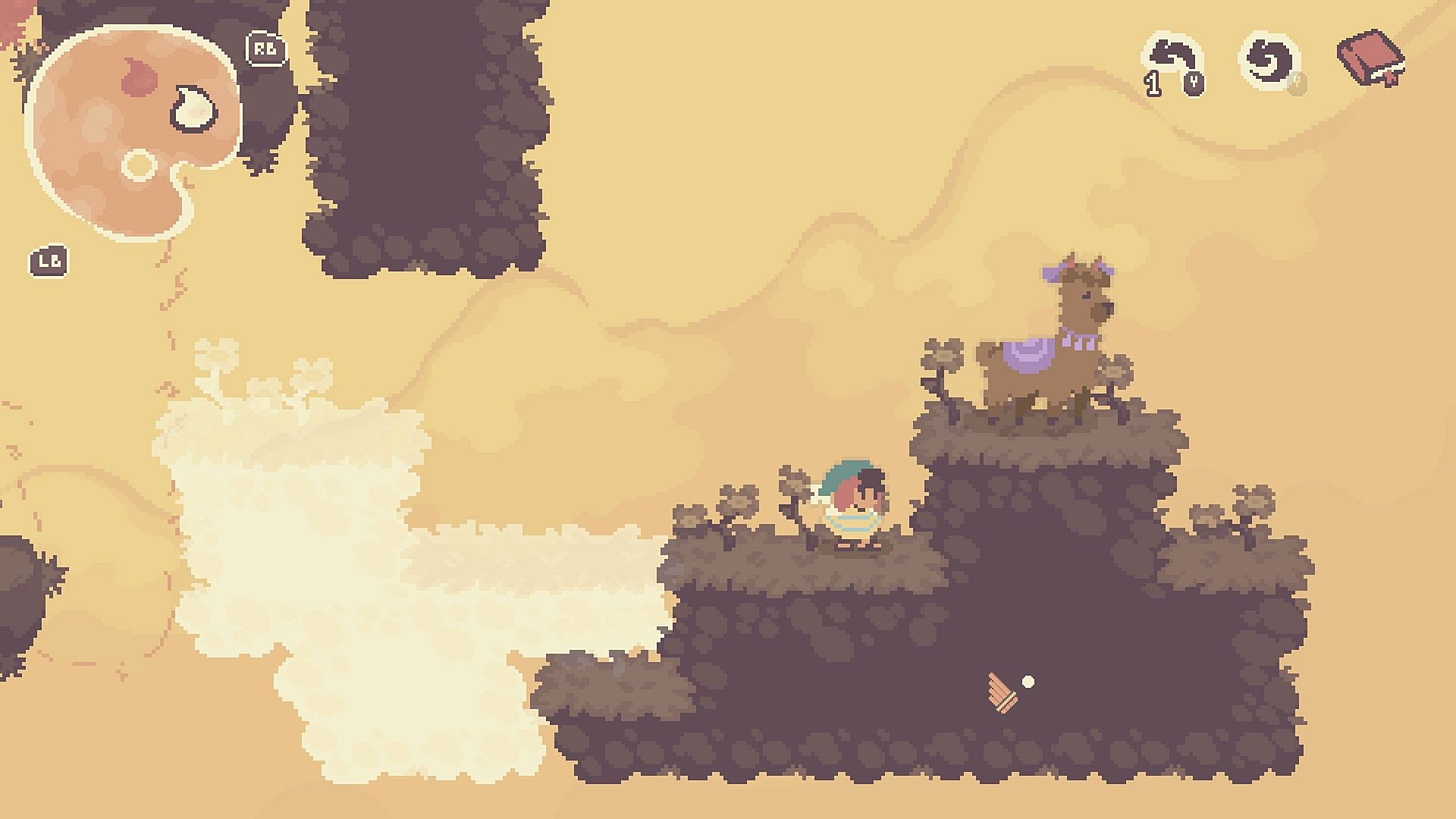
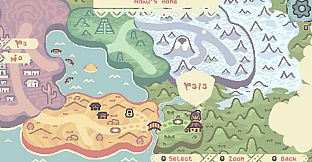
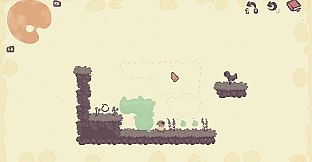
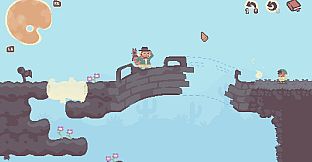
Players guide Anku through an overworld that connects individual stages set in forests, deserts, and ruined cities. Each stage requires collecting colors and applying them to blocks, platforms, and the background itself. Painting an object the same color as the background causes it to blend away and lose solidity, allowing passage through former obstacles. Applying a contrasting color grants new physical presence, creating steps or barriers where none existed.
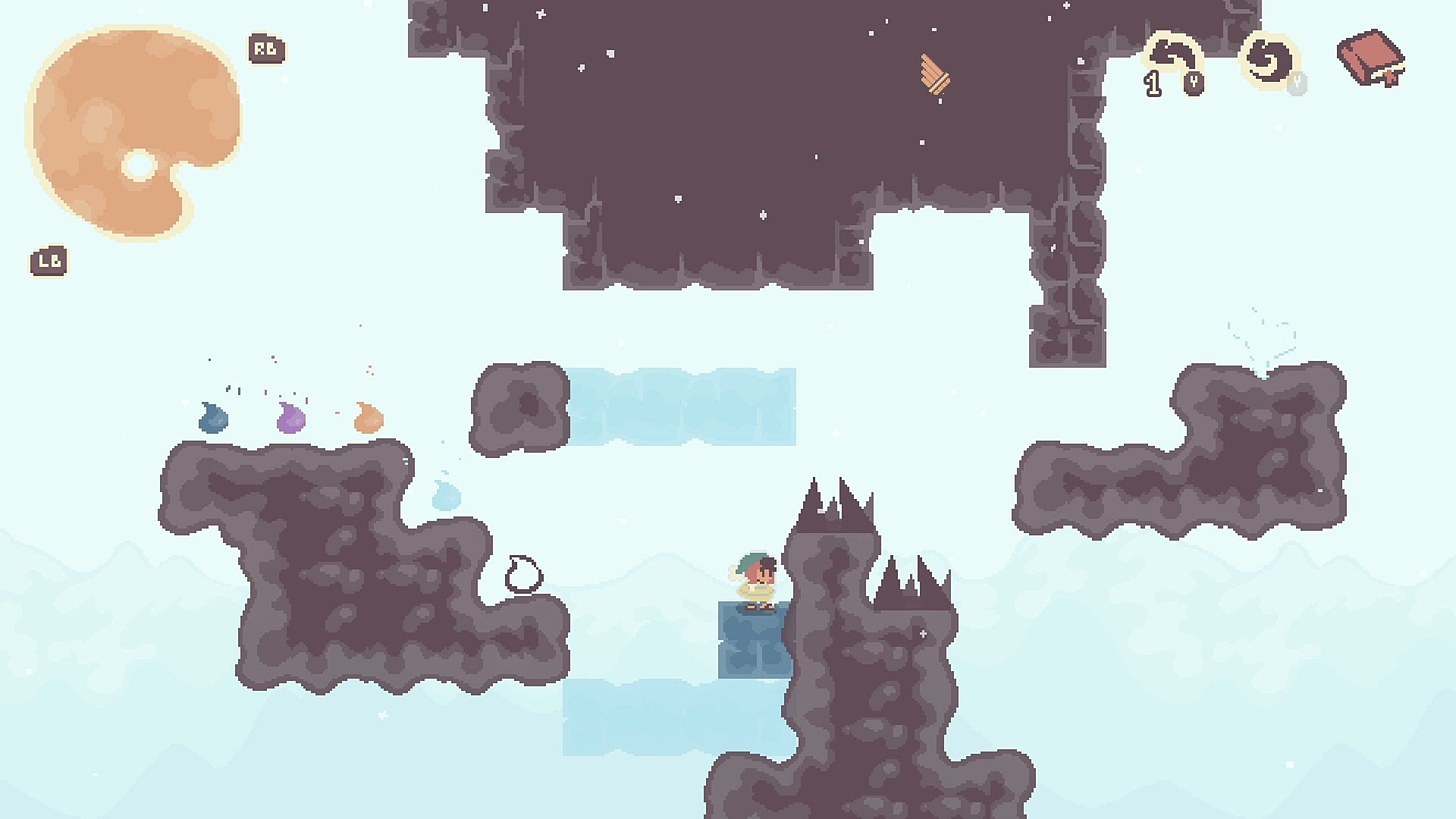
Colors carry distinct properties that add layers to every puzzle. Heavier shades increase mass so painted items sink or fall under gravity. Lighter shades reduce weight and cause objects to rise or float upward. Additional effects include freezing liquids with certain cool tones or enabling other interactions that expand as the palette grows. Stages introduce these rules gradually through built-in hints, then combine them into multi-step sequences that demand careful planning of paint order and placement.
An undo feature lets players reverse the most recent action without restarting an entire level, encouraging experimentation. A hints system reveals the sequence of colors needed when progress stalls. These tools keep the focus on creative problem solving rather than trial-and-error frustration. The overall loop rewards observation of how painted elements interact with each other and the environment, often requiring players to paint multiple objects the same color so they move or stick together as a single unit.
Game Modes
Colorbound offers a single-player campaign structured around an overworld hub and discrete puzzle stages. There are no separate competitive or cooperative modes. Progress involves traveling between biomes, completing stages to advance the narrative, and returning to earlier areas once new colors expand the range of possible solutions. Secret levels and hidden collectibles appear in some stages, encouraging thorough exploration of each painted environment.
The experience remains consistent throughout, with difficulty scaling through added color properties and more intricate level layouts rather than through changes in mode structure. Players manage their own pace, revisiting stages as needed when the palette grows and previously impossible paths become viable. This unified single-player format emphasizes steady mastery of the color system over variety in play styles.
Story and Setting
Anku embarks on a journey to locate the scattered members of his late grandfather's band. The grandfather was a respected musician whose performances once united his community. Each reunion involves helping the musicians rediscover their instruments and passion for playing, culminating in a final tribute performance. The narrative unfolds through environmental storytelling and brief character interactions rather than lengthy cutscenes.
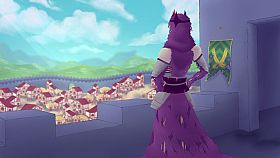
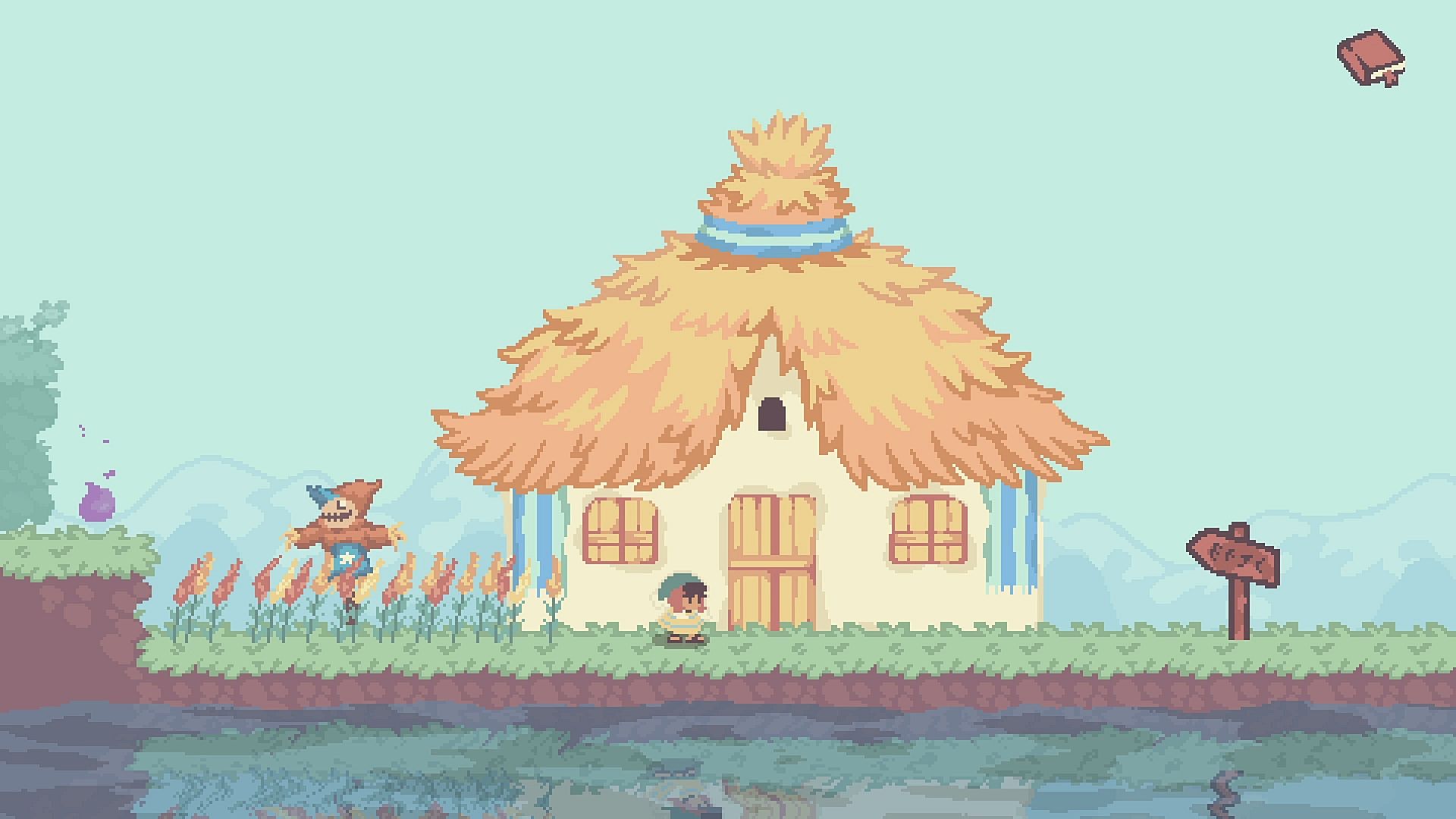
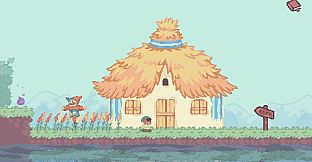
Visuals and music draw from Aymara traditions of the Andes, incorporating traditional instruments and art motifs into the puzzle stages. The minimalistic art style keeps focus on color interactions while still conveying the warmth of the cultural elements. Landscapes shift from lush greenery to arid expanses and crumbling urban ruins, each offering fresh aesthetics for the painting mechanics.
Is It Worth Playing?
Colorbound suits players who enjoy thoughtful puzzle platformers with a gentle pace and meaningful themes. Its color-based mechanics provide consistent novelty across stages, supported by quality-of-life features like undo and hints that reduce friction. The story of loss and reconnection adds emotional weight without overshadowing the core loop of painting and platforming.
A free demo is available that showcases the central systems and several early puzzles. Those who appreciate indie titles centered on creative problem solving and cultural representation will find the full release aligns closely with that description. The game launches on Xbox Series consoles and PC in October 2026, with no additional modes or expansions confirmed at this stage.