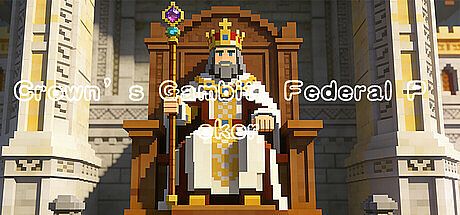


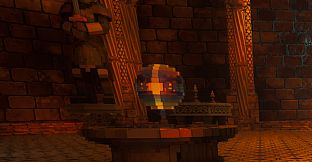
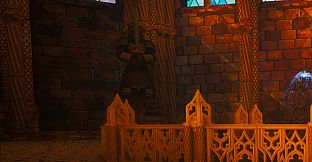


Crown's Gambit: Federal Poker ist ein teamorientiertes Strategiespiel mit Karten, bei dem der Erfolg von koordiniertem Spiel abhängt, nicht nur von individueller Stärke. Sechs Spieler treten in zwei gegnerischen Fraktionen gegeneinander an. Wer gewinnt, entscheidet sich daran, wie gut man die Gegenseite liest, die eigenen Mitspieler unterstützt und rechtzeitig kontert. Das Konzept greift auf Poker-Traditionen zurück, ergänzt diese aber um explizite Team-Mechaniken, die Kommunikation und Antizipation belohnen.
Gameplay
Im Mittelpunkt steht der ständige Wechsel der Sitze zwischen den Fraktionsmitgliedern. Dadurch muss jeder Spieler gleichzeitig seine Teamkollegen und den direkten Gegner im Blick behalten. Jede Runde werden Karten ausgespielt, während man mögliche Kombinationen im Auge behält, die nur der gegnerische Fraktionsspieler kontern kann. Diese Konstellation erzeugt anhaltende Spannung, da man aus vorherigen Aktionen und Fraktionssignalen auf verdeckte Karten schließen muss.
Federal Cards bilden die strategische Tiefe des Spiels. Bestimmte Kombinationen wie fünf Zehner oder vier Buben gelten als solche Spezialzüge und können nur vom jeweils zugeordneten Gegner blockiert werden. Das System ermutigt dazu, Karten zurückzuhalten und gleichzeitig die gegnerische Hand einzuschätzen - jede Entscheidung wird so zu einer kalkulierten Risikoabwägung.
Burn-Aktionen kommen ins Spiel, wenn ein Gegner einen Draw-Versuch unternimmt. Mit einer höherwertigen Karte lässt sich dieser Versuch abwehren und möglicherweise die gesamte Fraktion ins Vorteil bringen. Erfolgreiche Burns entscheiden oft knappe Partien, indem sie dem Gegner Fortschritt verwehren und eigene Angriffe ermöglichen.
Stalemate-Situationen entstehen, wenn ein Spieler durch überlegene Positionierung der Gegenseite keine sinnvollen Züge mehr hat. Der betroffene Spieler gerät in eine benachteiligte Lage, die mentale Stärke erfordert, da die Fraktion ohne seinen unmittelbaren Beitrag weiterspielen muss. Diese Phase unterstreicht die psychologischen Anforderungen des Formats.
Das Match endet mit dem Race for the Crown: Wer als Erster seine Hand leert, erhält den First-Clear-Status, der Zweite den Second-Clear-Status. Die Teamplatzierung basiert auf diesen Clearances und bestimmt den Gesamtsieg - kollektive Leistung steht hier über Einzelergebnissen.
Game Modes
Das Hauptformat ist die 3v3 Federation Battle. Sechs Teilnehmer teilen sich in zwei Dreier-Fraktionen auf und sitzen abwechselnd, sodass jeder einem direkten Gegner gegenübersitzt. Matches drehen sich um gemeinsame Unterdrückung der gegnerischen Fraktion durch abgestimmtes Kartenmanagement und gezielte Eingriffe.
LAN-Unterstützung ermöglicht lokale Multiplayer-Sessions sowohl für kompetitives als auch kooperatives Spiel im gleichen Format. Weitere Modi sind derzeit nicht bekannt, sodass der Fokus auf dieser zentralen Teamkonfrontation liegt.
Core Mechanics and Strategy
Erfolg hängt von der Abstimmung innerhalb der Fraktion ab, nicht von isoliertem Kartenspiel. Teamkollegen müssen ein unausgesprochenes Timing entwickeln, wann sie eingreifen und wann sie den Gegner Ressourcen investieren lassen. Das Ratespiel um Federal Cards zwingt dazu, den Spielstand ständig neu zu bewerten - basierend darauf, was bereits gespielt wurde und was noch verdeckt ist.
Burn-Entscheidungen erfordern präzises Timing, da ein zu früher Einsatz einer starken Karte die Fraktion später verwundbar machen kann. Stalemate-Situationen verlangen Durchhaltevermögen, denn der betroffene Spieler beeinflusst das Ergebnis weiterhin durch vorherige Vorbereitung, während die verbleibenden Fraktionsmitglieder ausgleichen müssen.
Das Gesamttempo belohnt Geduld und Beobachtung. Frühe Runden dienen oft dem Sondieren, während spätere Phasen zu direkten Konfrontationen werden, in denen Burn-Gelegenheiten und klare Abschlüsse den Ausschlag geben.
Is It Worth Playing?
Das Spiel richtet sich an Spieler, die strategische Kartenerfahrungen mit starkem Fokus auf Partnerschaft und Deduktion suchen. Die Mechaniken belohnen Gruppen, die gemeinsam üben, da das Fraktionssystem isolierte Entscheidungen bestraft. Wer Poker-Varianten mit zusätzlichen Team-Ebenen und psychologischer Komponente sucht, wird das Konzept als eigenständig empfinden.
Der Release ist für ein zukünftiges Datum geplant; aktuelle Spielerzahlen oder Bewertungen liegen noch nicht vor. Die angegebenen Genres Strategie, Indie und Simulation passen zum Schwerpunkt auf Koordination und Kartenmanagement. Interessierte Spieler sollten den Launch im Auge behalten, um zu prüfen, ob das teamorientierte Format zum eigenen Spielstil passt.