


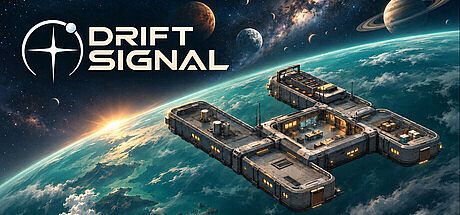


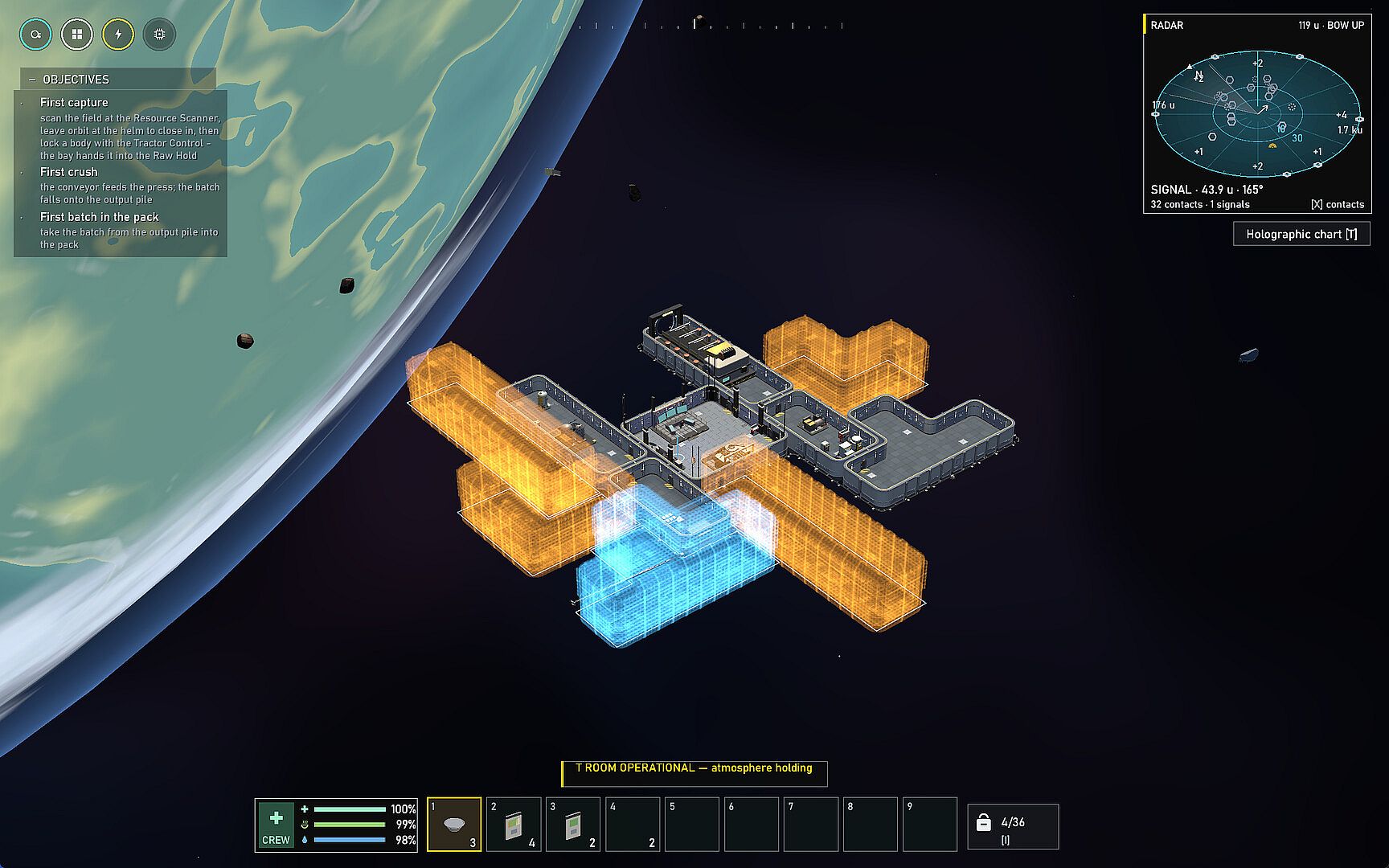
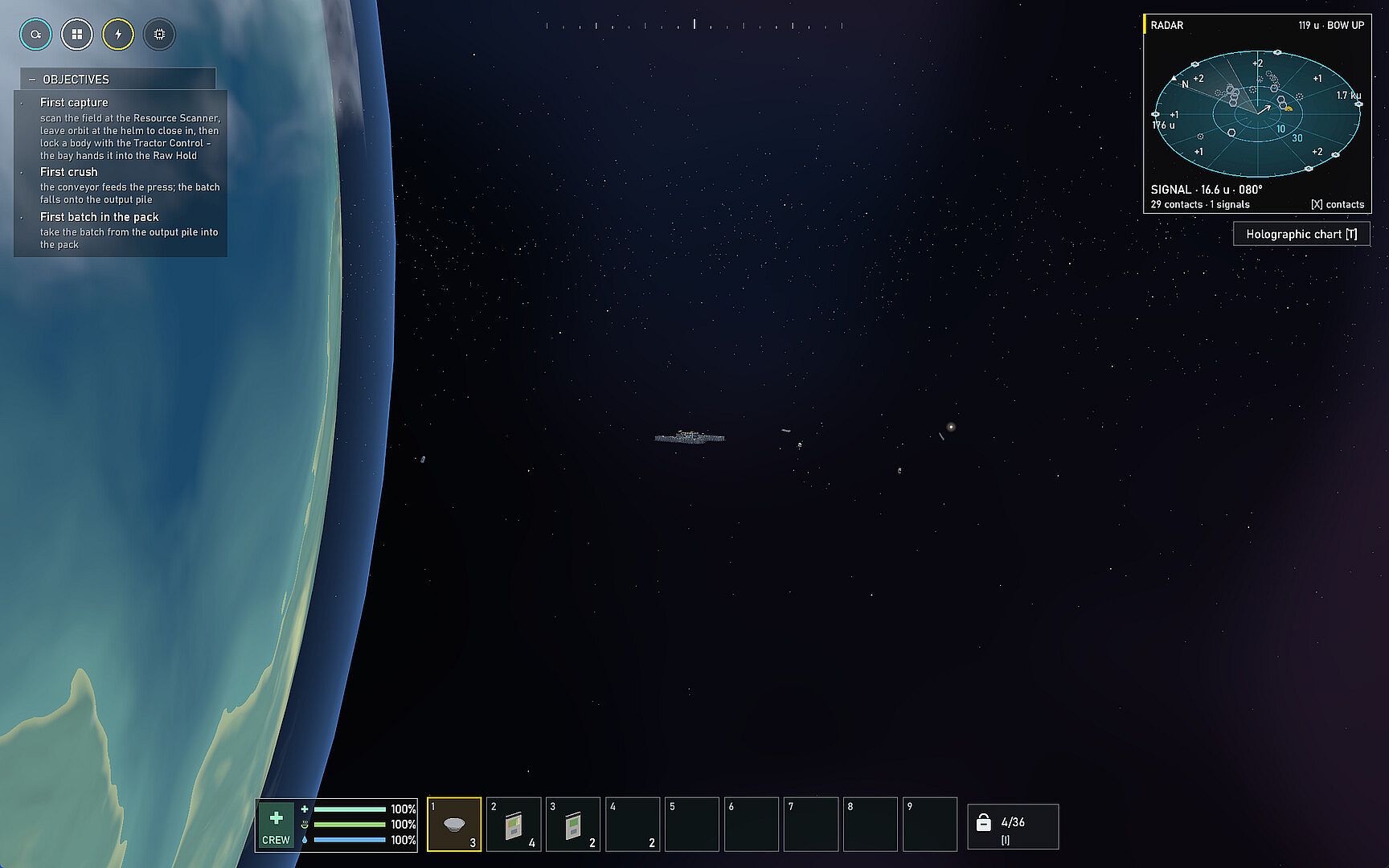
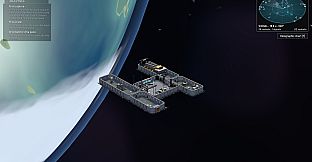
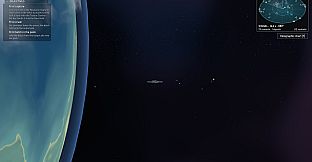
Drift Signal is an indie simulation adventure game set in deep space where players manage a spacecraft that serves as both home and workshop. The core experience centers on resource recovery, engineering, and exploration as a lone traveler follows mysterious signals across the stars. On PC, this single-player title emphasizes hands-on management of materials, ship layout, and systems to push farther into unknown regions.
Gameplay
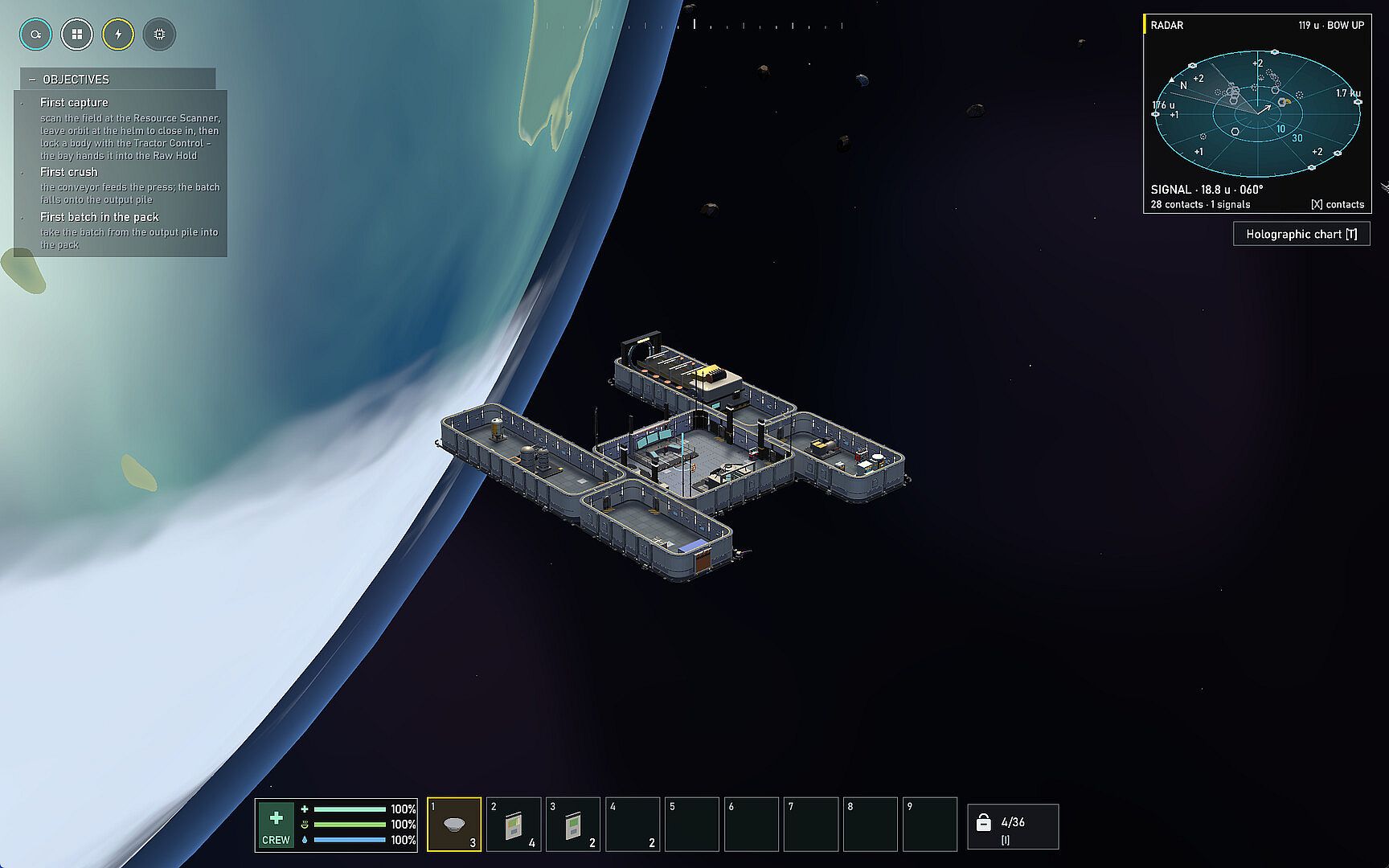
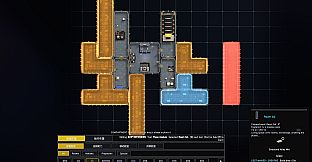
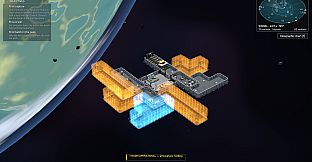
The central loop involves collecting raw materials with a tractor system and processing them through crushing, sorting, refining, and manufacturing steps. Players handle storage and expand processing capacity to support ongoing projects. Ship design requires balancing cargo space against processing speed while arranging equipment across connected compartments. Capabilities grow directly from these construction choices and their physical arrangement.
Automation plays a key role after initial manual work. Players learn production flows through direct involvement before setting up logistics that cut down on repetitive tasks. Time saved goes toward layout planning, ship expansion, and journey preparation. Power, cooling, and life support demand constant attention alongside reserves for longer trips. Production feeds construction, which in turn strengthens the vessel for greater exploration range.
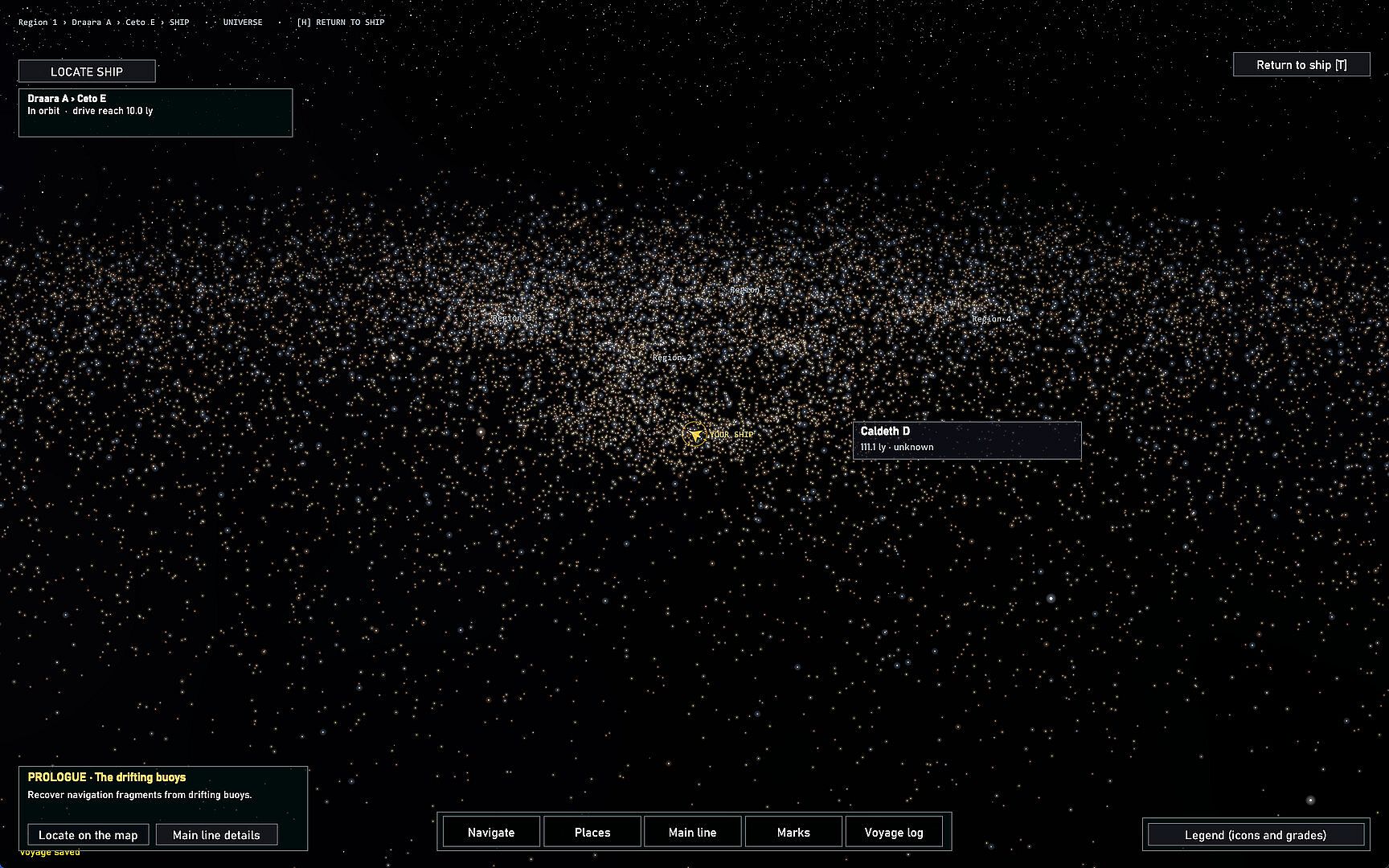
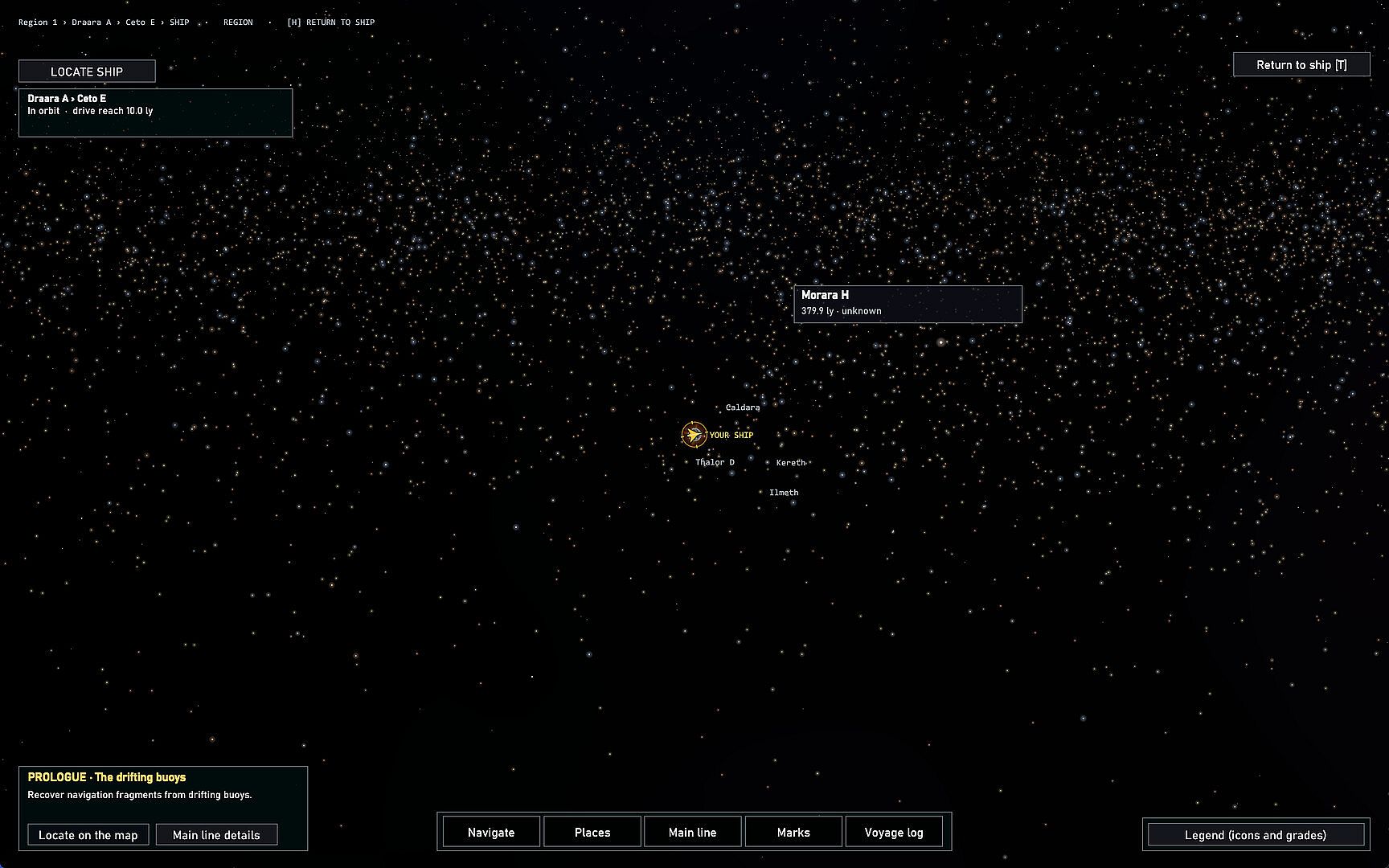
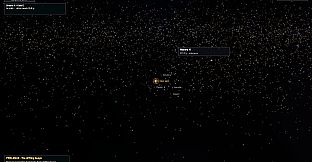
Navigation relies on observing stars, deploying sensors, and consulting a holographic chart to chart courses and investigate signals. Discoveries get recorded, providing fresh reasons to venture out again. The ship evolves as a mobile base that reflects player decisions on what to prioritize and how to connect its parts.
Game Modes
Drift Signal operates as a single-player experience with no separate multiplayer or competitive modes. All progression happens through one continuous campaign focused on survival, engineering, and signal chasing. Players advance at their own pace without time limits or external opponents, allowing full attention on ship customization and resource chains.
Building and Expanding the Ship
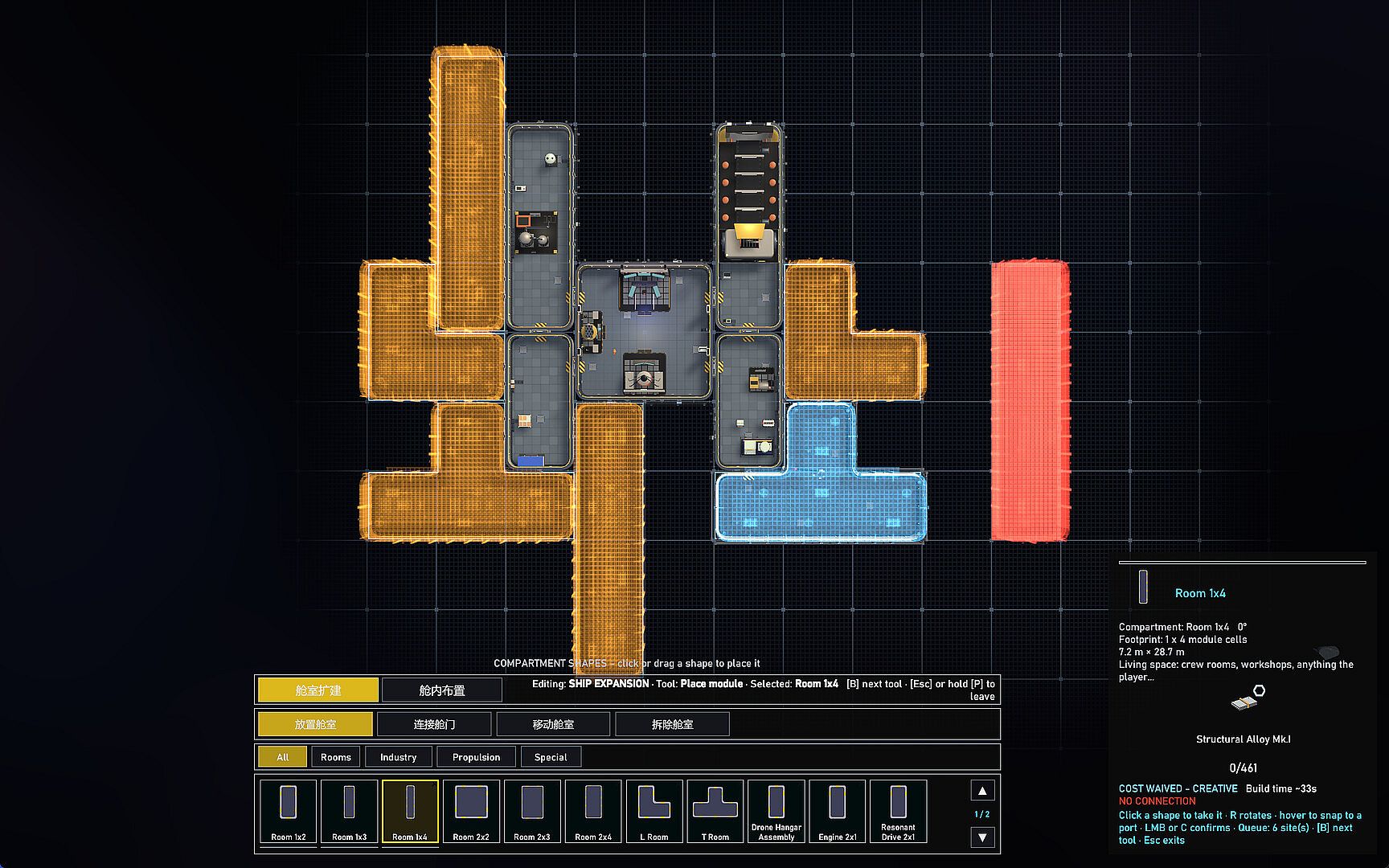
Early stages begin with a small spacecraft that grows through deliberate additions. Choices between more cargo capacity or faster processing, improved layouts or extra compartments, shape what the vessel can achieve. Equipment placement and compartment connections determine overall performance. The result is a personalized craft whose strengths emerge from the specific build path taken.
Resource flow management ties directly into these decisions. Bringing materials aboard leads to refinement and manufacturing that unlock new equipment and capabilities. Storage limits and processing bottlenecks force strategic thinking about what to produce next and how to organize the interior space.
Is It Worth Playing?
Drift Signal suits players who enjoy detailed simulation and engineering tasks in a solitary space setting. The freedom to design and iterate on a personal spacecraft, combined with steady resource and automation systems, creates a satisfying loop for those drawn to management and exploration genres. Its focus on single-player progression and ship evolution offers a self-contained journey without reliance on external updates or community features. Those interested in hands-on crafting and long-term vessel development will find the mechanics align closely with that preference.











