






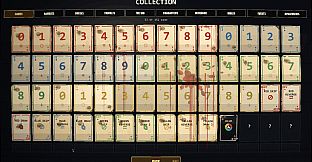
Due Tonight is a strategy card game with indie RPG and adventure elements set on PC. Players navigate a single night of high-stakes card matches to settle a debt before time runs out, using color-and-value matching as the core rule across every table.
Gameplay
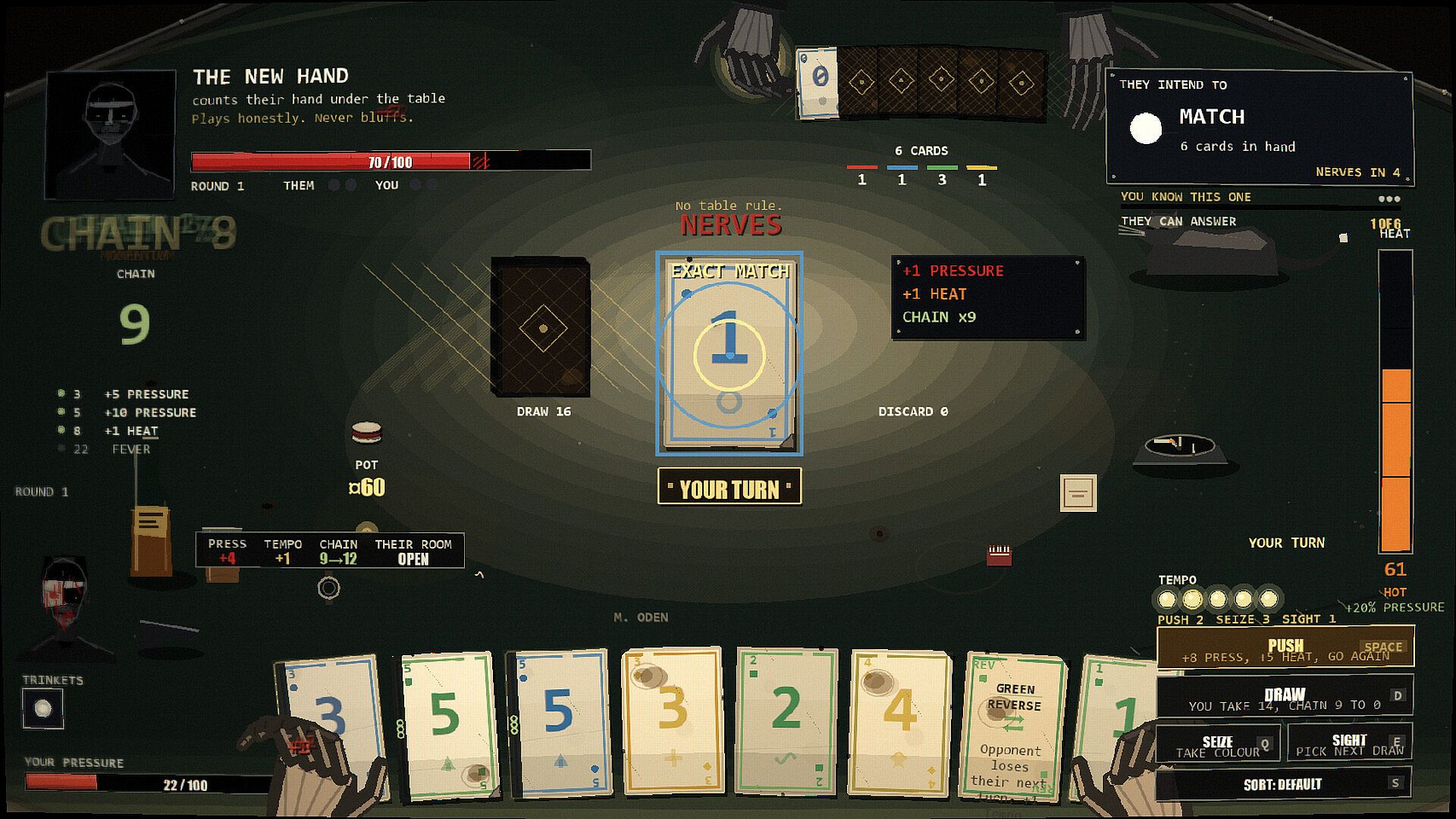
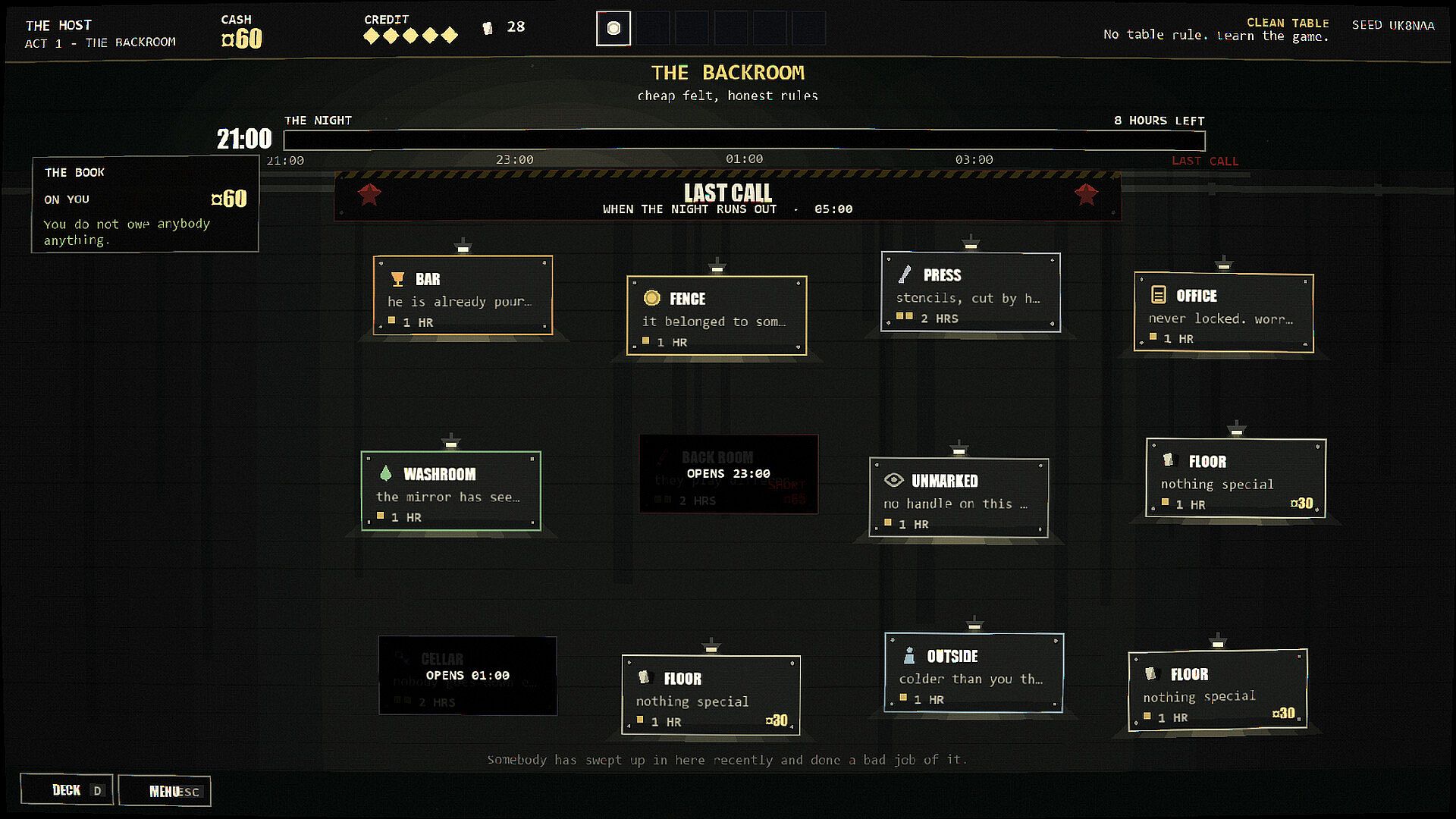
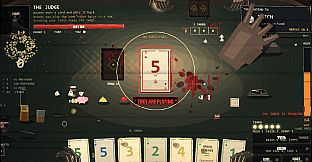
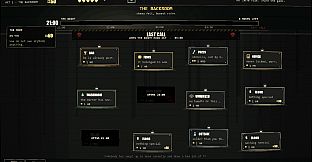
The central loop revolves around moving through a building with twelve rooms, each containing a card table. Time is limited to roughly five rooms before the collector arrives, forcing choices about which encounters to pursue and which to skip. Every match follows the same base rule of matching color or value, but layers of systems build on top. Before each play, the table displays exact costs in Pressure, Heat, and effects on your Chain, along with remaining answers for the opponent. No hidden information or random rolls exist.
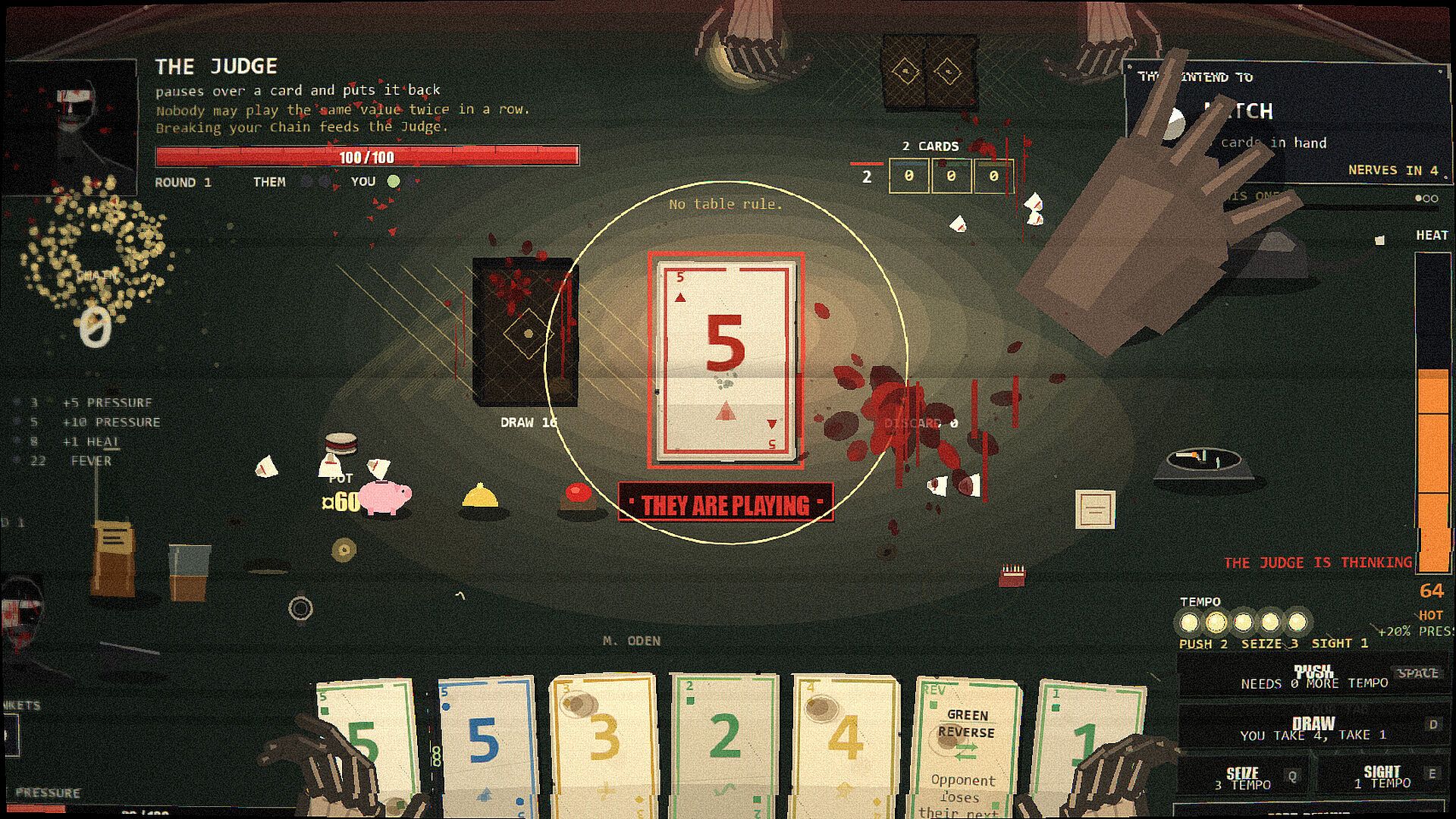
Heat acts as a double-edged resource that amplifies both your damage and incoming threats. Committing to hot plays increases output but raises risk, while braking to cool down costs a turn. Chain builds through consistent matches and can trigger Fever, flipping the table in your favor. Rounds end by breaking the opponent or emptying your hand, each approach favoring different deck constructions. Opponents are distinct individuals rather than stat blocks, each with predictable habits, exploitable mistakes, and visible tells that activate just before their actions. They observe your state, such as entering low on resources or holding strong cards, and adjust openly. Past interactions carry forward, as breaking a chain near certain characters alters their future behavior.
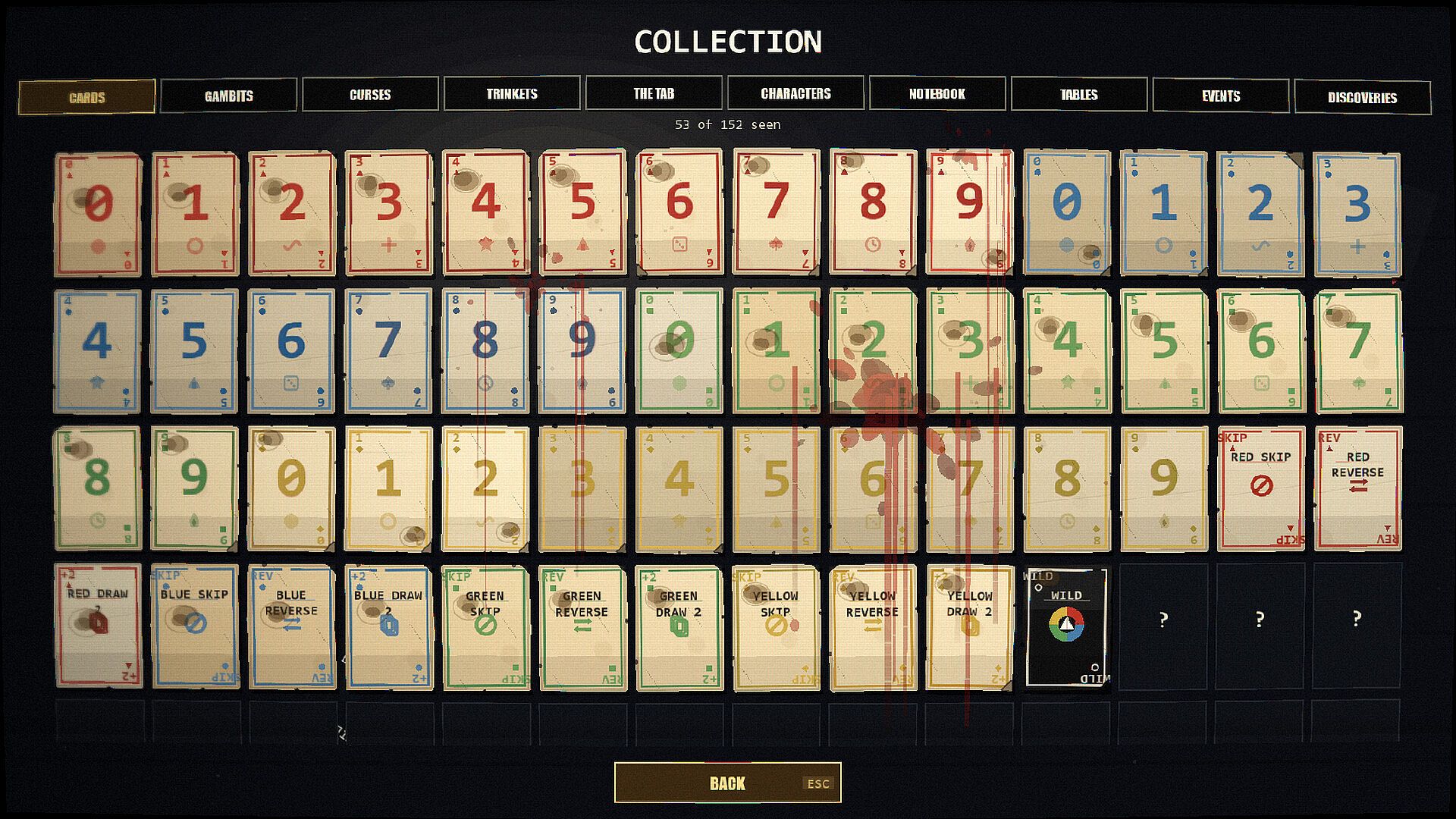
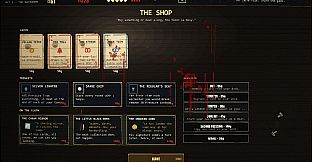
Objects placed on the table provide visible tools or risks, from practical items to questionable ones that may backfire. Cheating is possible but triggers escalating reactions from the room, giving a window to retract before consequences hit. The entire visual presentation generates at runtime, with no pre-made image files for cards or environments.
Game Modes
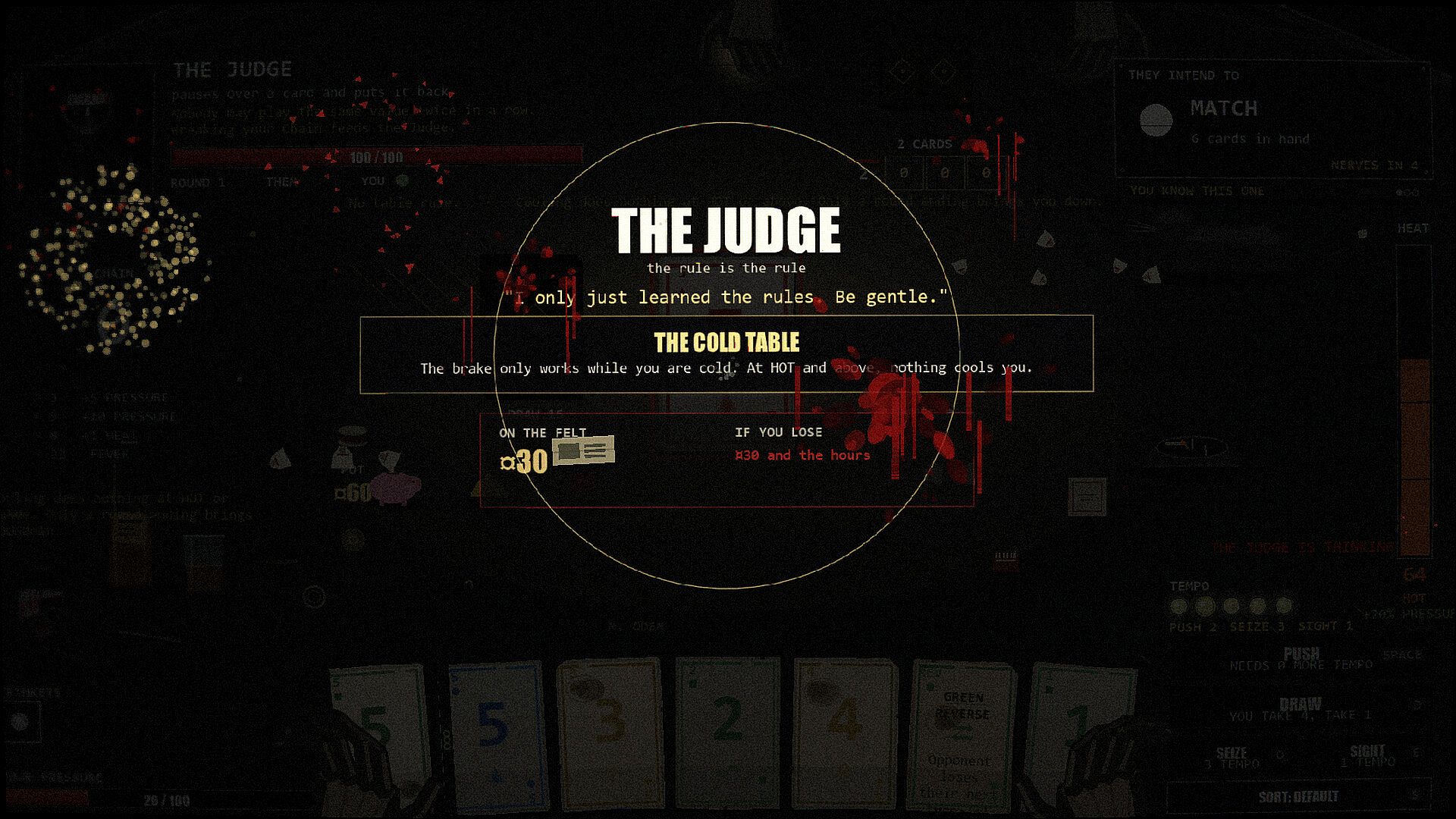
Standard play follows the night structure of selecting rooms and managing limited hours. High tables introduce distinct rule variants that change the experience without simply increasing difficulty. The Cold Table restricts braking to cold states only. The Private Room advances the overall night timer while you remain seated. The Dog Table reduces the pot with each passing turn. The Glass Table reveals both hands fully, eliminating guesswork. The Split Table shares a single Tempo pool where spending also removes from the opponent.
Multiplayer supports two to four participants at one shared table over network play, alternating turns on the same deck. Additional options include seeded daily runs, community challenges, and an endless table mode for repeated attempts. These formats emphasize the same core matching rules while varying pacing and stakes.
Opponents and Progression
Twenty-three unique characters populate the tables, each defined by personal habits that create openings. Examples include the Barkeep ignoring temperature management, the Counter misreading weakness, and the Bouncer overcommitting early cards. These traits remain consistent yet react to player actions and visible conditions like wealth or injury. Memory of prior plays influences later encounters, such as an Usher dropping guard after a self-broken chain or a Whale shifting respect for heat after witnessing aggressive rounds.
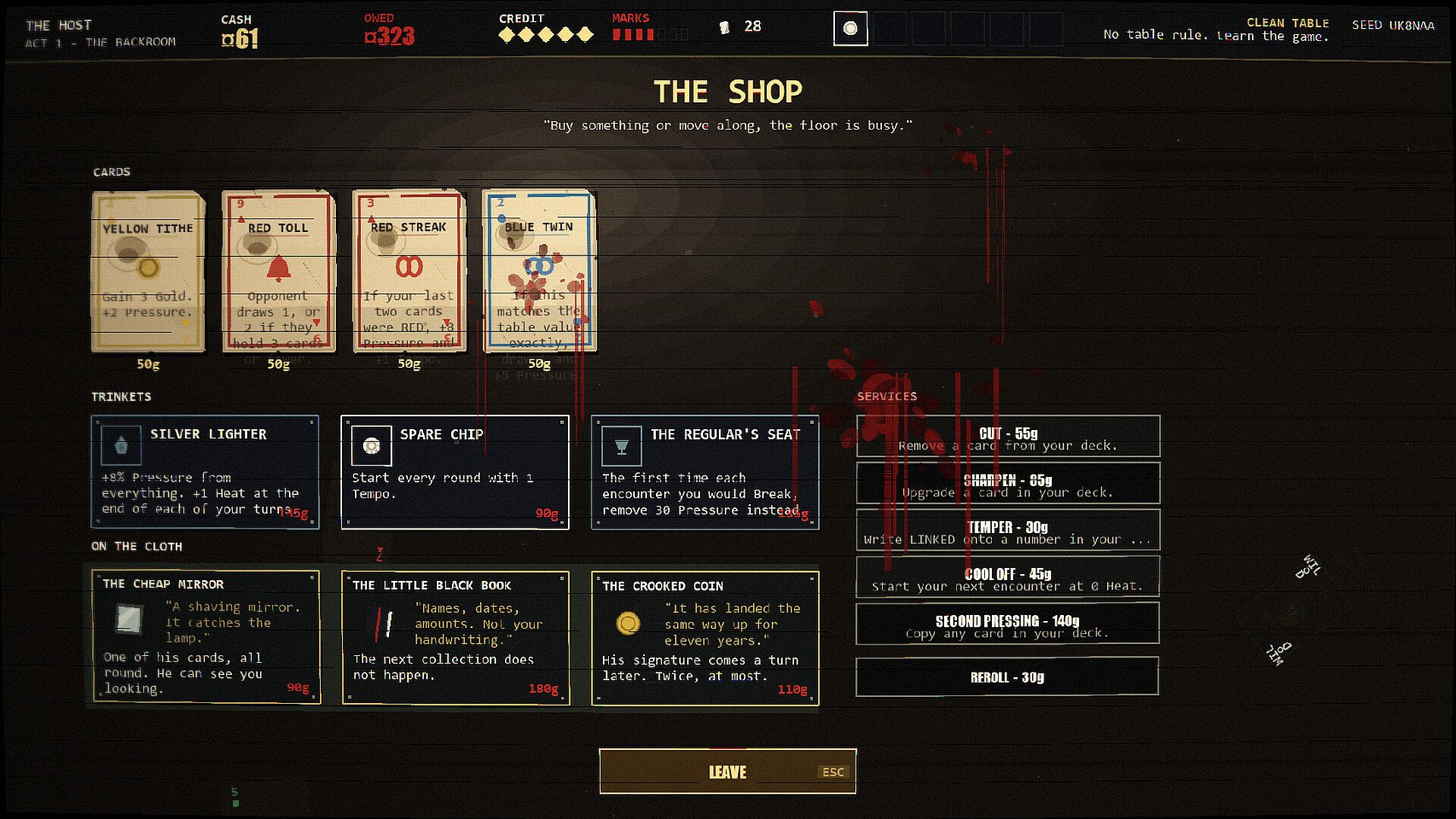
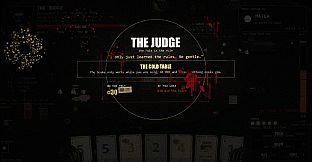
Objects and choices accumulate across the night, with skipped rooms representing permanent trade-offs. The final confrontation pits the player against a figure who observes patterns, names a perceived identity, and then enforces that reading without revision. Success requires adapting away from the labeled style rather than overpowering through standard means.
Is It Worth Playing?
Due Tonight suits players who enjoy deliberate, information-rich card strategy with layered decision-making around risk and timing. The absence of dice or hidden modifiers rewards careful observation of opponent tells and resource management. Accessibility options cover colorblind palettes, text scaling, reduced motion, screen shake controls, and full keyboard navigation. Multiplayer and seeded formats extend replay value for those interested in shared or repeatable sessions. The generated visuals and original ruleset focused on color-and-value matching provide a distinct experience within the strategy and indie card game space. Those drawn to narrative-driven single nights with meaningful choices and opponent personality will find the systems rewarding, while players seeking fast random outcomes or expansive open worlds may prefer other titles.











