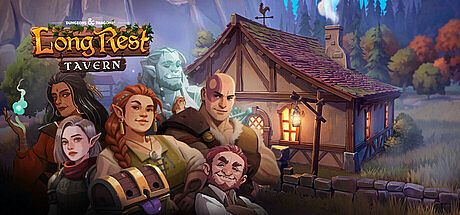


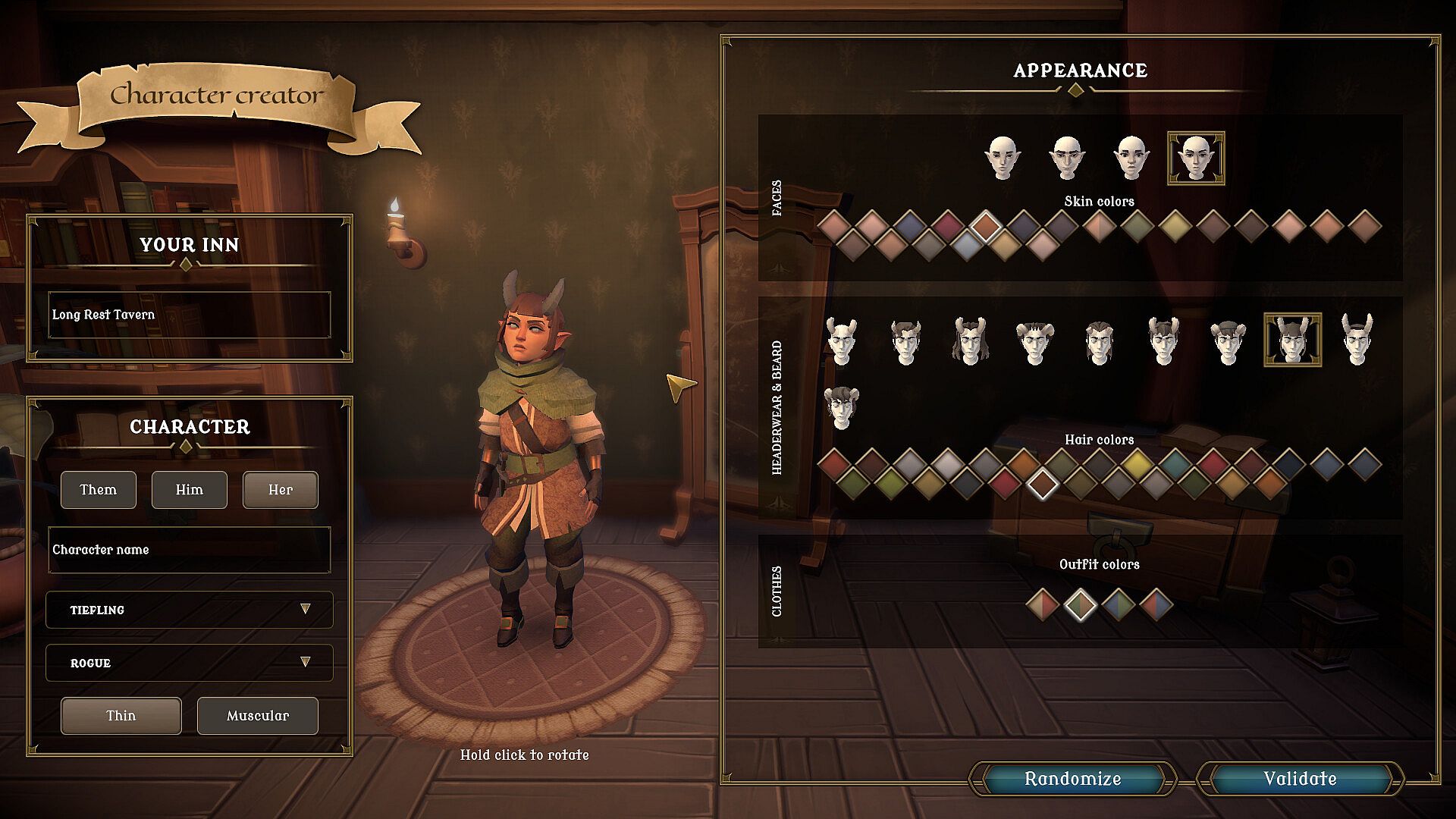
Dungeons & Dragons: Long Rest Tavern is a casual simulation game where players manage a tavern in the Dalelands region of Faerûn instead of venturing out as adventurers. The title places you in the role of an innkeeper who builds and operates a business that supports heroes passing through the area. Core activities revolve around expanding the establishment, preparing meals and drinks, handling customer service during busy periods, and dispatching patrons on quests that return useful resources.
Gameplay
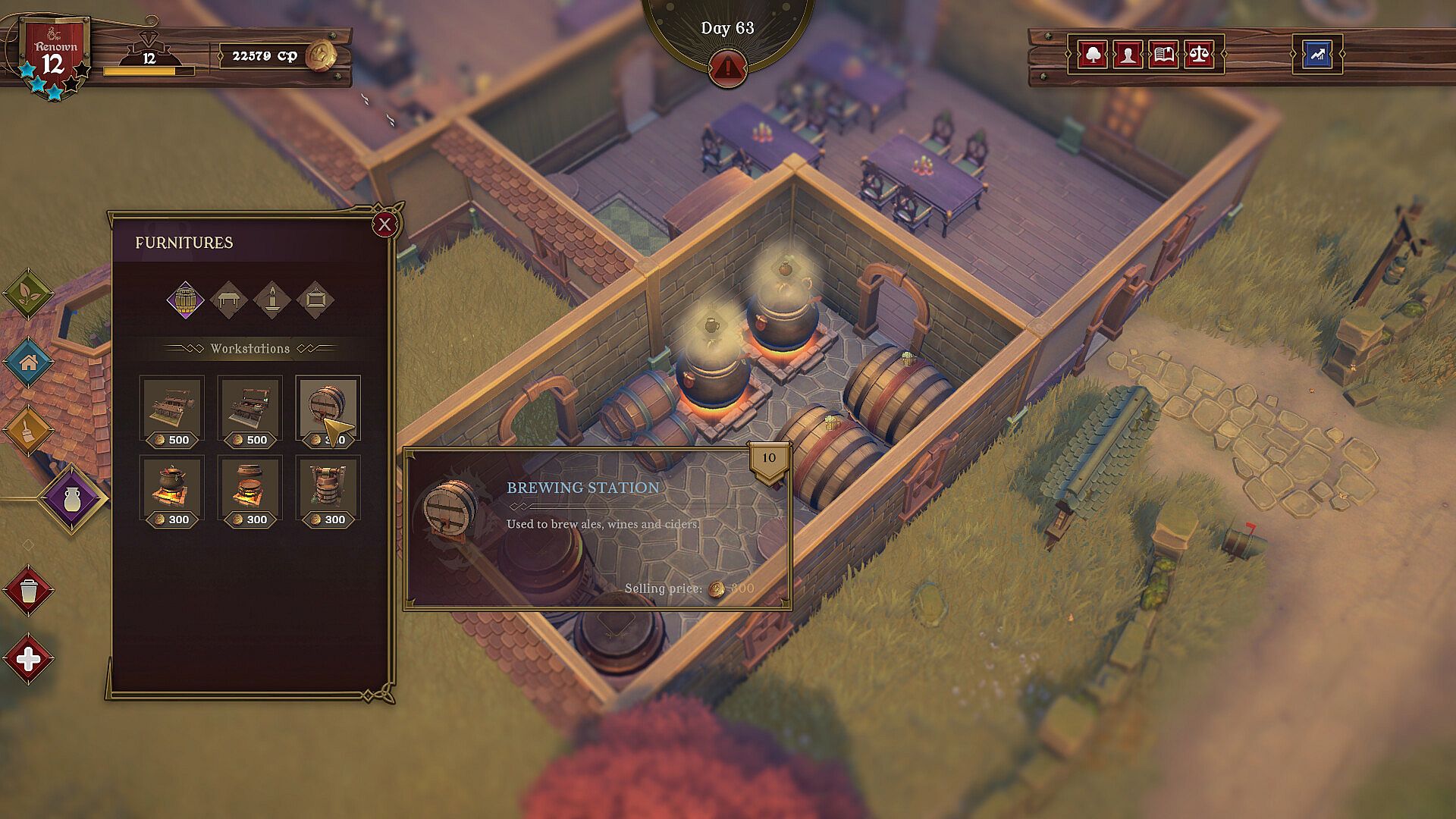
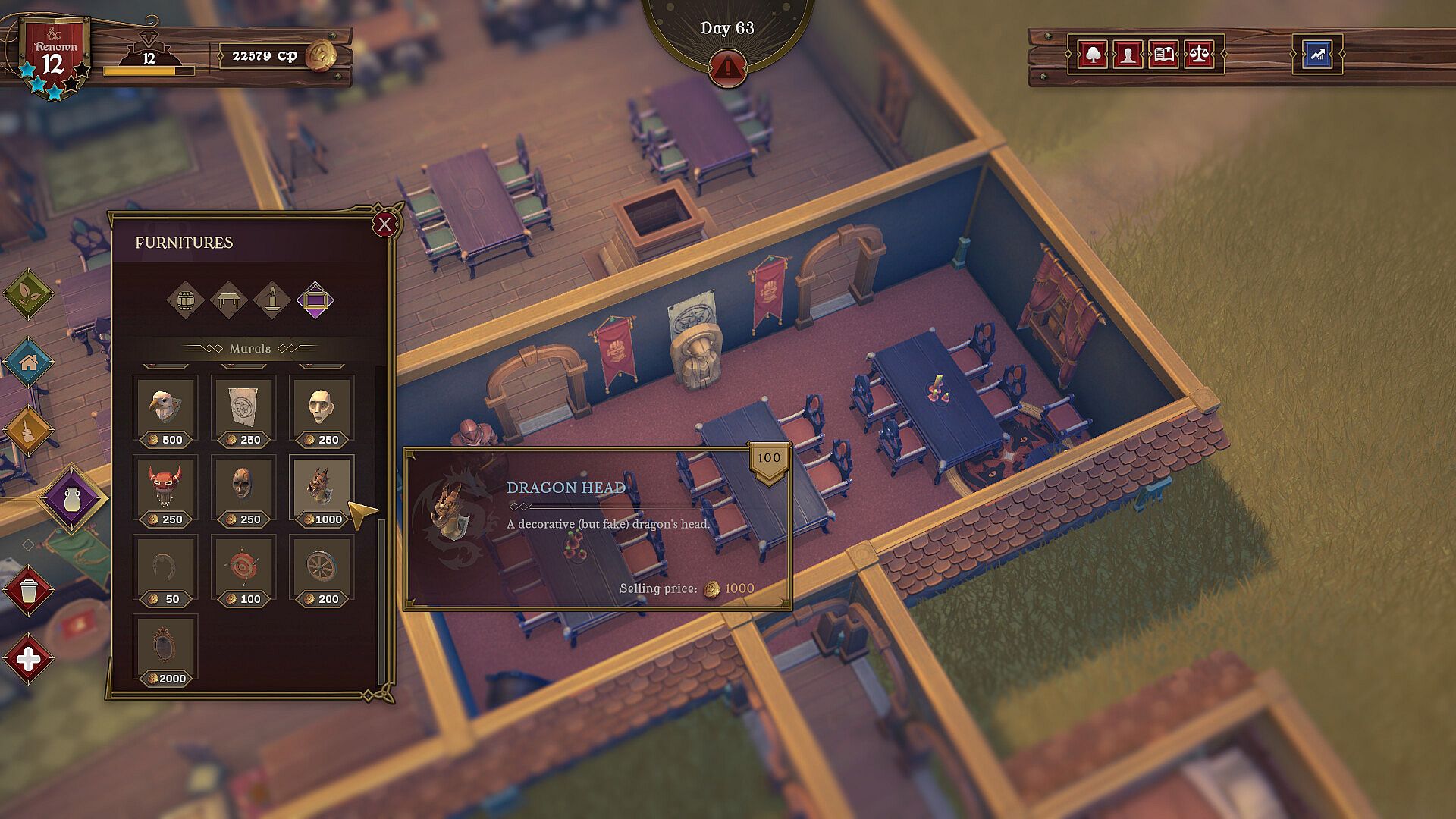
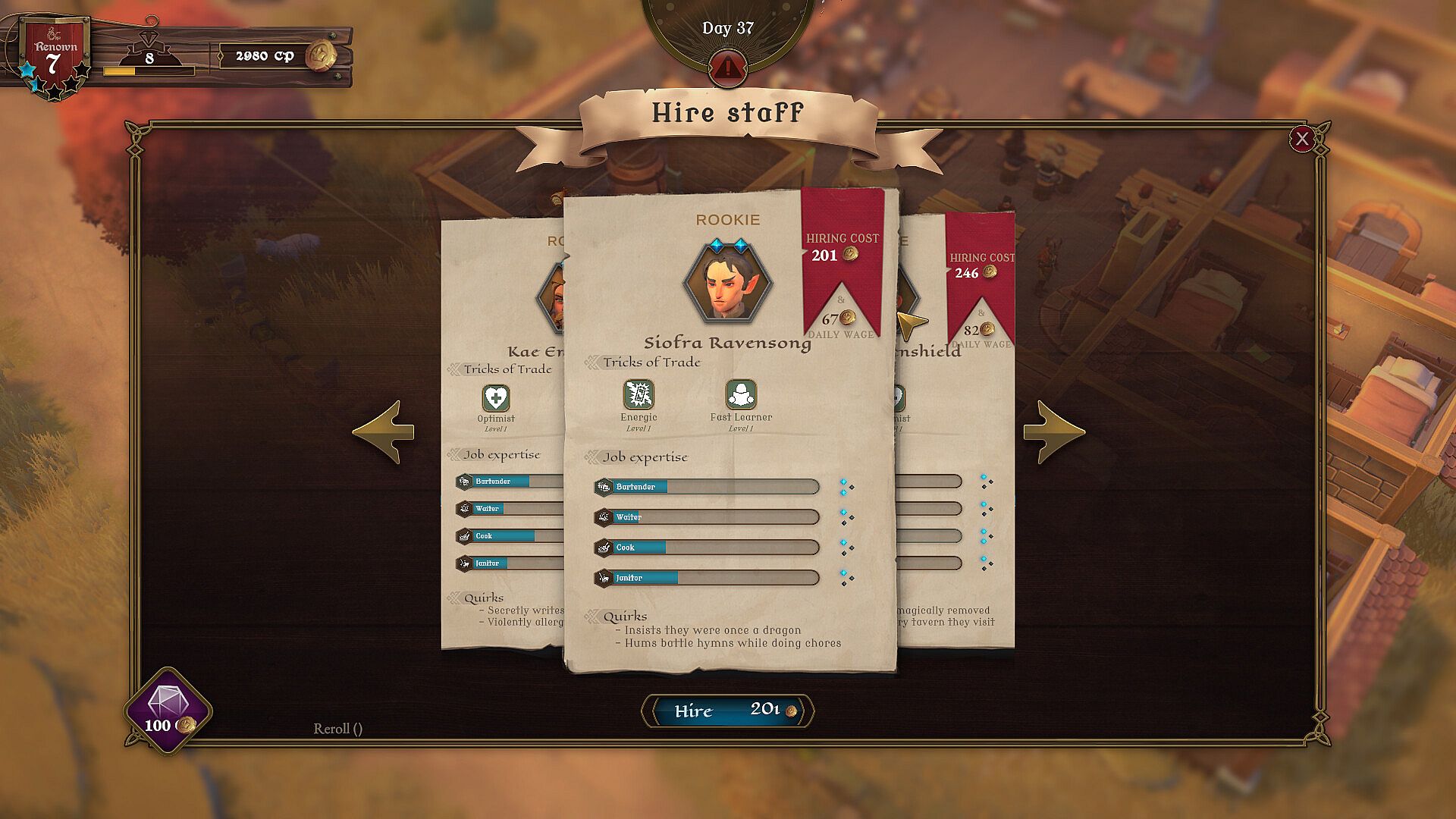
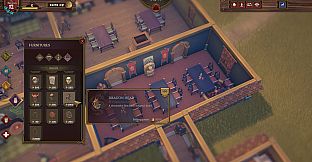
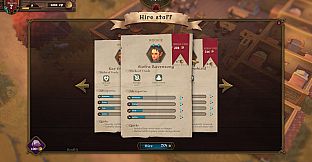
The central loop involves four main sequences that repeat as the tavern grows. Players begin with a modest building and focus on upgrades that improve capacity and appeal. Decorations and layout changes reflect different cultures and stories from the Forgotten Realms, allowing customization that ties directly into the setting. Staff hiring adds another layer, with each employee bringing specific strengths that affect service speed and quality during peak hours.
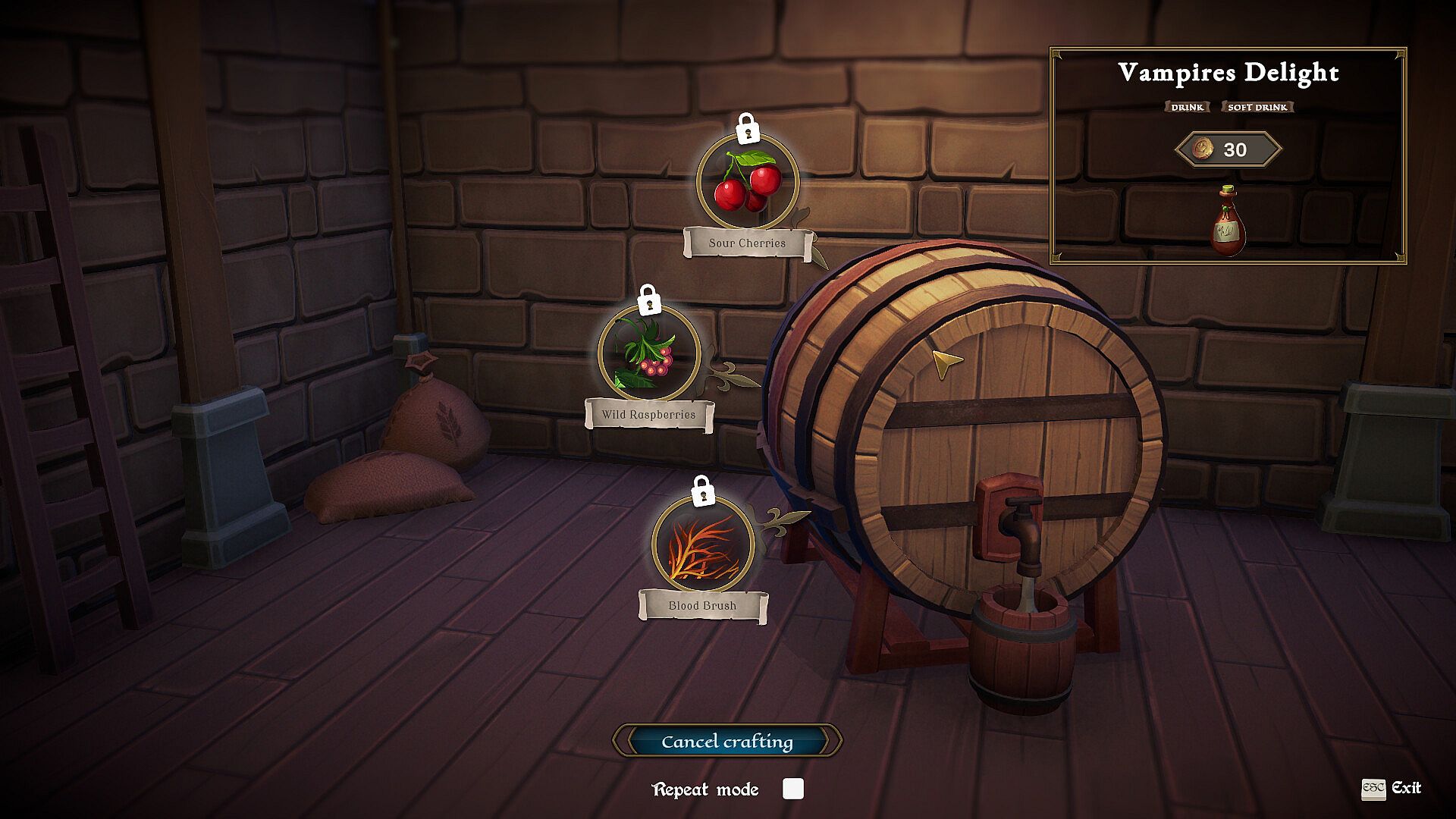
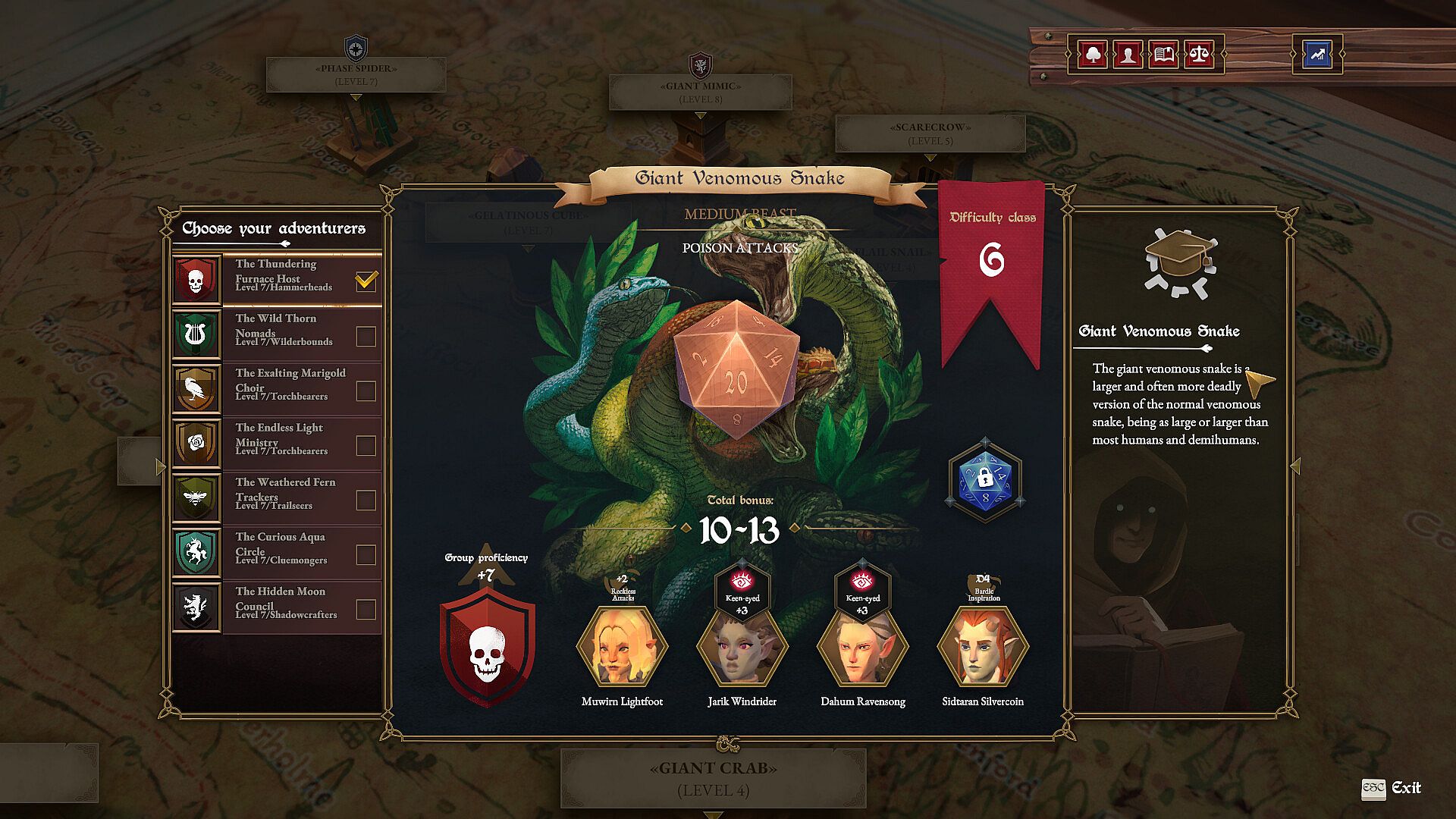
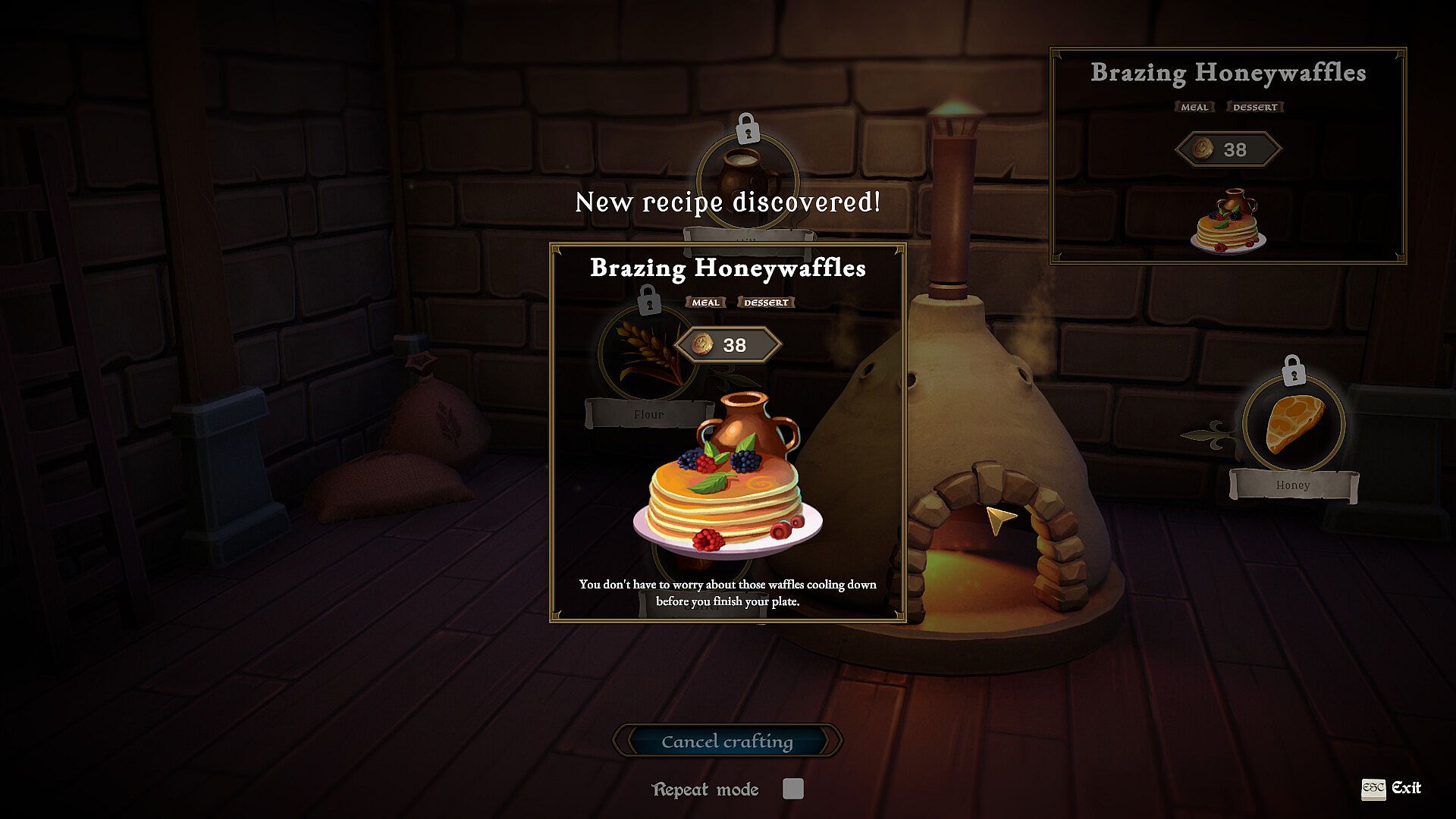
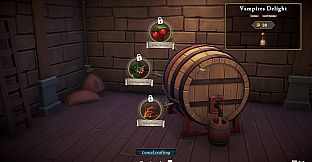
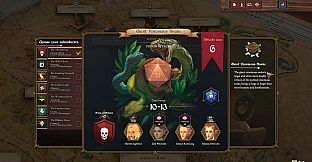
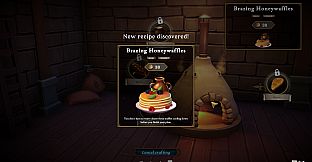
Recipe creation forms a key progression system. Ingredients gathered from quests or local sources combine into dishes and beverages that boost adventurer performance. Better-prepared customers receive bonuses when sent out, which in turn influences the quality of returned items. Quest resolution uses a D20 roll against set difficulties, modified by party makeup and the effects of recent meals. This mechanic integrates tabletop elements without requiring players to control combat directly.
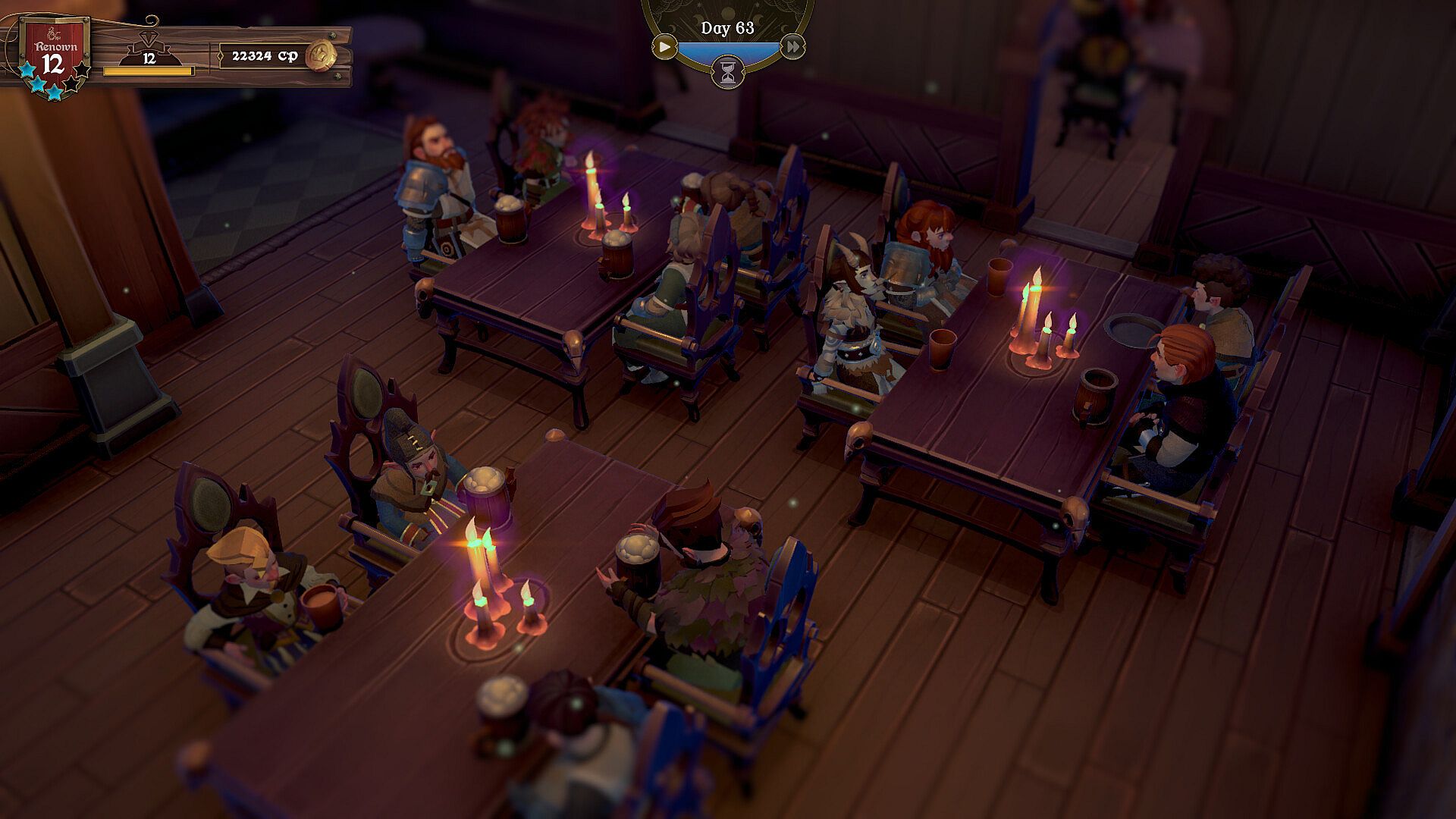
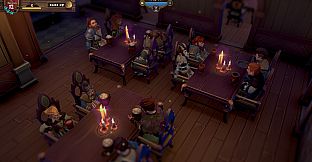
Service phases emphasize managing crowds in the common room. Keeping guests satisfied increases earnings and reputation, which funds further improvements. The process creates a steady rhythm of preparation, execution, and expansion that rewards careful planning over rapid action.
Game Modes
The experience centers on a single-player management simulation with no separate competitive or multiplayer options confirmed. Daily cycles blend building, crafting, serving, and quest delegation into one cohesive flow. Story elements unlock gradually through interactions with visitors, including recognizable figures from the Forgotten Realms such as Minsc and Boo. These encounters add narrative flavor without shifting into full role-playing sequences.
Progression remains open-ended within the management framework. Players balance short-term service demands against long-term investments in recipes, staff, and facilities. The absence of distinct named modes keeps focus on the integrated tavern operation rather than segmented challenges.
Key Mechanics and Features
Dice rolls add unpredictability to quest outcomes, mirroring traditional D&D resolution while keeping the player in a supportive position. Staff assignments and menu experimentation provide ongoing decision points that affect efficiency and guest satisfaction. Expansion options allow the tavern to evolve from a basic stopover into a notable destination, with each upgrade unlocking new possibilities for customization and revenue.
Resource management ties everything together. Rare ingredients from successful quests enable signature creations that attract higher-profile customers. Reputation growth opens access to more challenging or rewarding opportunities, creating a natural sense of advancement without external score systems.
Is It Worth Playing?
This title suits players who enjoy relaxed management simulations and appreciate D&D lore in a non-combat context. The gameplay emphasizes steady progression through building, cooking, and service rather than high-stakes action. Those drawn to cozy titles with light strategic layers will find the loop engaging, while fans of the tabletop game can enjoy references and character cameos that enrich the setting.
Since the game remains in development with a planned release in early 2027, current details come from official announcements and previews. No player reviews or performance data exist yet. It appears positioned for audiences seeking a different perspective on the D&D universe, one centered on hospitality and preparation instead of direct adventure. If the combination of tavern simulation and dice-influenced quests aligns with personal preferences, it offers a distinctive entry point into the franchise.