

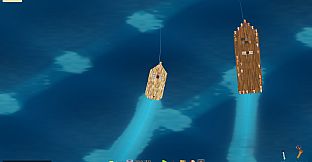
East Sea is a single-player strategy RPG adventure set in a fictional version of the Baltic Sea region during the 1400-1500 era. Players take on the role of a ship captain who must navigate naval combat, customize a vessel that serves as both home and base of operations, manage a growing crew, and engage in complex trade and political systems across merchant cities.
Gameplay
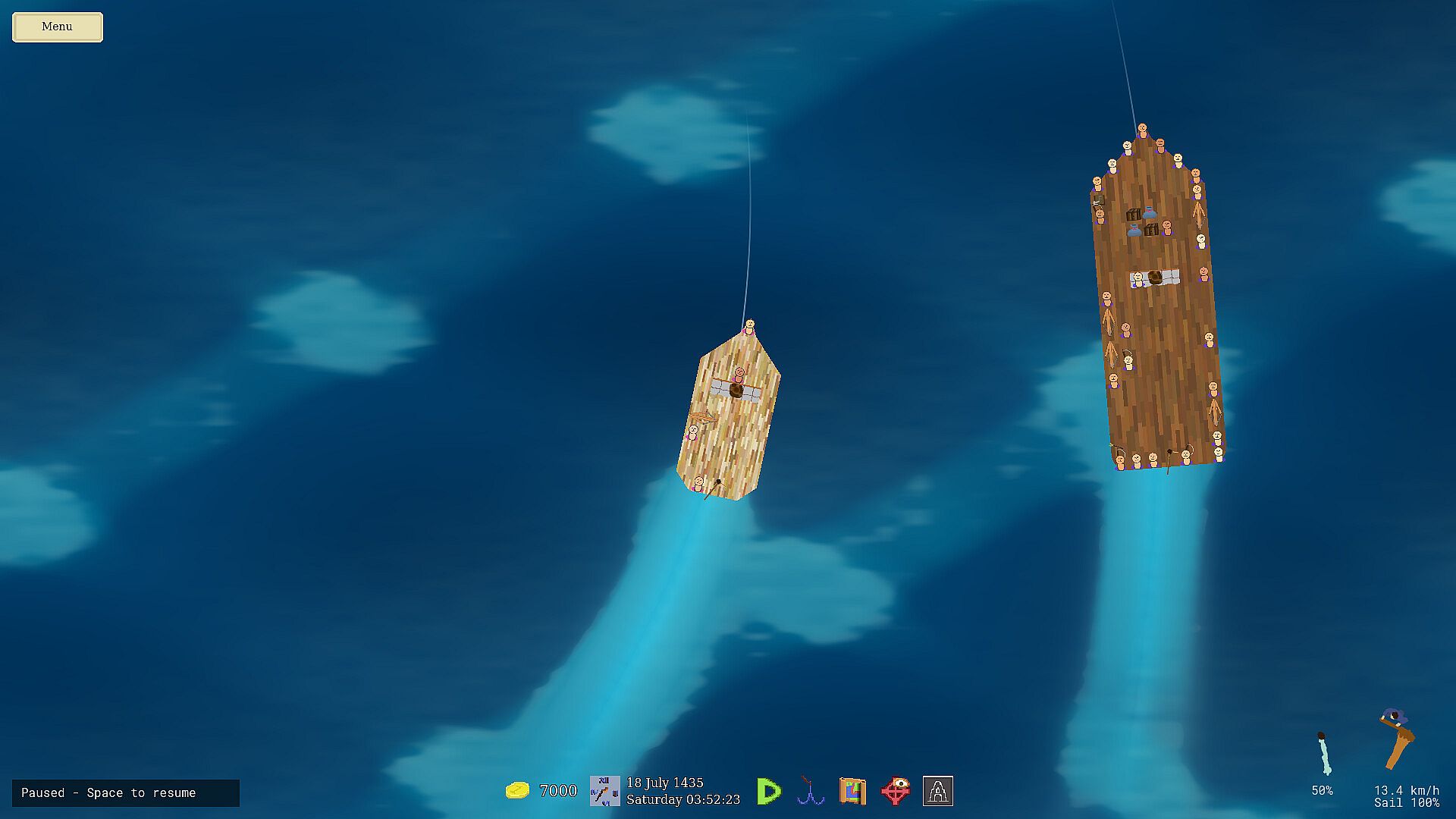
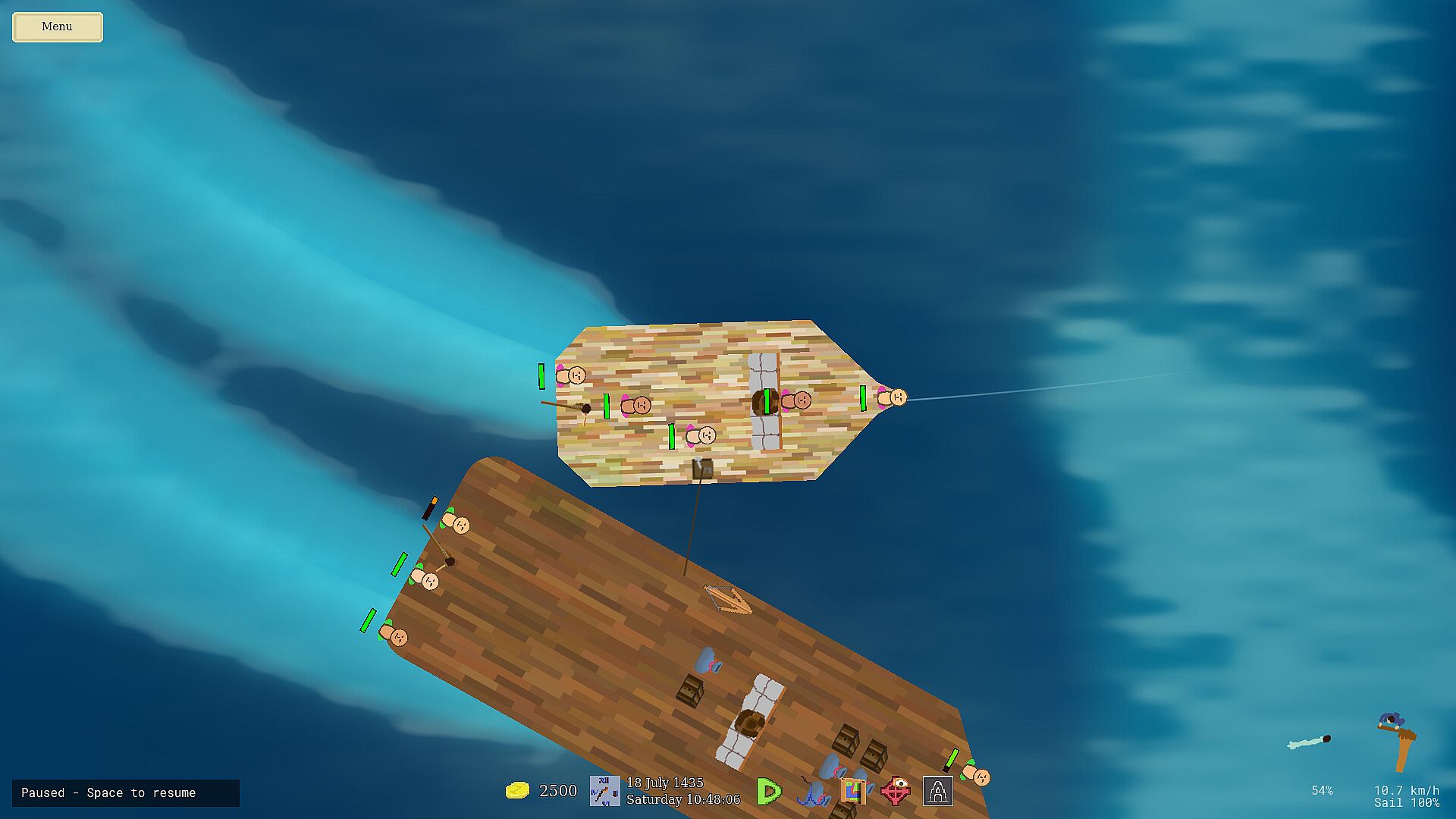
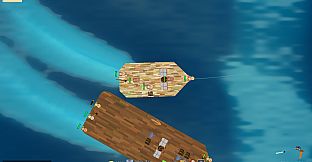
The core loop centers on controlling a ship in real-time naval encounters while handling its layout and personnel outside of fights. In battle, direct control allows ordering crew members, with emphasis on archery volleys and grappling hooks rather than cannons, which remain rare and unreliable in this period. Grappling involves physically simulated ropes that require crew effort to close the distance, and equipment such as rudders demands dedicated sailors to operate effectively. This simulation approach means losing key personnel can disable ship functions entirely.
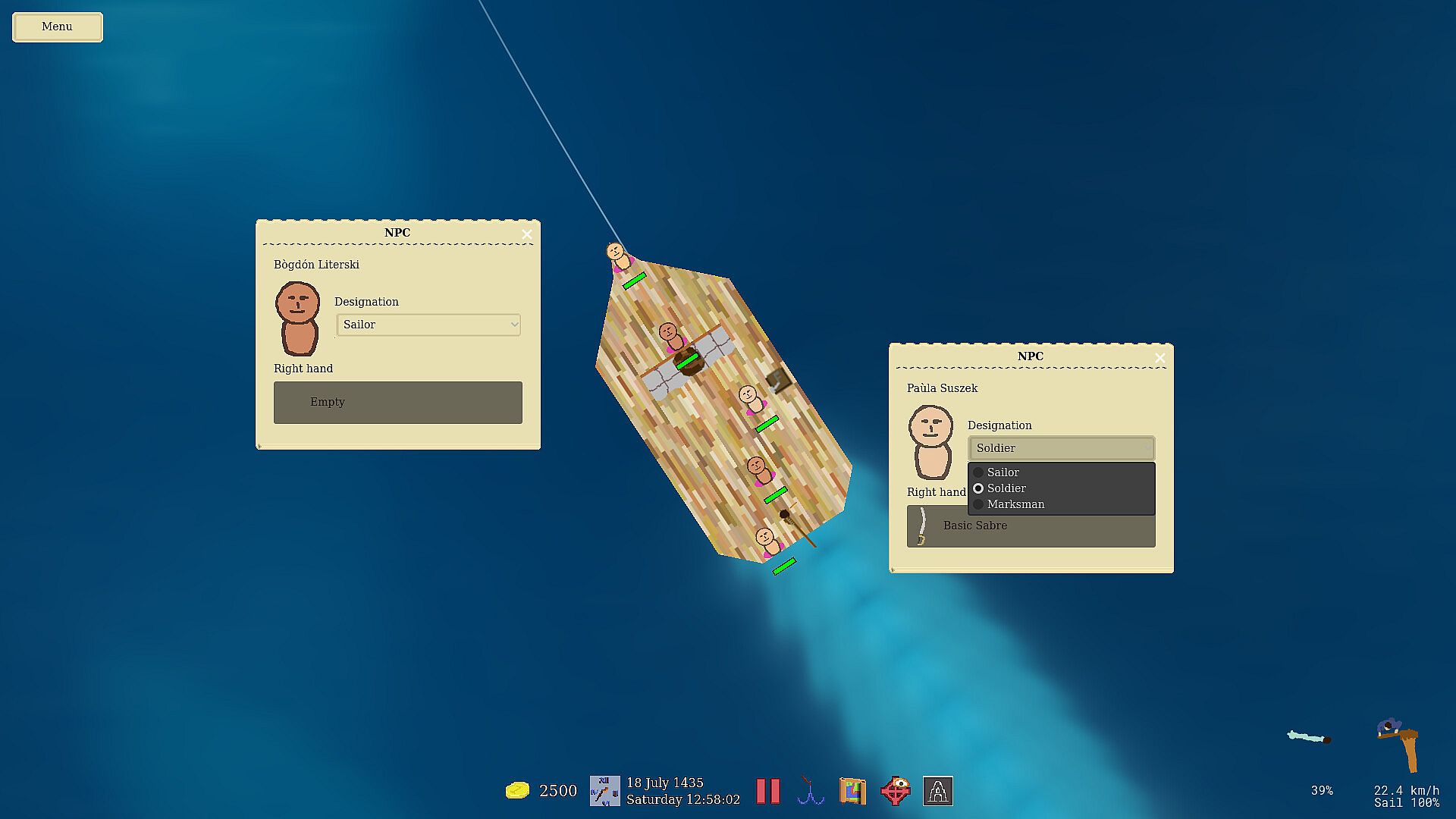
Between encounters, the ship functions as a customizable floating colony. Layout changes and equipment placement occur freely to suit crew needs and combat roles. Individual crew members carry names, skills, and personal gear, with ongoing investment improving their performance in assigned tasks. Adventures lead to crew turnover and expansion, requiring ongoing management of skills and equipment allocation.
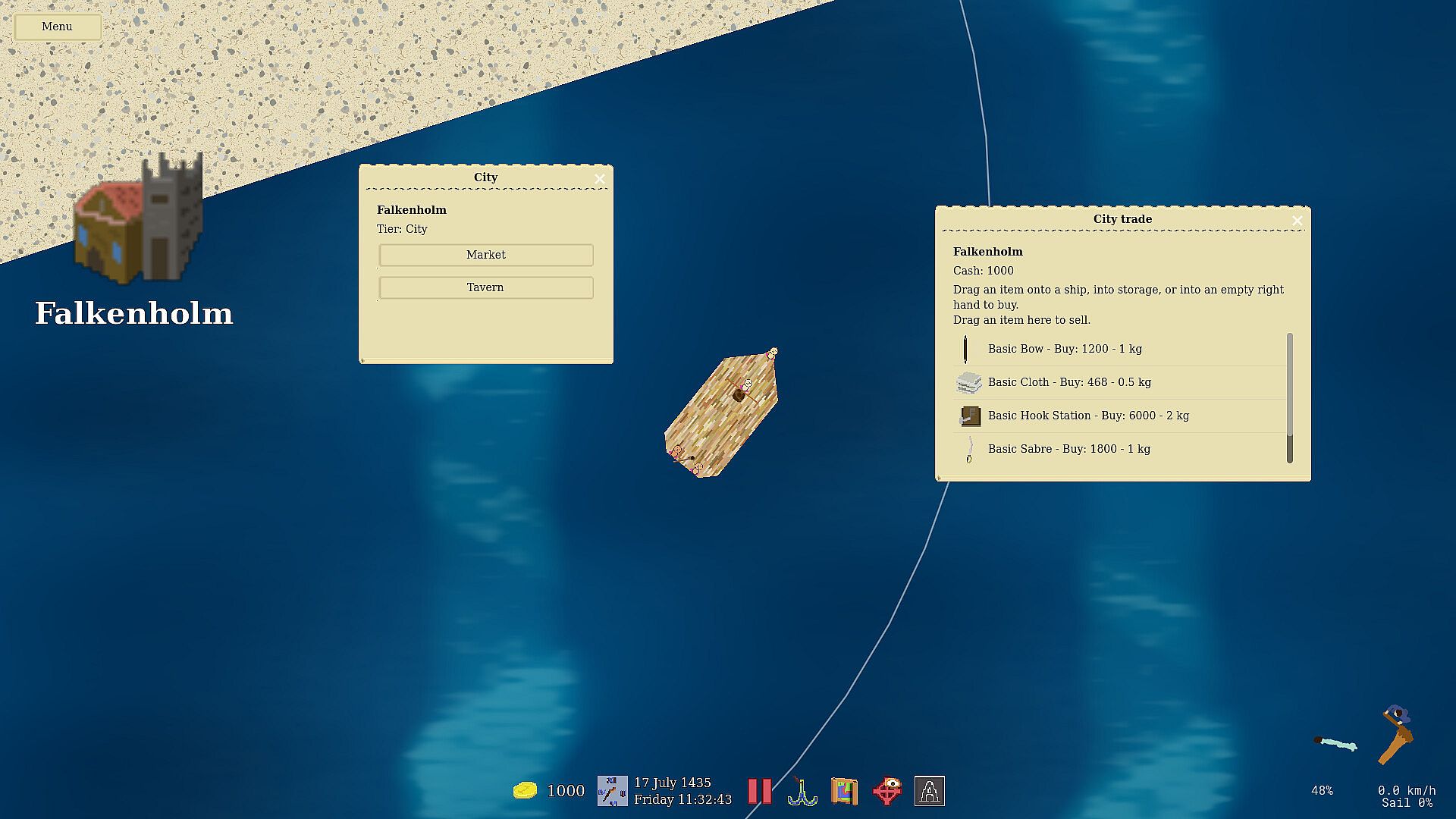
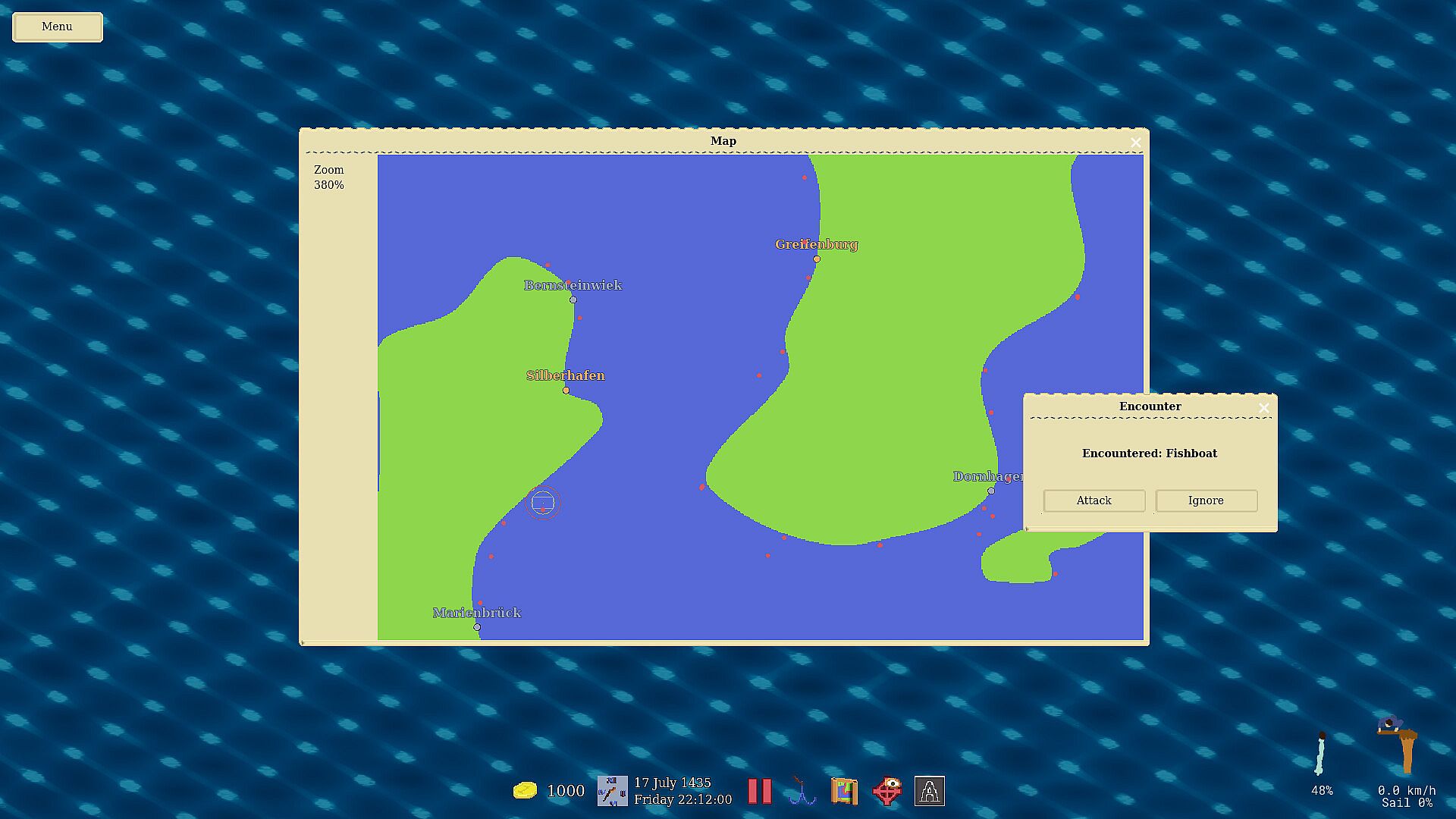
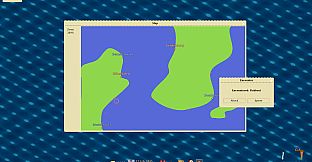
Trading and politics add depth through reputation mechanics tied to different countries and cities. Higher standing unlocks discounts, warehouse ownership, and access to valuable staple goods. Independent paths shift focus toward smuggling or piracy for profit, with each city responding based on accumulated rank and actions.
Game Modes
East Sea operates as a cohesive single-player experience that blends naval combat sequences with ongoing ship management and economic progression. The structure supports flexible playstyles, allowing emphasis on direct ship command during battles or deeper investment in crew development and trade networks. No separate multiplayer or distinct named modes appear in available information, keeping the focus on integrated campaign-style progression through the Baltic-inspired setting.
Ship Customization and Crew Systems
Customization extends beyond basic upgrades to full rearrangement of decks, stations, and storage to optimize for specific strategies. Crew growth ties directly to adventure outcomes, with each member offering unique skill sets that benefit from targeted training and equipment. This creates layered decision-making around resource allocation, as inefficient crew assignments can hinder both combat effectiveness and trading efficiency.
Trade, Politics, and Progression
Reputation with Hansa cities and other factions influences available opportunities and risks. Positive standing opens legitimate trade routes with better margins, while lower standing or deliberate independence pushes players toward riskier smuggling and piracy options. Progression emerges through rank accumulation, ship improvements, and crew expansion rather than linear story beats, rewarding consistent management across all systems.
Is It Worth Playing?
East Sea remains unreleased with a to-be-announced date and no user reviews available yet. The detailed simulation focus on crew-dependent mechanics and reputation-driven trade appeals to players who enjoy methodical strategy and RPG elements in a historical naval context. Those interested in ship layout experimentation, crew progression, and branching economic paths may find the systems engaging once available, though the absence of launch information or community feedback means suitability depends on personal tolerance for simulation depth over faster-paced action.