





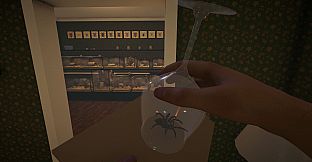
Eight Legs, Seven Nights is an indie simulation adventure game set in a single snowbound house over seven nights. Players step into the role of a reluctant house sitter tasked with caring for thirteen spiders while piecing together clues about a missing relative. The experience blends quiet daily chores with unsettling nighttime events and fragmented storytelling, all on PC.
Gameplay
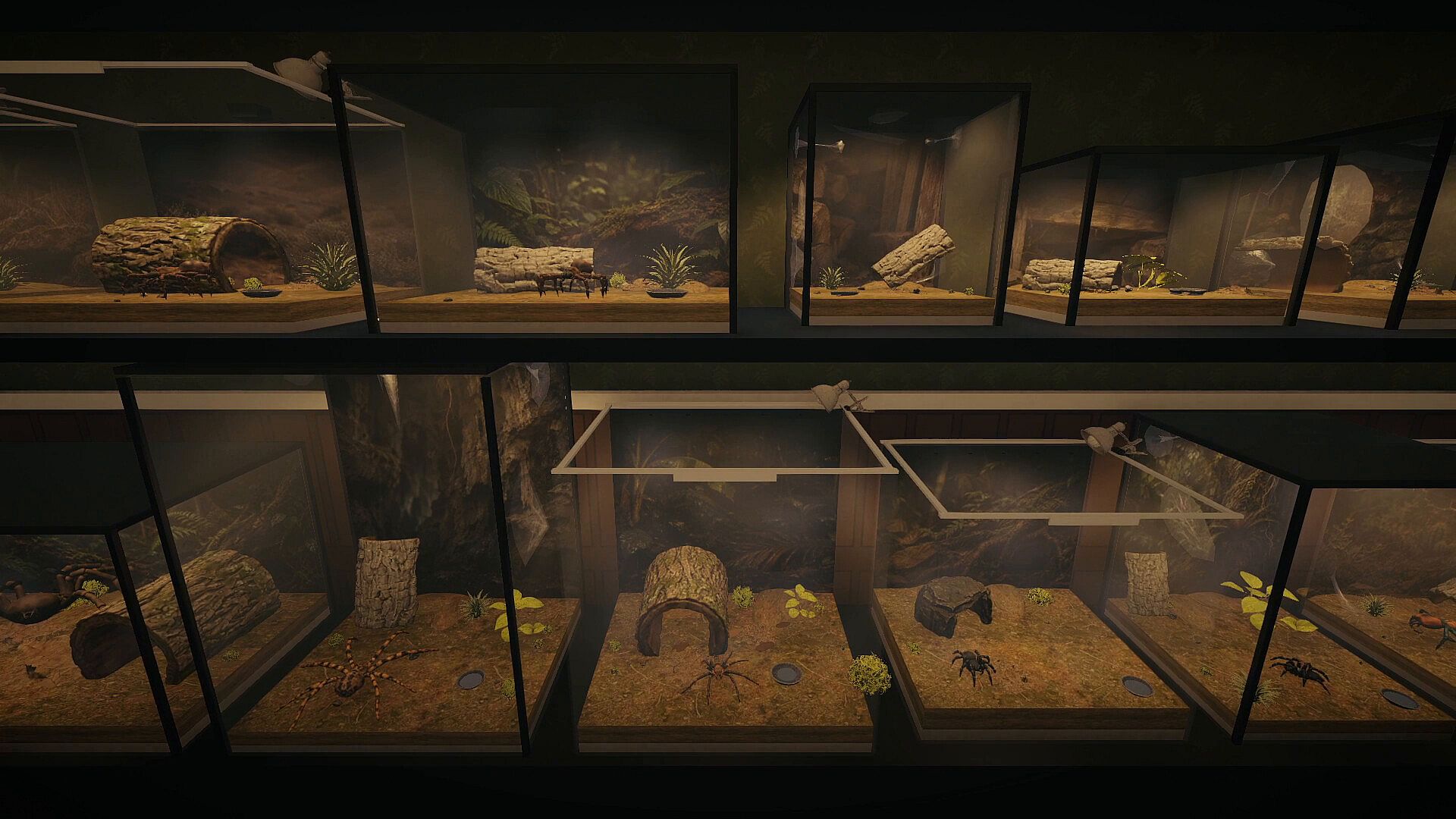
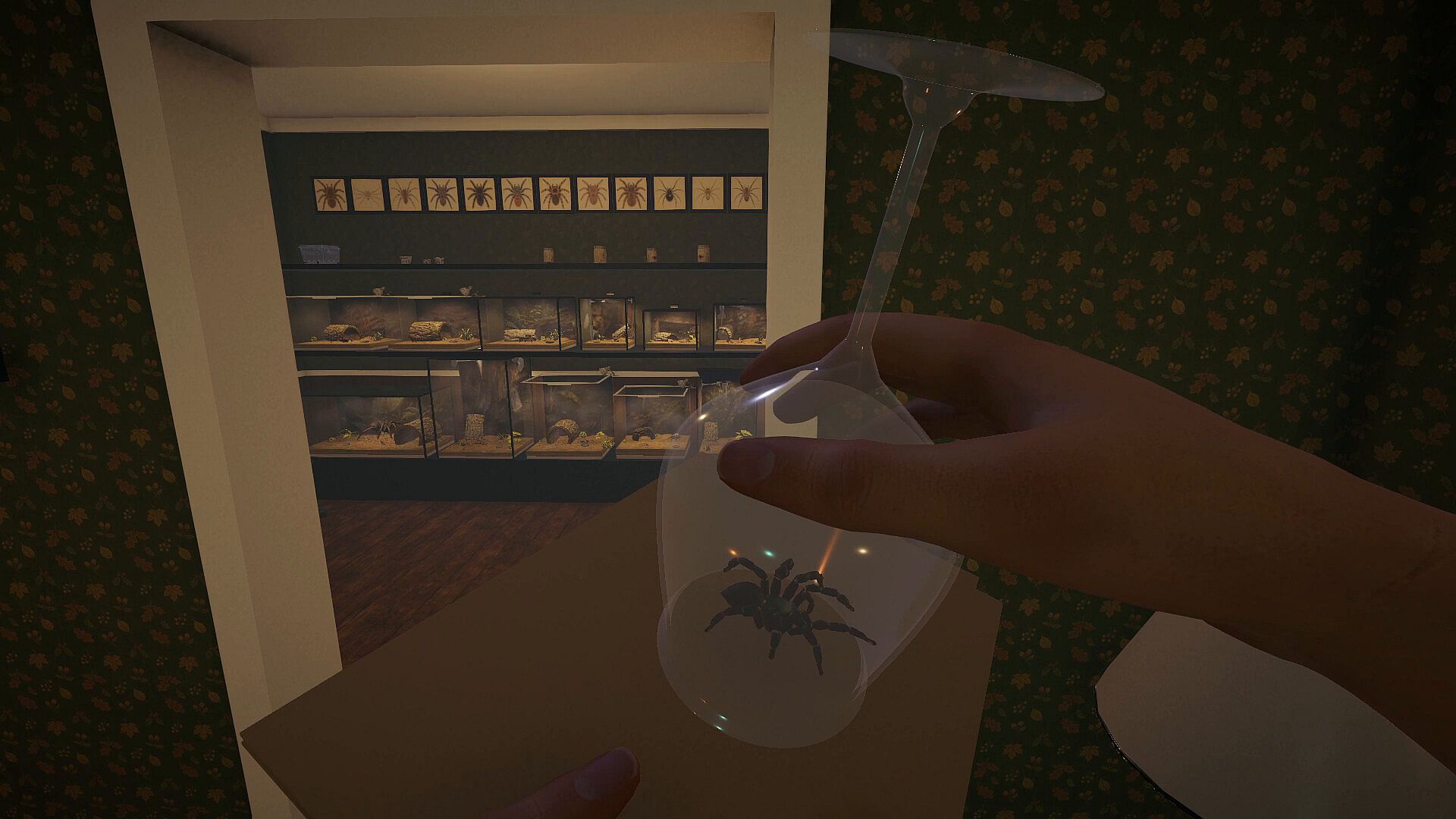
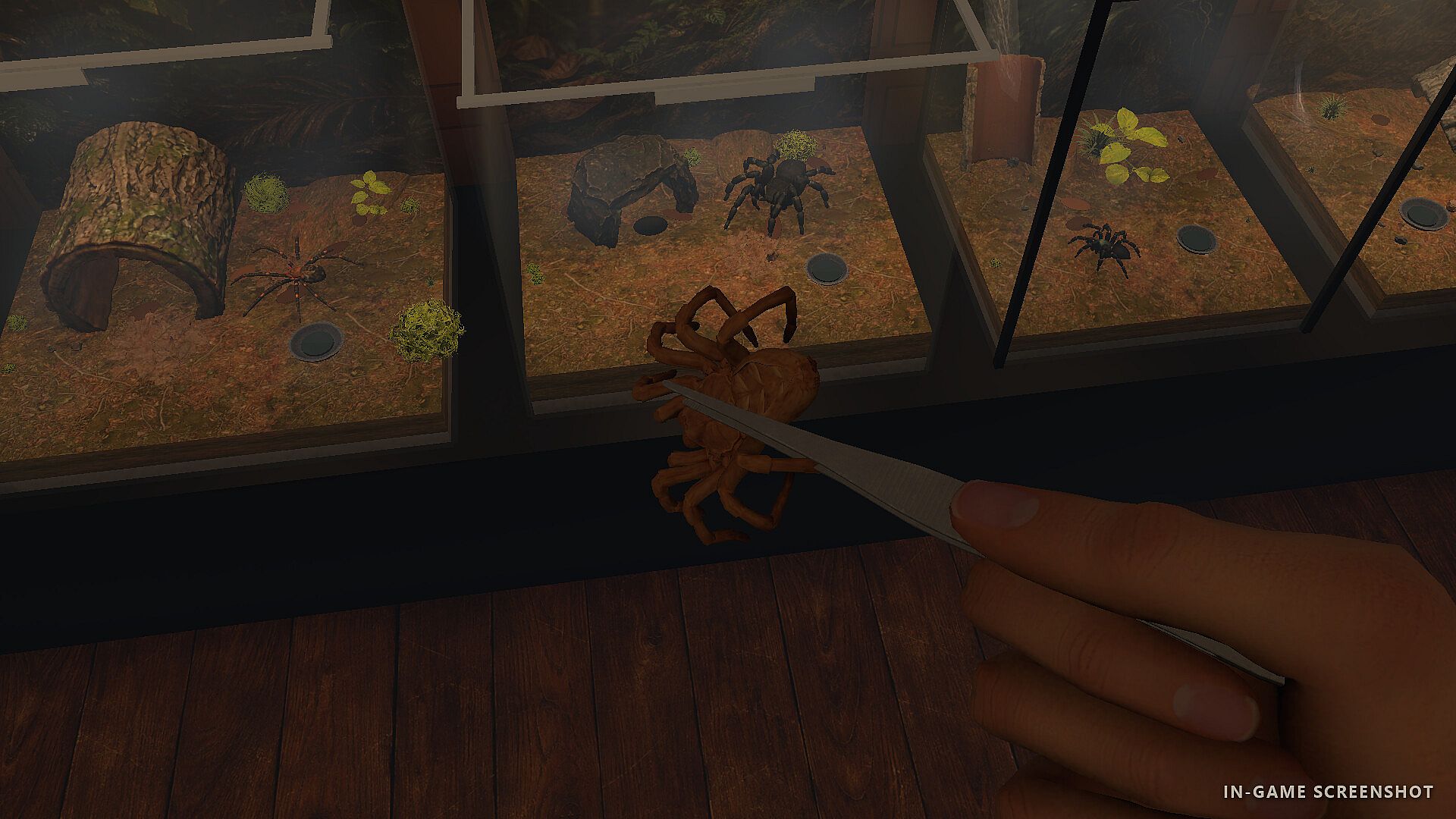
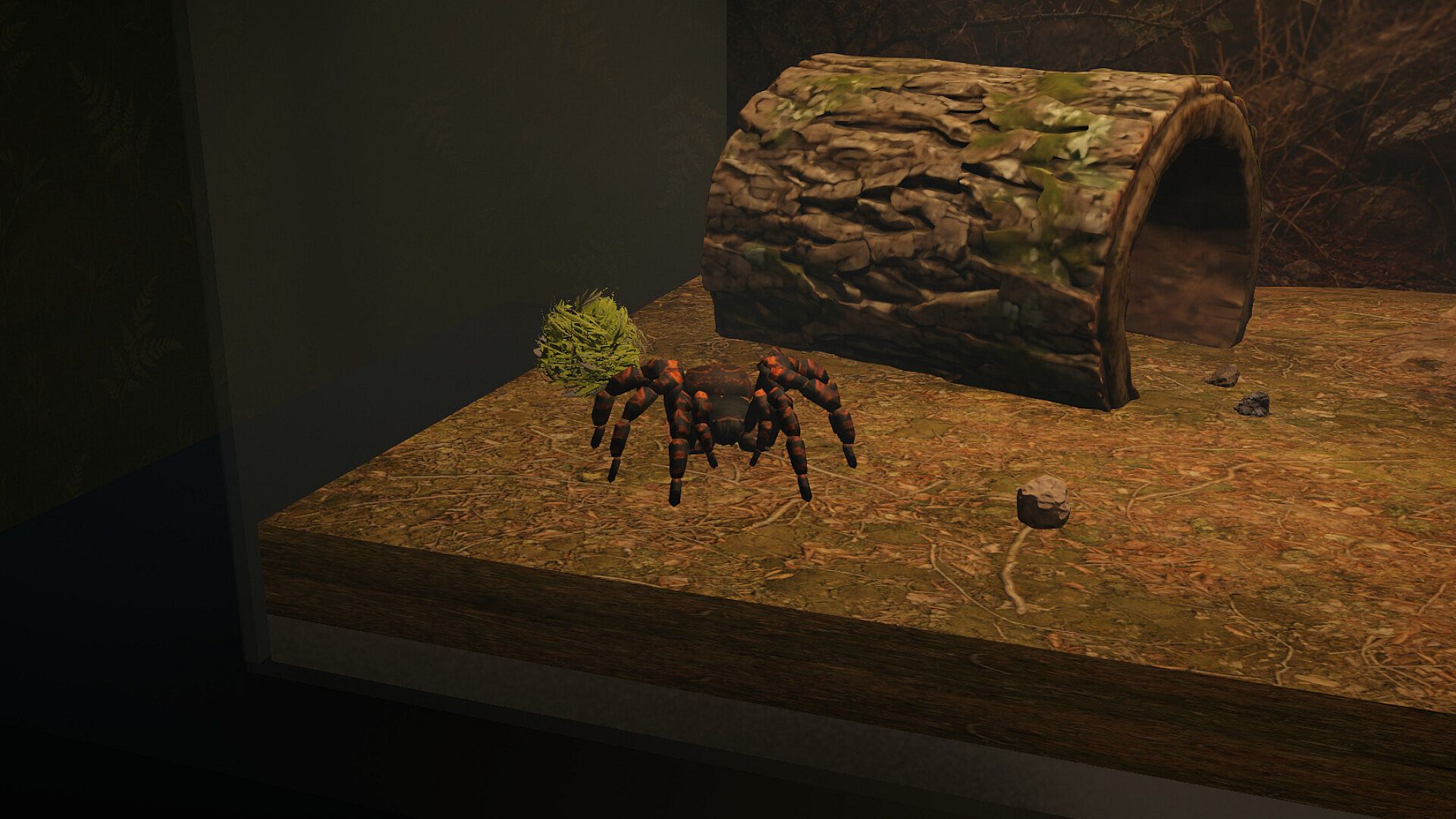
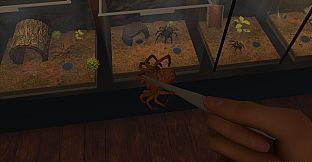
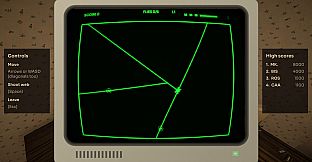
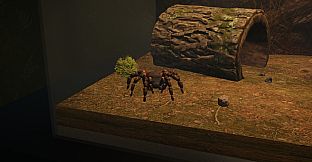
The core loop centers on maintaining the spiders through precise daily tasks. Each of the thirteen real species requires specific care, including feeding with tongs, misting tanks, and refilling water dishes, all tracked in a logbook. Mistakes lead to the spiders dying, which alters the outcome. A cat named Biscuit needs feeding too and moves through the house without any risk of harm. The daytime routine includes listening to weather reports on the radio, tending a fire, and watching old films on television in the evenings.
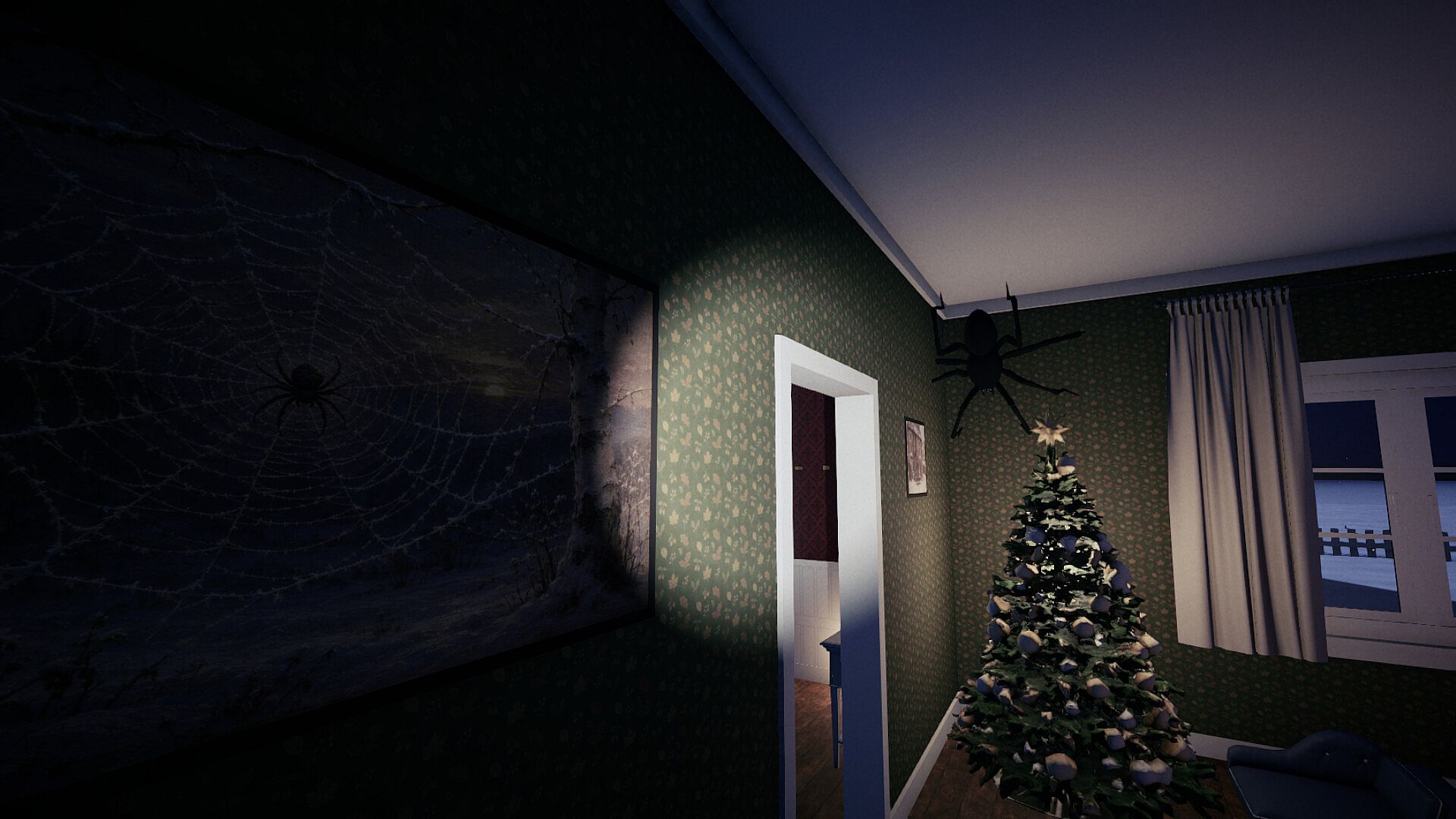
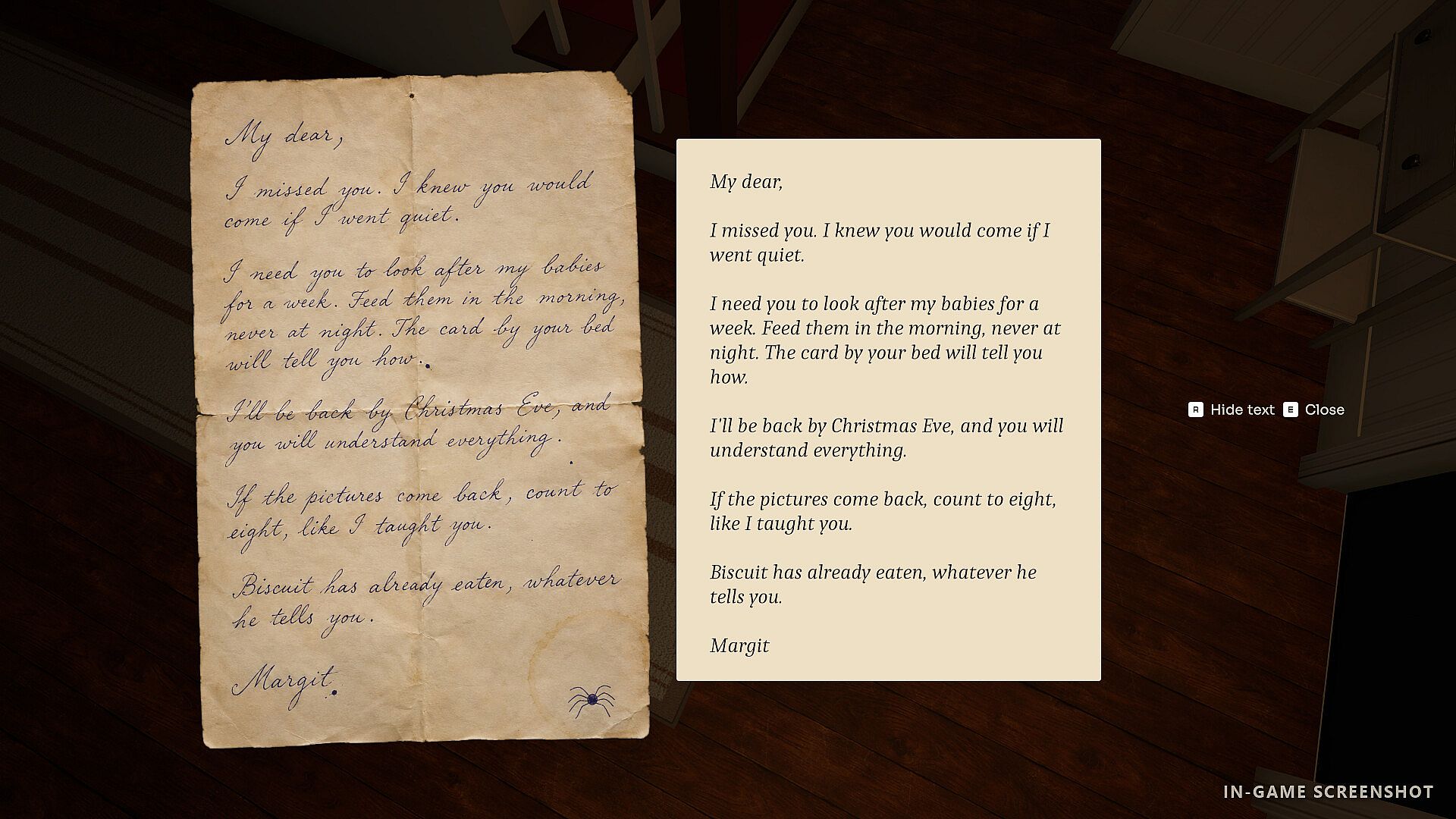
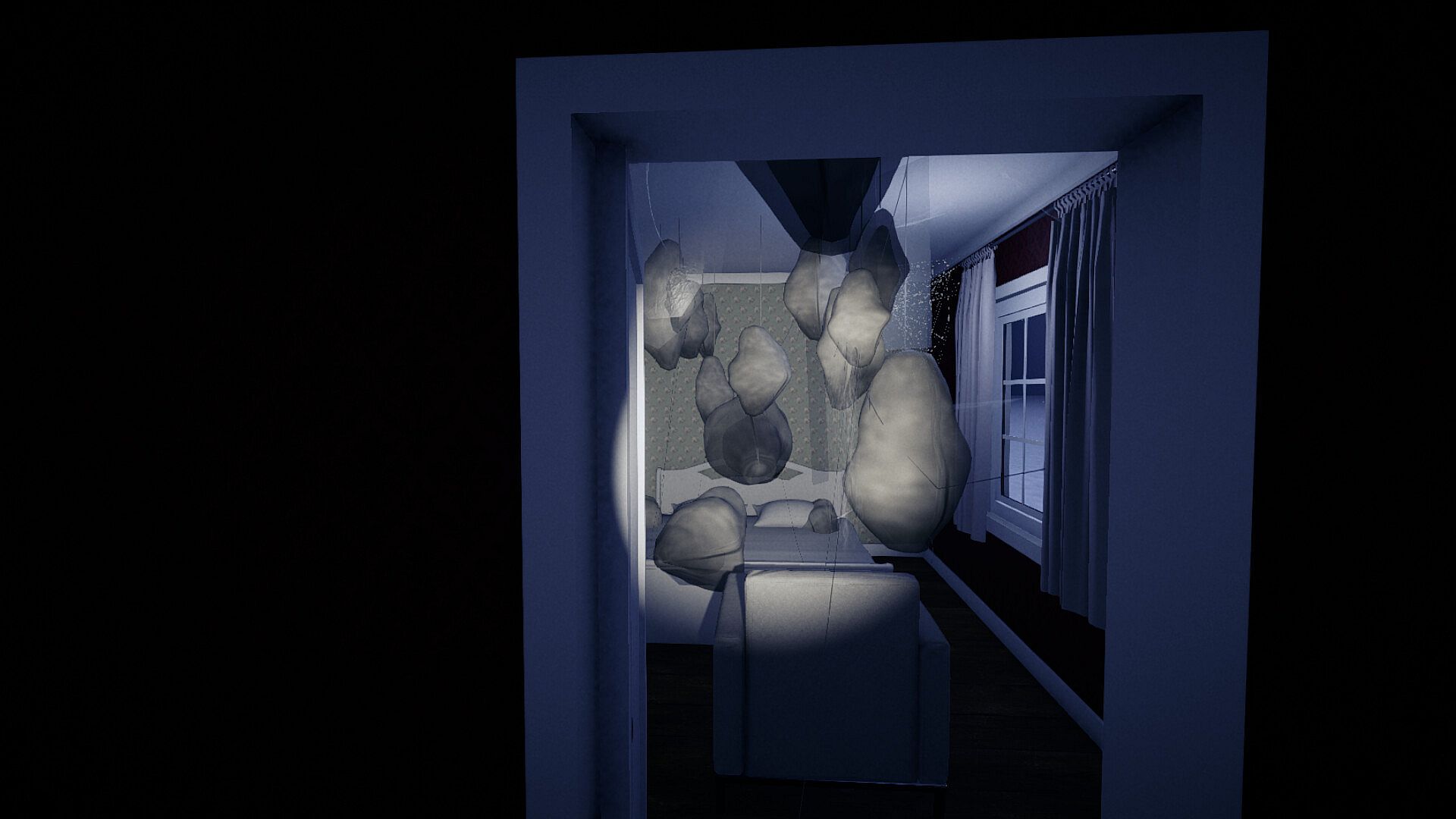
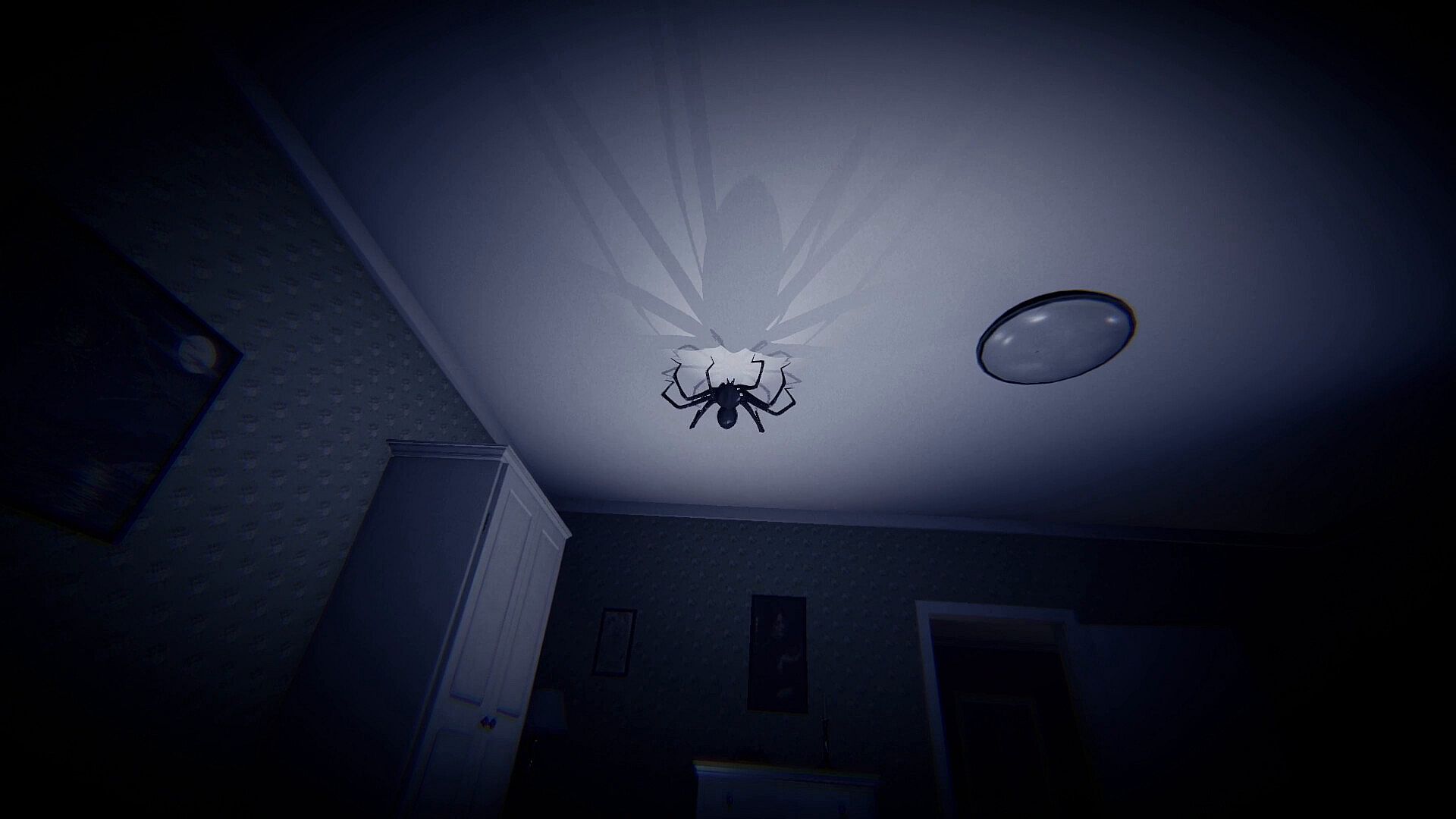
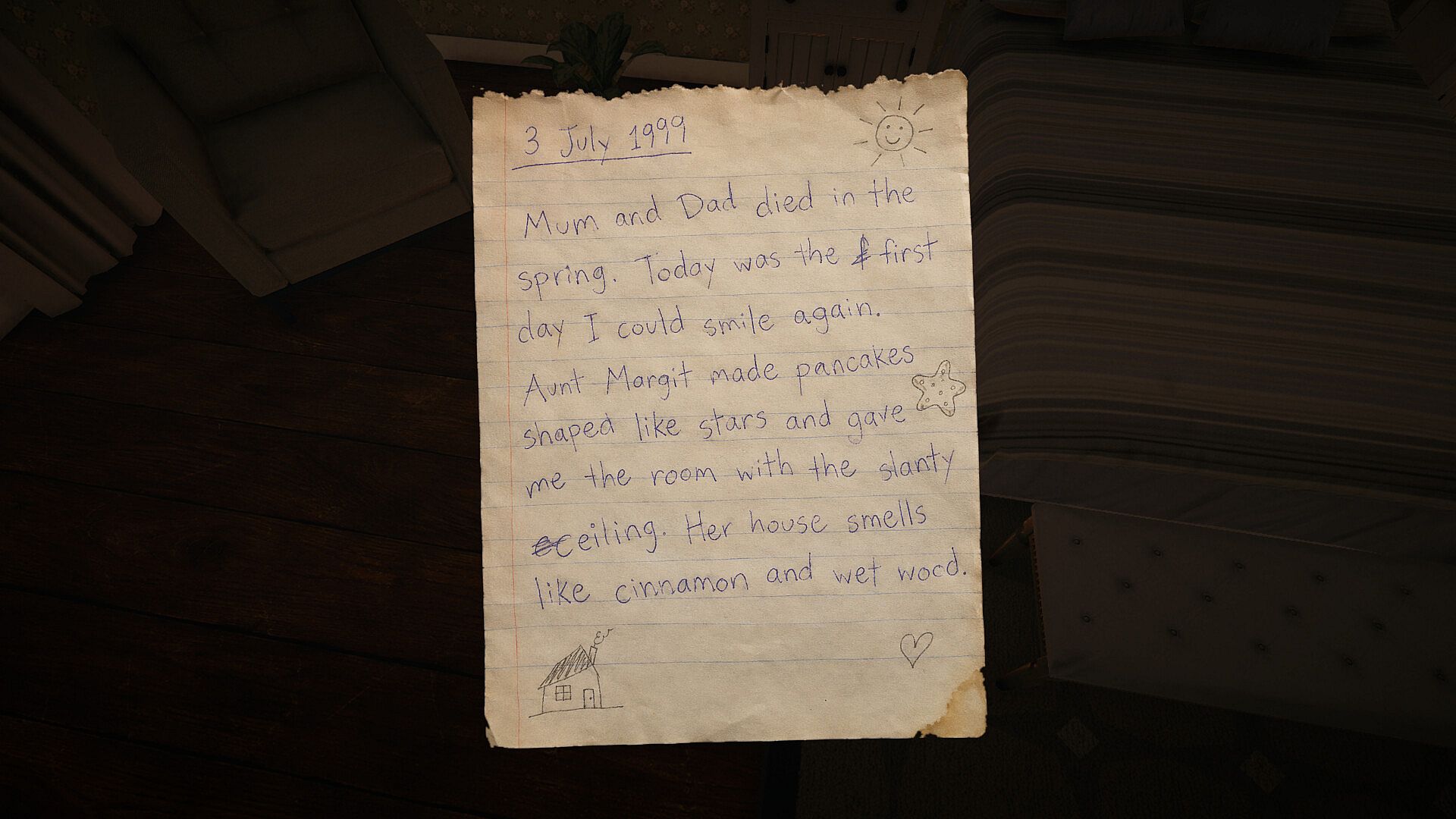
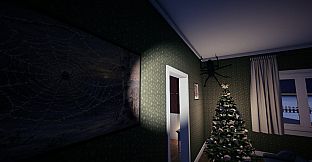
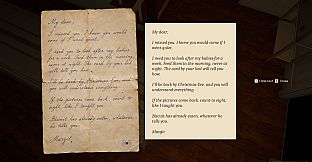
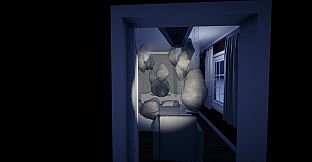
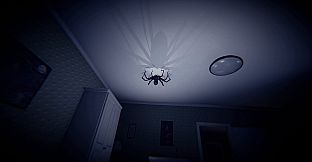
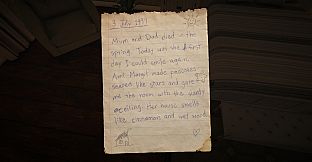
Story elements emerge gradually through cassette tapes left by Aunt Margit and twelve torn pages from a childhood diary scattered around the rooms. A safe holds additional secrets that players can unlock. At night the atmosphere shifts, with new disturbances waking the player each evening and three distinct nightmares interrupting sleep. Jump scares can be disabled entirely for a less startling session. Full controller support allows comfortable play from the sofa.
Game Modes
The game offers a single-player narrative experience with no separate multiplayer or competitive modes. Players progress through a fixed seven-night structure that combines routine simulation during the day with exploration and survival elements at night. Branching occurs through choices in spider care, item collection, and how the story pieces fit together, leading to one of five possible endings. A first playthrough typically lasts between one and a half and two hours, with twenty-nine achievements encouraging multiple runs to uncover every outcome and hidden detail.
Story and Atmosphere
The narrative unfolds in fragments rather than through direct exposition. Margit's recorded messages provide daily context and emotional weight, while the recovered diary pages reveal personal history tied to the house. The setting remains consistent yet transforms with the weather and time of day, creating a contrast between the cozy, warm interior during daylight hours and the uncertain, shifting space after dark. The focus stays on the player's isolation, the responsibility for the spiders, and the growing questions about where Margit has gone.
Is It Worth Playing?
This title suits players who enjoy short, focused single-player experiences that mix simulation mechanics with light horror and story discovery. The emphasis on careful routine management alongside narrative investigation gives it a distinct rhythm. With five endings and a compact length, it rewards careful attention on the first run and offers replay value for those who want to see every variation. The option to toggle jump scares and full controller support broadens accessibility. Since the game has not yet released, player reception remains to be seen, but the described systems point to a deliberate, atmospheric indie adventure best suited to those comfortable with spider-related themes and short narrative-driven sessions.











