





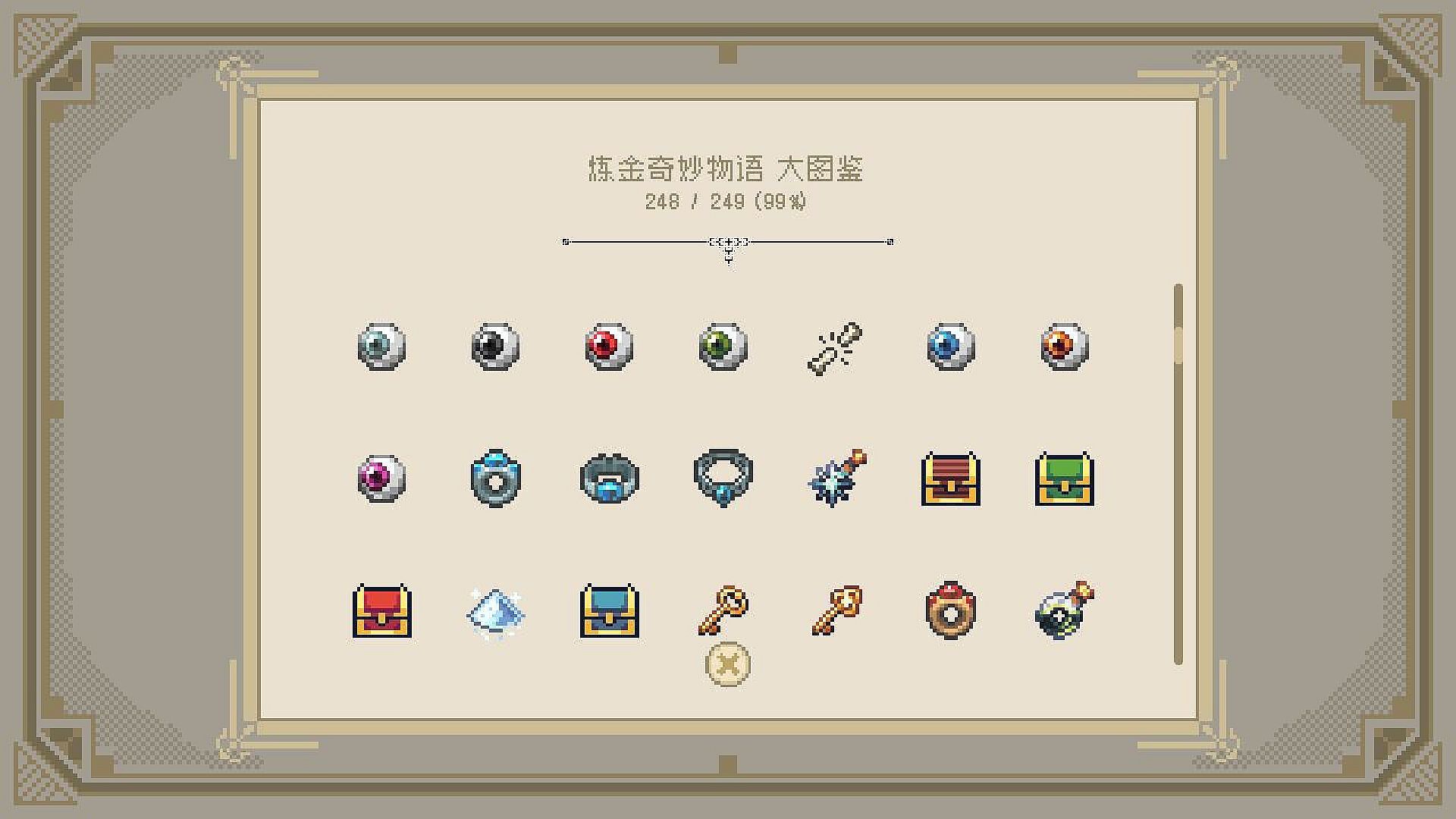
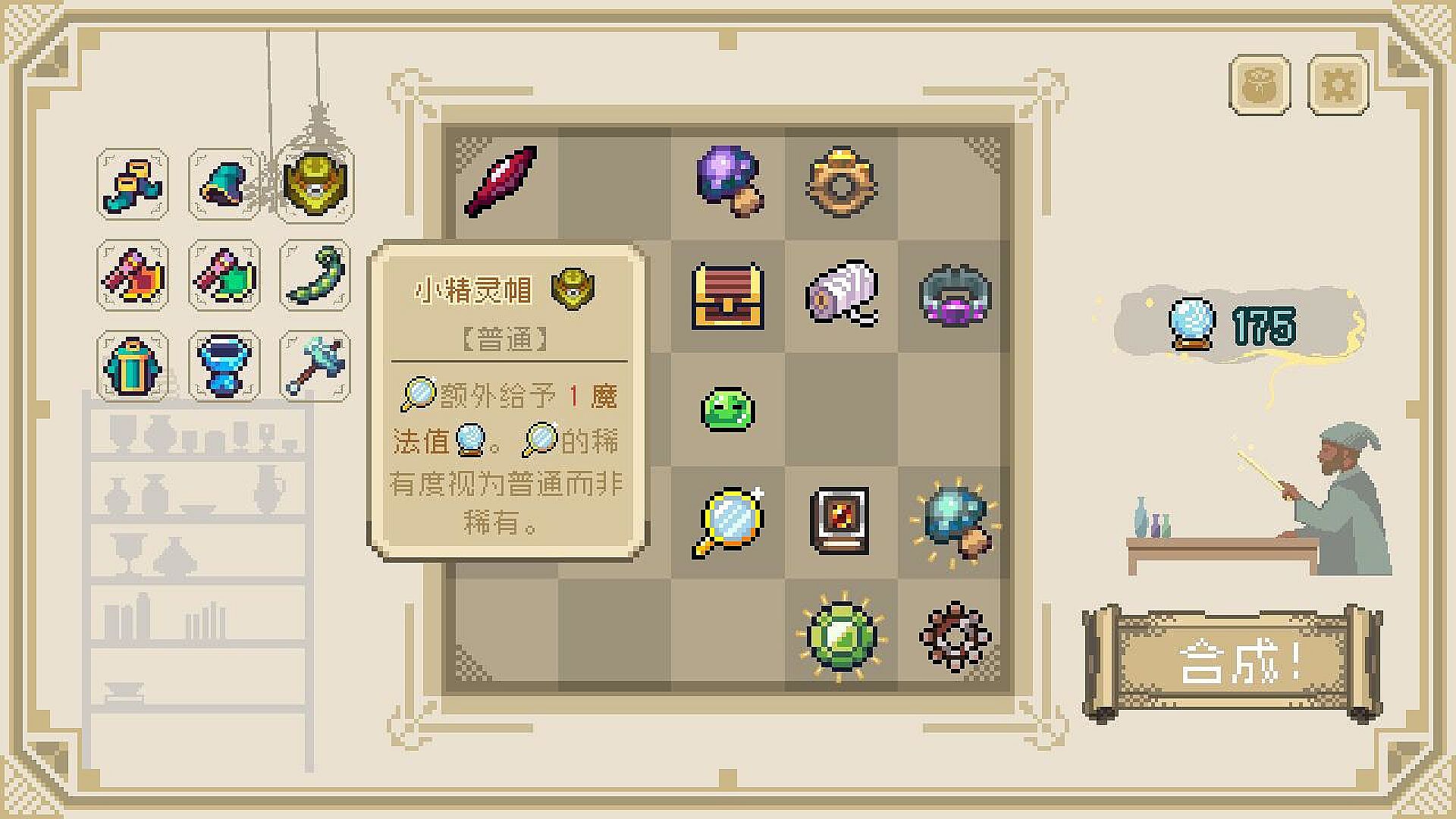
EinStein is a strategy simulation game with indie RPG and casual elements available on PC. Players take on the role of a novice alchemist who spins an alchemical wheel to piece together the secrets of immortality through a series of reactive encounters and item syntheses.
Gameplay
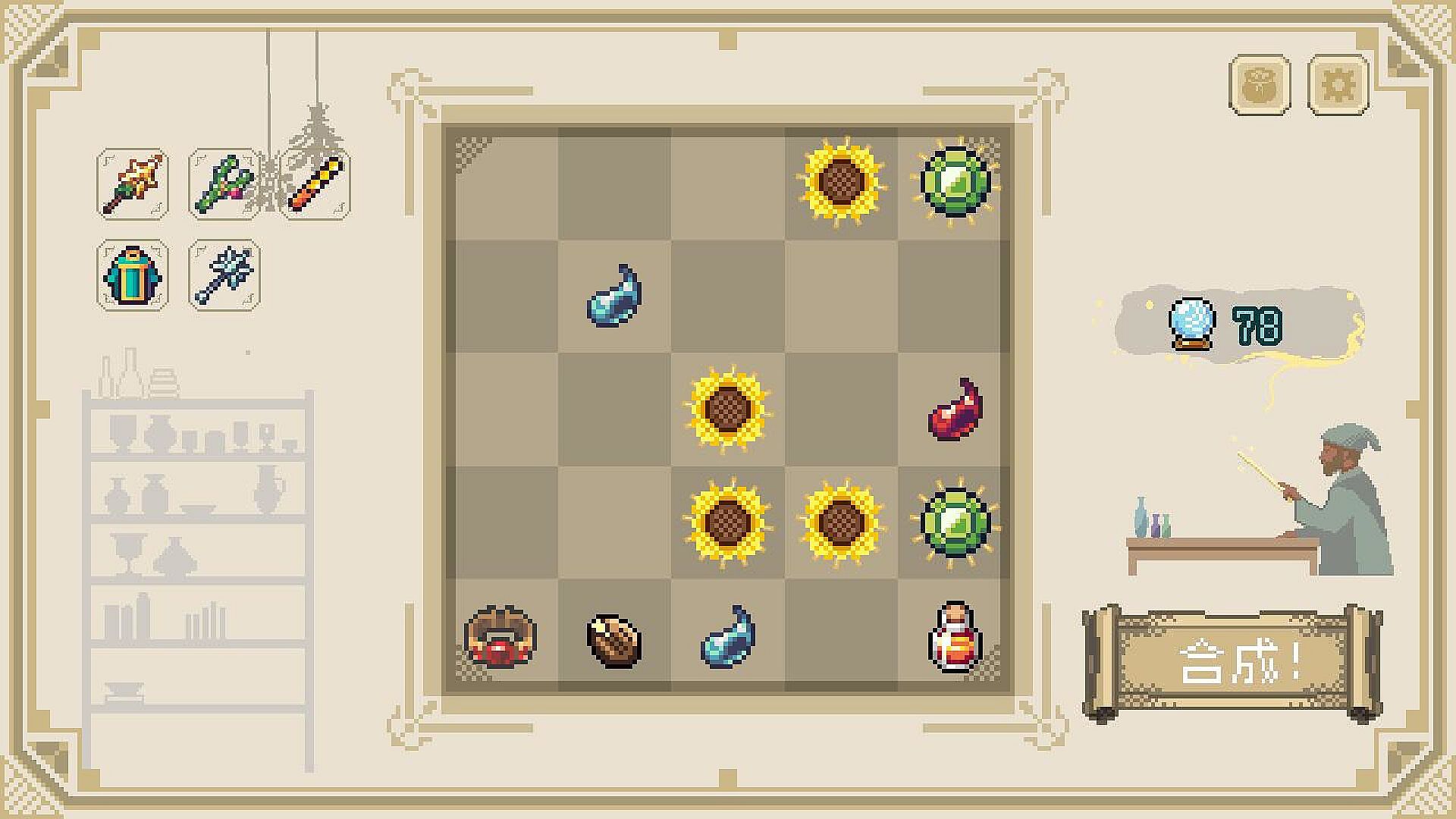
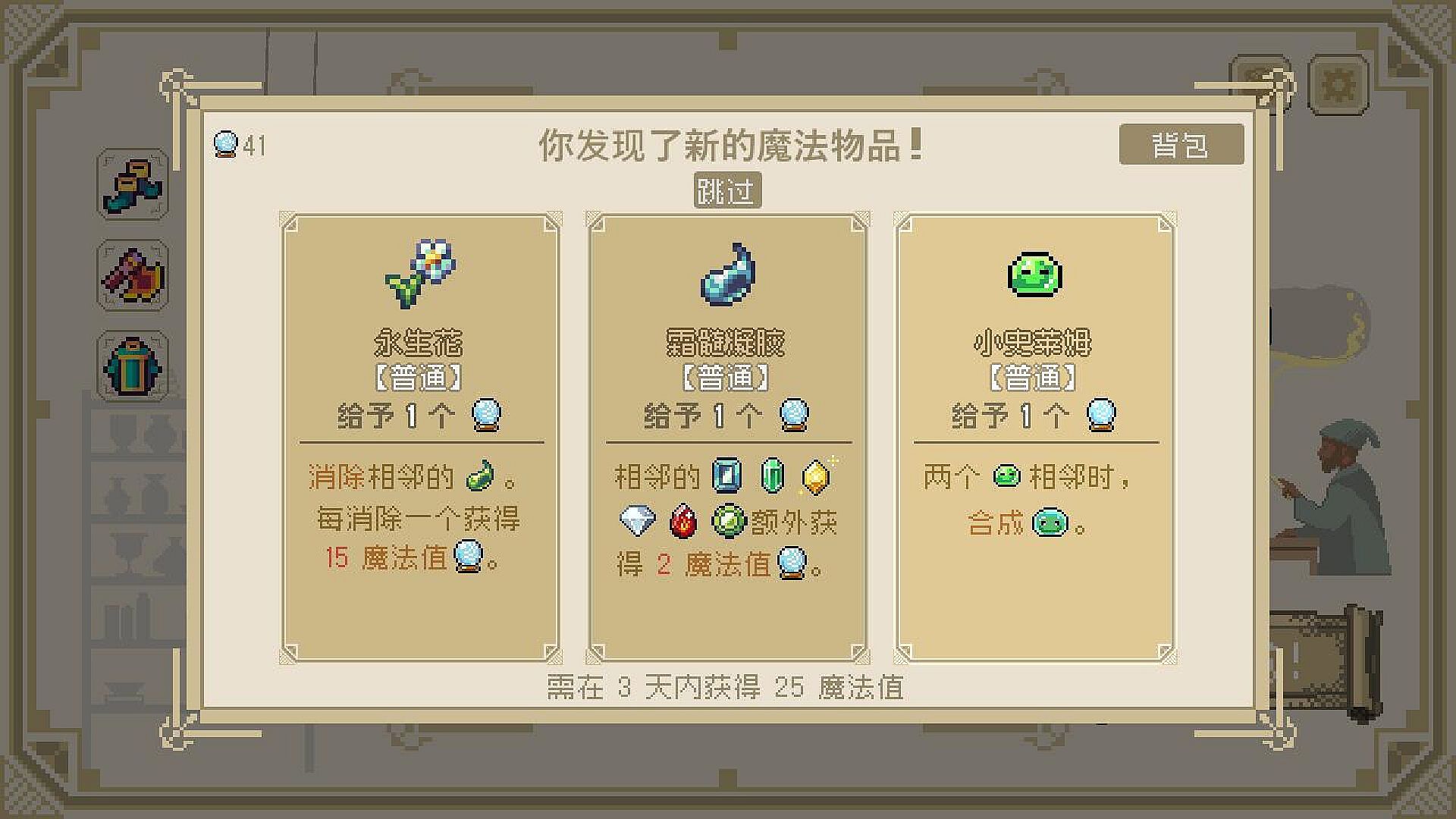
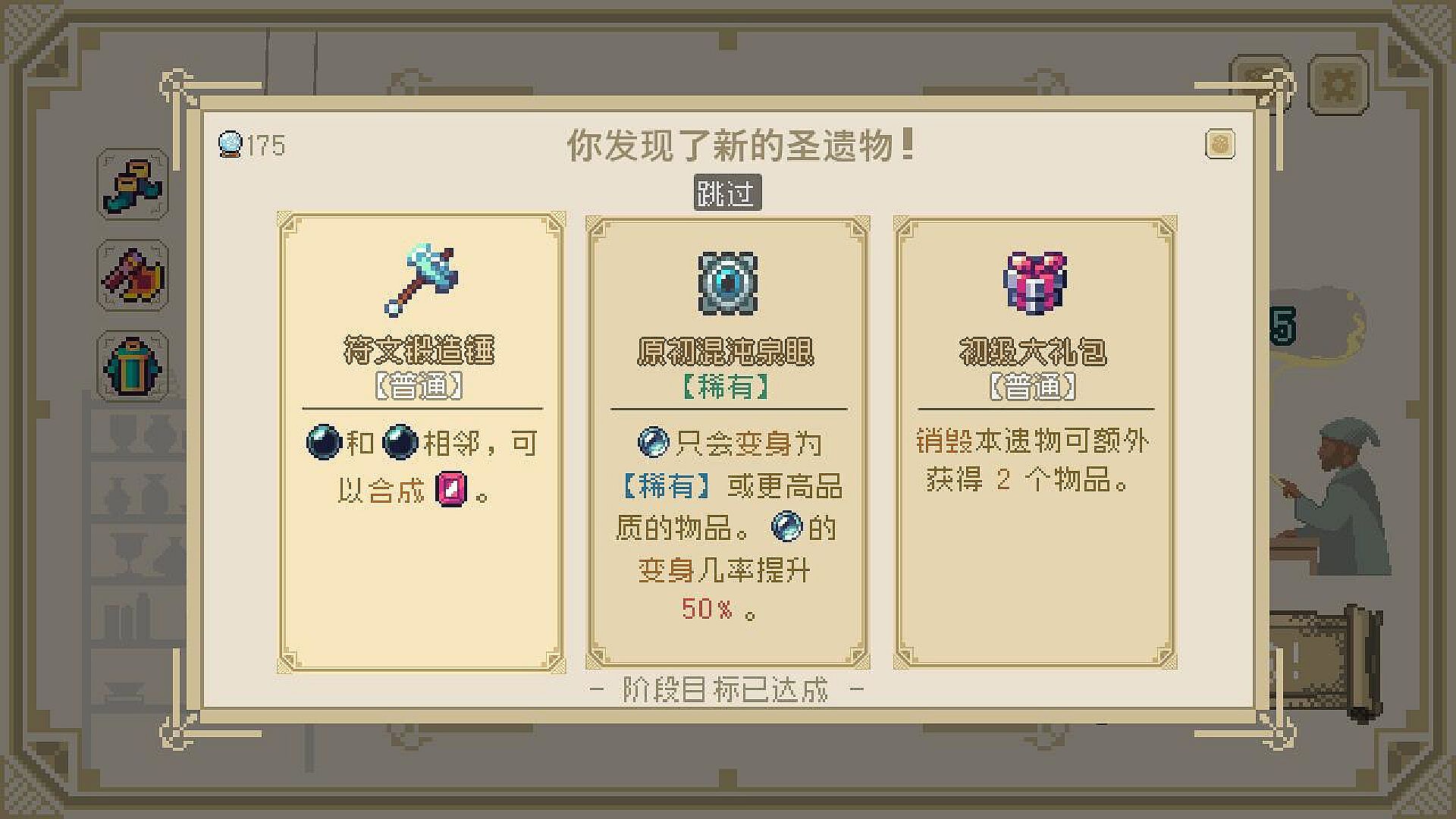
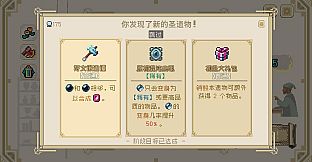
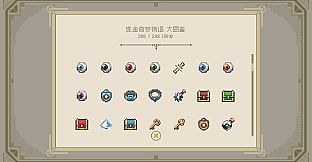
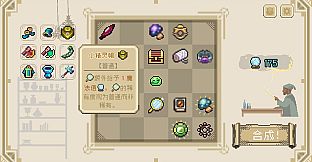
The core loop revolves around repeated spins of the alchemical wheel. Each turn brings elements that attract one another and materials that react in unexpected ways. Rare relics and mysterious items appear to alter ongoing plans, creating fresh challenges even after multiple attempts. Progression builds through collected items that start small and expand into powerful creations filled with mana. Choices made during runs influence how quickly this growth accelerates, with rarity distributions adjusting based on accumulated luck to keep outcomes varied.
Strategy emerges from deciding which reactions to pursue and how to manage the incoming threats. The system rewards careful planning around item evolution while leaving room for the wheel to introduce sudden shifts. This setup blends simulation elements with light RPG progression, where power increases feel tangible through the escalating scale of synthesized objects.
Game Modes
EinStein centers on a single-player format built around successive runs. Each attempt stands alone, with no shared progress between sessions beyond the player's growing familiarity with the mechanics. The emphasis stays on individual decision-making during spins and the resulting chain reactions rather than cooperative or competitive structures.
Procedural variation ensures that strategies developed in one run may not apply directly to the next. Players focus on adapting to the specific sequence of elements and relics encountered, building toward stronger item combinations before external pressures intensify.
Progression and Strategy
Item growth follows a clear path from basic crystal shards to elaborate legendary pieces. The snowball effect comes from chaining reactions that multiply resources and open new synthesis options. Luck plays a direct role by influencing the frequency of higher-rarity drops, which in turn affects how aggressively a player can push their build.
Defense against approaching monsters adds urgency to the synthesis process. Success depends on timing powerful item creation to counter threats effectively. The interplay between wheel spins, material reactions, and relic effects keeps each session distinct while maintaining a consistent focus on incremental power gains.
Is It Worth Playing?
EinStein suits players who enjoy strategy simulations with roguelike run variety and steady progression systems. The spinning mechanic and reactive item system provide a focused loop that rewards experimentation with different synthesis paths. Those drawn to casual sessions with deeper strategic layers will find the dynamic rarity shifts and snowballing builds engaging over multiple attempts.
The game appeals most to fans of indie titles that combine simulation management with light RPG elements. Its emphasis on procedural encounters and adaptive planning offers replay value without requiring complex multiplayer setups. If the described alchemy and growth mechanics align with preferred playstyles, the title delivers a self-contained experience centered on iterative improvement.













