




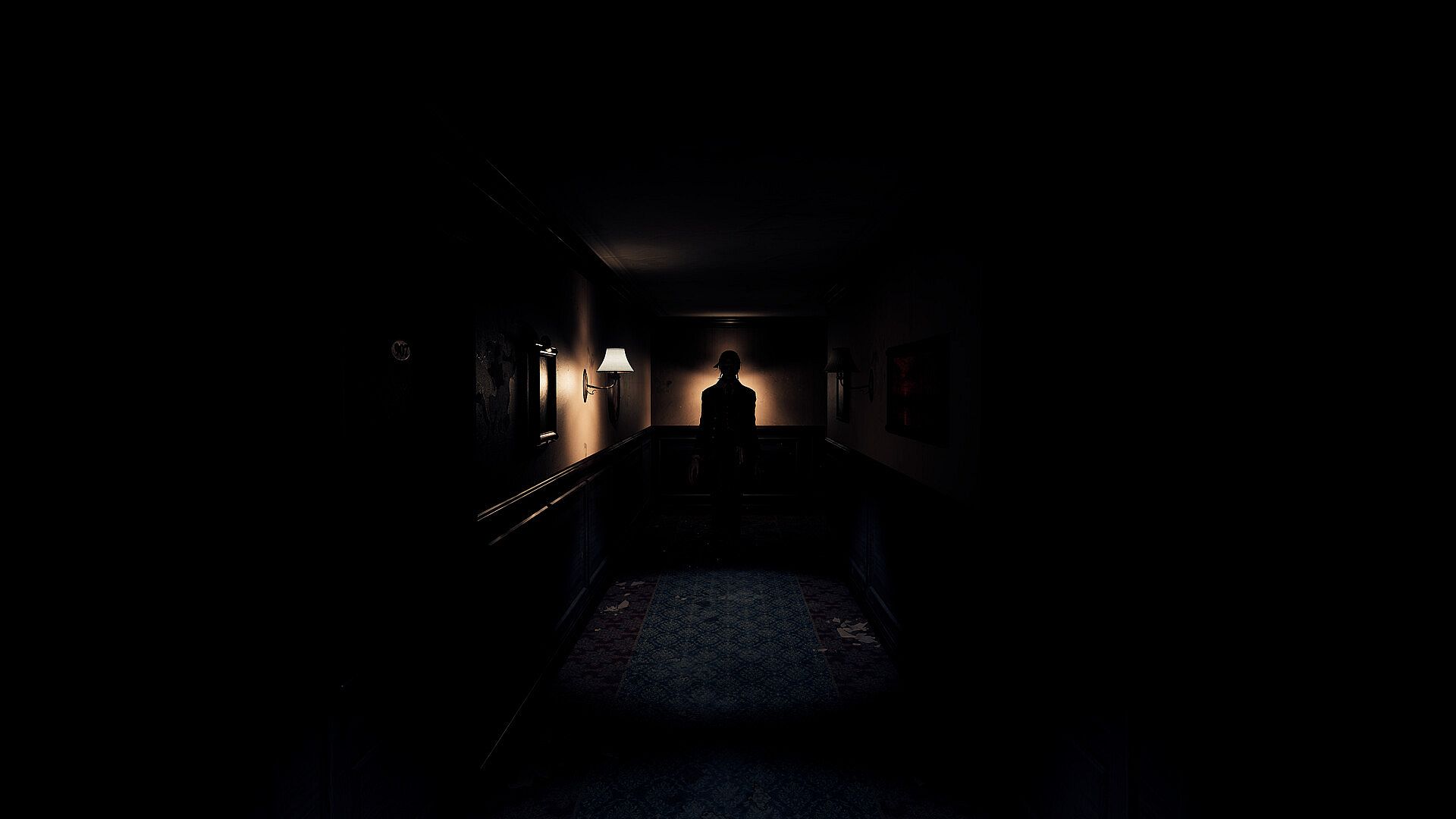
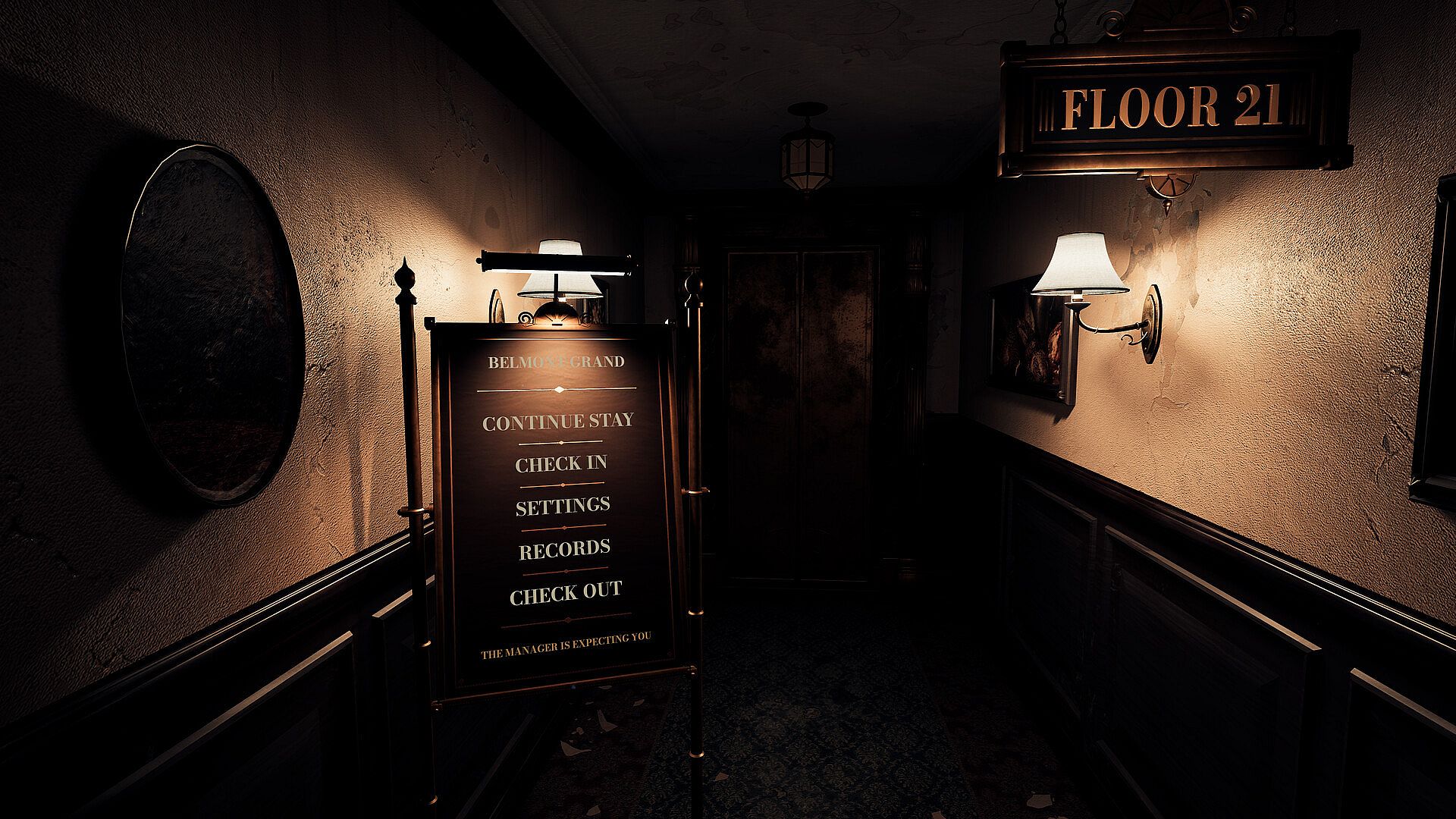
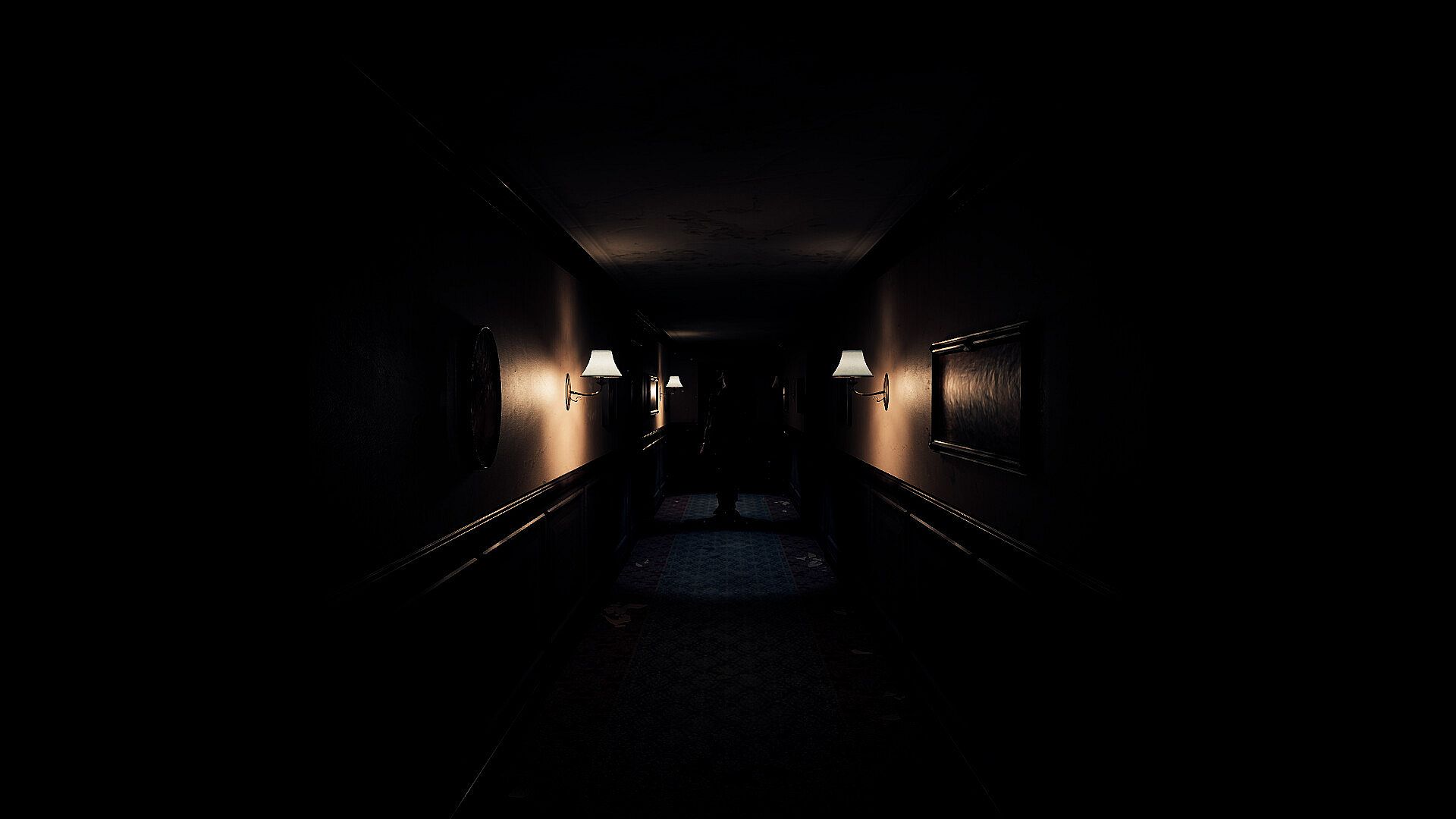
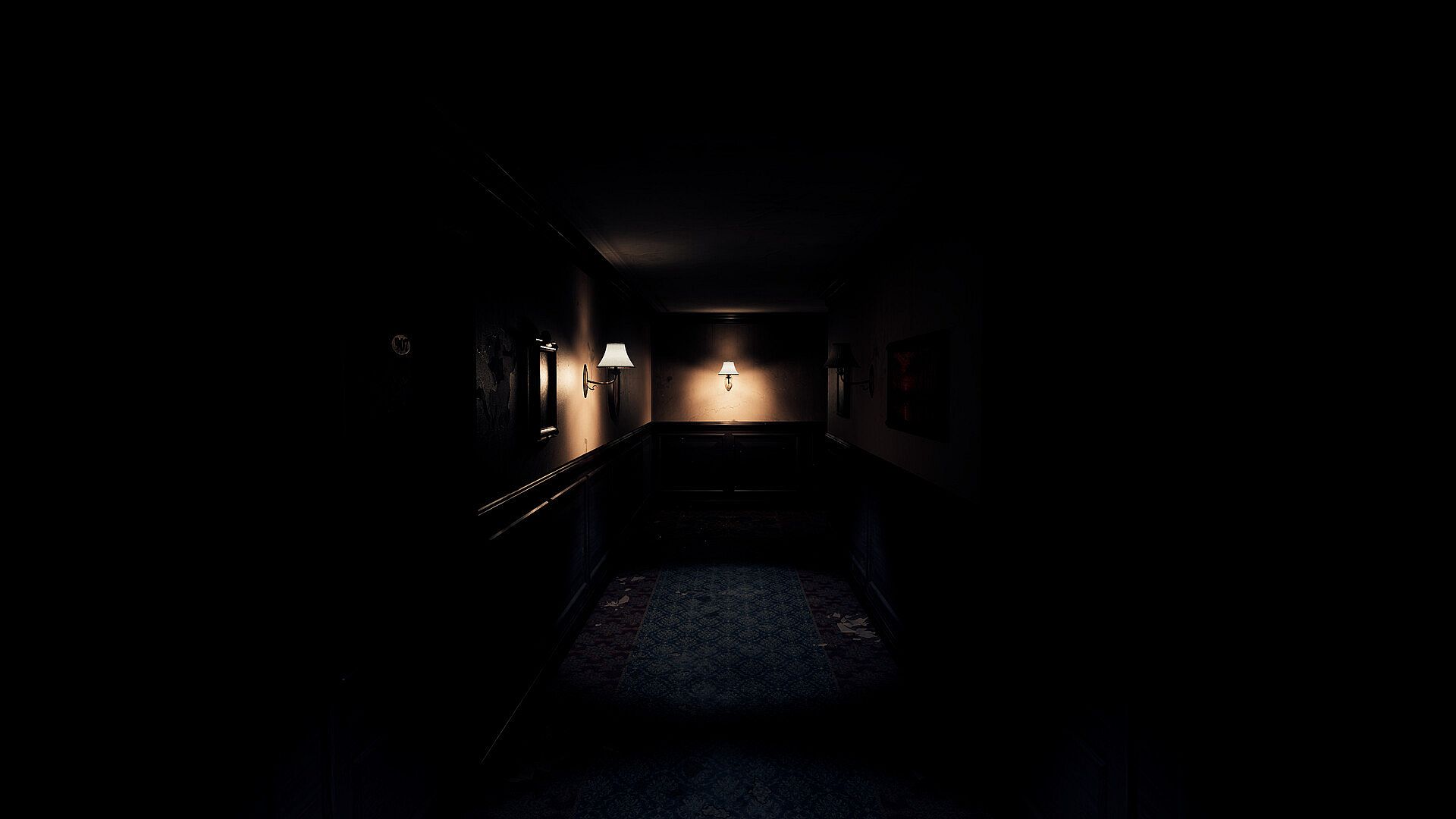
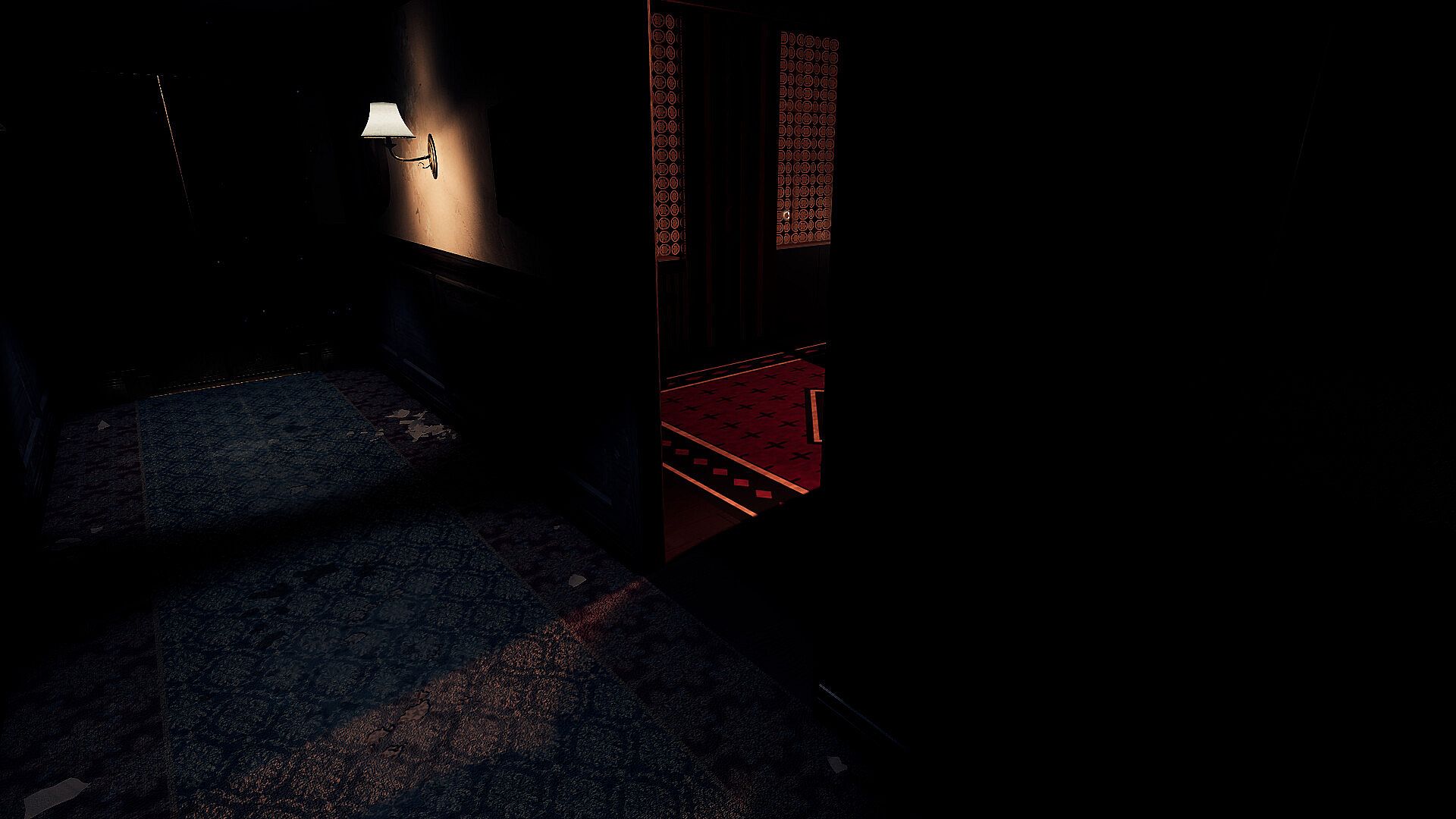
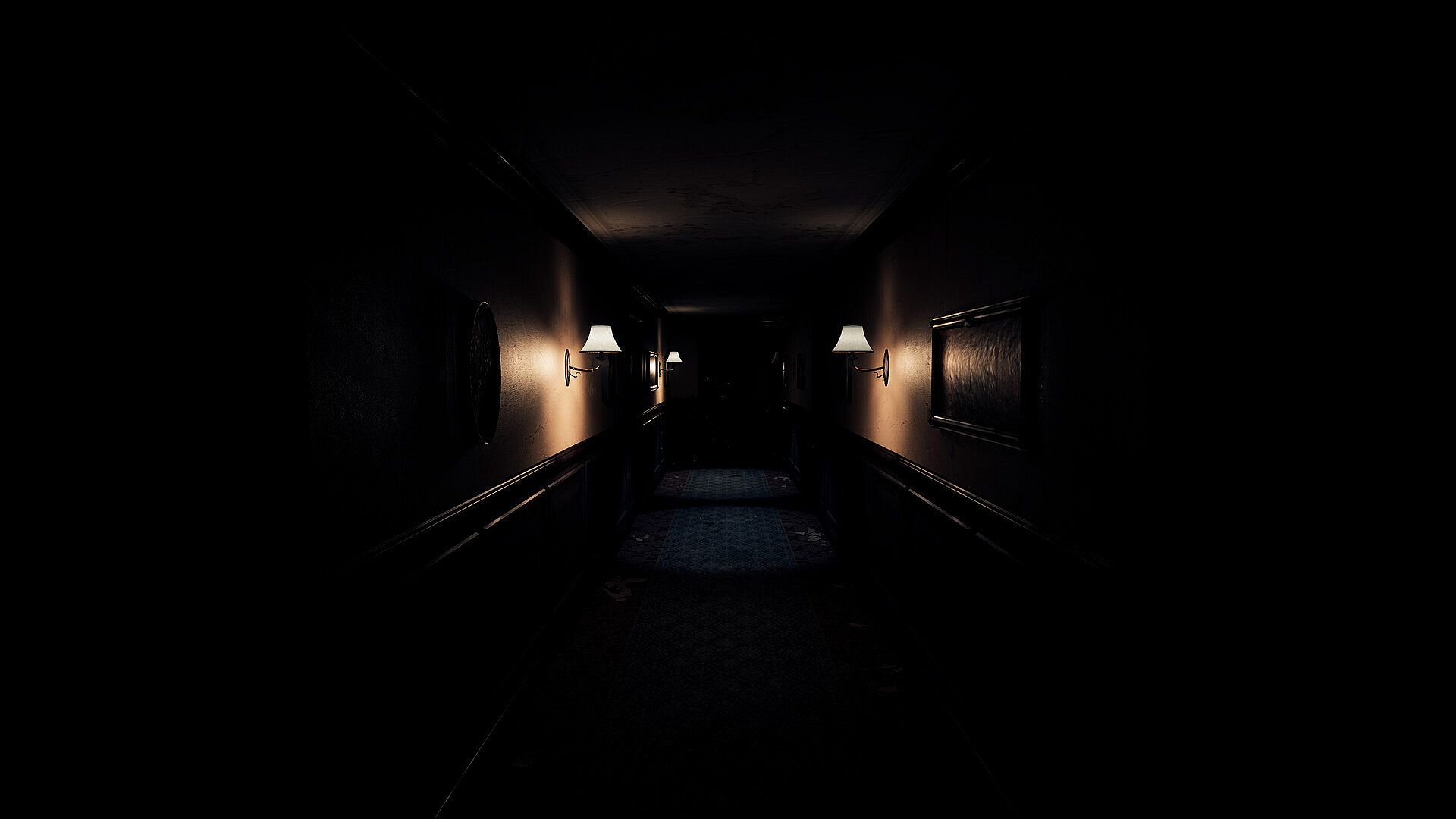
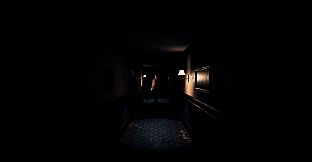
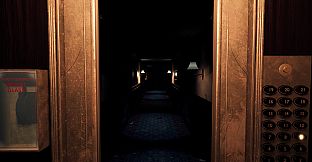
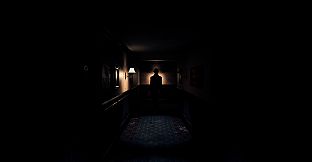
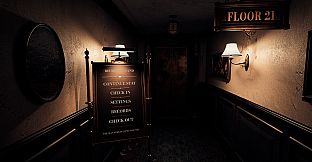
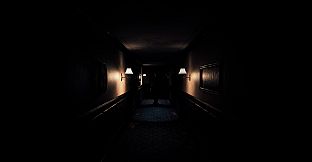

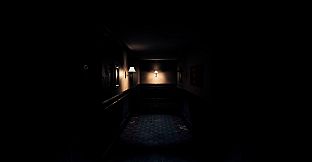
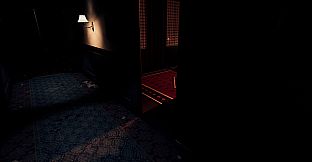
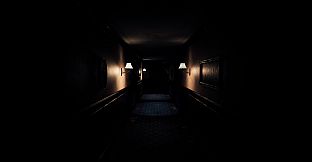
Floor 21 is a single-player story-driven horror adventure game set inside a long-closed 1970s hotel. Players take the role of a journalist drawn to the Belmont Grand on Christmas Eve 1977 by a mysterious invitation that leads to the top floor. The experience unfolds one floor at a time through an elevator that does not always respond to requests, forcing careful navigation of a building that continues to operate on its own terms.
Gameplay
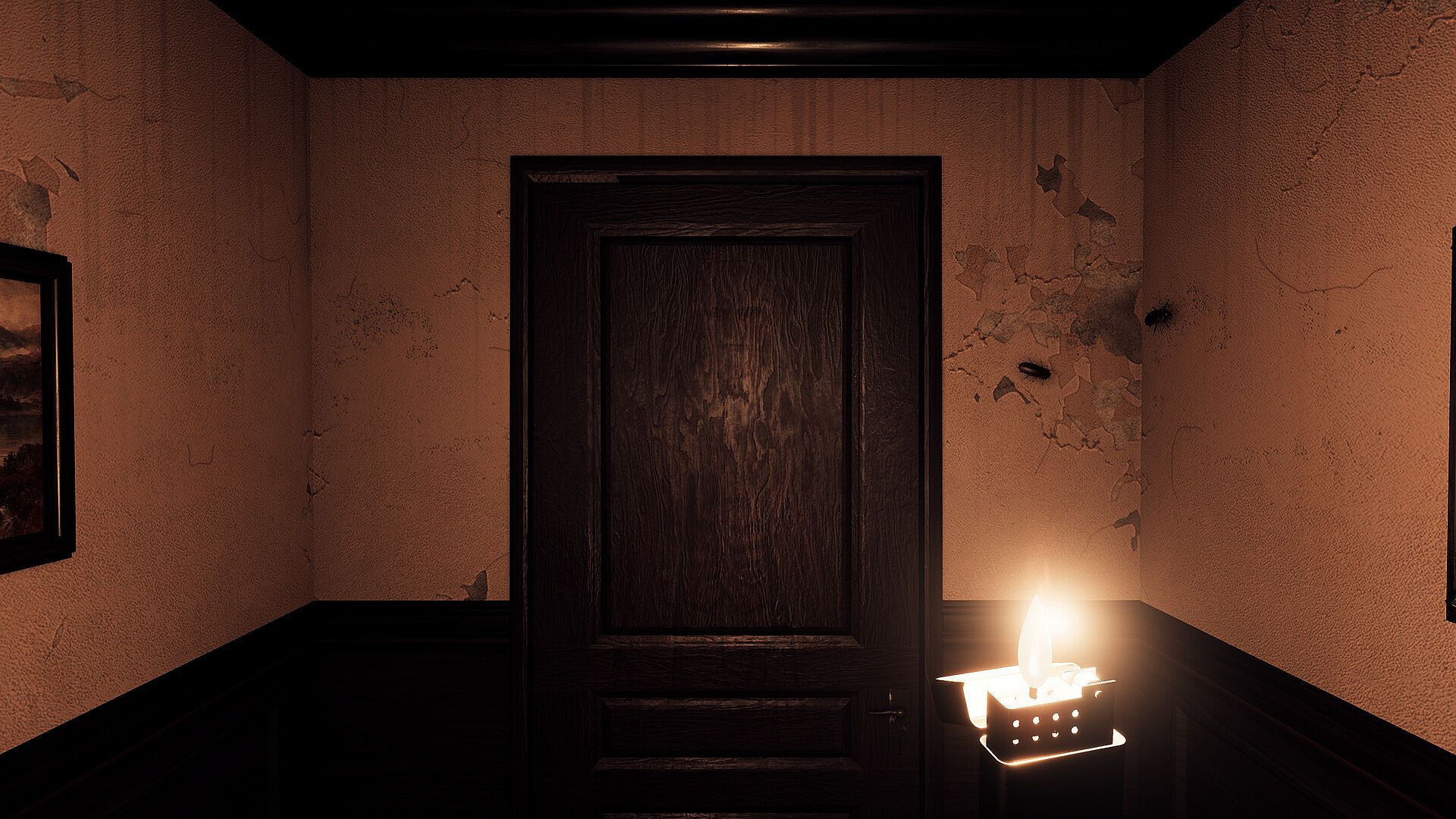
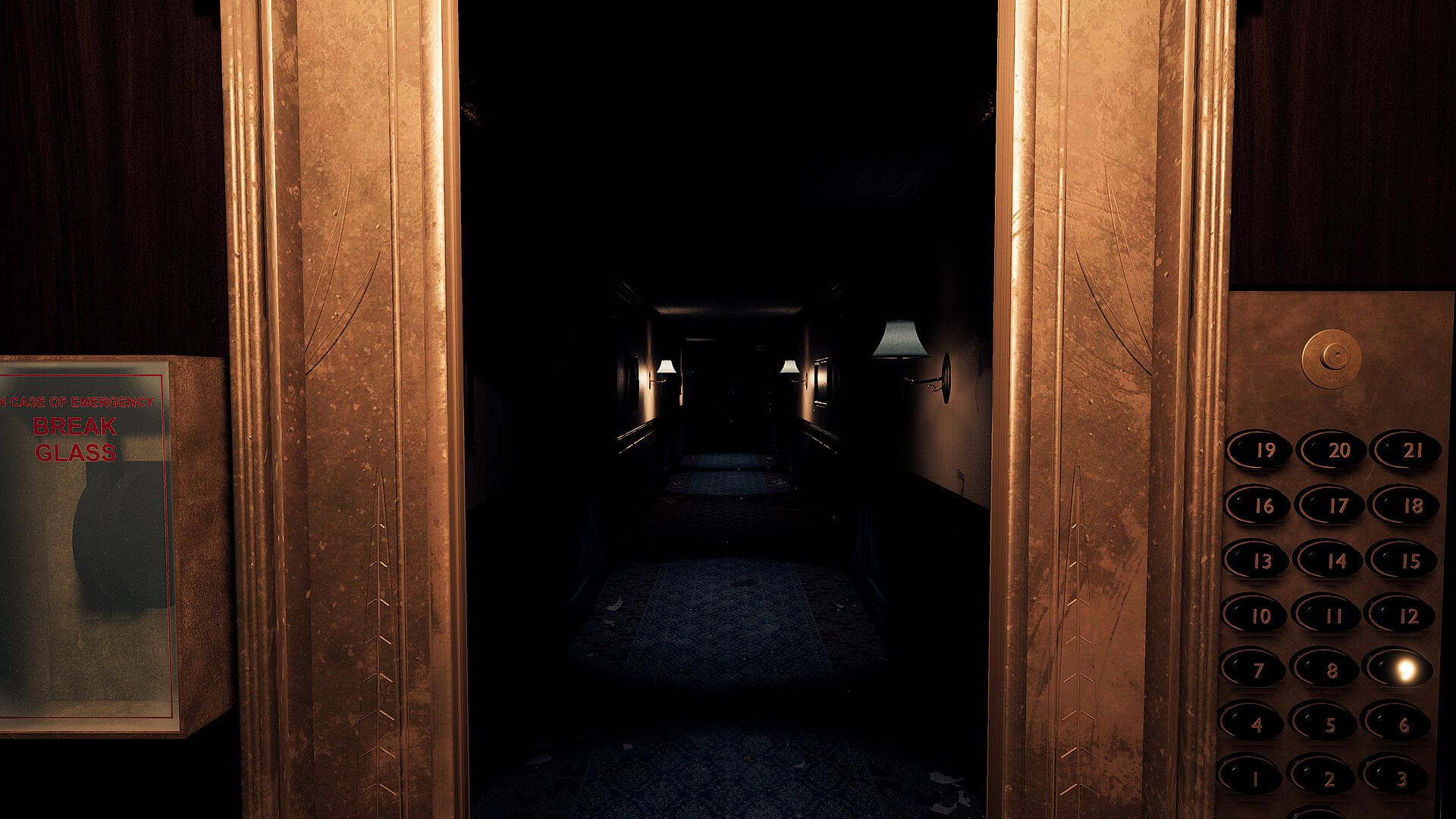
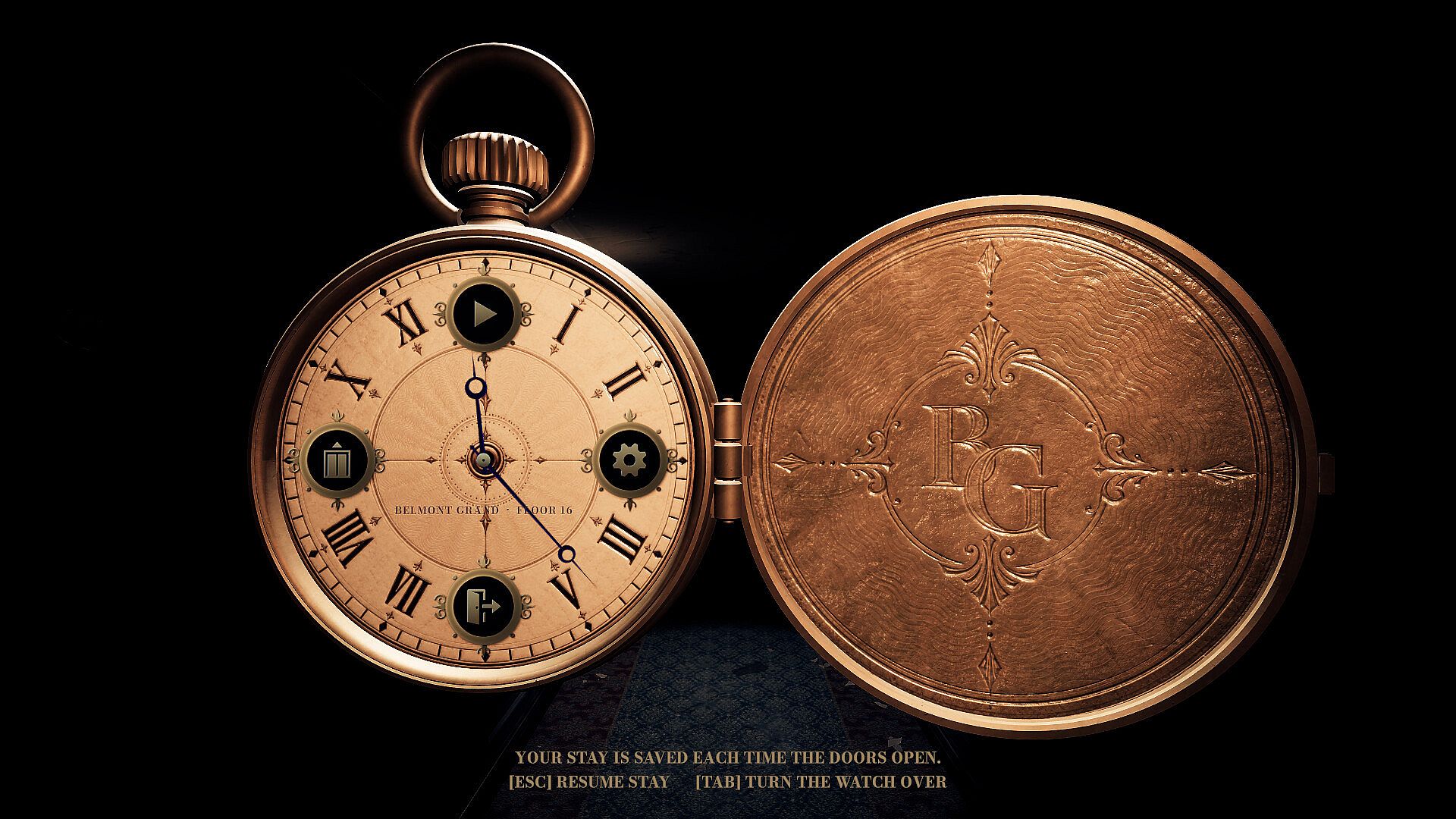
The core loop centers on riding the elevator between floors while learning and obeying a set of rules that govern each level. Some rules are announced by the elevator voice, while others become apparent only through trial and error. Players must manage limited resources including a lighter for dark areas, a cassette player to review found recordings, a steno pad for notes, and a pocket watch that tracks time spent inside the hotel. Movement stays confined to the elevator cabin for much of the journey, with occasional opportunities to step out when conditions allow.
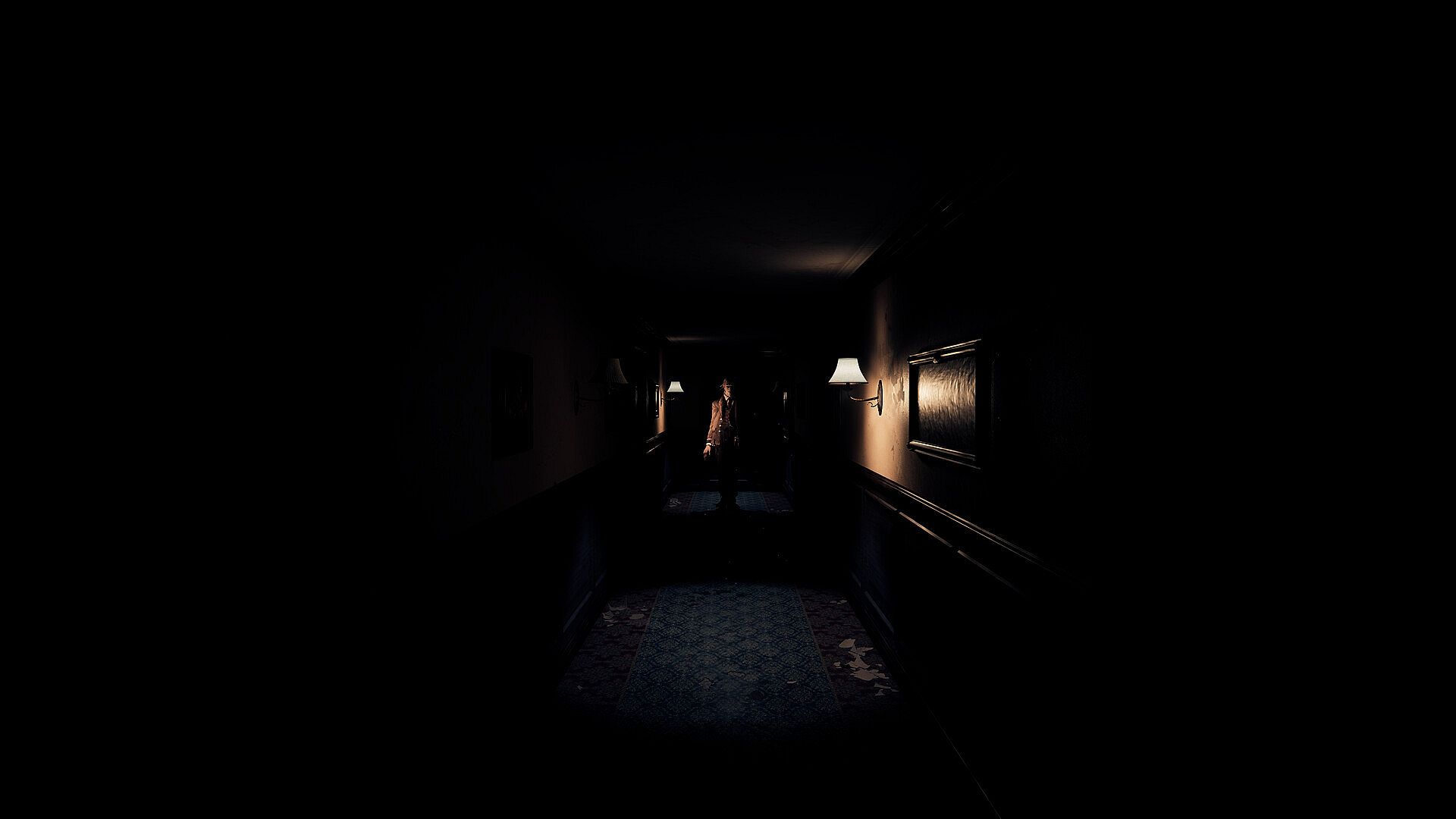
Sound design plays a central role. Positional audio conveys footsteps, distant noises, and the manager's limping gait as he patrols the halls. The manager remains a constant unseen threat, appearing in places the player is not directly observing. Warnings precede dangers, giving attentive players a chance to react before harm occurs. Tension builds through environmental cues rather than frequent sudden scares, with the hotel itself feeling alive through running lights, shifting conditions, and persistent ambient sounds. Headphones enhance the spatial audio that tracks every movement.
Graphics options range from low to ultra presets, with the highest setting enabling ray-traced shadows alongside DLSS or FSR support. Cinematics maintain consistent framing across different screen ratios, including ultrawide displays. Full controller support with rebindable keys accommodates varied input preferences.
Game Modes
Floor 21 operates as a single-player experience with no separate multiplayer or competitive modes. The entire game follows a linear narrative structure built around sequential elevator rides and floor exploration. Progress depends on surviving the rules and threats of each level while uncovering the hotel's backstory through notes, tapes, and environmental details. No alternate game modes or branching campaigns exist beyond the main story path.
Story and Atmosphere
The narrative unfolds through the journalist's perspective as the player pieces together events that led to the hotel's closure in 1972 and the lingering presence of its manager. Cassette recordings and written notes provide fragments of information about past incidents, including references to deaths and accidents mentioned only in narration. The setting emphasizes isolation within a once-grand building that now operates under its own cryptic logic. Dread accumulates from the combination of restricted movement, auditory cues, and the knowledge that the manager is always nearby yet never directly in view.
Is It Worth Playing?
Floor 21 targets players who prefer atmospheric, single-player horror focused on tension, sound design, and rule-based survival rather than action or frequent jump scares. Its emphasis on learning floor-specific rules and managing limited tools creates a deliberate pace suited to those who enjoy careful observation and audio immersion. The game remains in a pre-release state with no user reviews or completed play sessions available yet. Those drawn to psychological horror in confined environments with strong environmental storytelling may find the described mechanics appealing once it launches on PC. Availability will be limited to the Steam platform upon release.












