

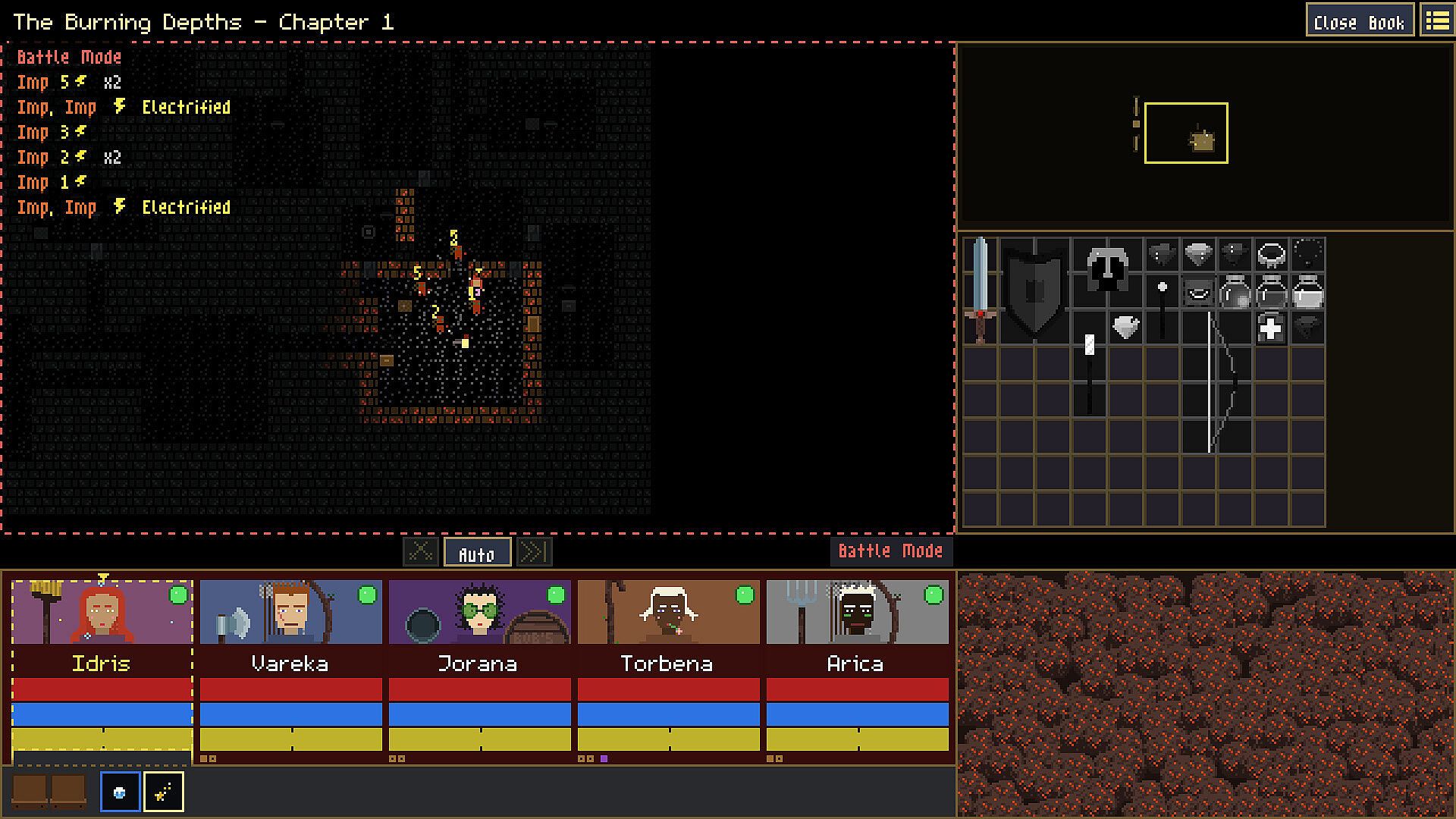
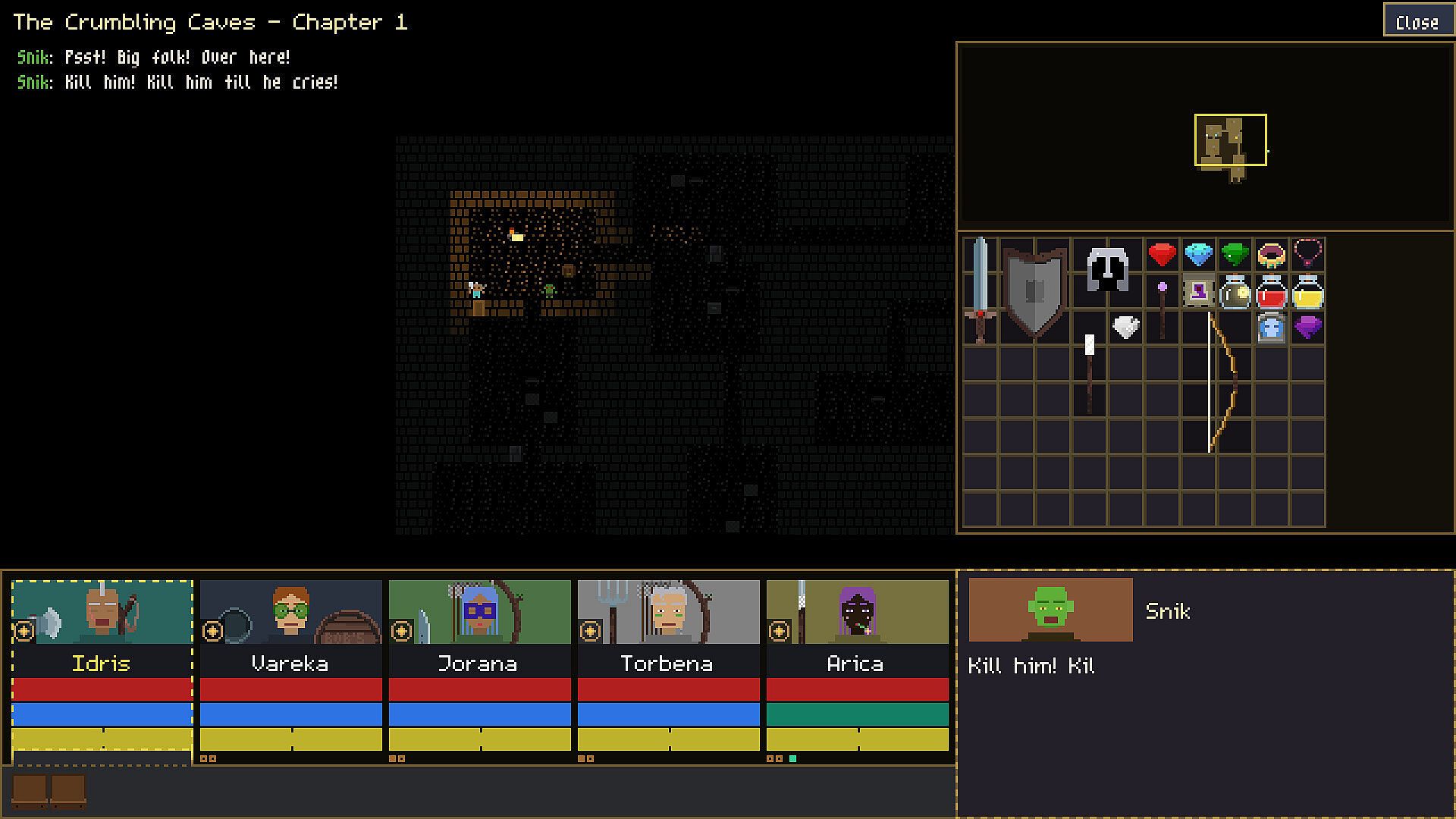
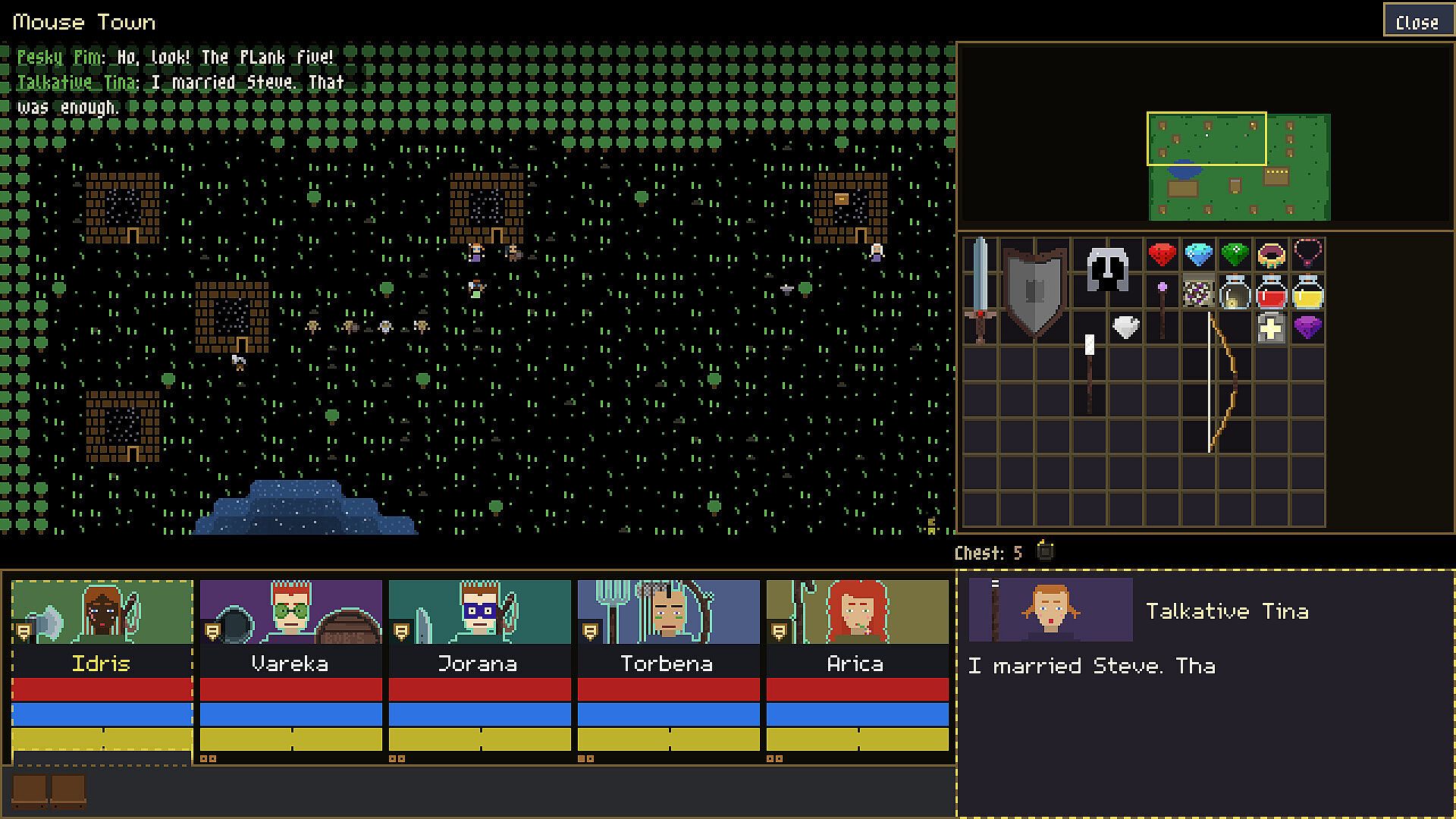
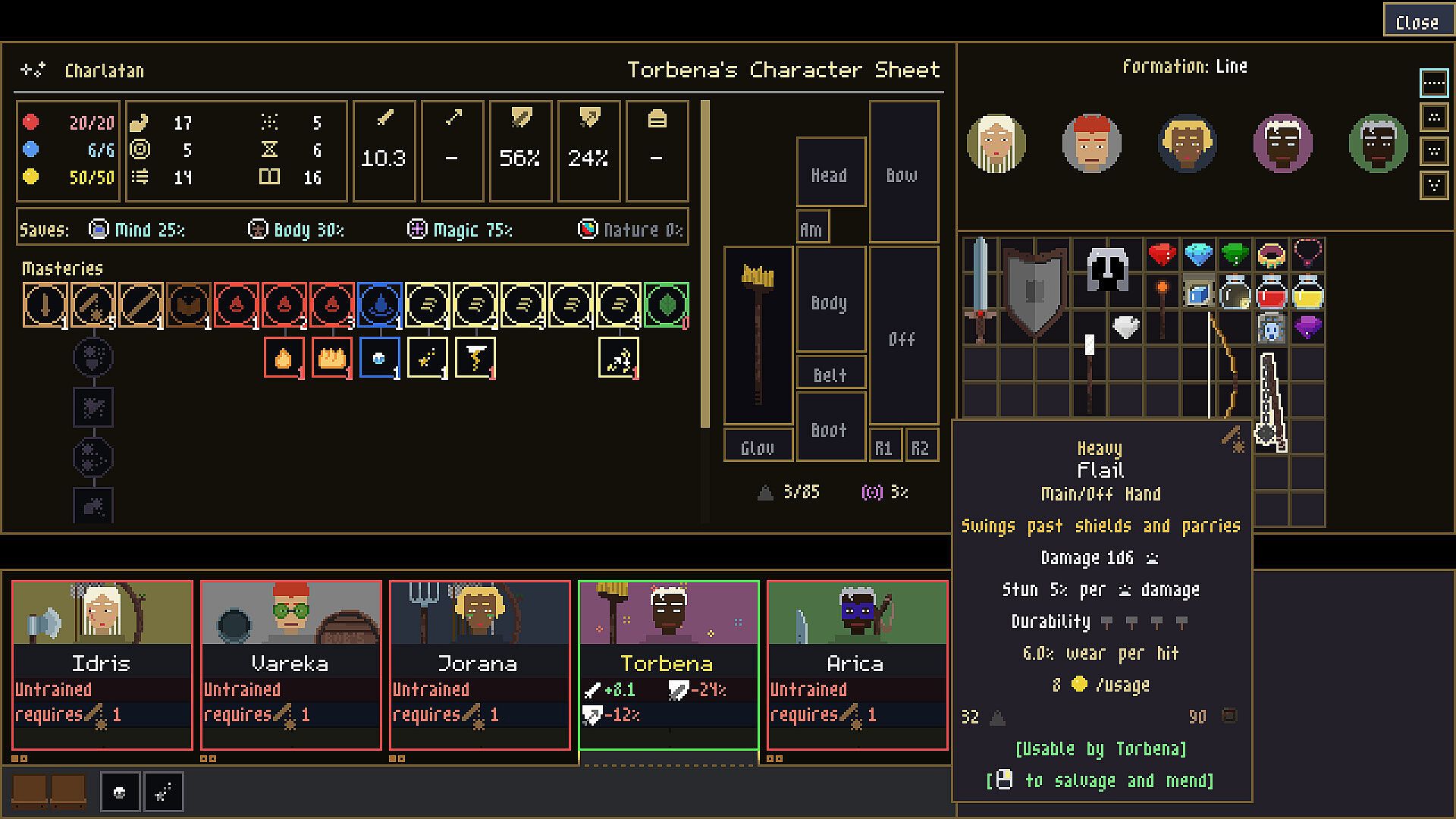
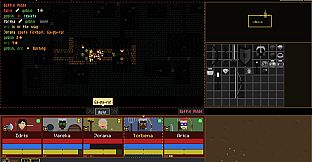
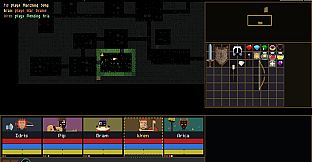
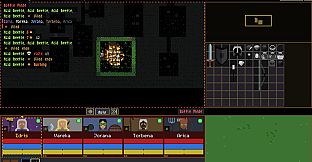
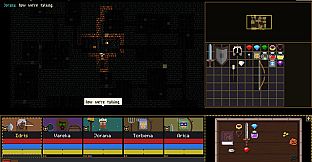
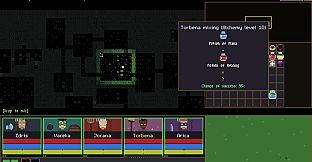
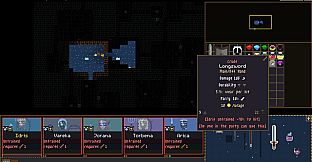
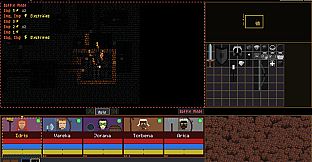
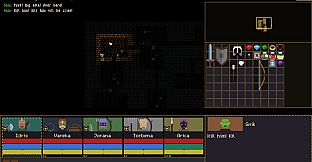
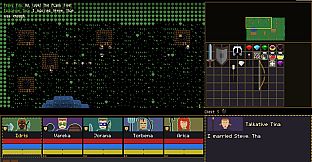
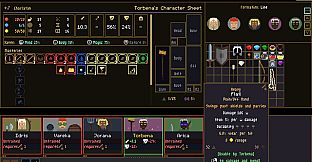
Honor, Power & SHLANKs is a turn-based party roguelike that blends strategy, indie design, RPG progression, and adventure elements on PC. Players guide a group of five orphans through dangerous dungeons filled with reactive environments and memorable encounters.
Gameplay
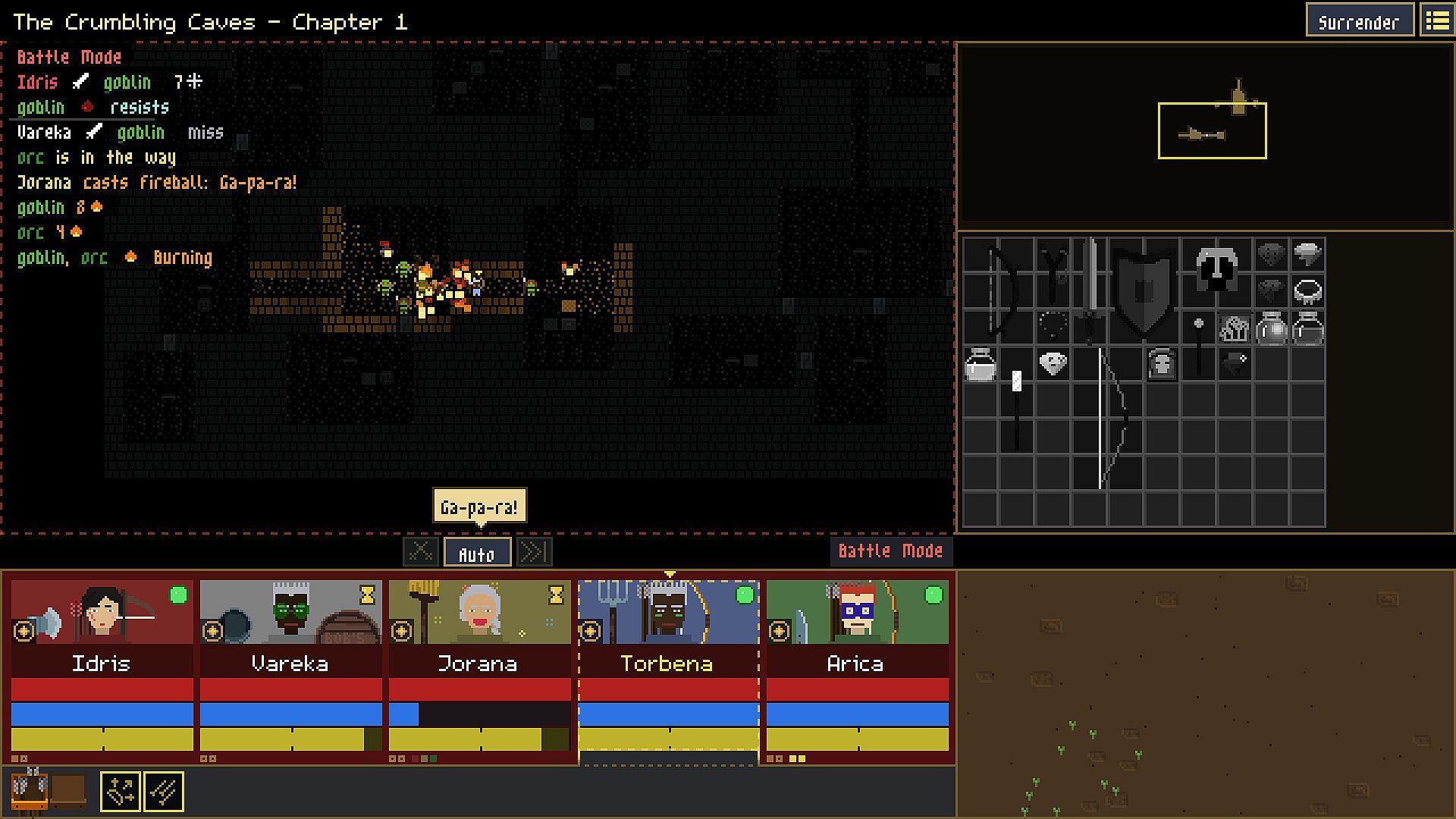
The core loop centers on managing a party of five characters who begin as basic archetypes such as Thug, Doorman, Poacher, Cutpurse, Charlatan, Shepherd, Beggar, or Starving Musician. Each run starts with limited equipment and skills that improve through training and guild recognition during expeditions. Combat proceeds with one action per round per character, where every attack or ability drains stamina, making heavy weapons powerful but exhausting to wield repeatedly.
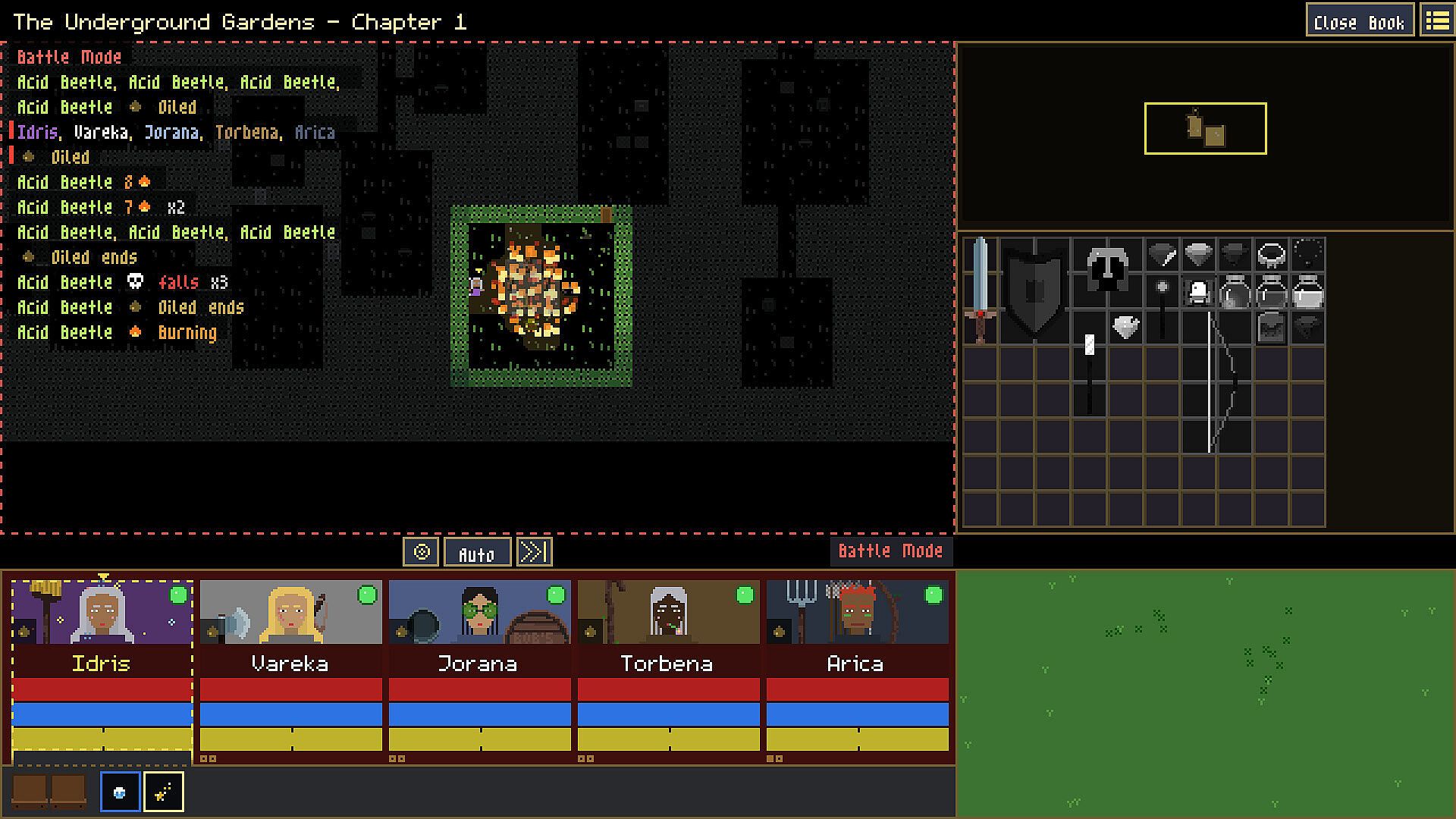
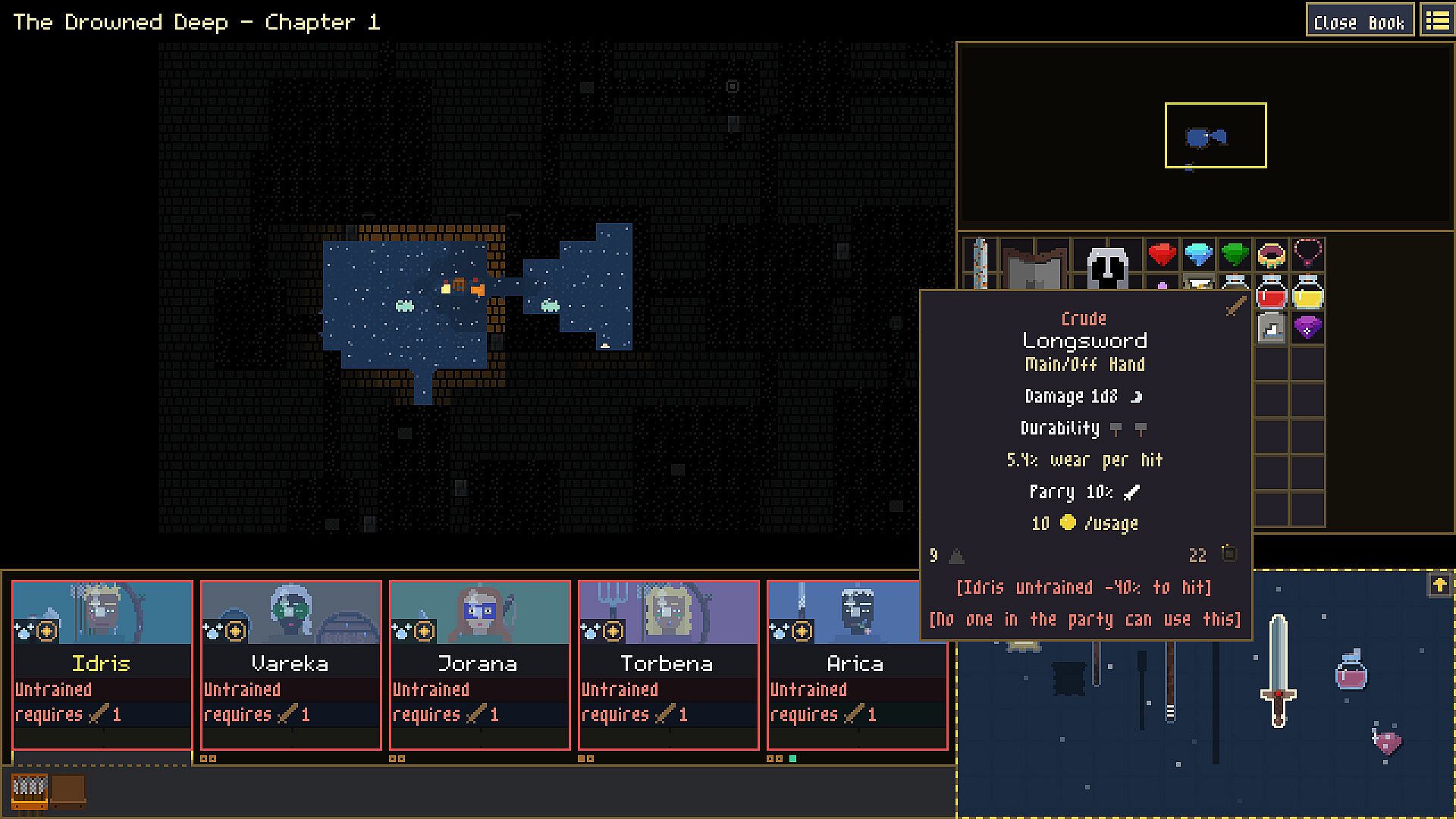
Environmental interactions define many encounters. Oil spills can be ignited to damage foes and allies alike, water conducts lightning spells that risk hitting the entire party if they stand in flooded areas, and fire spreads across surfaces while burning carried gear. Freezing water creates temporary paths, and physical impacts send crates flying or cause blood to stain floors. These systems apply equally to enemies and the player's group, encouraging careful positioning and timing.
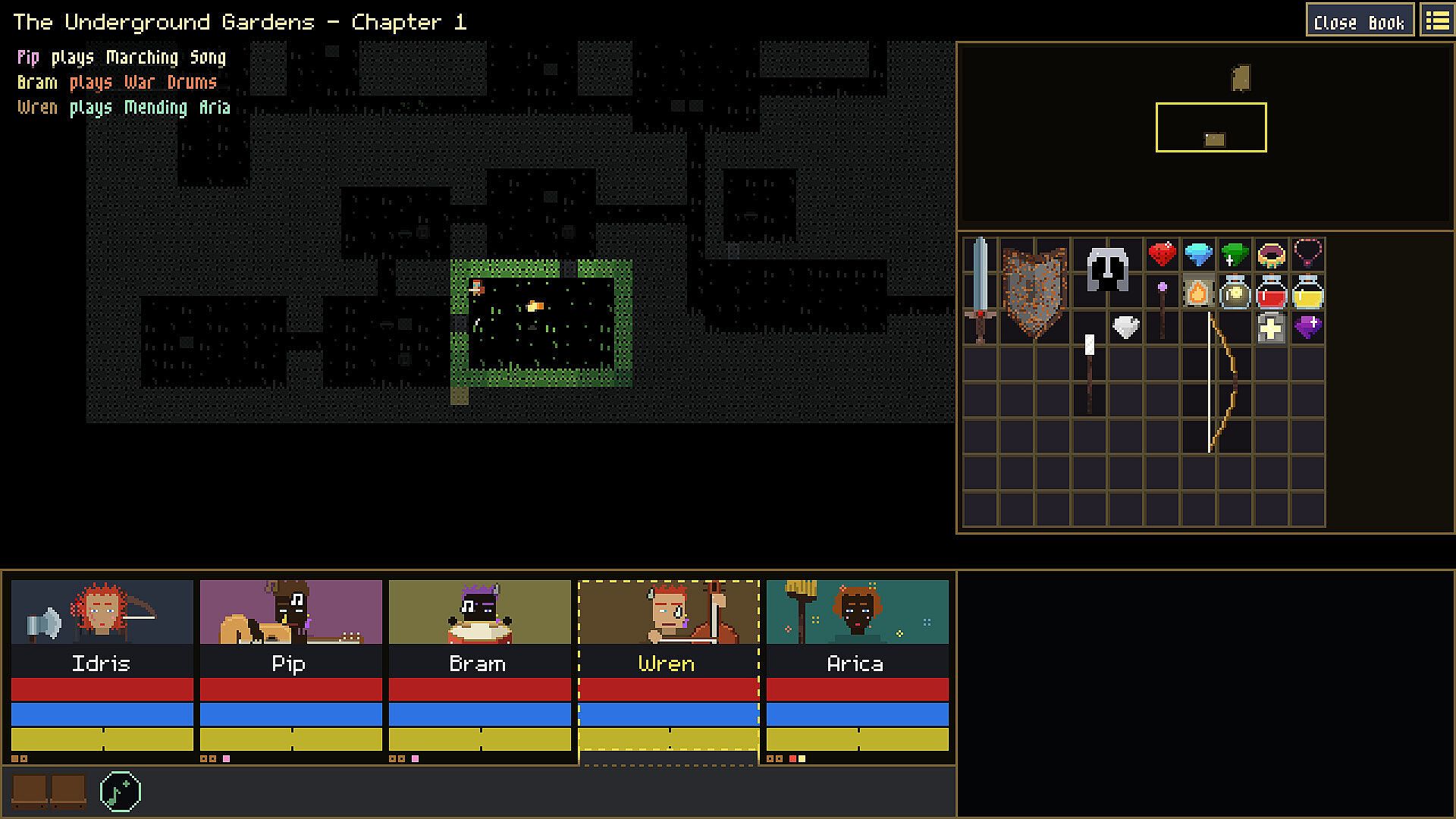
Party formation determines targeting priority, with front-line members absorbing more damage. Spells draw from fire, water, air, earth, faith, and darkness schools, supplemented by weapon-specific arts. Characters converse during travel, expressing complaints, grief over fallen companions, or irreverent remarks that occasionally provoke divine responses. The Starving Musician class adds instruments that can harmonize when multiple musicians join the group.
Game Modes
The game operates as a single-player roguelike experience built around repeated dungeon runs. Each attempt involves leading a fresh party of five orphans into procedurally influenced adventures that feature short narrative parables with multiple possible outcomes. These vignettes range from odd monster requests to trapped souls offering commentary, and they integrate into the larger goal of collecting artifacts, defeating ruling monsters, and gathering SHLANKs along with related items for survival needs.
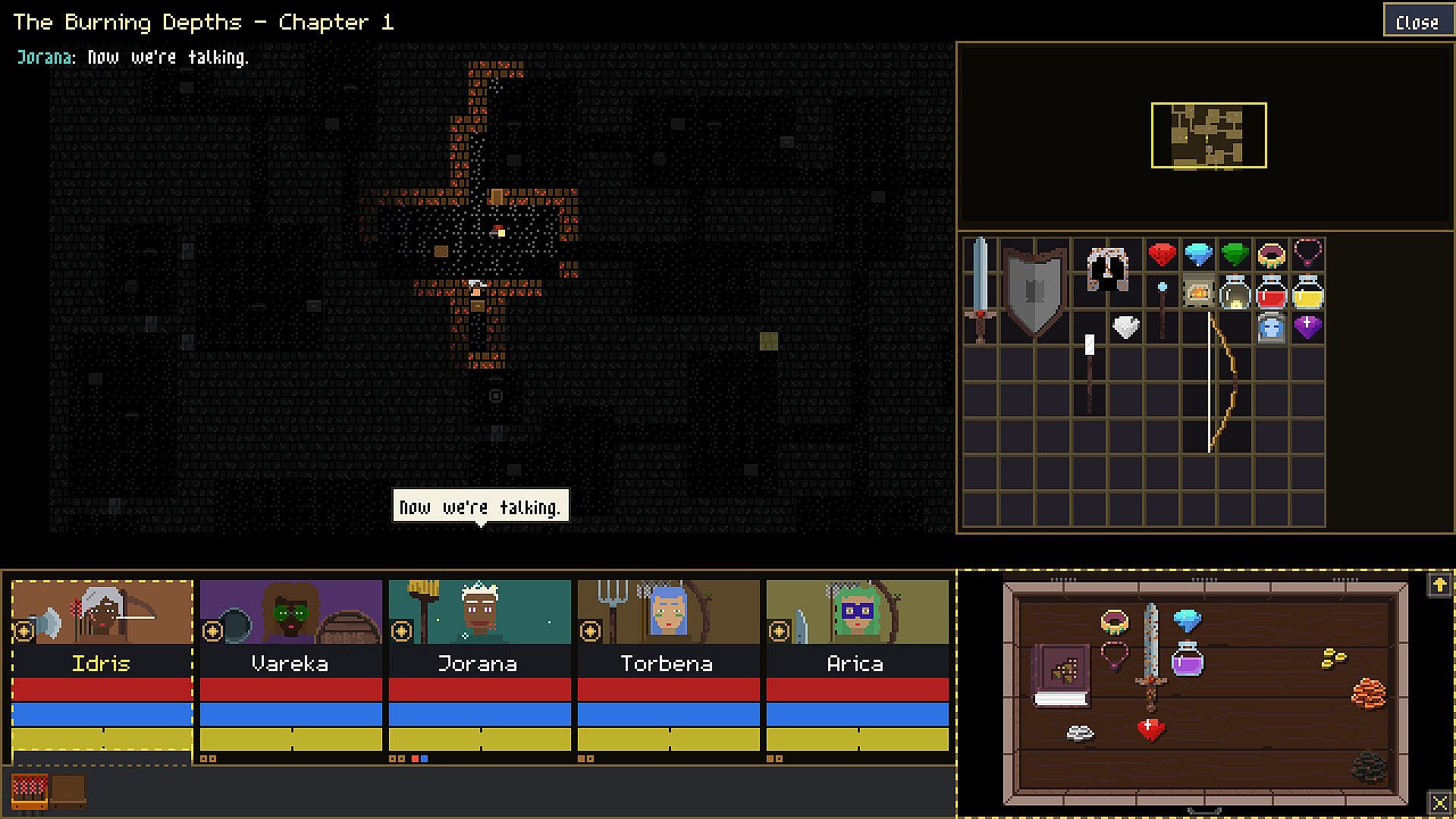
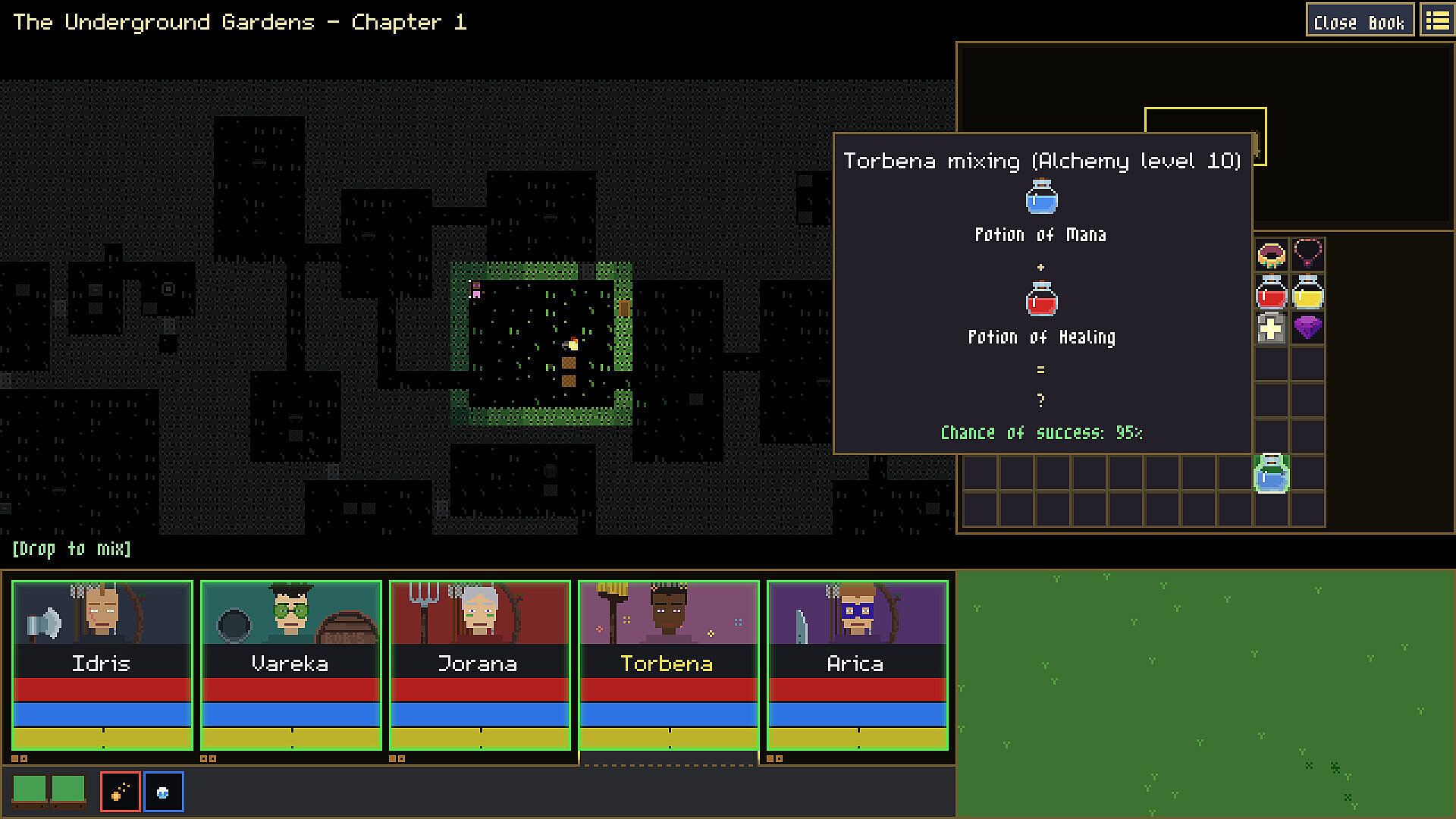
Permadeath forms the central structure. When a party falls, their names enter a memorial hall called The Fallen, after which a new group of orphans begins the next run. Exploration emphasizes discovery of hidden doors, pressure plates, buried items, and deceptive containers that may attack. Monsters respond to sight, sound, and scent, allowing stealth as a viable approach in suitable situations. Inventory management includes combining potions and retrieving dropped items from flooded spaces.
World and Interactions
Dungeons present a reactive setting where physics and elements create chain reactions. Blood lingers on surfaces, metal corrodes over time, and objects respond realistically to force. Some weapons possess personalities that comment on combat performance, party decisions, and companion actions. Secrets and traps reward observation, such as lifting stones to reveal hidden creatures or navigating rooms that flood upon entry.
Progress ties into three currencies: Honor from returning artifacts to a museum, Power from eliminating key monsters, and SHLANKs plus variants for basic sustenance. These elements tie directly into the roguelike loop without additional layers of meta-progression beyond the memorial system.
Is It Worth Playing?
The game remains in development with a coming-soon status on its primary distribution platform and no released version available for play. Its detailed environmental systems, party banter, and reactive combat distinguish it within the turn-based roguelike genre for players who enjoy tactical positioning, elemental puzzles, and narrative vignettes alongside permadeath runs. Those drawn to strategy RPGs with strong simulation elements and single-player focus may find the described mechanics appealing once it launches, particularly if they value careful resource and formation management over faster-paced action.