

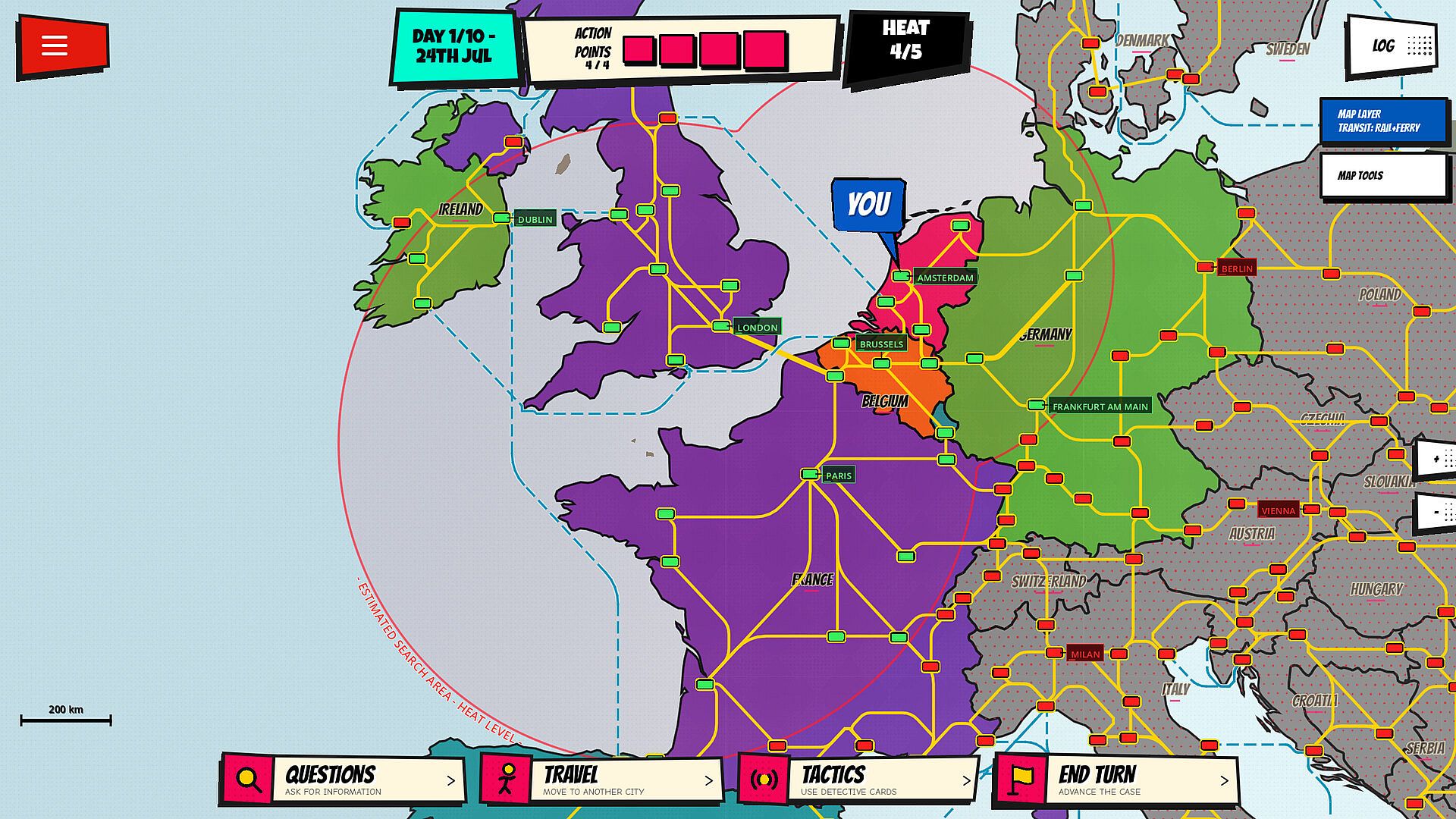
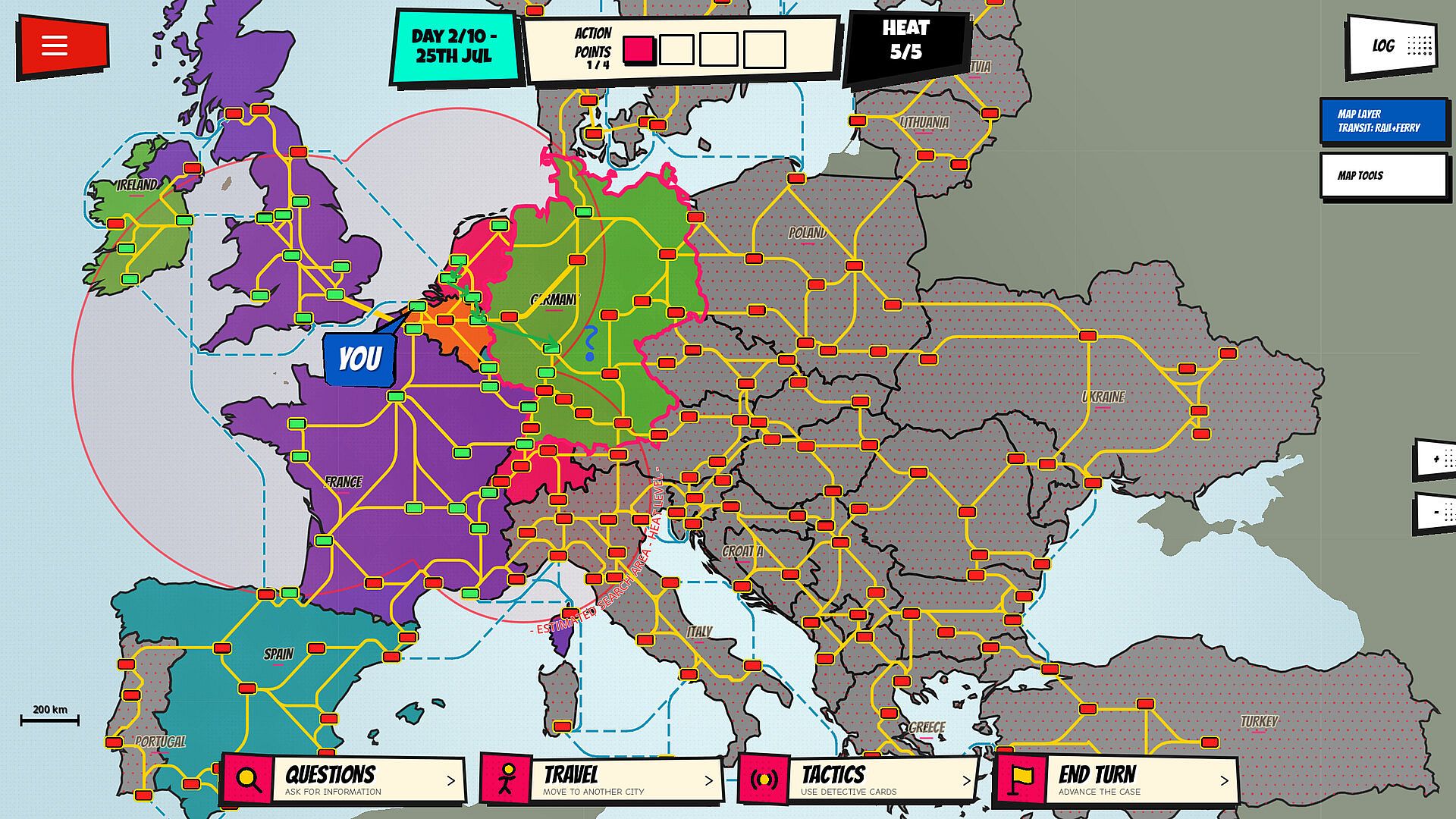
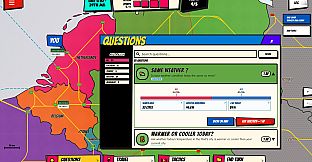
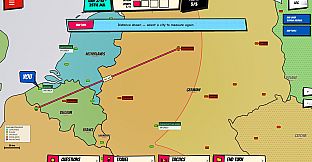
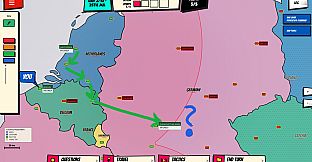
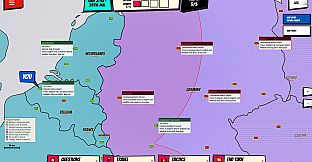
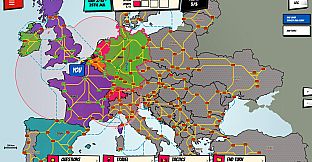
Kaartel is a single-player strategy game set across a map of Europe. Players take on the role of a detective pursuing ordinary thieves who belong to a shadowy organization known as Kaartel. The core loop revolves around gathering information through targeted questions, repositioning on the map, and deploying tactical restrictions to narrow down and eventually capture a moving suspect.
Gameplay
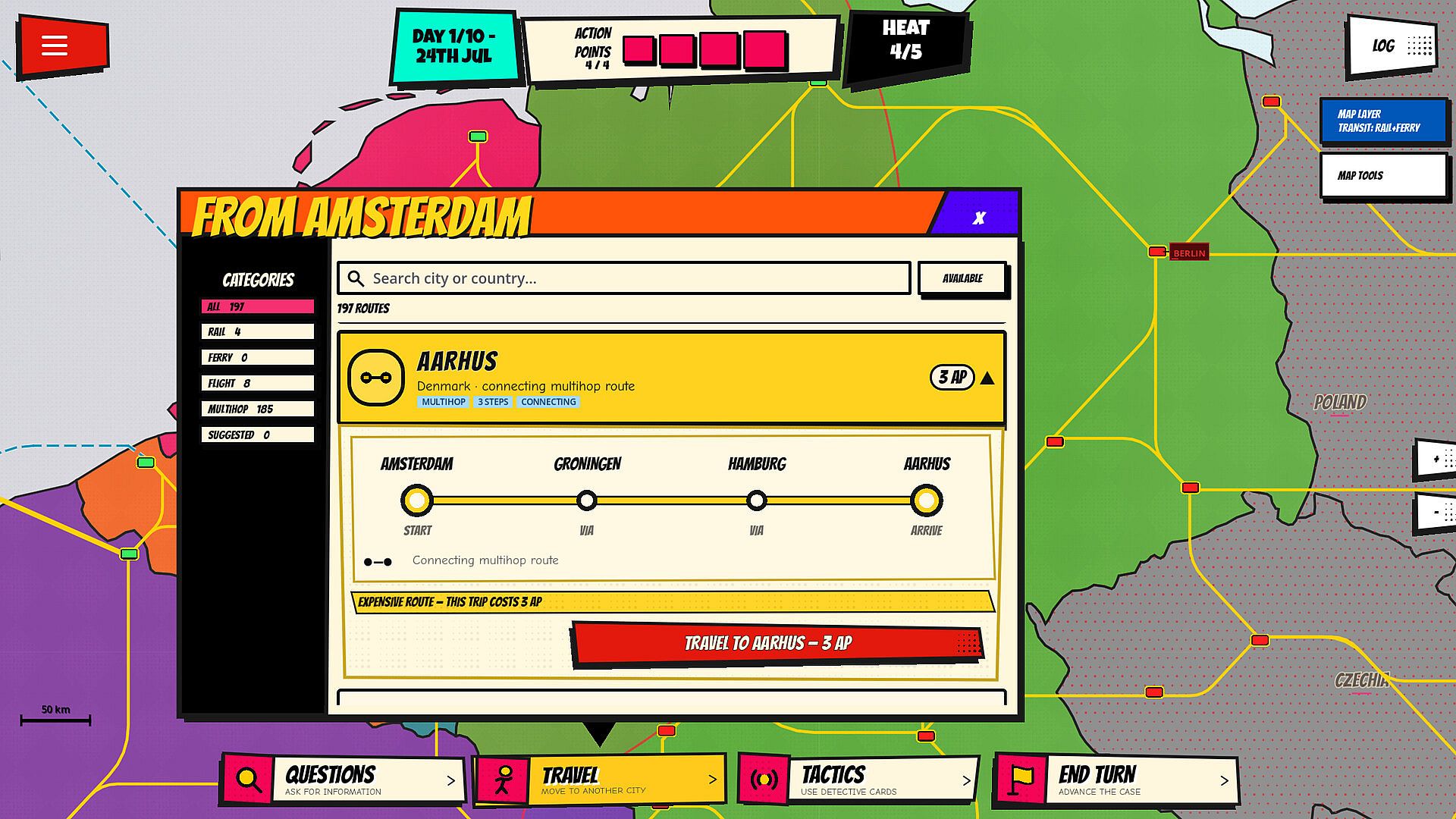
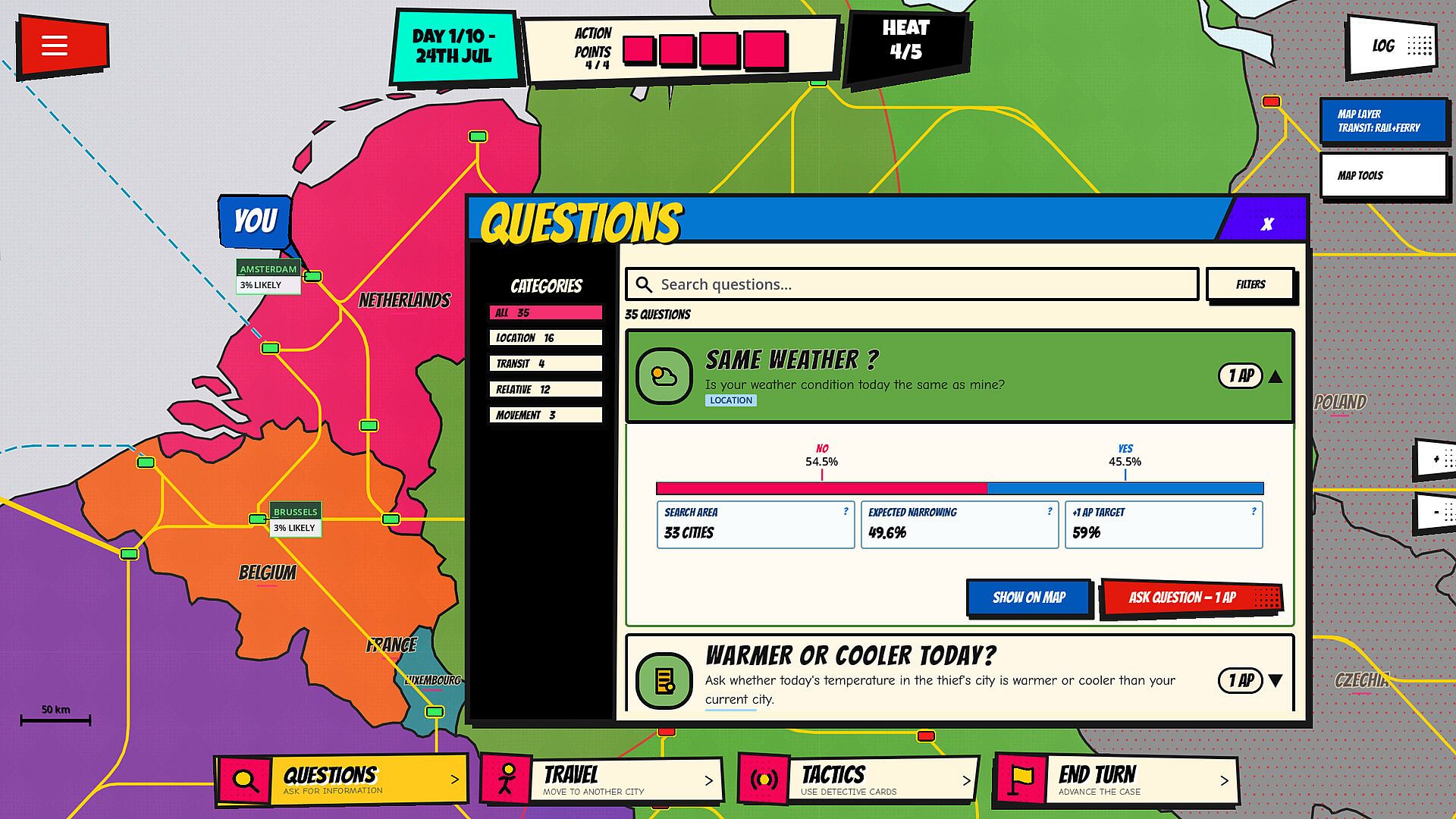
The experience centers on deduction and resource management. Each turn provides a limited pool of action points that must be allocated among questioning the suspect, traveling between cities, placing blocks to limit movement options, or attempting an arrest. Questions are always relative to the detective's current location, so answers about direction, proximity to coasts, currency zones, or weather conditions shift as the player relocates. The suspect advances after every player turn, rendering old information obsolete and forcing constant reassessment of the board state.
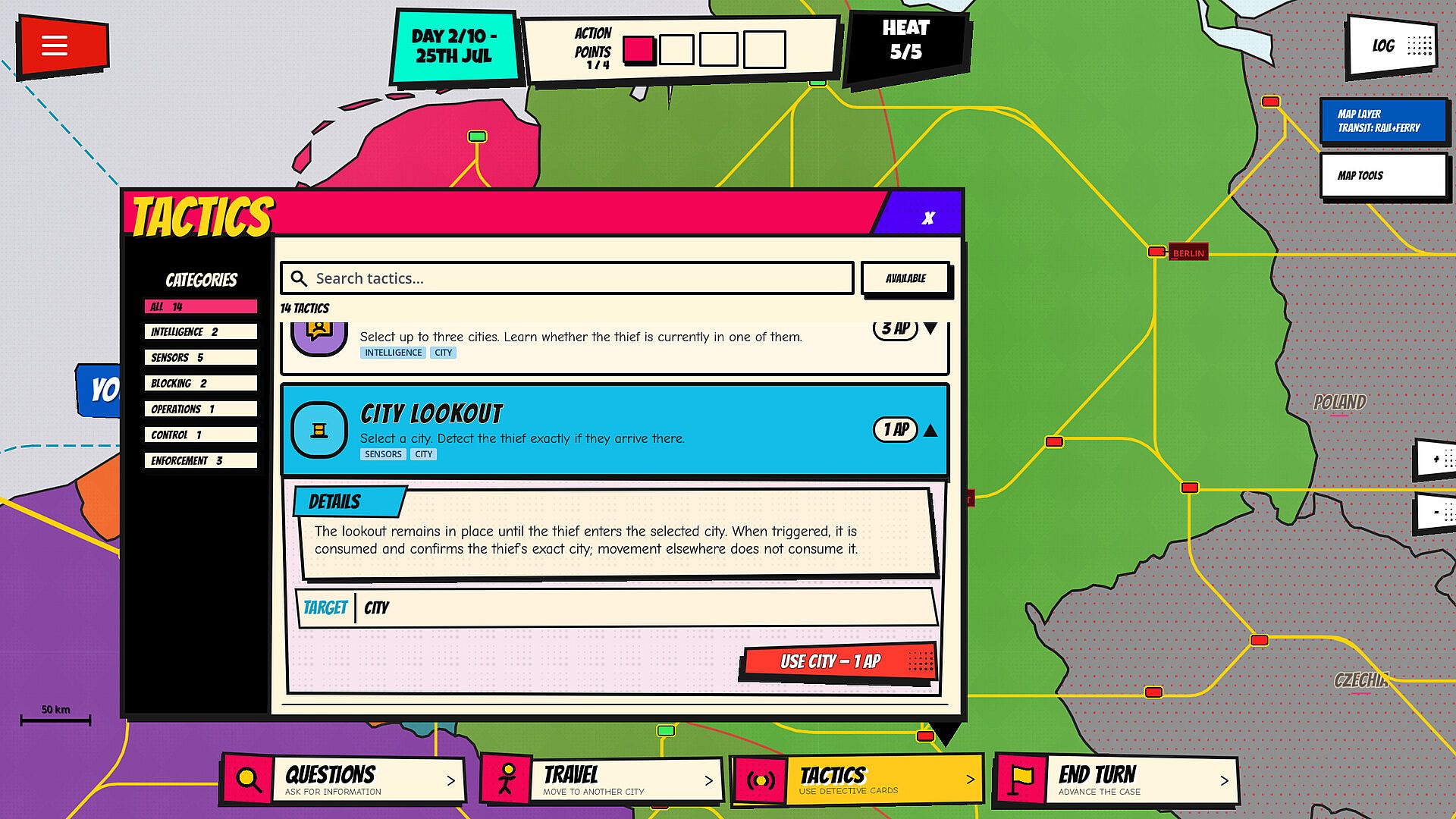
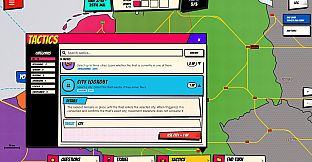
Traveling opens new lines of inquiry but consumes points that could otherwise eliminate possibilities. Tactical blocks serve as proactive tools to seal off escape routes and funnel the target toward intercept points. An arrest action commits the player to a final deduction, succeeding only when the accumulated evidence points to the correct location. The ordinary nature of the criminals adds flavor through distinct personalities and small tricks that influence how each case unfolds, yet the underlying systems remain consistent: efficient use of limited actions and adaptive positioning.
Game Modes
Kaartel offers a single core experience built around the pursuit of individual suspects. Each case presents its own starting conditions and suspect behaviors, but the fundamental rules of questioning, movement, tactics, and arrest stay the same. There are no separate competitive or cooperative variants; the focus remains on solo play against the hidden-movement AI opponent. Variety comes from the different European locations, the relative nature of the questions, and the personality-driven details of each thief rather than from distinct modes.
Core Mechanics and Systems
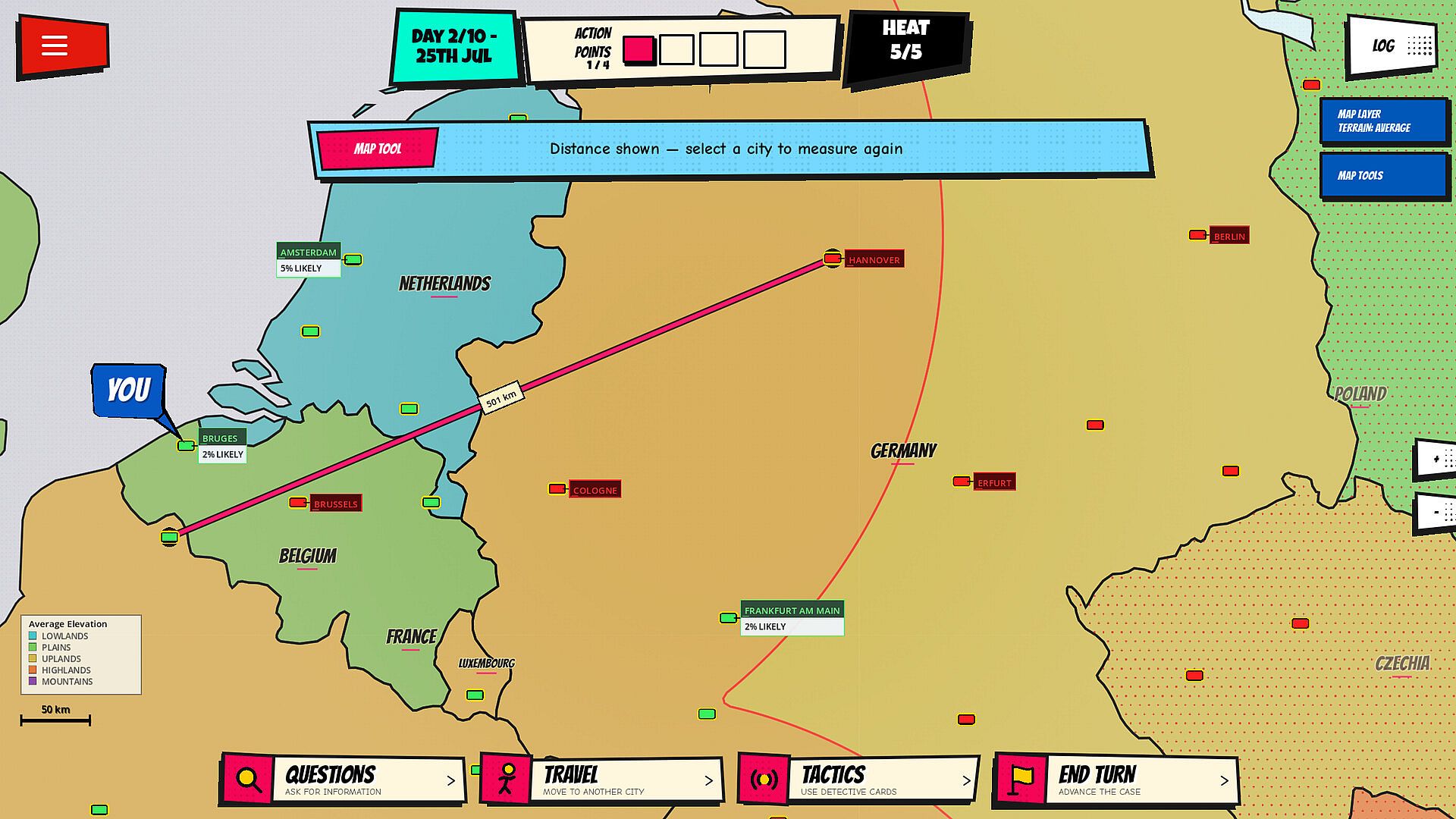
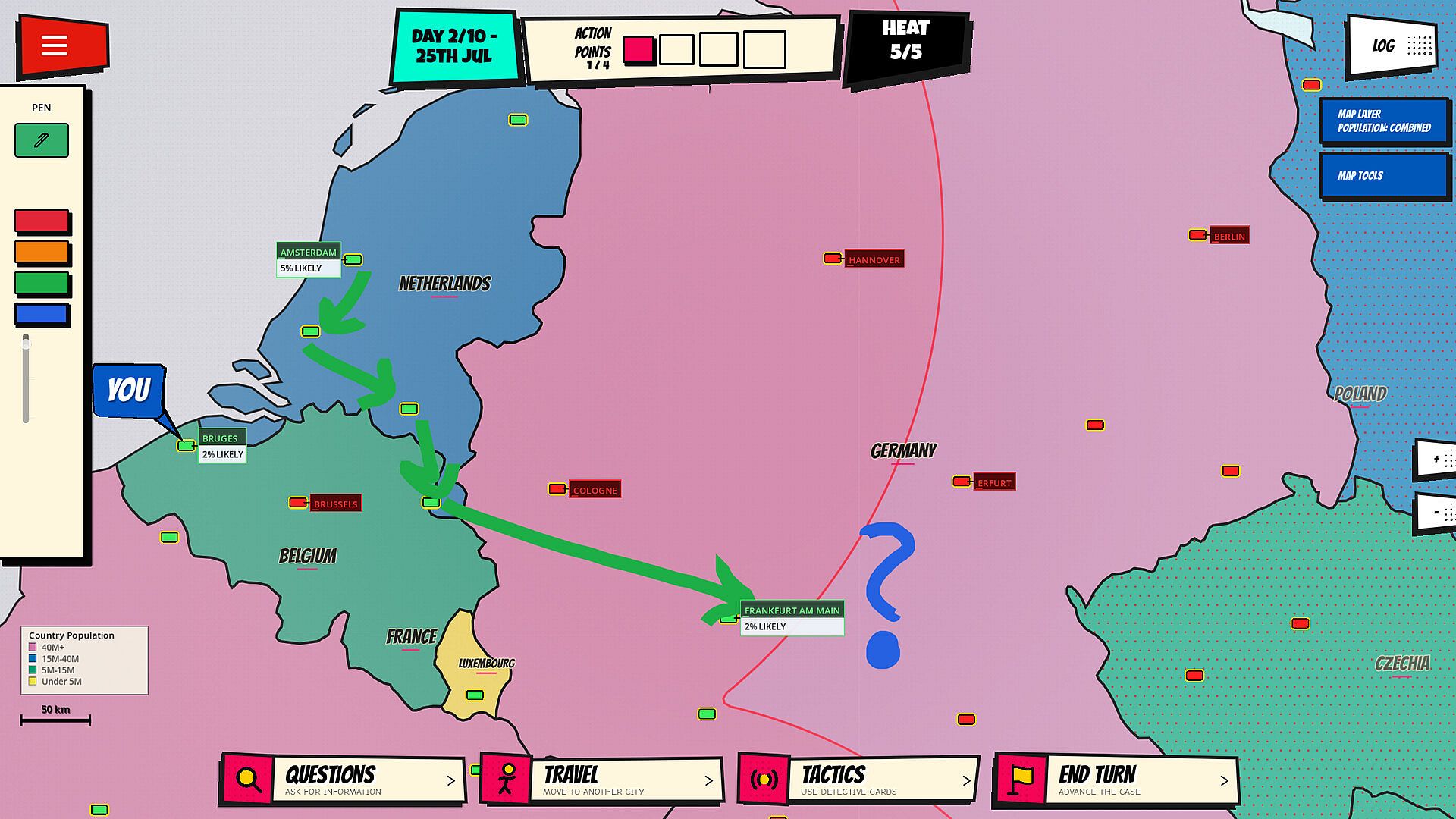
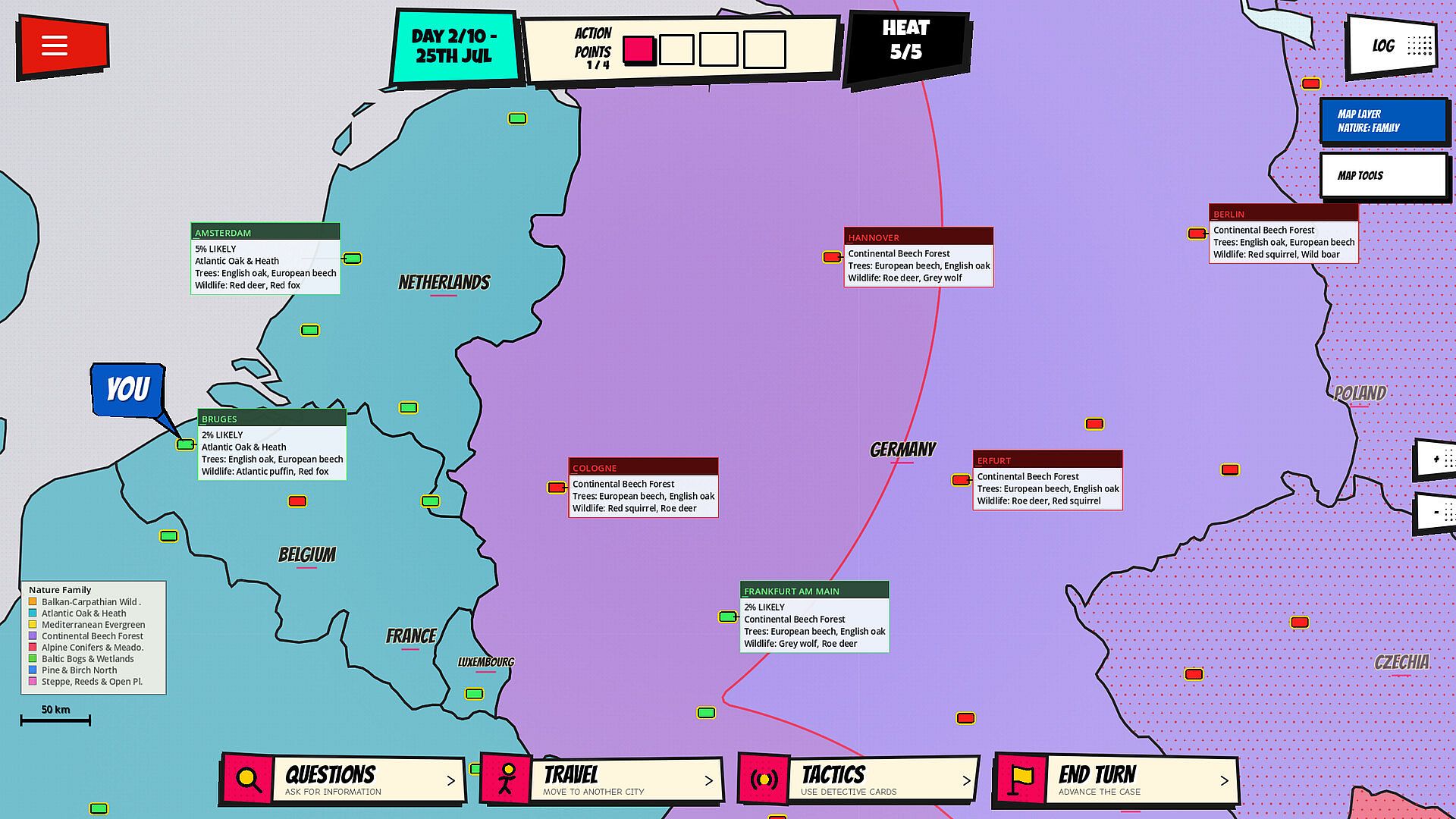
Action points form the central constraint. Players must decide every turn whether to spend points on information gathering, repositioning, disruption, or closure. The map itself functions as both playing field and information source, with cities and regions providing context for relative questions. Because the suspect moves after each turn, the game rewards forward planning and the willingness to discard outdated leads. Tactical blocks add a layer of area denial that can force the target into predictable corridors without requiring direct confrontation until the final arrest.
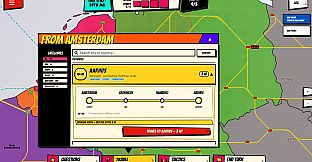
The suspects themselves are everyday figures whose crimes stem from common frustrations rather than grand schemes. This keeps the narrative grounded while still delivering distinct cases through unique tricks and case files. The organization behind them enforces a consistent rule set: answers remain truthful, and movement occurs only via public transport, which indirectly shapes possible routes across the continent.
Is It Worth Playing?
Kaartel suits players who enjoy deduction-heavy strategy titles that emphasize careful resource allocation and adaptive thinking over fast reflexes or large-scale battles. The hidden-movement element creates tension through uncertainty, while the action-point economy ensures every decision carries weight. Because the game is not yet released, concrete player reception data does not exist. Those drawn to games that reward precise questioning and map awareness will likely find the systems engaging once it becomes available. The single-player focus means it delivers its full experience without requiring additional players or online connectivity.