


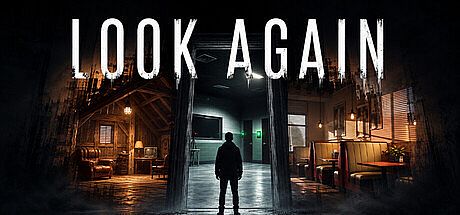


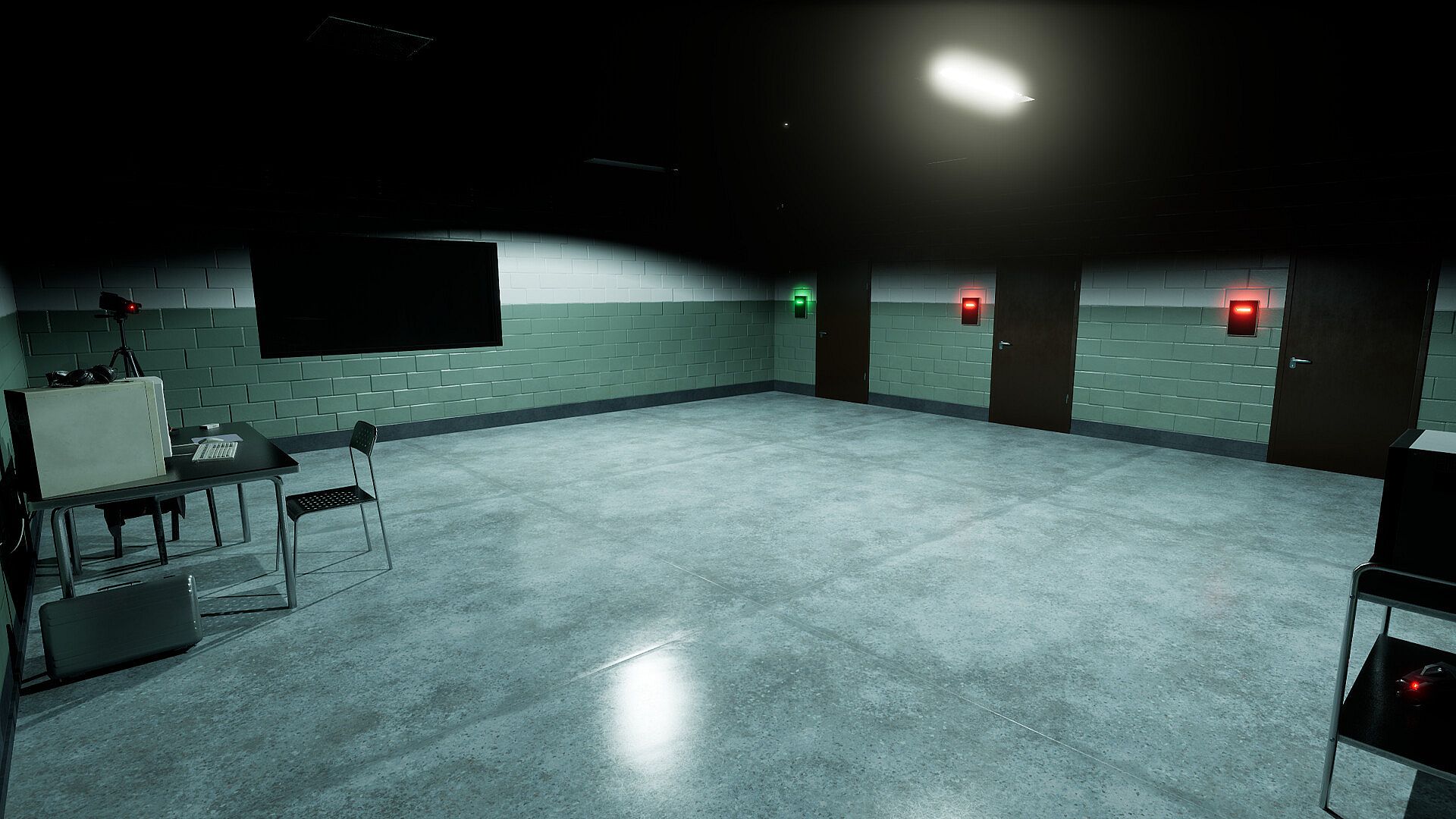
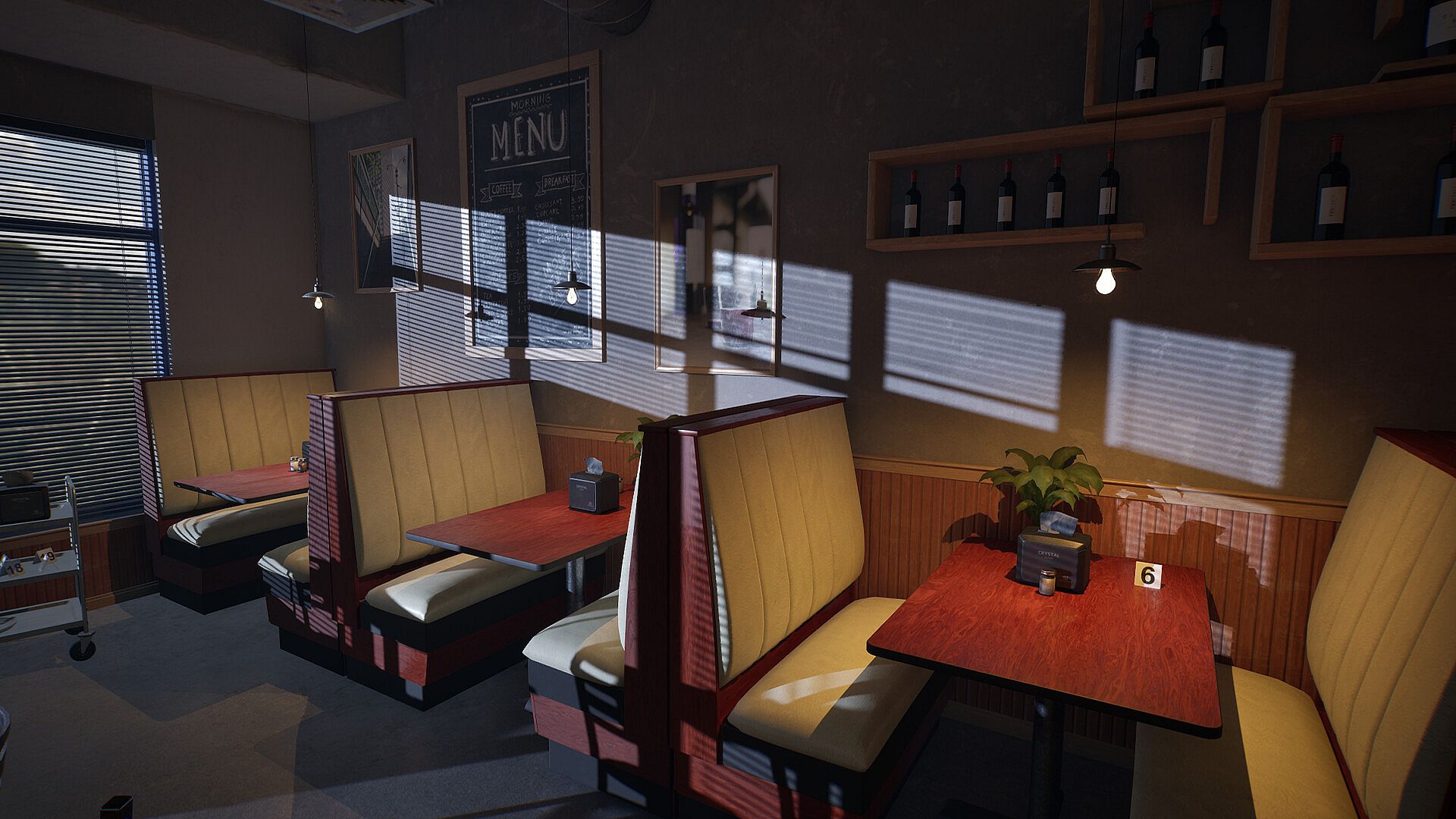
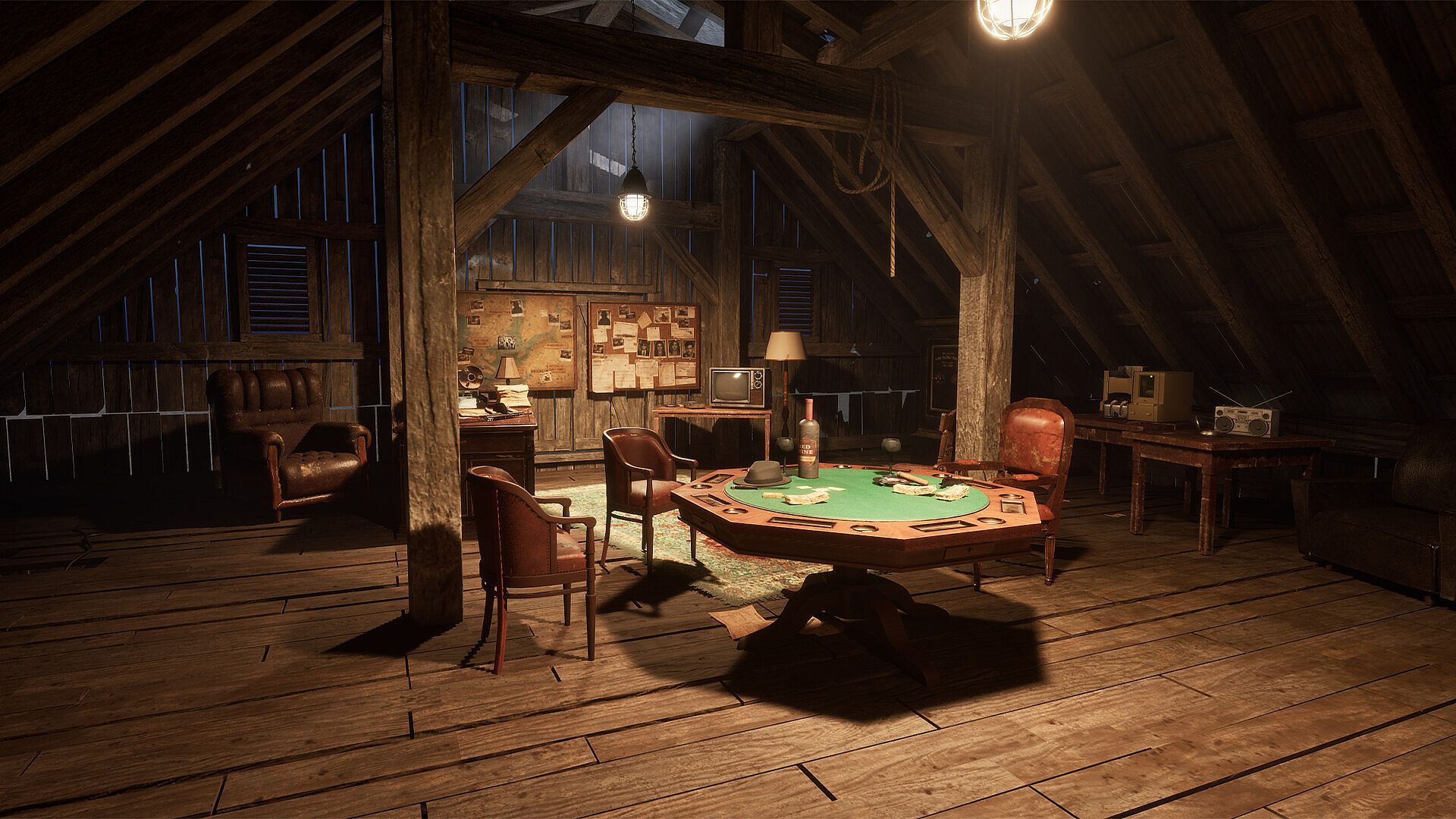
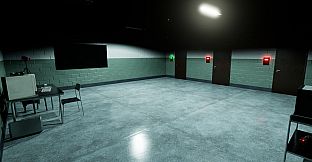

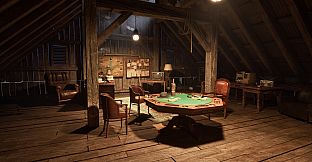
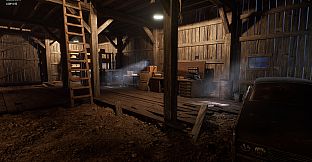
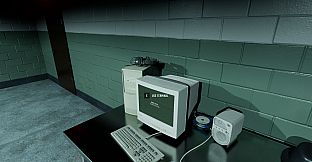
Look Again: The Anomaly Assessment is a single-player first-person psychological horror game built around careful observation and memory. Players take on the role of a candidate applying to become a Field Observer for the secretive organization ORRIVEX. The experience centers on three separate assessments that test the ability to detect subtle changes in familiar environments while managing doubt about what is real.
Gameplay
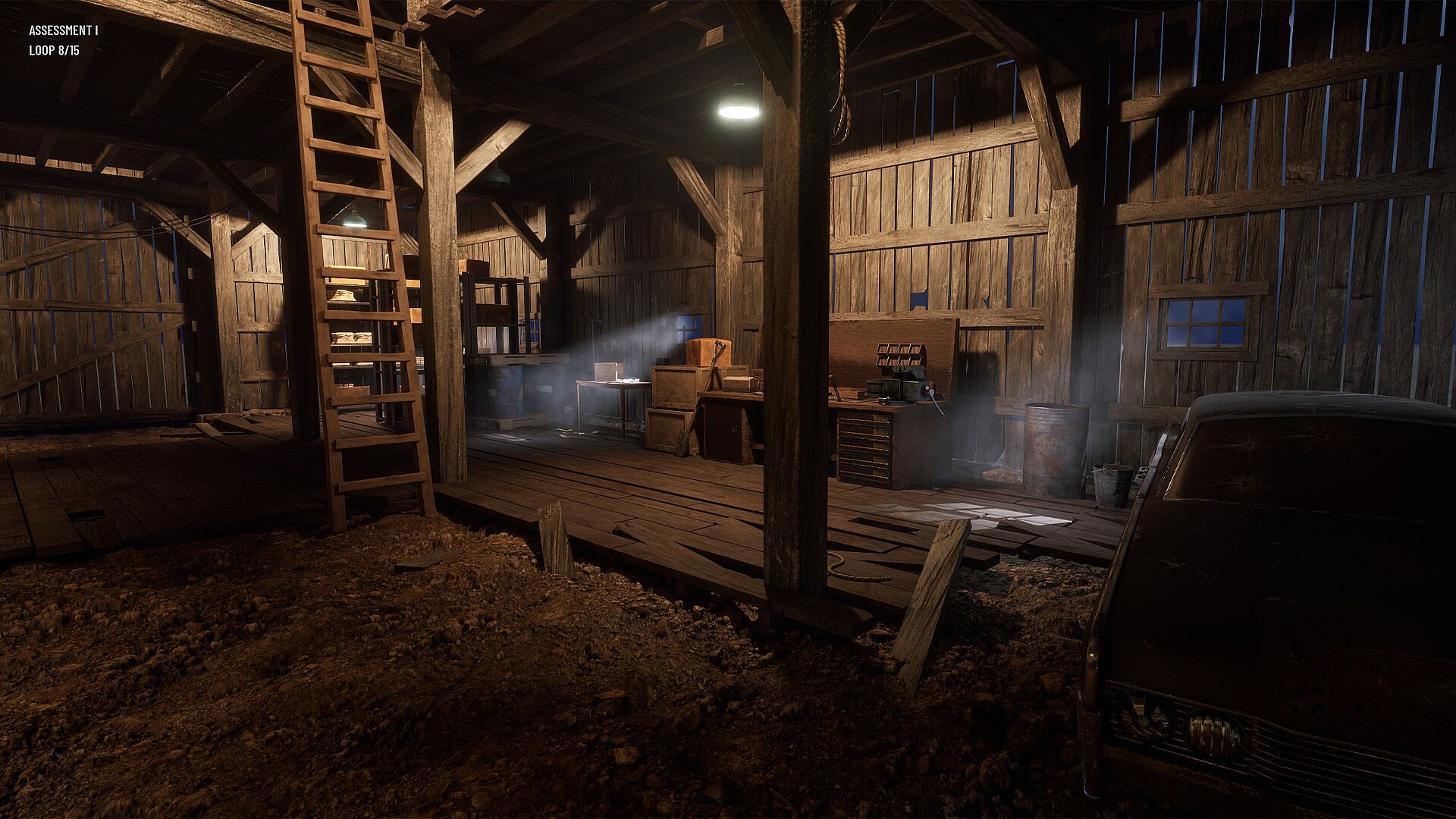
The core loop requires studying each location during an initial visit to memorize its normal state. Subsequent returns introduce potential visual or audio discrepancies, such as missing objects, altered details, or sounds originating from unexpected sources. Players examine the space without any time pressure, listening and looking closely before deciding whether an anomaly exists.
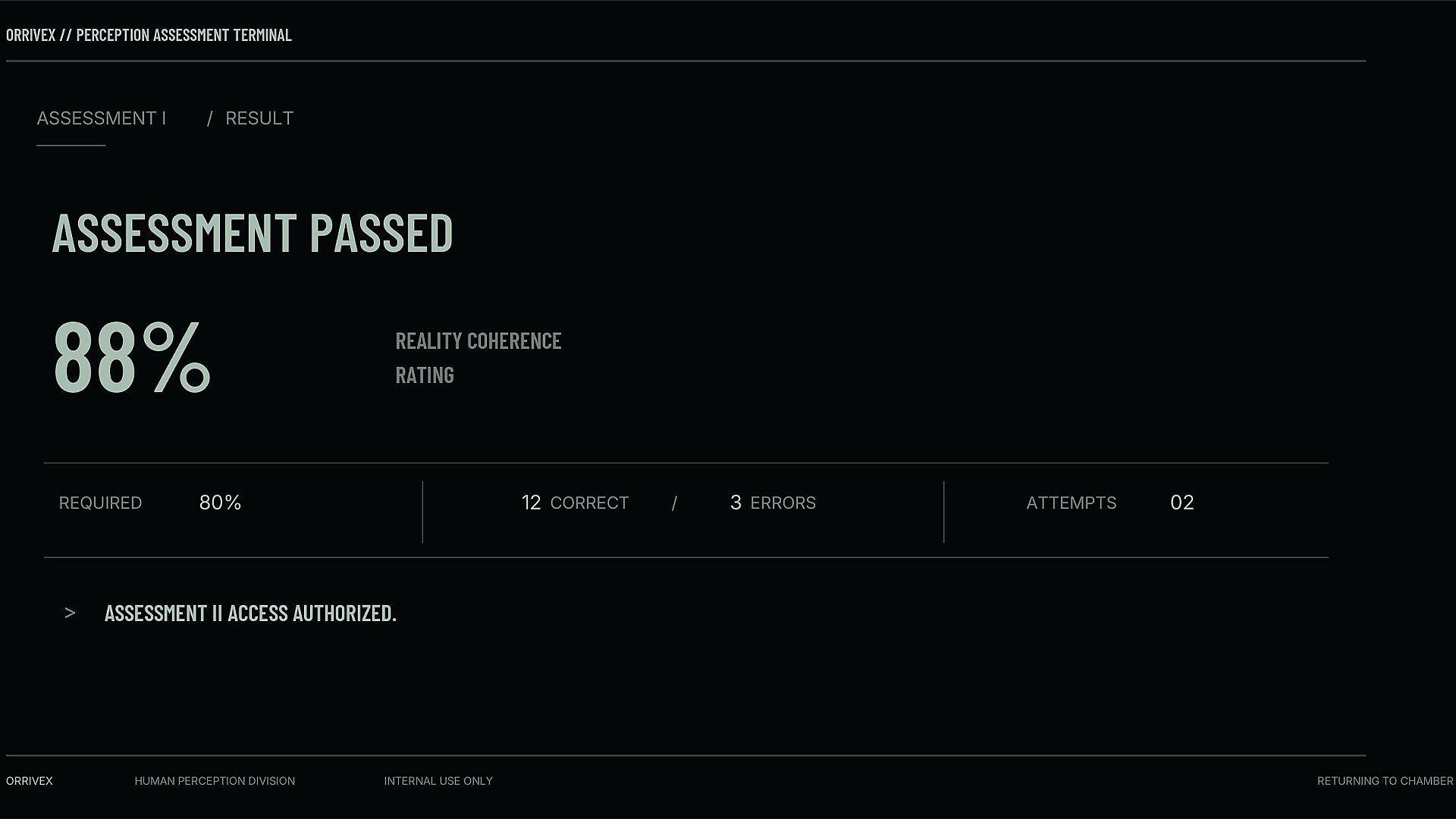
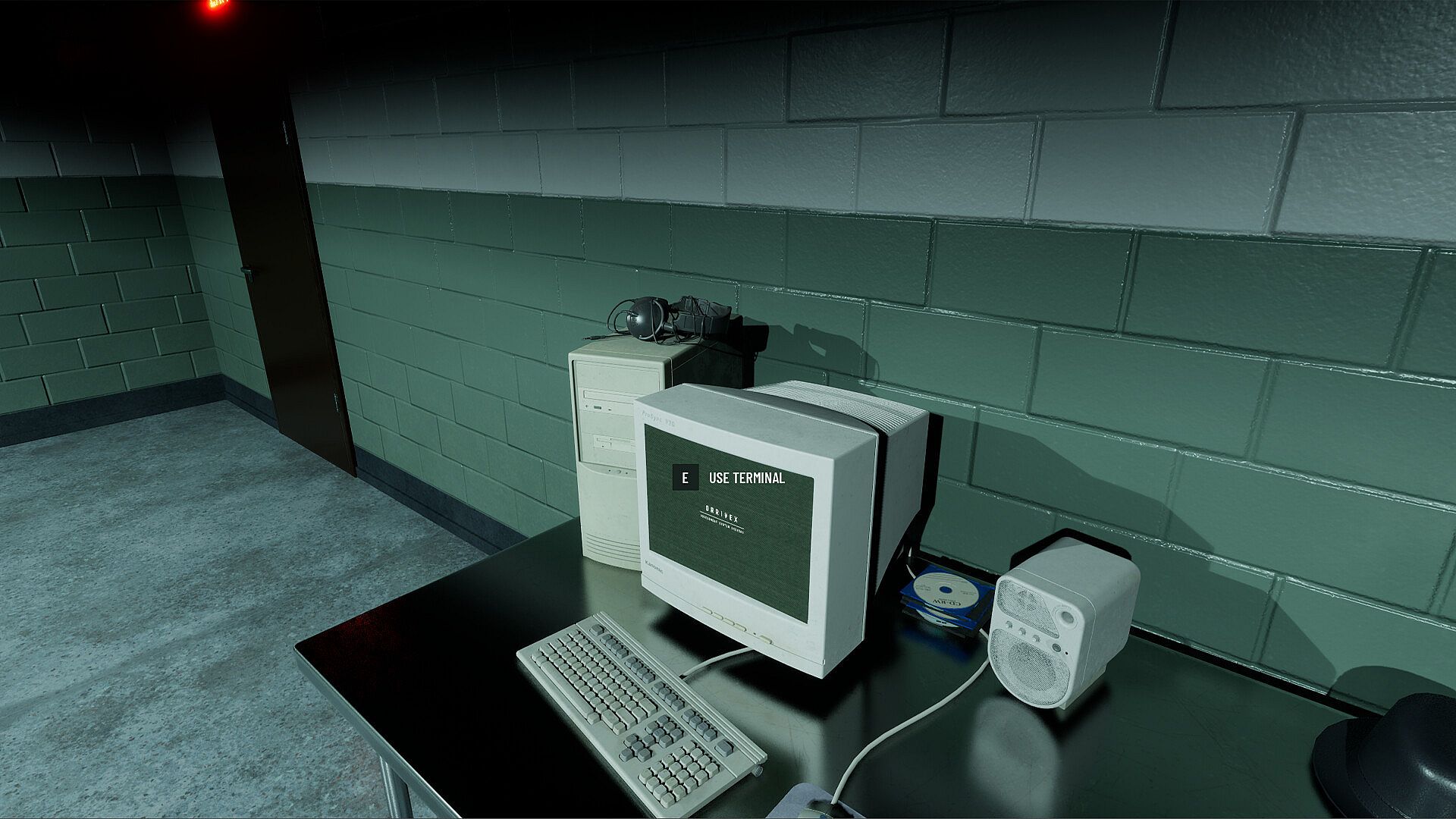
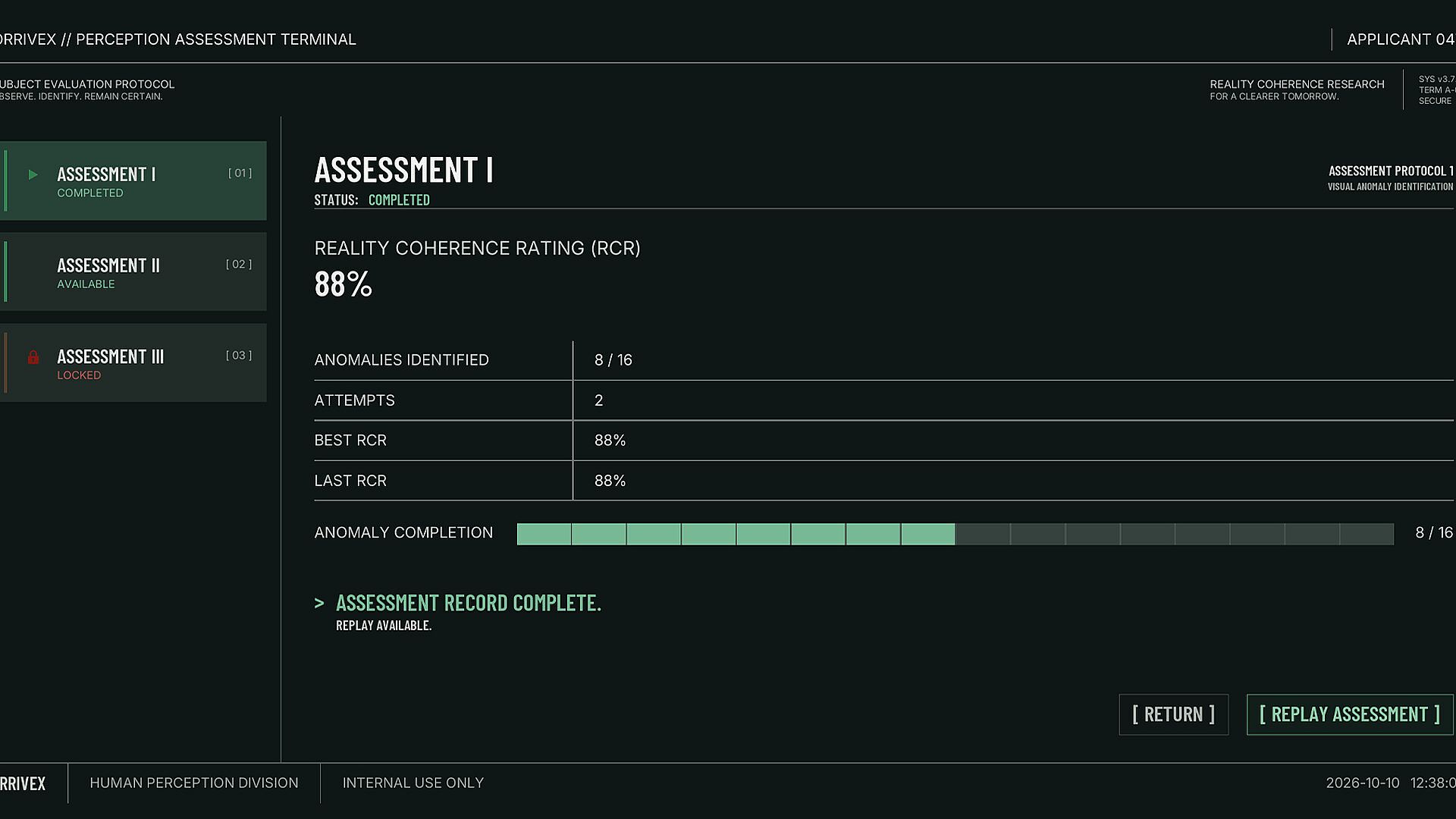
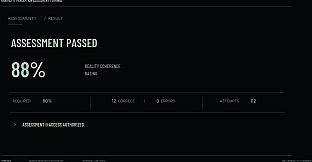
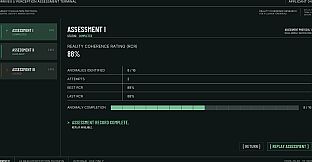
Reporting an anomaly or confirming no change affects a Reality Coherence Rating. Maintaining at least 80 percent accuracy across decisions is required to pass each assessment. Mistakes lower the rating and increase the sense of uncertainty about the environment and the player's own perceptions. Between assessments, players return to the ORRIVEX Assessment Chamber to review results and progress to the next test.
Three distinct environments provide the settings for these tests, each with its own set of details and possible anomalies. The gameplay emphasizes psychological tension created by ordinary spaces that gradually feel off, supported by keyboard, mouse, and Xbox controller input. Replay options allow revisiting completed assessments to locate previously missed changes, and persistent statistics track anomaly discoveries across attempts.
Game Modes
The game operates entirely as a single-player experience with no separate multiplayer or competitive modes. Progression follows a linear sequence of three assessments unlocked one after another through the central chamber. Each assessment functions as a self-contained test focused on observation and decision-making rather than combat, exploration, or resource management.
Players complete the assessments in order, with results carrying forward to influence overall success. The structure encourages repeated visits to the same locations to refine accuracy, but all activity remains within the single-player framework of memory comparison and reporting.
Key Features and Mechanics
Visual and audio anomalies form the primary challenge, ranging from object disappearance to misplaced sounds. No time limits apply during inspection loops, allowing thorough examination of each environment. The Reality Coherence Rating system provides ongoing feedback on performance, with an 80 percent threshold determining passage.
Persistent tracking records results and discovery statistics, while replay functionality supports targeted searches for overlooked anomalies. The design avoids combat or action elements, keeping focus on perception and the growing unease of subtle inconsistencies. Planned localization includes English voiceover along with interface and subtitle support for ten additional languages at launch.
Current State and Availability
The game remains in development with a planned release on PC. System requirements list a 64-bit Windows operating system, with minimum specifications including an Intel Core i5-8400 or equivalent processor, 8 GB RAM, and a GTX 1070-class graphics card. Recommended hardware steps up to a Ryzen 5 5600 or similar, 16 GB RAM, and an RTX 2060 or equivalent. An SSD is suggested for both tiers, and requirements may adjust during further development.
Is It Worth Playing?
This title suits players who enjoy deliberate, tension-driven experiences centered on observation and psychological unease rather than action or jump scares. The single-player structure and focus on memory and doubt create a niche appeal for those drawn to indie horror that prioritizes atmosphere and decision consequences over fast pacing or combat.
With no released version available yet, reception details such as review scores or player counts are not established. Those interested in the described mechanics of repeated location visits and anomaly reporting may find value once it launches, particularly if they prefer games that reward patience and attention to detail in unsettling settings.












