


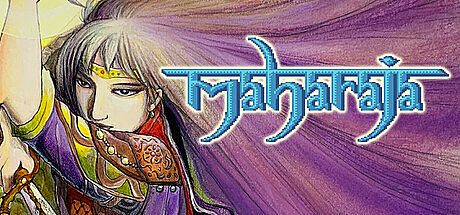


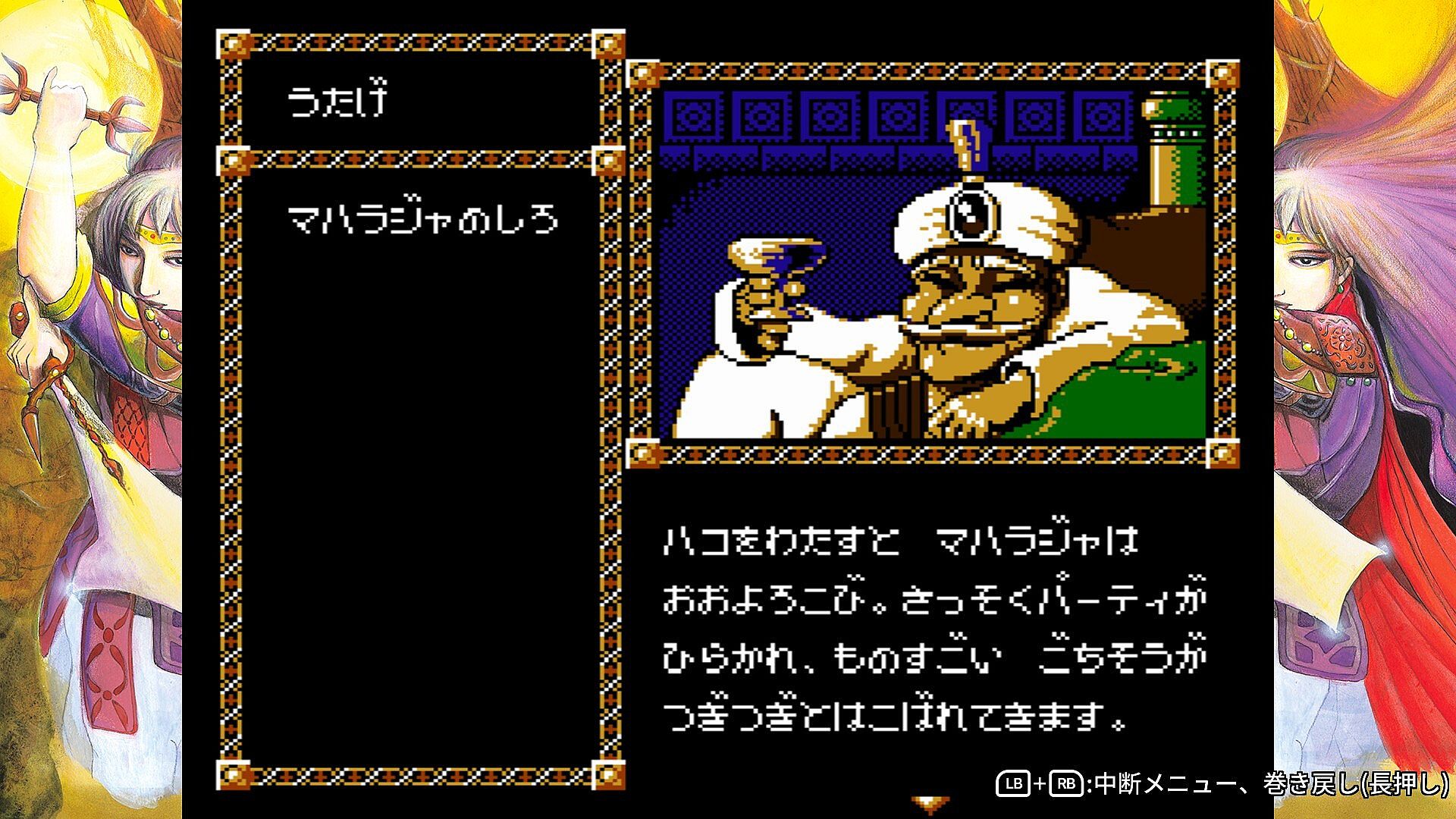
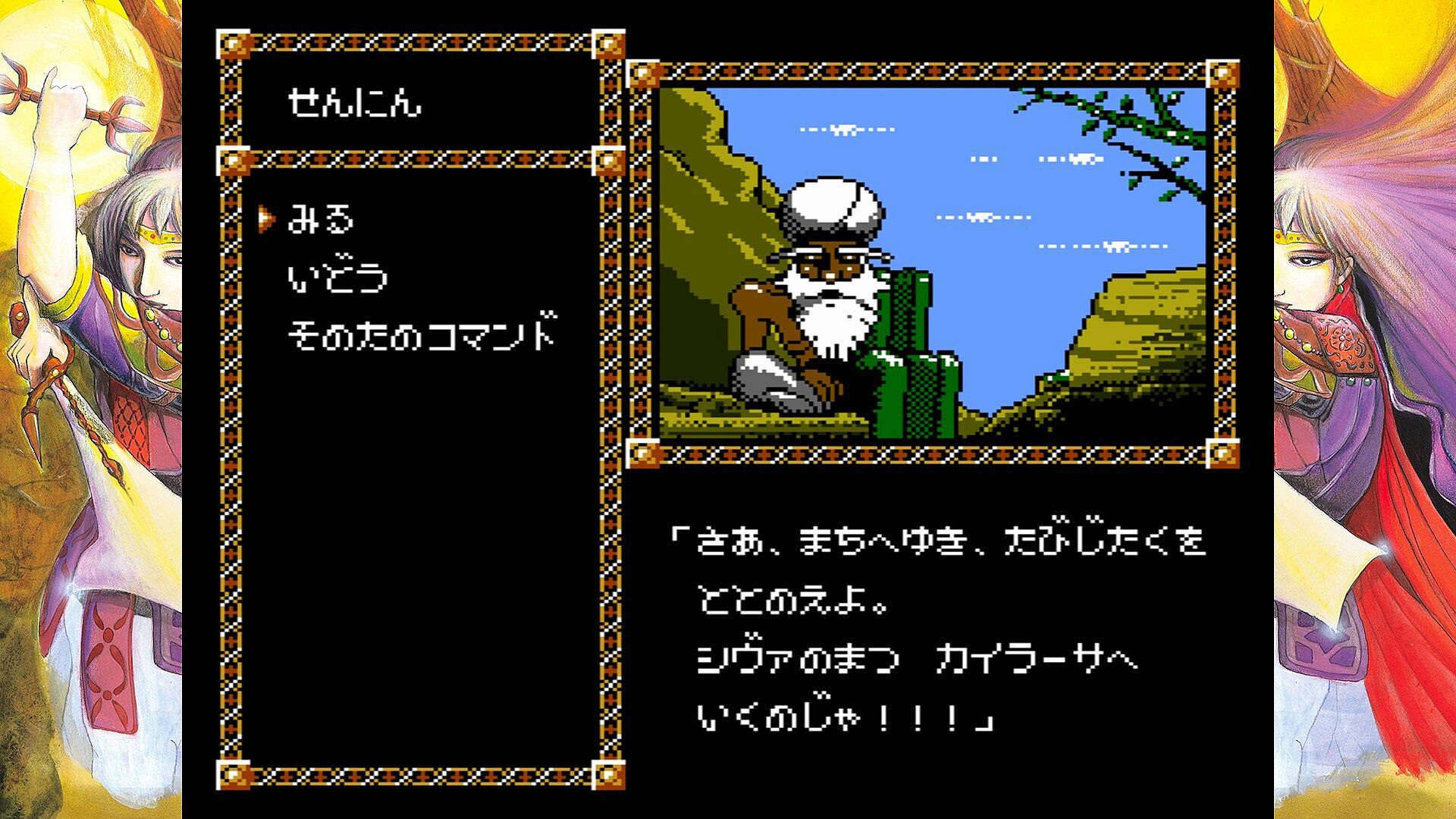
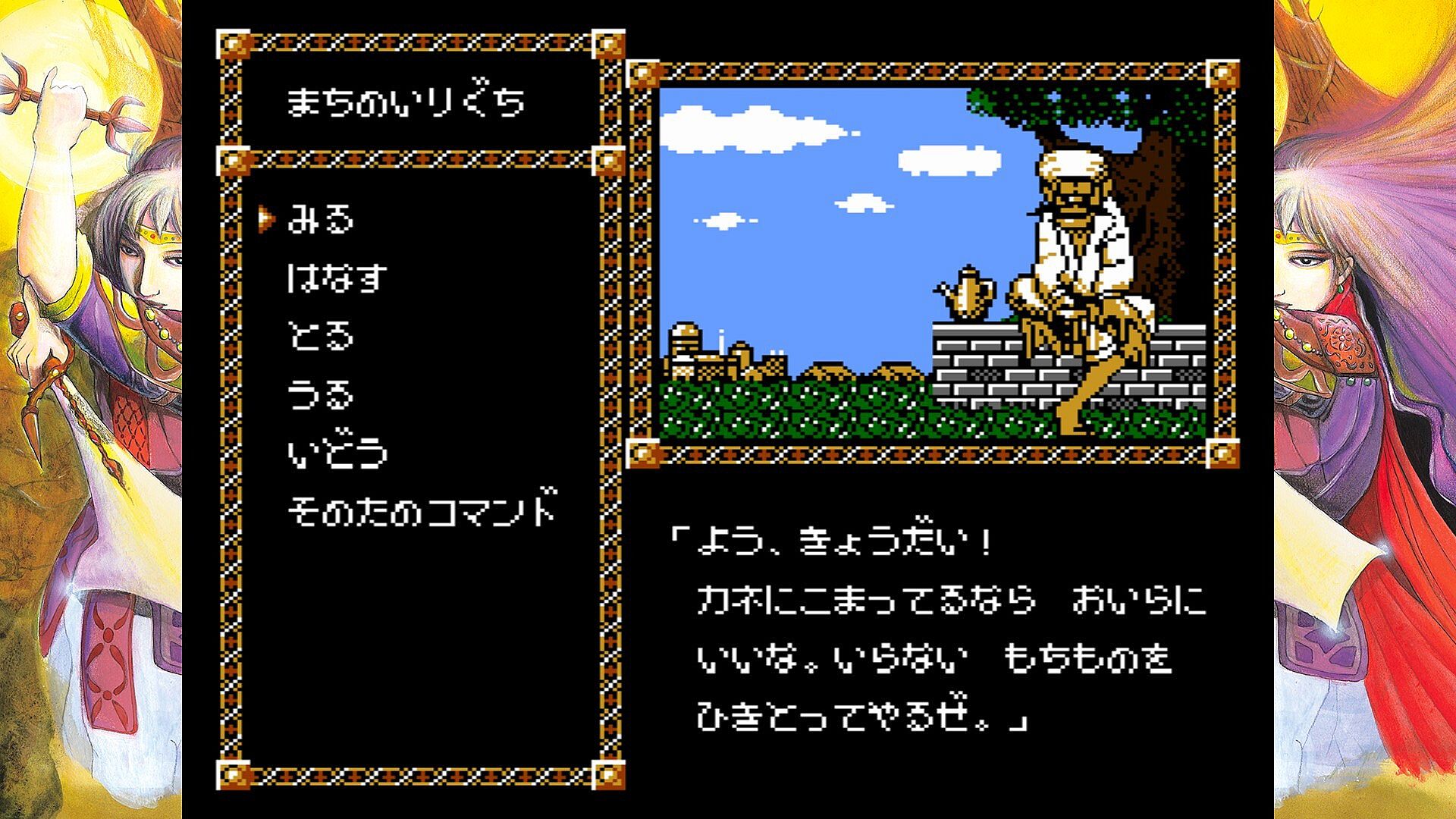
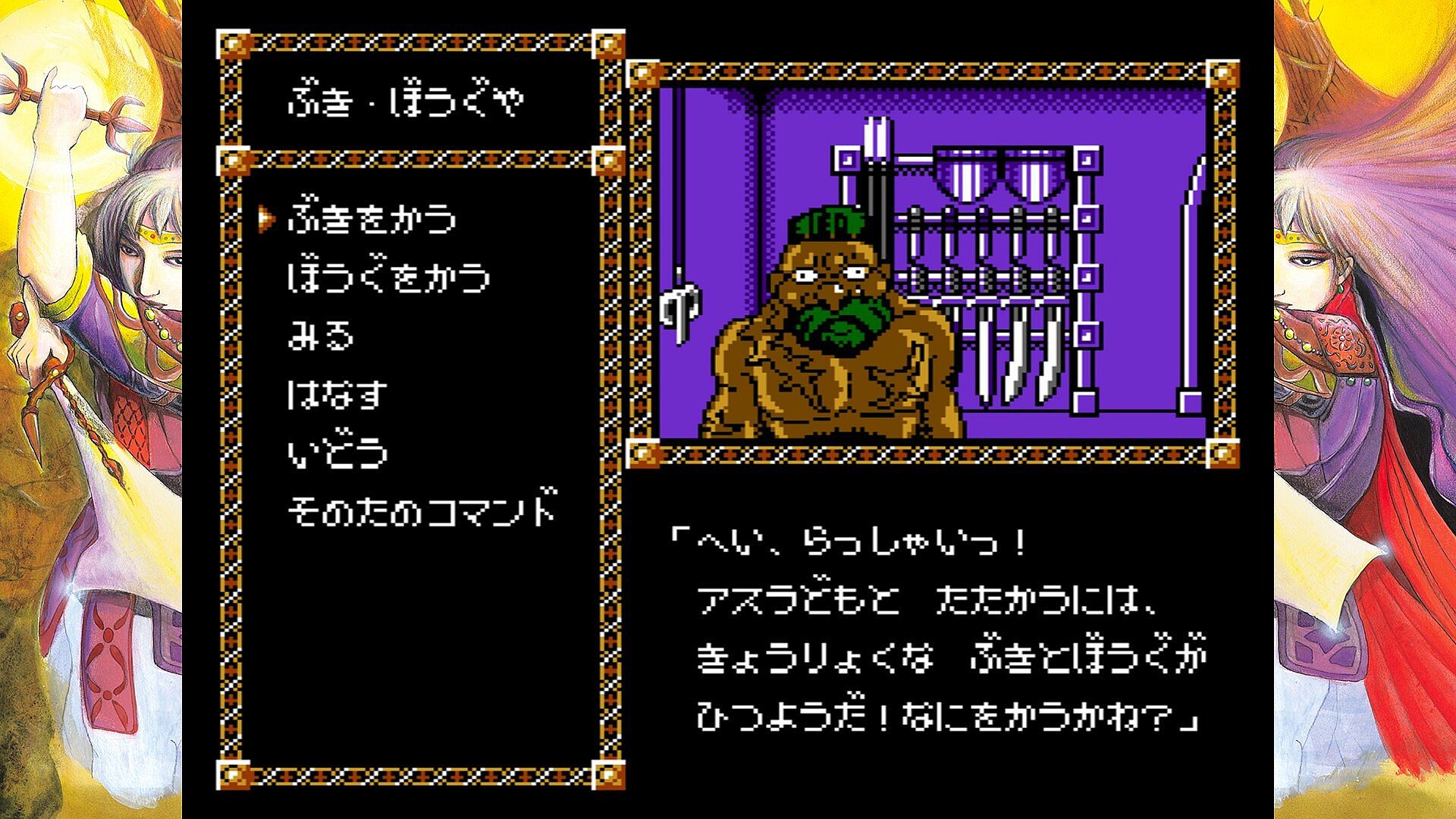
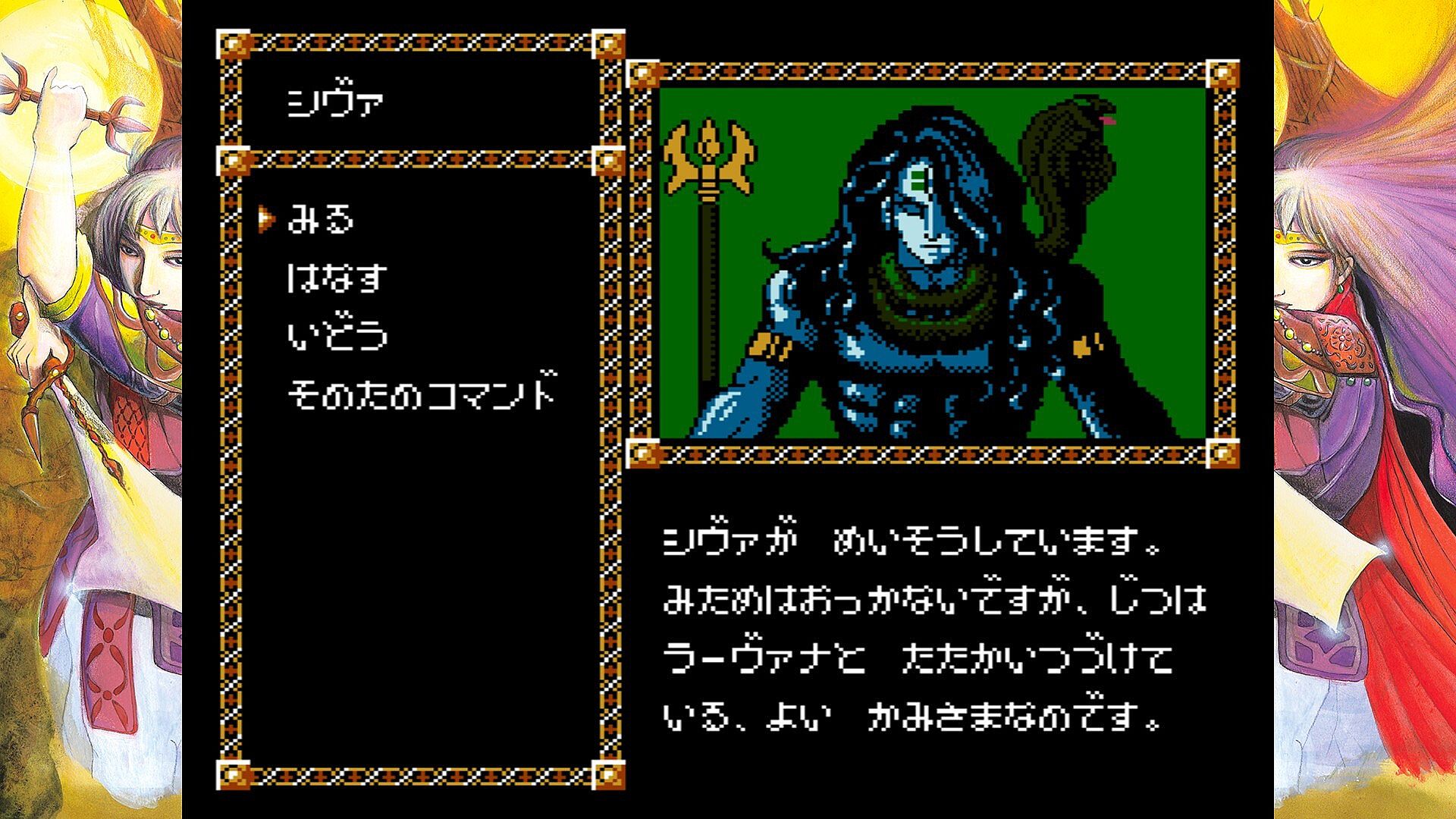
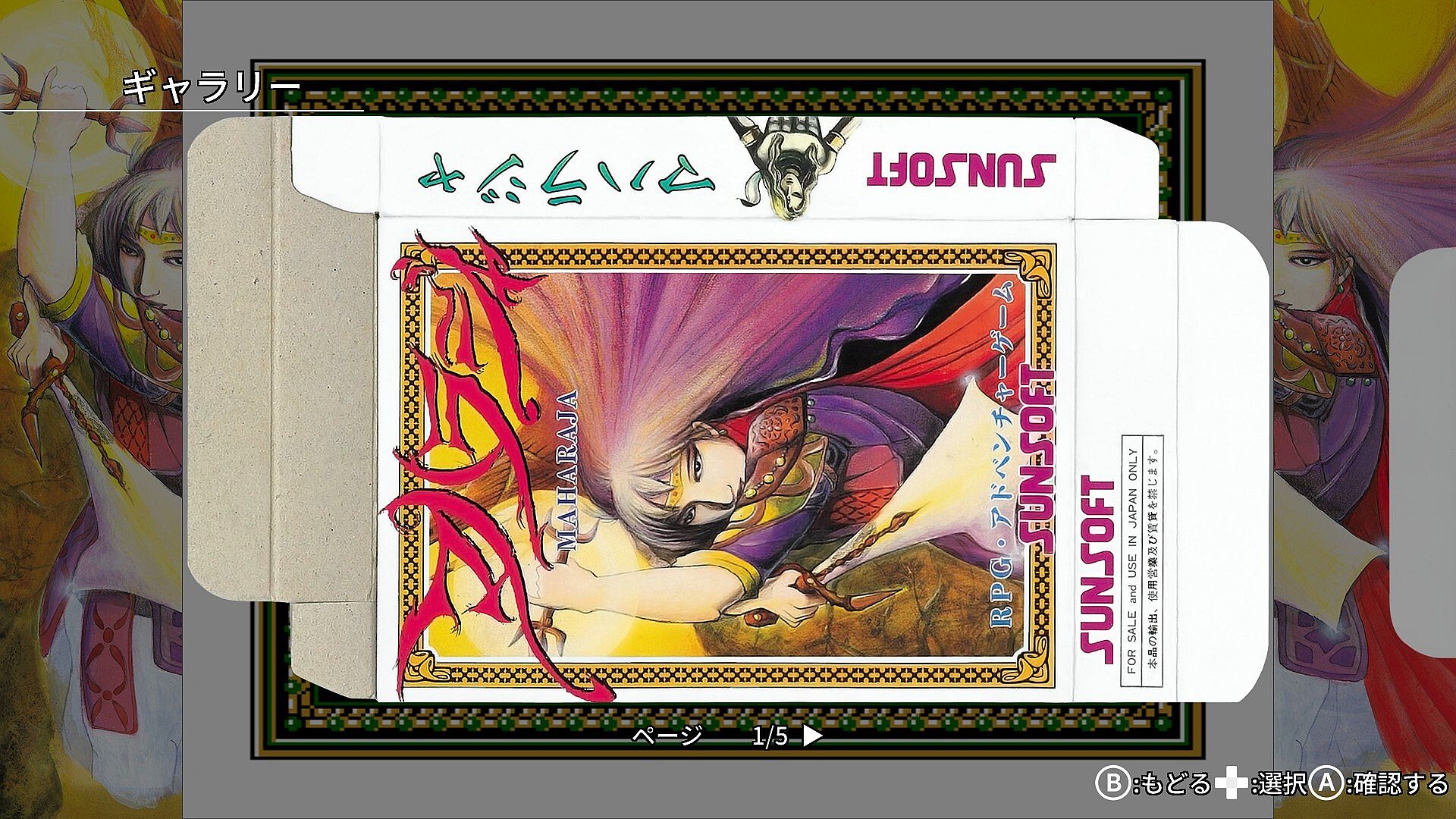
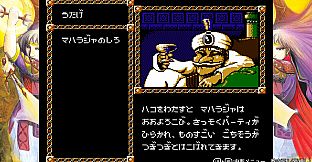
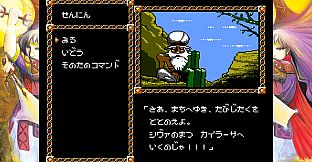
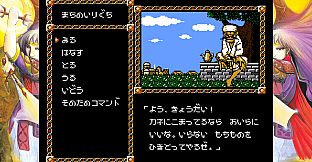
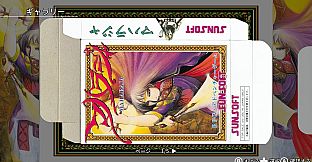
Maharaja is an adventure RPG developed by Quest Corporation and originally published by SunSoft in 1989 for the Famicom. The game places players in a first-person perspective as a traveler in India who stumbles upon a mysterious wooden box sought by the Maharaja. This find pulls the protagonist into a conflict involving ancient forces and the fate of the world, drawing on Hindu mythology for its setting and characters.
Gameplay
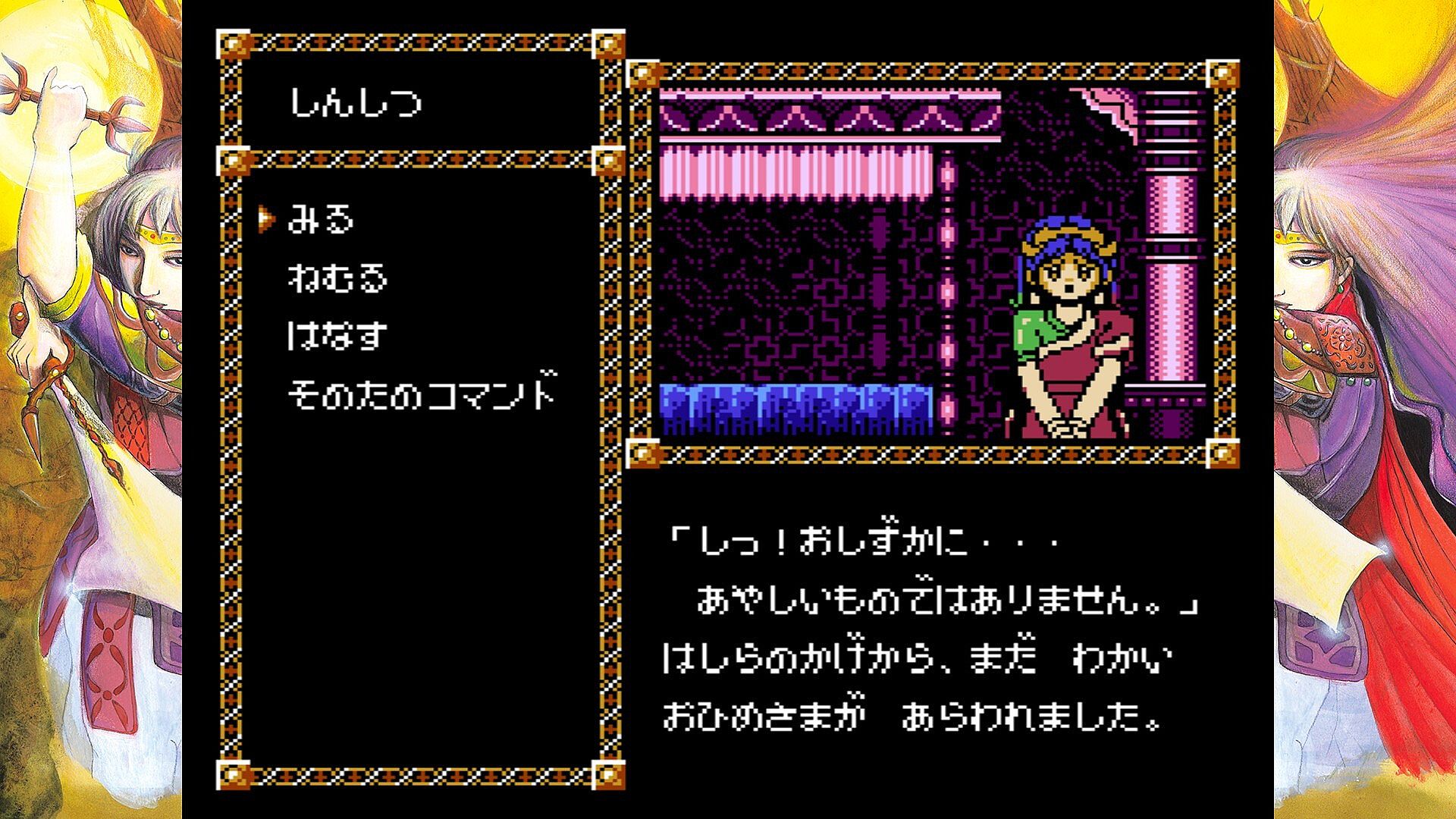
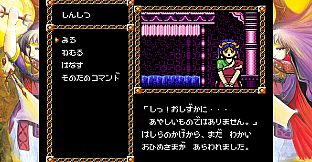
The core loop blends command-driven adventure exploration with turn-based RPG combat. Players navigate through fixed-screen locations using a menu of context-sensitive commands to examine surroundings, interact with objects and characters, and progress the story. Random encounters trigger battles where the player manages hit points and magic points while selecting attacks or spells against enemies.
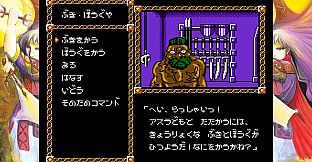
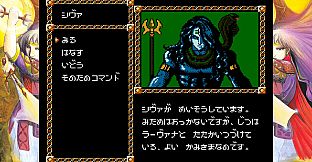
Progression involves visiting shops to purchase and equip better gear. Experience from battles raises the character's level, which in turn unlocks access to new mantras. These spells are not learned automatically. Instead, the player must meet the required level and then travel to Shiva's palace for instruction on each mantra. Mantras provide effects such as healing, damage to foes, or status alterations during combat. The adventure elements emphasize careful command selection and exploration of locations like jungles, palaces, and towns, while battles require strategic use of equipment and spells to overcome increasingly powerful opponents.
Game Modes
Maharaja supports only single-player mode. There are no multiplayer options or additional modes such as versus or cooperative play. The entire experience unfolds as a linear narrative-driven campaign with exploration, puzzle-like command sequences, and combat encounters integrated throughout.
Story and Setting
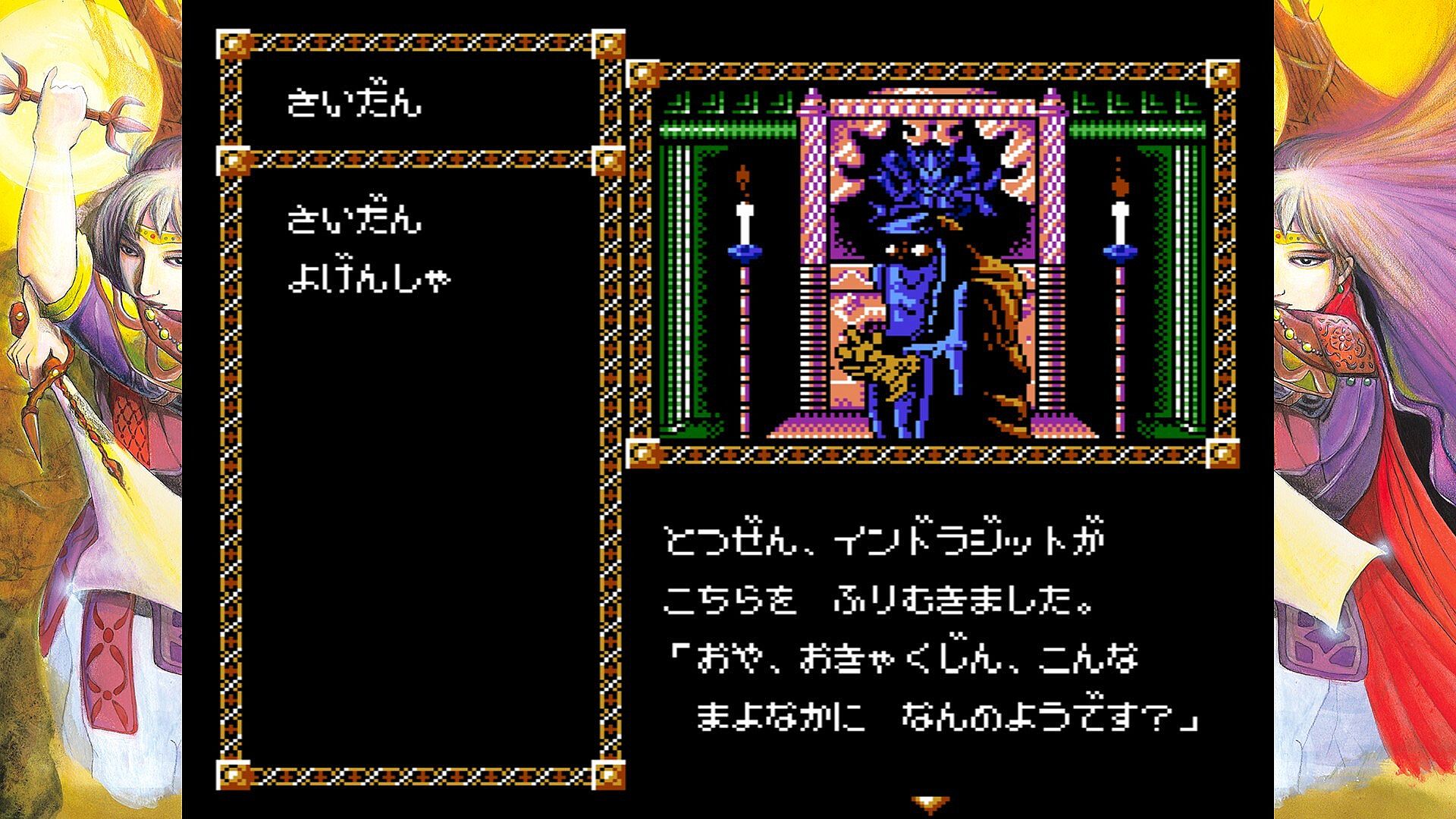
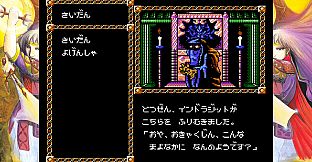
The narrative follows the protagonist's journey after discovering the box, leading to encounters with the Maharaja's palace, a time slip to ancient India, and alliances with divine figures including the elephant Airavata and the god Shiva. The plot centers on opposing the sorcerer Indrajit and the demon Ravana, with key locations including towns, jungles, and Mount Kailash. Hindu mythological elements shape the enemies, allies, and objectives without altering the fundamental adventure-RPG structure.
Is It Worth Playing?
Maharaja remains a niche title appreciated by enthusiasts of 1980s Japanese adventure games and early RPG hybrids. Its combination of menu-based exploration and random battles offers a distinct experience compared to more action-oriented titles from the era. Reception has been limited due to its original Japan-only release and lack of an official English version, though a fan translation exists. The game appears in the SUNSOFT is Back! Retro Game Selection 2 compilation, which adds save and rewind functions for improved accessibility on modern platforms including PC. Players seeking short, focused single-player adventures with mythological themes and classic mechanics may find value in its concise structure and specific systems. Those preferring modern graphics, voice acting, or extensive side content will likely find it less engaging.











