




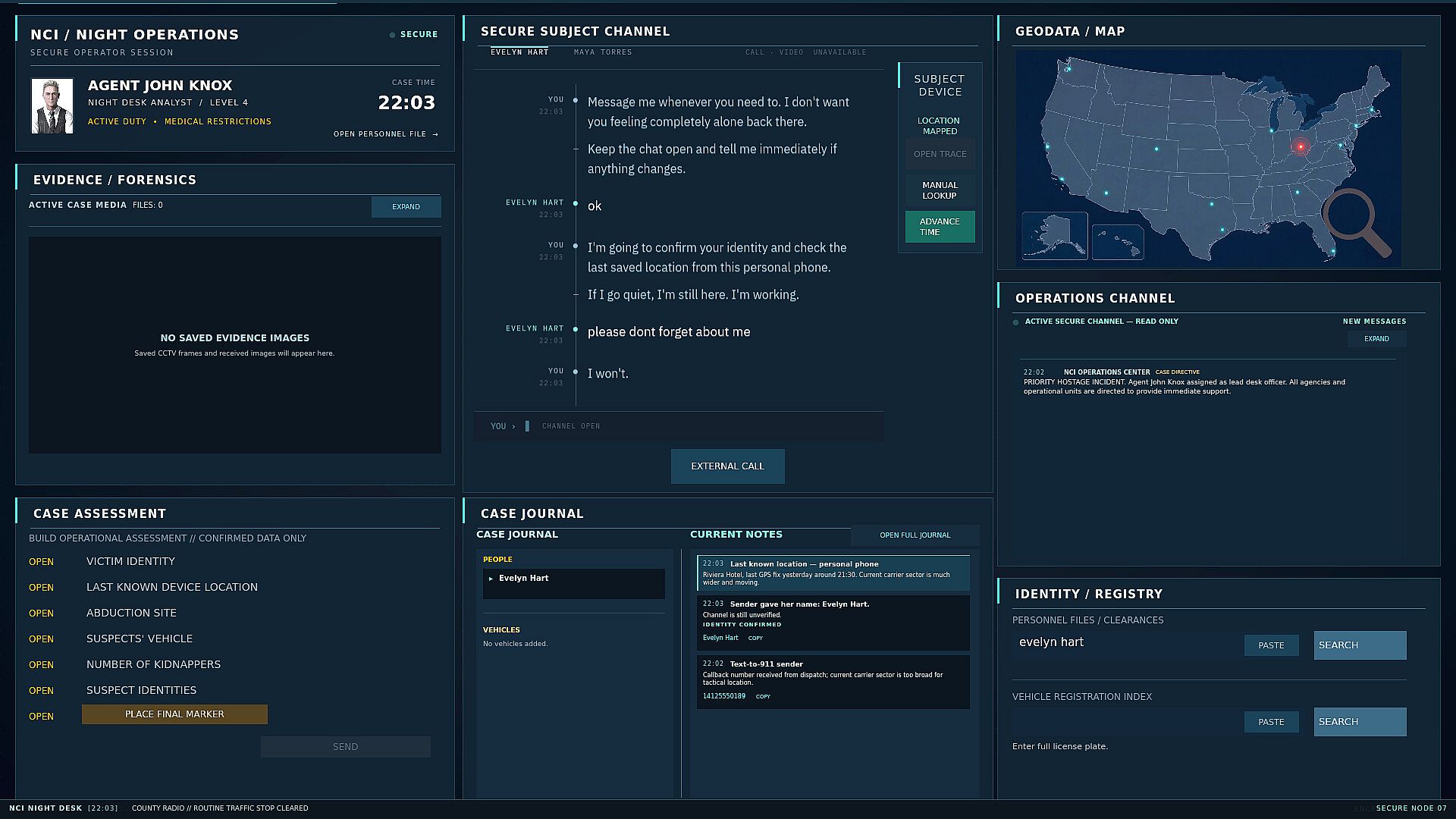
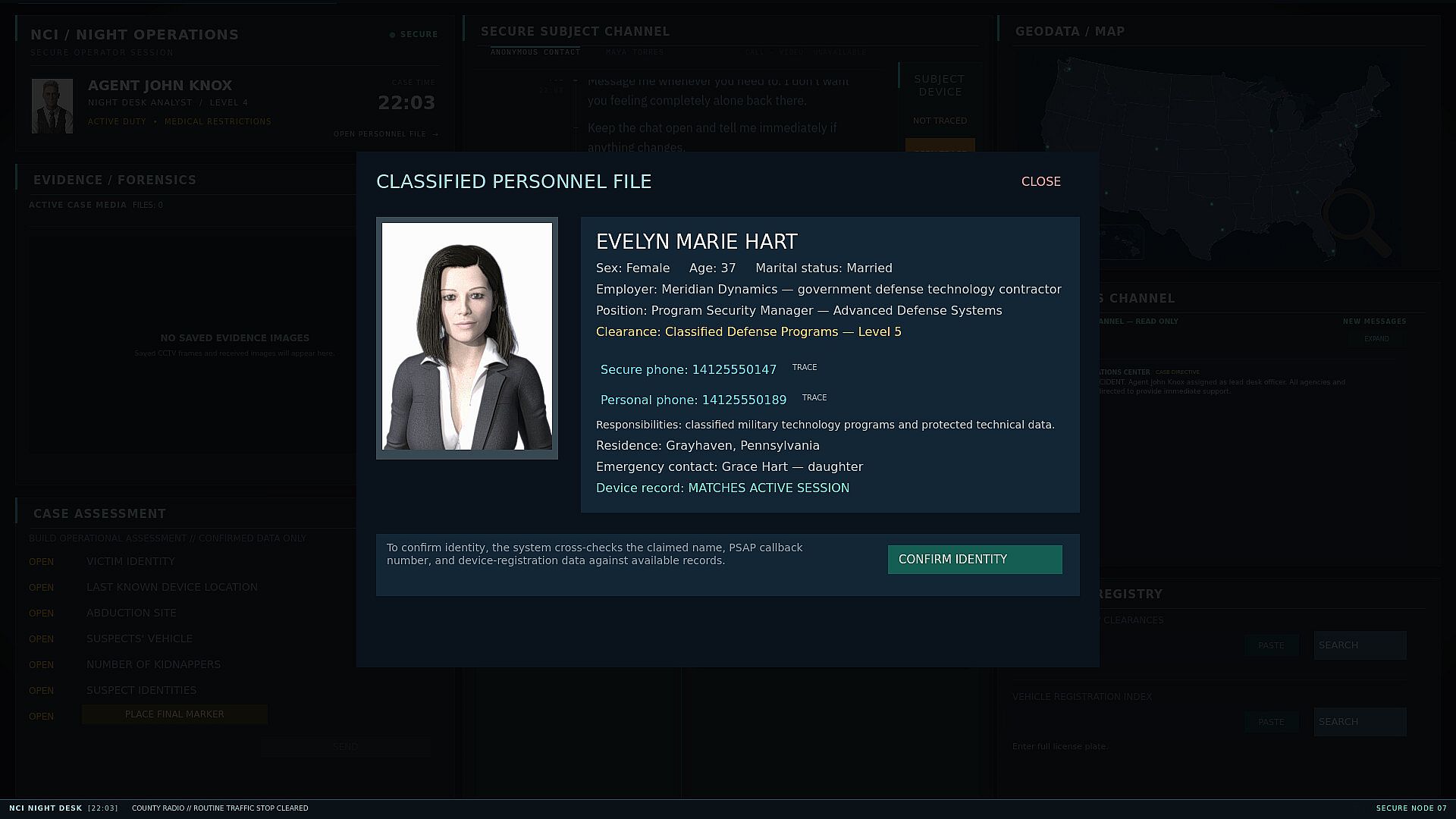
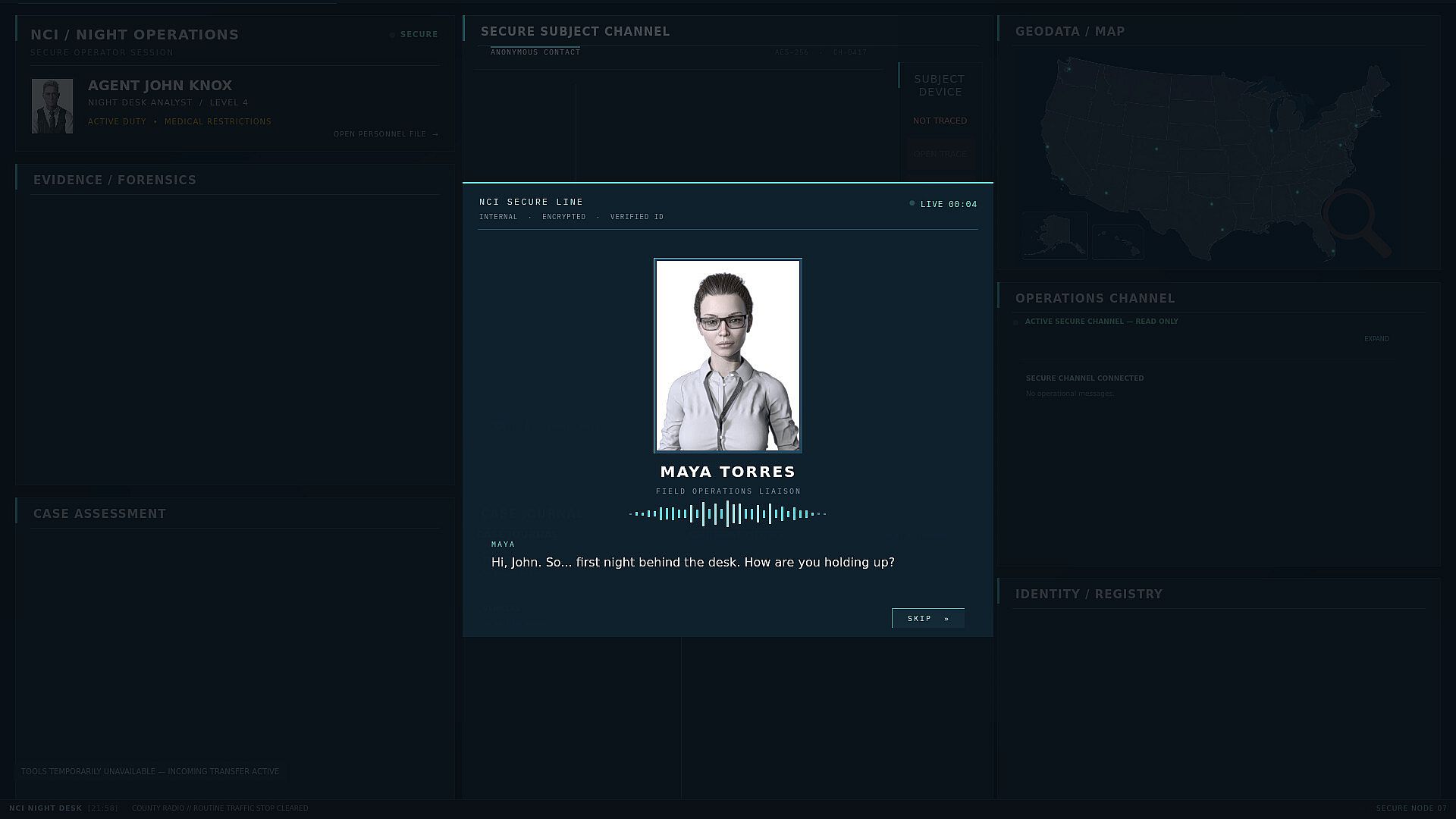
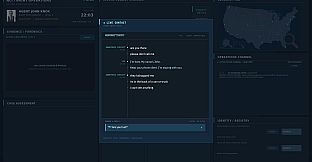
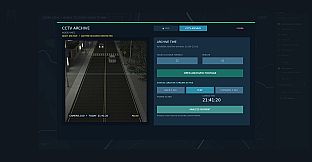
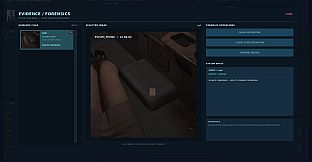
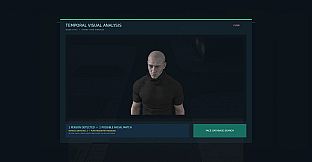
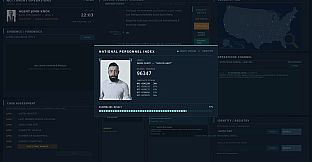
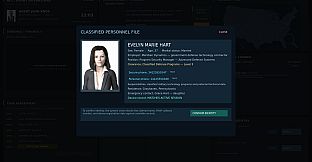

NIGHTSOMNIA is a narrative-driven simulation adventure game set entirely at a workstation. Players take the role of a night-shift analyst at National Crisis Intelligence, handling urgent federal cases involving kidnappings, disappearances, and threats that require immediate attention. The experience unfolds through careful examination of digital evidence rather than direct action in the field.
Gameplay
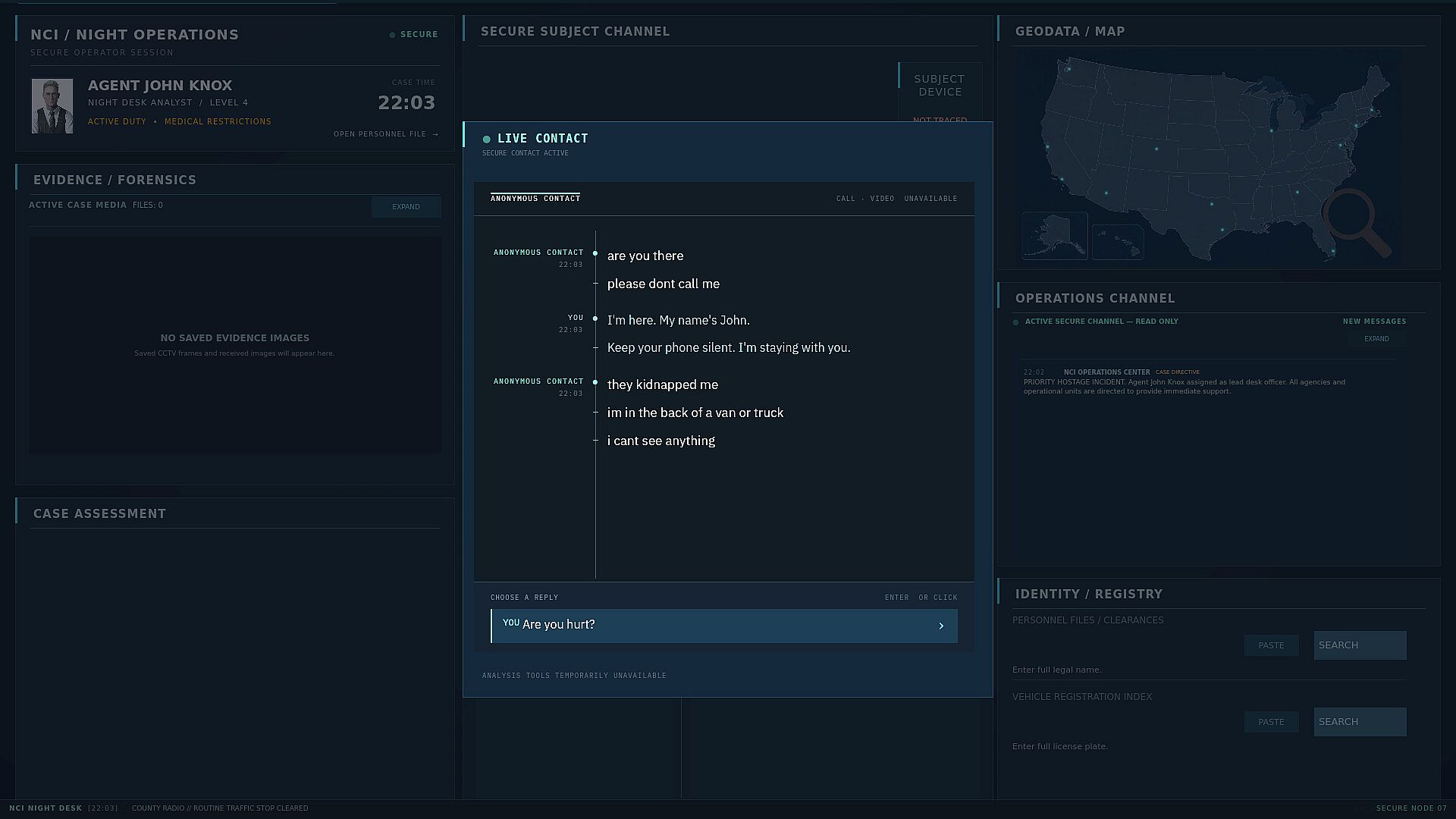
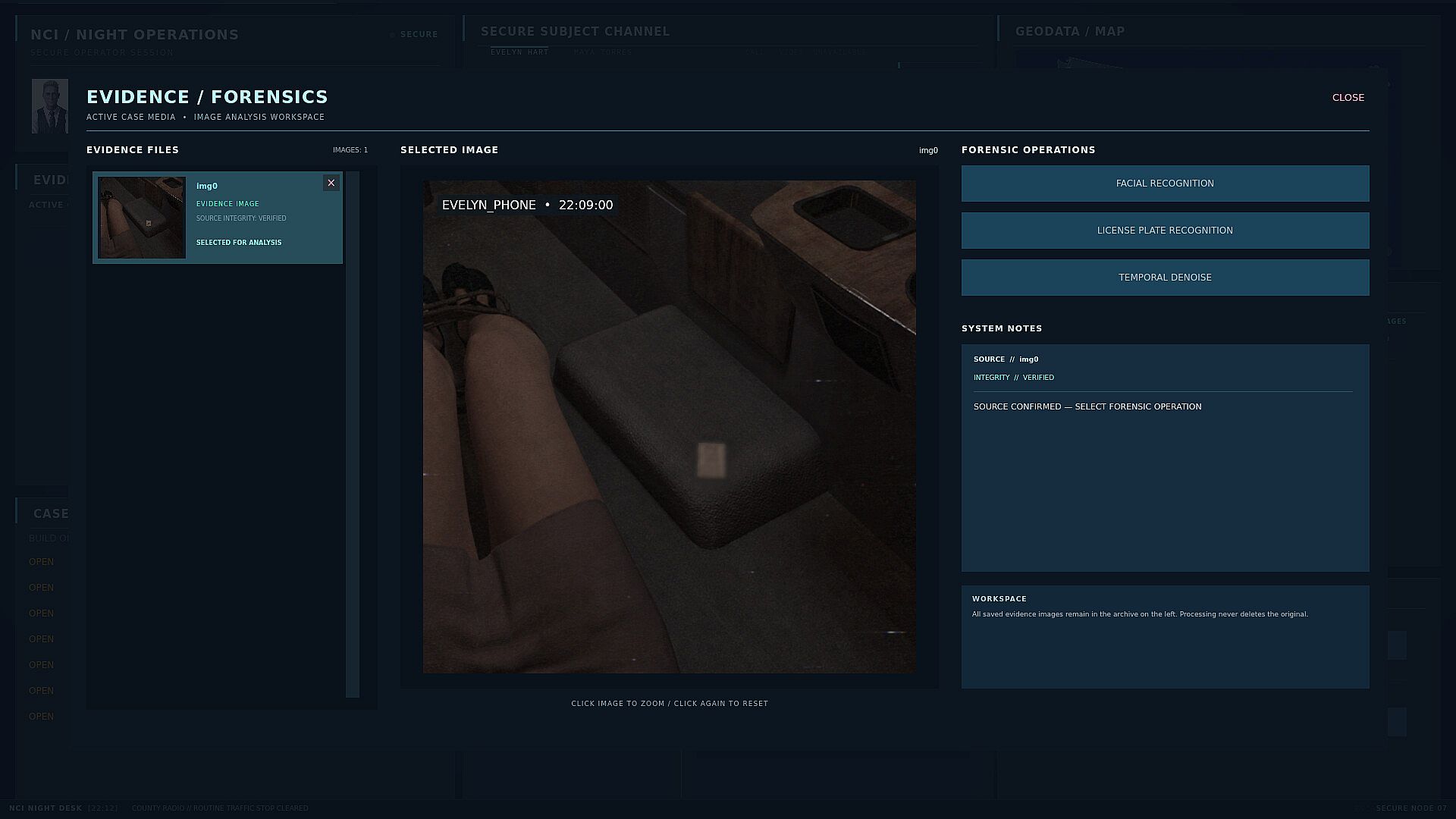
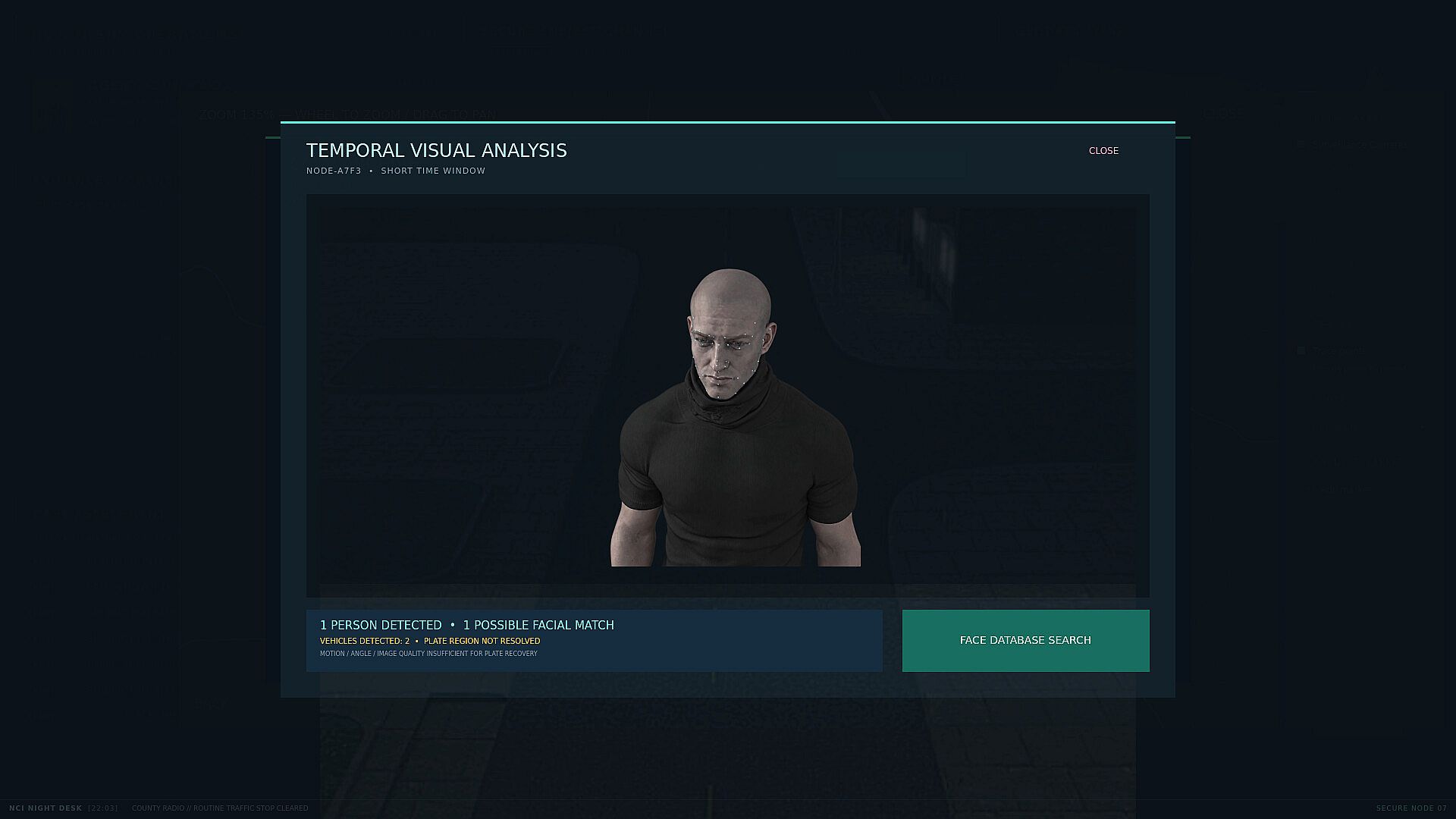
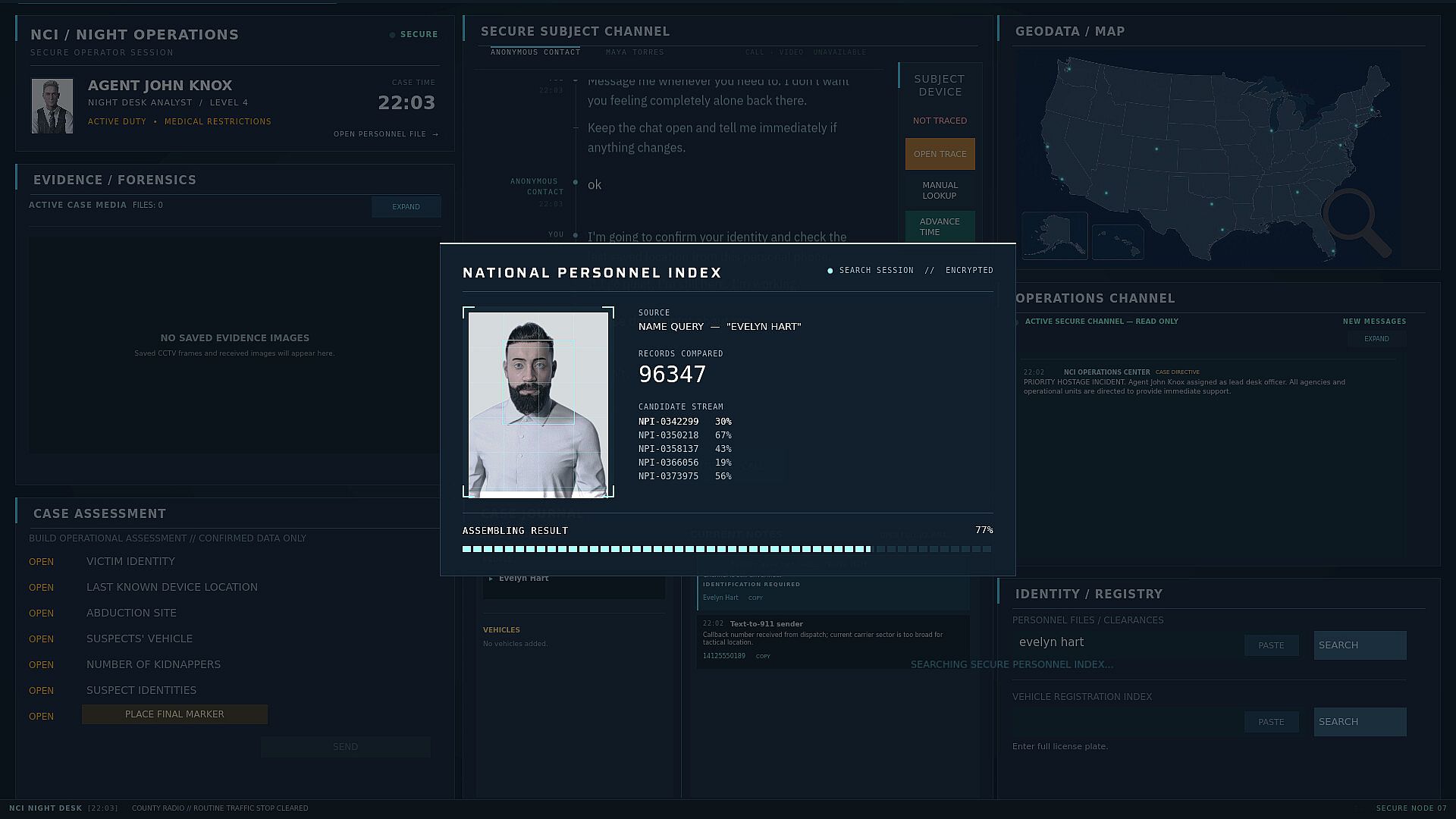
The core loop centers on receiving a new case and building an understanding of events from fragmented sources. Messages arrive on screen, phone calls provide context or new leads, and surveillance footage offers visual records of activity. Players examine photographs for details, enhance images to reveal hidden elements, and apply facial recognition tools to identify individuals. Government databases allow searches that connect names, locations, and timelines. Small observations often lead to broader connections when cross-referenced with other materials.
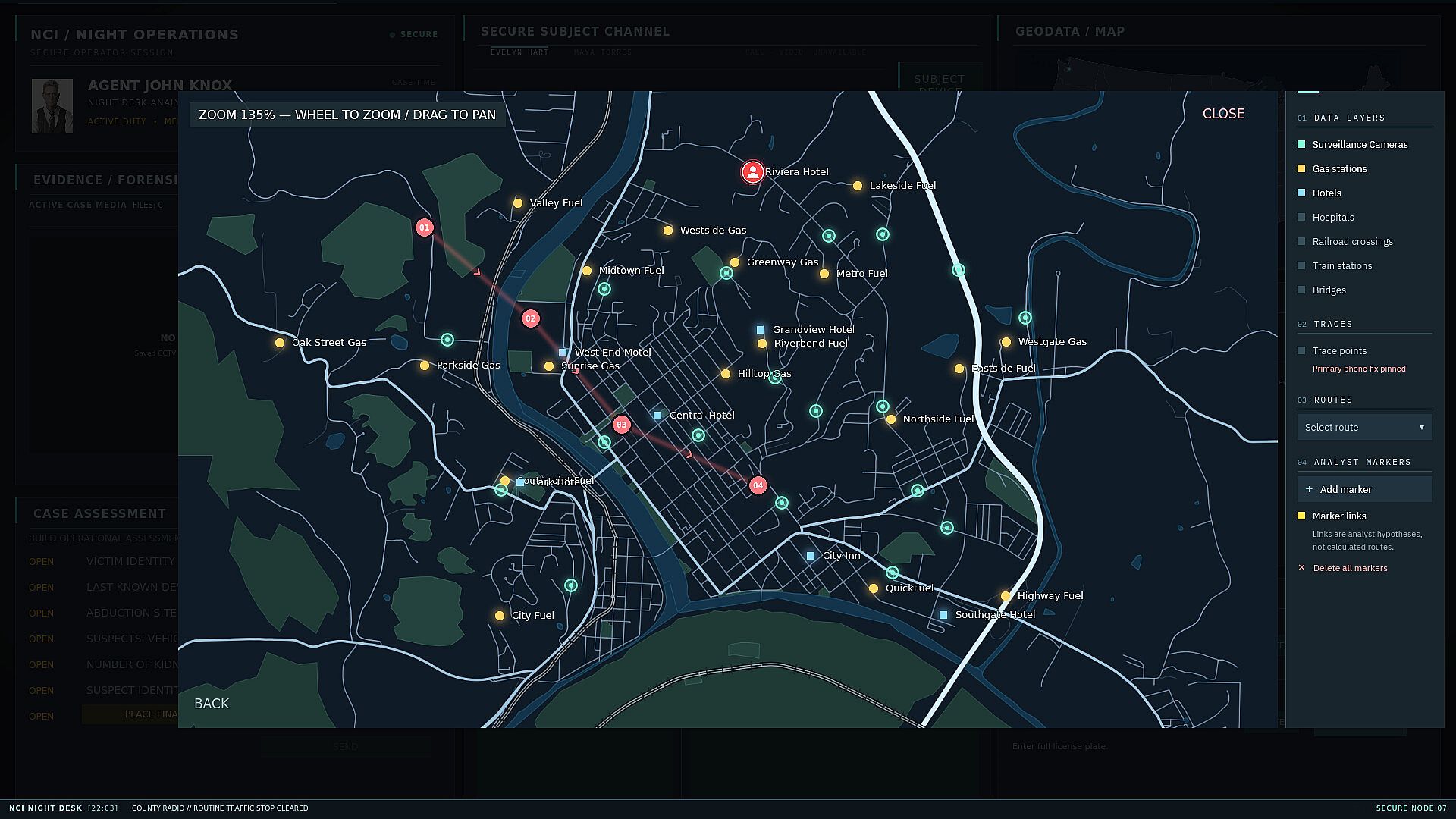
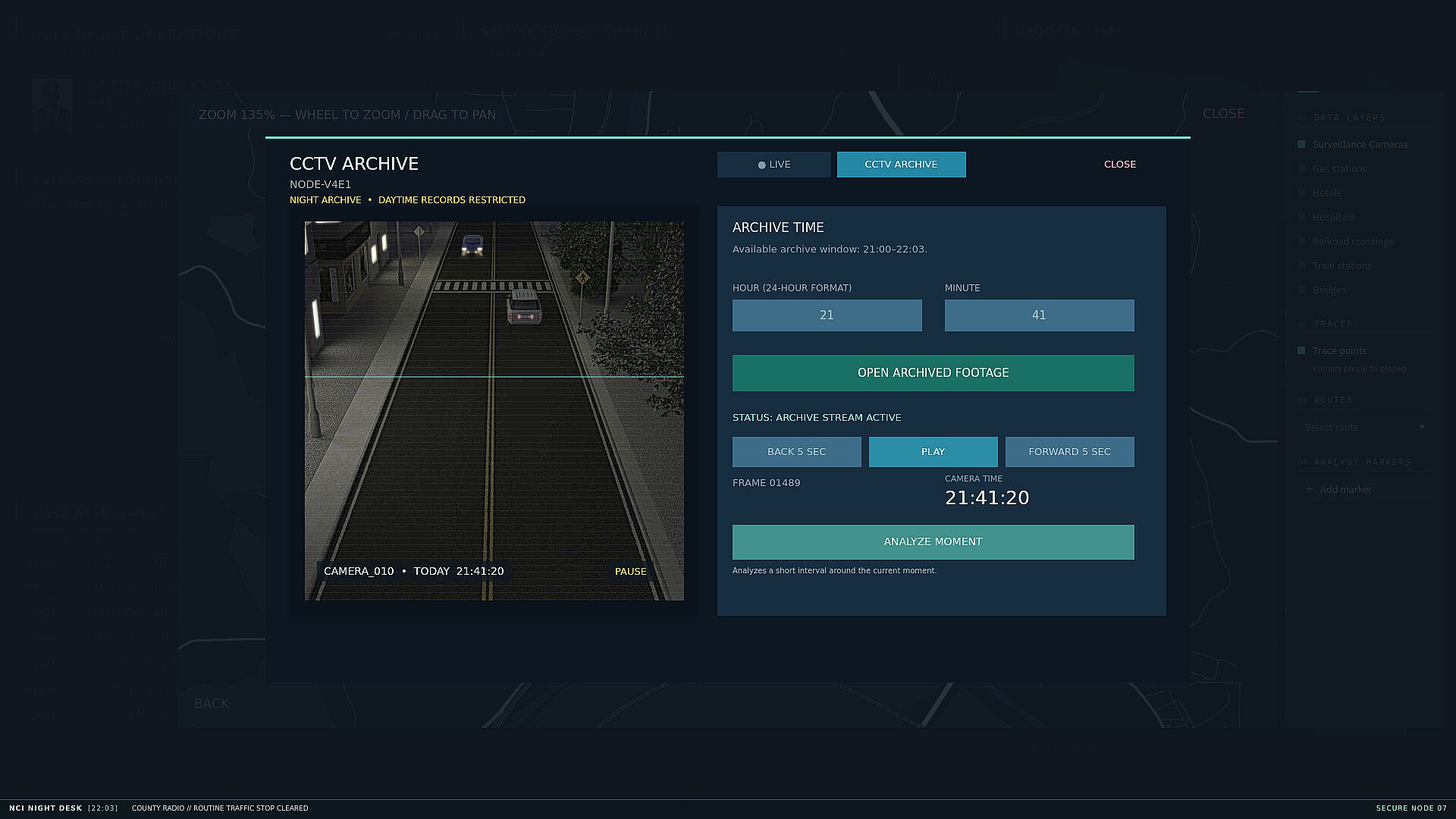
Surveillance cameras supply recorded segments that players review frame by frame. Tracking vehicles or noting suspicious movements helps reconstruct sequences of events. Interactive maps support tracing phone signals and possible routes, linking geographic data with witness statements or other evidence. Every element on the desk serves as potential input for the investigation, and progress depends on what the player chooses to prioritize and how thoroughly each piece is analyzed.
Game Modes
No separate named modes exist. Each case operates under the same core systems, with outcomes shaped by the choices made during analysis. A missed detail or incorrect assumption can alter how an investigation concludes. Some cases reward precise timing and careful verification, while others hinge on deciding which leads to pursue and which sources to trust. The structure remains consistent across cases, emphasizing personal judgment over preset paths.
Investigation Mechanics
Evidence arrives in varied formats that require different approaches. Photographs demand close inspection and image enhancement. Databases return results only when the right queries are entered. Phone records and maps provide spatial context that must align with footage or messages. Facial recognition turns anonymous faces into identifiable subjects, opening new database searches. The process rewards methodical cross-checking, as isolated clues gain value only when connected to others. No external assistance guides the player; success rests on recognizing patterns within the provided materials.
Consequences and Structure
Decisions carry weight. Acting on incomplete information or overlooking a lead can shift the direction or resolution of a case. The night shift imposes a time boundary, with dawn marking the end of available work on a given case. This creates natural pressure to organize findings efficiently. Cases vary in complexity, testing different aspects of analysis such as visual scrutiny, database navigation, or geographic reasoning. The narrative emerges from the evidence itself rather than scripted sequences.
Is It Worth Playing?
NIGHTSOMNIA suits players who enjoy methodical investigation and narrative discovery through evidence review. The simulation focus on workstation tools and open-ended case solving appeals to those interested in deduction without combat or exploration outside the desk environment. Development continues in English, with potential additional languages added based on interest before full release. The emphasis on player-driven conclusions and consequence from choices offers a focused experience for fans of simulation and adventure titles centered on information analysis.












