





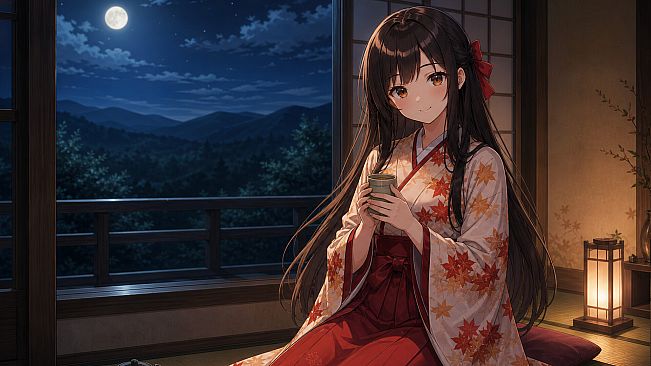






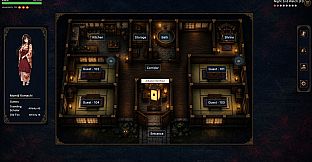





Ōmagahara Haunted Inn is a simulation and adventure game set in a secluded mountain hot spring inn that transforms after dark into a gathering place for ghosts, yokai, and other supernatural visitors. Players take on the role of Momiji, the cheerful hostess responsible for managing the establishment through each night while dealing with the dangers that emerge once the sun sets. The core experience blends hospitality tasks with survival elements in a roguelite framework, where every shift presents fresh challenges and opportunities to strengthen the inn for future nights.
Gameplay
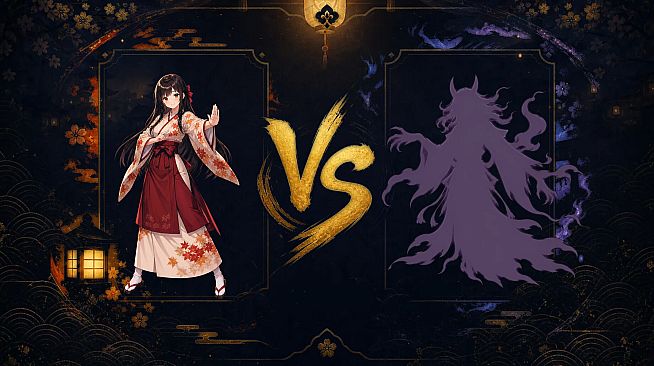
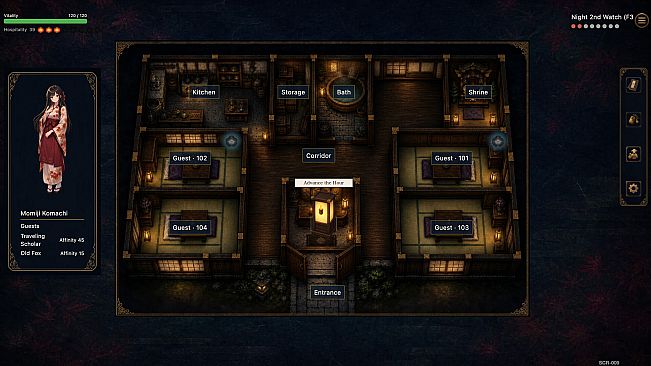
The daily cycle divides into daytime preparations and nighttime operations. During the day, the inn appears ordinary, allowing time to handle routine tasks and ready the facilities. At night, a mystical barrier activates, bringing in supernatural guests with unique personalities and requests. Players guide these visitors to rooms, prepare meals, and respond to their preferences through choice-based interactions that build relationships. Stronger bonds with guests can provide assistance during crises. Evil spirits and other threats appear in hallways and rooms, leading to turn-based purification battles. These encounters rely on sacred talismans, special items, and support from allied guests. Spirit energy serves as a key resource; depletion ends the shift prematurely. The roguelite structure ensures that guests, events, and encounters vary across playthroughs, with rewards from successful nights funding permanent upgrades to hot springs, guest rooms, and protective charms. A Book of Ghost Stories records encountered yokai and offers hints for subsequent runs, carrying progress forward even after failures.
Game Modes
The game operates as a single continuous experience centered on repeated night shifts at the Twilight Inn. Each shift functions as a self-contained roguelite run with randomized elements that alter guest arrivals, incidents, and encounters. There are no separate multiplayer or competitive modes. Progression ties directly to the roguelite loop, where upgrades and collected knowledge improve chances of surviving longer into the night and confronting the powerful Lord of Twilight before dawn. The system emphasizes replayability through changing conditions rather than distinct selectable modes.
Story and Characters
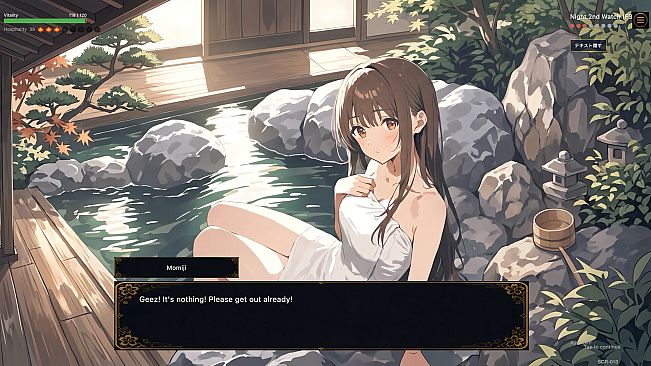
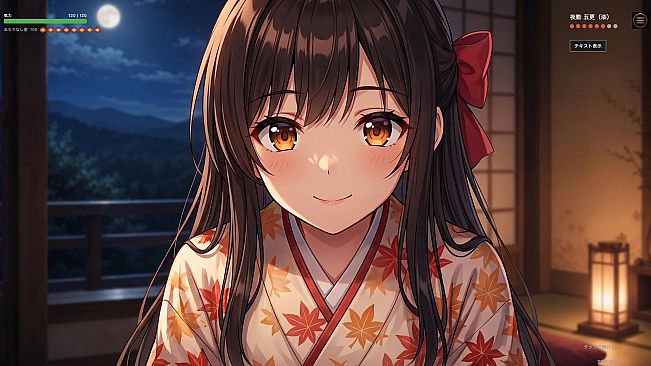
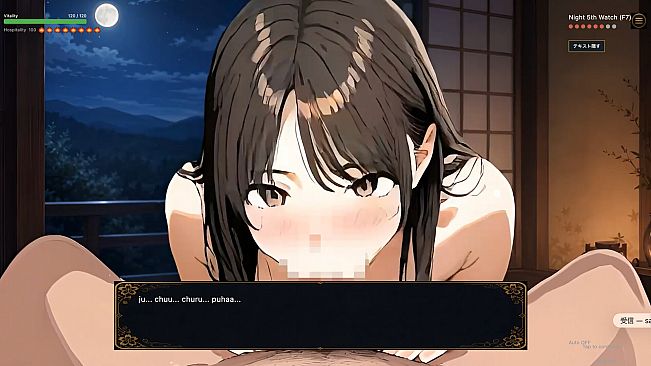
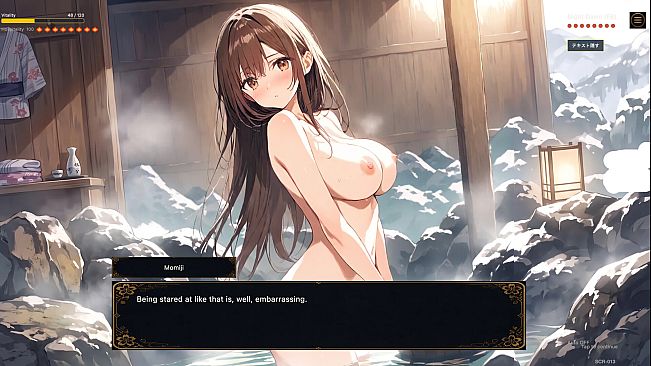
Momiji serves as the central character, portrayed as cheerful, kindhearted, and slightly shy. Her background and the inn's hidden secrets unfold gradually through repeated nights and deepening interactions. The initial release focuses on her personal story, with additional characters planned for later updates. Choices made during hospitality and encounters influence relationships and contribute to multiple possible endings. After surviving a night, players can experience intimate events with Momiji in settings such as the steam-filled hot springs, quiet guest rooms, or the veranda at dawn, revealing different aspects of her personality.
Game Features
Key elements include a mix of Japanese horror atmosphere, guest management mechanics tailored to yokai preferences, and turn-based combat against supernatural threats. Permanent progression comes from inn upgrades that persist across runs. The Book of Ghost Stories provides ongoing utility by documenting encounters. The narrative centers on uncovering the inn's mysteries alongside Momiji, supported by choice-driven events that affect story outcomes. The roguelite design ensures variety in each attempt to reach morning.
Is It Worth Playing?
Ōmagahara Haunted Inn suits players who enjoy simulation and adventure games that combine management, light strategy in battles, and roguelite repetition with a character-focused story. The blend of hospitality choices, purification combat, and persistent upgrades creates a loop that rewards careful decision-making and adaptation to changing nightly threats. Those interested in Japanese supernatural themes and gradual story revelation through repeated play sessions will find the structure engaging. The game is available on PC, with its roguelite elements providing replay value even after initial failures. If the mix of inn management, turn-based encounters, and relationship building appeals, the experience offers a distinctive singleplayer adventure worth exploring.












