

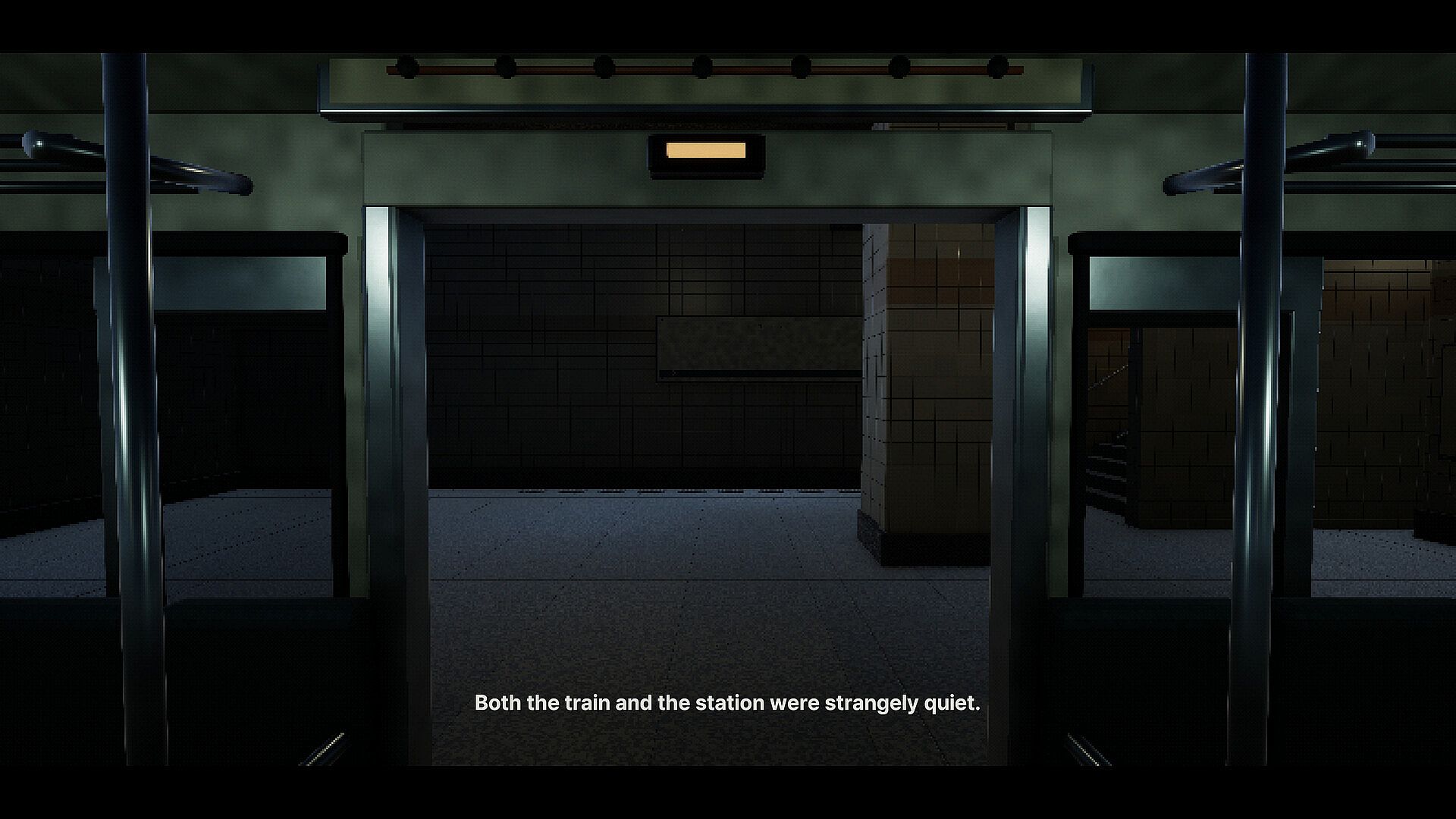
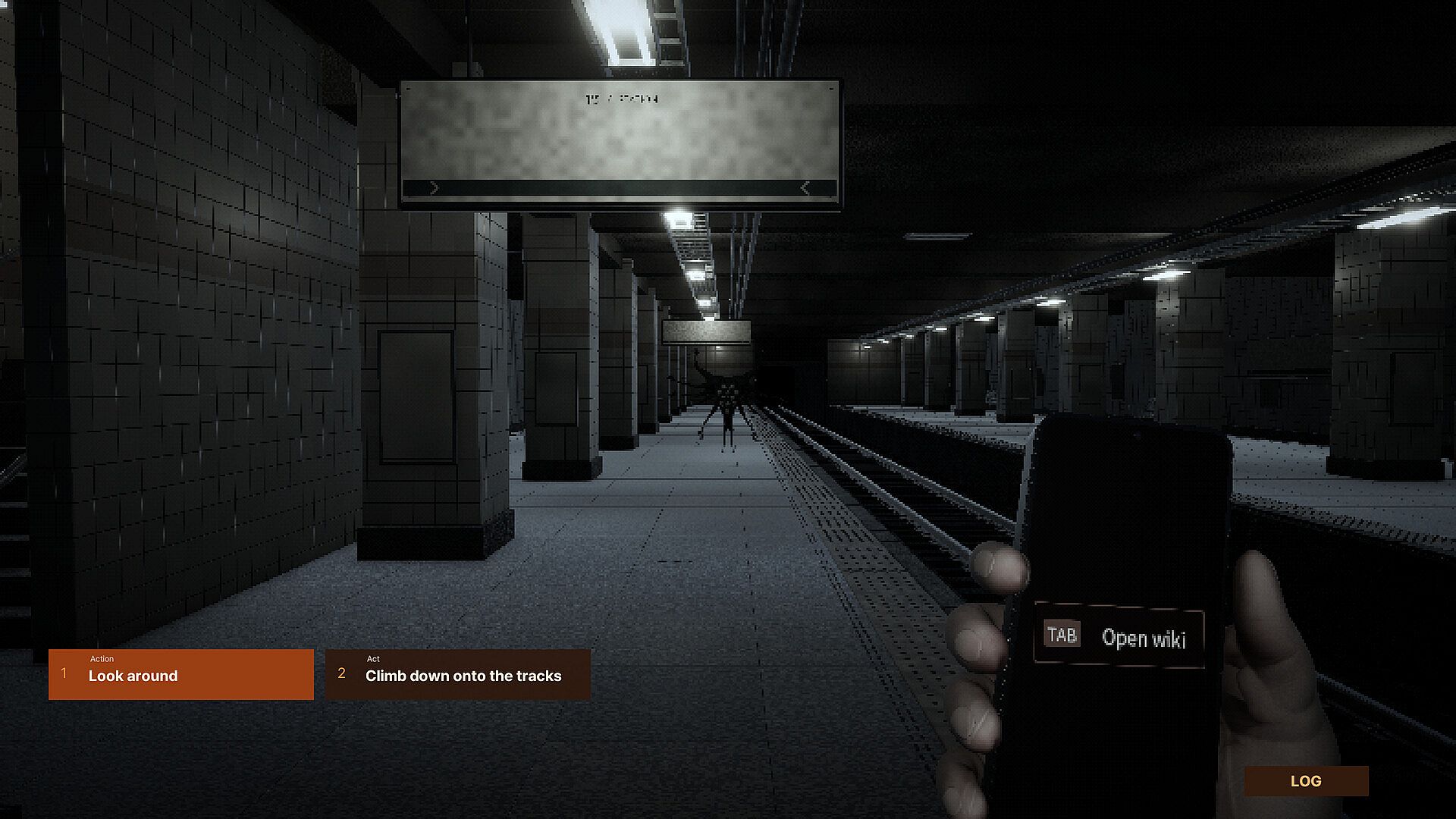
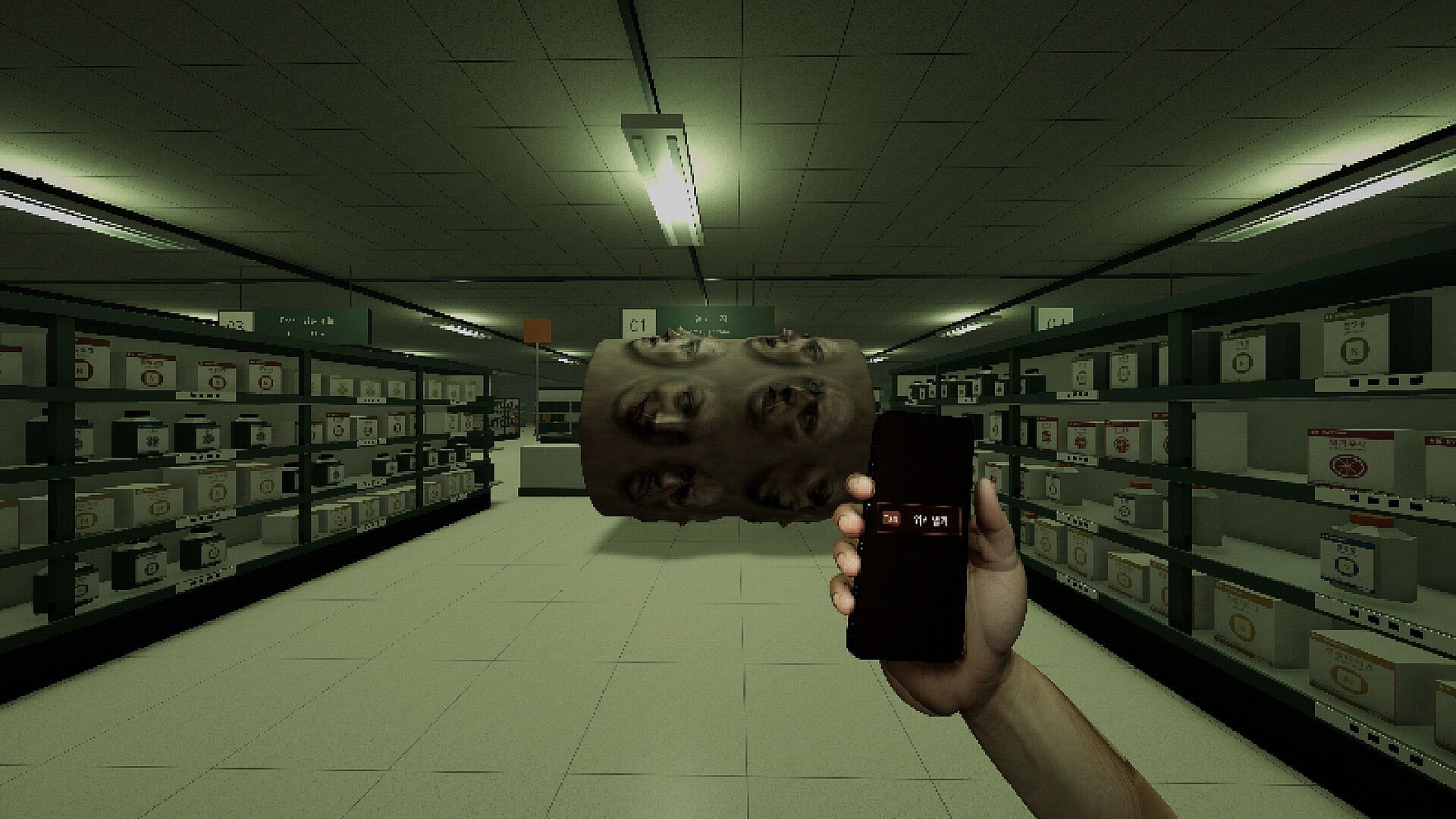
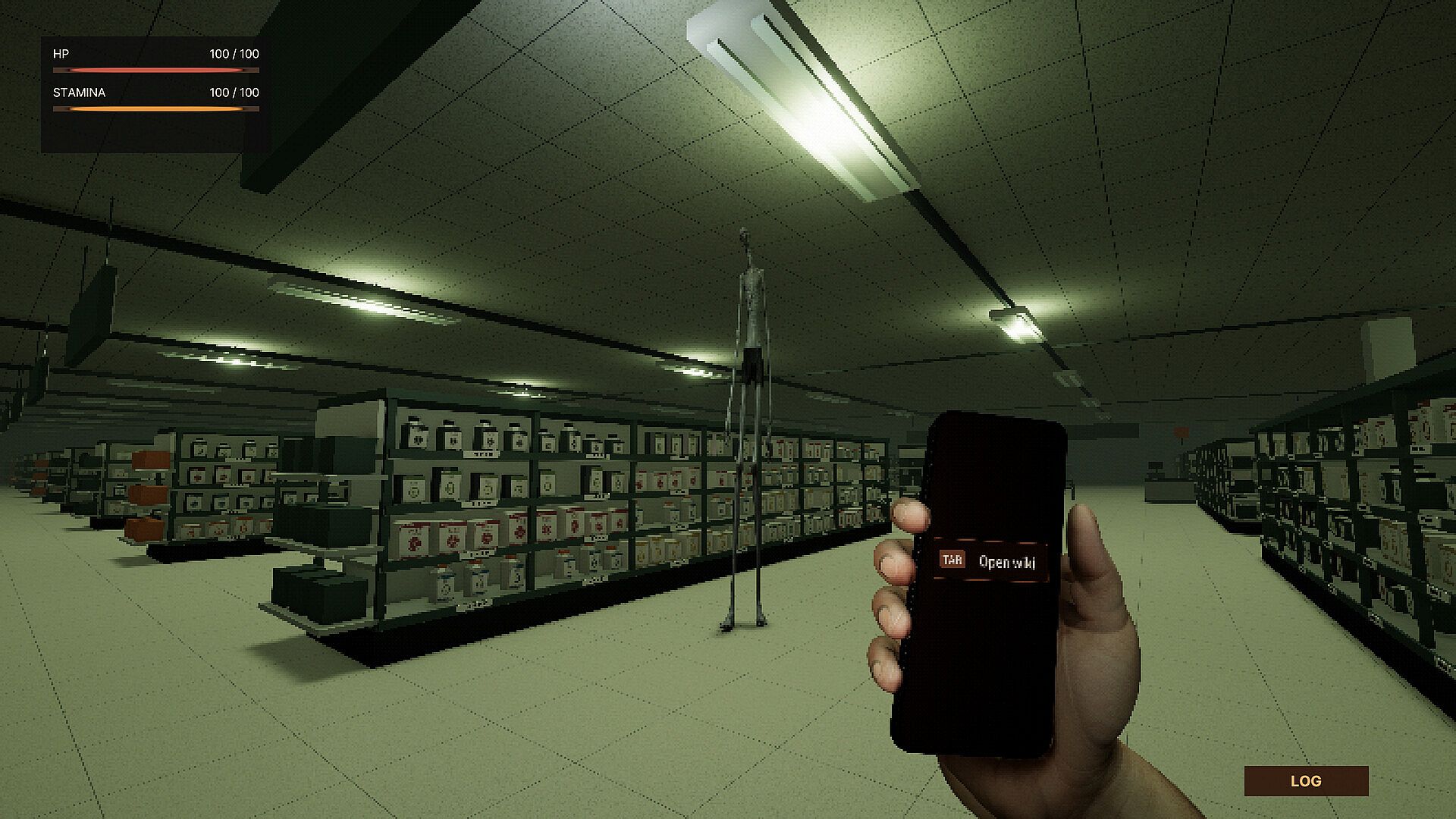
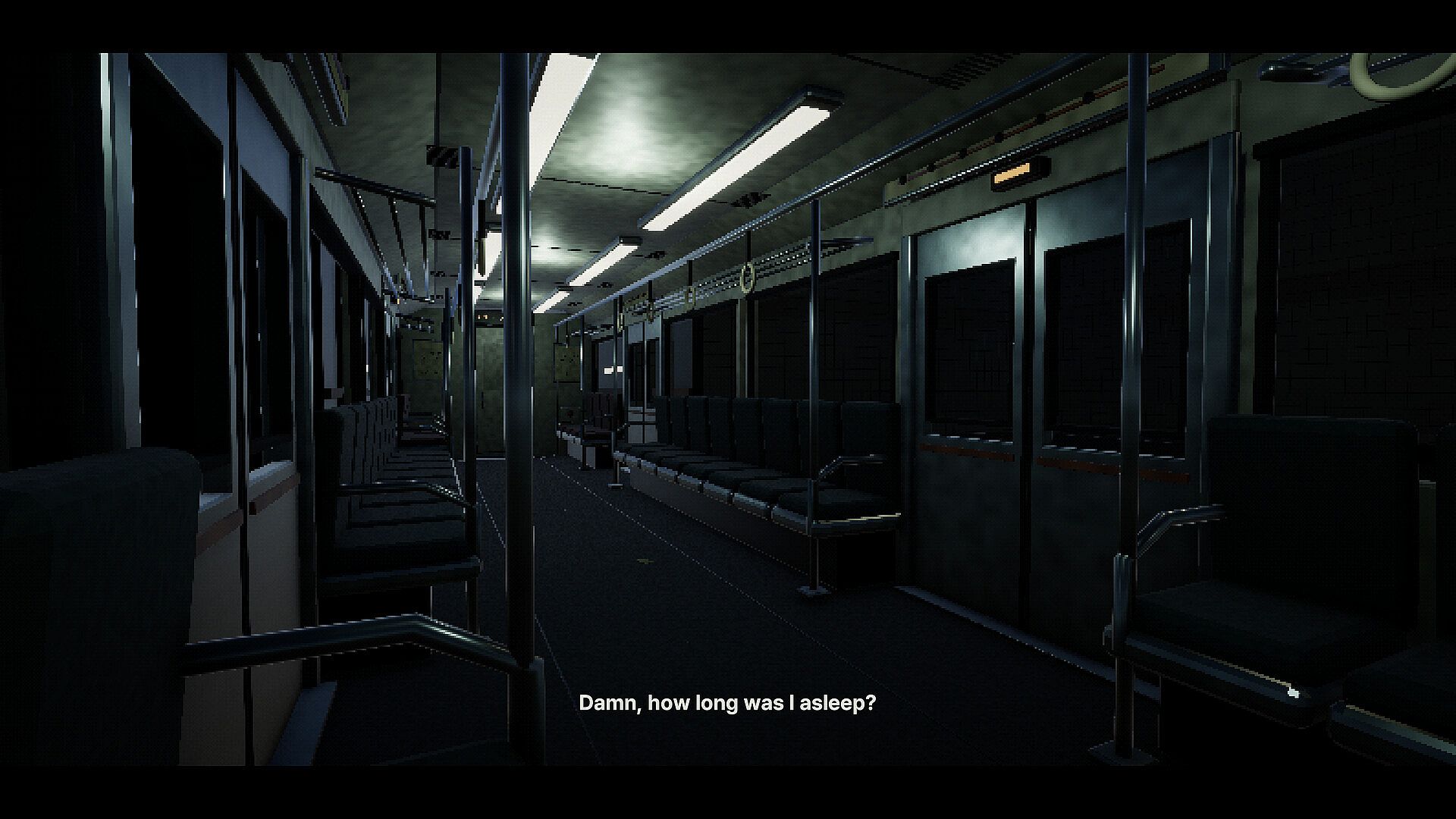
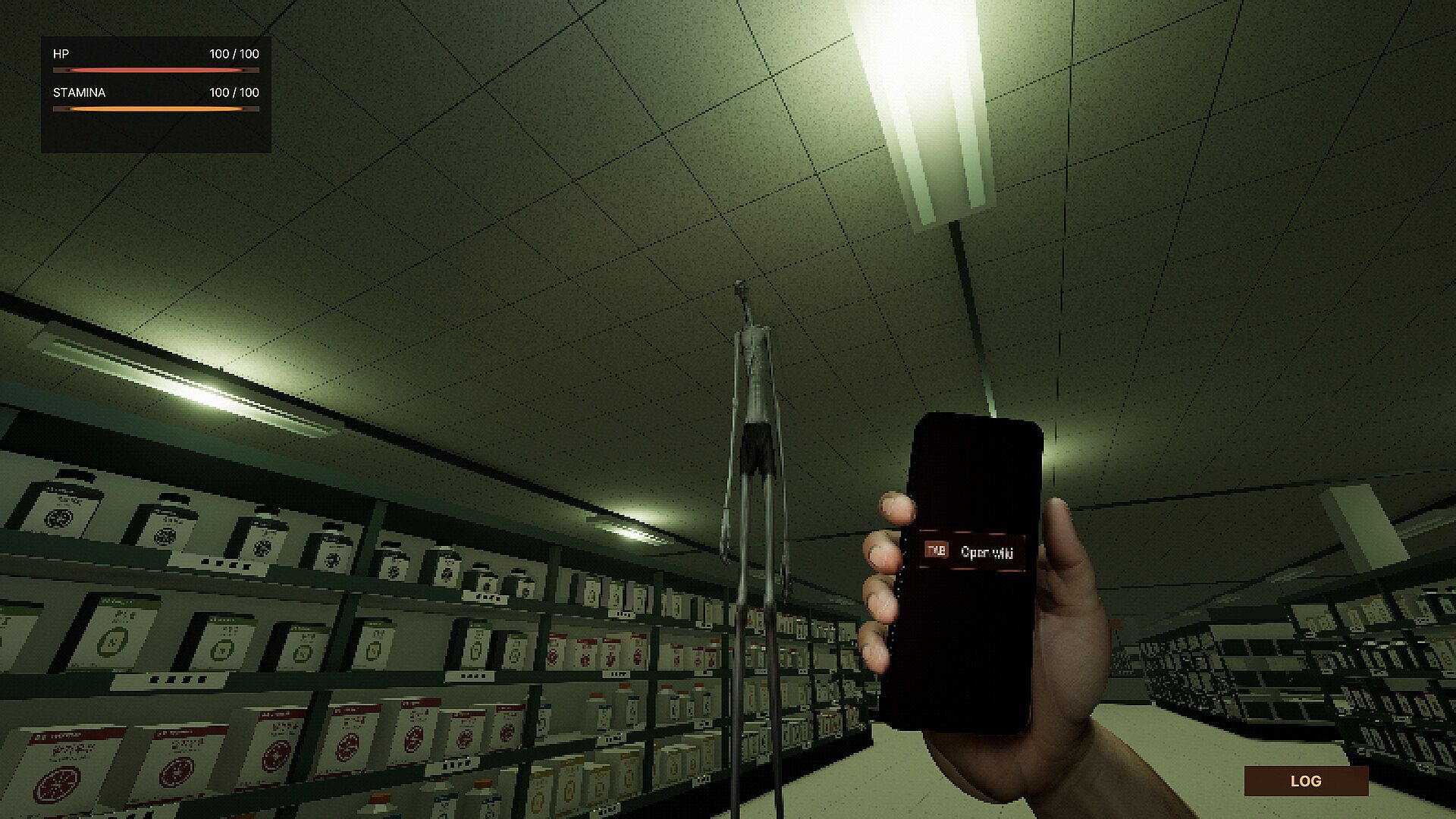
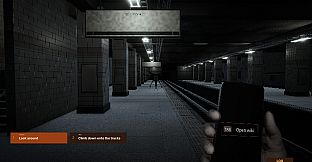
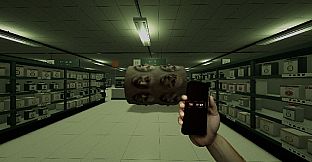
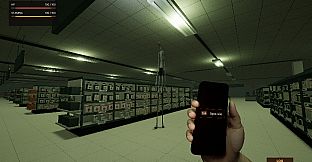
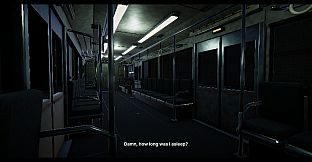
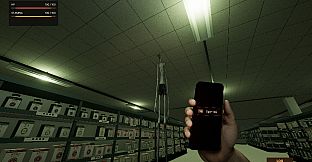
Orange Wiki is a first-person horror adventure game developed for PC. Players awaken on an unfamiliar train at the end of the line and must navigate an unknown station using only an app called Orange Wiki on their phone. The app contains records of anomalous spaces, entities, and escape methods, forming the core of the experience as players read entries, observe their surroundings, and test which details match their reality.
Gameplay
The central loop involves exploration combined with careful reading and deduction. Players move through the station and connected areas in first person, examining signs, listening to sounds, and noting recurring patterns. Each wiki article describes specific locations or phenomena, and the task is to determine which sections apply to the current situation. Two similar-looking spaces may operate under entirely different rules, so players compare clues across multiple entries and follow internal links to build a clearer picture.
Observation extends beyond text. Environmental details such as unusual lighting, repeated symbols, or entity behaviors must be cross-referenced with the records. A mismatch between the article and reality signals that the player has entered a different anomalous zone, requiring a return to the wiki for updated information. This process repeats as new areas open and fresh articles become relevant.
Decision-making shapes progress at every step. Players choose paths, decide which objects to investigate, and select which instructions to follow. An overlooked detail in one article can render a later action ineffective or dangerous. The narrative responds to these choices, sometimes revealing the meaning of a previously read sentence only after the wrong path has been taken.
Game Modes
Orange Wiki presents a single-player experience centered on personal investigation and branching outcomes. There are no separate multiplayer or competitive modes. Instead, the structure emphasizes solitary exploration where each playthrough can diverge based on the sequence of articles read and the decisions made in response to events.
Progression relies on the wiki itself as the primary tool. Players open the app at any time to search for articles about anomalous spaces, review entity descriptions, or trace connections between entries. The absence of traditional objectives or timers keeps the focus on careful reading and environmental comparison rather than speed or combat.
Story and Setting
The narrative unfolds through the wiki entries and the player's direct encounters. Ordinary station architecture gradually reveals layers of strangeness as the records describe rules that may or may not govern the spaces being explored. Players connect factual accounts of urban legends and anomalous phenomena with the events unfolding around them, learning how inhabitants behave and how the environments shift.
Memory loss at the start forces reliance on the app for all context. The phone becomes both lifeline and puzzle, holding the only reliable information about escape routes. As more articles are unlocked through exploration, the larger picture of the station and its rules emerges, though never in a straightforward manner.
Is It Worth Playing?
Orange Wiki suits players who enjoy methodical, narrative-driven horror that rewards attention to detail and patience with text. The emphasis on cross-referencing wiki entries with the environment creates a distinctive investigative loop uncommon in many adventure titles. Those who prefer action-heavy experiences or clear linear paths may find the deliberate pace and reliance on reading less engaging.
Choice consequences add replay value for players willing to experiment with different sequences of investigation. Because outcomes can hinge on small oversights or alternative interpretations of the same article, a second playthrough often reveals new connections and alternate results. The game remains in active development with no announced seasonal content or additional modes at this time.
Overall, the title delivers a focused single-player horror adventure built around information gathering and decision consequences. It appeals most to those comfortable spending time with in-game documents and testing hypotheses against their surroundings rather than relying on combat or fast reflexes.