



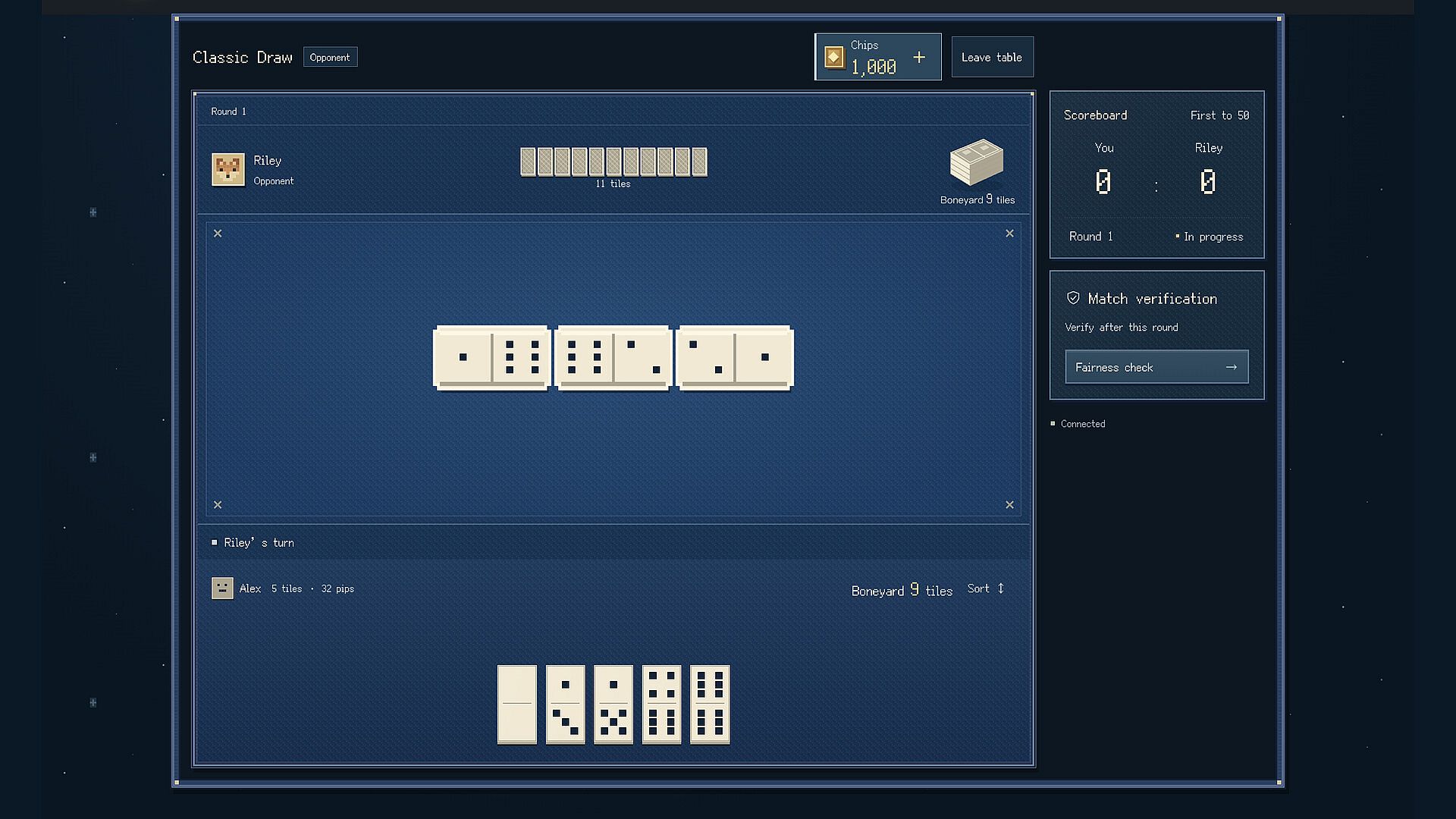
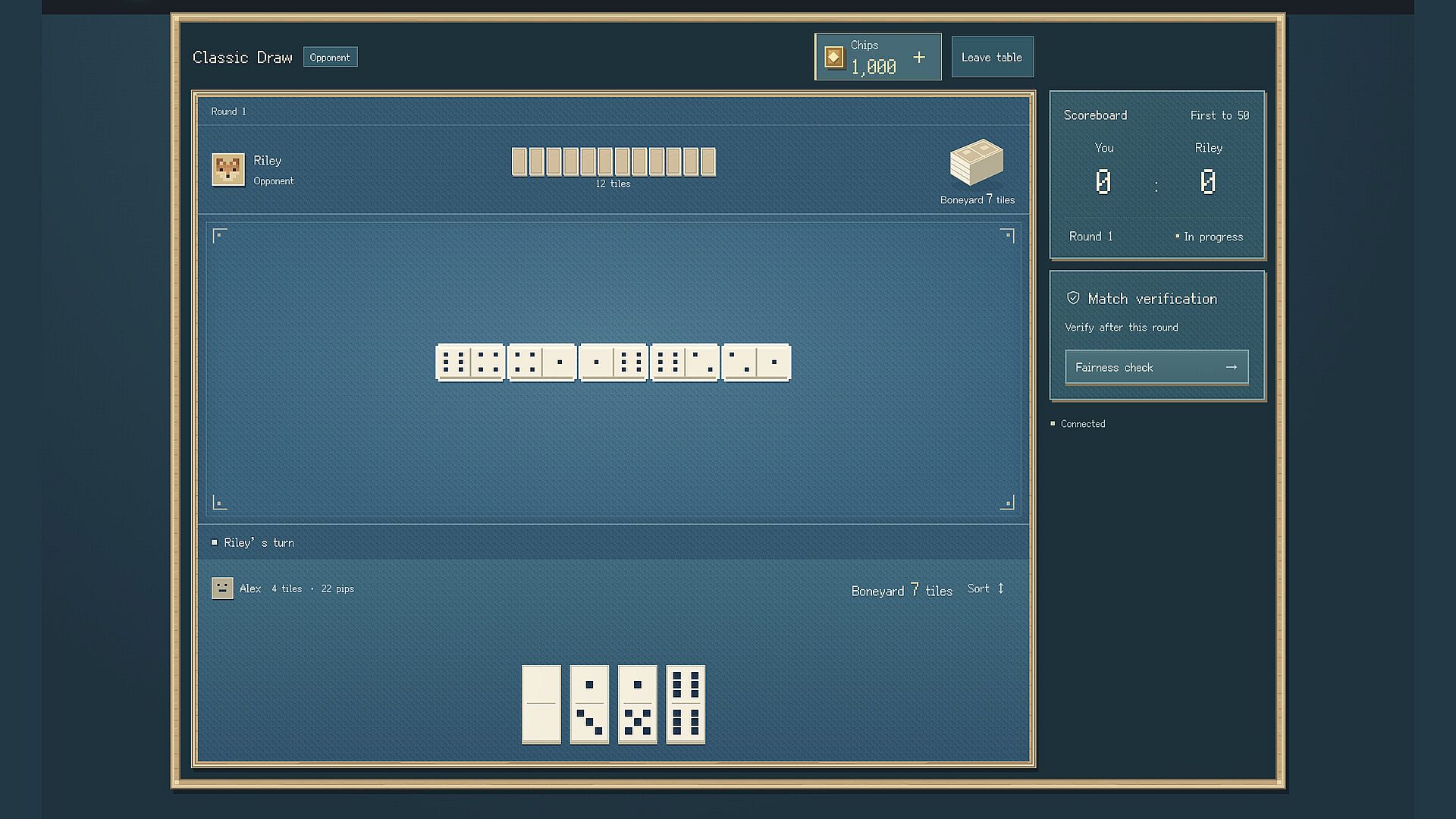
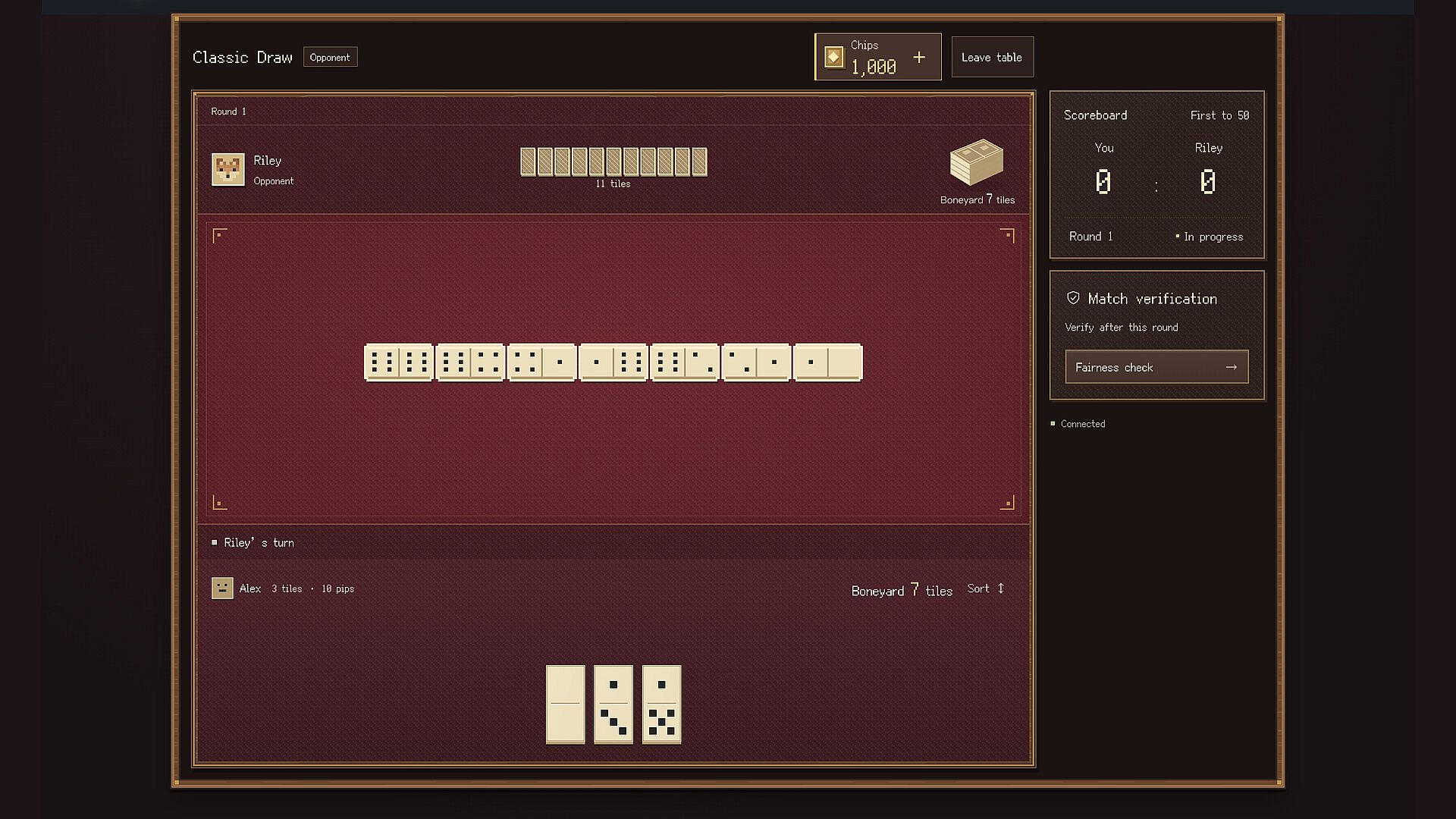
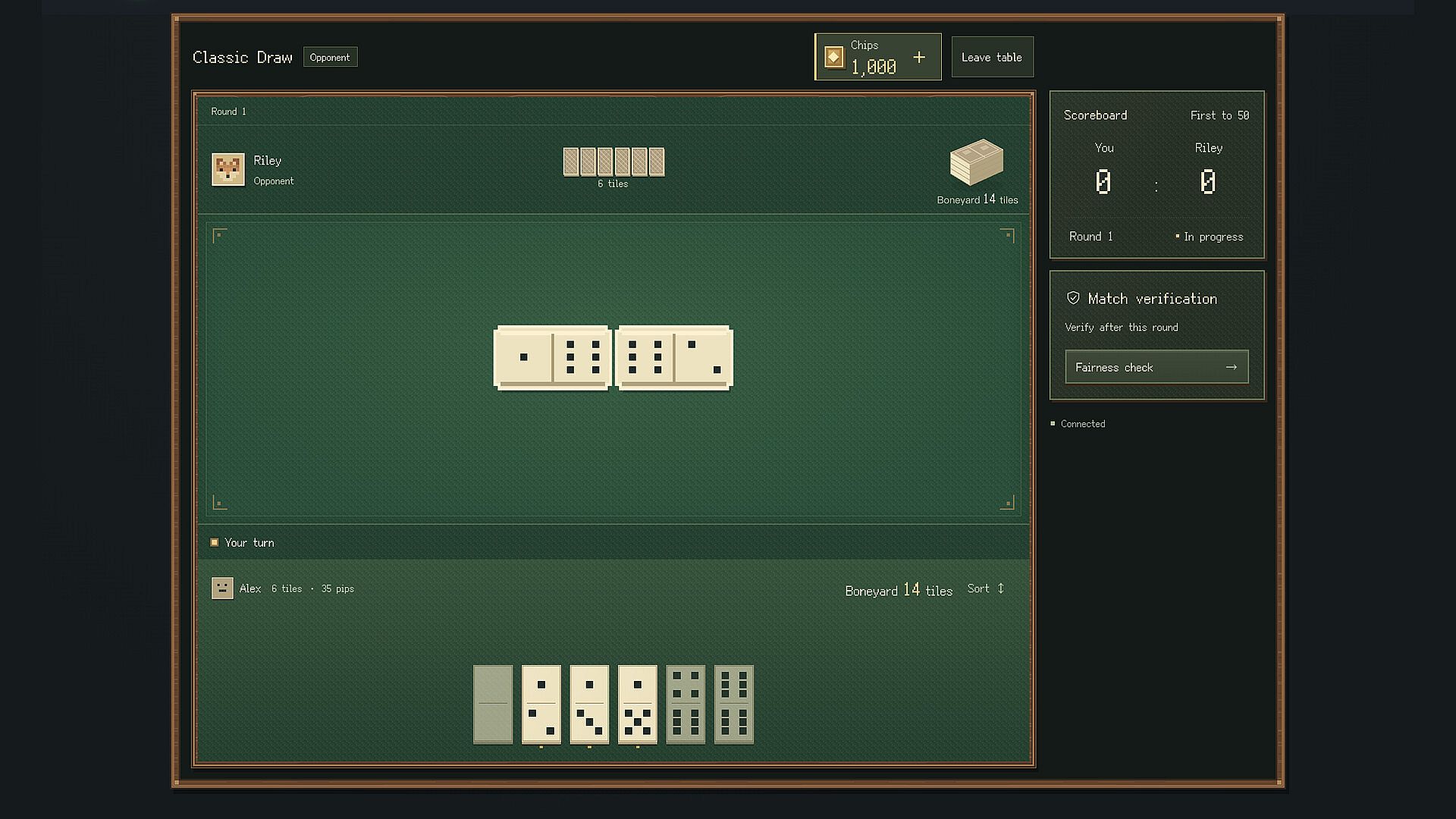

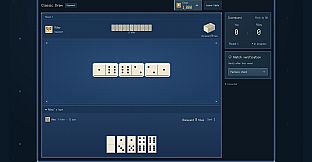
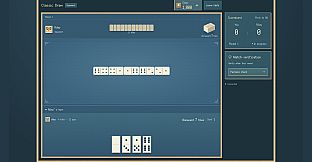
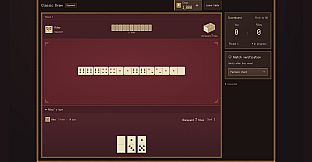
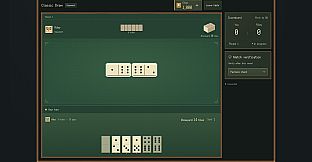
Pixel Domino Club delivers a focused two-player strategy experience built around classic dominoes on PC. This free-to-play indie title uses pixel-art presentation and emphasizes verifiable fairness through a seed-based system that lets players confirm every tile distribution after each match.
Gameplay
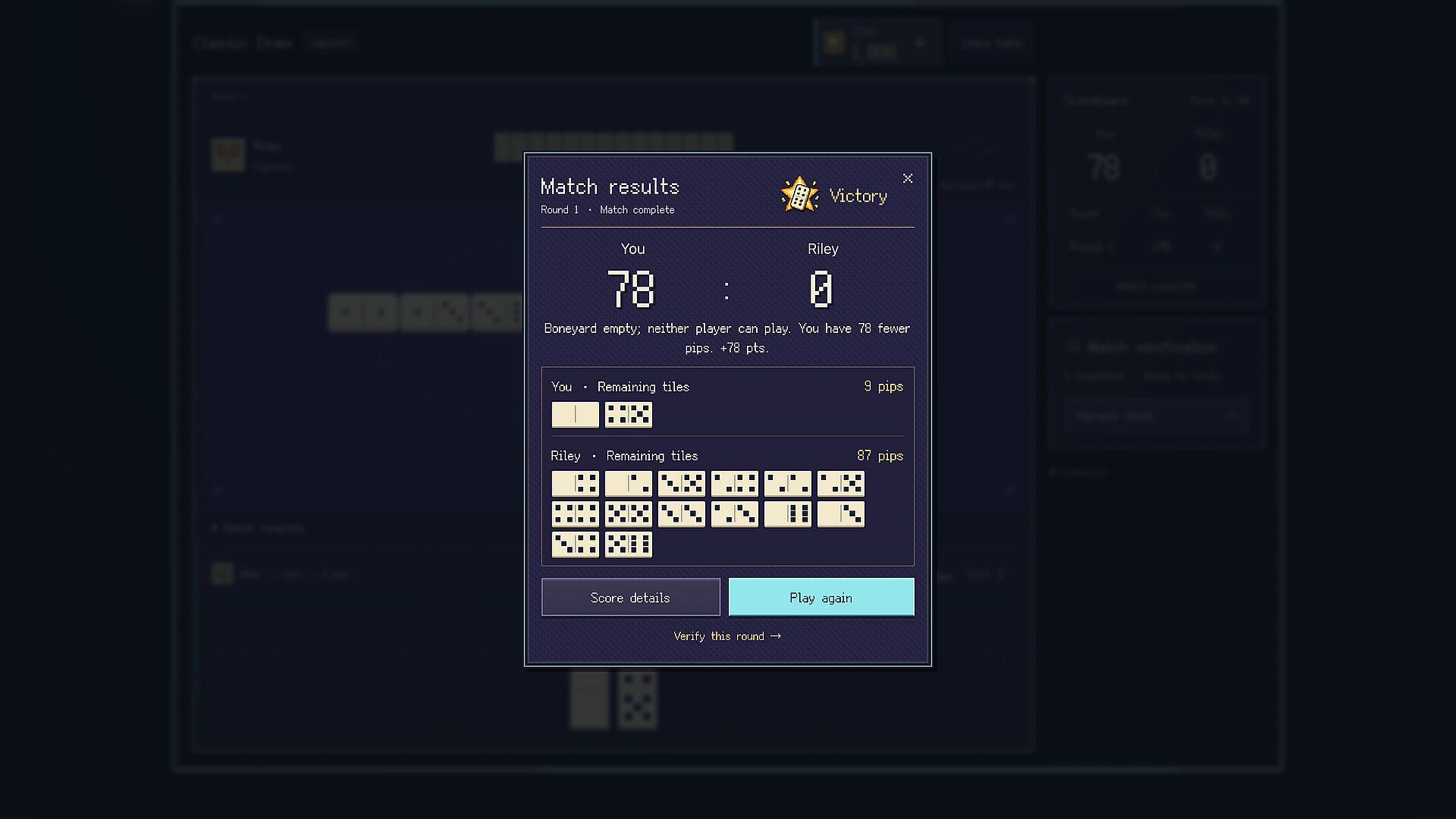
The core loop centers on a standard double-six domino set shared between two opponents. Before a match begins, each player selects a personal random seed. This combines with a pre-committed server seed to determine the exact order of tiles drawn from the boneyard. Once the game ends, the full match record becomes available for inspection. Players can re-enter their seed, regenerate the tile sequence, and verify every placement along with the resulting scores. This process removes uncertainty about shuffle integrity while preserving the skill-based decisions that define domino play.
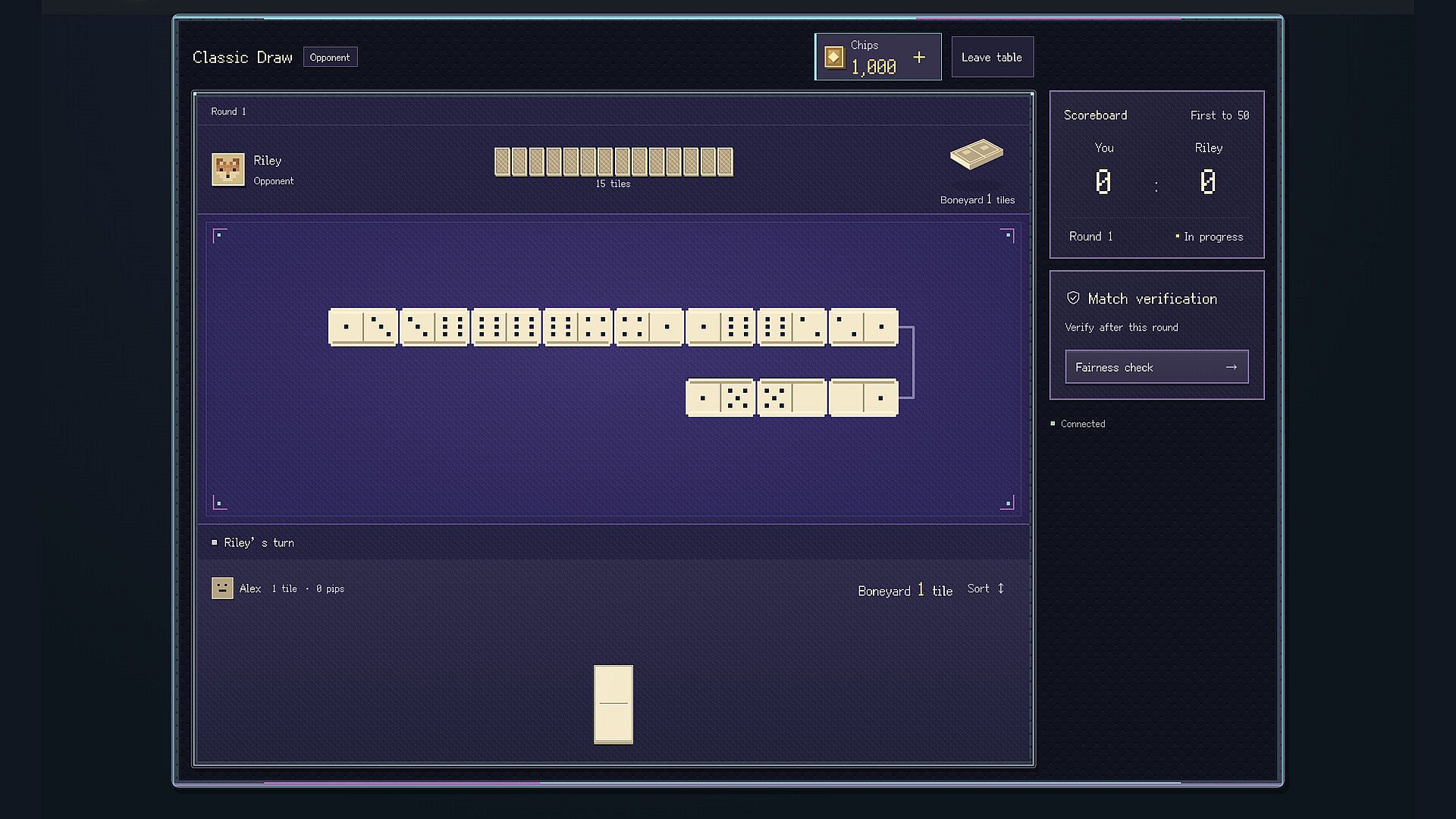
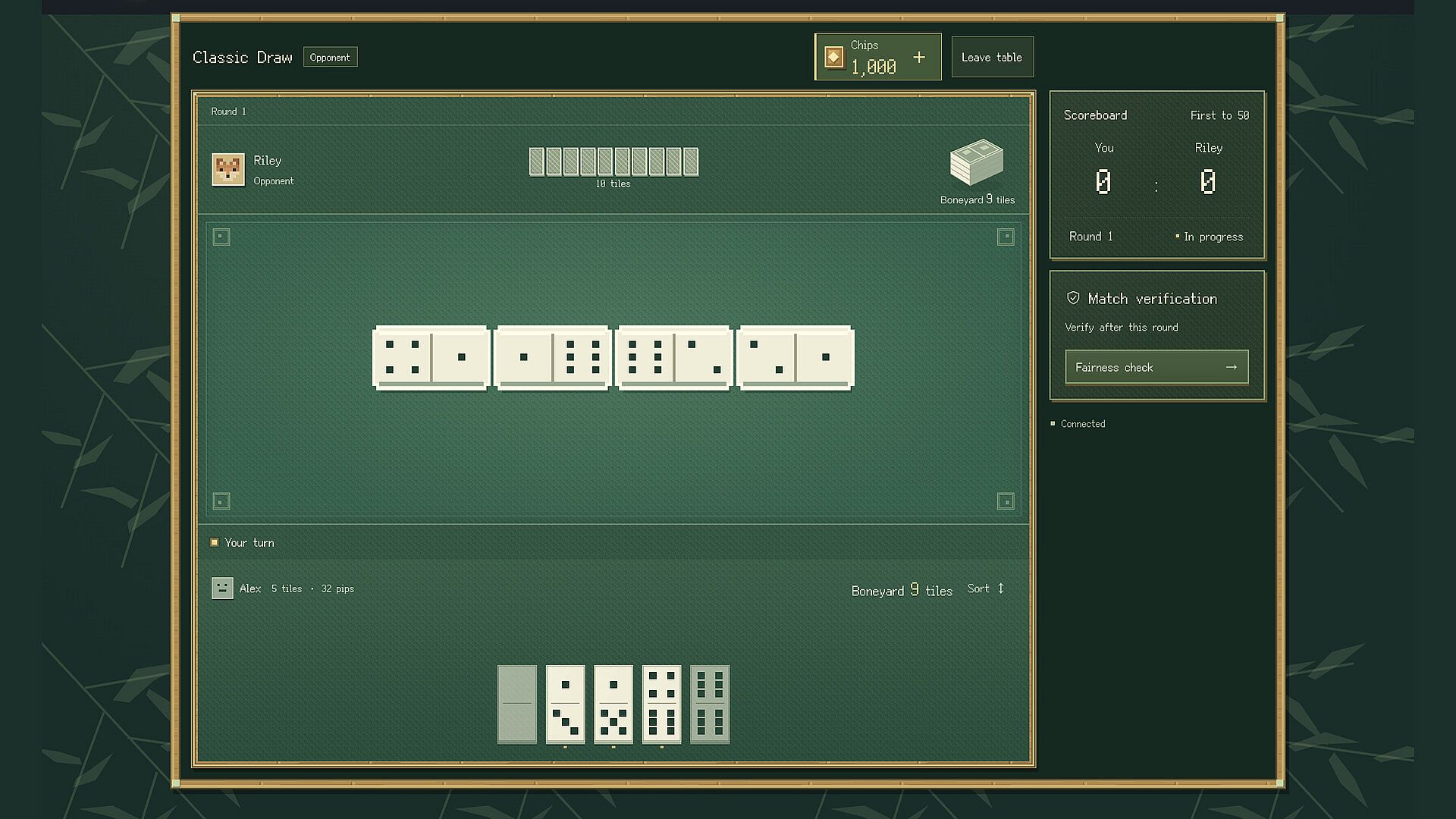
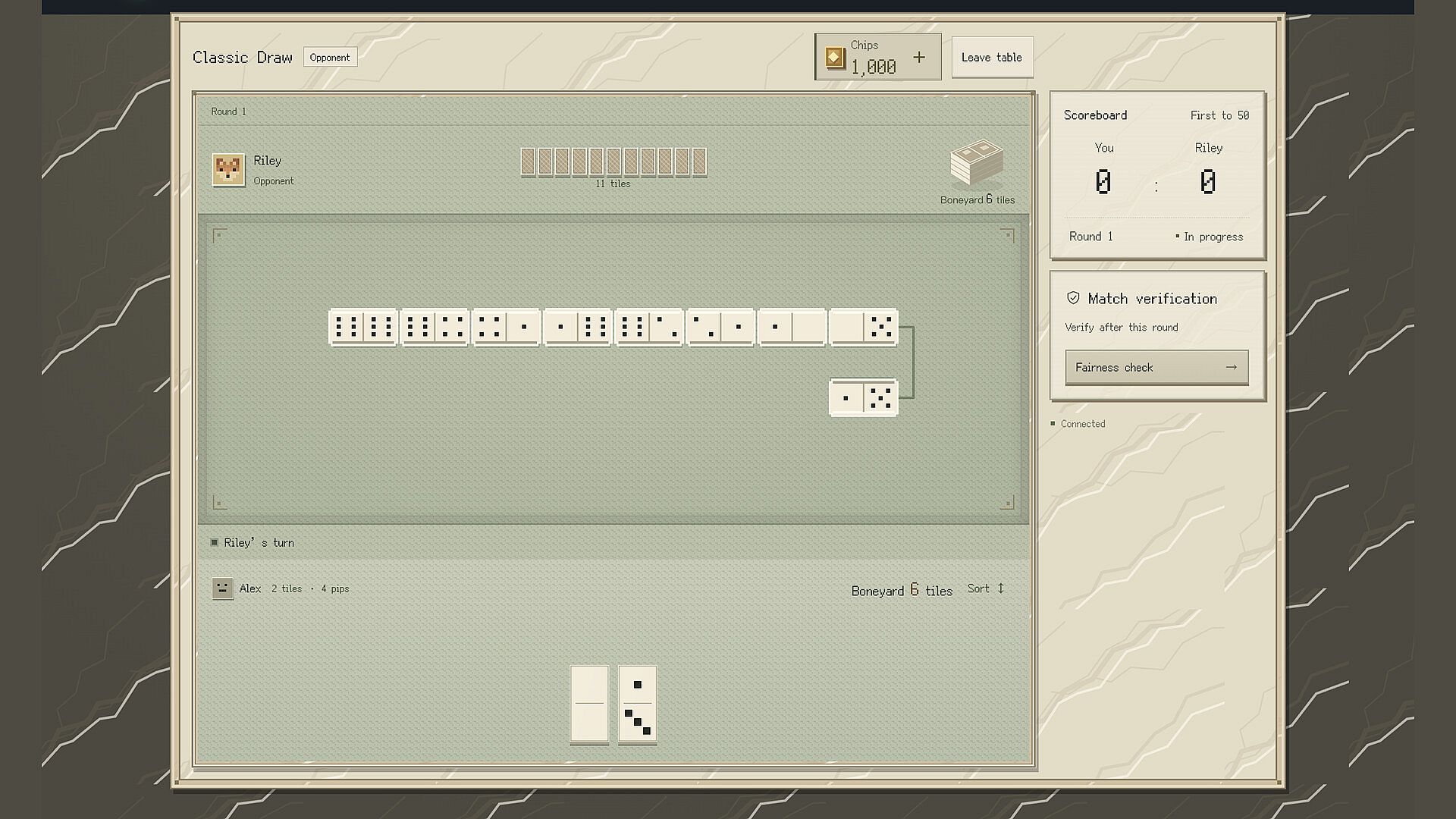
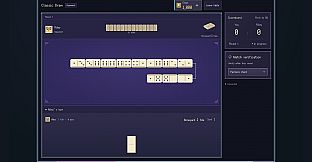
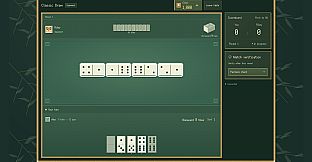
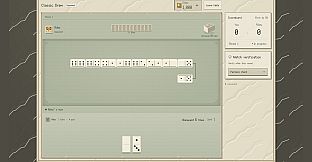
Matches take place at one of several pixel-art tables, each with distinct background themes. Games run to either a 50-point or 100-point target. A built-in history system stores previous results with enough detail for later review. The setup supports direct play against a friend at the same table or solo practice sessions that follow the same rules without external opponents.
Game Modes
Three distinct rule sets shape the strategic choices available. In Draw, a player who cannot make a legal move continues drawing tiles until a playable one appears or the boneyard empties. Block requires an immediate pass when no move exists, forcing earlier planning around known played tiles. All Fives awards immediate points whenever the sum of exposed ends equals a multiple of five, adding an extra layer of calculation during chain building.
Each mode alters the pace and risk assessment. Draw rewards persistence and resource management when tiles run low. Block punishes poor memory of the remaining distribution. All Fives introduces scoring opportunities mid-round that can shift momentum before the hand concludes.
Verification and Fairness
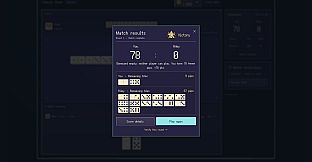
The seed system forms the central technical feature. After a match, the published record displays the player-entered seed, the generated tile order, every individual move, round-by-round scoring, and the final outcome. Recalculation matches the on-screen results exactly when the correct seeds are used. This transparency suits players who value provable randomness over blind trust in online shuffles.
Practice mode lets users test strategies under identical verification rules without affecting match records. The same tables and scoring options remain available, allowing focused repetition of specific situations.
Is It Worth Playing?
Pixel Domino Club suits players who enjoy deliberate, two-player strategy games and appreciate the ability to audit game integrity afterward. Its pixel-art style and straightforward interface keep attention on the domino mechanics rather than visual distractions. The three modes provide variety without overwhelming complexity, while the seed verification adds a layer of reassurance uncommon in casual domino titles.
Those seeking quick sessions with a friend or structured solo practice will find the format accessible. The free-to-play model removes any upfront cost barrier, and the emphasis on verifiable results appeals directly to anyone concerned about fairness in digital tabletop games. Overall, the title delivers a clean, focused domino experience for PC users who prioritize skill and transparency over broader multiplayer features.