




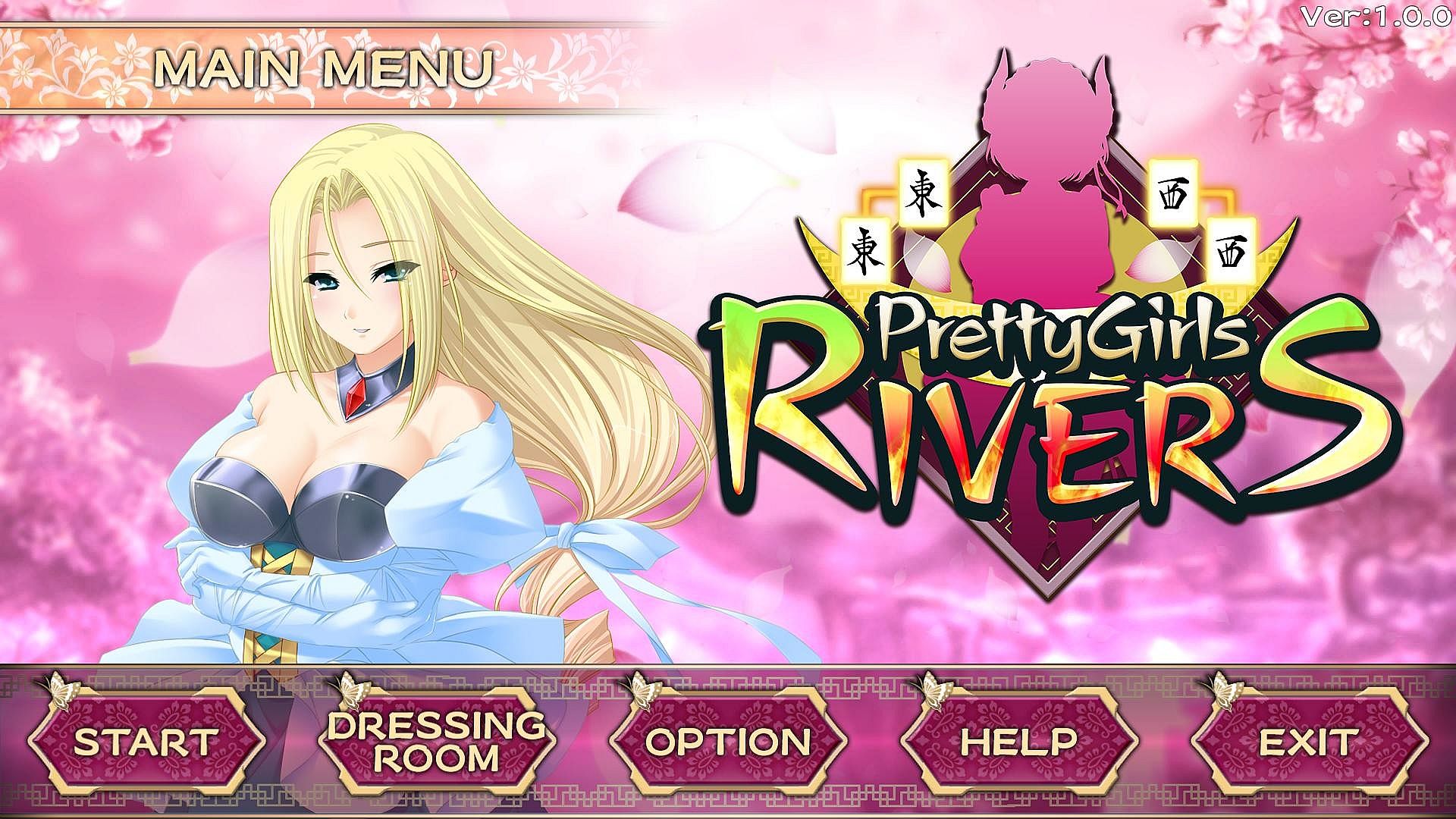
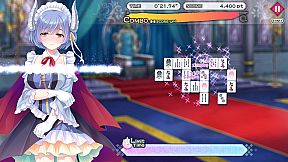
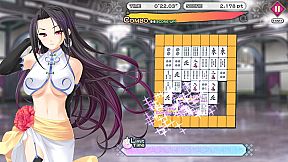
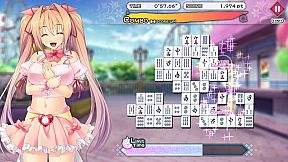
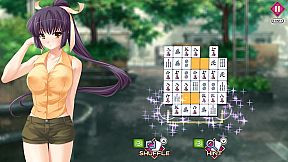
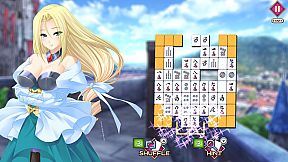
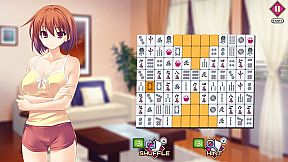


Pretty Girls Rivers (Shisen-Sho) is a casual puzzle game centered on Shisen-Sho tile matching. Players clear boards of Mahjong tiles by pairing identical designs under specific connection rules while racing against a timer in the standard experience.
Gameplay
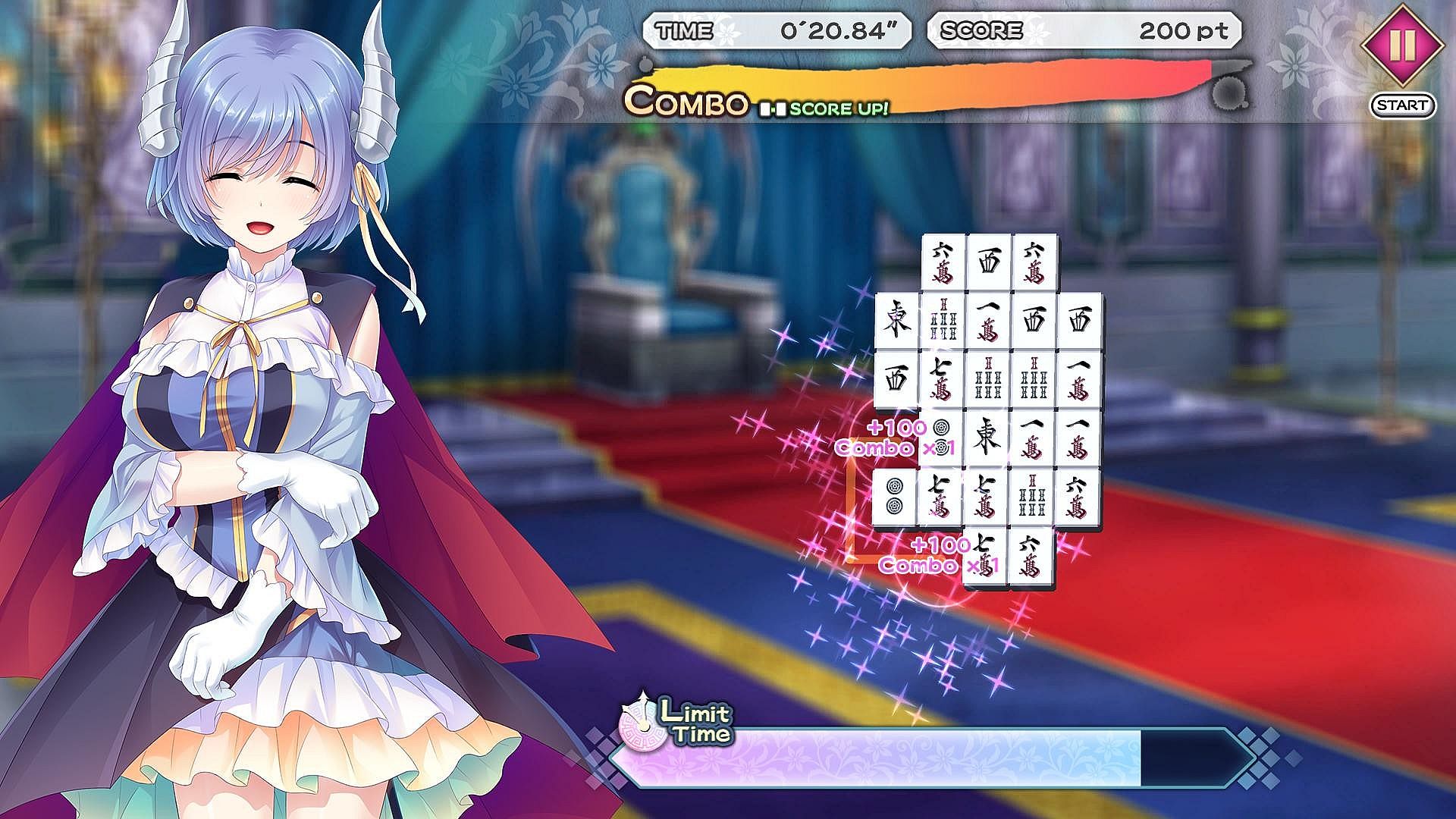
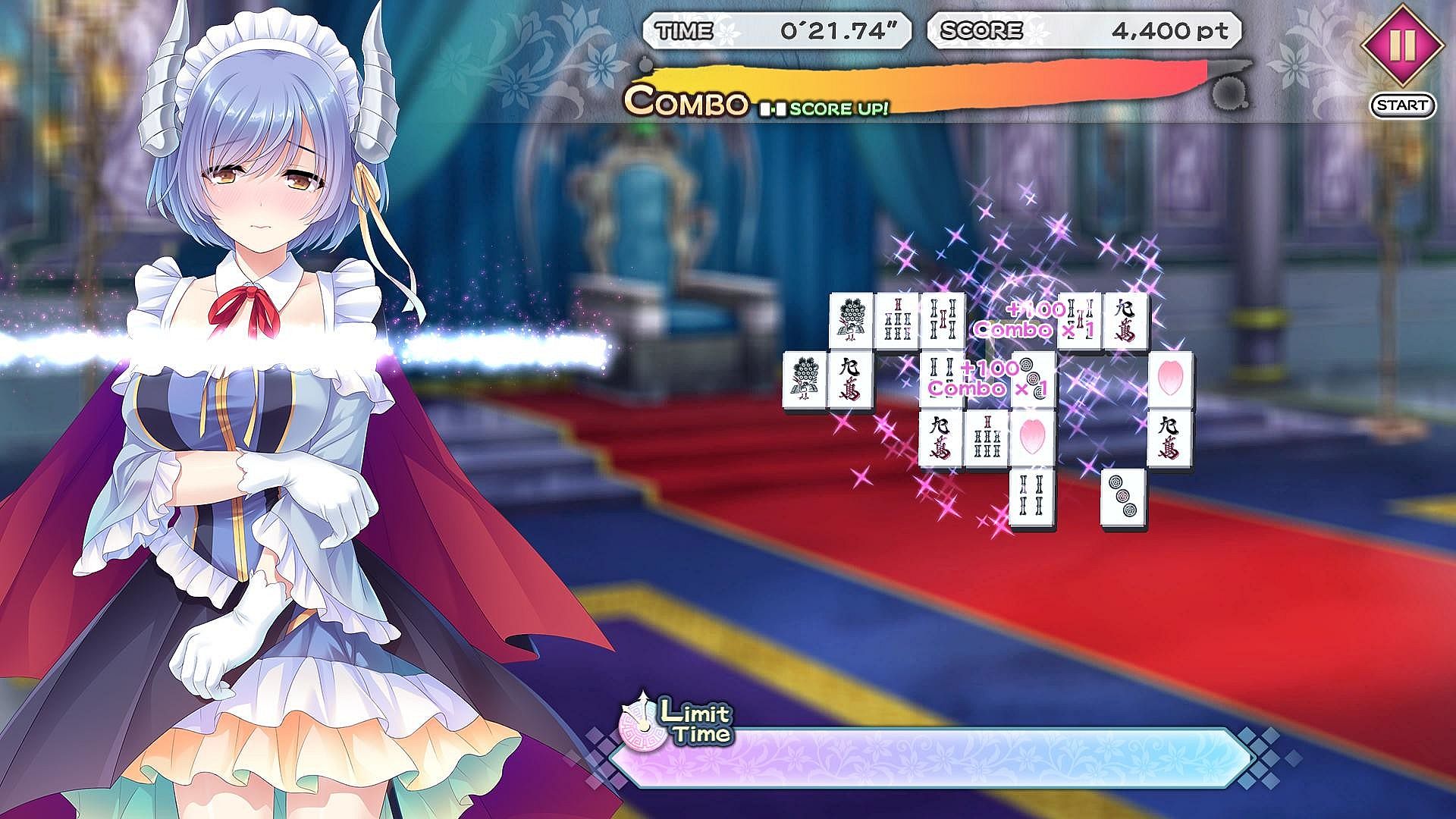
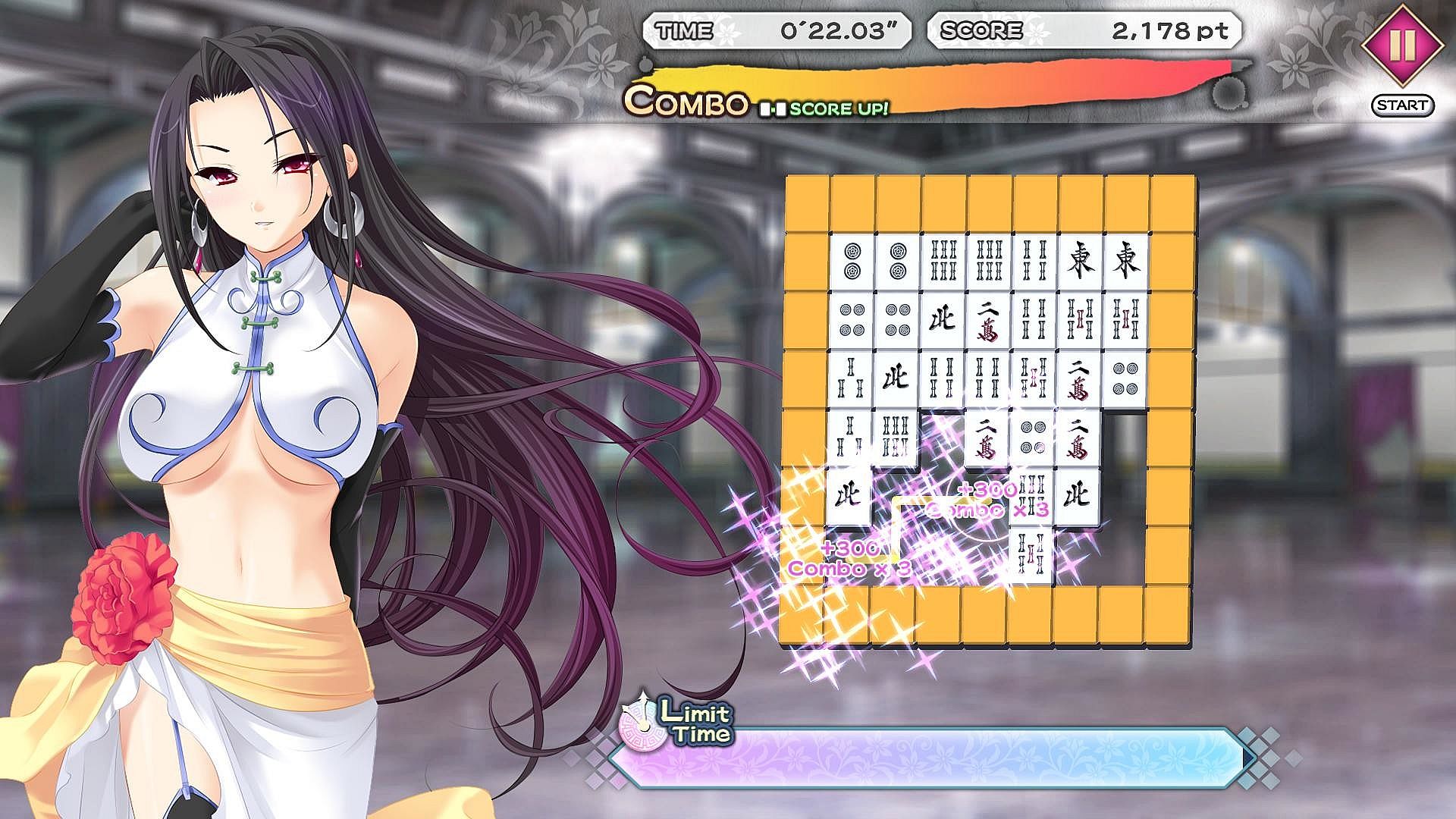
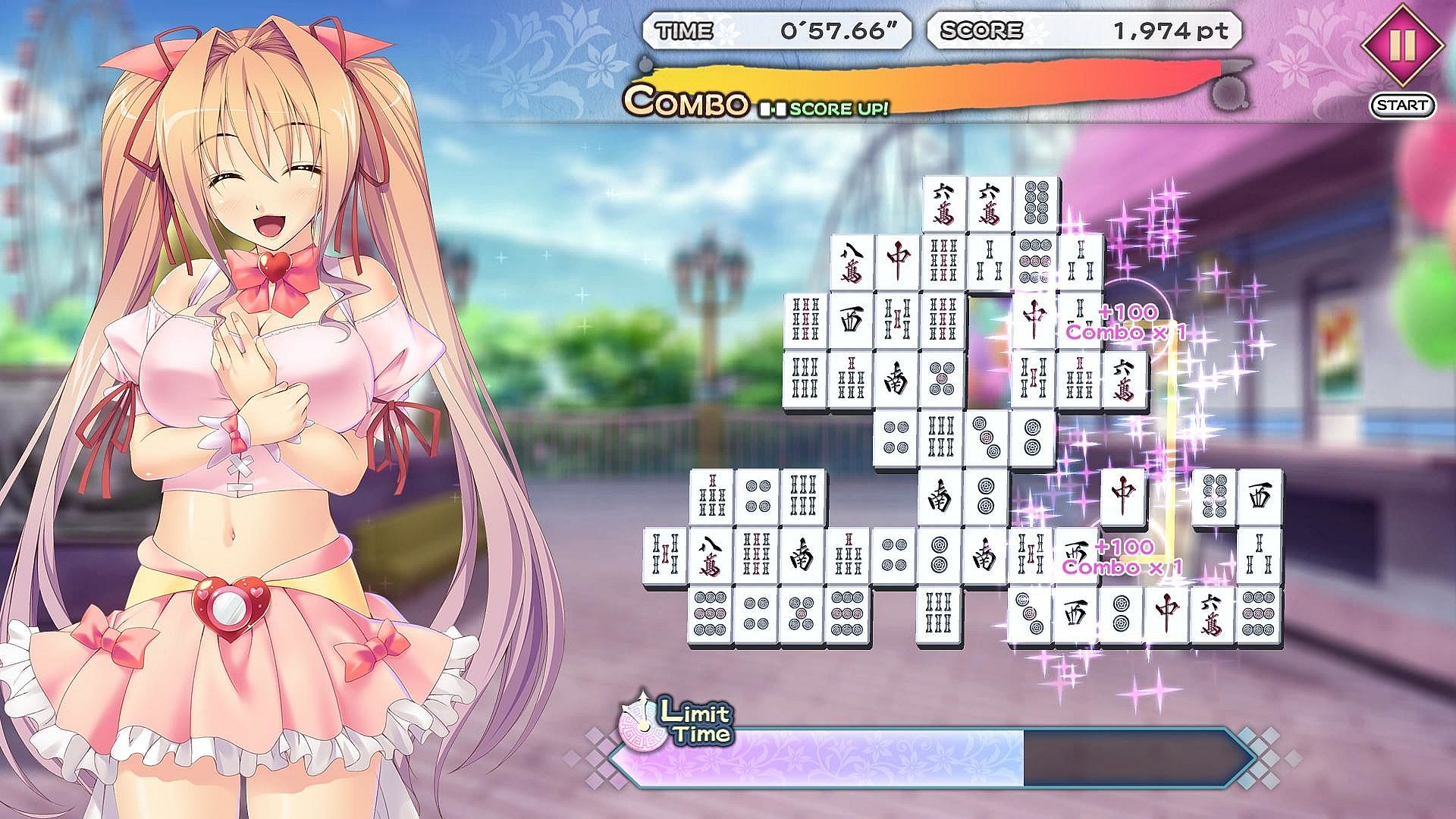
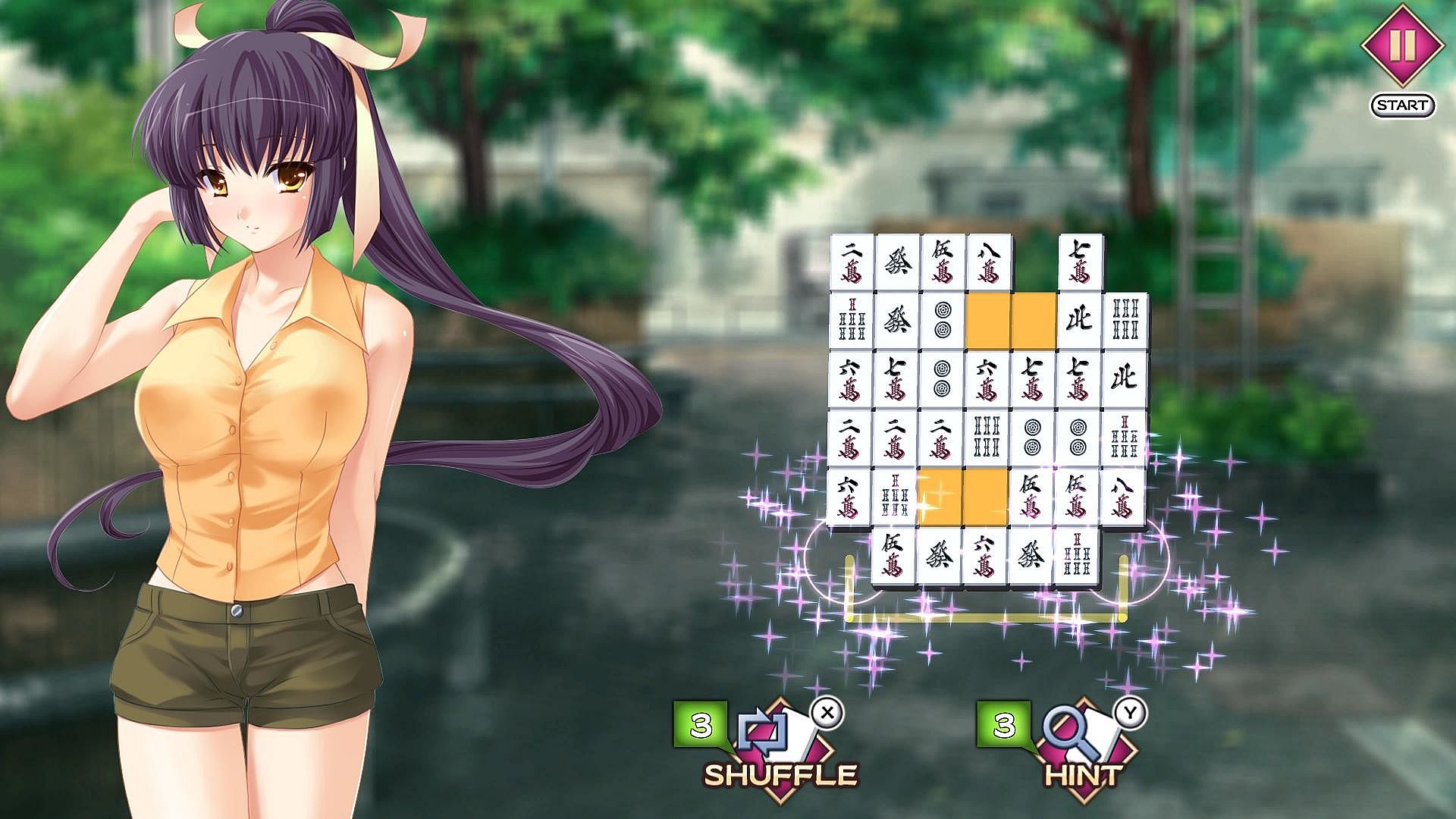
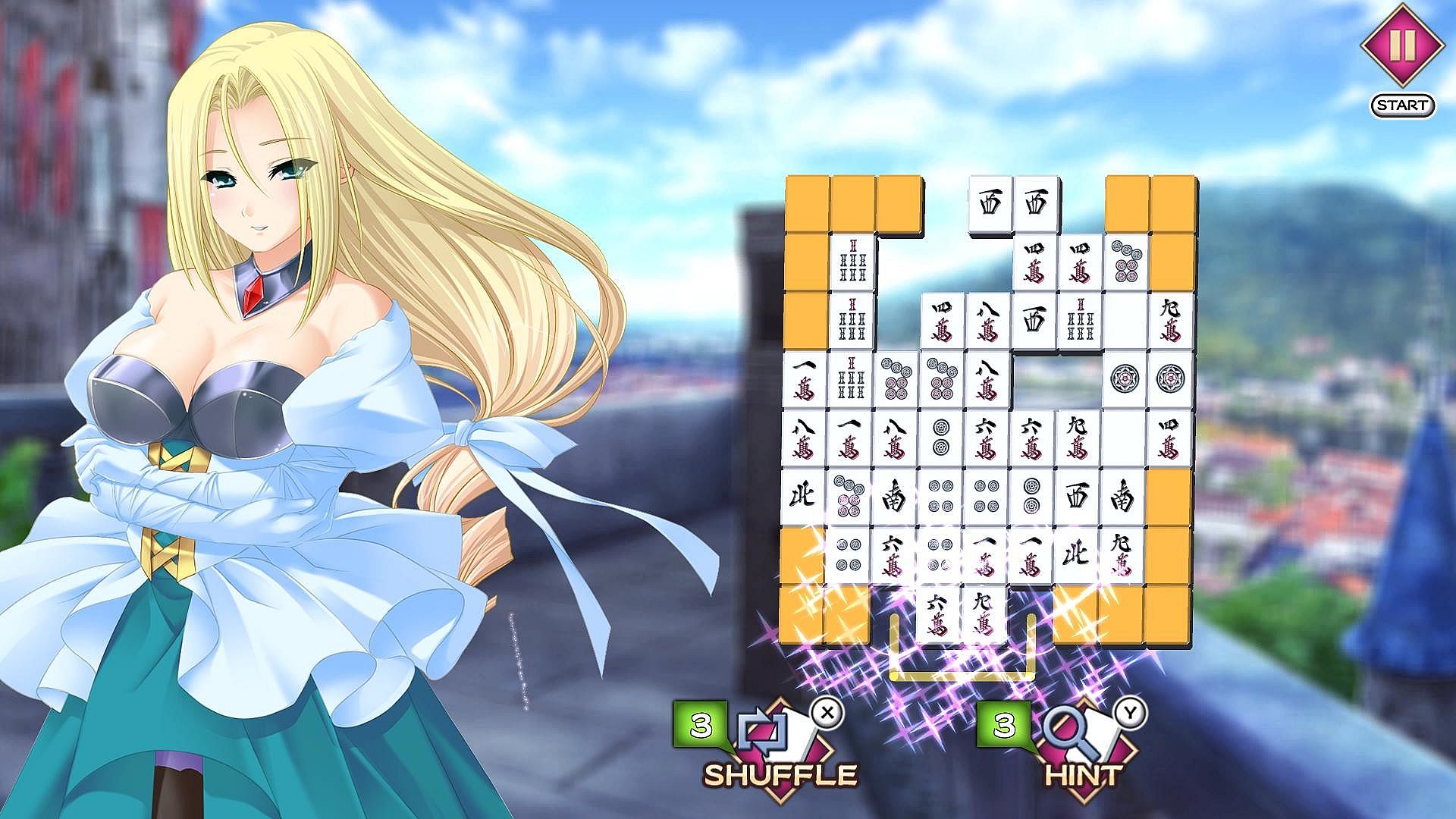
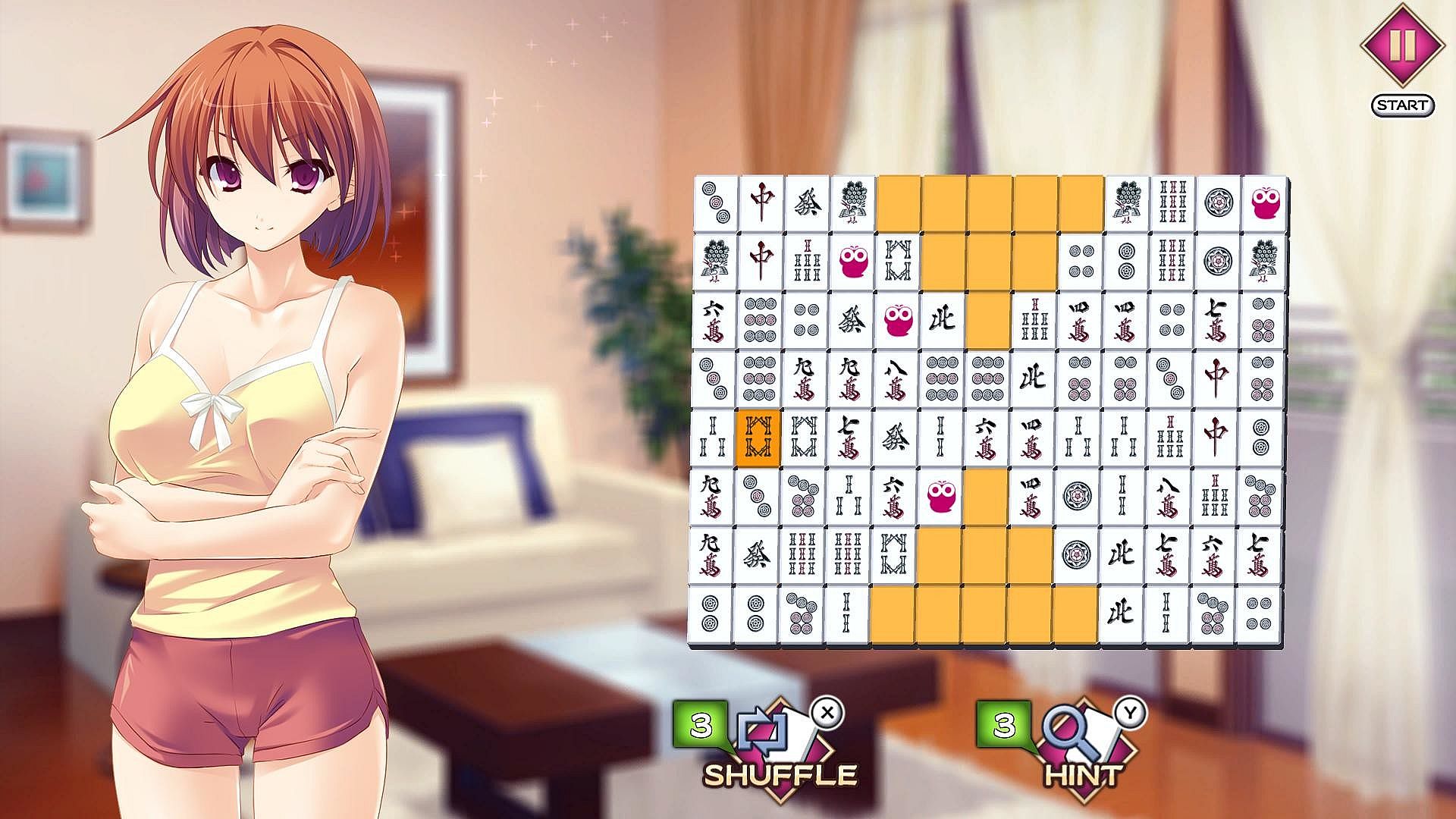
The core loop involves selecting two matching tiles that are either directly adjacent or linked by a path with no more than two bends. Adjacent pairs clear immediately, and valid line connections follow the same limit. Selecting an invalid pair reduces the remaining time. Boards feature a flat single-layer layout rather than stacked tiles, with some stages introducing obstacles such as walls that block paths. Each playthrough randomizes the tile arrangement, encouraging repeated attempts at the same stages. Clearing pairs builds a combo meter that rewards faster play by extending the timer. The game emphasizes careful planning to avoid dead ends where no further matches remain possible.
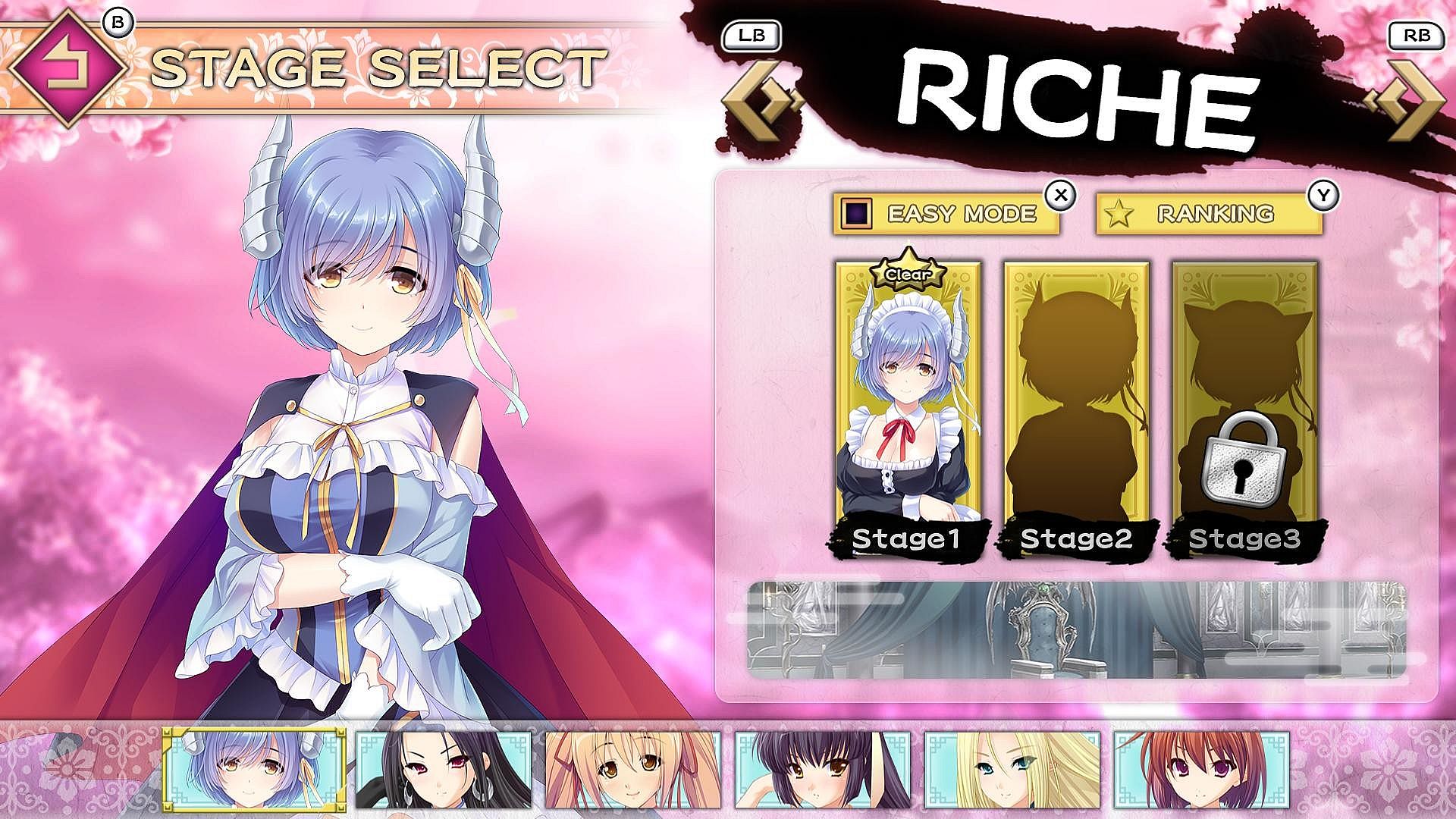
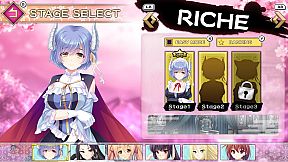
Six characters appear across the stages, each with distinct personalities and full Japanese voice acting. Riche appears as a quiet demon girl despite her fearsome title. Reiu maintains a dutiful and earnest approach to her responsibilities. Kanon stands out as a cheerful idol favored for her expressive manner. Ren projects a cool demeanor and competitive streak. Cecil comes across as reserved at first but reveals a caring side. Risa combines striking looks with a strong personality that draws admiration from others. Progress through stages unlocks new outfits for these characters, ranging from cute to cool and more revealing styles.
Game Modes
Normal mode imposes a strict time limit on each round and tracks combos for scoring, with results feeding into online leaderboards. Easy mode removes the timer entirely, adds a hint system to highlight possible matches, and includes shuffle options to rearrange tiles when stuck. This variant suits players seeking a relaxed pace without pressure from the clock. Both modes support the same stage progression and costume rewards, though only normal mode contributes to competitive rankings.
Stages follow a consistent structure of four rounds each. The final round of every stage ties directly into outfit reveals as tiles disappear. The randomized layouts ensure variety even on repeat visits to earlier content.
Characters and Customization
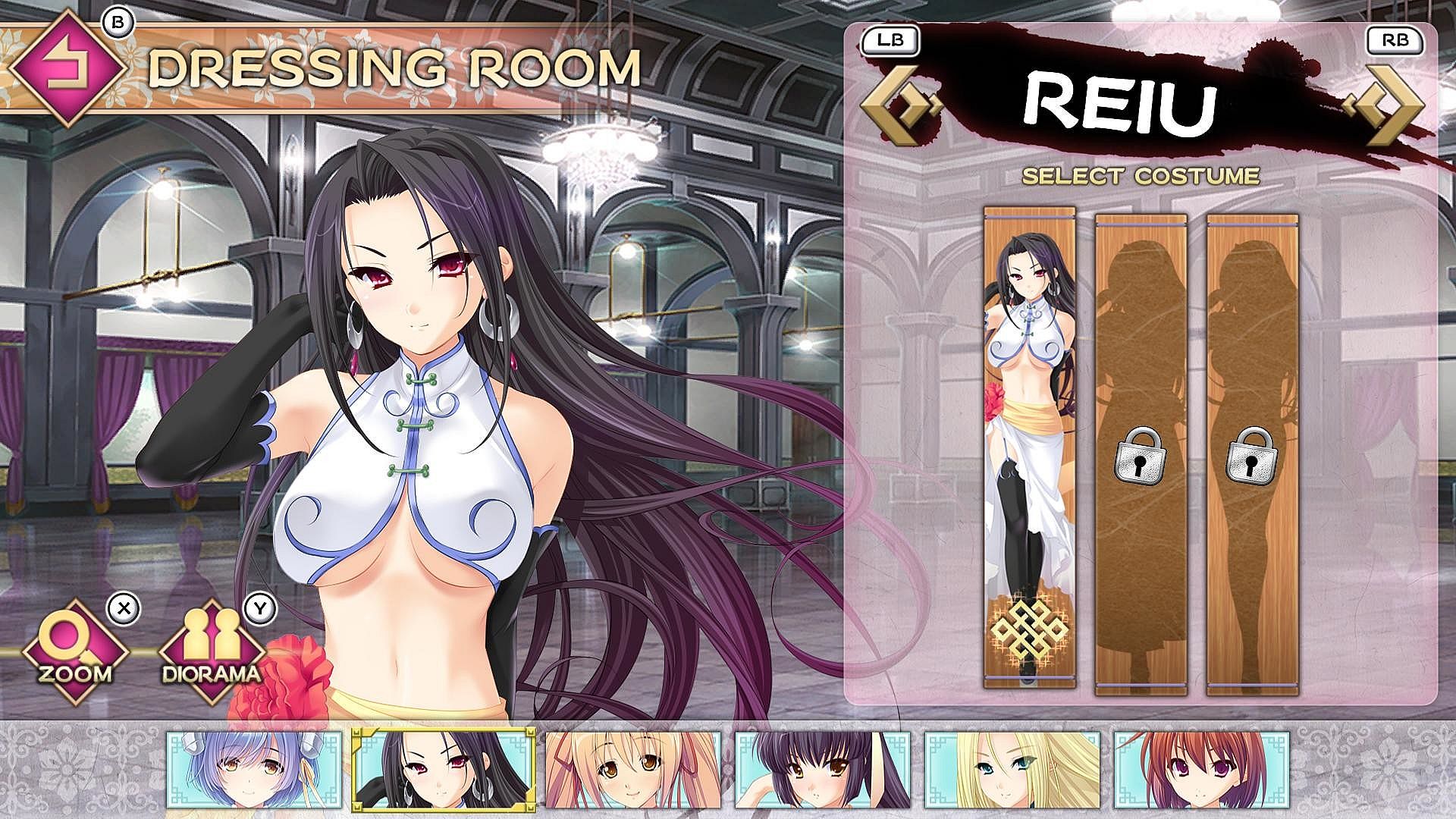
Unlocking costumes expands options in the dedicated dressing room feature. This area supports simultaneous display of all six characters, with full control over their individual positions, facial expressions, and selected outfits. The system builds on series traditions but adds expanded placement and customization tools for creating varied scenes. All characters remain fully voiced during interactions and stage clearings.
Is It Worth Playing?
The experience delivers a focused single-player puzzle session that typically lasts a few hours to complete all stages and collect available rewards. Players who enjoy straightforward tile-matching mechanics with light strategy will find the connection rules intuitive after a short adjustment period. The combination of randomized boards, optional relaxed mode, and character progression appeals to those looking for short, repeatable sessions rather than extended campaigns. Leaderboard competition in normal mode adds a layer of replay value for score chasers. Reception among casual puzzle fans highlights the accessible gameplay and visual presentation, though the overall length remains modest. Those drawn to anime-style character art alongside Mahjong solitaire variants often appreciate the package at its budget price point.