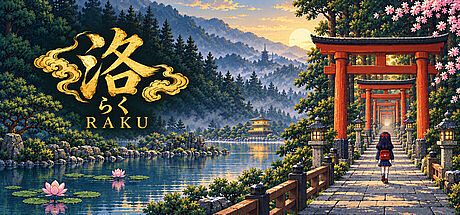


Raku is a single-player pixel-art RPG and adventure game set in a detailed recreation of Kyoto. Players guide a character on a pilgrimage through the city across its four distinct seasons while engaging with everyday life and elements of Japanese folklore.
Gameplay
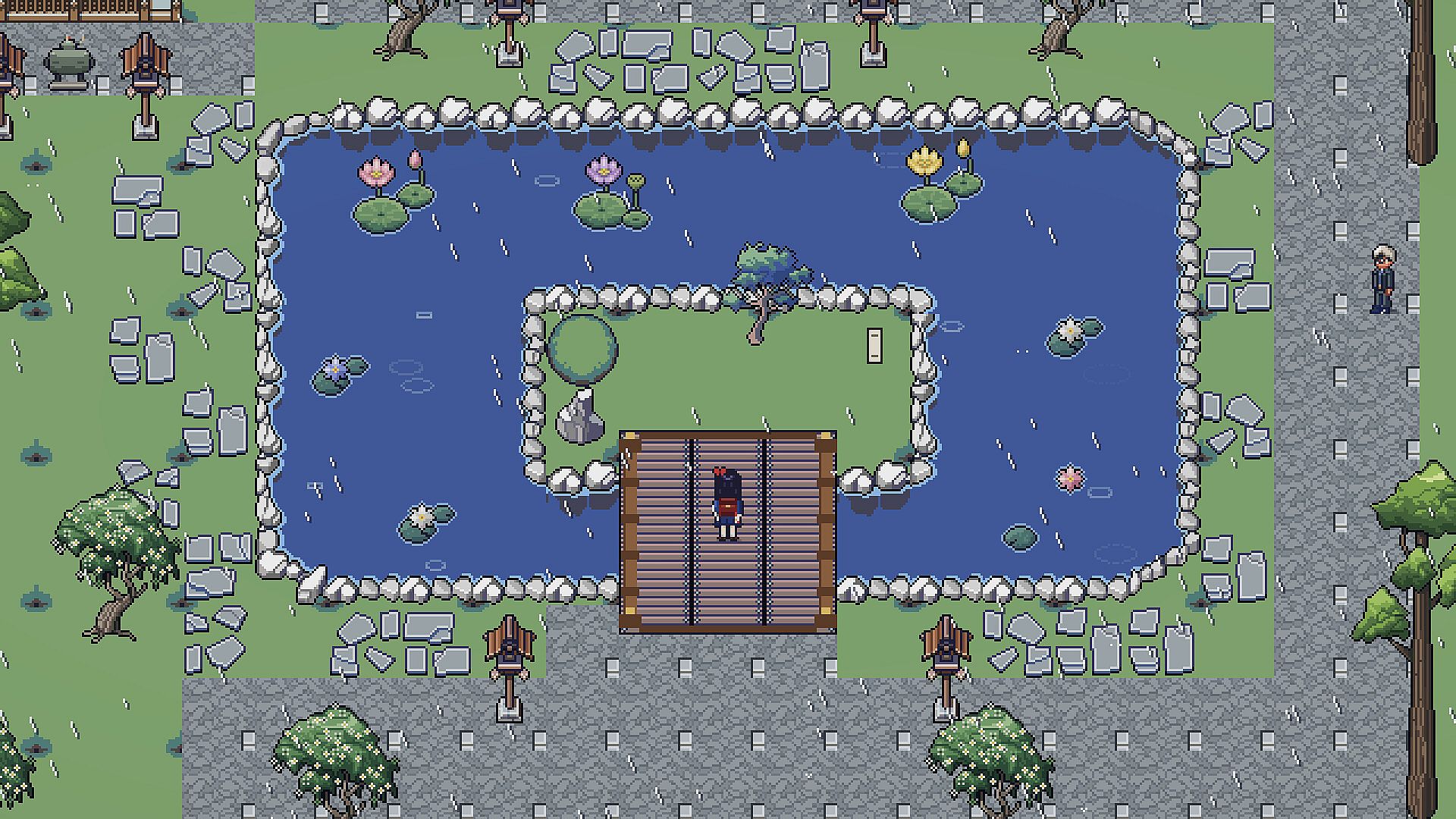
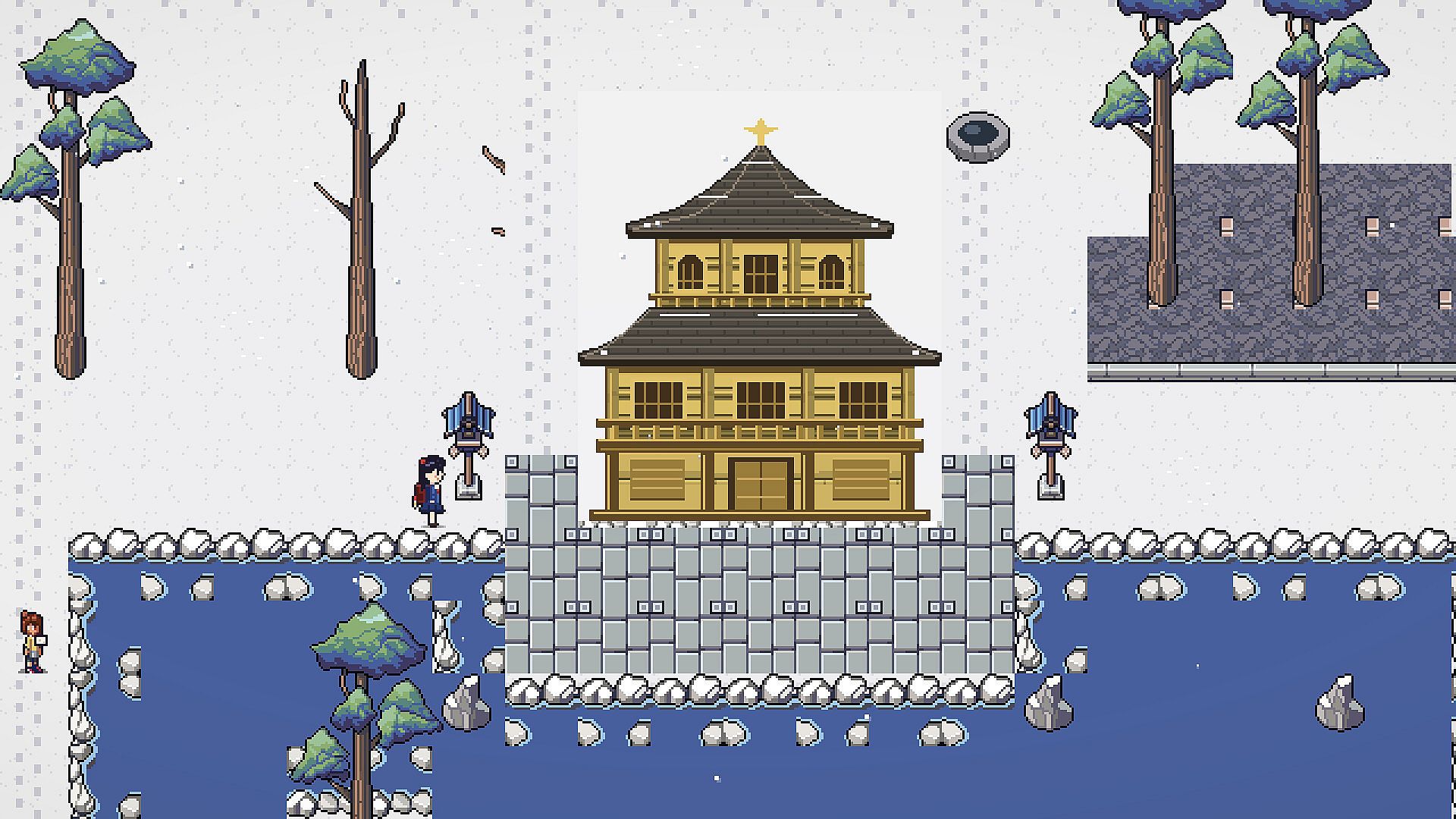
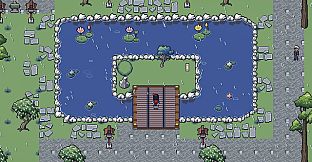
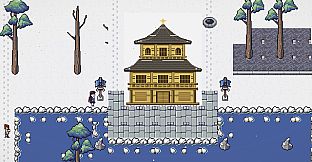
The core loop centers on exploration and gentle interaction within Kyoto's changing environments. Paths wind beneath torii gates, through temple gardens, and along neighborhood lanes, with visuals shifting to reflect spring blooms, summer greenery, autumn foliage, and winter snow. Activities include pausing at a lotus pond during rain or observing snow accumulate around the Golden Pavilion. Conversations with residents lead to small favors, discoveries, and light puzzles such as offering prayers, collecting pilgrimage stamps, drawing fortunes, and repairing objects.
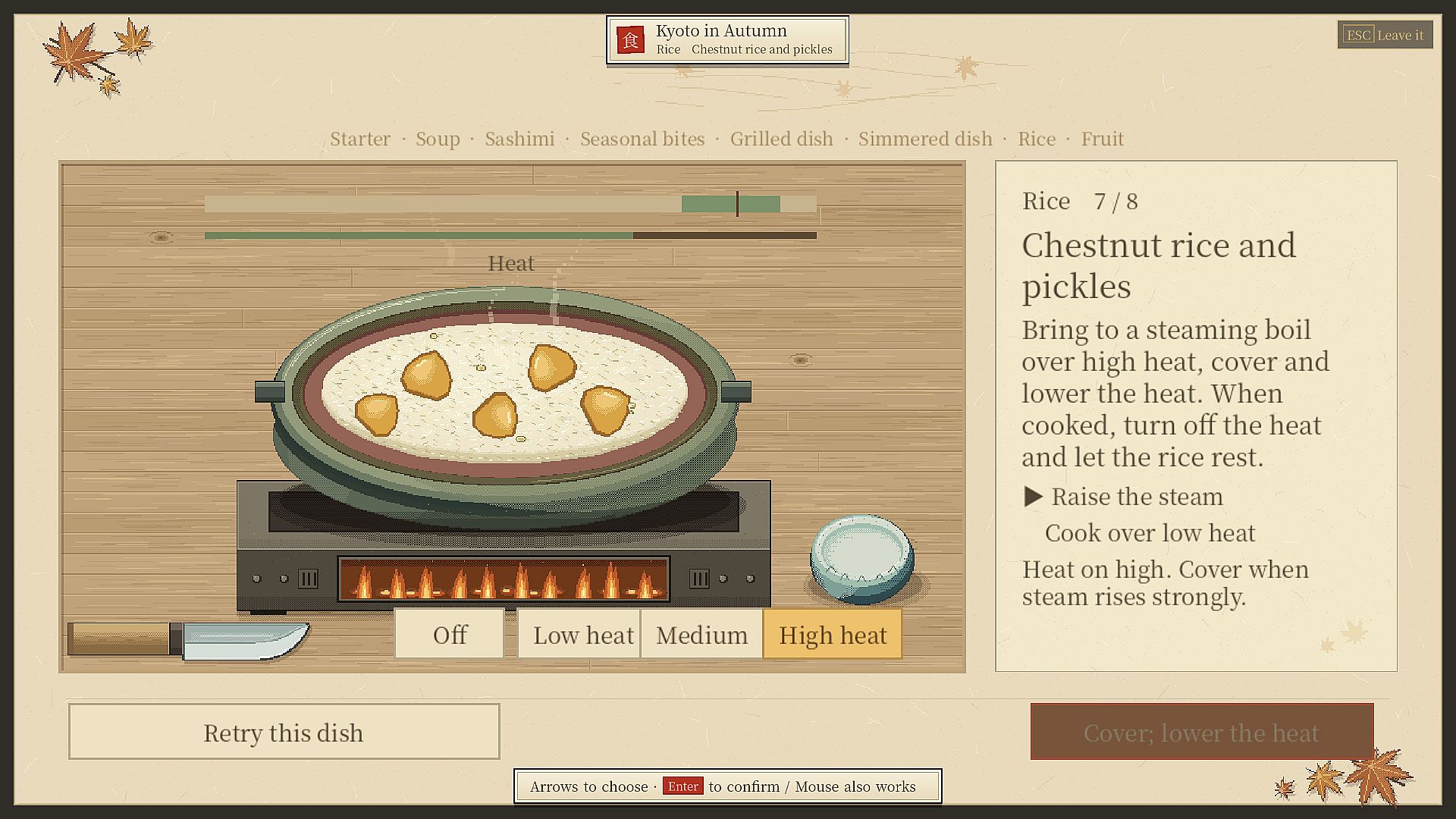
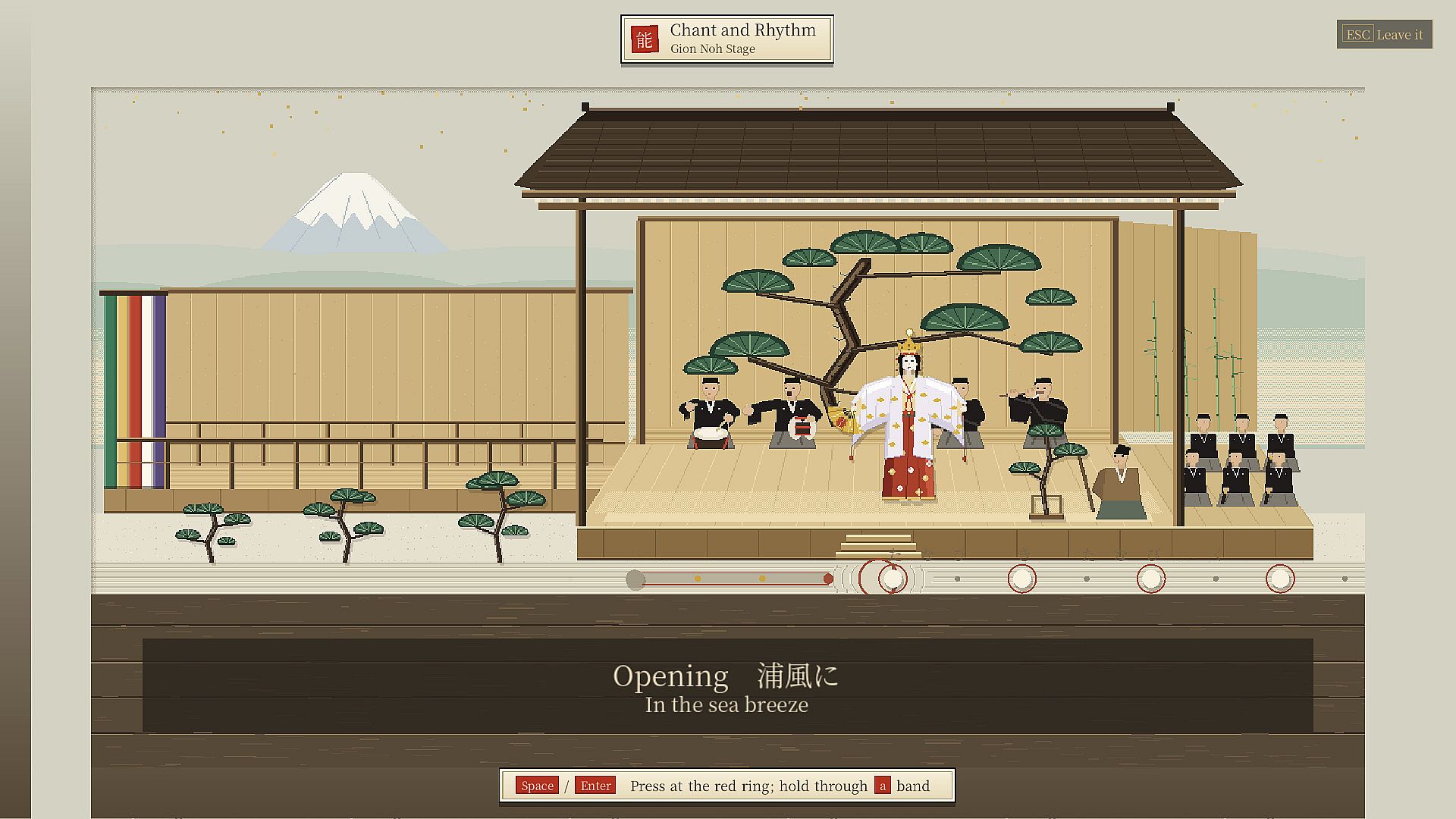
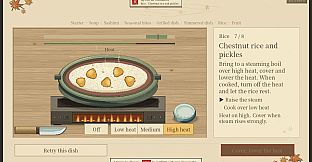
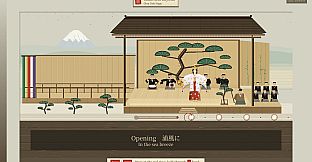
Additional hands-on elements draw from Kyoto traditions. Players whisk matcha, prepare Japanese sweets, and assemble seasonal kaiseki dishes by selecting ingredients, managing heat, and arranging plates, ranging from simple chestnut rice to full menus. On the Noh stage, participants follow chants and rhythms alongside musicians and a chorus. Yabusame horseback archery requires drawing the bow, timing releases, and striking targets to scatter colorful paper. Smaller moments involve scooping goldfish or observing a neighborhood cat.
Game Modes
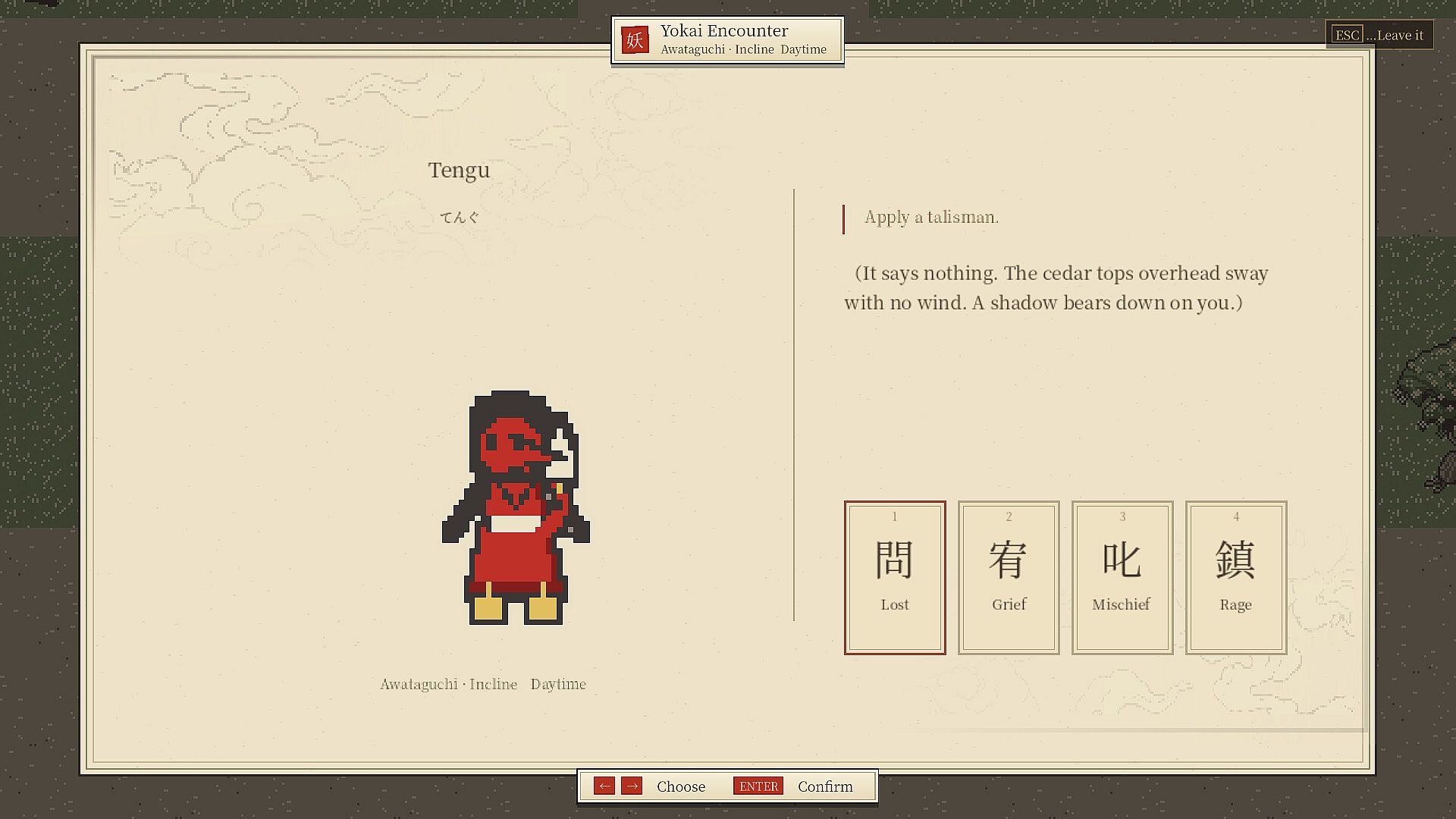
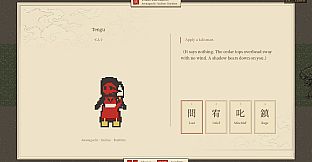
Raku operates entirely as a single-player experience with no multiplayer components. The structure blends daytime exploration of real-world Kyoto locations with nighttime dream sequences. These dreams transport the player to an altered version of the city populated by yokai, where familiar sites gain a different tone and encounters allow selection of talismans tied to folklore stories. Progress flows through narrative threads connected to the pilgrimage, supported by the listed activities rather than separate named modes.
Exploration and Seasonal Changes
Seasonal progression shapes both visuals and available interactions. Spring brings fresh colors to gardens and lanes, while summer highlights rain and temple visits. Autumn foliage and winter snow alter paths and atmospheres around landmarks like the Golden Pavilion. This cycle encourages repeated visits to the same areas to notice shifts and complete ongoing stories through favors and puzzles.
Dream Sequences and Folklore
Sleep transitions the player into a parallel Kyoto filled with yokai. These sequences maintain the pixel-art style but introduce new atmospheres and creature encounters. Choices around talismans influence story branches within the dream world, contrasting the grounded daytime activities with mysterious elements drawn from Japanese folklore.
Is It Worth Playing?
Raku suits players seeking a relaxed single-player adventure focused on cultural details, light puzzle-solving, and atmospheric exploration rather than combat or high-stakes challenges. The combination of seasonal Kyoto settings, traditional activities like cooking and archery, and yokai dream elements creates a cohesive experience for those interested in indie RPGs with strong thematic focus. As an upcoming title with no released version yet, its appeal rests on the described mechanics and setting. Those who enjoy thoughtful, non-combat adventures centered on everyday rituals and subtle narrative threads will find the most value here.