




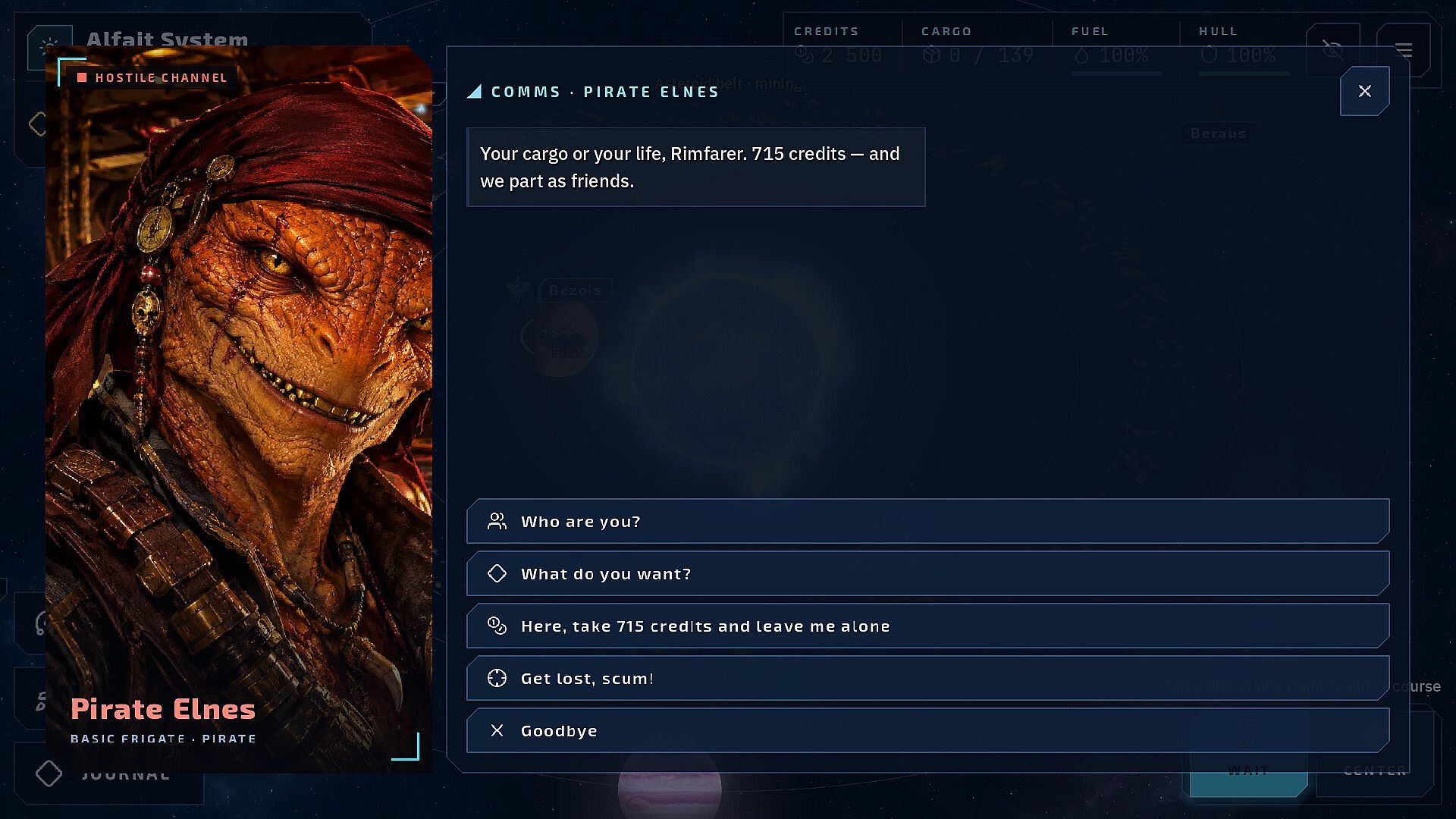
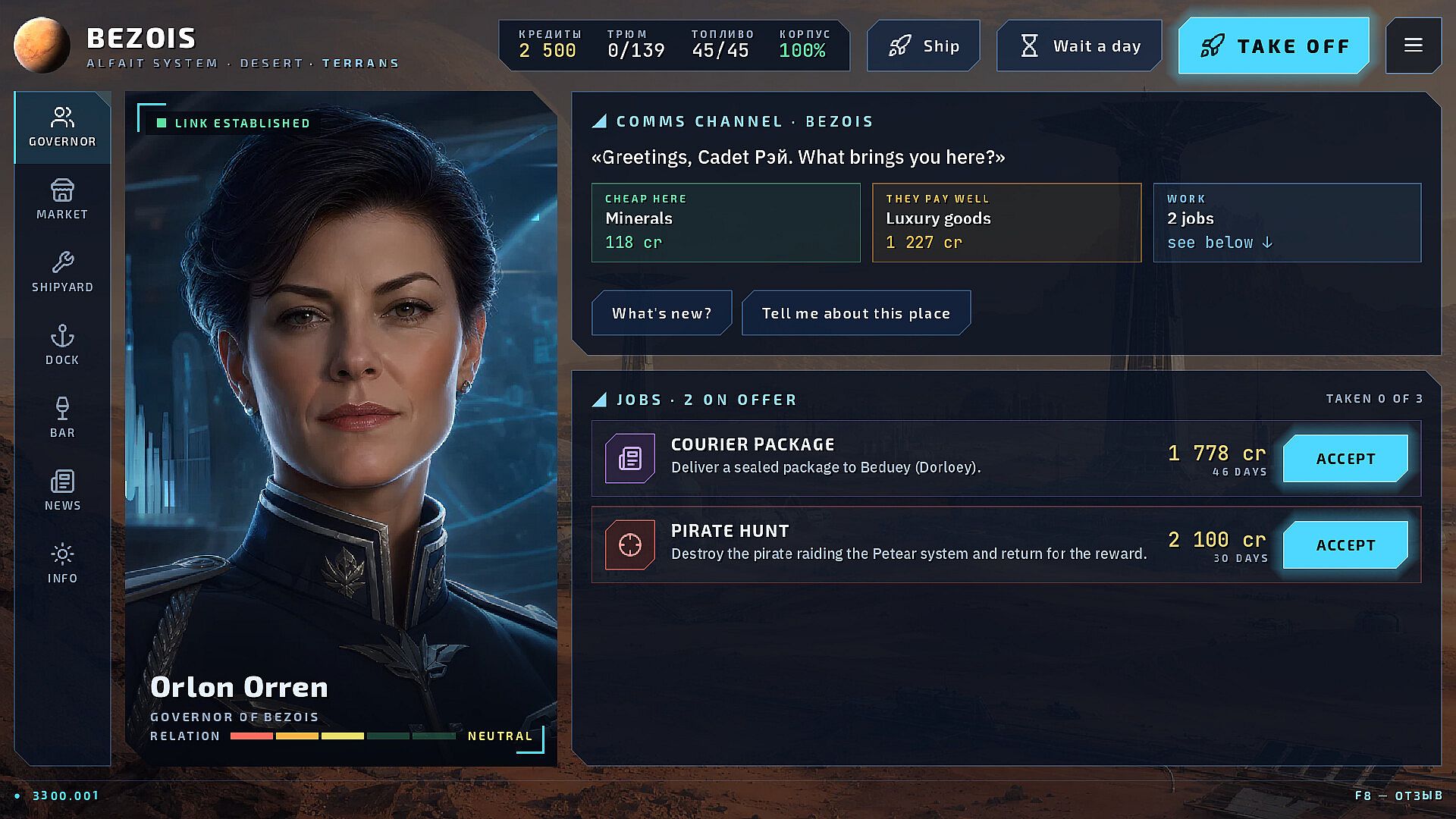
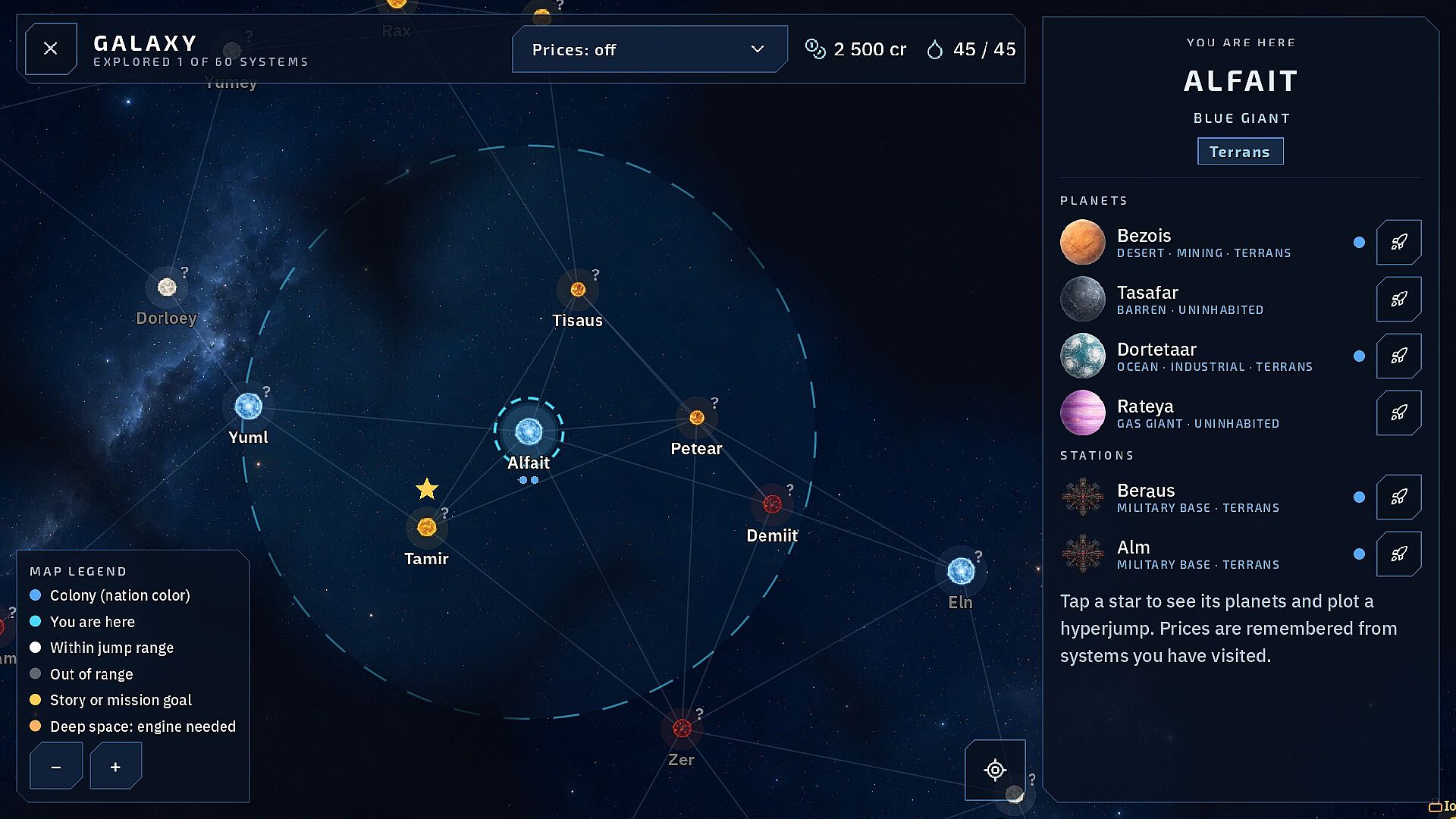
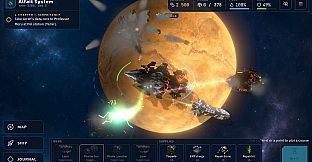



Rimfarers is a turn-based space RPG with strategy, simulation and indie elements set in a living galaxy. Players take the role of a ship captain who can pursue trade, combat, exploration or piracy while the universe reacts to events like wars, harvests and plagues. The game emphasizes freedom to shift careers over time through skill progression and reputation with different factions.
Gameplay
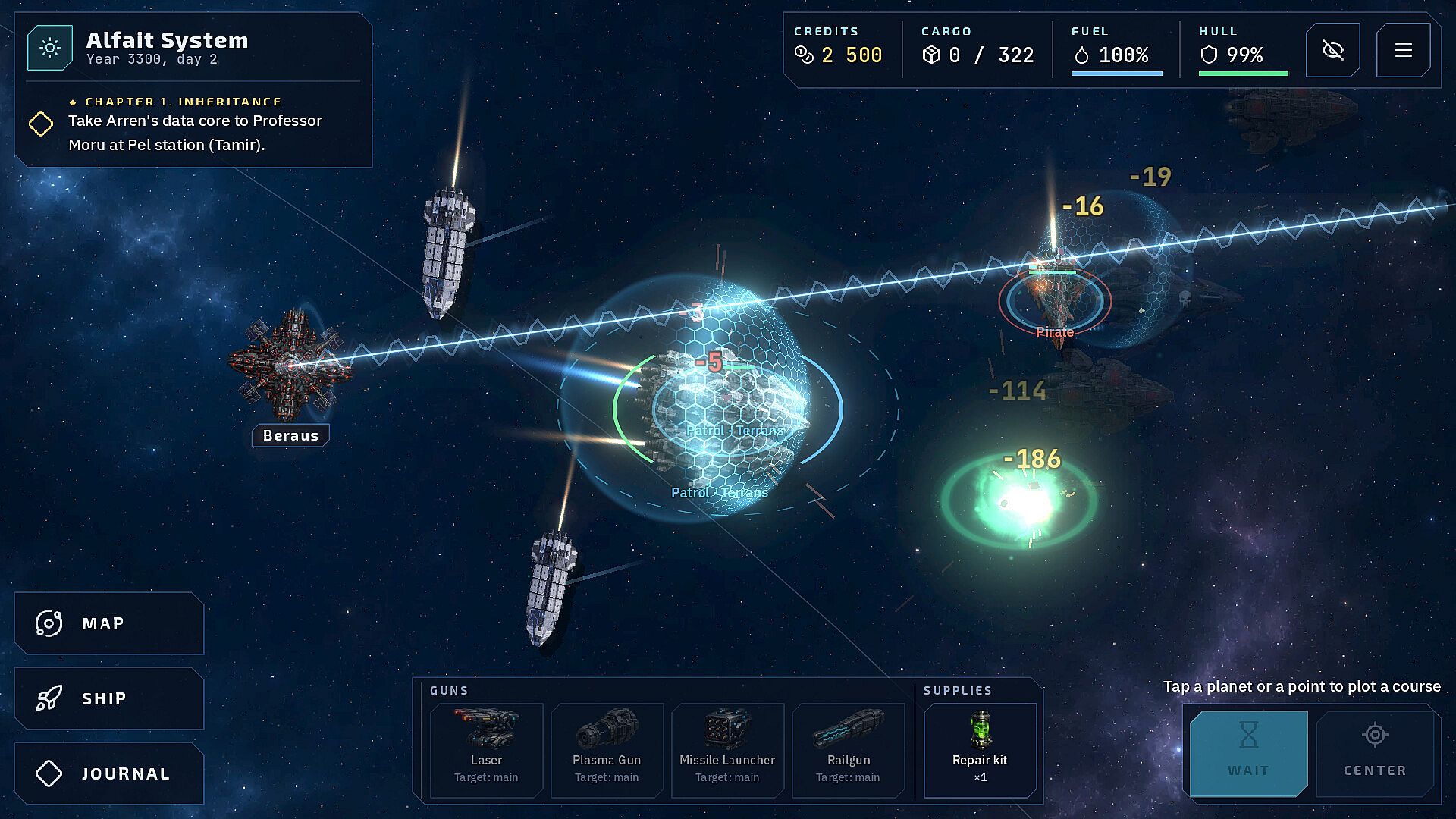
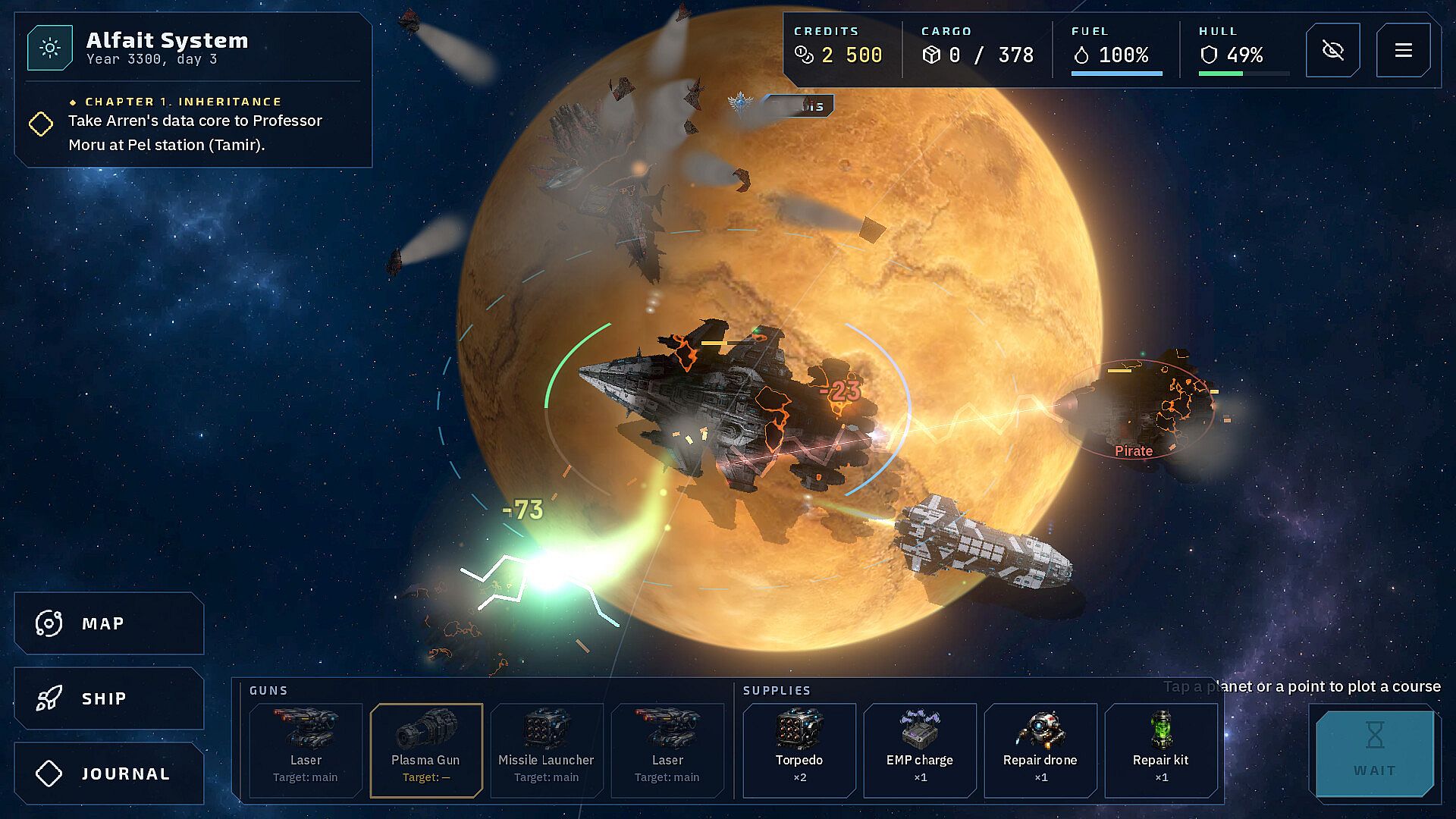
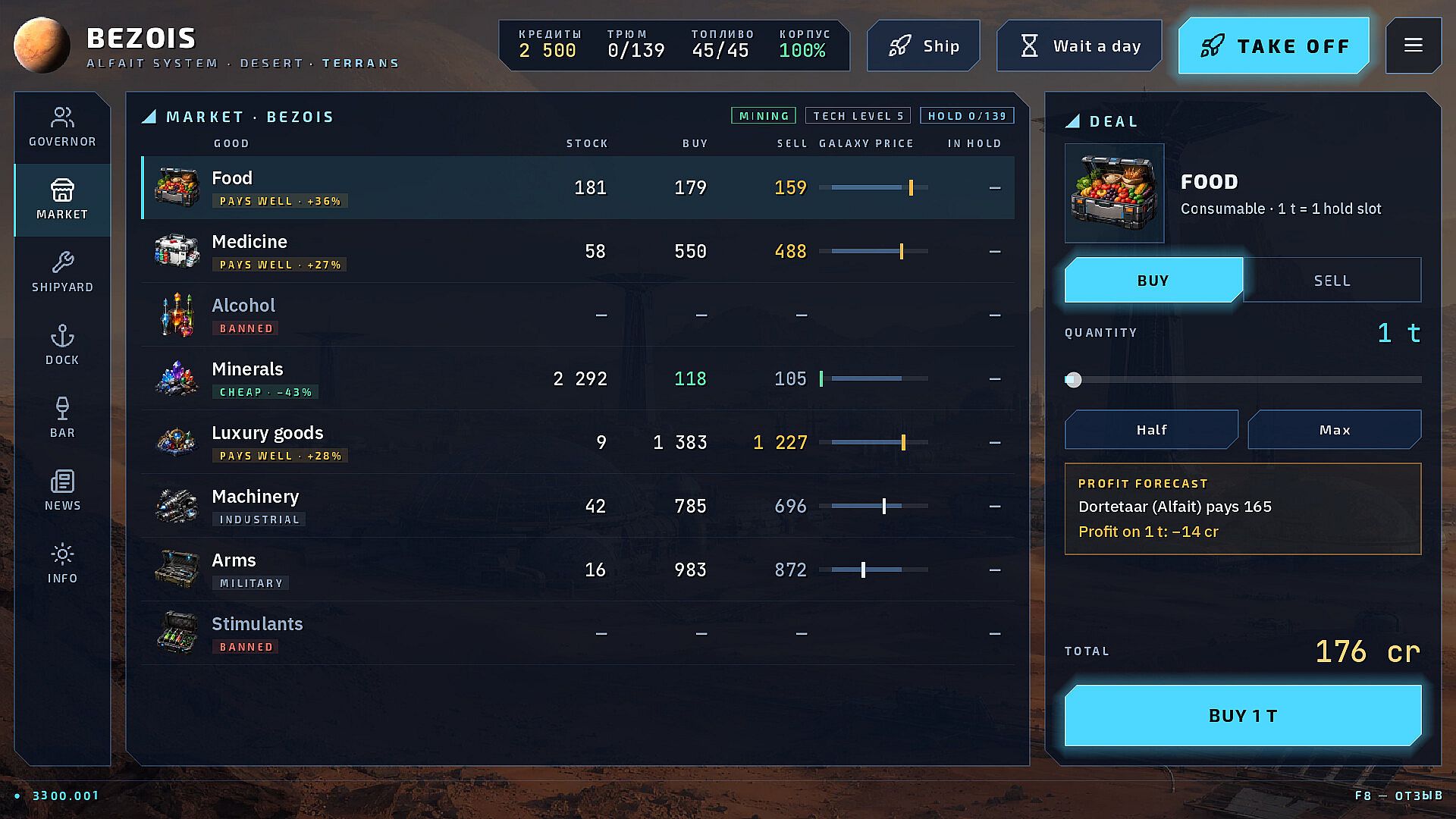
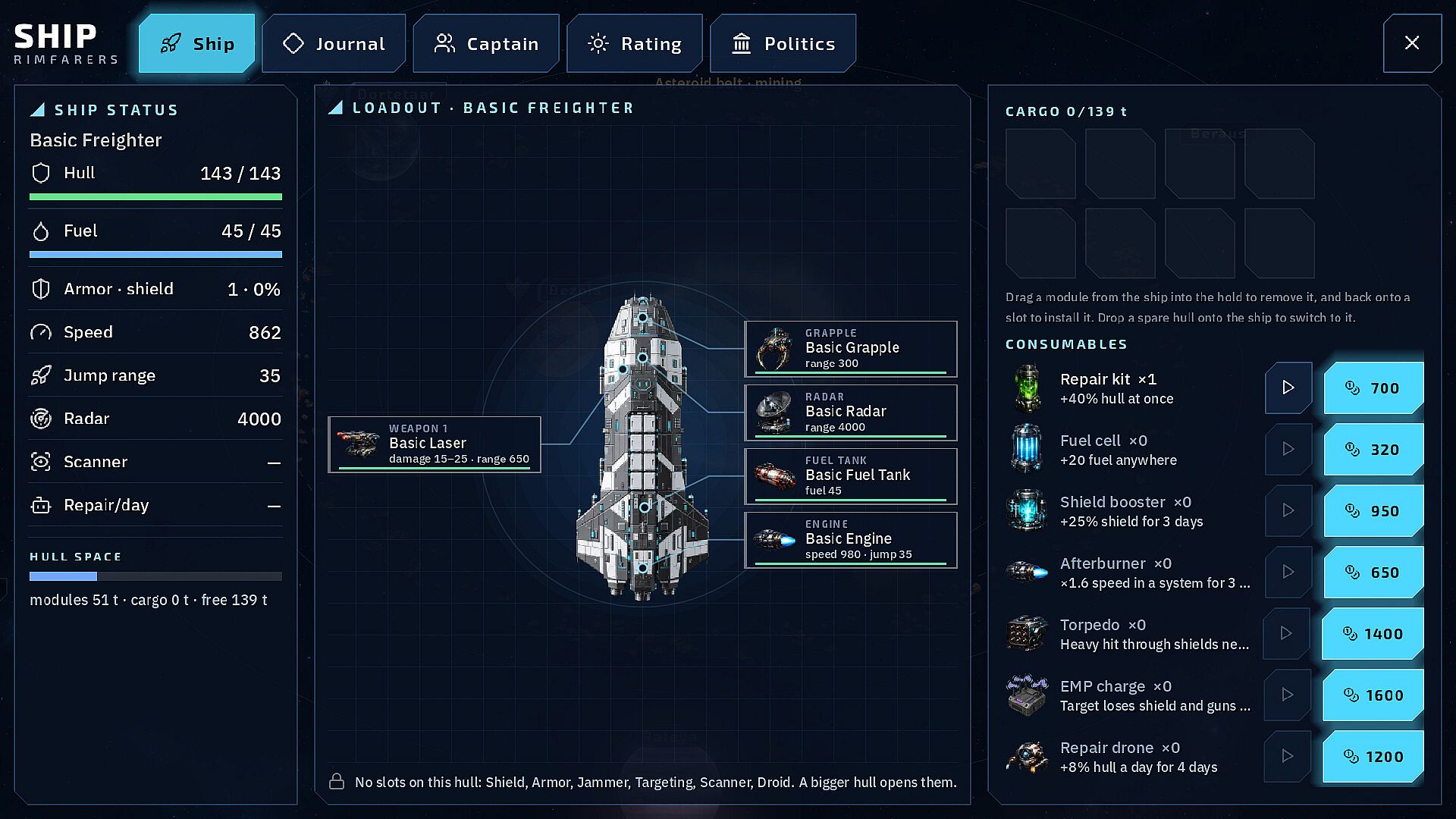
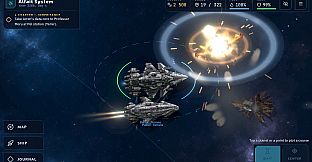
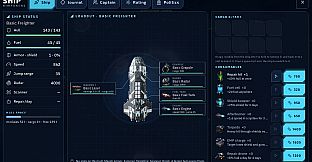
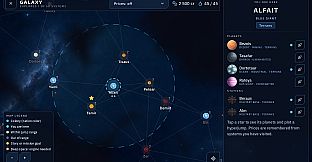
The core loop centers on managing a small ship across star systems where planets produce and consume goods according to local conditions. Prices fluctuate based on supply, conflicts and other events, creating opportunities to buy low from resource worlds and sell high in major hubs. Combat occurs in turn-based encounters using weapons such as lasers, missiles and railguns alongside defensive systems like shields and ECM jammers. Equipment comes in multiple tiers and quality levels, with hulls from different races offering varied module slots.
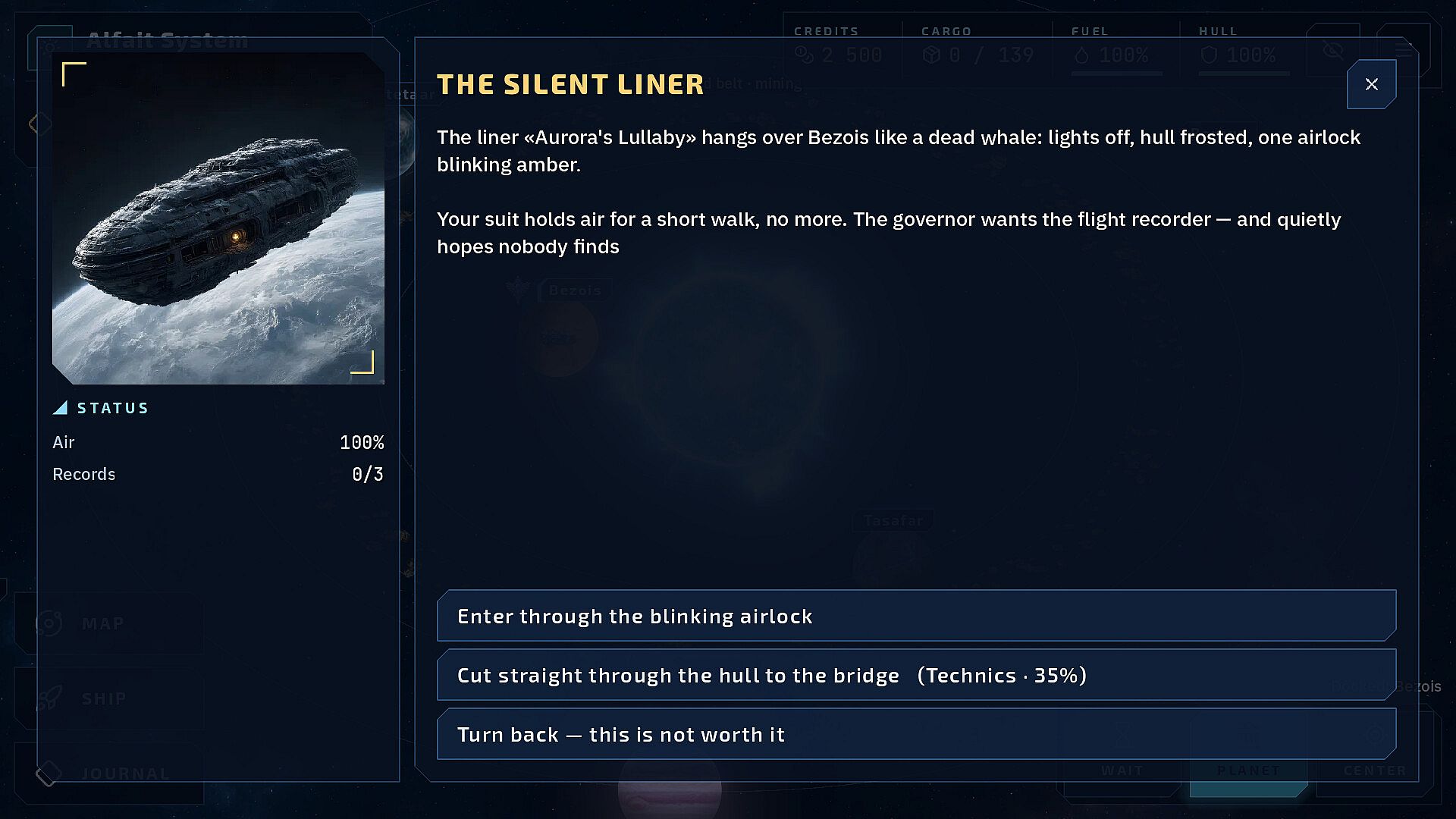
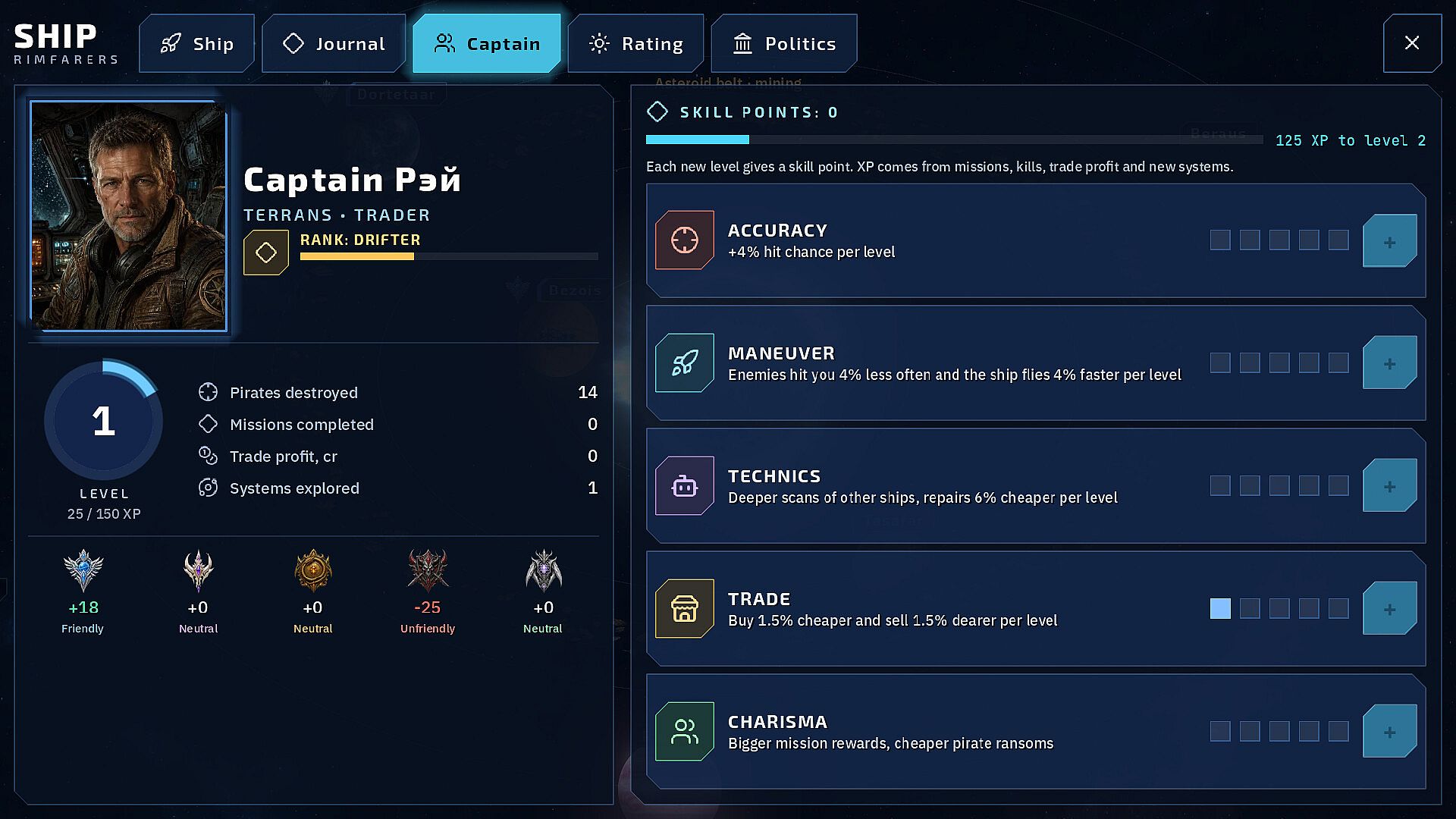
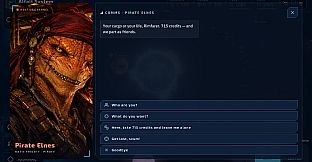
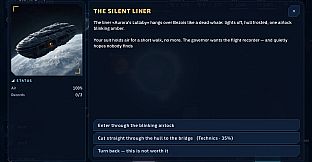
Captain progression involves earning XP to improve ranks and skills in areas like Accuracy, Maneuver, Technics, Trade and Charisma. These stats influence success rates in fights, negotiations and quest outcomes. Text-based quests present branching narratives with multiple success paths and failure conditions, covering scenarios from lost caravans to trials on false charges. Mini-games include asteroid mining and dice-based twenty-one played in bars.
Five races shape the setting: Terrans, Aelites, Kzarr, Gromms and Virren. Each maintains distinct laws, preferences, ship designs and attitudes, yet their colonies coexist in shared systems. Wars and alliances form dynamically, with player actions affecting standing and potentially leading to imprisonment on hostile worlds. A larger narrative arc introduces the Silence, a swarm of black ships that forces the races to set aside differences after initial chapters.
Game Modes
Rimfarers operates as a single-player experience without separate multiplayer modes. Players begin by selecting an initial focus as trader, mercenary, pirate or explorer, then adapt their approach as skills and reputation evolve. The simulation runs continuously in the background, with economies, conflicts and planetary events progressing independently of the captain's choices.
Exploration encourages visiting diverse worlds to gather resources, complete quests or intervene in local affairs. Combat encounters arise during patrols or when supporting one faction against another. Trade routes form naturally from price differences, while quests provide structured side activities with replayability through different decision trees. The overall structure supports long-term campaigns where a single captain can transition between roles based on accumulated experience and shifting galactic conditions.
Setting and Progression
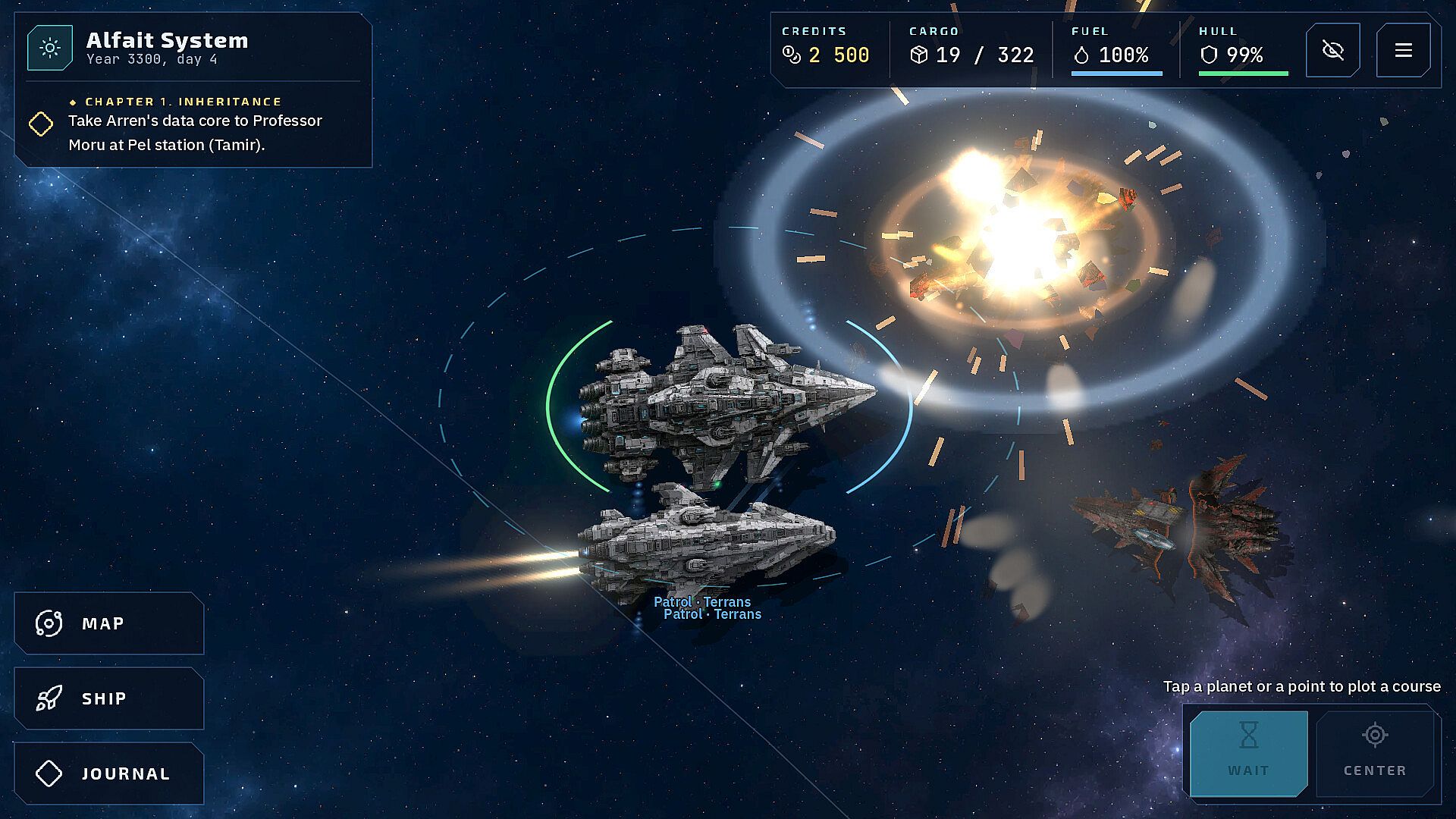
The galaxy features rotating planets, a dynamic sun and visible engine effects rendered through a glass-style interface. Each race's colonies contribute to a shared economy where events like plagues or battles alter production and demand. Player decisions carry lasting consequences, such as gaining allies or drawing enmity that restricts access to certain systems.
Module customization allows hundreds of combinations across 15 equipment categories, encouraging experimentation with different loadouts for combat, trade efficiency or quest success. Skill development directly modifies probabilities in key activities, rewarding consistent play in chosen areas while permitting gradual shifts toward new specializations.
Is It Worth Playing?
Rimfarers targets players who enjoy detailed single-player simulations combined with turn-based combat and narrative choices. The living economy and faction interactions create a responsive world where individual actions influence broader events, appealing to those familiar with classic space RPGs that blend trading, fighting and questing. With a planned release in Q2 2027 and features focused on replayable quests and career flexibility, it suits fans of methodical gameplay over fast-paced action. Those seeking deep customization and consequence-driven decisions will find the described systems align closely with that preference, while the absence of confirmed reviews at this stage means expectations should rest on the outlined mechanics rather than external validation.












