



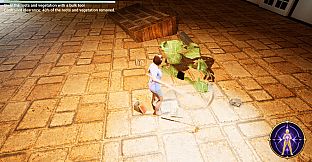
Salvage of the Demetria is a single-player strategy, indie, simulation, and adventure game set on PC. Players take on the role of a salvager uncovering fragments of a lost generation ship library buried beneath the desert town of Juglantis. The experience centers on precise excavation, improvised tool creation, and choices about the fate of recovered artifacts amid competing interests from local powers.
Gameplay
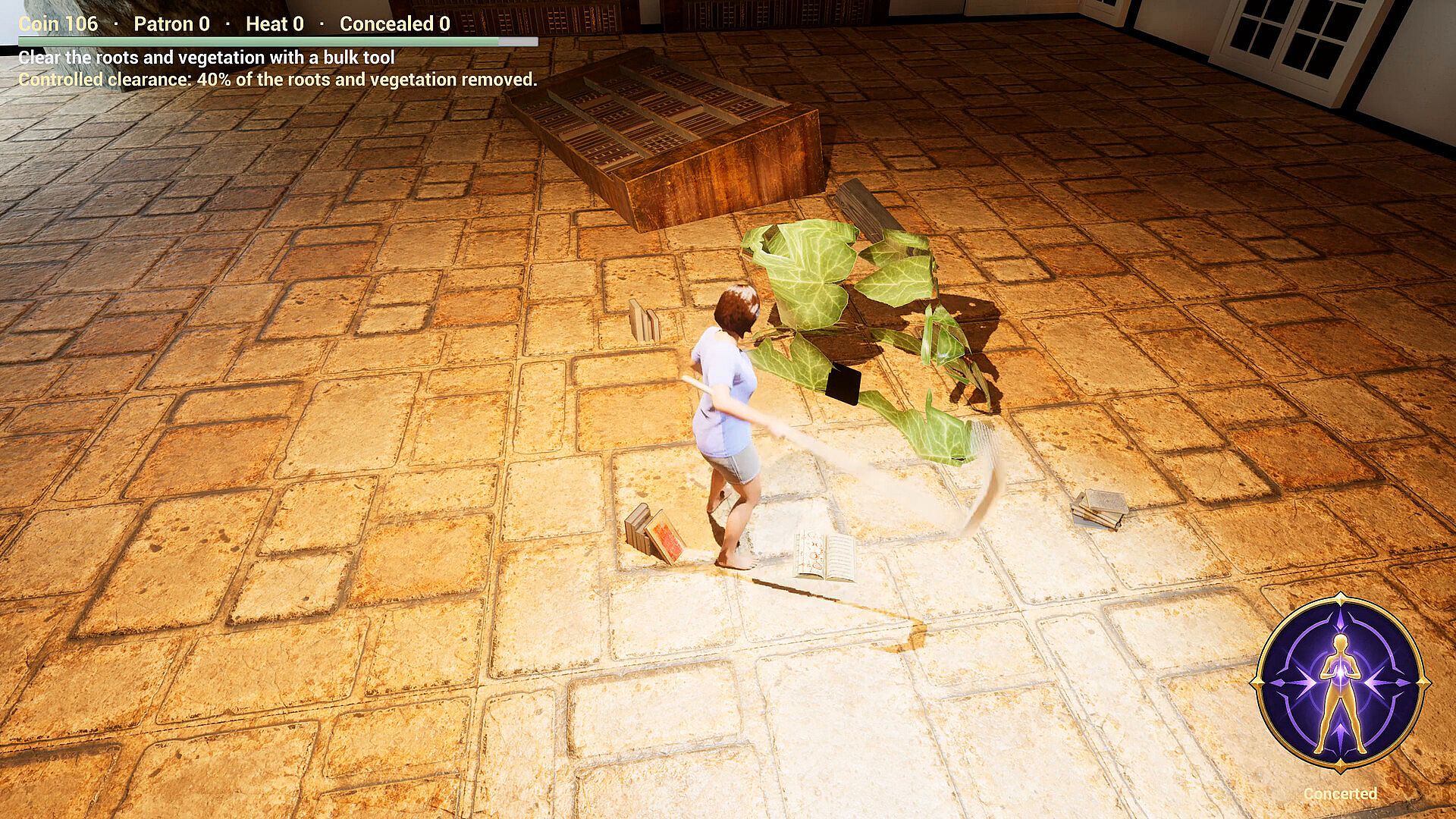
The core loop involves clearing rubble from dig sites and then freeing individual finds through direct physical interaction. Each action applied to a specific part of an artifact determines the outcome, with cuts or pulls potentially destroying text or seals that hold historical value. Players must balance speed against preservation, as hasty efforts risk losing information while deliberate ones protect details for later examination.
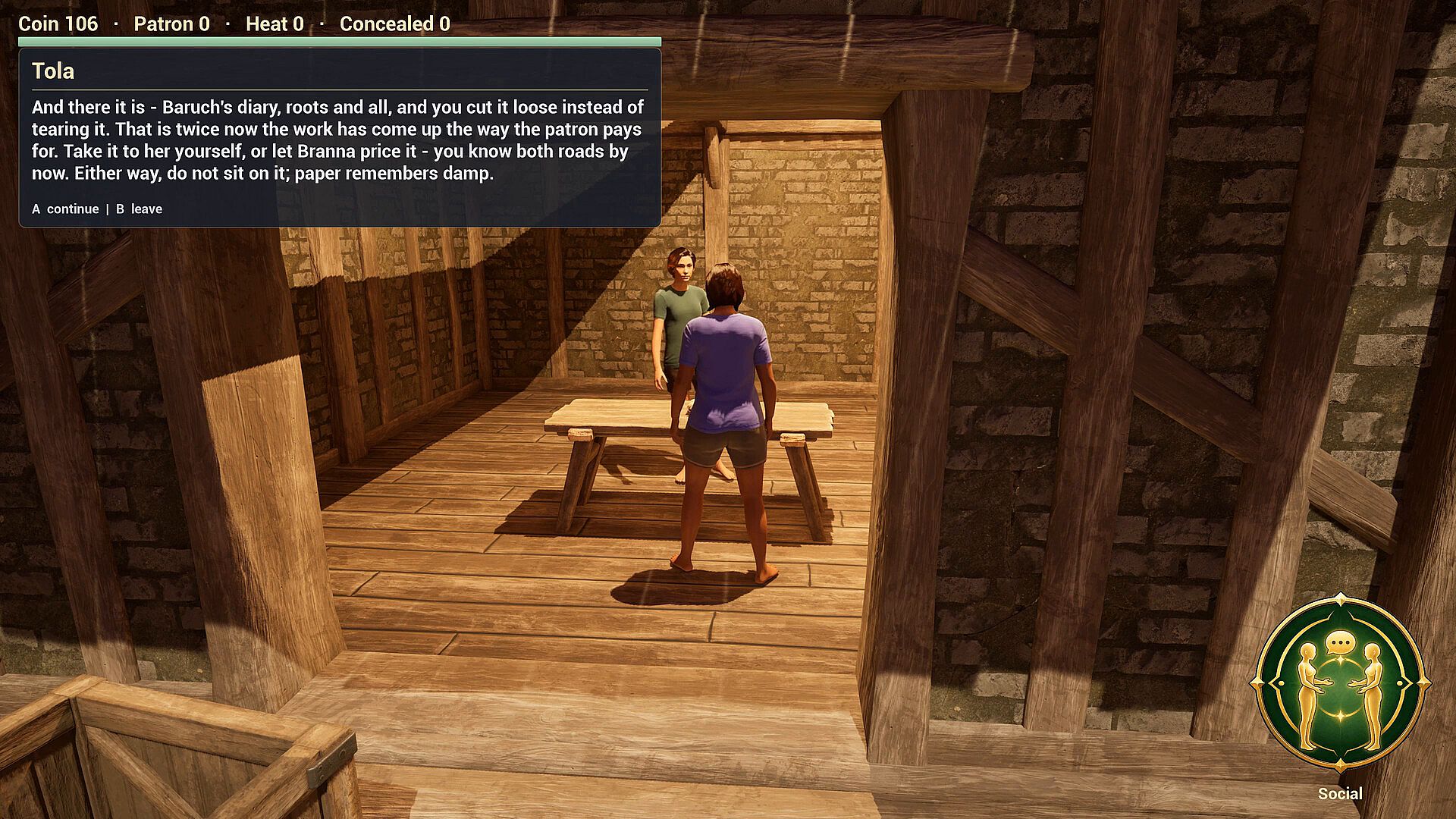
Posture influences every interaction. The same hand motion can shift from inspection to forceful removal or careful negotiation based on stance and approach. This mechanic extends to encounters with townsfolk, where body language can reveal or conceal intentions during negotiations or transactions.
Tool creation happens at the forge without preset recipes. Materials gathered from the dig site, including metal, stone, and wood, are shaped according to their geometry and intended use against particular ground layers or artifact conditions. Tools emerge from these choices rather than from a fixed list, encouraging adaptation to the immediate excavation layer.
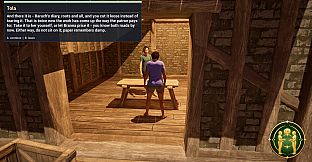
Once artifacts surface, examination reveals origins, condition, and potential buyers. Decisions on sale, preservation, or concealment update records of custody and affect relationships with groups such as the church, empire, guilds, collectors, patrons, and Customs officials. These choices carry ongoing consequences for standing and scrutiny in the town.
Game Modes
The game operates entirely in a single-player format with no separate competitive or cooperative modes. All progression occurs through sequential dig sessions that build on prior decisions about artifacts and tools. Sessions focus on one excavation site at a time, allowing players to refine techniques across multiple visits without branching into distinct multiplayer structures or named variants.
Progression ties directly to the single-player campaign structure, where each recovered item influences future opportunities and risks in the same continuous world. No additional modes alter this core solitary excavation and decision framework.
Key Mechanics and Systems
Artifact damage follows a direct cause-and-effect model tied to player inputs on specific surfaces. This system rewards observation of material properties before committing to any action. Tool geometry affects how effectively a crafted implement engages with different soil types or artifact materials, creating emergent solutions during digs.
Posture serves as an integrated control layer that modifies both excavation outcomes and social interactions. Players adjust stance to match the desired intent, with feedback appearing in the results of each attempt. This extends the simulation depth without requiring separate menus or commands.
Custody tracking forms a persistent system that records every transfer of an artifact. Each choice updates faction relations and triggers responses from authorities or buyers, adding layers of consequence to the recovery process. The simulation tracks these elements across sessions to reflect the player's growing reputation in Juglantis.
Is It Worth Playing?
Salvage of the Demetria remains in development with a coming soon release and no user reviews available yet. The single-player focus appeals to those drawn to deliberate simulation mechanics involving excavation precision, on-the-fly crafting, and moral or practical decisions about historical records. Players who enjoy methodical gameplay loops without time pressure or external competition will find the described systems align with that preference. Those seeking fast-paced action or multiplayer elements should note the absence of such features. The game targets enthusiasts of indie strategy and simulation titles centered on cause-and-effect interactions and long-term consequence tracking.