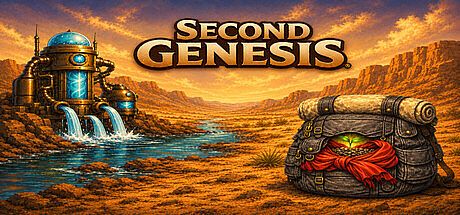



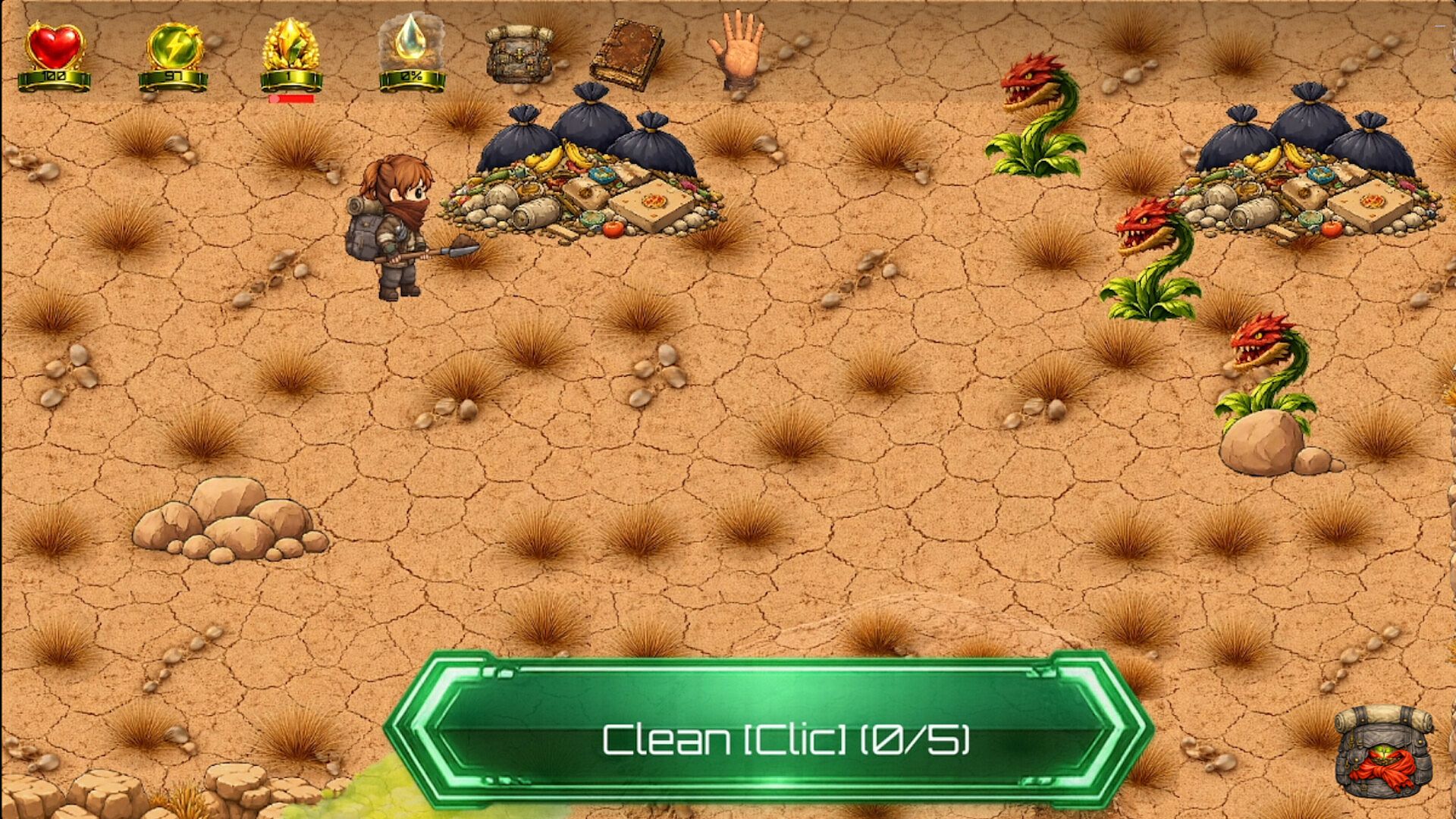
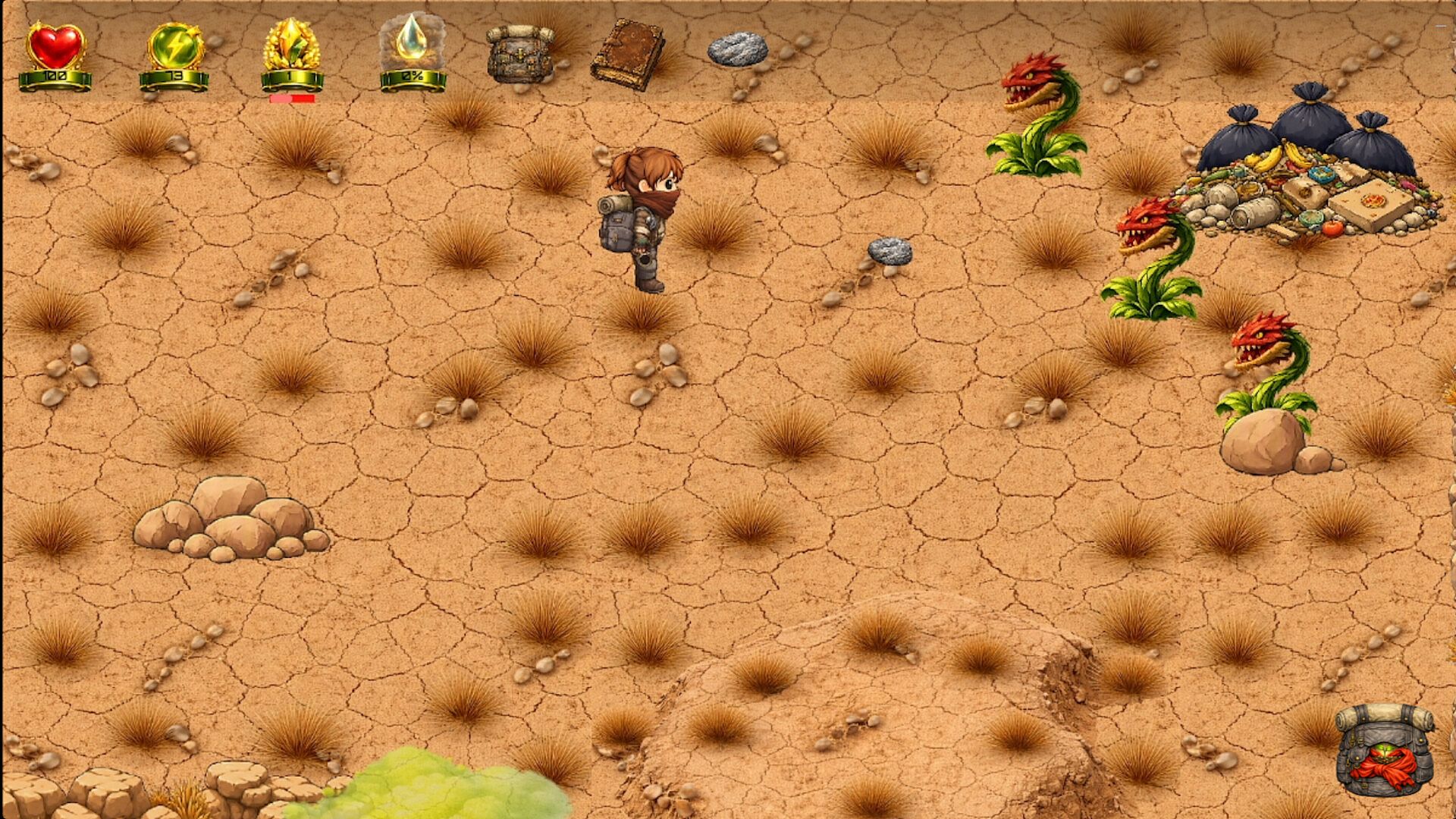
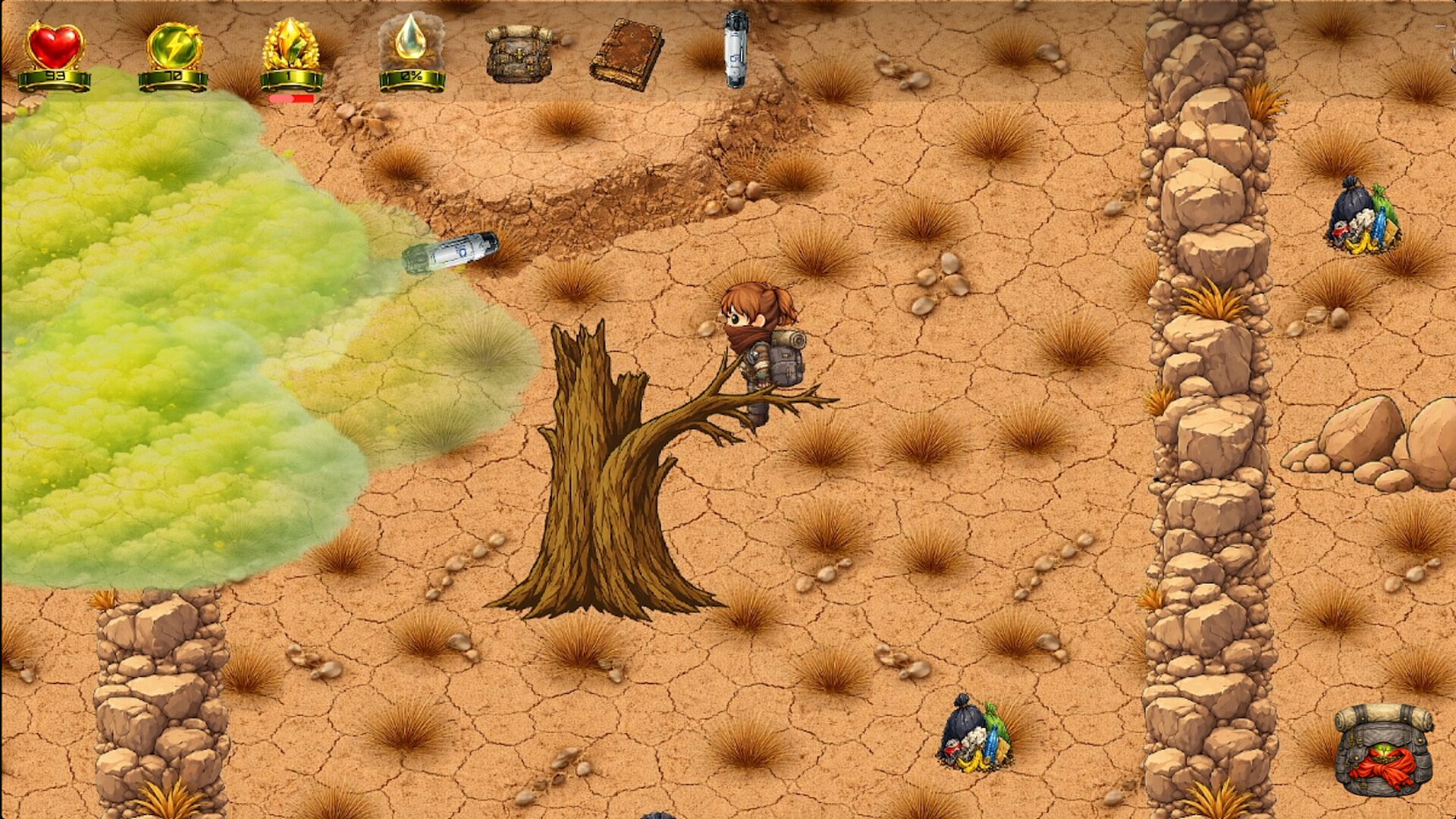
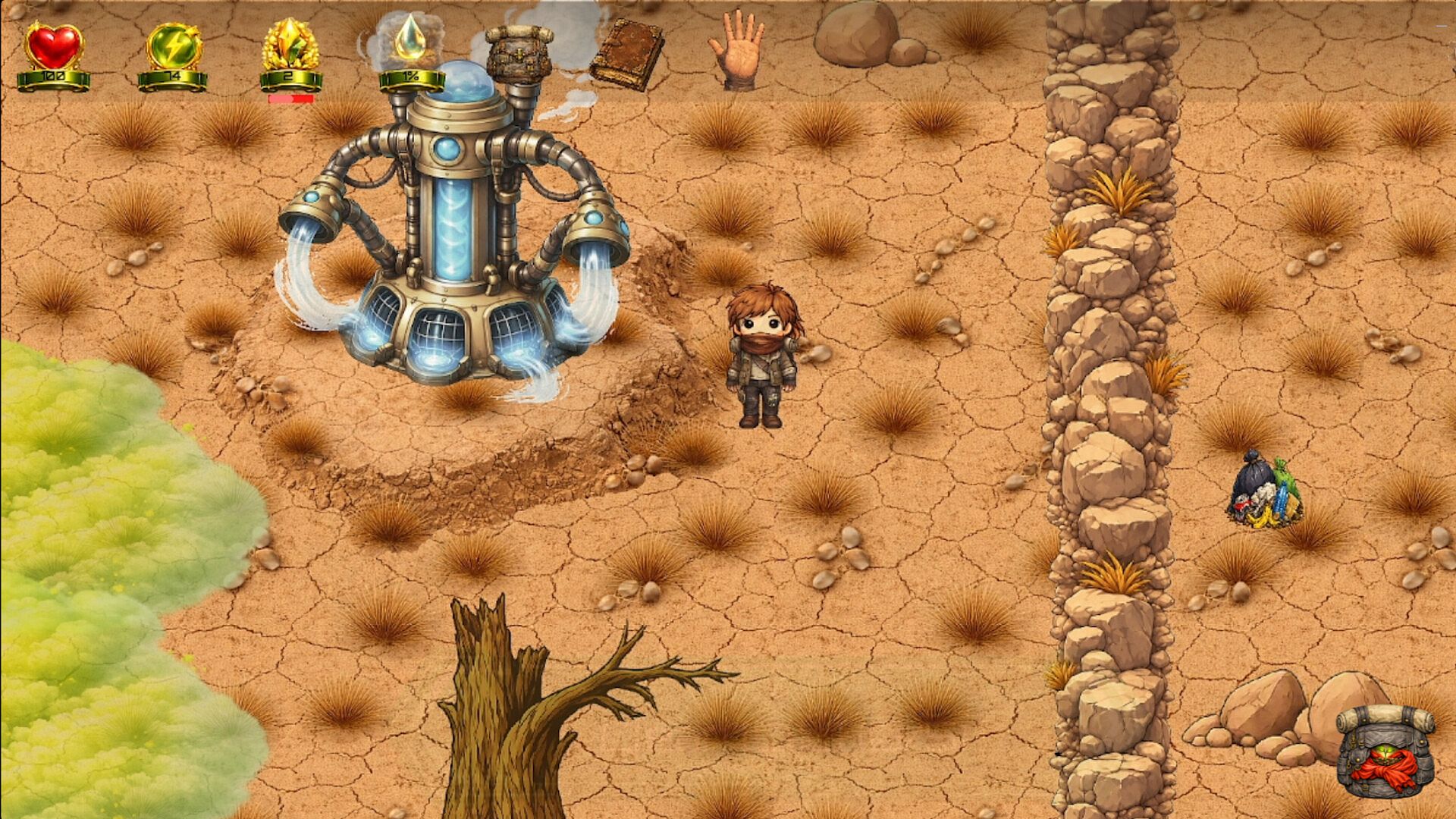
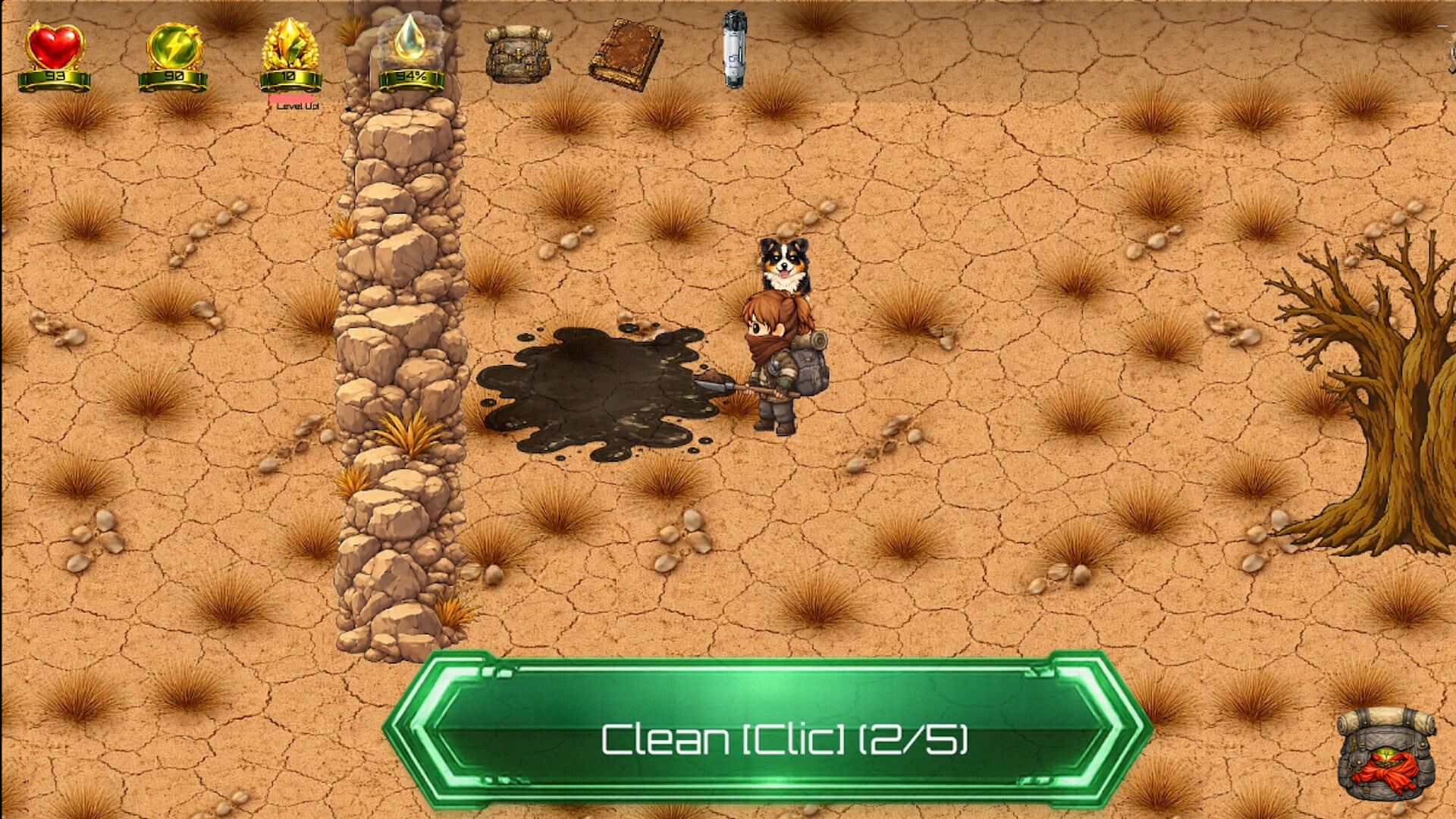
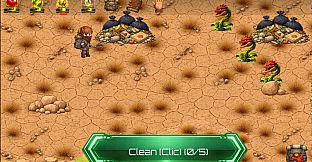
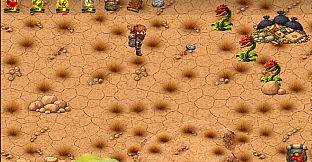
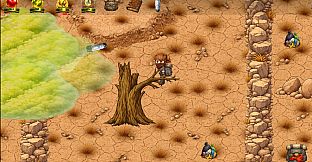
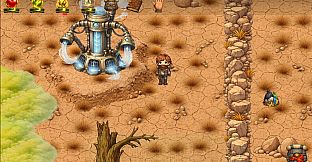

Second Genesis is a survival adventure game focused on ecological restoration in a post-industrial wasteland. Set on a planet where the biosphere has vanished, the title places players in a hostile environment filled with industrial waste, toxic oil spills, corrosive clouds, and aggressive plant life. The core experience centers on survival, exploration, and the gradual revival of ecosystems through careful resource management and genetic engineering.
Gameplay
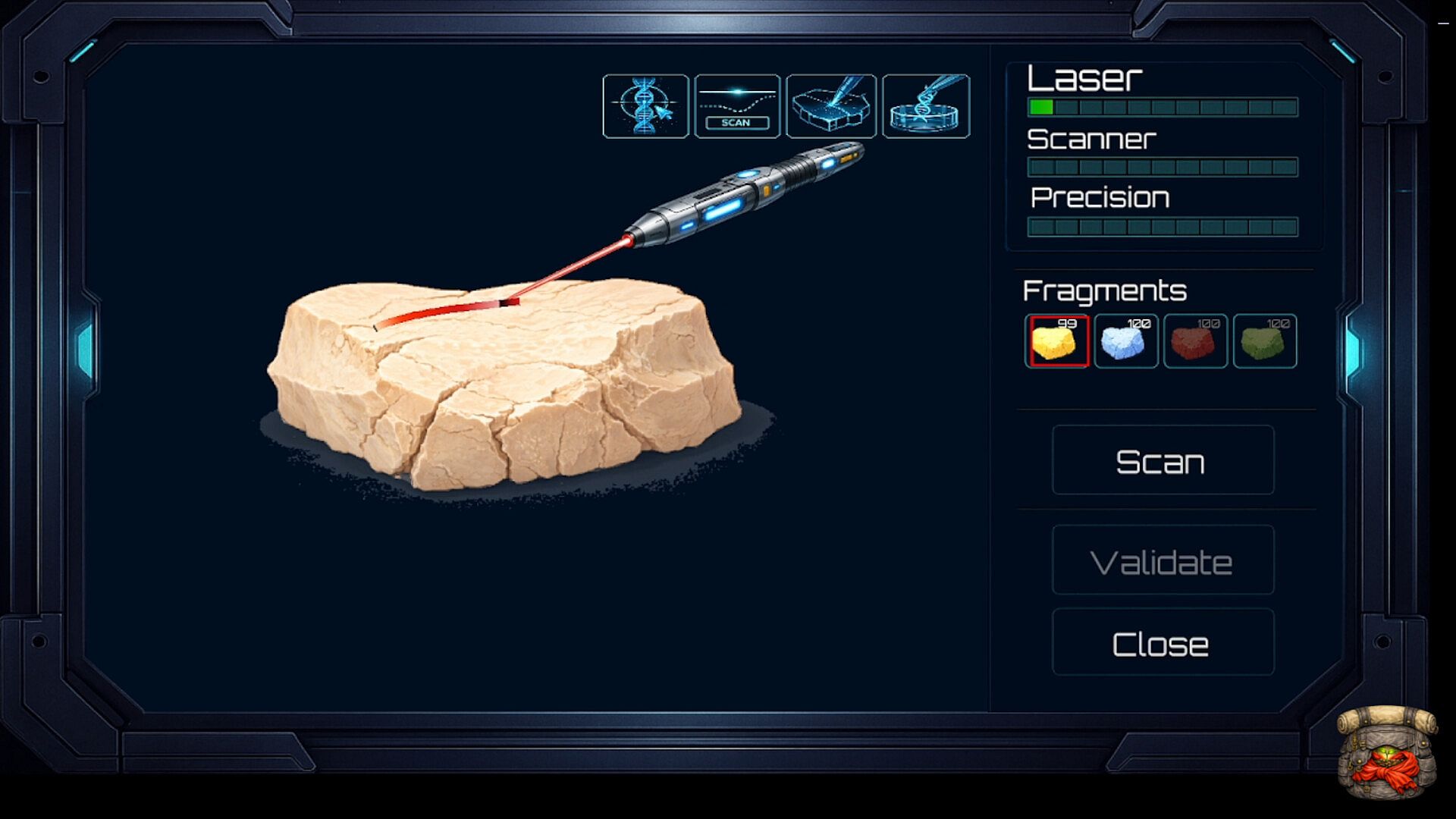
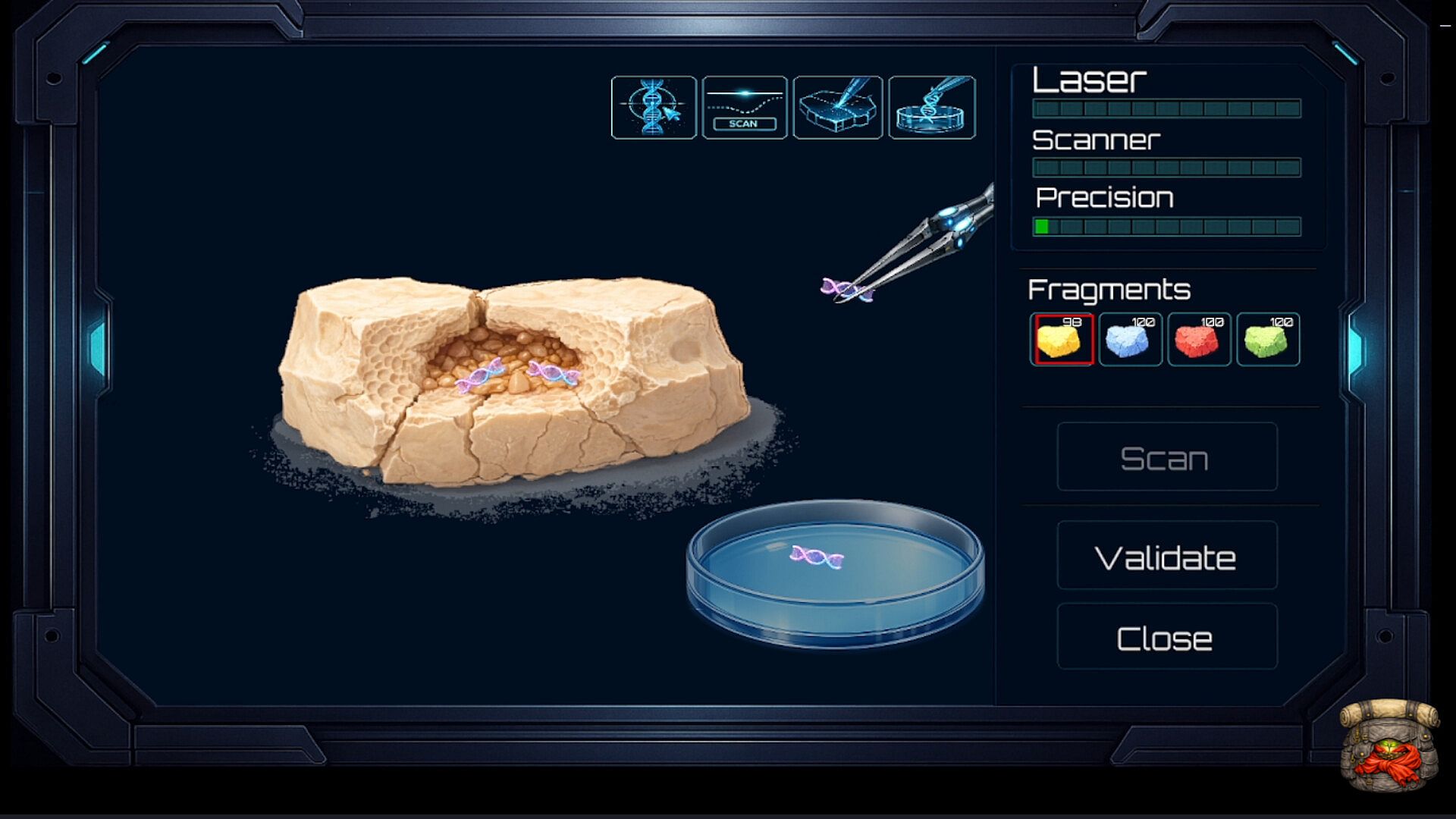
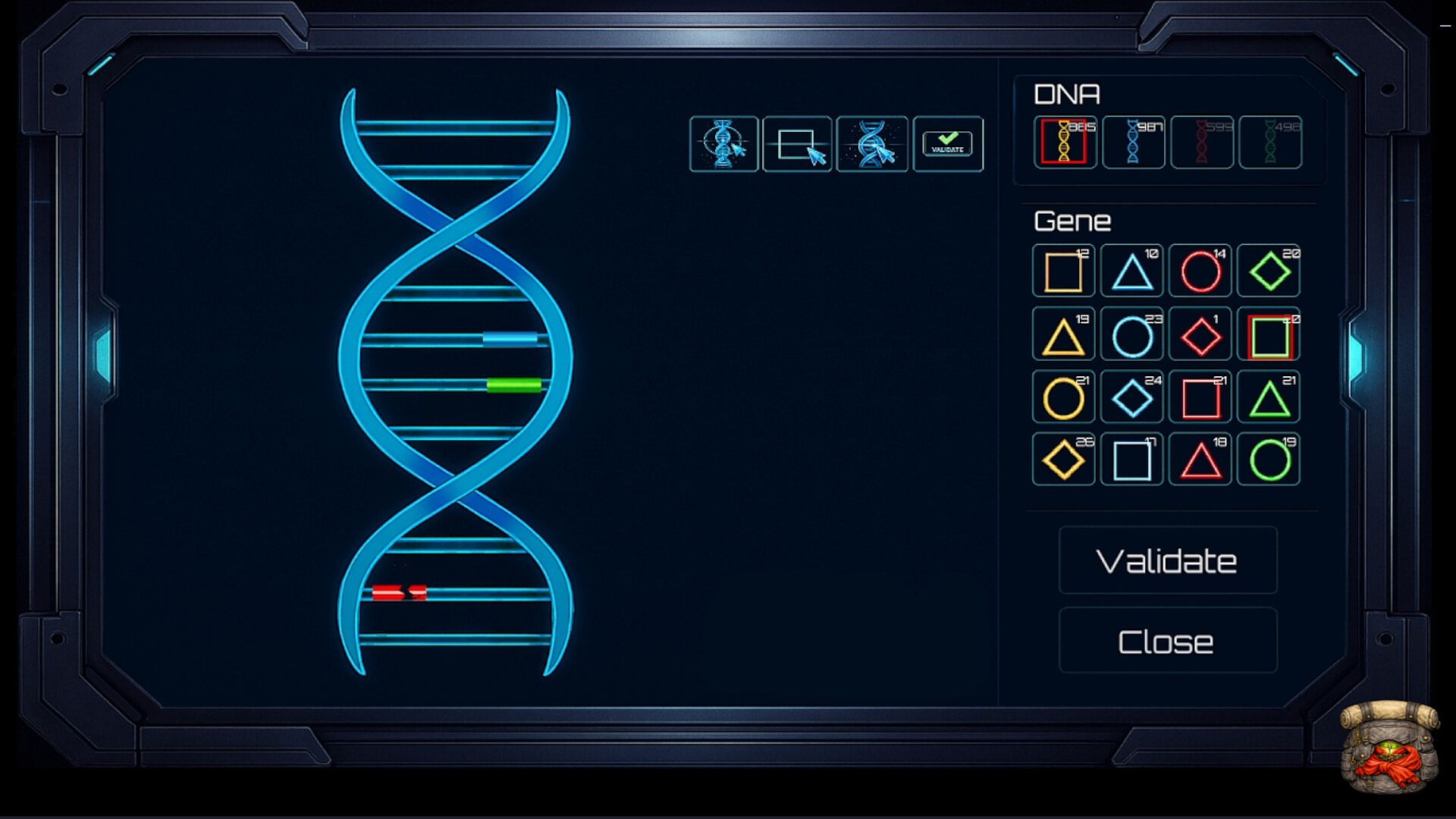
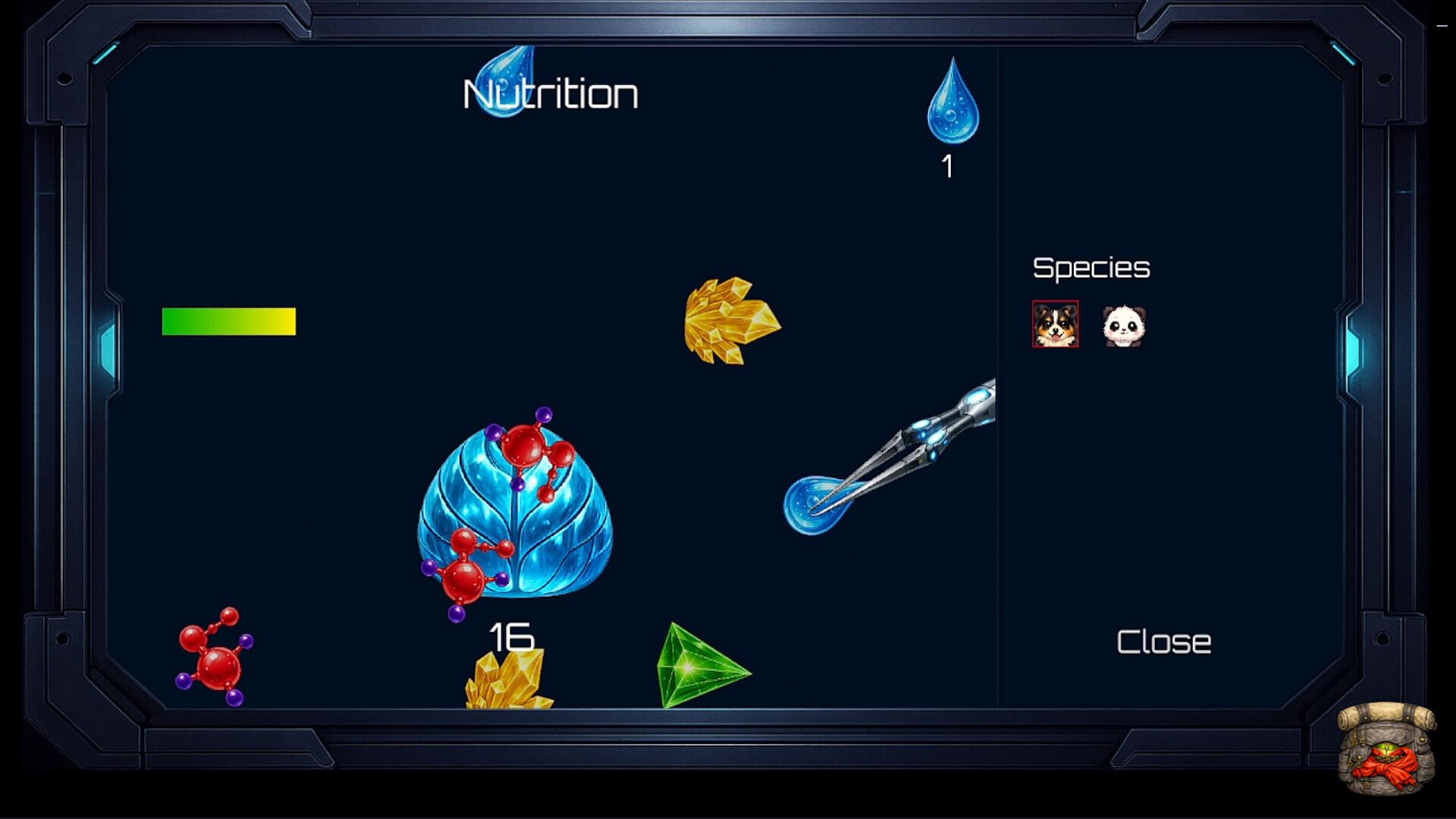
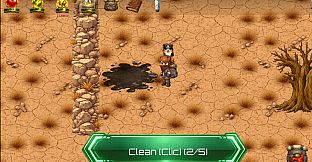
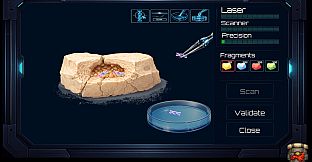
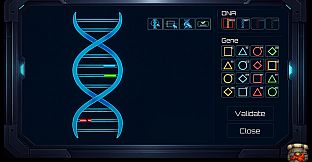
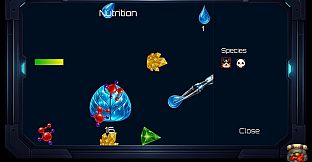
The gameplay follows a deliberate cycle of exploration, environmental cleanup, resource gathering, crafting, construction, upgrades, and life restoration. Players venture into contaminated zones to identify and neutralize pollution sources while collecting rare materials needed for machinery that purifies air, water, and soil. An advanced genetic system forms the heart of progression, allowing extraction, repair, and recombination of DNA strands to revive extinct animal species. Each reintroduced organism contributes to ecological balance, visibly transforming the landscape as biodiversity increases and hazards diminish over time.
Survival elements require constant attention to threats from the environment and remaining hostile flora. Resource scarcity drives careful planning, with players salvaging components from ruins to build essential equipment. The world reacts dynamically to player actions, with purified areas showing clearer skies, returning vegetation, and reduced dangers. This feedback loop encourages methodical expansion from initial safe zones outward into more corrupted regions.
Game Modes
Second Genesis presents a unified single-player experience built around its restoration loop rather than separate named modes. The entire campaign revolves around the sequence of exploration, cleansing polluted sites, salvaging materials, crafting tools and structures, building restoration infrastructure, upgrading capabilities, and reintroducing life forms. Progression remains linear in its goals yet open in execution, as players choose which areas to tackle and how to allocate resources across multiple restoration projects simultaneously.
No distinct multiplayer or competitive variants appear in the design. The focus stays on solitary efforts to revive the planet, with the environment itself serving as the primary challenge and measure of success. Players advance by expanding their influence through increasingly complex genetic projects and larger-scale purification efforts.
Progression and World Restoration
Advancement ties directly to measurable environmental improvements. Early efforts involve basic survival tools and small-scale DNA repairs to reintroduce simple organisms. Later stages unlock more sophisticated machinery and complex genetic assemblies capable of supporting larger ecosystems. The visible evolution of the world provides ongoing motivation, as cleared zones transition from barren toxic expanses to thriving habitats with reduced environmental hazards.
Resource chains grow more intricate as players establish outposts and automated systems. Upgrades enhance mobility, purification efficiency, and genetic manipulation precision, allowing deeper incursions into previously inaccessible contaminated territories. The ultimate objective remains the creation of a self-sustaining biosphere capable of supporting diverse life without further intervention.
Is It Worth Playing?
Second Genesis appeals to players who enjoy methodical survival games with a strong emphasis on environmental themes and creative problem-solving through genetic systems. Those drawn to titles that reward patient exploration and long-term planning will find the restoration mechanics satisfying, particularly the tangible results of each cleanup and species revival effort. The single-player structure suits focused sessions without external pressures or time-limited events.
The game suits individuals interested in ecological simulation layered over traditional survival loops. Its strength lies in the clear cause-and-effect relationship between player actions and world changes, offering a sense of tangible progress absent from many open-ended survival experiences. Players seeking fast-paced action or competitive elements may find the deliberate pace less engaging, while those comfortable with crafting and management systems stand to gain the most from its unique DNA assembly and ecosystem revival focus.