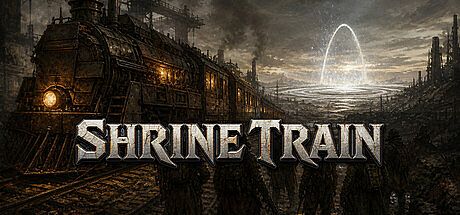


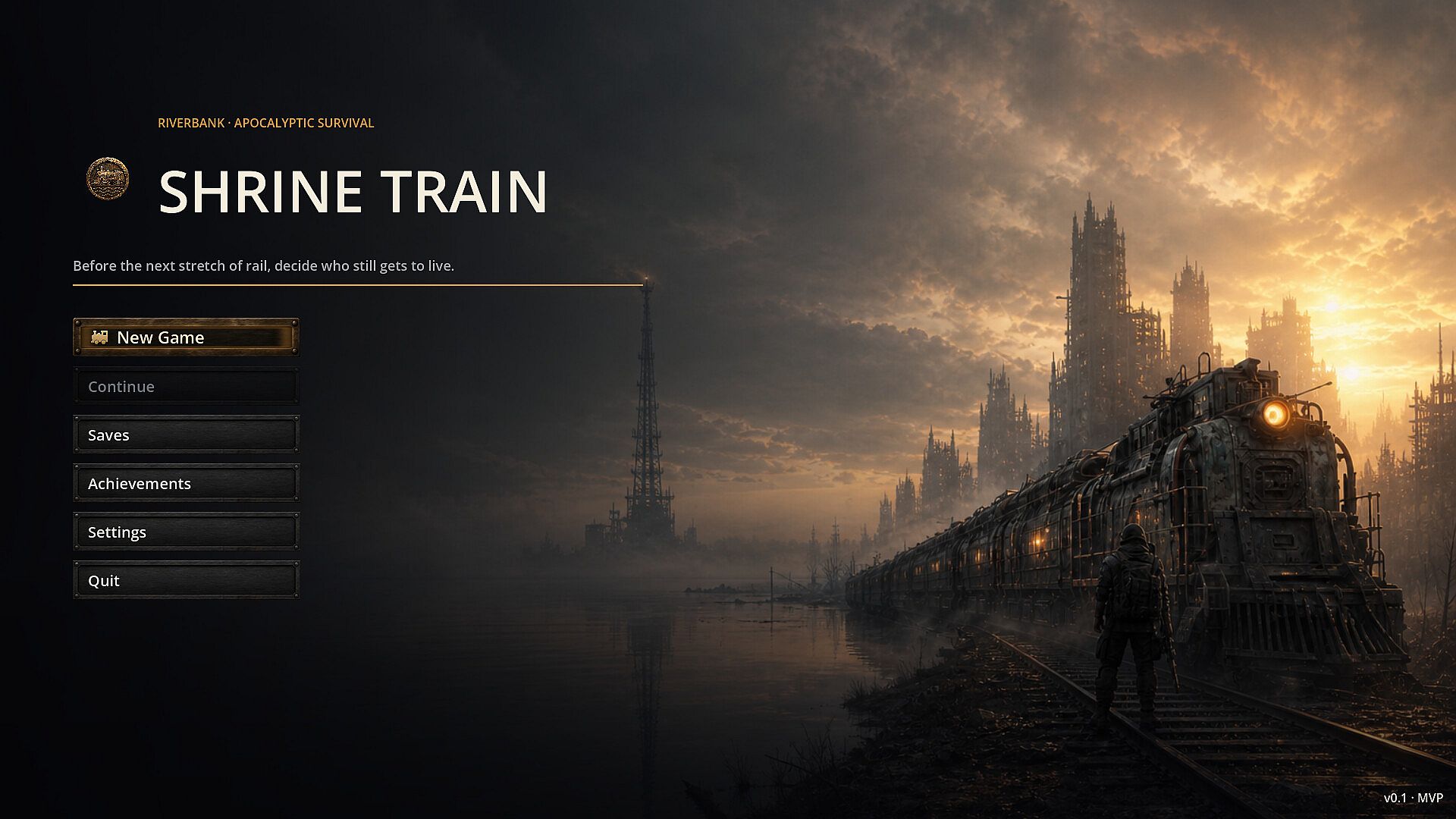
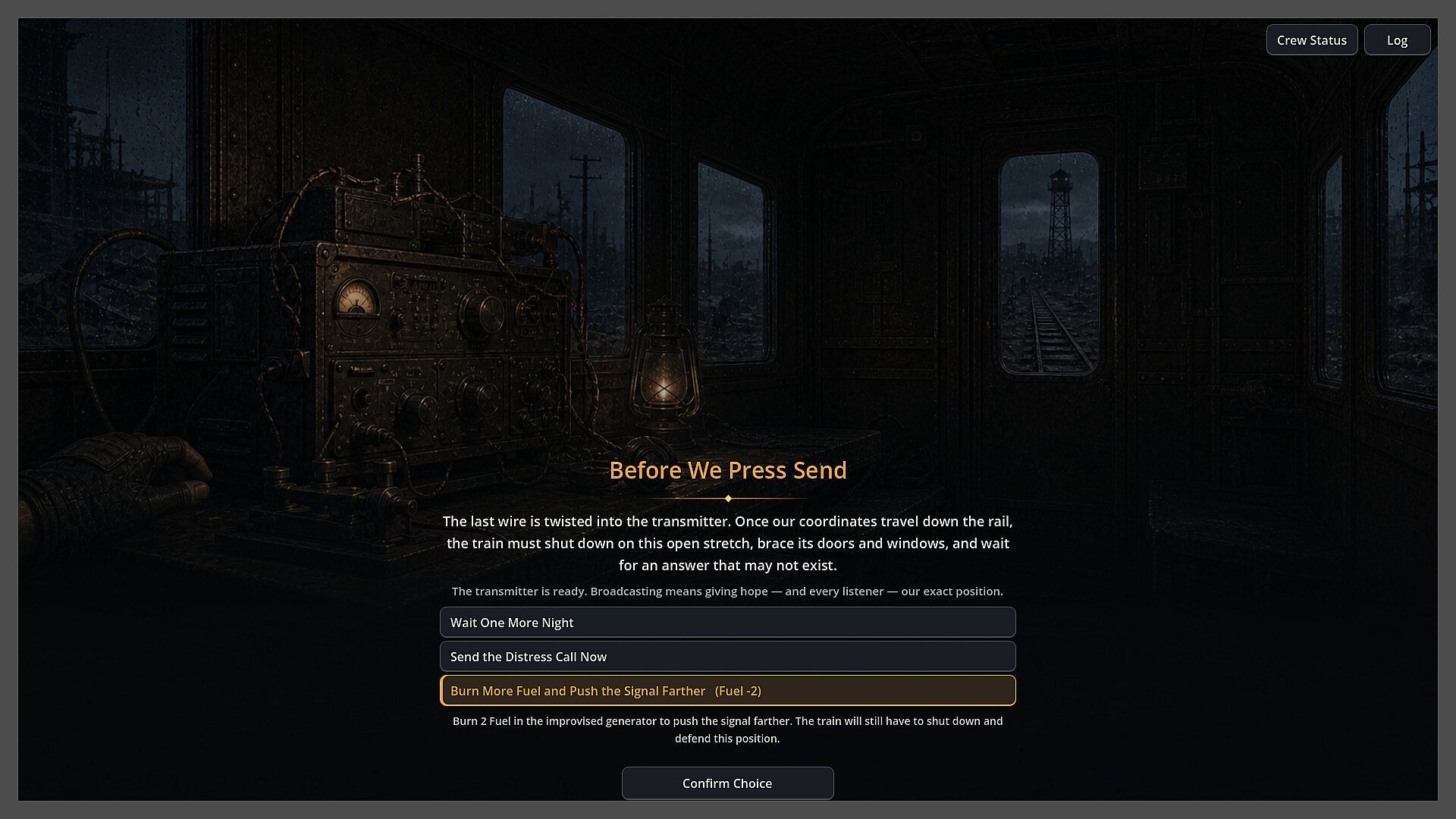
Shrine Train is a strategy indie adventure game centered on survival and narrative choices aboard a train in an end times setting. Players manage a group of survivors without directly controlling the locomotive, instead deciding daily operations that affect the entire crew.
Gameplay
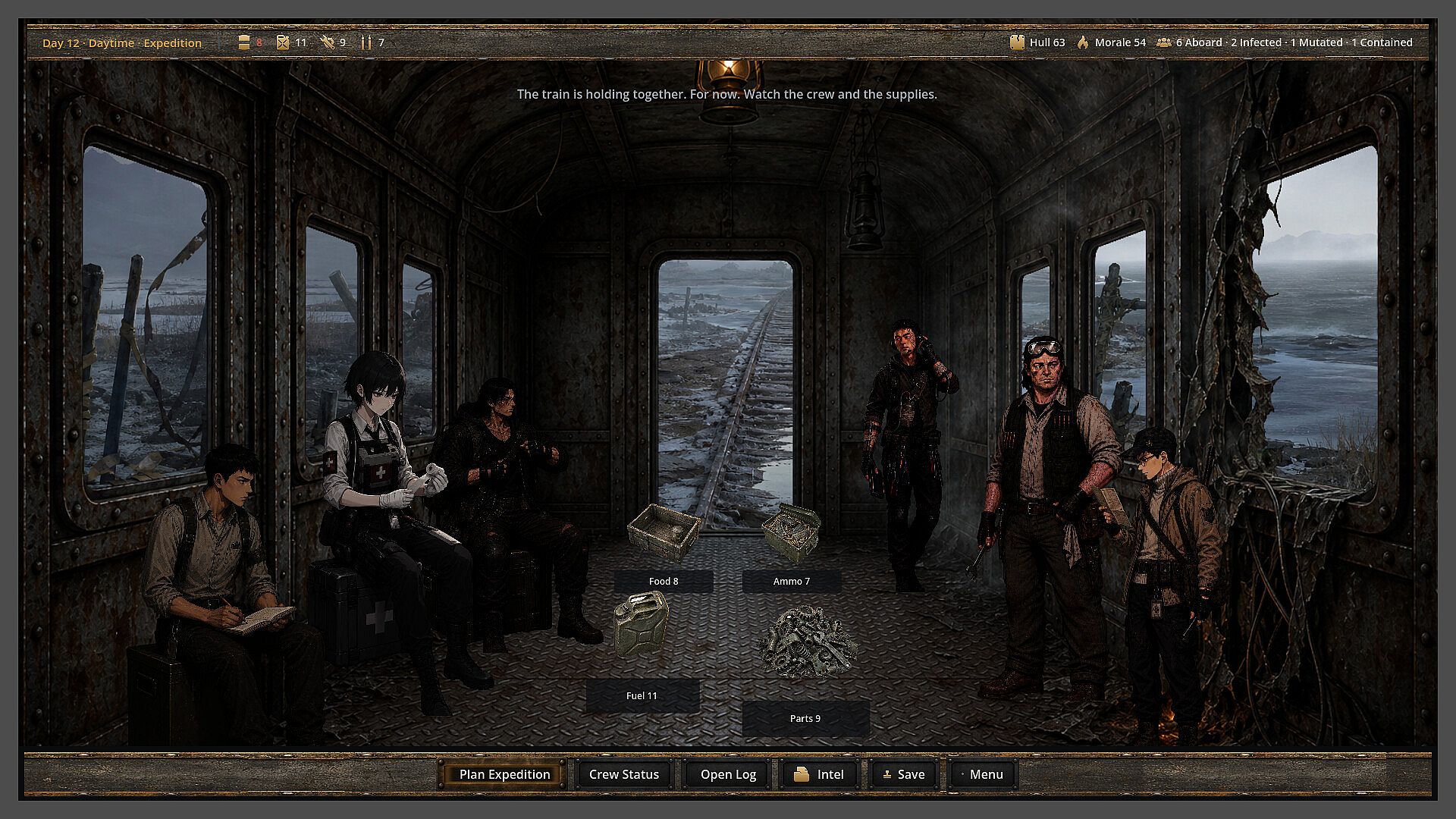
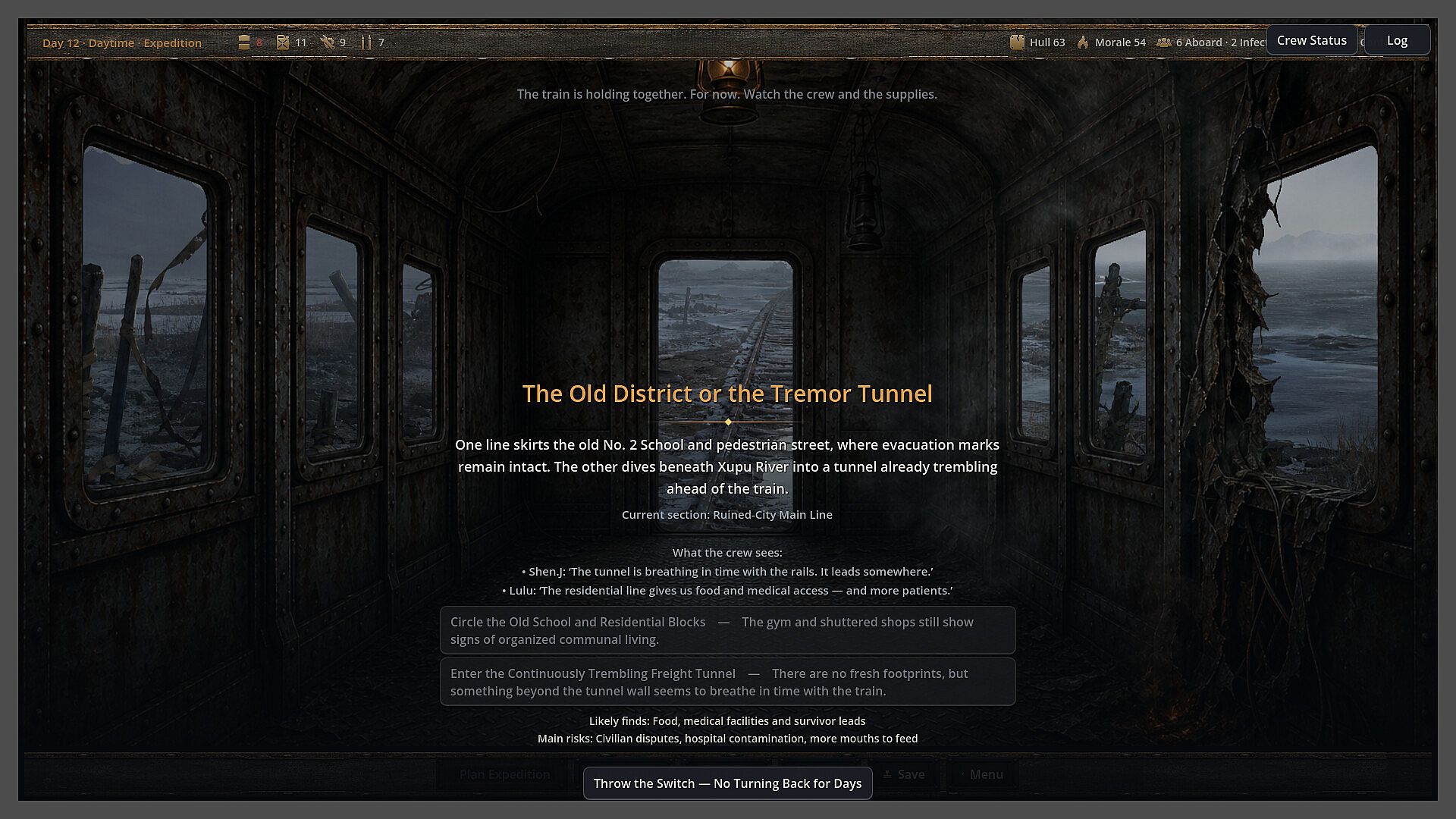
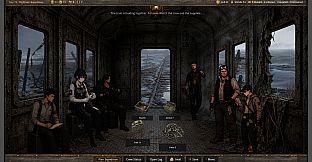
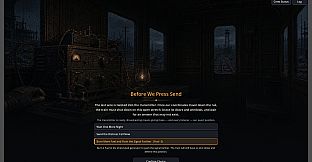
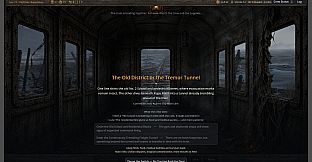
The core loop revolves around daytime decisions and nighttime management. During the day, players select an away team from available characters, determine search intensity, and ensure someone remains to guard the train. Encounters require assigning a leader, choosing an approach, and allocating resources, with outcomes determined by base rolls modified by character stats, train conditions, status effects, and interpersonal bonds. These checks play out in animated sequences that resolve into one of five result tiers ranging from critical success to total failure.
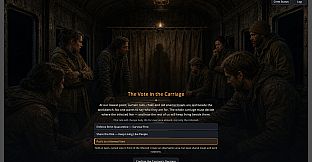
After dark, players set the train's heading and plan actions while confronting threats that appear along the tracks. Thirteen distinct characters populate the roster, each defined by personal motivations, fears, hard limits, and potential for change under specific pressures. Every major decision carries a value tag that characters notice immediately, remember across days, and reference in future interactions through dialogue or altered behavior. Capability determines who can handle certain tasks, while personality influences whether sending them is advisable.
Game Modes
Progression follows distinct narrative branches that shape the endgame. One path focuses on collecting radio fragments and frequencies to establish contact and determine whether rescue arrives for the group. Another centers on tracking a persistent signal toward its source, building stockpiles of ammunition, and preparing for a final confrontation. A third branch emerges when anomalies begin manifesting on board, coinciding with external signals that start as static and evolve into shared dreams of an impossible structure, eventually revealing an uncharted station on the map.
These paths develop organically from accumulated choices rather than menu selections, with character reactions and resource states steering which options remain viable.
Character Management and Decision Systems
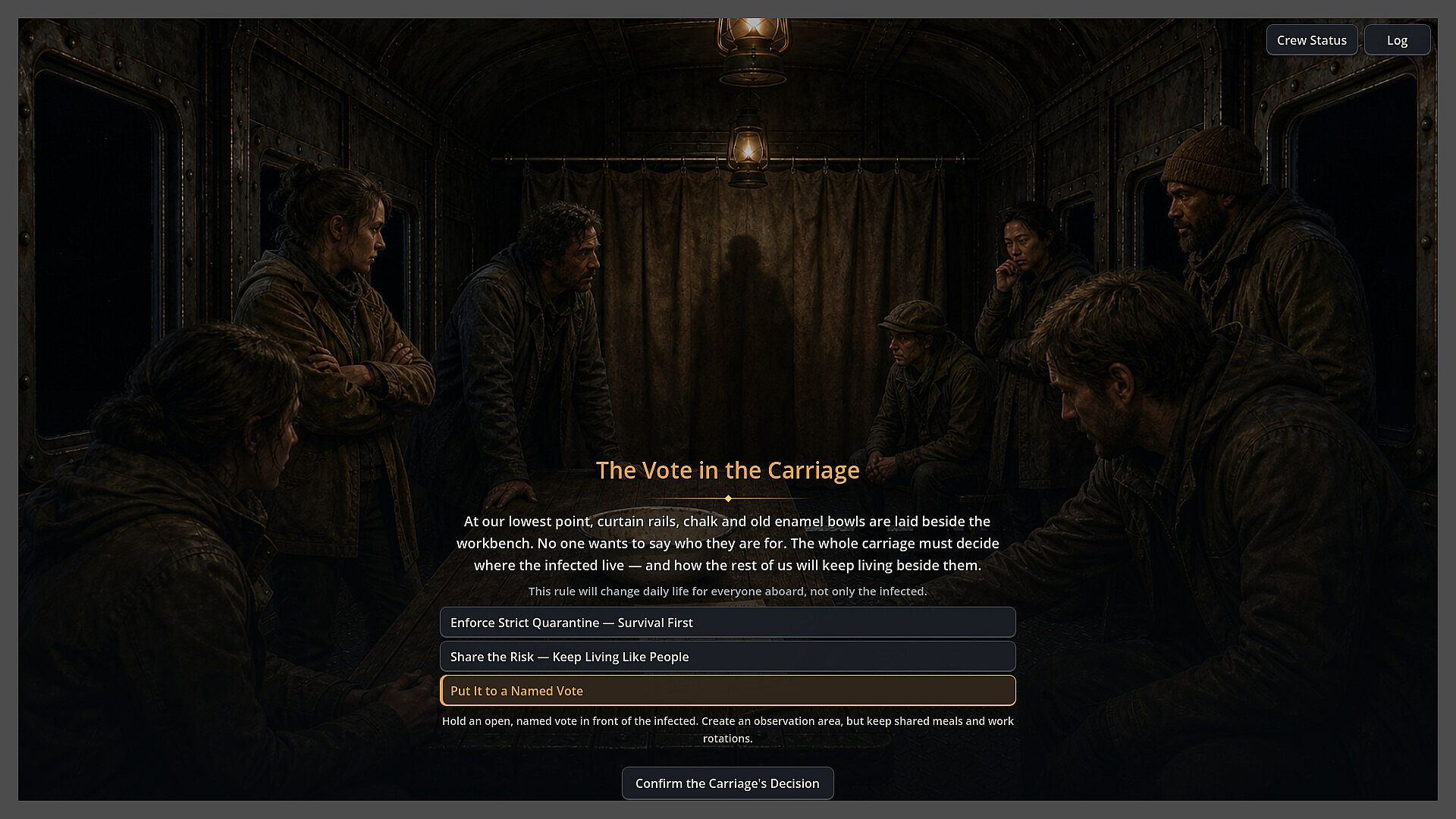
Thirteen unique individuals form the heart of the experience. Each carries explicit wants and refusals that surface during events, creating tension when group needs conflict with individual boundaries. Bond levels between characters provide bonuses or penalties during checks, while status effects from prior failures can impose lasting restrictions. Players must weigh short term survival against long term crew cohesion, as repeated crossings of personal lines trigger direct confrontations and lasting shifts in loyalty.
Event resolution incorporates multiple layers of modifiers so that identical choices produce different results depending on the current crew composition and train condition. This system rewards careful tracking of who remains aboard and how previous days have altered relationships.
Is It Worth Playing?
Shrine Train suits players who enjoy deep narrative strategy games built around character relationships and branching consequences rather than fast paced action or open world exploration. The emphasis on assigning roles, managing limited resources, and living with the fallout of interpersonal decisions creates a focused single player experience that rewards multiple playthroughs through different crew selections and value priorities. Those drawn to survival stories where personality and memory matter as much as raw capability will find the systems engaging, while anyone seeking traditional combat loops or multiplayer features may prefer other titles in the genre.