

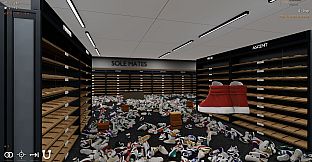
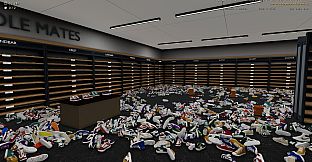
Sole Mates: Tidy Up the Shoe Store is an indie casual simulation game set in a cluttered sneaker shop on PC. Players restore order by matching and shelving pairs of shoes in a relaxing environment without timers or failure conditions.
Gameplay
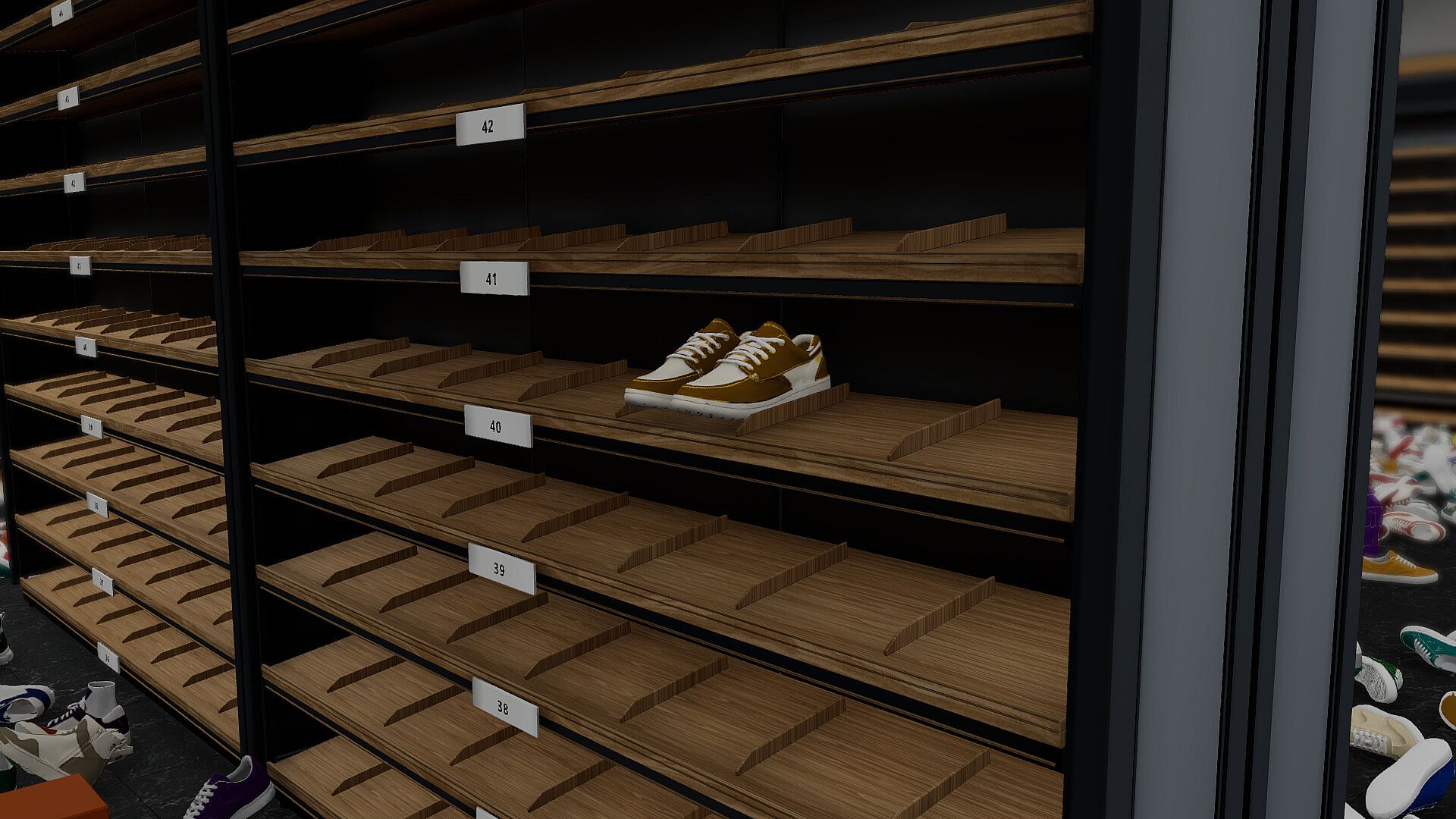
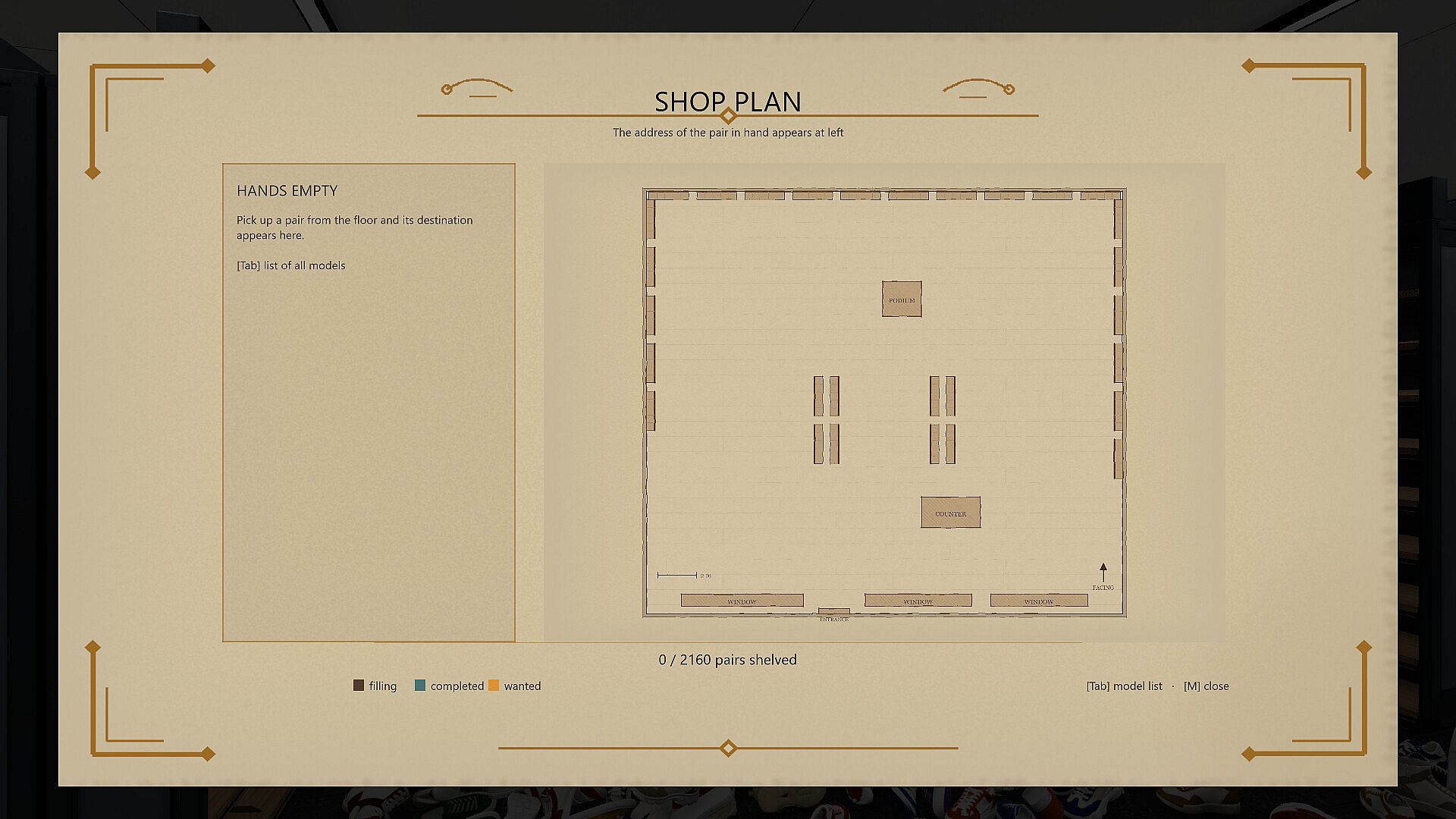
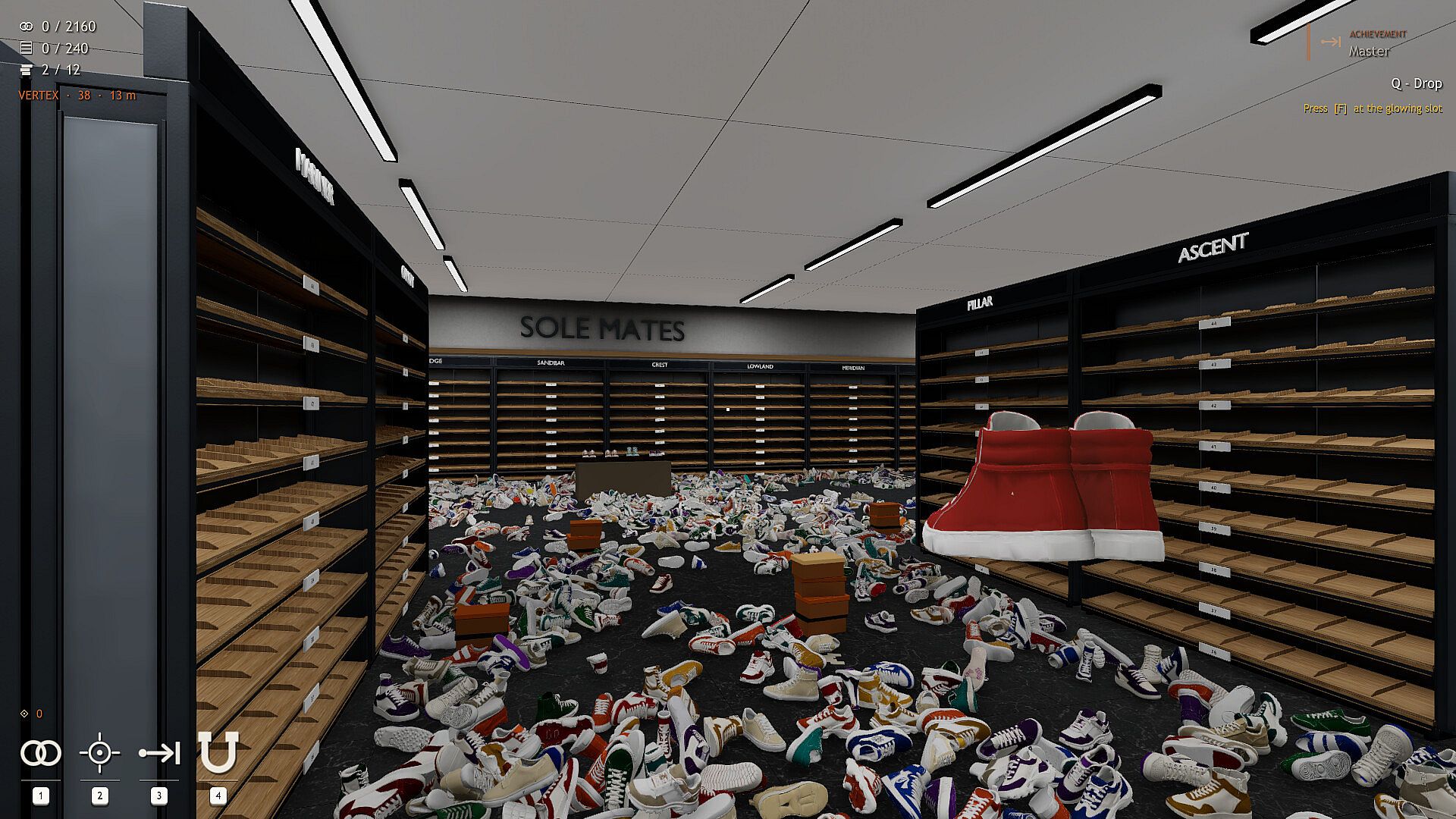
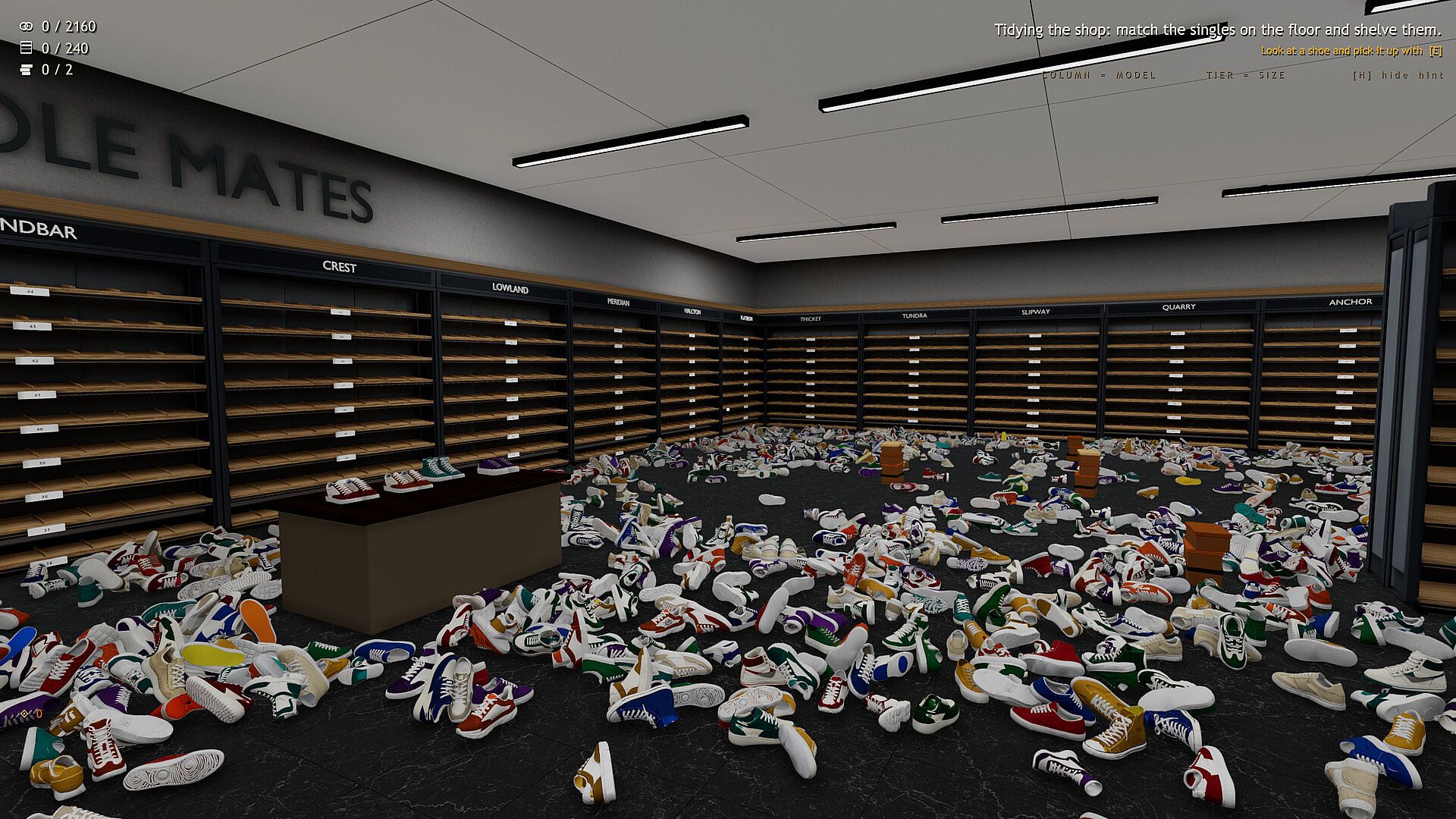
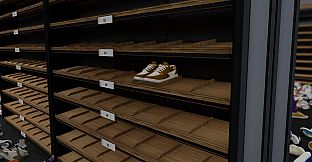
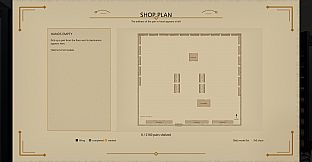
The core loop centers on locating matching left and right shoes from a scattered floor of 2,160 pairs. Each shoe displays a model, color, and size that must align exactly before the pair can be formed with a click. Once matched, players consult overhead model signs and shelf size labels to locate the correct slot among 240 model-and-color combinations spread across nine sizes. The process repeats as empty racks gradually fill and the floor clears.
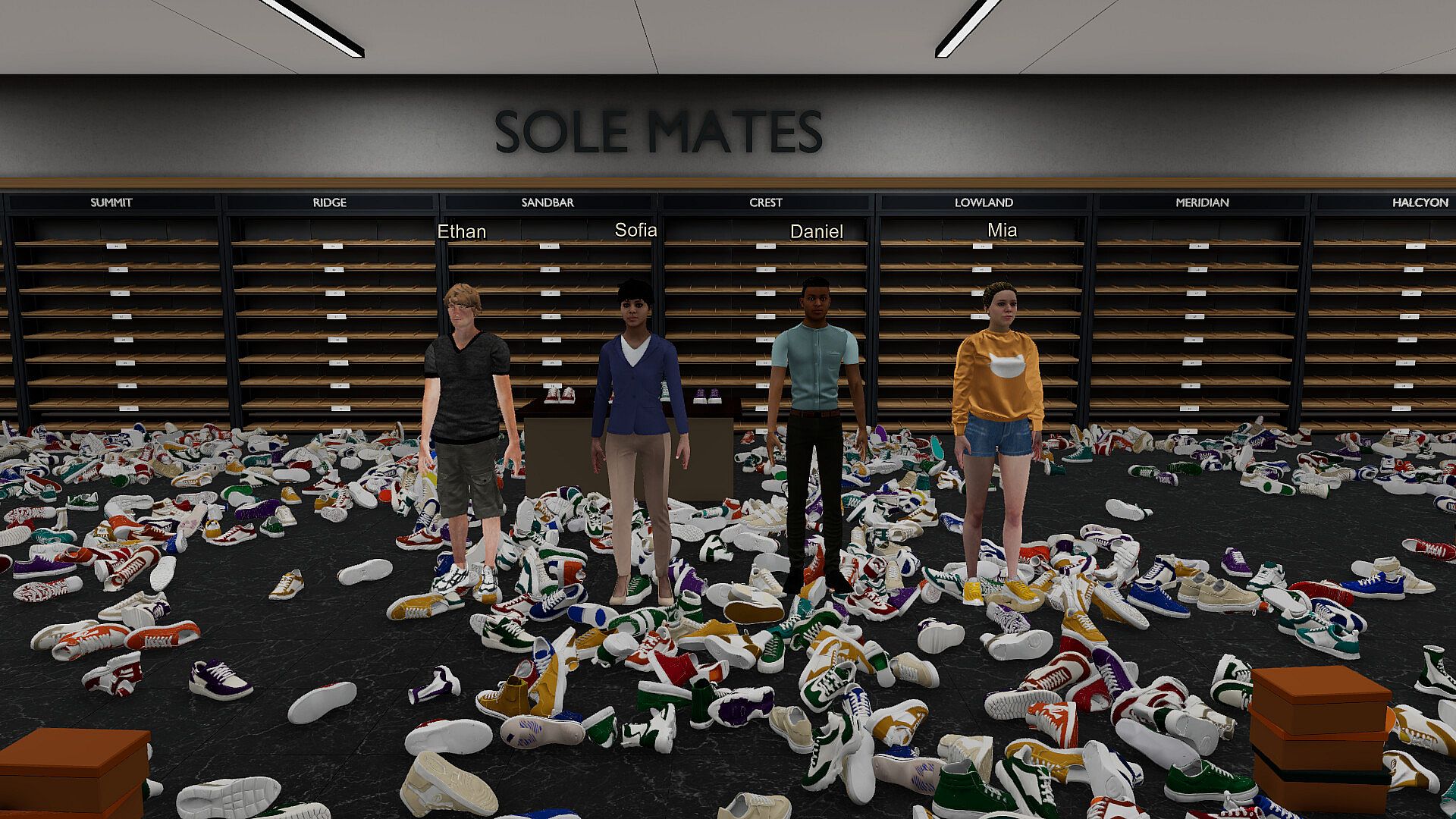
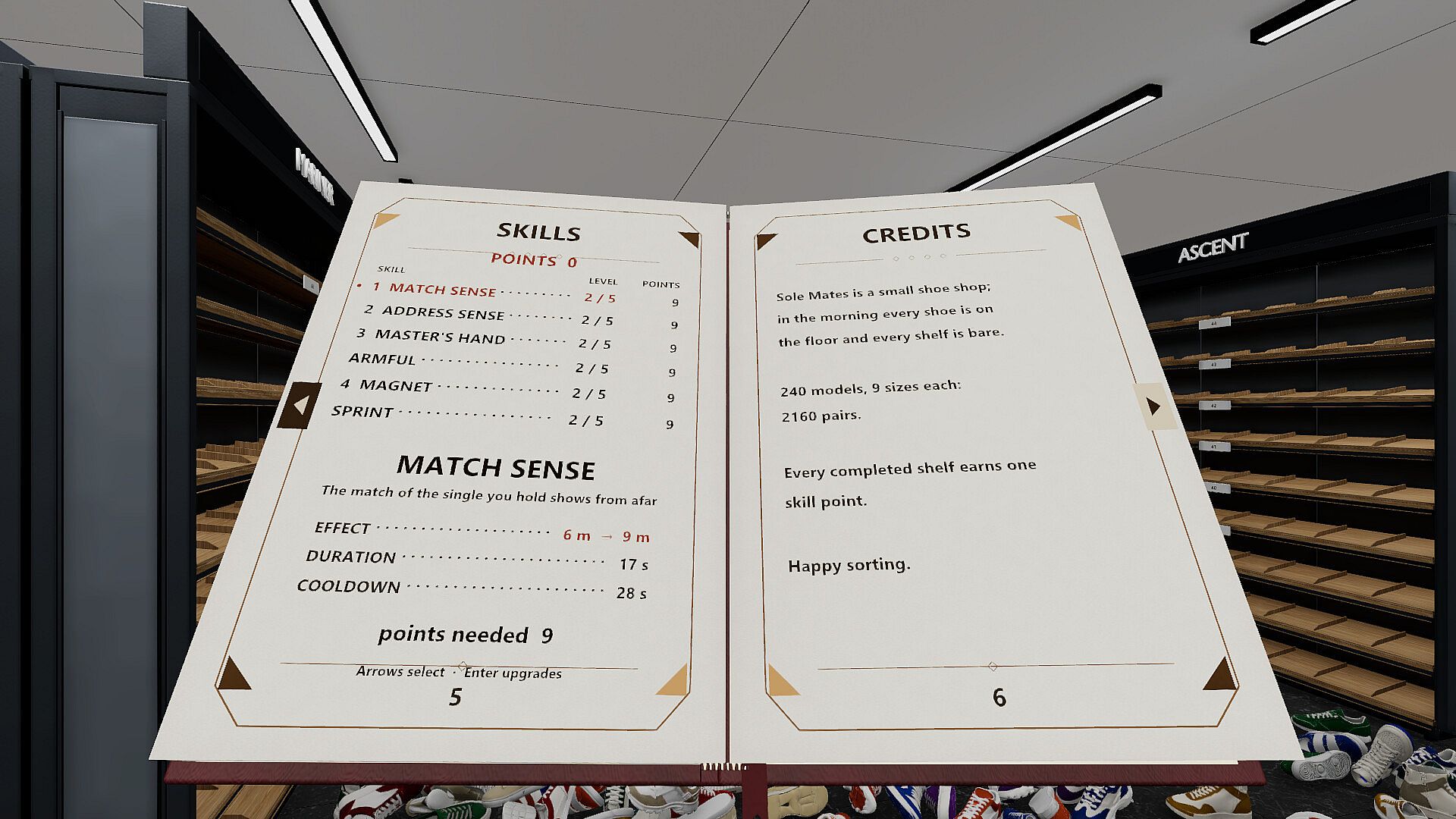
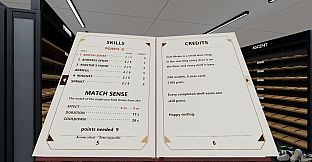
A handheld handbook provides on-demand reference for matching rules and controls. Completing columns awards skill points that unlock upgrades through the handbook's skills page. These upgrades streamline repeated actions such as revealing partners, highlighting slots, extending reach for placement, increasing carry capacity, pulling distant matches, or increasing movement speed. The game supports solo play or shared sessions, with four character choices available for co-op groups.
Game Modes
Two primary modes define the experience. Single-player allows complete control over the entire shop at an individual pace. Online co-op supports two to four players who join via room code and divide tasks across the same shared space. Both modes use identical mechanics and the same collection of pairs, with no competitive elements or separate rulesets.
Progression remains consistent regardless of mode. Players work through the full set of pairs without branching campaigns or additional levels. The focus stays on methodical sorting rather than speed or high scores.
Progression and Upgrades
Skill acquisition ties directly to column completion. Each upgrade targets a specific workflow bottleneck, such as Match Sense for partner identification or Armful for larger loads. These improvements accumulate across play sessions and apply immediately to subsequent matching and shelving. The system encourages repeated visits to the same shop while gradually reducing friction in the sorting process.
No external progression systems or seasonal content appear in the available details. The experience centers on one complete shop that transforms from disarray to organized rows through sustained effort.
Is It Worth Playing?
This title suits players who enjoy methodical organization tasks in a low-pressure setting. The absence of time limits or fail states makes it accessible for extended sessions or shorter breaks. Co-op support adds a social layer for those who prefer collaborative cleanup over solo work, while single-player remains fully viable for quiet shifts.
Reception data remains unavailable ahead of the October 2026 release. The verified features emphasize comfort and repetition with incremental improvements, which aligns with the broader category of cozy simulation games. Those drawn to shoe-sorting mechanics, shelf-filling satisfaction, and flexible multiplayer options will find the described systems match those preferences directly.