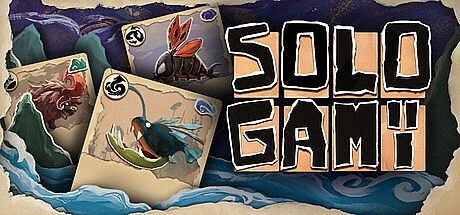


SoloGami is a single-player card battler that blends deck building with exploration on a hand-painted side-scrolling map. Players move through the overworld, encounter creatures that block the path, and resolve conflicts through card battles rather than direct combat. The core loop centers on collecting cards from defeated opponents to expand a permanent collection that carries forward through the entire experience.
Gameplay
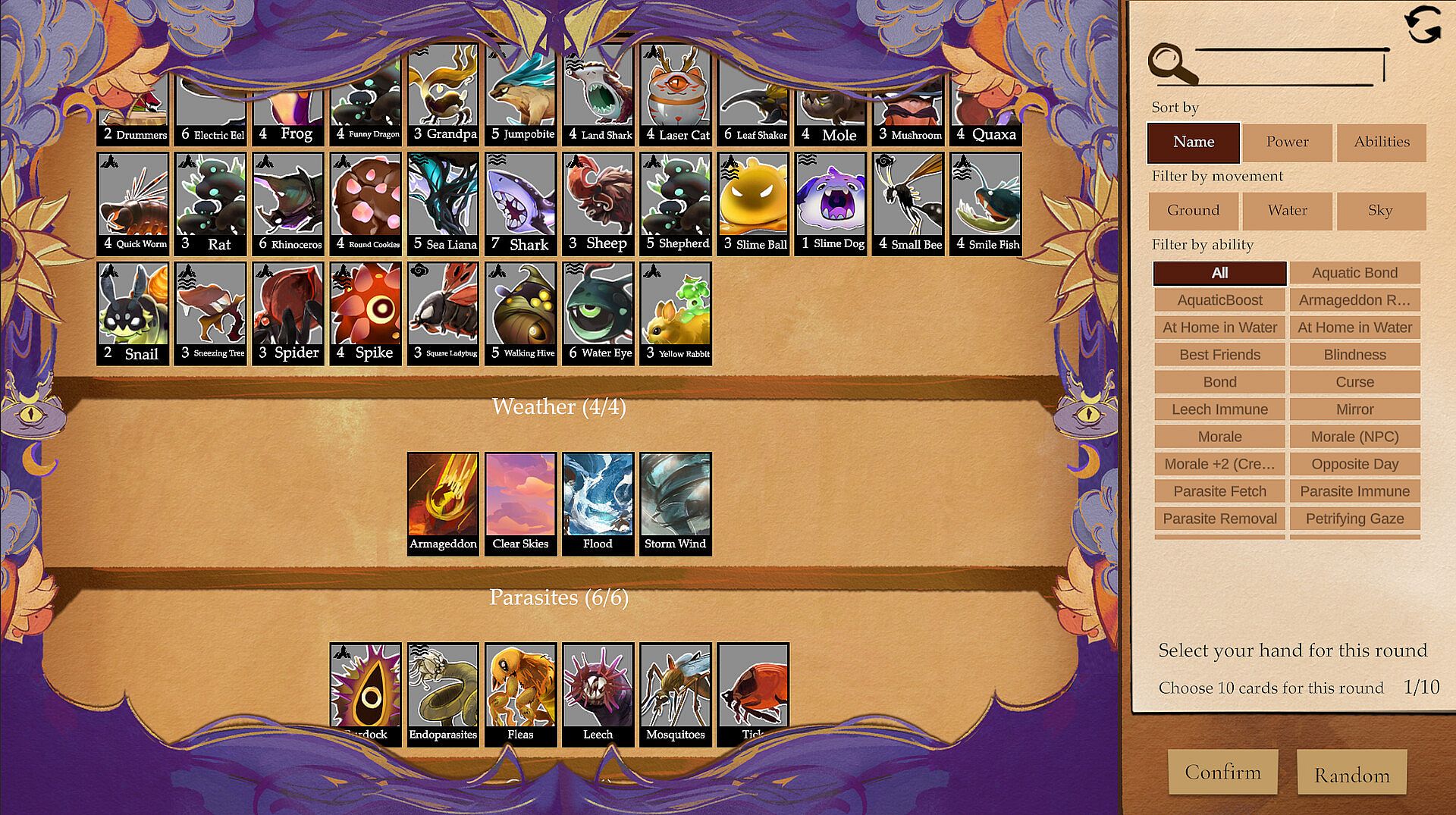
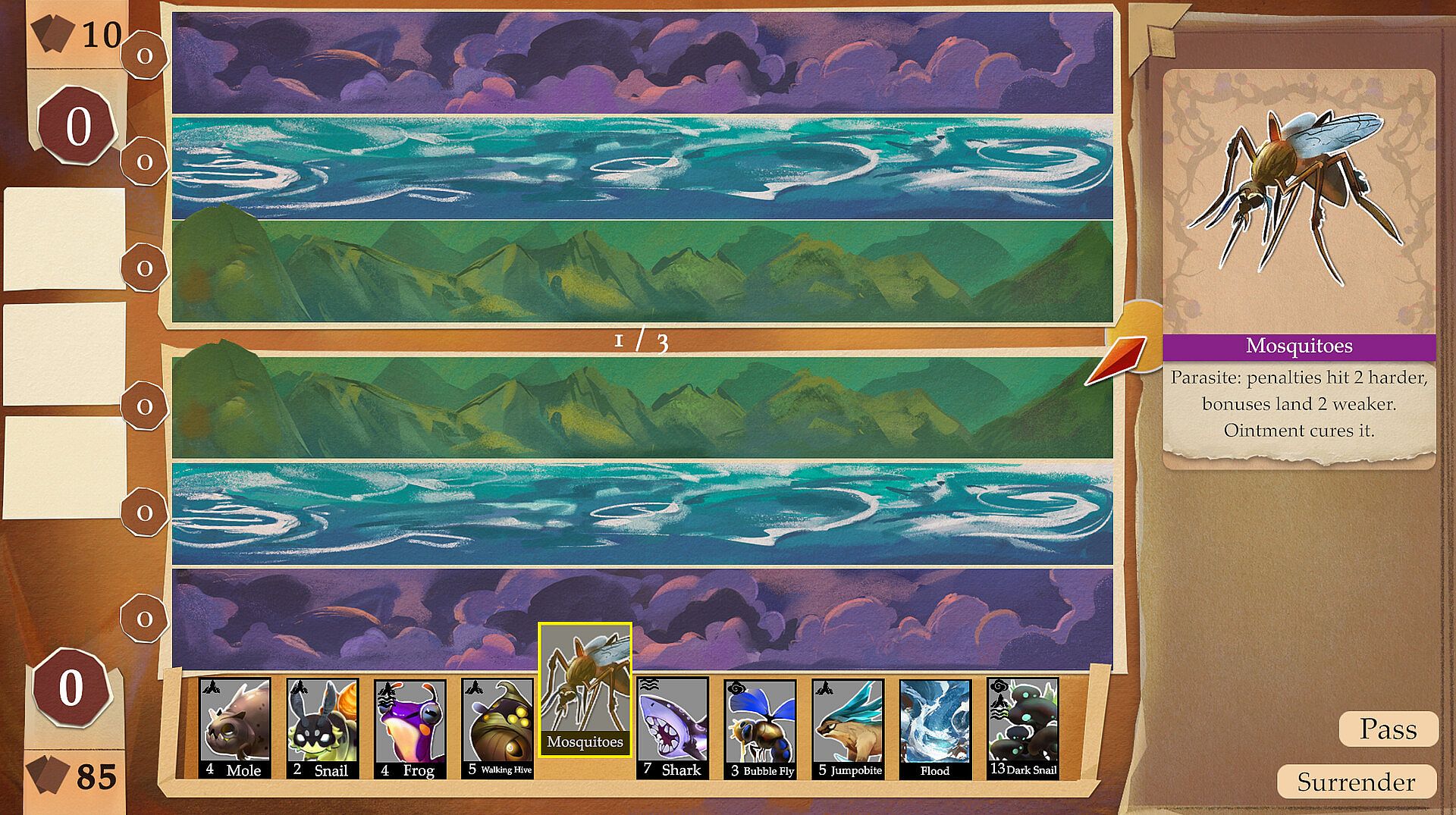
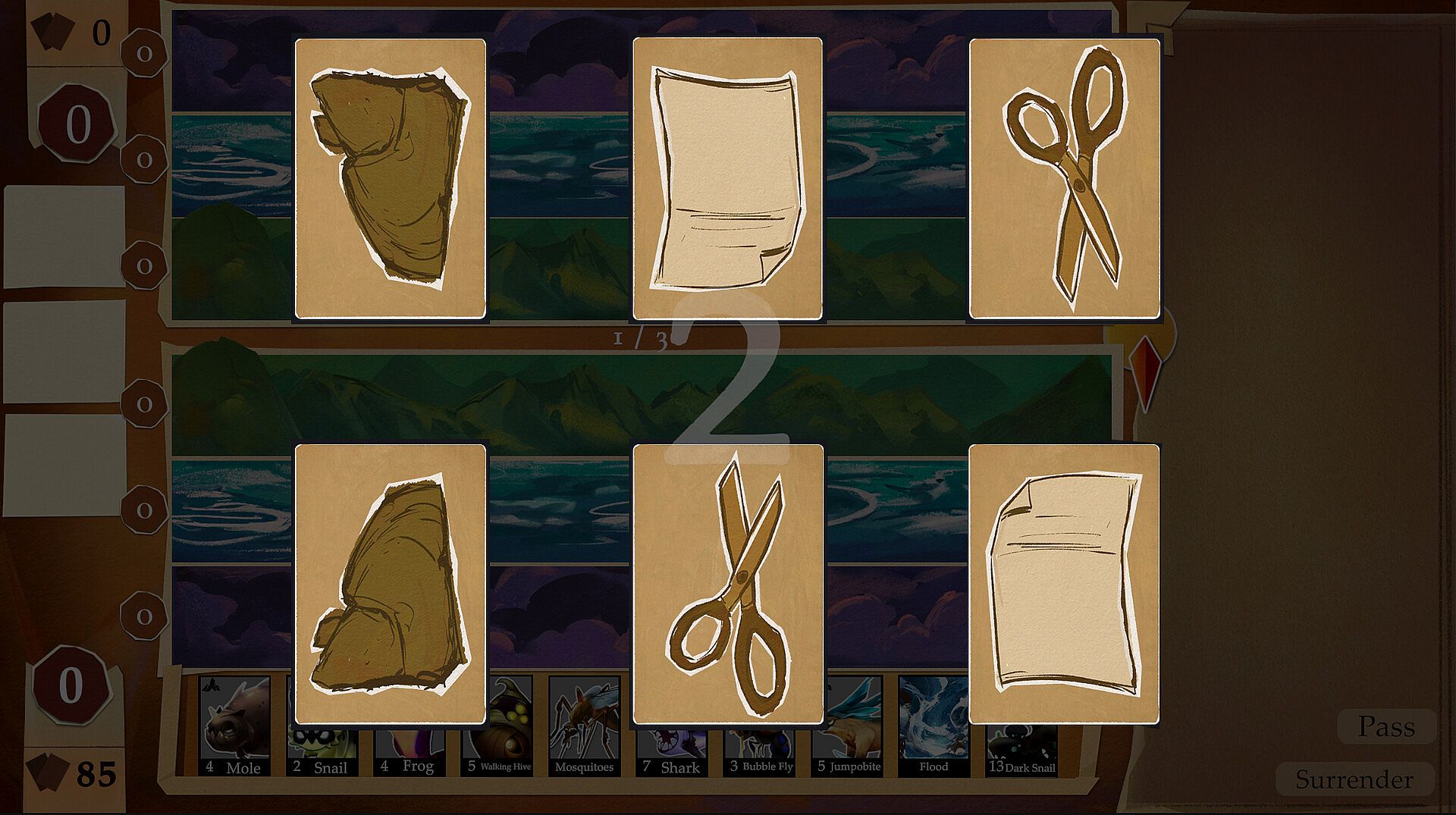
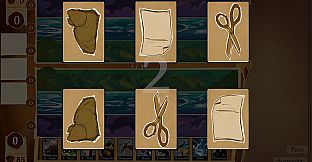
Exploration takes place on a painted map where movement leads to encounters. Each meeting shifts to a card table for resolution. Battles follow a best-of-three format, requiring two wins to claim victory and select cards from the opponent's deck. Before each round, up to ten cards are chosen from the growing collection. Played cards leave the pool for the remainder of the battle, which encourages deliberate decisions about when to commit resources or concede a round strategically.
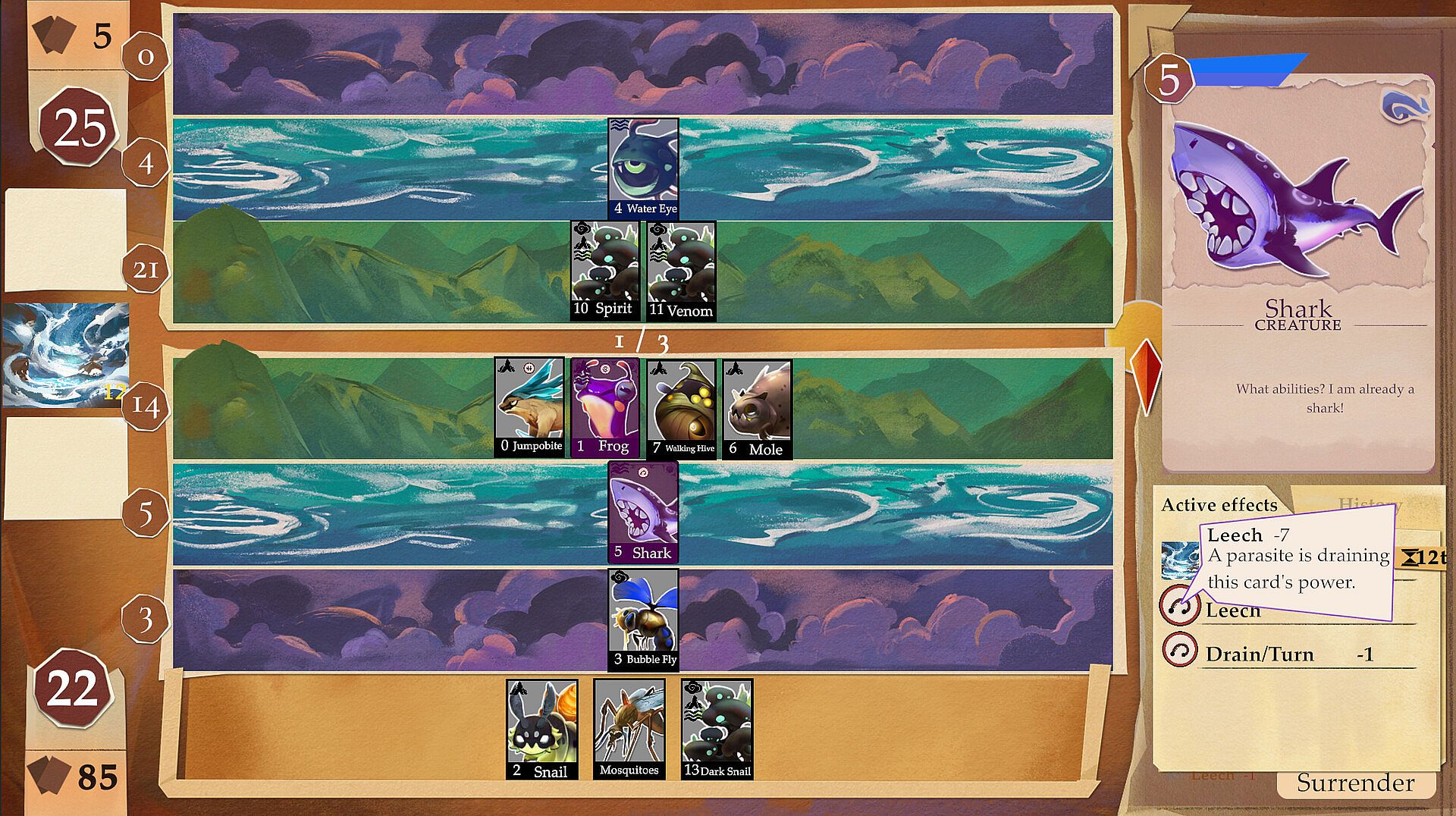
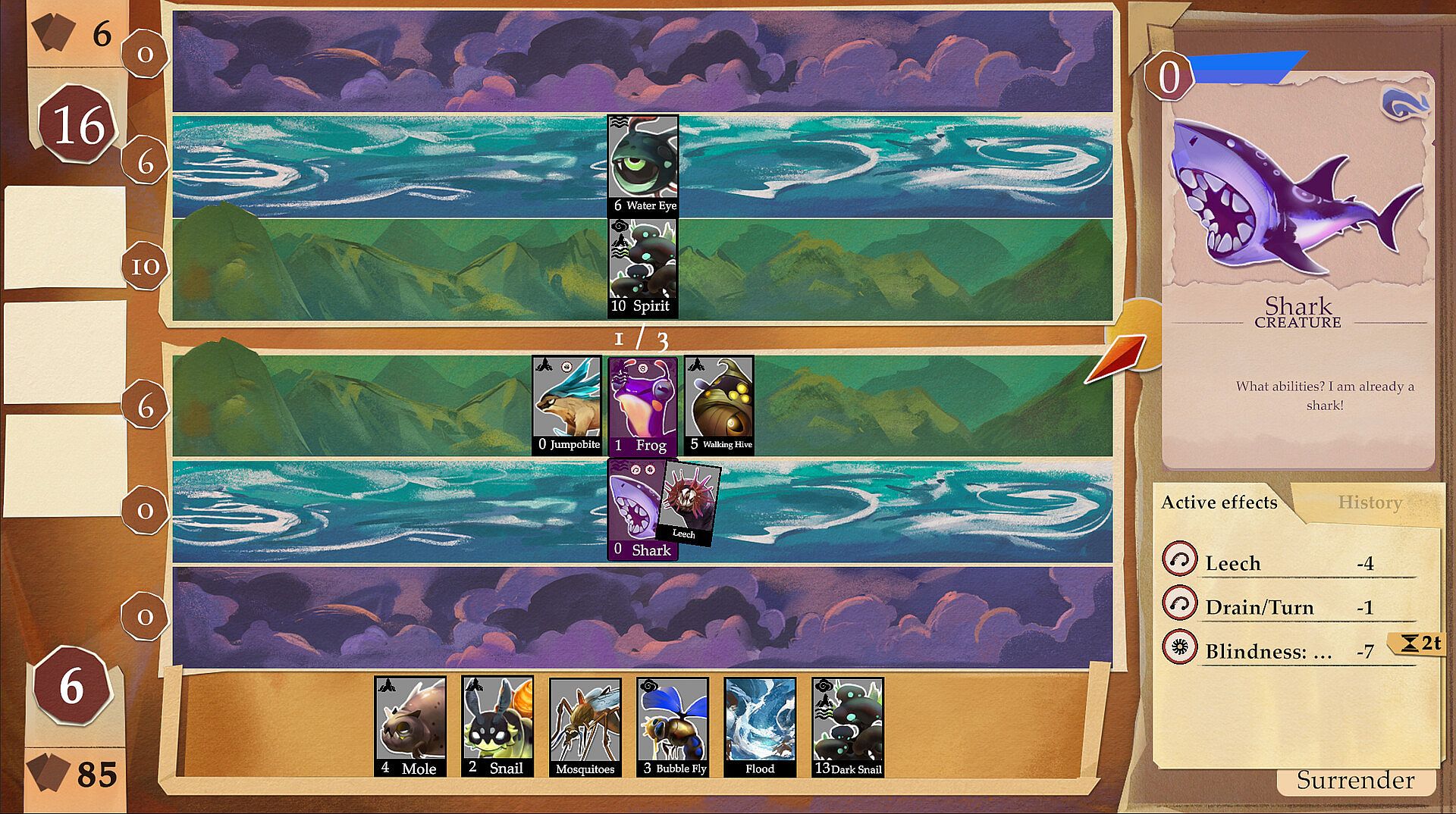
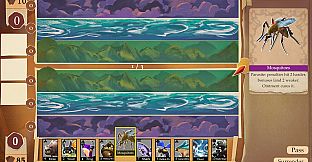
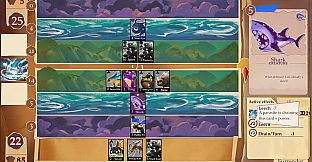
The table features three distinct lines on each side: Ground, Water, and Sky. Cards can only occupy lines permitted by their movement rules, making placement as critical as timing. Turns alternate until both players pass, after which the side with the higher total power wins the round. Abilities on units influence neighboring cards, creating synergies or disruptions that reward careful board management.
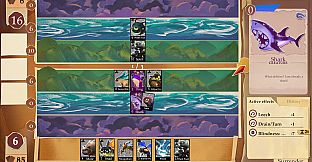
Scoring evolves across the campaign. Early encounters rely on simple power comparison. Later stages incorporate effects such as boosts, drains, and damage that alter a card's effective value. In advanced fights, the table persists between rounds, so committed units remain in place and continue to change state. The final phase scores two boards simultaneously: the current state of cards and their original values before any modifications. This layered evaluation demands attention to both immediate and historical board conditions.
Game Modes
The game operates as a linear single-player campaign. Thirty-seven opponents appear in fixed sequence, with each new encounter unlocked only after the previous one is defeated. The progression begins with a basic opponent on a garden path and advances through increasingly complex challenges. Difficulty can be adjusted in the pre-battle conversation for each opponent, allowing players to tailor the experience without altering the overall structure.
Card acquisition forms the central progression system. After every victory, the player selects cards from those used by the defeated opponent. This permanent addition expands the available pool for all future battles. No separate modes exist outside this campaign framework, keeping focus on the single narrative thread and collection growth.
Card Design and Abilities
The roster contains 117 cards. The majority function as units, including creatures, beasts, monsters, heroes, and bosses. Each carries a power value, placement restrictions, and often an ability that interacts with adjacent cards. Some abilities support neighbors, others benefit specific types, and certain combinations only activate when particular cards sit side by side. The remaining cards serve as table effects rather than units: weather changes, parasites, cures, swords, magnets, mirrors, and spies alter the board state without occupying lines.
Every card maintains a visible history of its encounters. Hovering over a card reveals details such as damage taken, healing received, weather impacts, and active boosts from allies. This tracking supports informed decisions during longer campaigns where individual card performance matters across multiple fights.
Is It Worth Playing?
SoloGami suits players who enjoy strategic card games with persistent progression and evolving rules. The single-player campaign delivers a complete experience built around deck growth and tactical depth rather than repeated matches against the same opponents. The hand-painted art and original soundtrack contribute to a cohesive presentation that supports the exploration and battle loop.
Those who prefer quick sessions may appreciate the ability to adjust difficulty per encounter, while players seeking longer-term collection building will find value in the permanent card additions. The mechanics reward experimentation with different line placements and ability synergies, though the learning curve centers on understanding how scoring changes over time. Availability on PC makes it accessible for those interested in a focused indie card battler without multiplayer elements.