


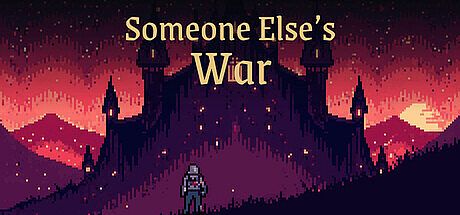


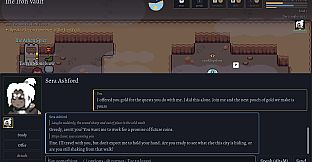
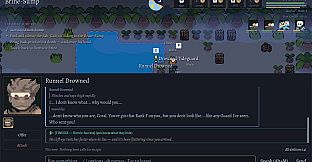
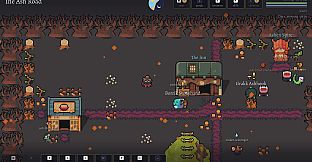
Someone Else's War: An Isekai RPG is an indie RPG adventure built around player-driven world creation and narrative choices on PC. The game places you in a fantasy conflict as an outsider from Earth, where every decision shapes the setting, relationships, and outcome of a war that began without you.
Gameplay
The core loop centers on describing what you want to happen through typed statements rather than selecting from preset options. At the start of each run the game generates the world based on details you provide or leaves elements to chance, covering the age of the setting, how magic functions, the various peoples and their goals, the nature of the Demon King, your own background on Earth, and the ability you receive upon arrival.
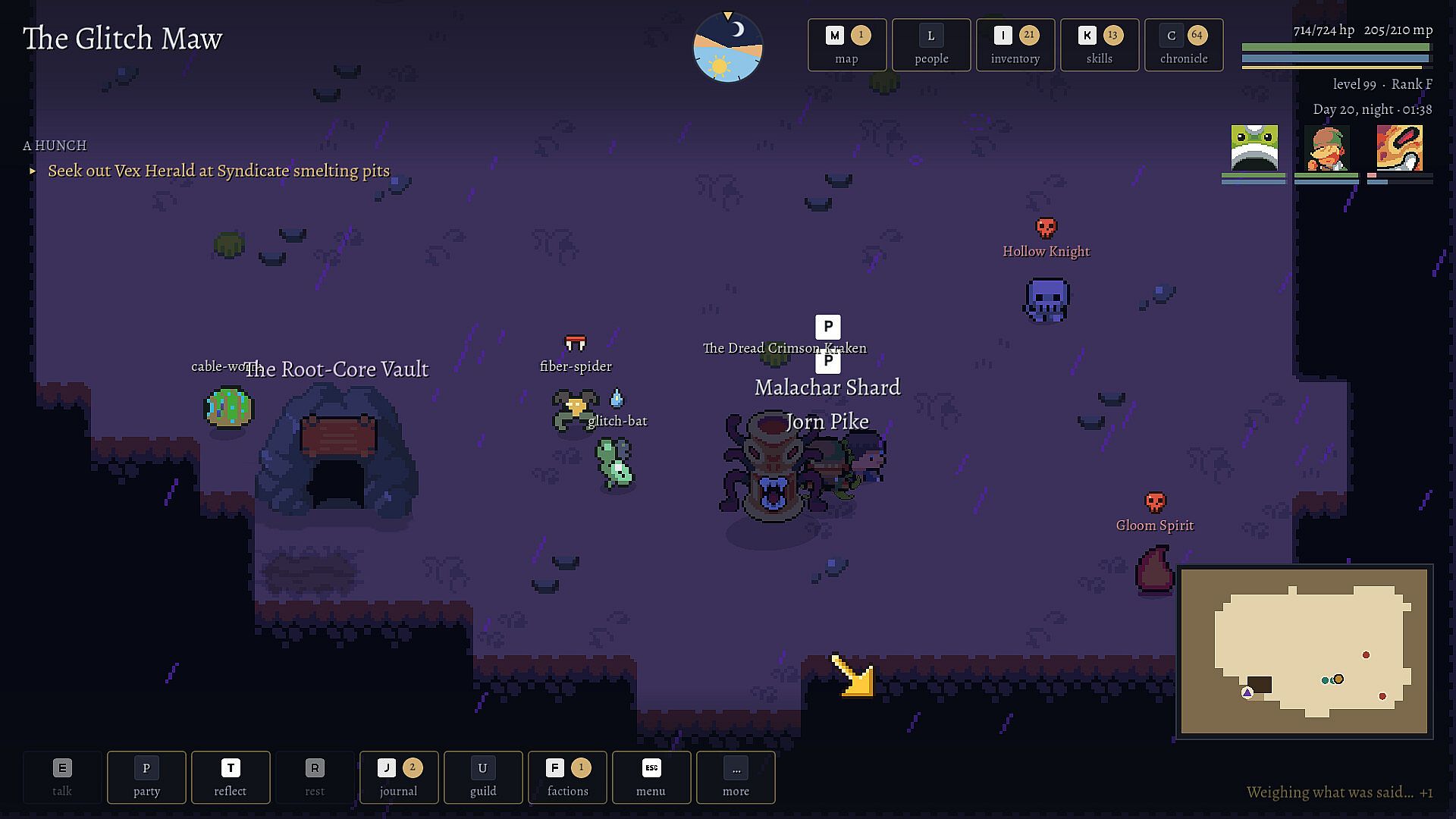
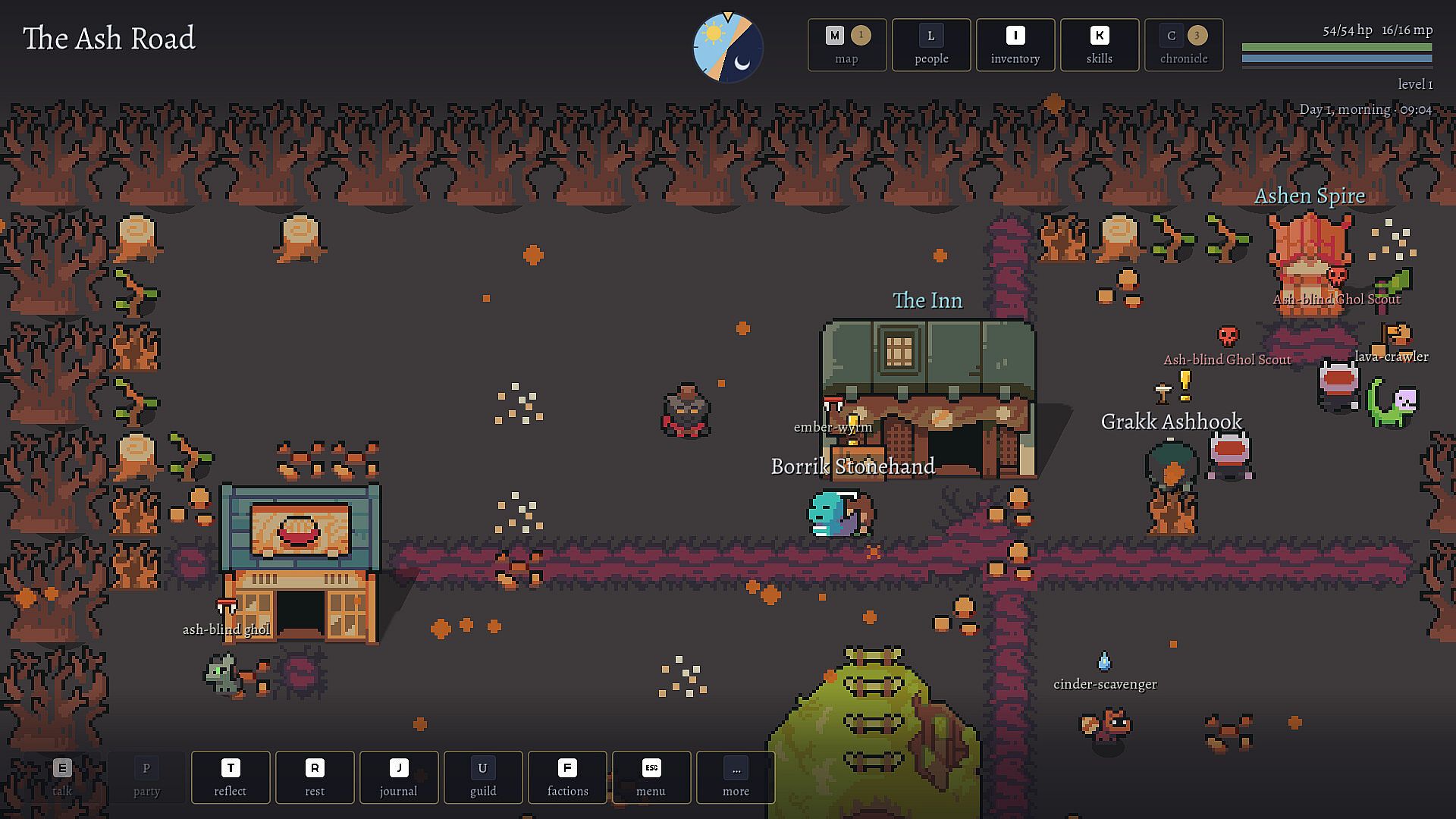
Actions expand the world in concrete ways. Mentioning an unexplored location causes it to appear on the map if it is reachable. Accepting an errand adds a destination. Bargaining over prices changes what you pay. Recruiting companions depends on how much they like you. Even during combat you can attempt to talk down opponents, whether they are people, animals, monsters, or bosses, potentially turning them to your side though their allegiance may not hold permanently.
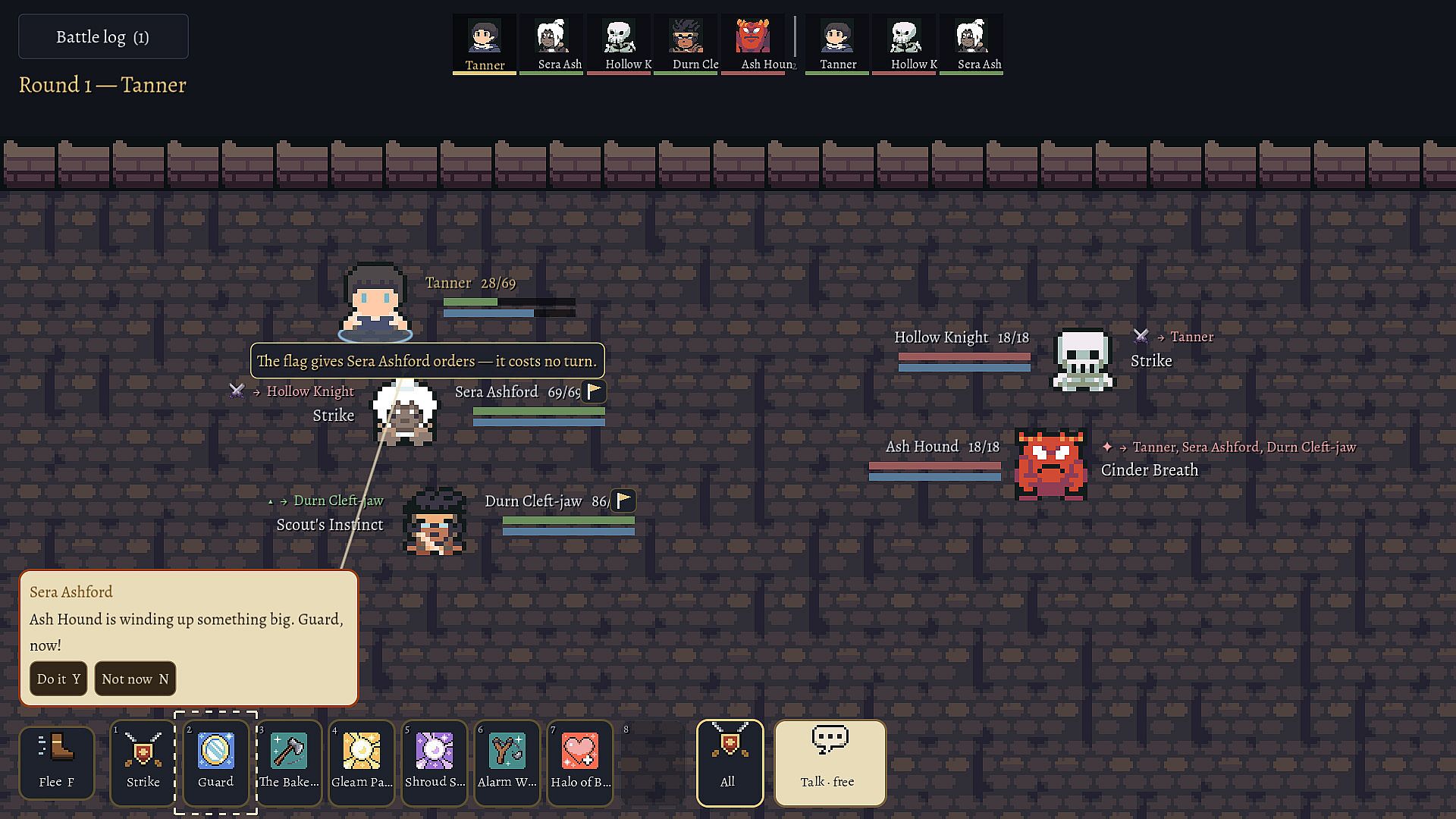
Combat follows consistent handwritten rules for turn order, initiative, damage, and death instead of relying solely on AI improvisation. This system can be learned and misjudged, allowing for strategic play or costly errors. New abilities develop according to the build you pursue, and the overall ending reflects the specific run you completed rather than a fixed script.
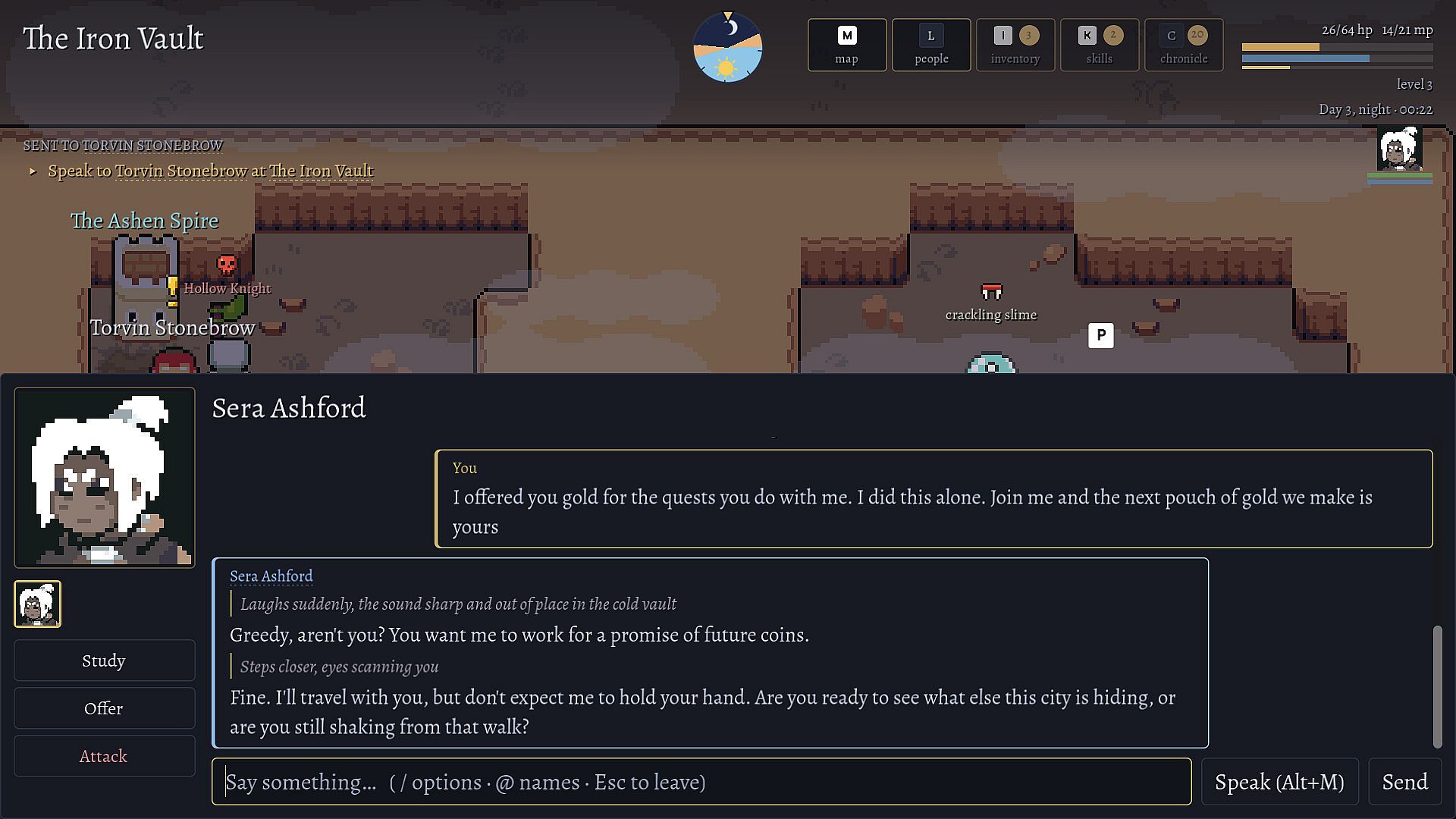
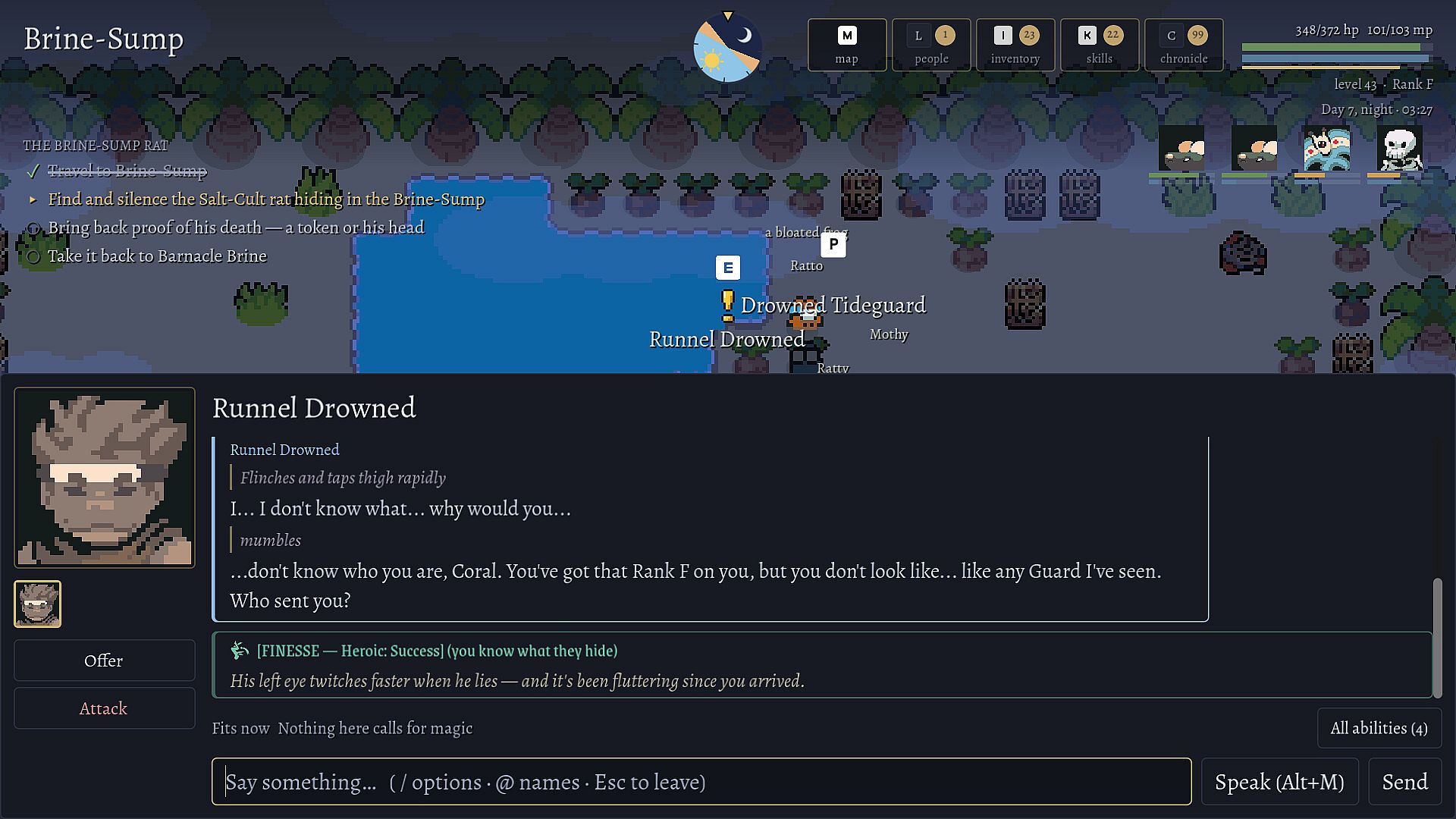
Dialogue works through direct statements. You type lies, threats, promises, or confessions, and the world responds to the exact words used. Factions track what you have done for them and what obligations remain. Everyone you meet remembers your actions, though memories differ from person to person.
Game Modes
The game operates as a single-player narrative experience with multiple paths through the central conflict. You can choose to slay the Demon King, serve him, attempt to turn him to your side, or pursue a peace agreement that both sides will accept. Each approach produces a different resolution to the war and leaves the world altered in distinct ways afterward.
These paths emerge from the cumulative choices made during a run rather than from separate selectable modes. The world continues after the war ends, carrying forward the consequences of your decisions and the relationships you formed. No additional named modes such as multiplayer or separate campaigns are present.
Is It Worth Playing?
This title suits players who enjoy text-heavy RPGs where typed input drives the story and world reacts consistently to specific actions. The rule-based combat and memory system reward careful planning and attention to how choices accumulate. Those who prefer games that let them shape the setting through conversation and errand-taking rather than following linear quests will find the structure engaging. The focus on multiple endings tied to your actual playthrough provides replay value for anyone interested in exploring different approaches to the same war. Availability is limited to PC, and the experience remains centered on single-player narrative progression without confirmed updates or additional content layers beyond the core systems described.












