

The Split & Creatura Bundle brings together two distinct single-player experiences on Xbox One and Xbox Series X|S. Split delivers first-person action puzzle gameplay centered on time manipulation and self-cloning, while Creatura focuses on simulation and ecosystem management through realistic evolution mechanics. Players seeking thoughtful puzzle challenges or detailed biological simulation will find separate campaigns that emphasize problem-solving and creative design without any multiplayer elements.
Gameplay
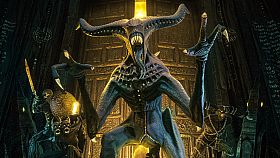
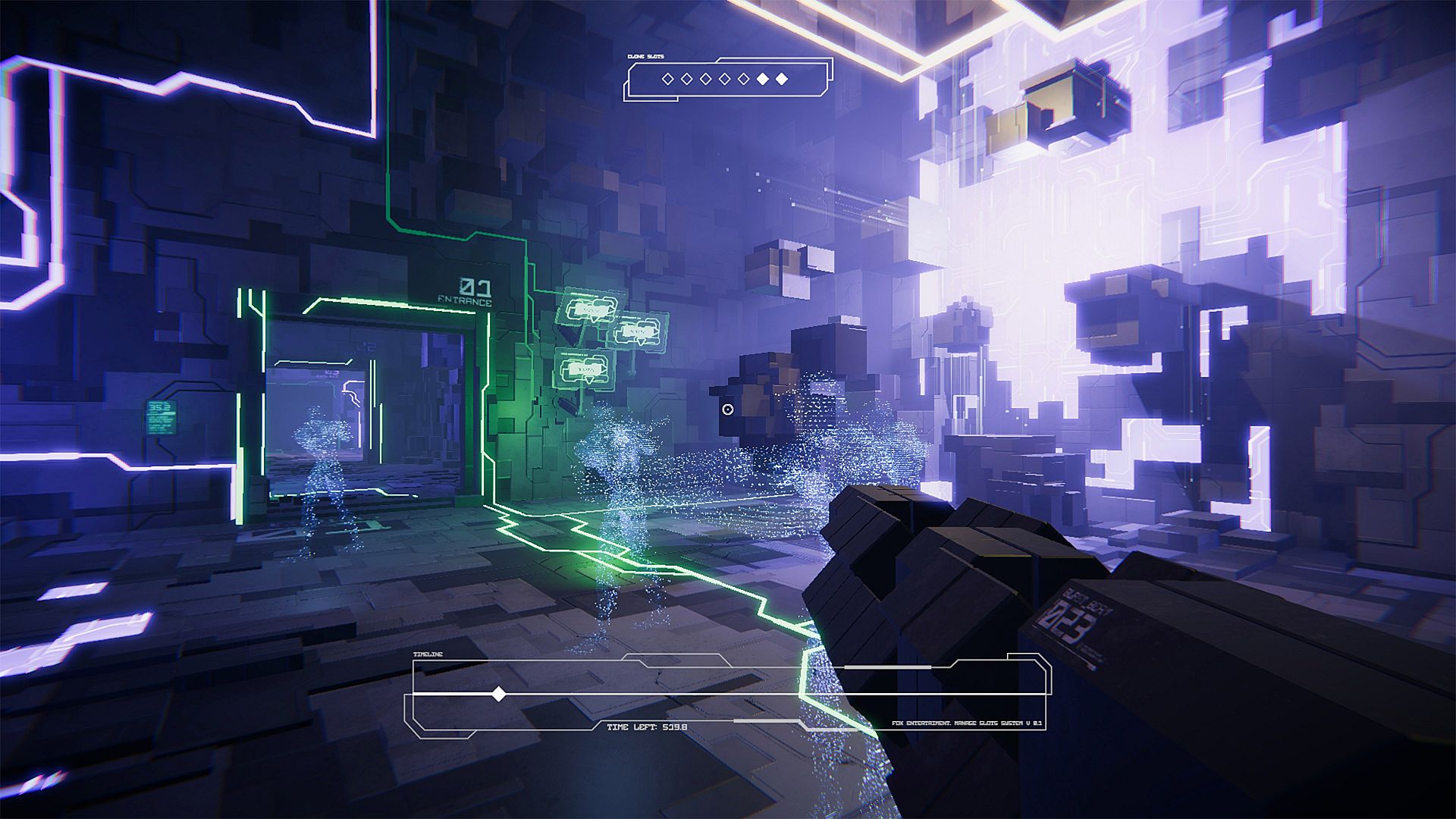
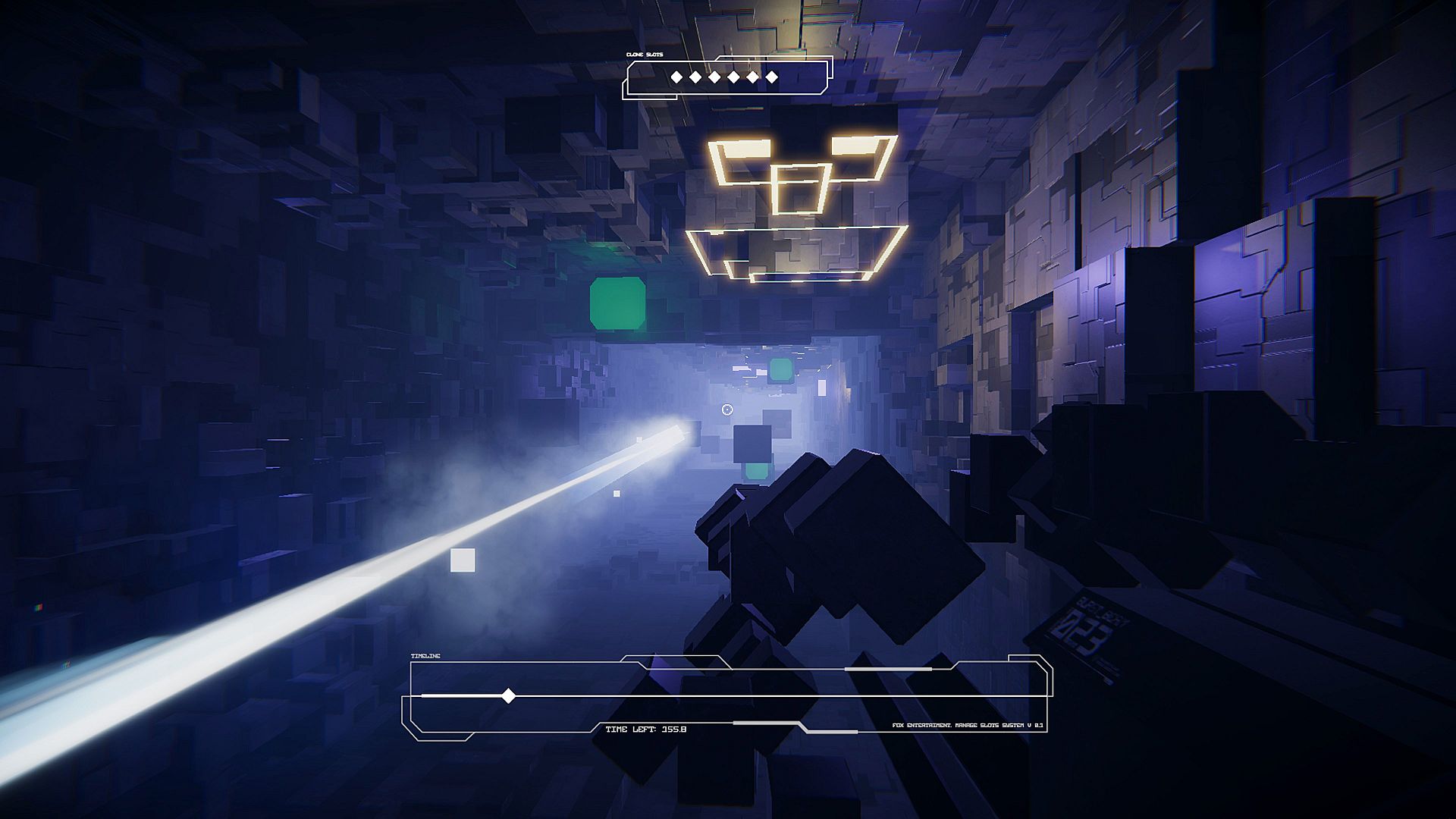
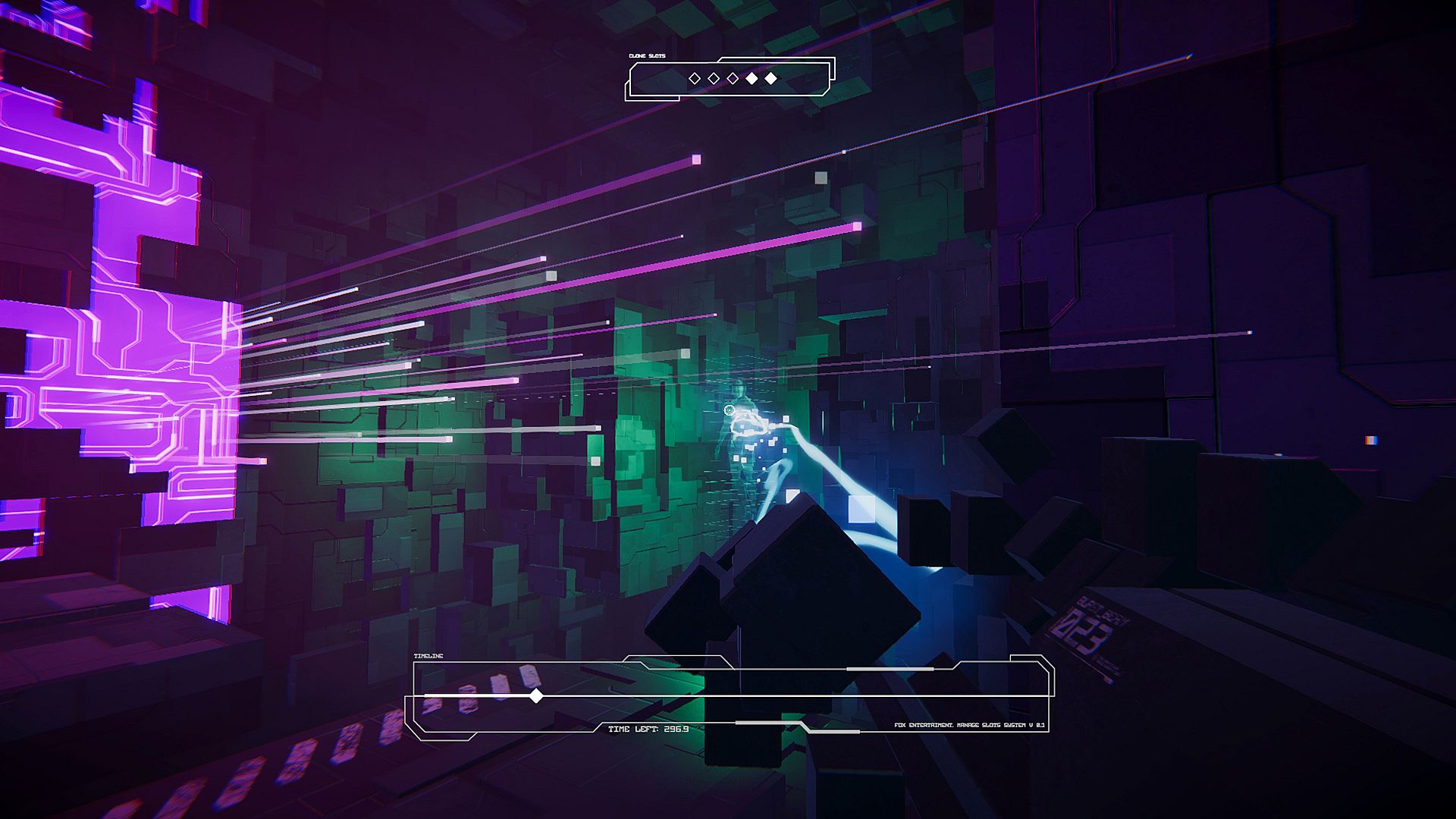
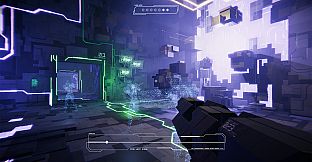
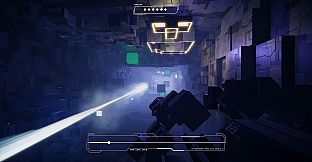
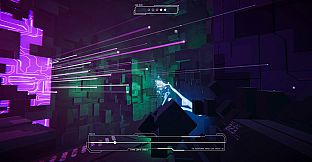
Split places players in a futuristic setting where giant city-states rely on an indestructible shield system developed after a major conflict. The core loop revolves around navigating control panels filled with traps, using time manipulation to rewind or pause events and creating clones of the player character to interact with switches, distract threats, or solve spatial puzzles. Combat options include direct engagement or evasion, supported by quick reflexes alongside strategic planning. The visual style blends brutalist architecture with digital neon influences, creating layered environments that reward exploration of hidden areas.
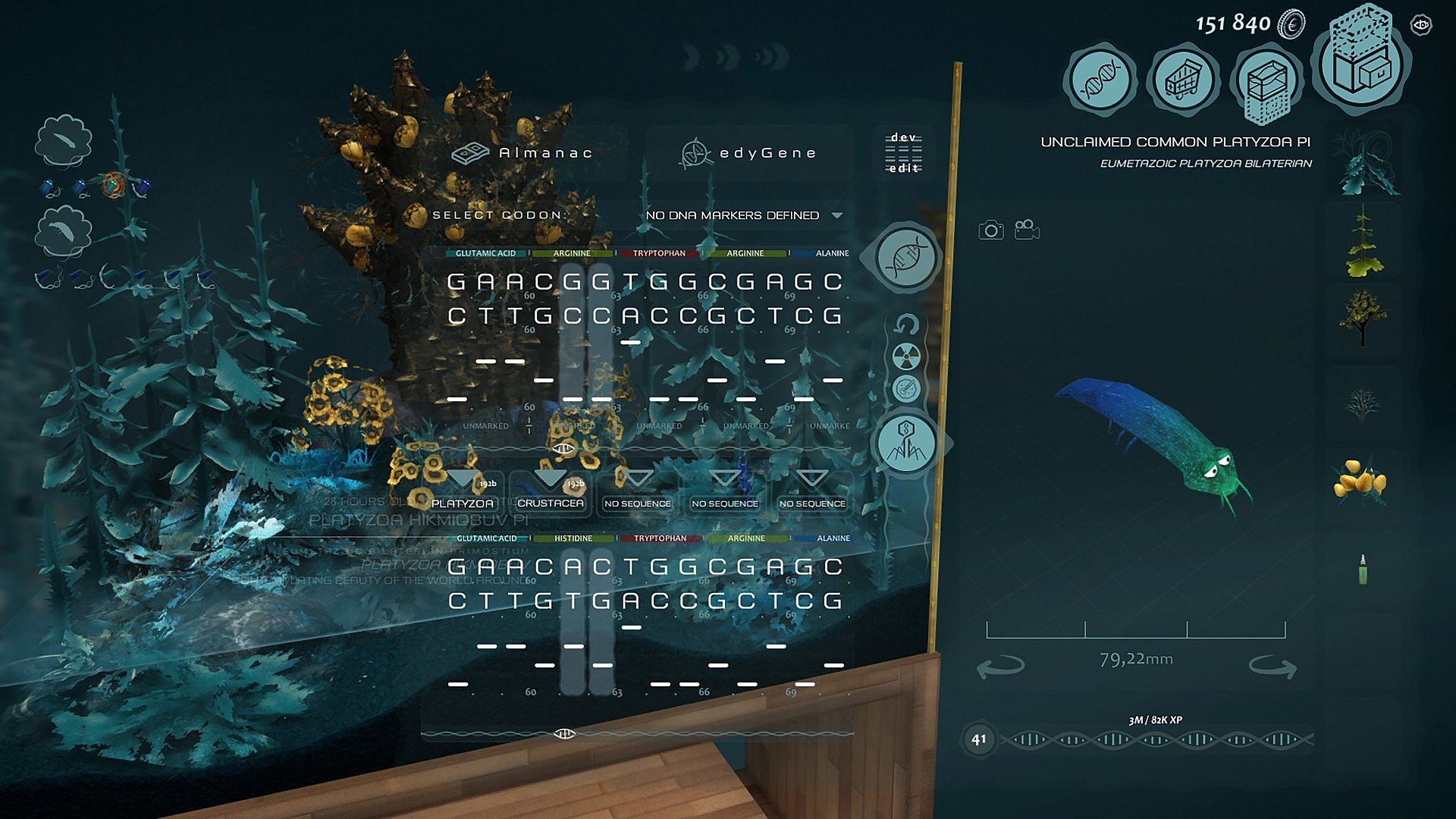
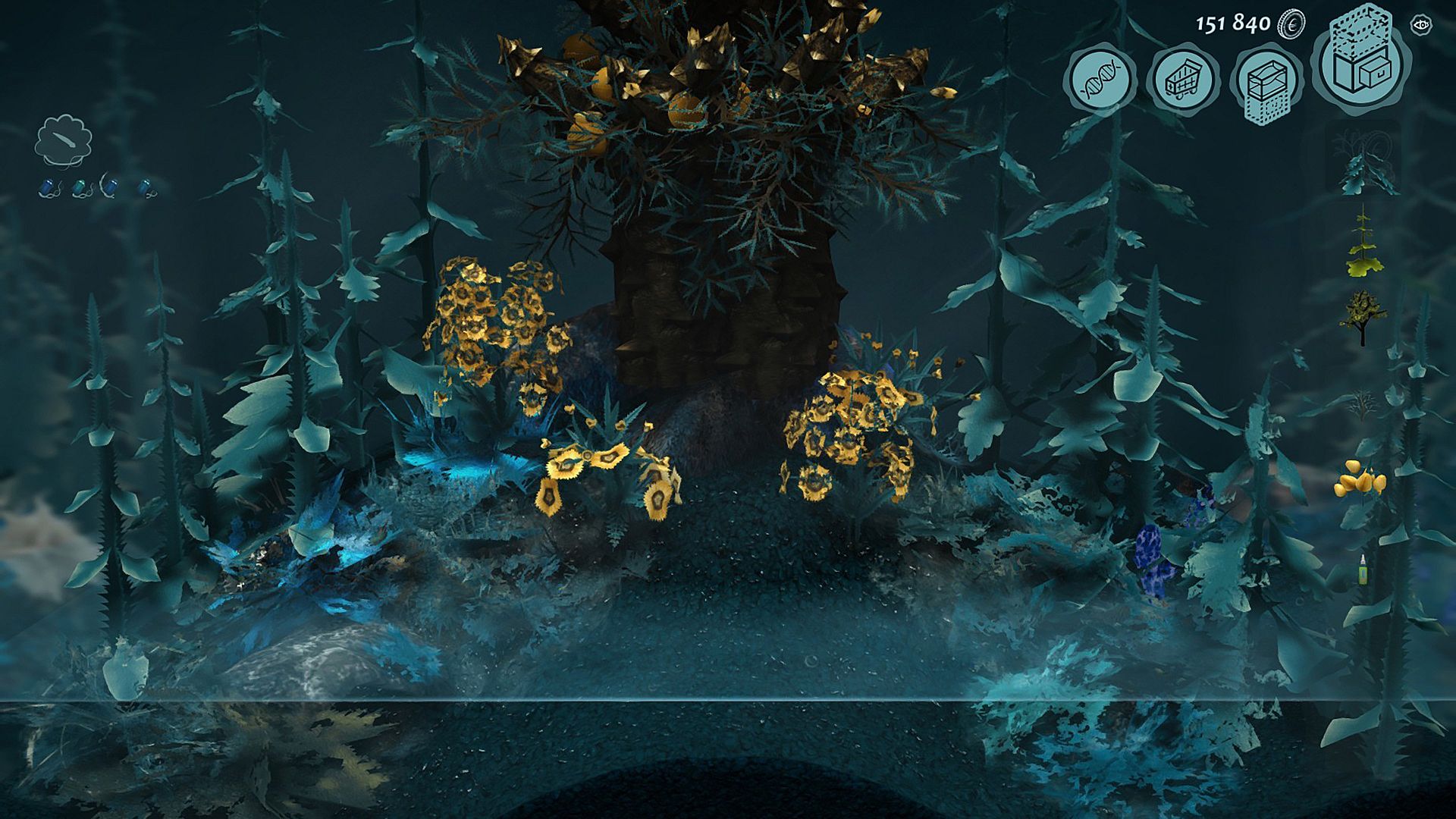
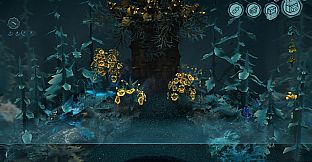
Creatura shifts to hands-on ecosystem building. Players start with single-celled organisms and guide development through natural and artificial selection, genetic engineering tools modeled on real techniques such as CRISPR, and careful management of vivarium conditions. Balancing factors like water chemistry, temperature, and plant-animal interactions sustains growth from algae-filled tanks to complex gardens populated by evolved creatures. Research unlocks advanced editing options, while trading cuttings or specimens provides resources for further customization.
Game Modes
Split centers on a linear sequence of puzzle chambers that integrate time control and cloning into varied challenge types drawn from classic and niche puzzle designs. Trap-filled sections test composure under pressure, with opportunities to destroy or bypass enemies through creative use of duplicates and temporal shifts.
Creatura offers an open-ended sandbox mode for unrestricted vivarium creation alongside structured educational scenarios. The sandbox supports fully customizable bonsai-style habitats limited only by player imagination, while scenario challenges include an extensive tutorial that teaches core principles of selection and genetics. Both modes allow ongoing observation of simulated life cycles based on established biological models.
Story and Setting
Split unfolds in a post-war world of megacities protected by energy shields, where human roles have largely shifted to technical oversight amid widespread automation. Different urban policies shape citizen life, from guardian robots assigned at birth to collective rearing facilities, providing atmospheric context for the puzzle environments without direct narrative branching.
Creatura lacks a traditional story but frames progression as an evolutionary journey across epochs. Players document discoveries in an almanac of undiscovered species while applying principles inspired by historical figures in biology, turning each vivarium into a self-contained experiment in adaptation and genetic variation.
Is It Worth Playing?
The bundle suits players who enjoy deliberate, mechanics-driven single-player games on Xbox. Split appeals to those who appreciate first-person puzzle titles that combine spatial reasoning with temporal strategy, rewarding patience and experimentation in compact levels. Creatura attracts fans of simulation experiences focused on long-term observation and precise environmental tuning, with no failure states in sandbox play to encourage relaxed experimentation.
Both titles run independently, allowing owners to alternate between high-focus puzzle sessions and more contemplative ecosystem management. Availability on Xbox One and Series consoles ensures broad compatibility, and the combined package provides contrasting gameplay loops that complement each other for variety without overlap in core systems. Those drawn to thoughtful design challenges or realistic biological modeling will find consistent depth across the experience.