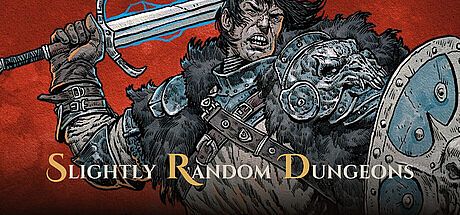


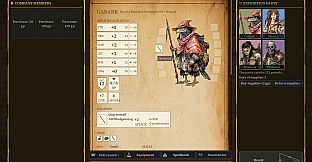
SRD: Slightly Random Dungeons is a tabletop roleplaying game simulator for PC that adapts the System Reference Document 5.2.1 rules into digital form. Players assemble parties of mercenaries and explore adventures either through the included Guilds and Gutters campaign setting or through custom content created with the built-in tools. The game blends strategy, indie development, RPG elements, and simulation mechanics to recreate the feel of running or playing a 5th Edition compatible session without requiring physical dice or a full group.
Gameplay
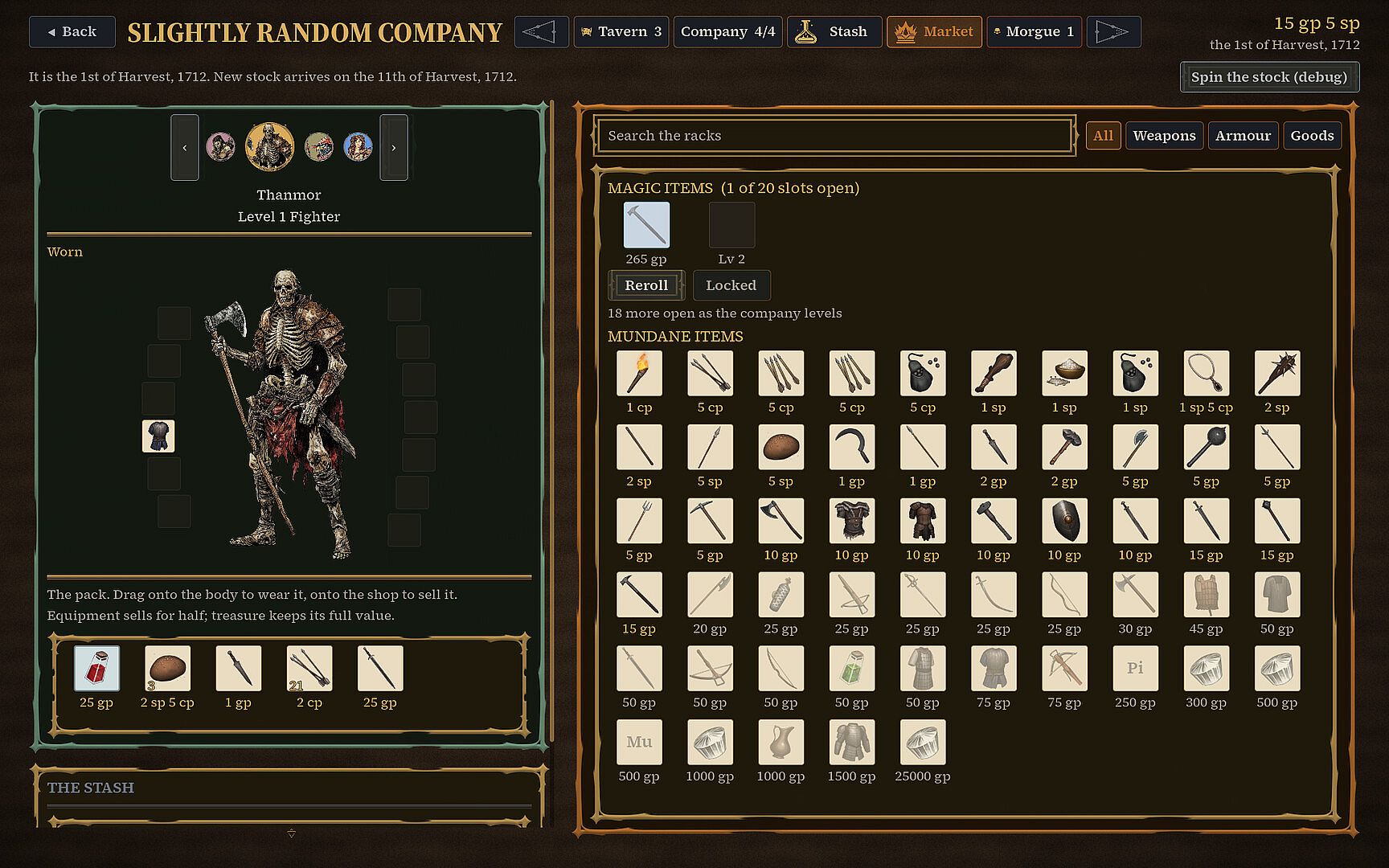
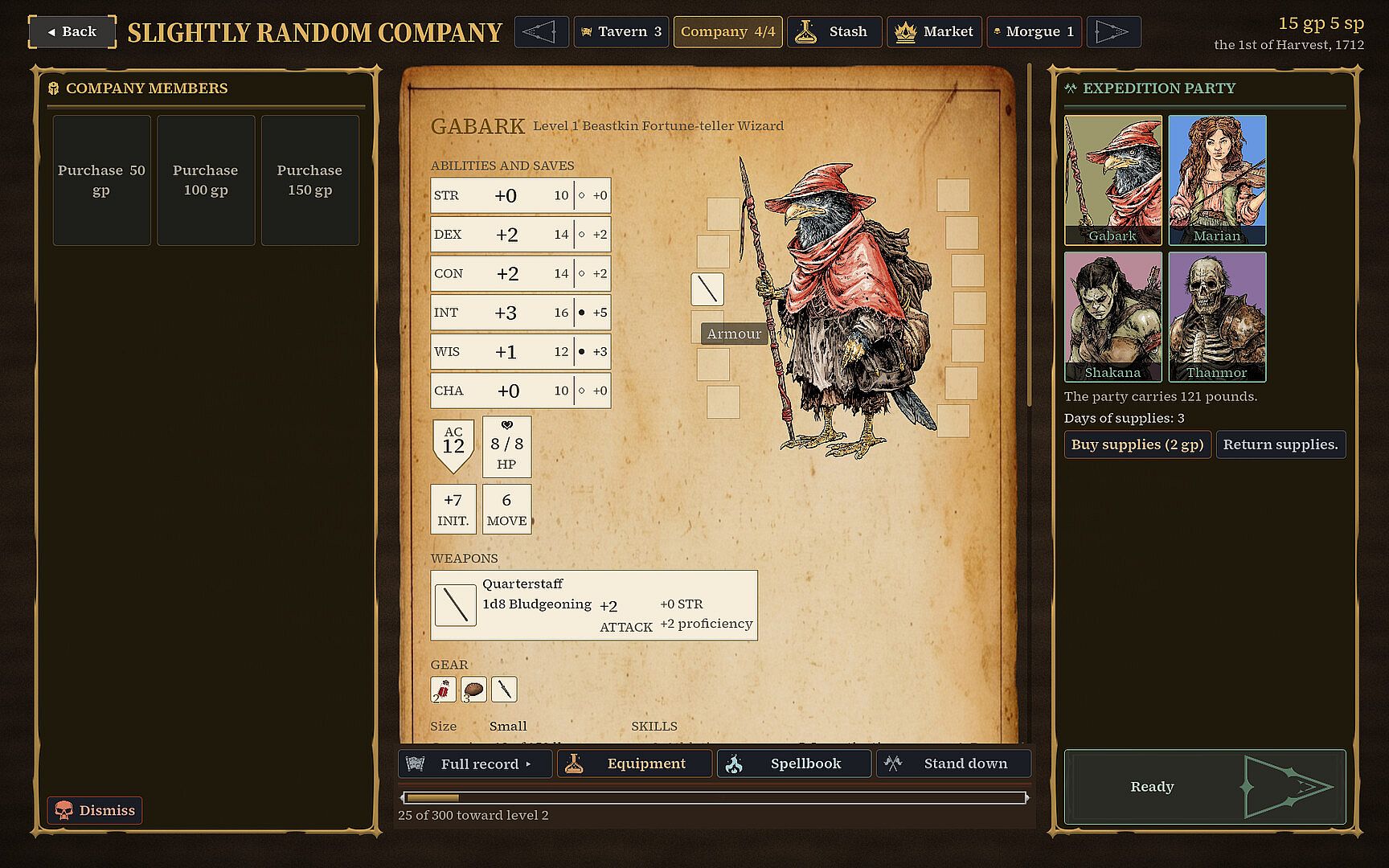
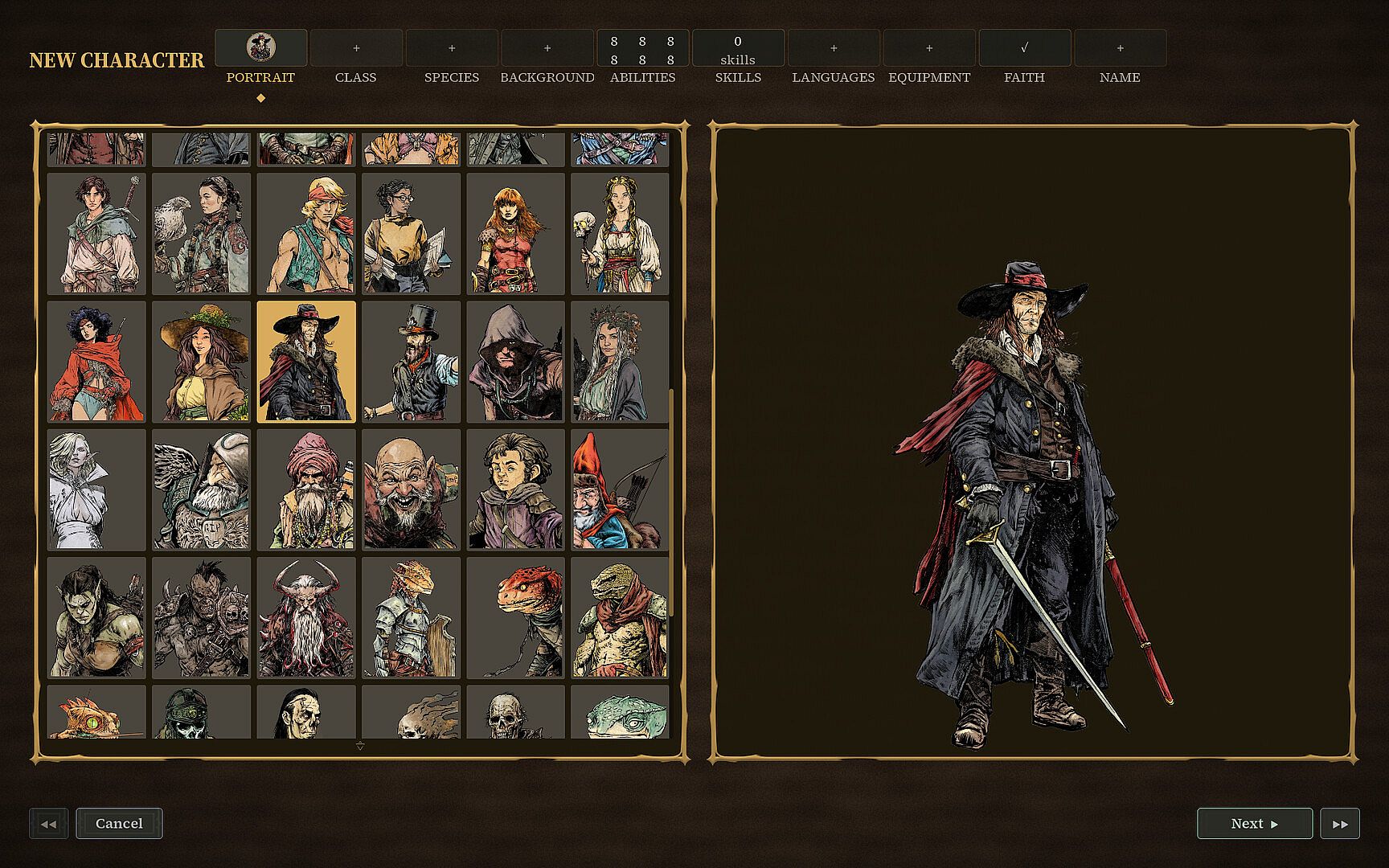
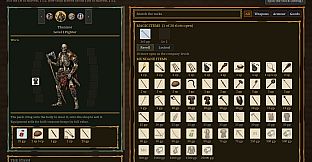
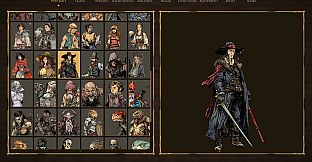
The core loop centers on managing a company of characters drawn from adapted classes, species, spells, and monsters found in the System Reference Document 5.2.1. Users select from options such as the Circle of the Monolith Druid, Way of the Loom Monk, or Prizefighter, along with species including Pixies, Beastkin, and Centaurs. These elements support both combat and narrative interactions in a fantasy setting that incorporates early industrial technology like flintlock firearms and steam engines.
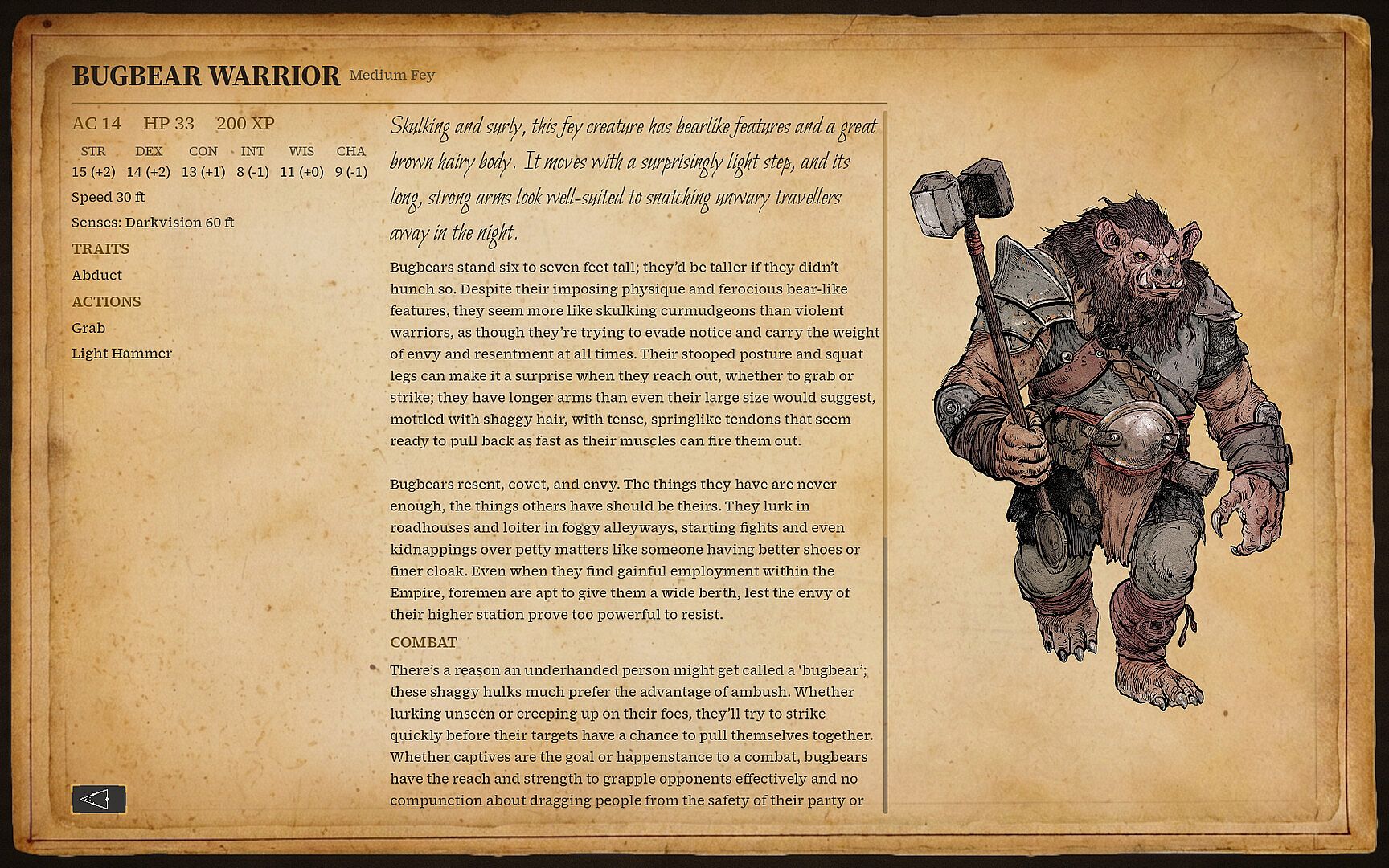
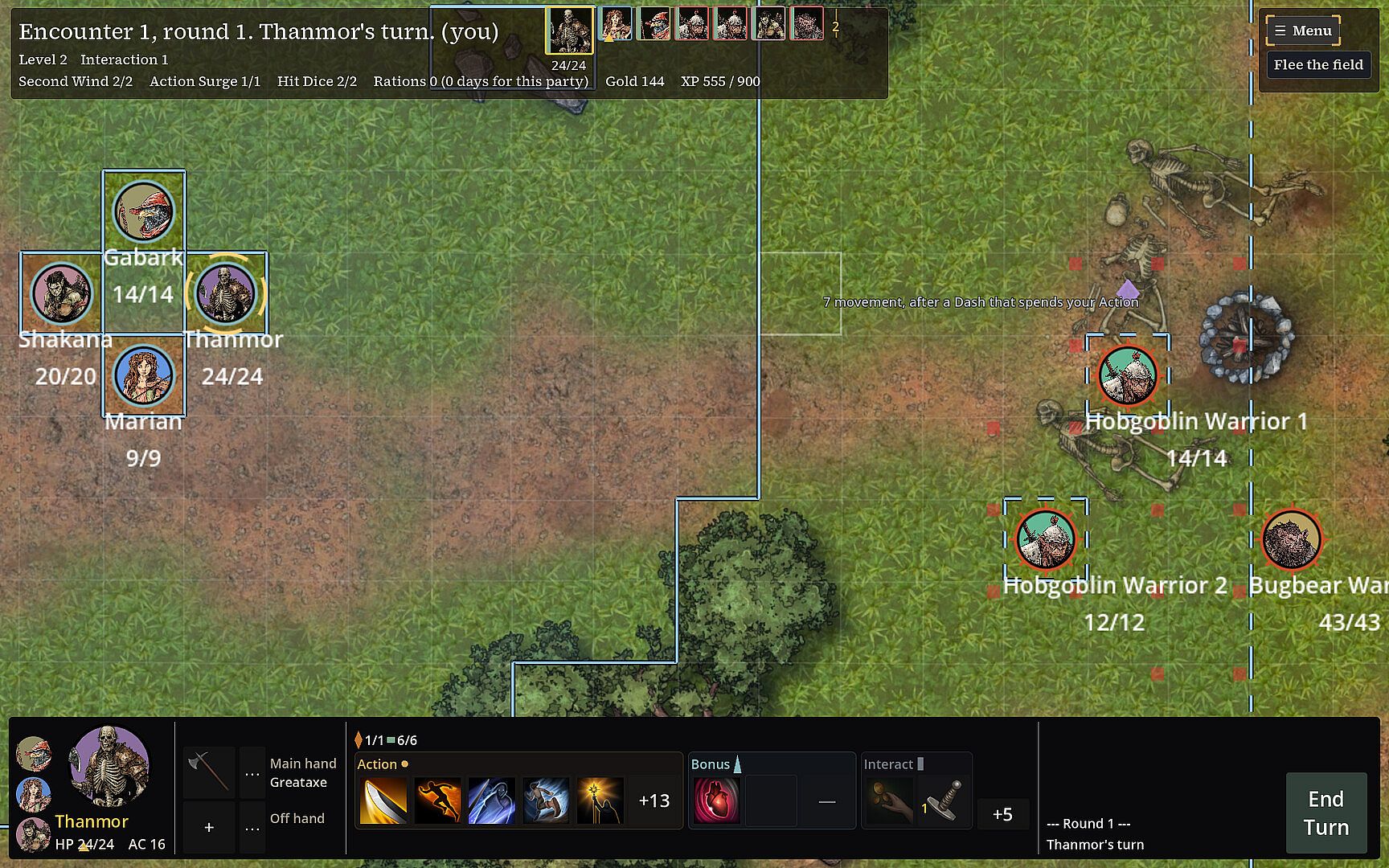
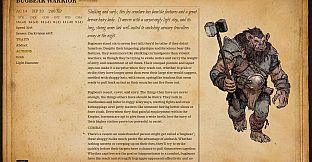
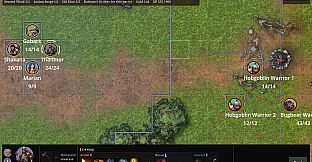
Combat can be handled manually in a style that mirrors traditional tabletop resolution or automated through enemy AI so the player acting as game master can focus on other aspects. The bestiary expands as new creatures are encountered, allowing players to track and reference foes over time. Theoretical matchups between custom parties and opponents help resolve balance questions without running full sessions.
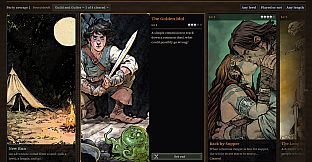
Campaign creation relies on intuitive builders for adventures, encounters, and conversations. These tools let users construct scenarios that fit the Guilds and Gutters setting, an empire facing industrial change where traditional fantasy elements meet emerging machinery and economic debates. Horse travel serves narrative purposes rather than purely mechanical ones.
Game Modes
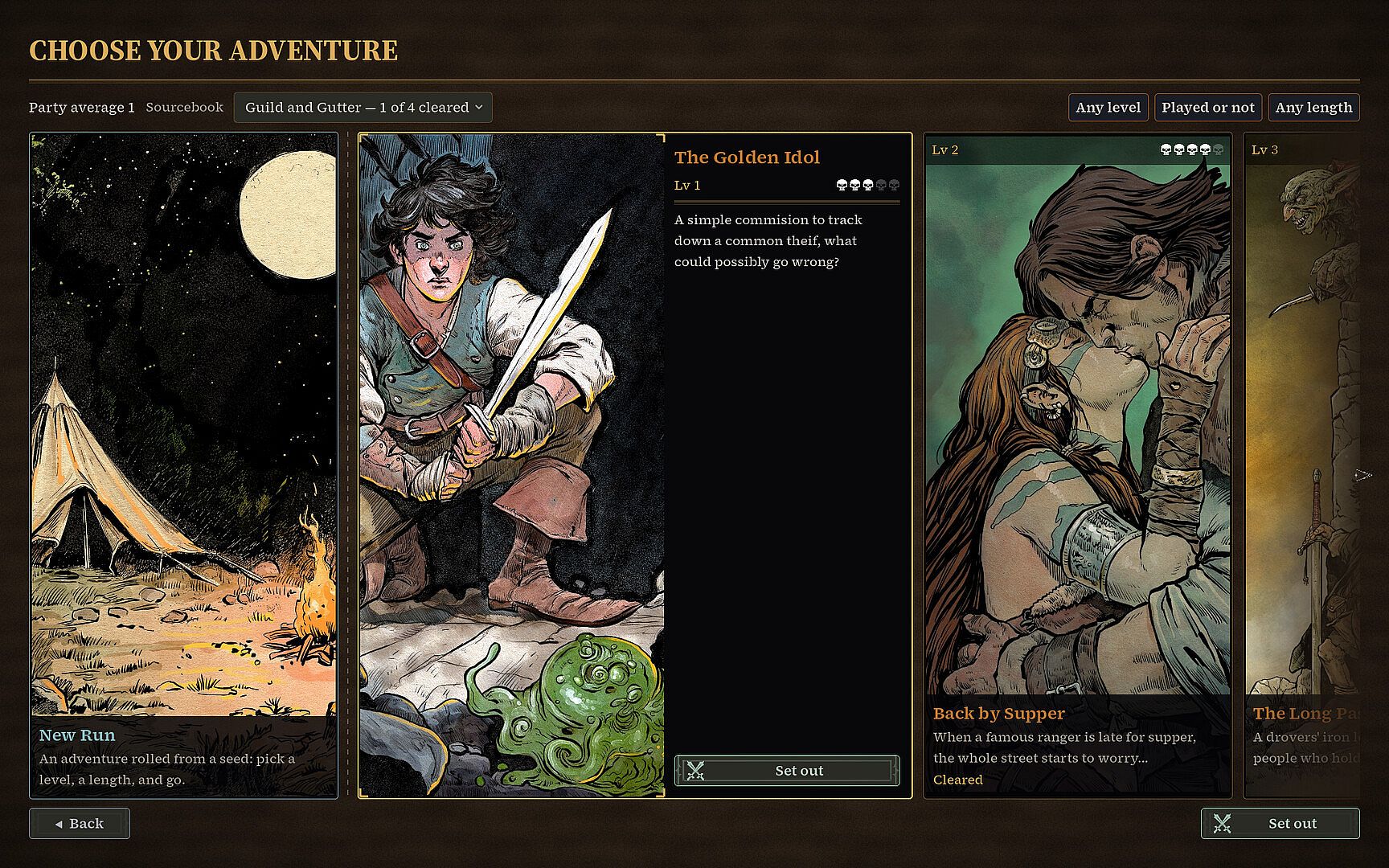
Two primary approaches define play. The first involves progressing through the Guilds and Gutters campaign with a pre-set company of mercenaries facing the challenges of that industrial-era fantasy world. The second centers on the adventure building tools that support creation of entirely original campaigns for solo testing or shared play with others.
Within these approaches, players can run structured encounters with full manual control or shift to AI-assisted combat. Conversation builders add depth to social interactions, while the overall simulation supports both short theoretical tests and longer campaign arcs. All content remains compatible with the adapted 5.2.1 ruleset, including the full range of licensed classes, species, and spells presented in the game.
Campaign Setting and Content Creation
Guilds and Gutters places fantasy at the dawn of an industrial revolution. Players navigate tensions between established traditions and new technologies, with options for combat, exploration, and roleplay that reflect this transitional era. The setting includes elements like necromantic labor forces and debates over steam power versus manual work.
Content creation tools emphasize flexibility. Users can build encounters, full adventures, or conversation sequences that integrate with the core rules. These features allow adaptation of existing home campaigns disrupted by scheduling issues or experimentation with unused character concepts. The simulation preserves the structure of 5th Edition compatible play while adding digital conveniences for organization and testing.
Is It Worth Playing?
SRD: Slightly Random Dungeons targets players who enjoy TTRPG systems but seek a digital platform for solo preparation, custom campaign design, or AI-supported sessions. Its faithful adaptation of the System Reference Document 5.2.1 provides a complete rules foundation without external dependencies. The combination of manual and automated combat options, along with dedicated builders for encounters and conversations, supports varied playstyles from quick balance checks to extended narrative development.
Those interested in the Guilds and Gutters setting will find a distinctive blend of classic fantasy and industrial themes that influences available mechanics and story opportunities. Because the game remains in a pre-release state with no published user feedback available, suitability depends on alignment with the described simulation features and interest in 5th Edition style play. Players who value tools for theoretical testing and flexible content creation may find the experience useful for both personal projects and group coordination.