





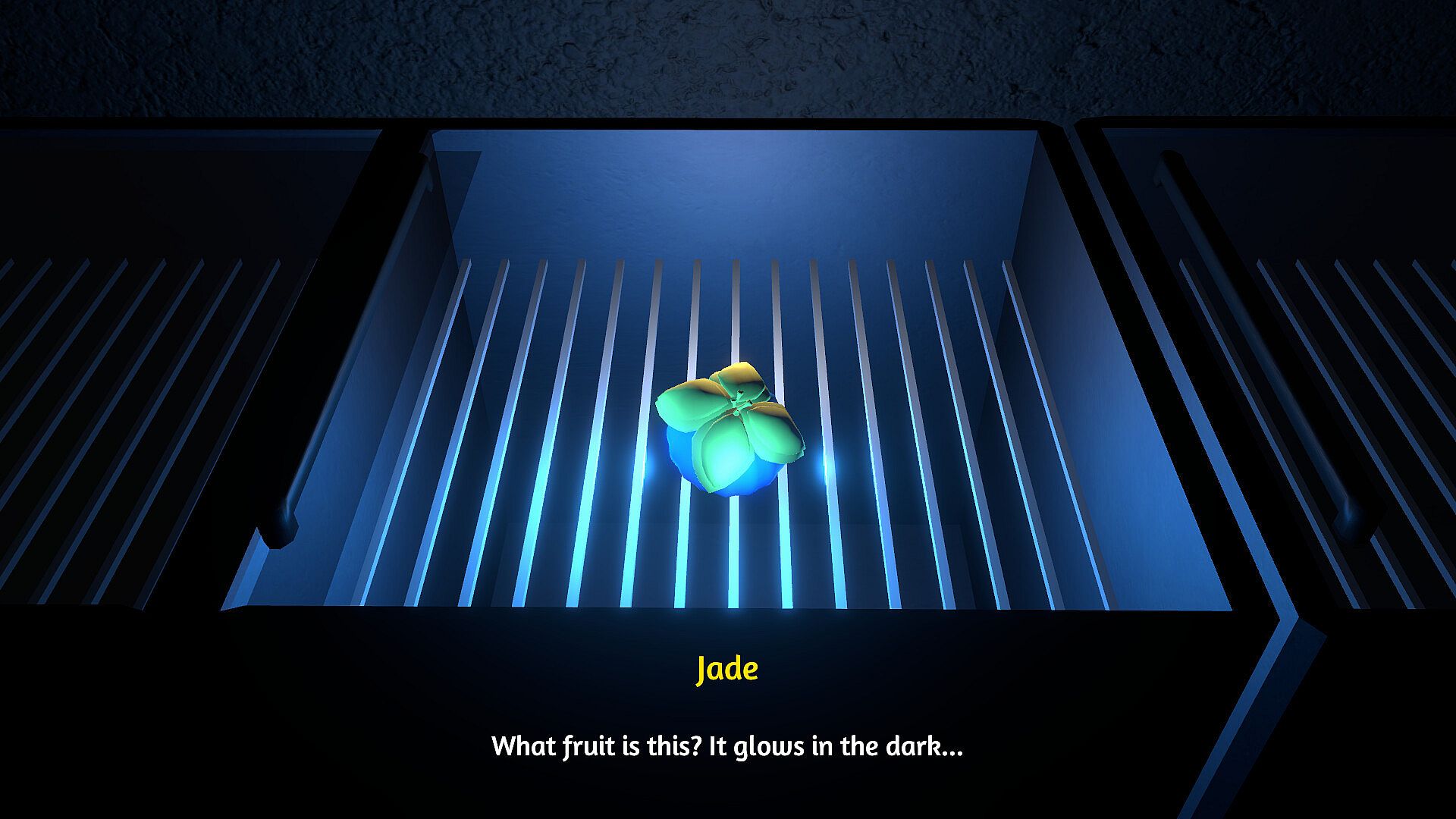

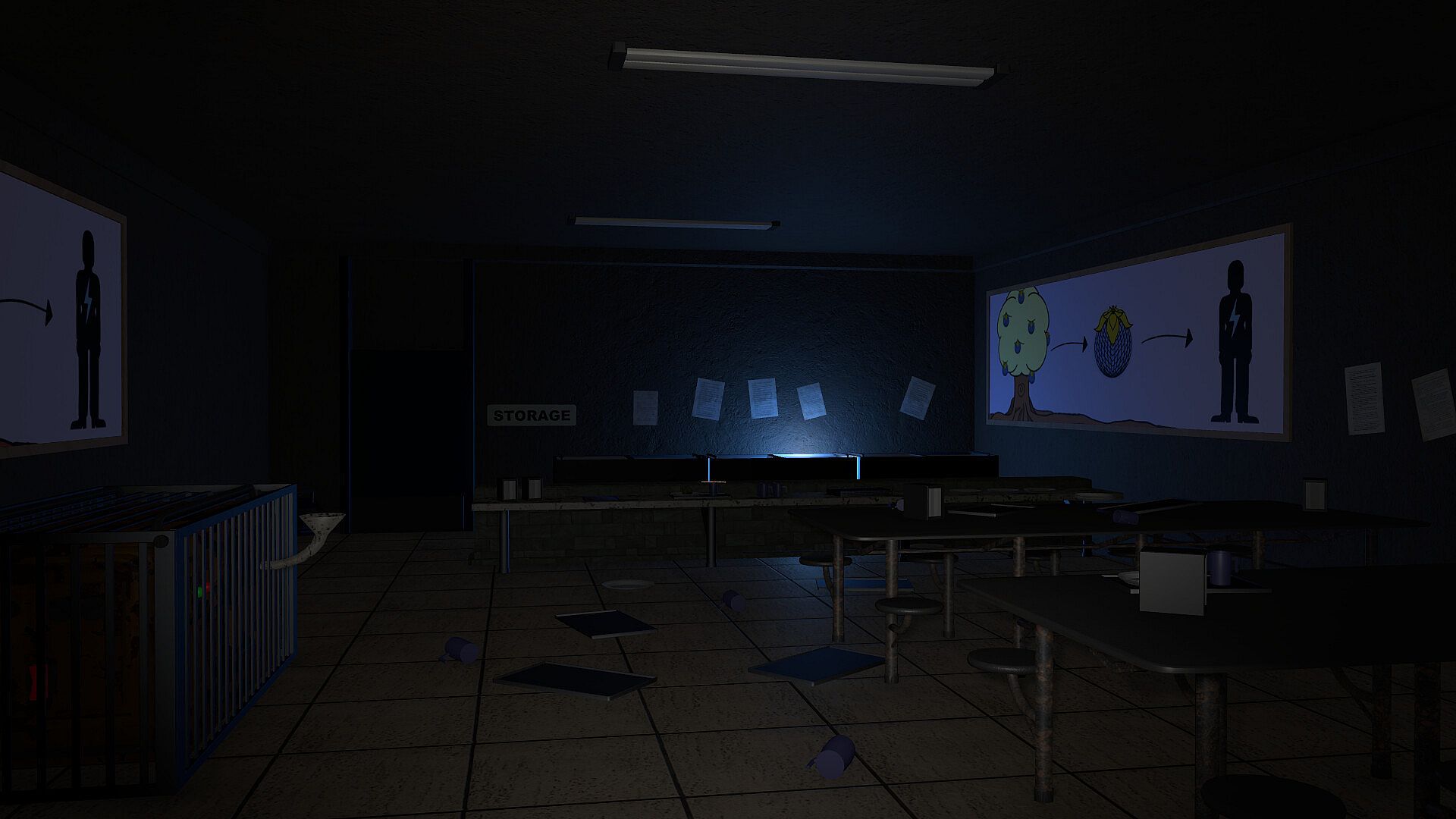
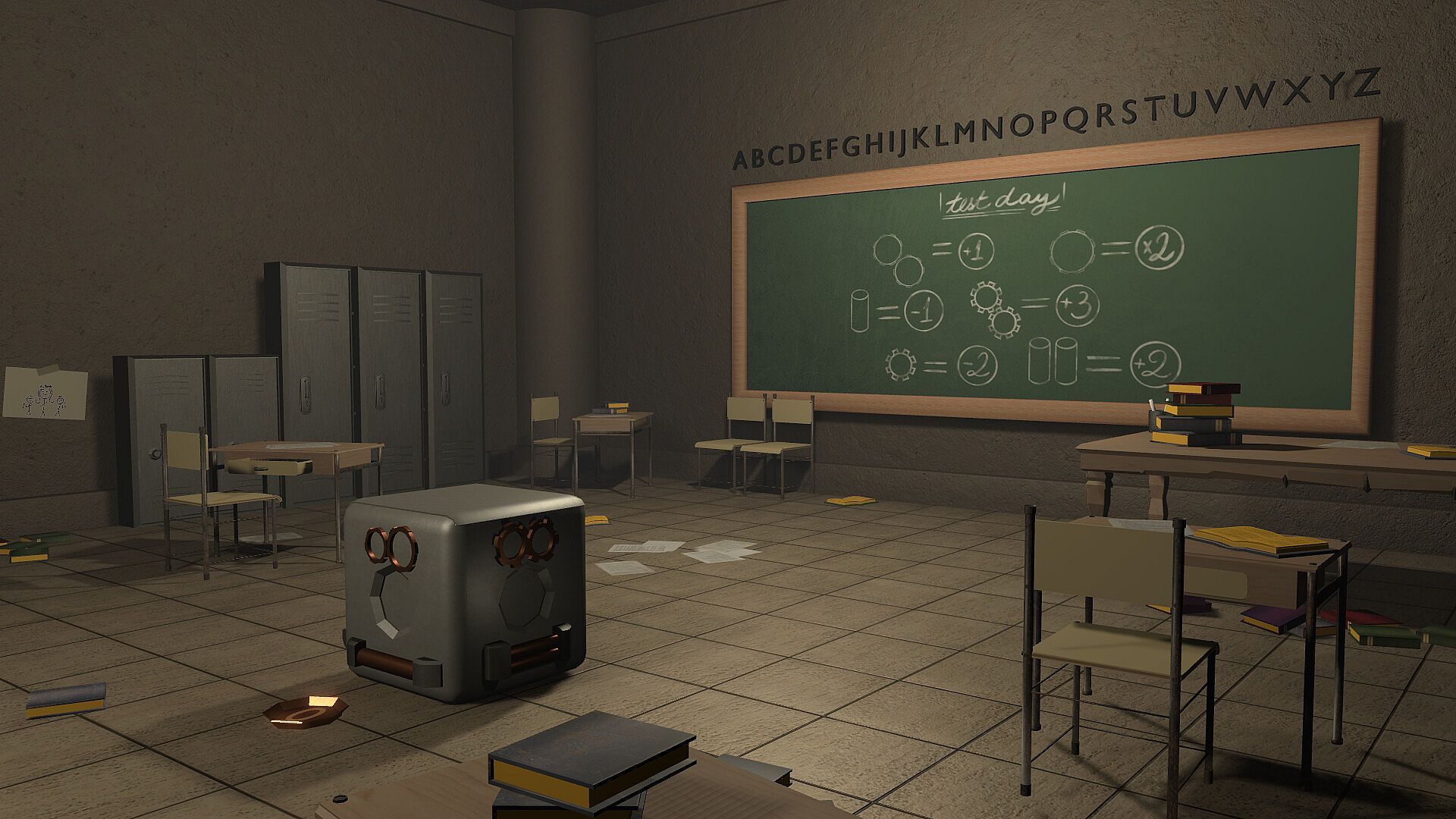
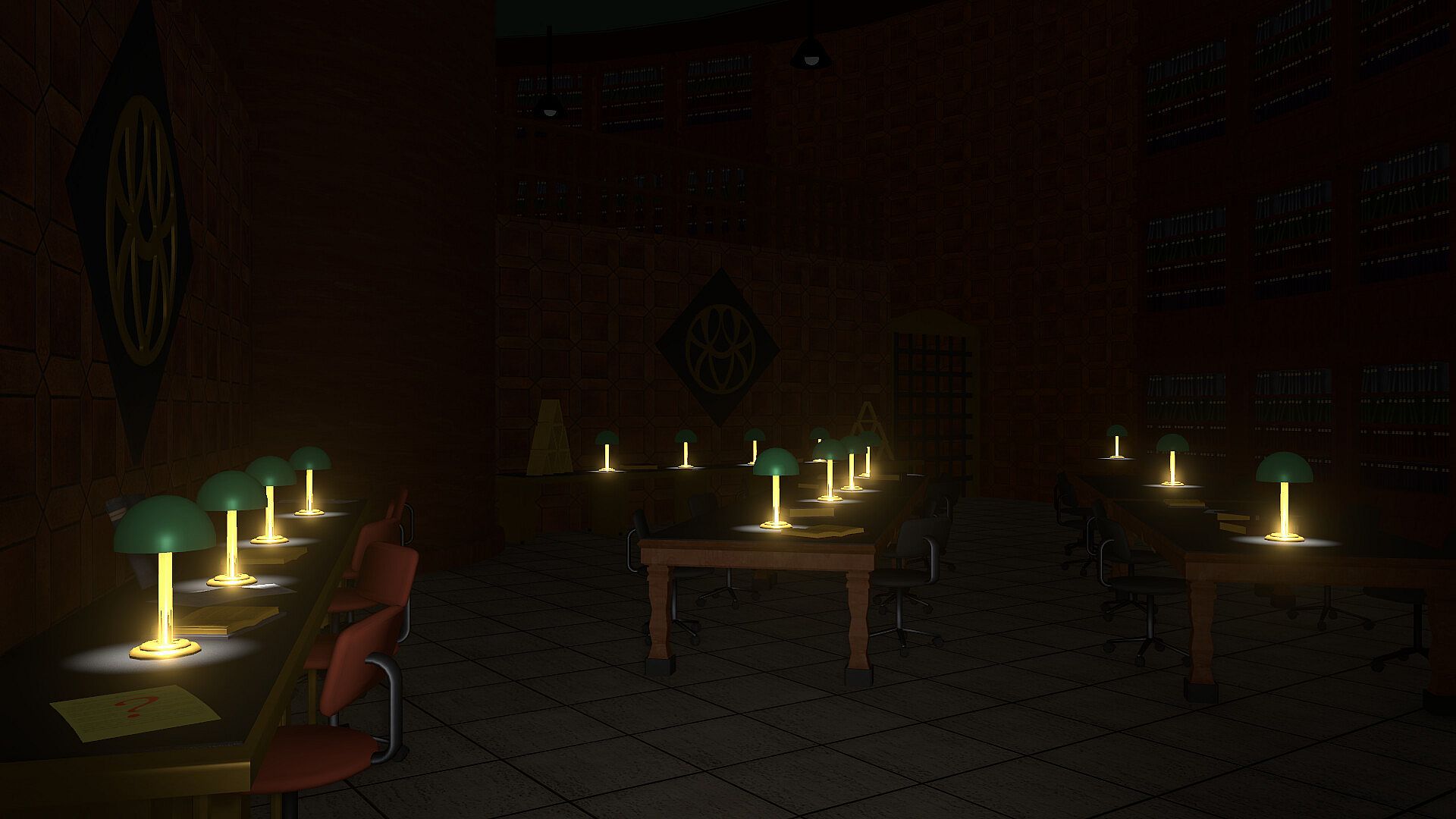


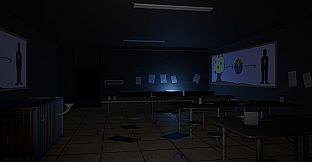
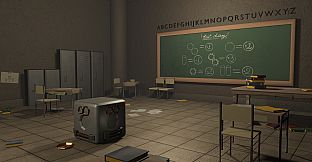

Tales of the Underground is an indie adventure game for PC in which players step into the role of a government agent investigating a recently abandoned underground bunker. The story centers on the sudden evacuation of the facility and the clues left behind in its cold, empty rooms. Progress comes through careful observation of the environment, code cracking, and interaction with legacy machinery that still functions in unexpected ways.
Gameplay
The core loop revolves around methodical exploration of a multi-level bunker complex. Each room contains environmental details that contribute to the larger mystery, from scattered documents and audio recordings to functional control panels and locked compartments. Players examine objects closely, test combinations of switches or levers, and piece together sequences that open new areas or reveal additional information. The puzzles emphasize logic and attention to detail rather than reflexes, requiring players to connect visual clues with mechanical systems that feel grounded in the facility's industrial past. Movement feels deliberate, with the agent navigating narrow corridors and descending deeper levels while the atmosphere grows increasingly isolated.
Atmospheric tension builds through sound design and lighting that highlight the emptiness of the spaces. Abandoned workstations, half-finished experiments, and personal effects scattered across desks and floors encourage players to slow down and absorb the narrative fragments. No combat interrupts the investigation; instead, the challenge lies in interpreting incomplete data and operating outdated equipment that may require specific sequences or power rerouting to activate.
Game Modes
Tales of the Underground presents a single continuous experience without separate game modes or multiplayer options. The entire narrative unfolds through one linear yet non-linear path of exploration and puzzle resolution. Players advance at their own pace, revisiting earlier sections when new clues allow previously inaccessible areas to open. This structure keeps the focus on discovery and deduction rather than competition or repeated playthroughs with altered rules.
Narrative and Atmosphere
The story emerges entirely through environmental storytelling and collected evidence. Documents, voice logs, and visual remnants gradually outline the events that prompted the facility's rapid abandonment. Players must decide how much weight to give each piece of information while forming their own conclusions about the operation that once took place underground. The tone remains grounded and somber, avoiding overt horror in favor of quiet unease that grows as descent continues.
Every new level introduces fresh mechanical systems and environmental hazards that tie directly into the puzzles. Legacy machinery requires precise calibration, while sealed sections demand cross-referencing multiple clues found throughout the bunker. This approach rewards thorough searching and careful note-taking without relying on external hints or trial-and-error frustration.
Is It Worth Playing?
Players who enjoy deliberate, story-driven adventure games centered on exploration and logical puzzles will find a focused experience here. The emphasis on environmental interaction and narrative discovery suits those who prefer single-player campaigns that reward patience and observation over action or resource management. Because the game contains no additional modes or ongoing content updates, it delivers a complete, self-contained investigation that can be finished in one or two focused sessions. Those seeking atmospheric indie adventures with a strong sense of place and mystery will likely appreciate the consistent tone and puzzle variety. If the premise of uncovering secrets in an abandoned facility appeals, the game provides a straightforward path to that satisfaction without unnecessary distractions.













