




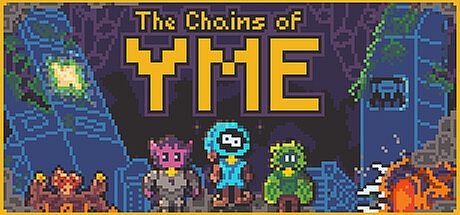


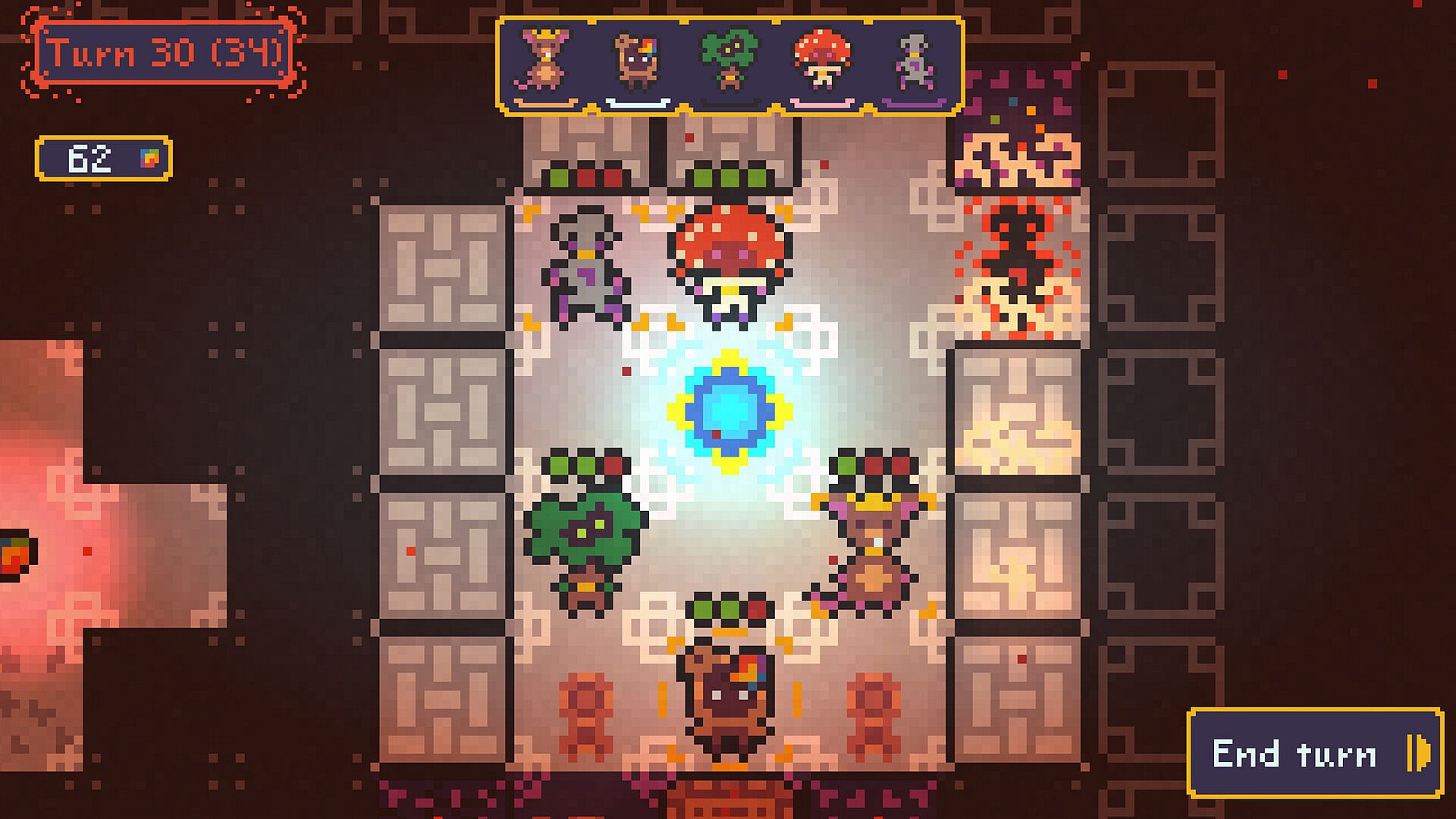

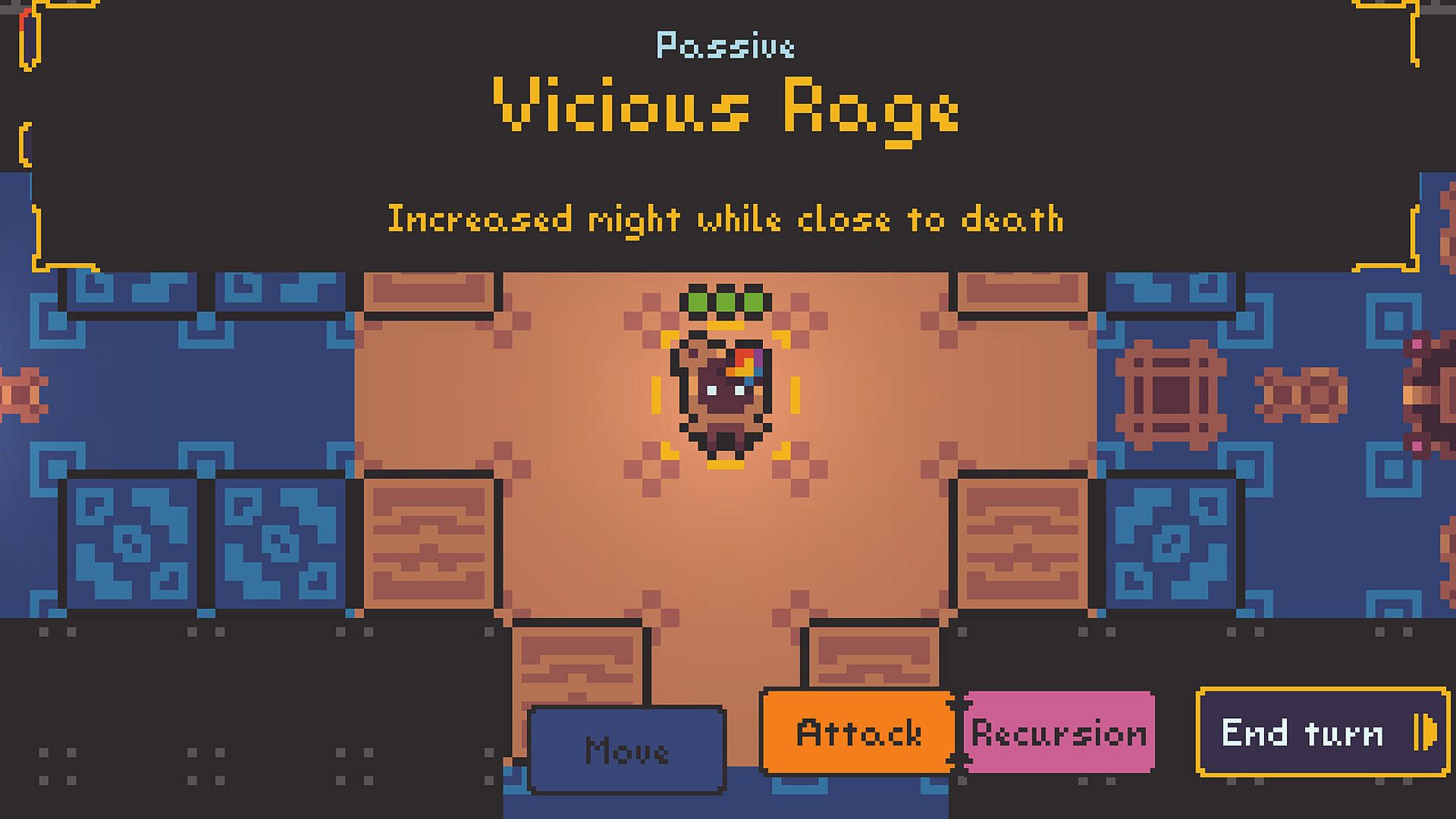
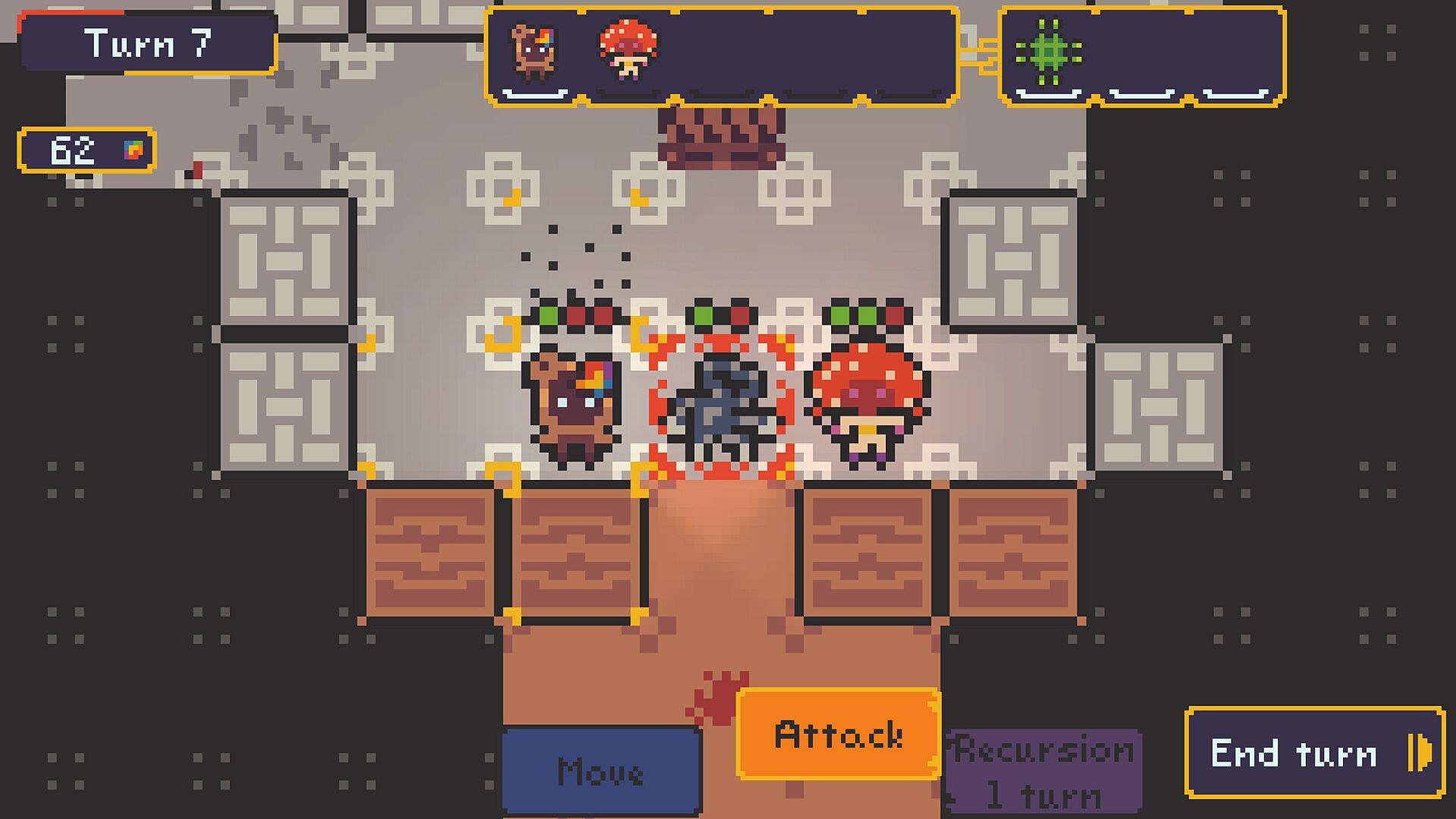
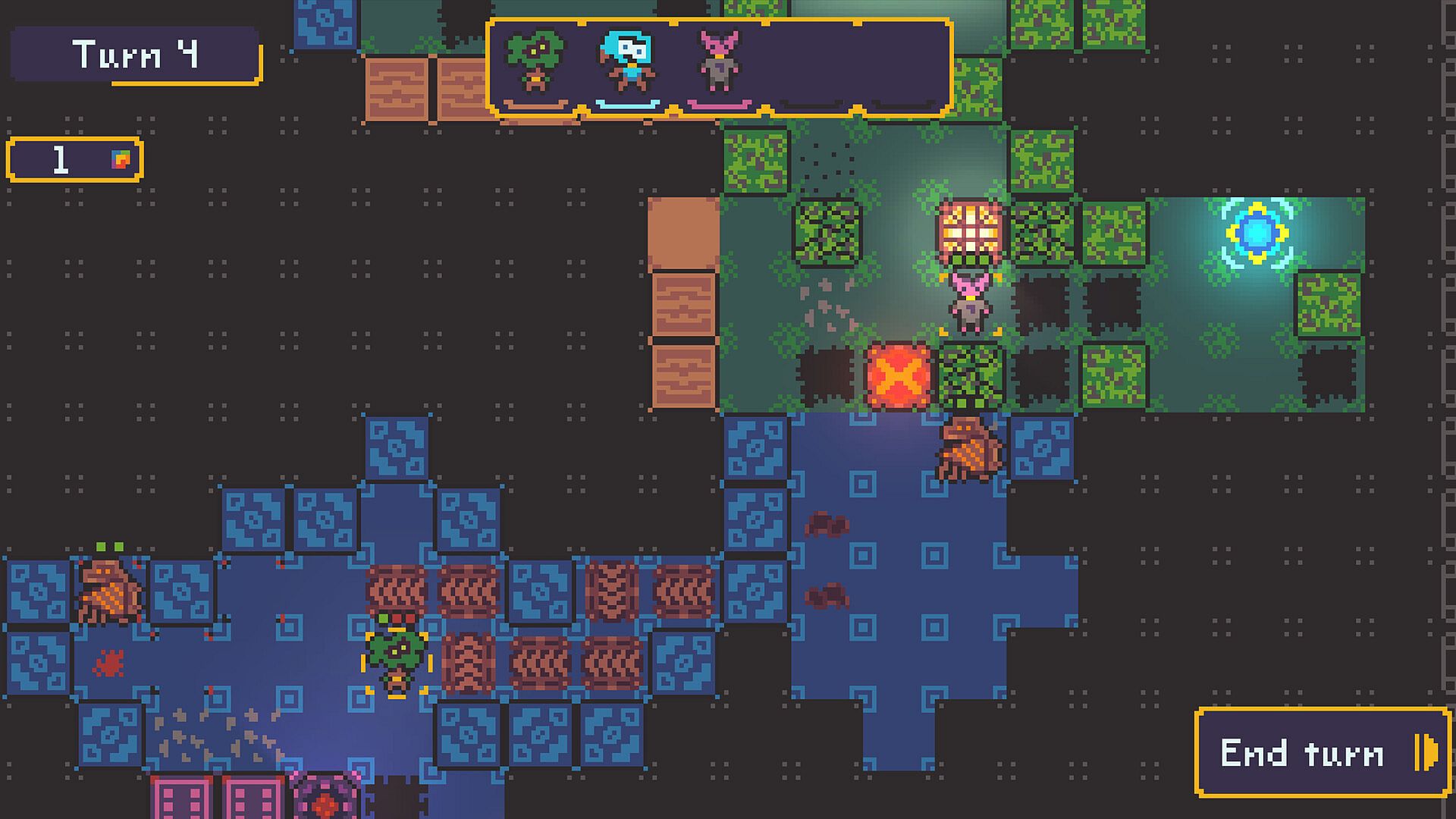
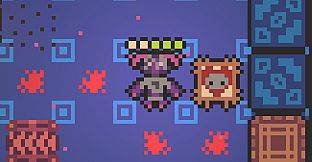
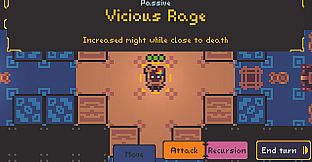
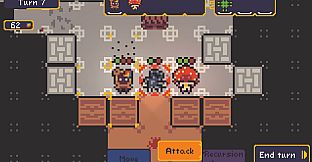
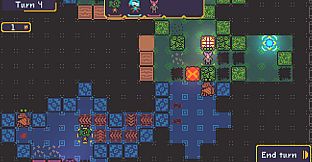
The Chains Of Yme is a single-player tactical roguelike that blends strategy, simulation, and adventure elements on PC. Players take control of a small group of adventurers tasked with seizing a powerful Titan named Yme deep within procedurally generated ruins. The experience centers on grid-based movement and decision-making under pressure, where every choice about exploration, combat, and resource use shapes the outcome of each run.
Gameplay
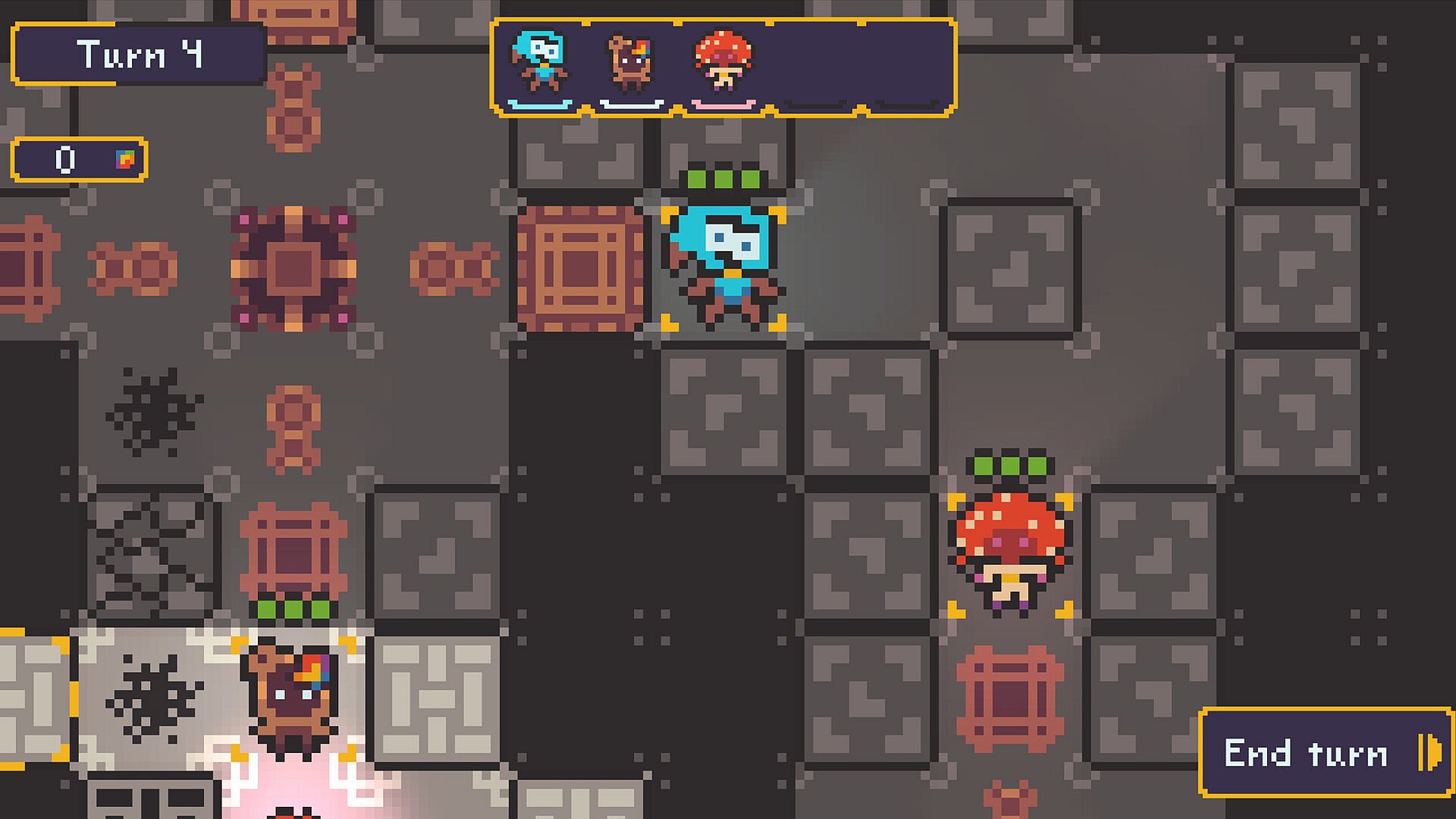
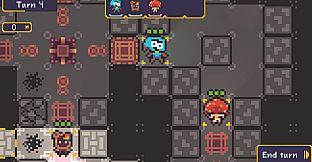
Core gameplay revolves around navigating randomly assembled levels filled with treasures, traps, and hostile creatures. Movement occurs on a grid, and players must weigh options such as rushing toward an exit, engaging monsters directly, luring threats aside, or pausing to gather loot. Splitting the party is presented as a recurring tactic, even though it carries obvious risks in a hostile environment.
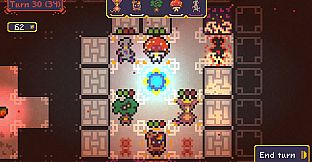
Adventurers recruited along the way carry power-ups that enhance abilities, yet these upgrades arrive without much player control. A strong combination on one character can vanish quickly if that adventurer falls to a monster or environmental hazard. Survival demands constant adaptation, as the next power-up might force an entirely different approach to fights and exploration.
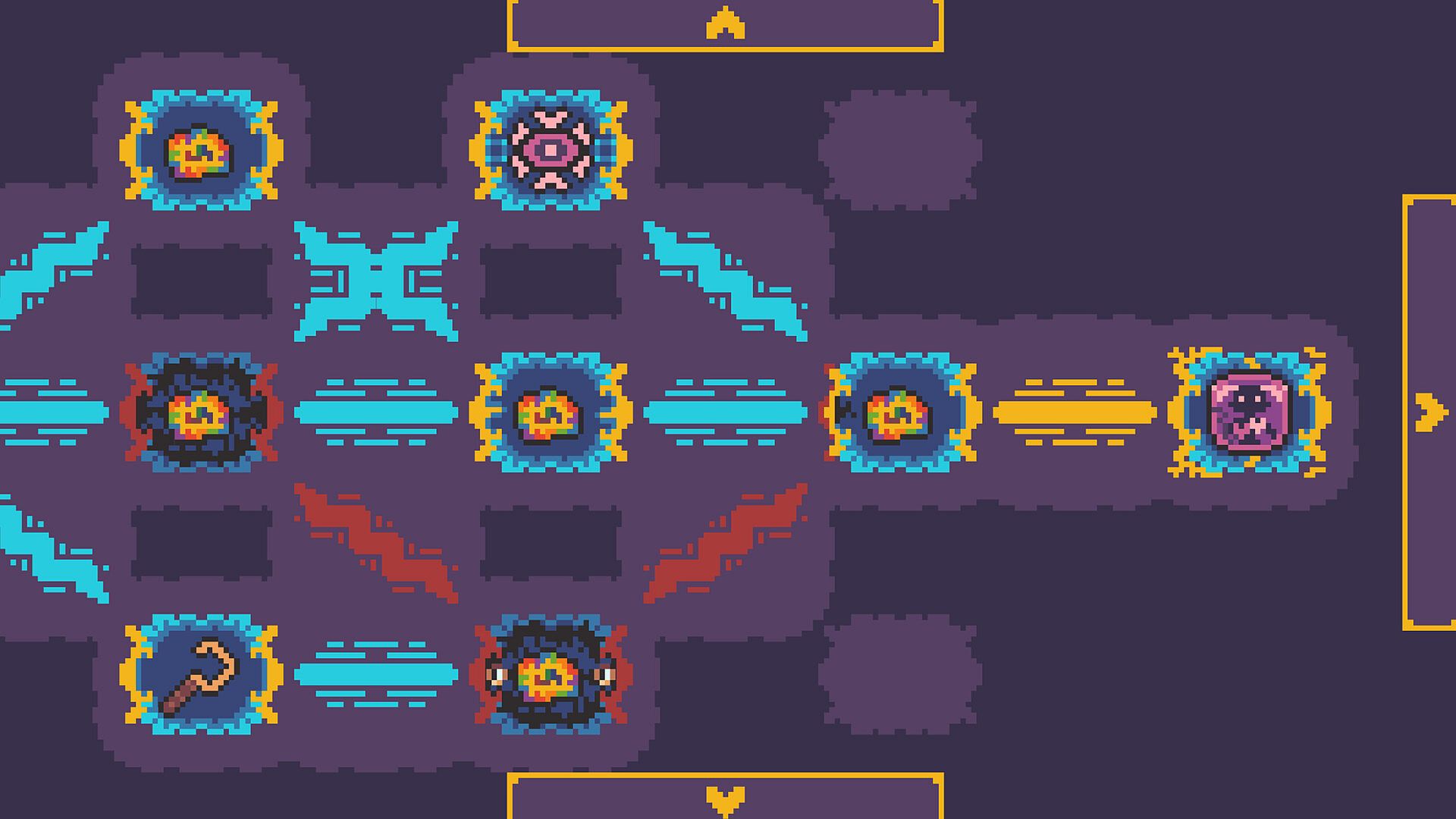
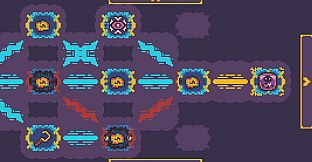
A knowledge system adds depth by letting players uncover secrets through interactions with the world. Ancient texts, monster encounters, and environmental challenges grant memories that improve chances of success and reveal details about a failed project meant to prevent disaster. Locations such as an old transport system, a magical forge, and a mutated extraction site serve as focal points for these discoveries.
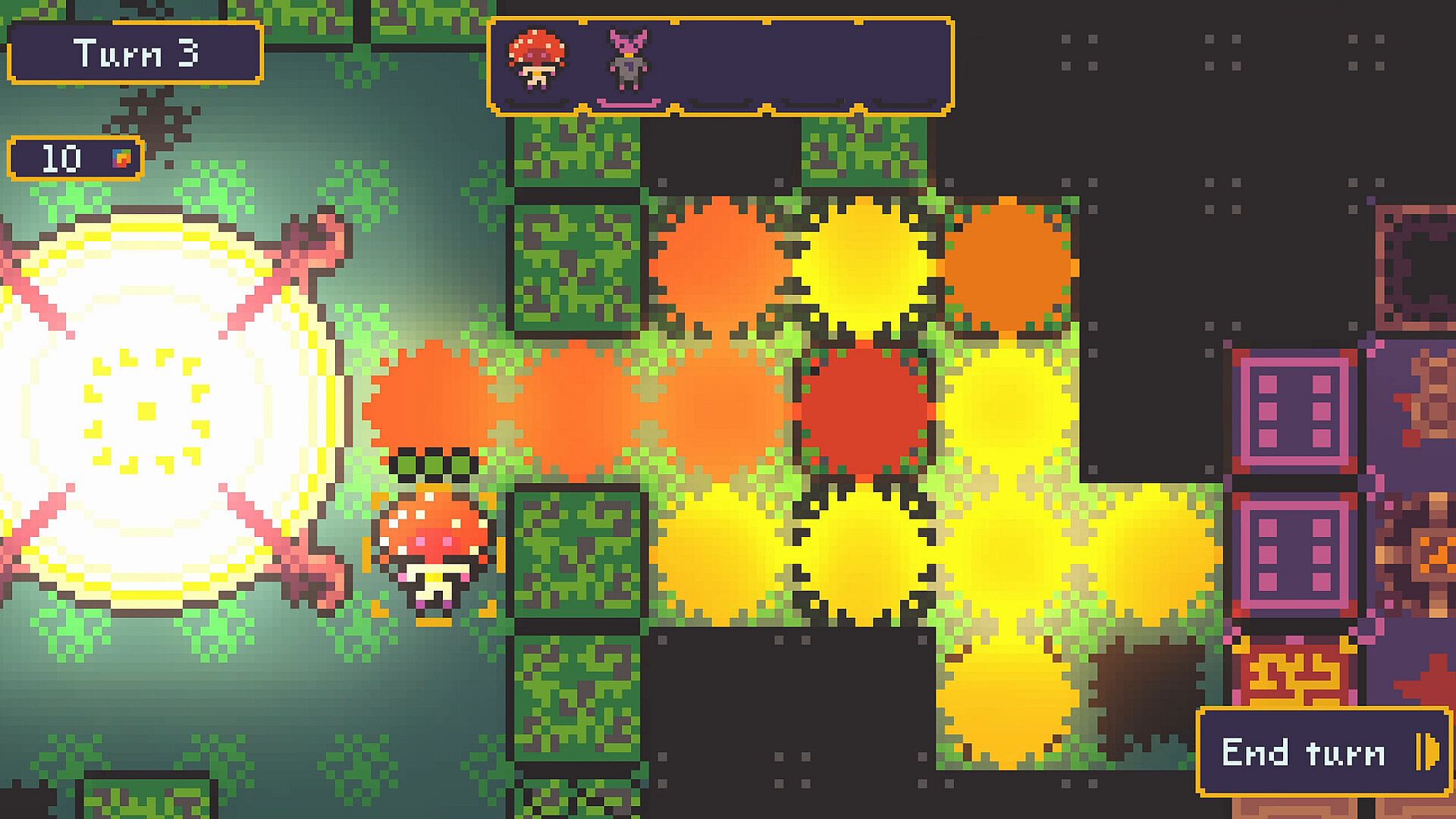
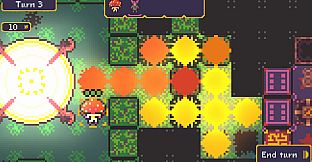
Death occurs frequently through impalement, burning, falls, consumption, or transmutation. When one adventurer perishes, the run continues with any remaining party members. Only when the final adventurer is lost does the attempt end, creating a structure that balances high stakes with repeated opportunities to press forward.
Game Modes
The game operates entirely in a single-player format centered on repeated runs through the Ever-Changing Ruins. Each attempt begins with the same core objective of advancing toward Yme, but procedural generation ensures fresh layouts, enemy placements, and item distributions every time. No separate multiplayer or competitive modes exist; the focus remains on solitary management of the party across multiple short-lived adventurers.
Progression ties directly to accumulated knowledge rather than permanent upgrades between runs. Players carry forward only the memories and understanding gained from prior explorations, which influence future decisions without altering the fundamental risk of each new attempt. This design keeps every session self-contained while rewarding careful observation and experimentation.
Key Mechanics and Systems
Recruitment happens on the fly as players encounter unusual characters in the ruins. These expendable allies form the core of any strategy, and their short expected lifespan encourages players to treat them as temporary tools rather than long-term investments. Power-up synergy must be improvised on the spot, often requiring a complete shift in tactics when a key member is lost.
Exploration decisions carry lasting weight within a single run. Time spent looting can expose the party to additional threats, while aggressive paths might leave valuable resources behind. The grid layout supports precise positioning for luring enemies or avoiding traps, rewarding players who plan several moves ahead.
The knowledge mechanic integrates with both combat and navigation. Interacting with specific elements in the ruins unlocks insights that can highlight safer routes, identify trap patterns, or explain monster behaviors. This layer turns repeated failures into incremental learning opportunities without removing the immediate danger of each encounter.
Is It Worth Playing?
The Chains Of Yme targets players who enjoy roguelike strategy with high failure rates and quick restarts. Its forgiving structure around party deaths allows continued progress even after setbacks, while the procedural levels and knowledge system provide reasons to attempt new runs. Those drawn to grid-based tactics, adaptive builds, and uncovering layered world details will find a focused experience built around improvisation and persistence.
Because the title remains in a pre-release state, its appeal rests on the described systems of exploration, recruitment, and adaptation rather than polished content or community feedback. Fans of similar single-player roguelikes that emphasize short adventurer lifespans and evolving understanding of the environment may find the core loop engaging once it becomes available.











