


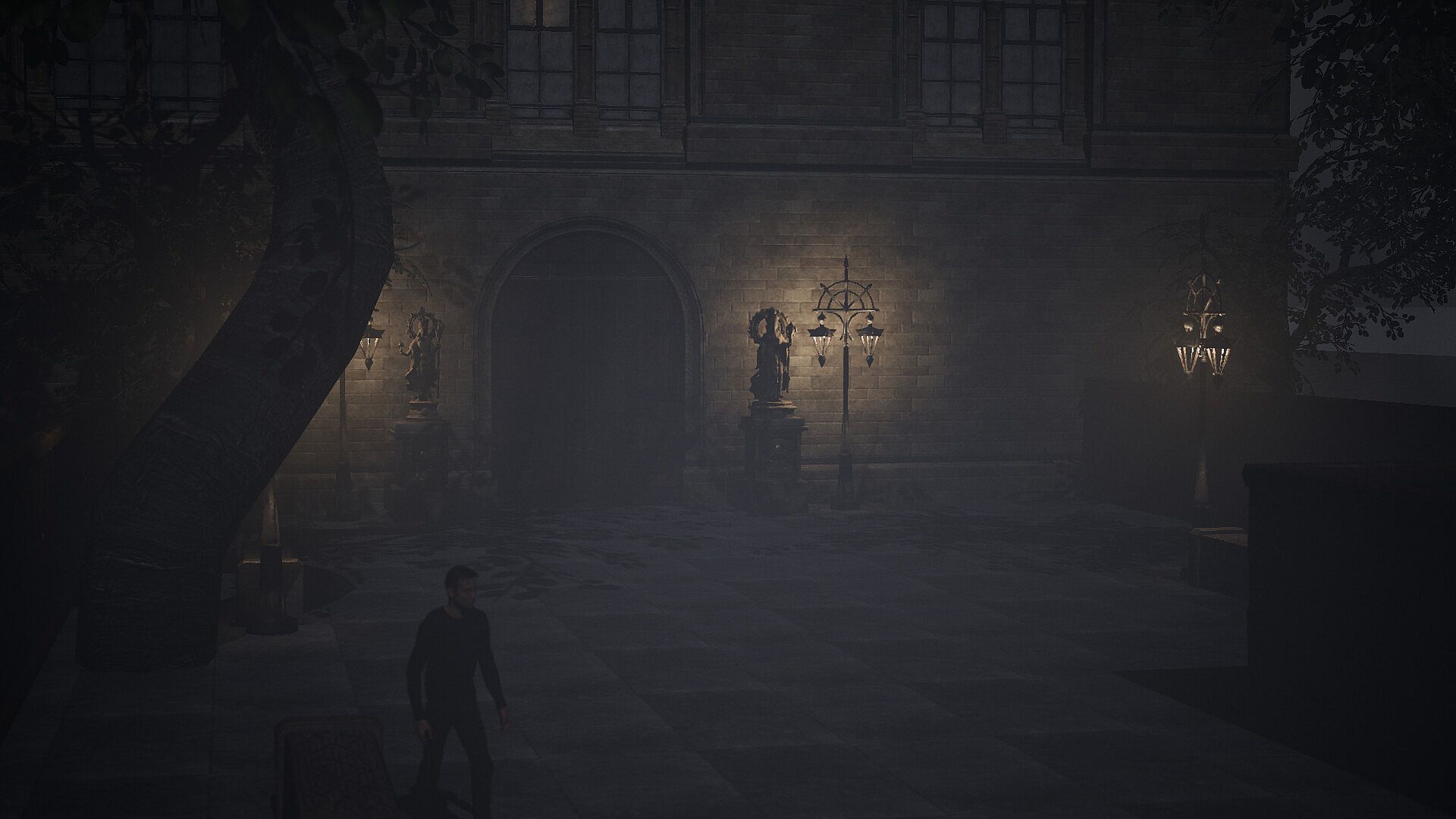
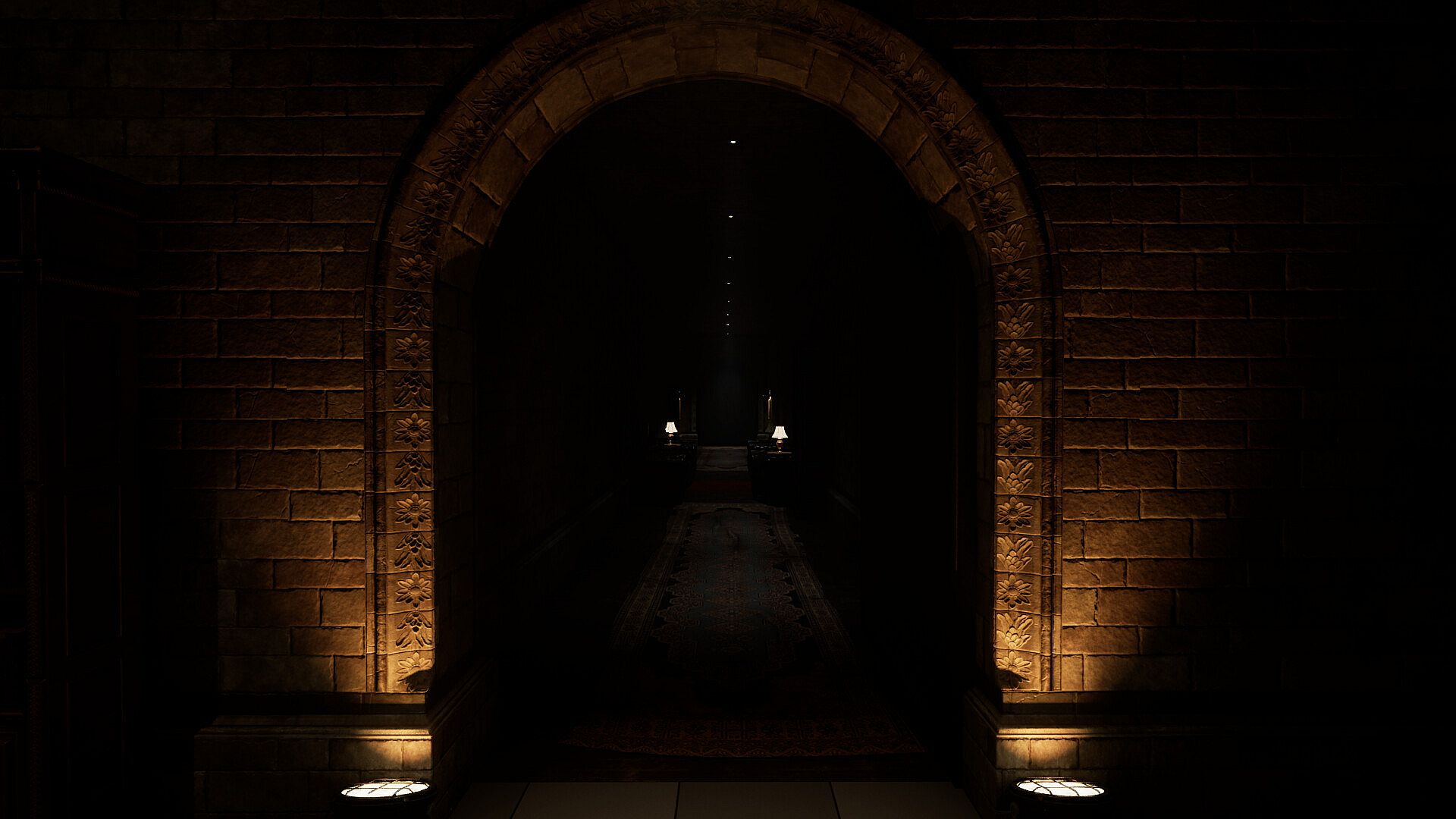
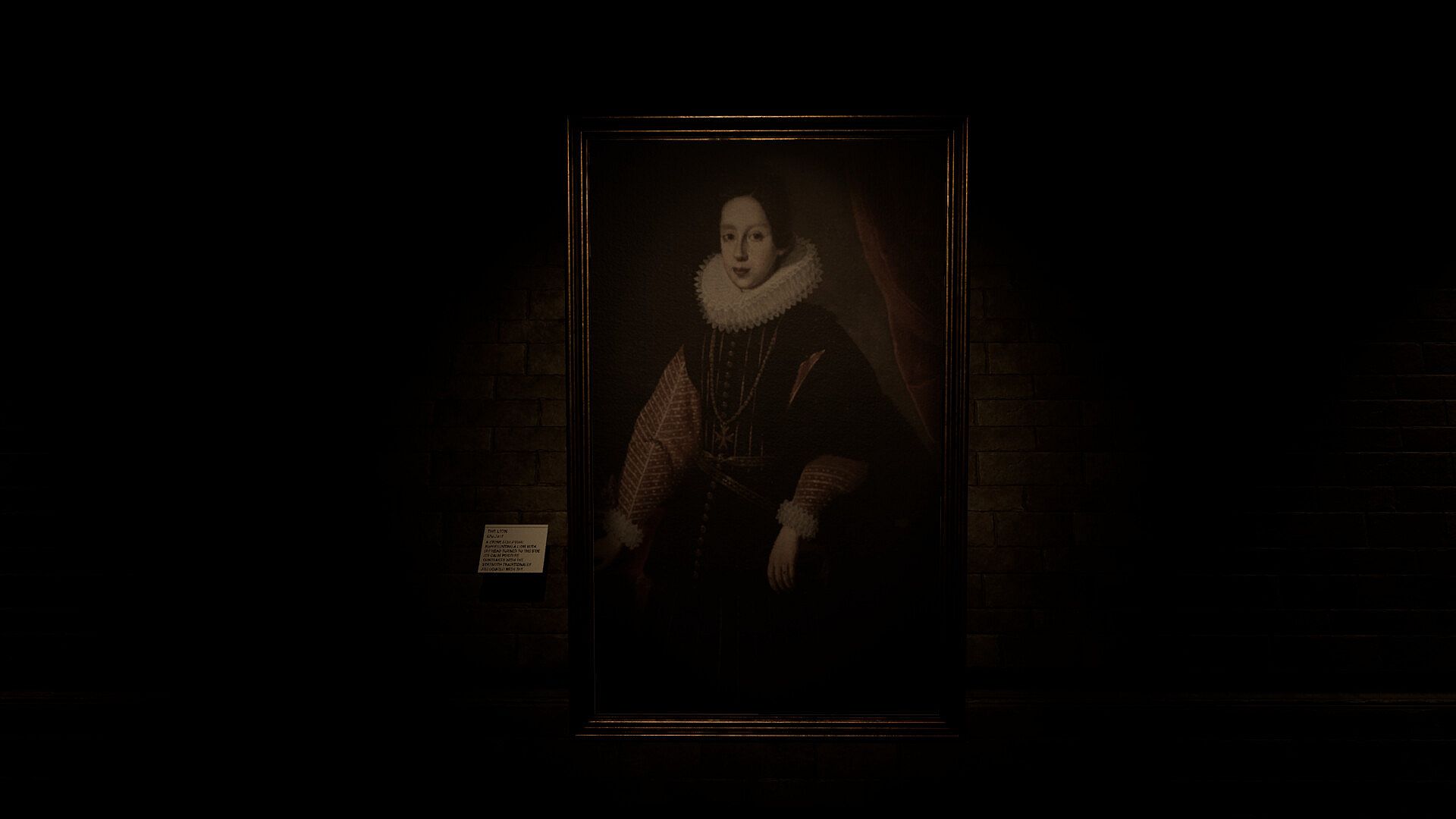
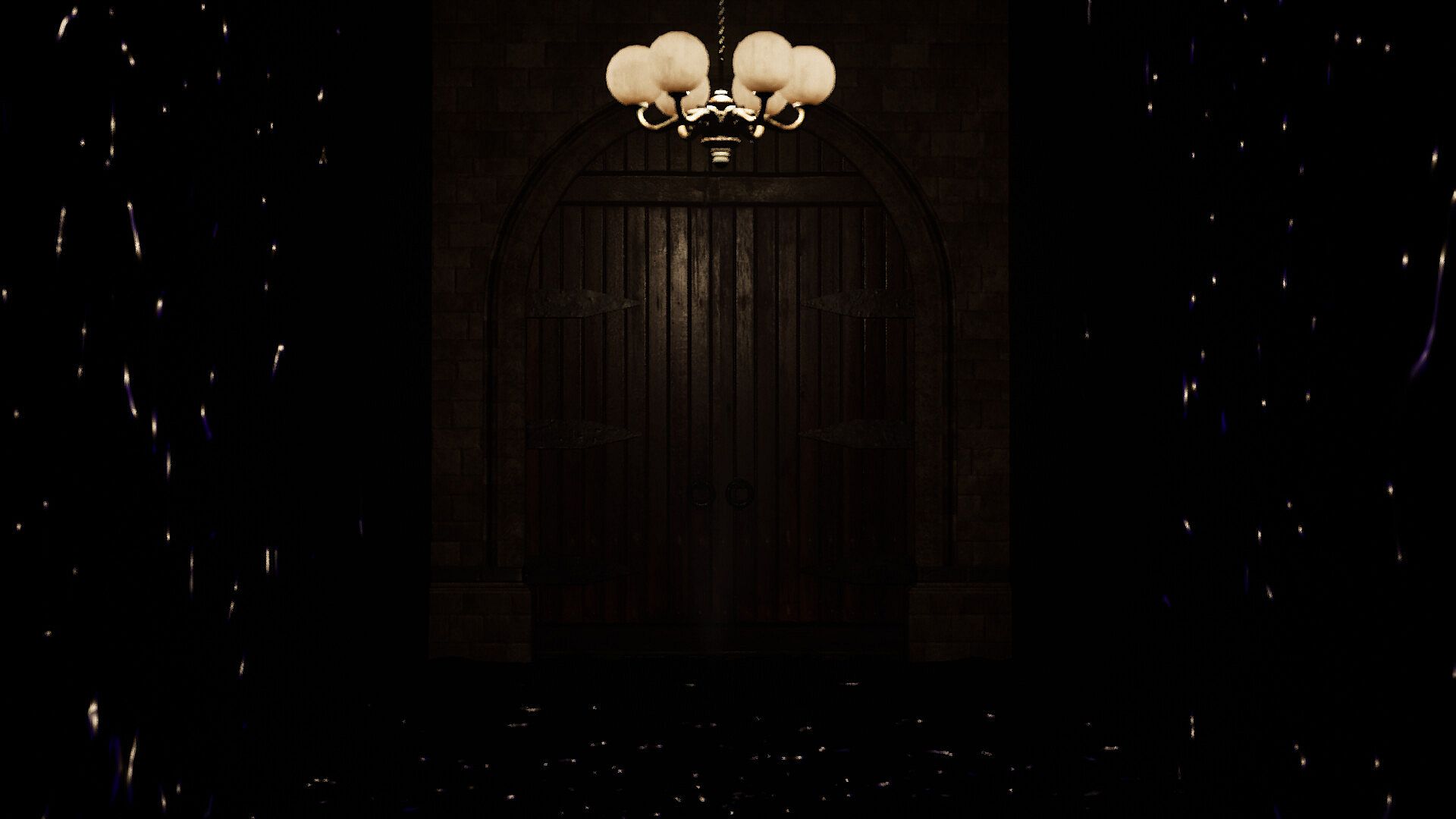

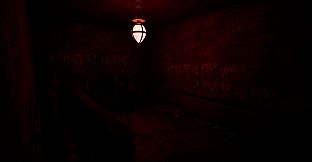


The Final Exhibit is an indie adventure game set in a mysterious museum where players inspect corrupted artworks and navigate an environment shaped by an unseen presence. This singleplayer experience blends exploration with puzzle-like restoration tasks in a setting that evolves based on player actions.
Gameplay
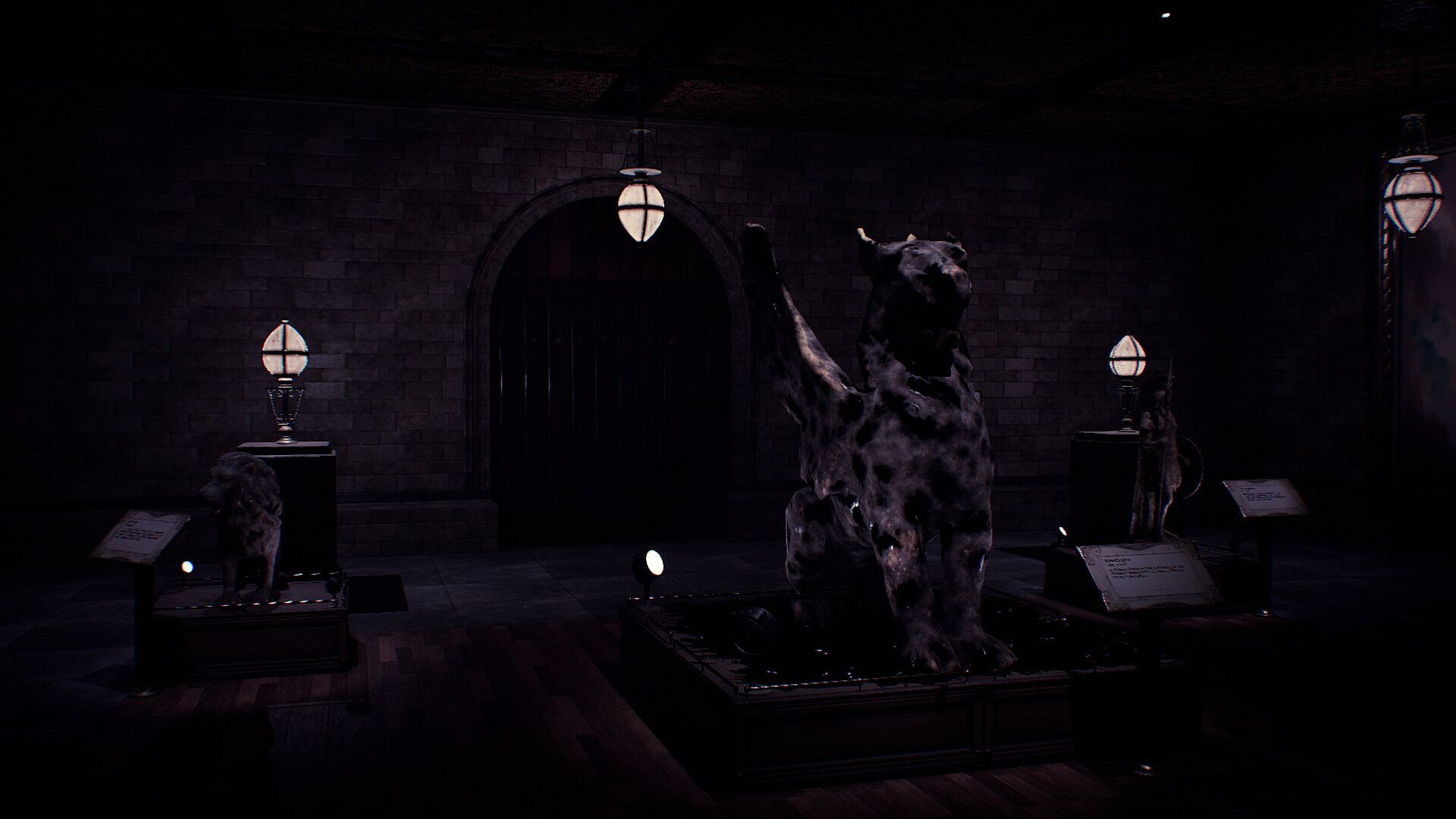
Core gameplay revolves around moving through gallery halls filled with paintings, statues, and relics. Players restore damaged masterpieces to purify mysterious anchors, which in turn opens new paths and reveals more of the museum's layout. Tools include a camera for documenting important objects, a flashlight for visibility in dim areas, and a radar to detect nearby elements or threats. The environment reacts as progress continues, with an unseen entity adjusting its behavior in response to actions taken.
Procedural generation ensures each playthrough features different arrangements of rooms and encounters. Players must adapt to shifting layouts while locating and photographing key items for a journal. Restoration work serves as the primary mechanic for advancing, requiring careful inspection of corrupted pieces to uncover hidden details and clear obstacles.
Game Modes
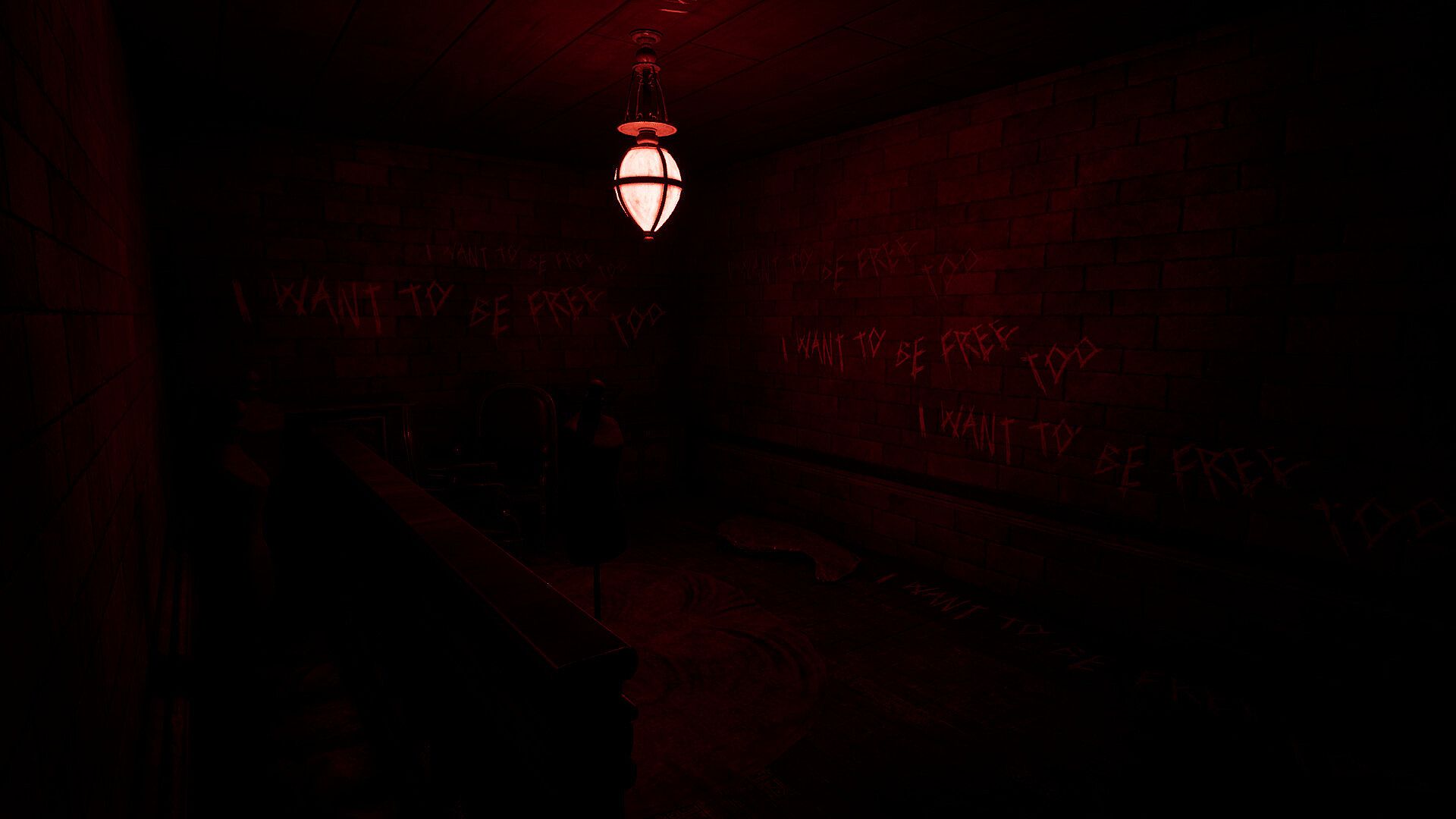
The game operates entirely in a singleplayer format with no separate multiplayer or competitive modes. All content focuses on solo exploration and task completion within the museum setting. Runs emphasize survival elements against stalking entities, with each attempt presenting variations due to procedural changes in the environment and monster behaviors.
Progression builds across attempts as players gain familiarity with tools and patterns, allowing better adaptation to the evolving threats. The structure encourages repeated visits to piece together the museum's history through restored artworks and discovered relics.
Exploration and Atmosphere
Galleries contain a mix of visual elements that tie into the museum's backstory. Statues and forgotten relics provide context for the events unfolding, while the overall design maintains a quiet tension through sound and visual cues. The presence makes itself known gradually, influencing how players approach each area without direct confrontation in every instance.
Restoration serves dual purposes: it purifies anchors to unlock routes and exposes narrative fragments about what happened within the halls. This loop keeps focus on observation and careful interaction rather than combat or resource management systems.
Is It Worth Playing?
The Final Exhibit targets players who enjoy atmospheric singleplayer adventures with horror undertones and puzzle elements centered on exploration. Its procedural structure supports multiple attempts to uncover different details, appealing to those interested in mystery and restoration mechanics.
Since the title remains in development with a coming soon status and no user reviews available yet, potential buyers should monitor official updates for release timing and final feature confirmation. The described systems align well with fans of indie horror experiences that prioritize environmental storytelling and adaptive challenges over traditional action sequences.