




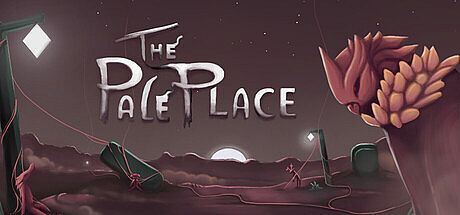


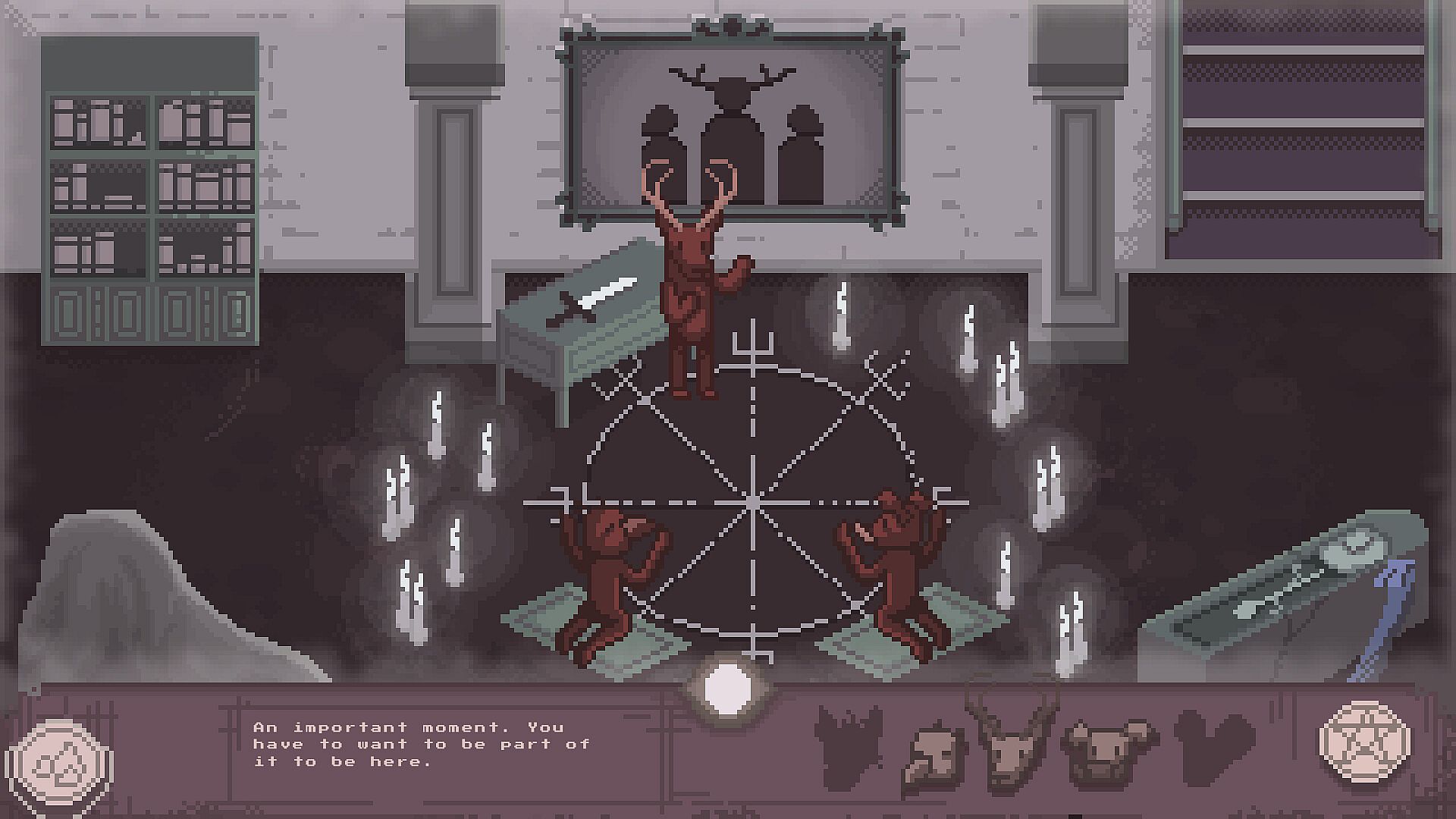
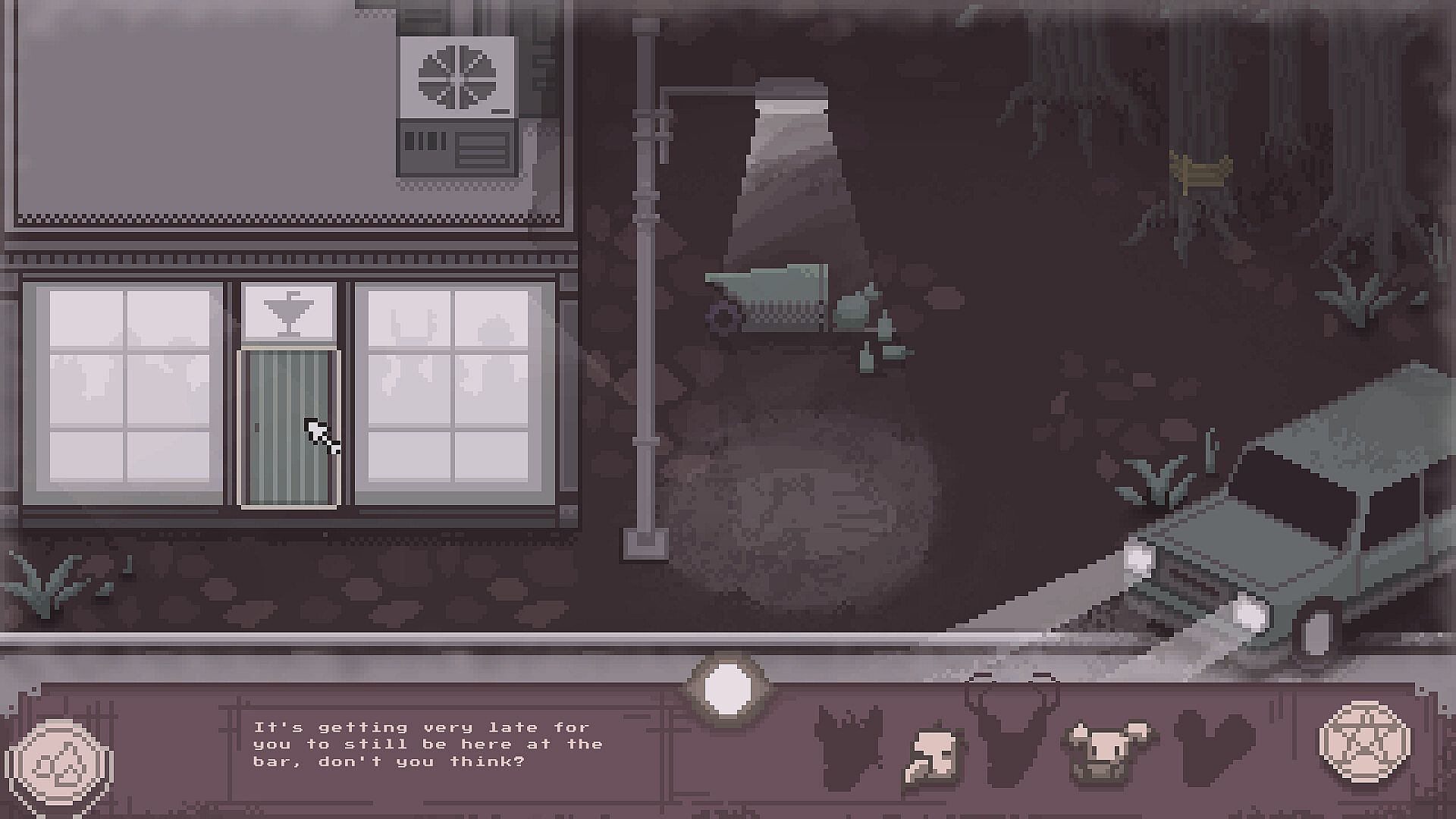
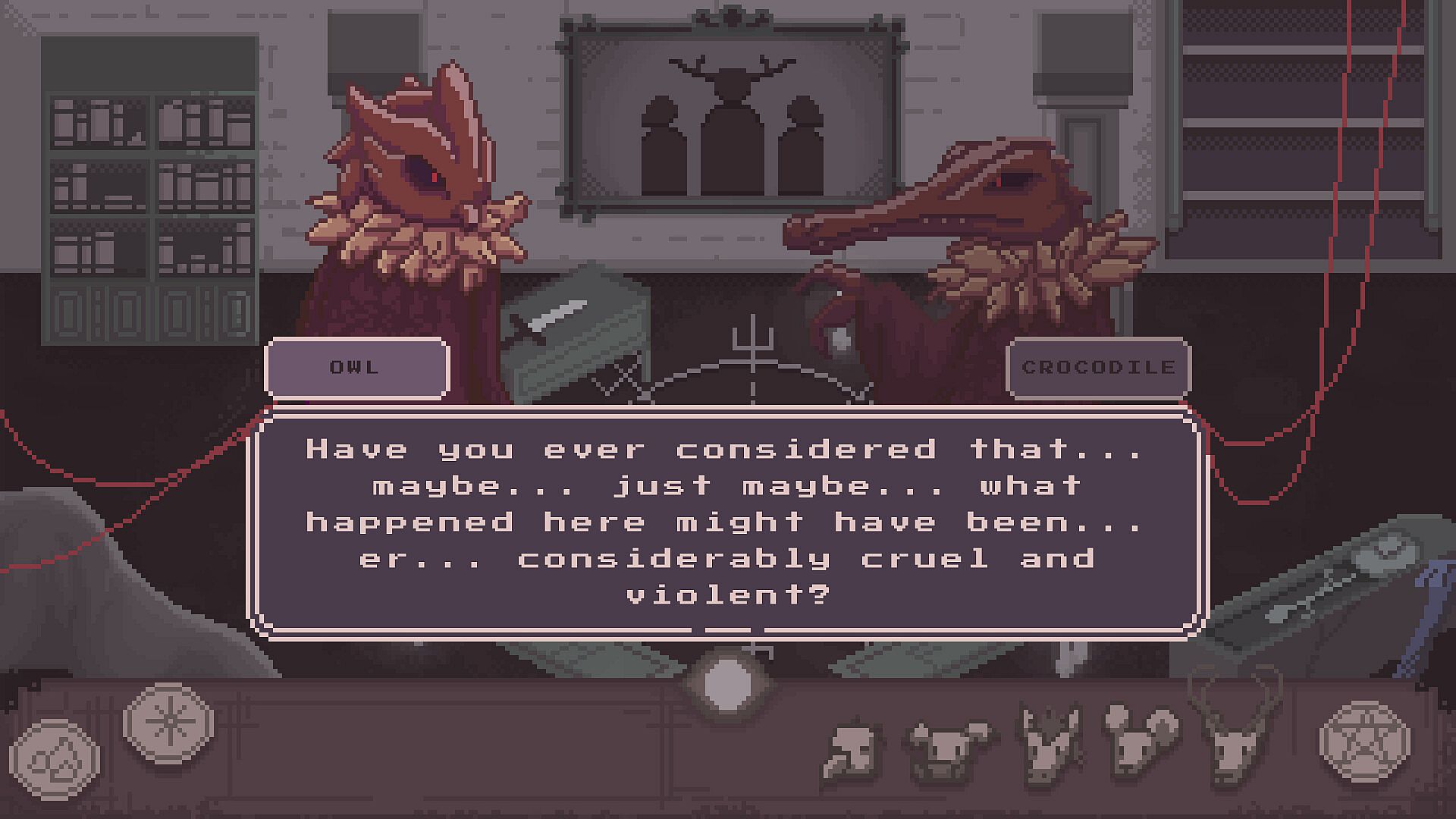
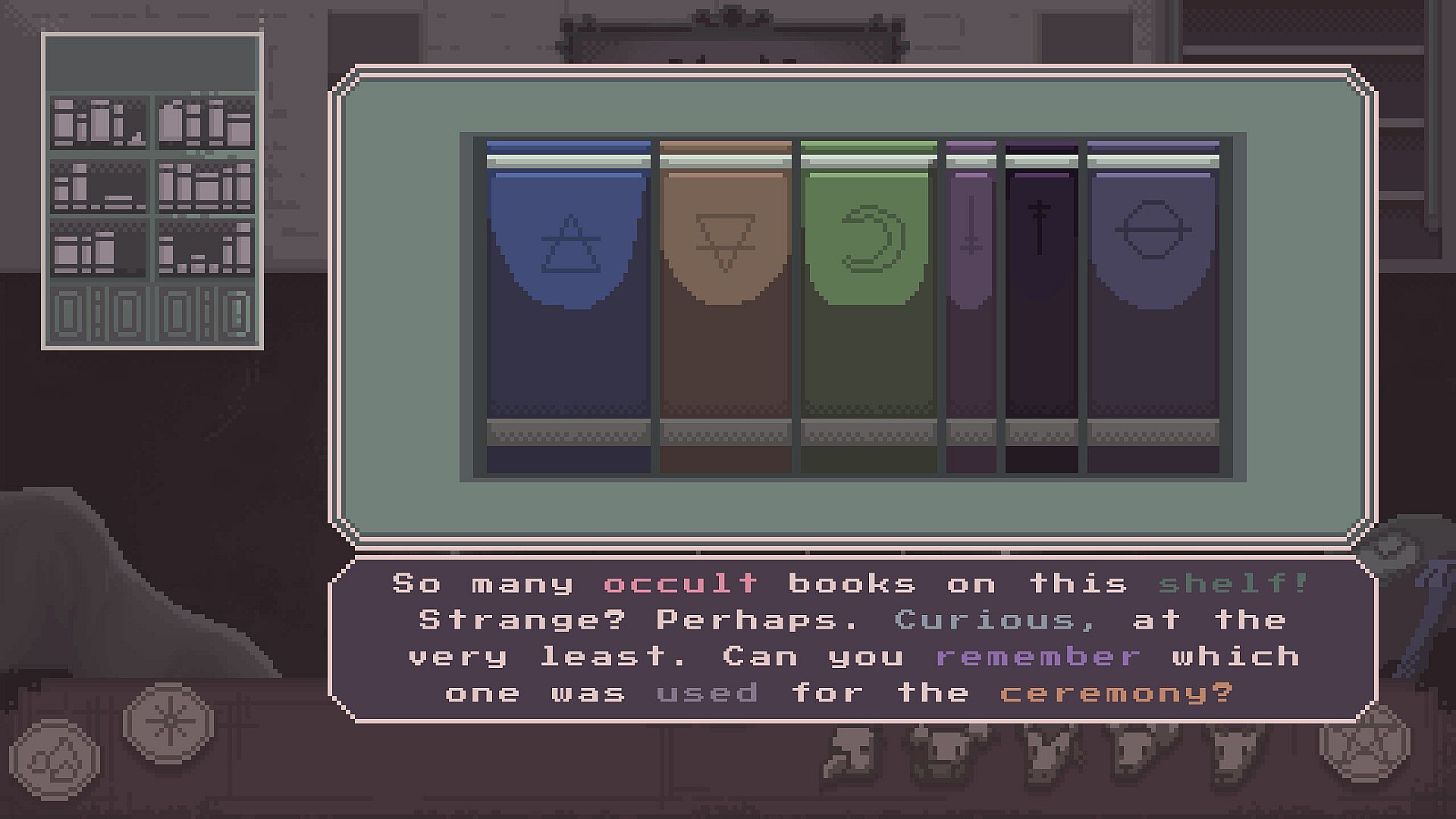
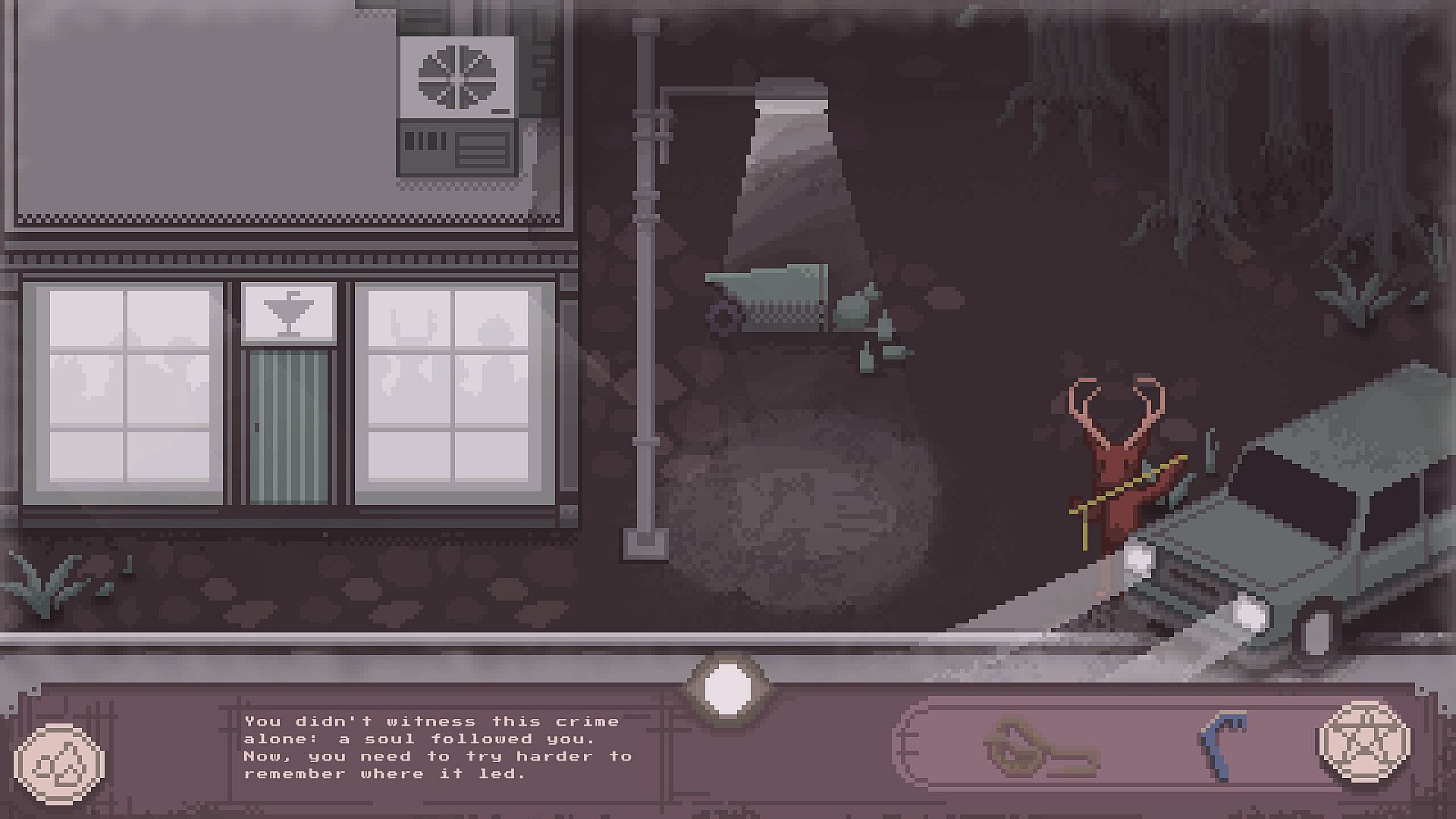

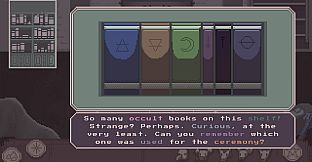
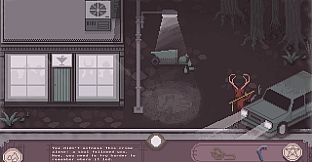
The Pale Place is an indie adventure game for PC that places players in a dreamlike, mysterious setting where they act as conductor and director of the surrounding world. Through careful exploration and rearrangement of objects, characters, and circumstances, the experience centers on piecing together fragments of memory in a faded, liminal environment rendered in distinctive pixel art.
Gameplay
The core loop revolves around interpreting scenes and repositioning interactive pieces to solve puzzles. Players examine descriptions attached to characters and objects, then reorganize fragments of the past to unlock new elements and advance the narrative. This process reveals hidden connections while the pale place itself shows signs of gradual collapse and melancholy. High-impact decisions arise naturally from these rearrangements, influencing which memories surface and how the story unfolds. The mechanics emphasize thoughtful observation over rapid action, encouraging players to consider how each adjustment affects the overall composition of a scene.
Game Modes
The Pale Place offers a singleplayer adventure focused entirely on narrative progression and puzzle solving. There are no separate competitive or cooperative modes. Instead, the experience unfolds as a continuous journey through interconnected scenes where choices in one area can influence later discoveries. Players progress by unlocking memories and unraveling secrets at their own pace, with the structure supporting repeated visits to earlier scenes as new pieces become available.
Narrative and Themes
The story unfolds through the recovery of memory fragments, allowing players to reclaim aspects of a forgotten life. Every rearrangement brings forward stories tied to the characters and objects present in each scene. Themes of memory, affection, the passage of time, and the relationship between life and death emerge through these interactions. Decisions made while directing the world carry weight, sometimes revealing truths that prompt reflection on personal identity. The narrative avoids straightforward resolutions, instead presenting an ambiguous blend of peace and melancholy that mirrors the atmosphere of the setting.
Atmosphere and Presentation
A pale, faded world defines the visual and emotional tone. The pixel-art style captures the liminal quality of the environment, where scenes feel both familiar and distant. Exploration rewards close attention to details in the backgrounds and foreground elements, as many objects and figures hold descriptive text that deepens understanding of the circumstances. The overall presentation supports a sensitive examination of profound human experiences without relying on overt exposition.
Is It Worth Playing?
The Pale Place suits players who enjoy deliberate puzzle solving combined with a strong emphasis on story and personal reflection. Those drawn to games that reward careful interpretation of scenes and meaningful choices will find the mechanics engaging. The singleplayer structure allows for focused sessions without external pressures, making it accessible for those seeking a contemplative experience. Availability on PC supports straightforward access for interested players. The game stands on its own as an independent title centered on memory reclamation and world direction.











