




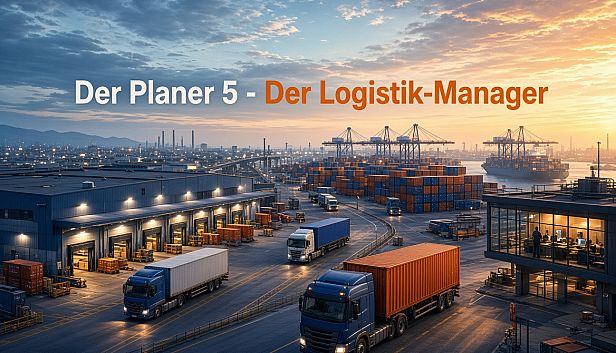


The Planner 5 - The Logistics Manager is a single-player economic simulation game for PC in which players manage a freight forwarding company. The experience centers on building and operating a transport business across a large European map by handling contracts, vehicles, and personnel.
Gameplay
Players begin by accepting transport contracts for various goods such as fuels, food, building materials, and dangerous cargo. Each contract requires selecting appropriate vehicles and planning routes on the detailed map. The core loop involves matching cargo types to suitable trucks, monitoring delivery times, and balancing costs against revenue from completed jobs.
Fleet management forms a central part of daily operations. The game includes around 25 different vehicle models ranging from small transporters to semi-trailers and refrigerated units. Some vehicles handle only specific cargo types, and players must expand the fleet through purchases while considering maintenance and operational needs.
Staff oversight adds another layer. Players hire drivers and other employees, manage their qualifications and training, and ensure compliance with regulations such as driving time limits. Ignoring rules can lead to penalties that affect finances and reputation. A statistics function within the logistics software helps track performance metrics over time.
Game Modes
The game offers a single primary mode focused on building a transport company from a modest starting point. There are no separate scenarios, multiplayer options, or alternative play styles. Every session begins on the same fixed date with the same initial conditions, limiting replay variety to differences in contract selection and expansion choices.
Progression occurs through successful contract completion, fleet growth, and staff development. Achievements and trophies provide additional goals within this single experience, but the structure remains consistent throughout.
The Map and Operations
A zoomable overview map covers more than 300 cities across Europe along with connections into Asia Minor and North Africa. Roads and motorways link these locations, and players must account for travel distances and infrastructure when assigning routes. The map serves as the central tool for visualizing and optimizing all transport activities.
Contract volume remains high once the business grows, with hundreds of customers from different industries providing ongoing work. Players decide which jobs to pursue based on profitability, vehicle availability, and route efficiency. Financial tracking includes revenue from deliveries, expenses for fuel, maintenance, and wages, plus potential fines for regulatory issues.
Is It Worth Playing?
This title suits players who enjoy methodical economic simulations and the challenge of optimizing logistics networks. The emphasis on route planning, vehicle specialization, and staff management creates a focused experience for those interested in business operations within a transport setting.
Reception at launch highlighted the game's straightforward approach but also noted limited depth and repetition in the core activities. It remains available for modern Windows systems and appeals mainly to fans of classic management sims who prefer a contained, single-player format without additional modes or ongoing content updates. Those seeking more variety or complex systems may find the scope restrictive after initial play sessions.
