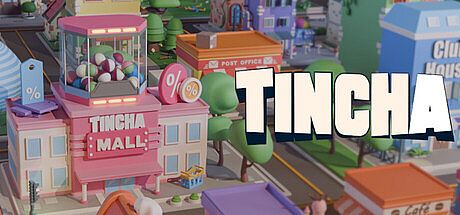



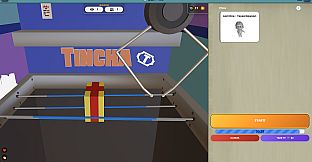
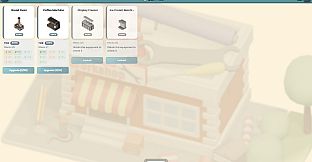
Tincha is a casual strategy and simulation game centered on collecting prizes from claw machines and gachapon capsules to construct and staff stores in a shared city environment. Players operate on PC through a dedicated client or directly in the browser, with both versions connected to the same persistent world.
Gameplay
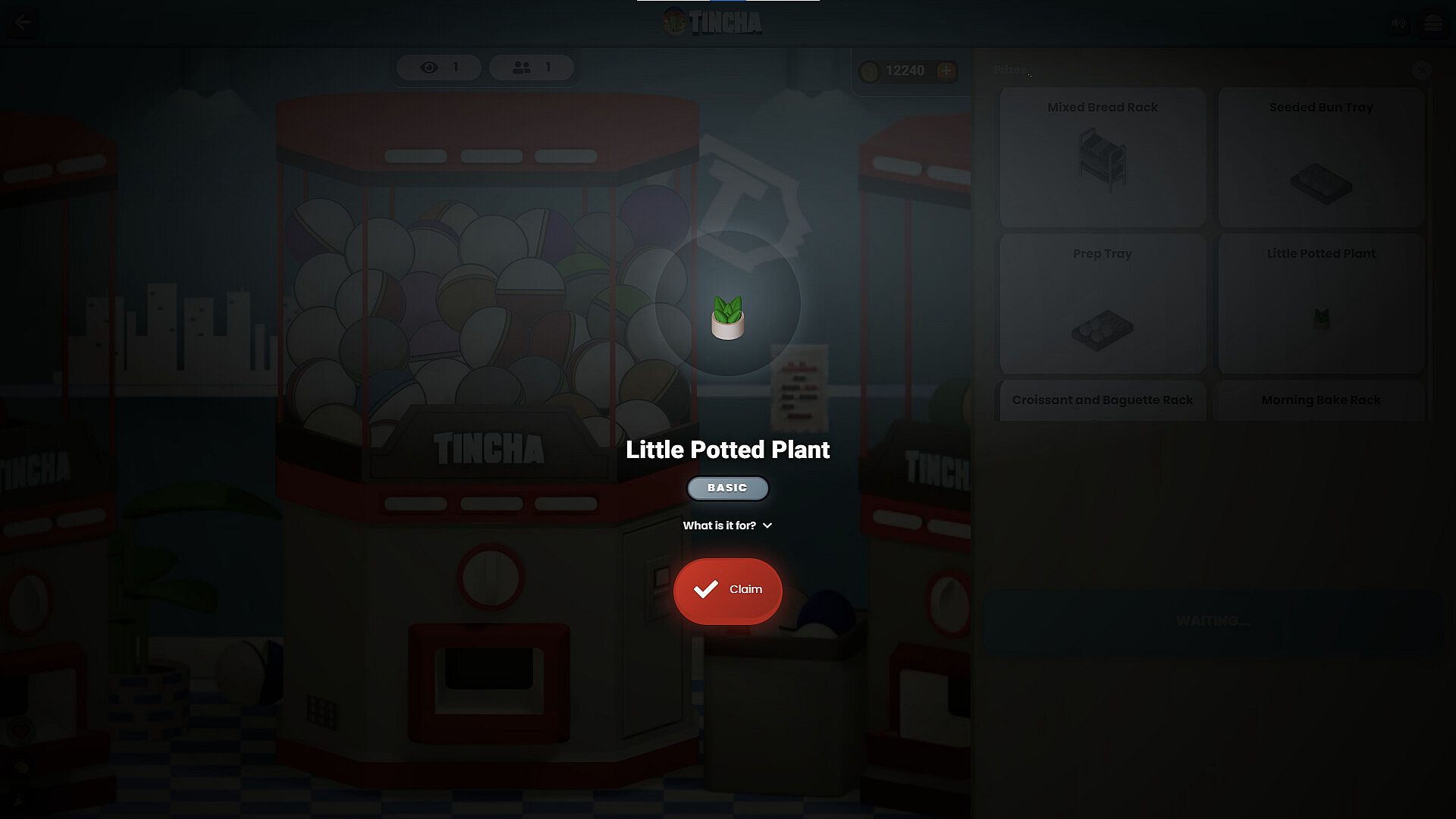
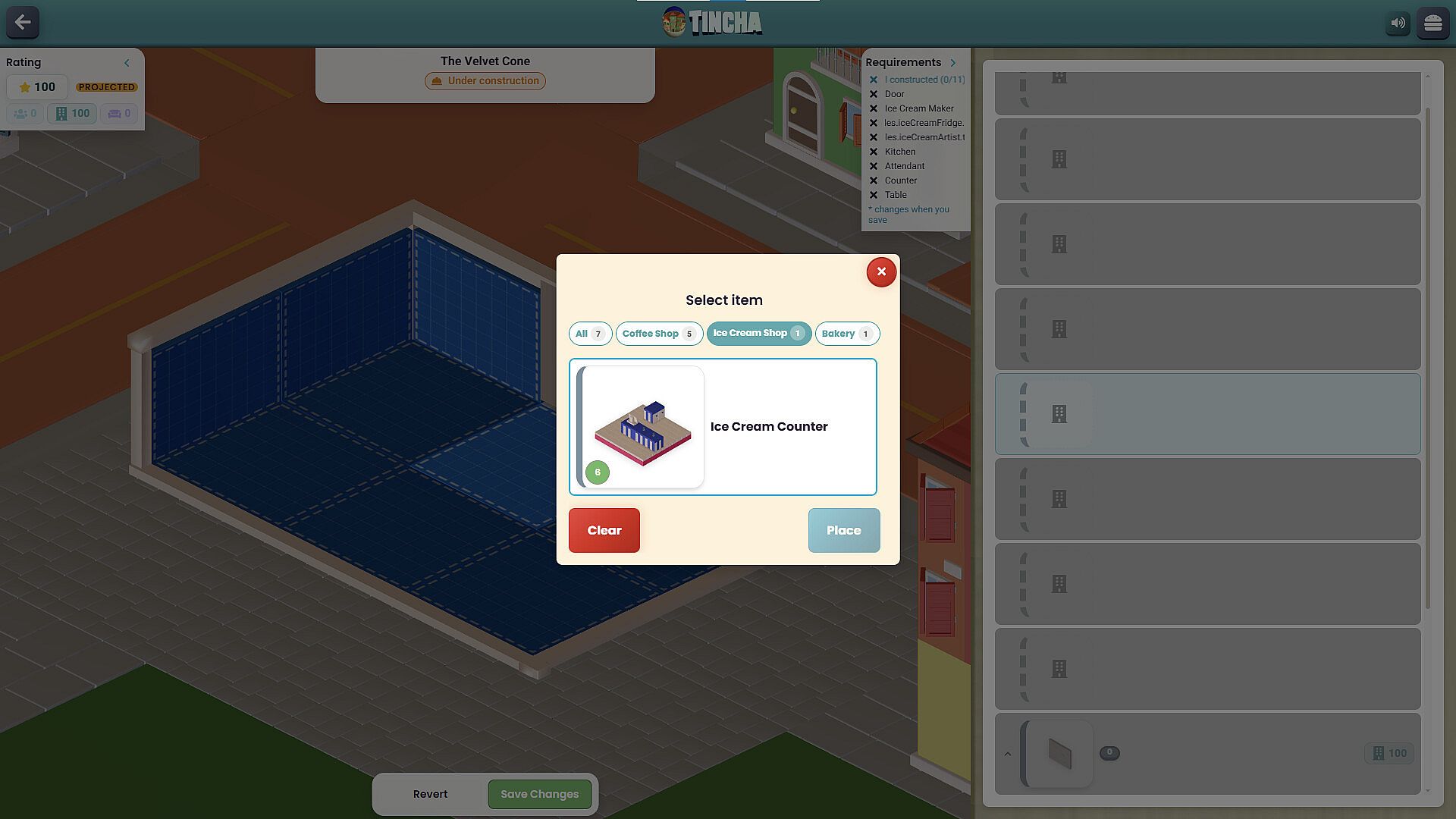
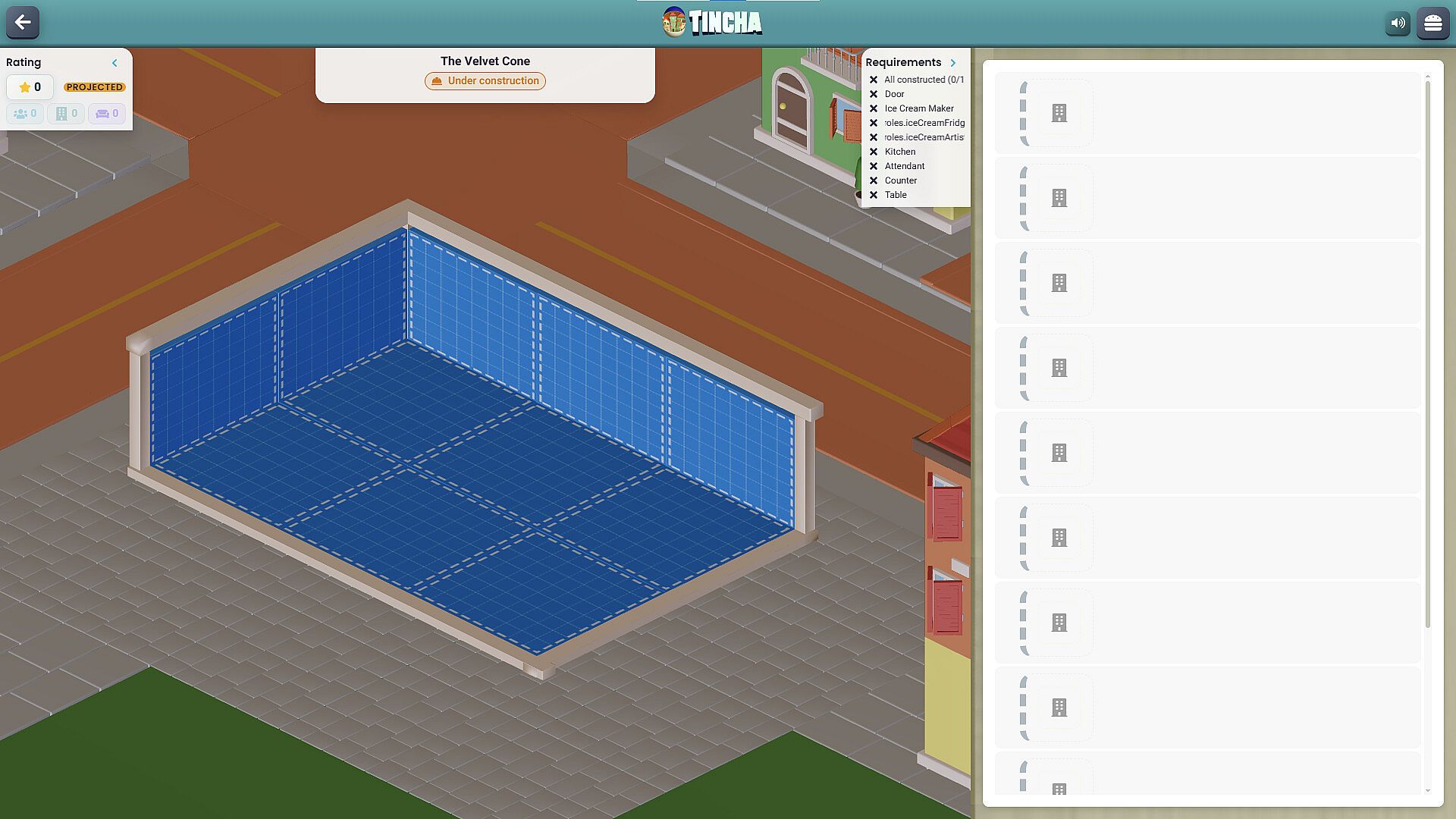
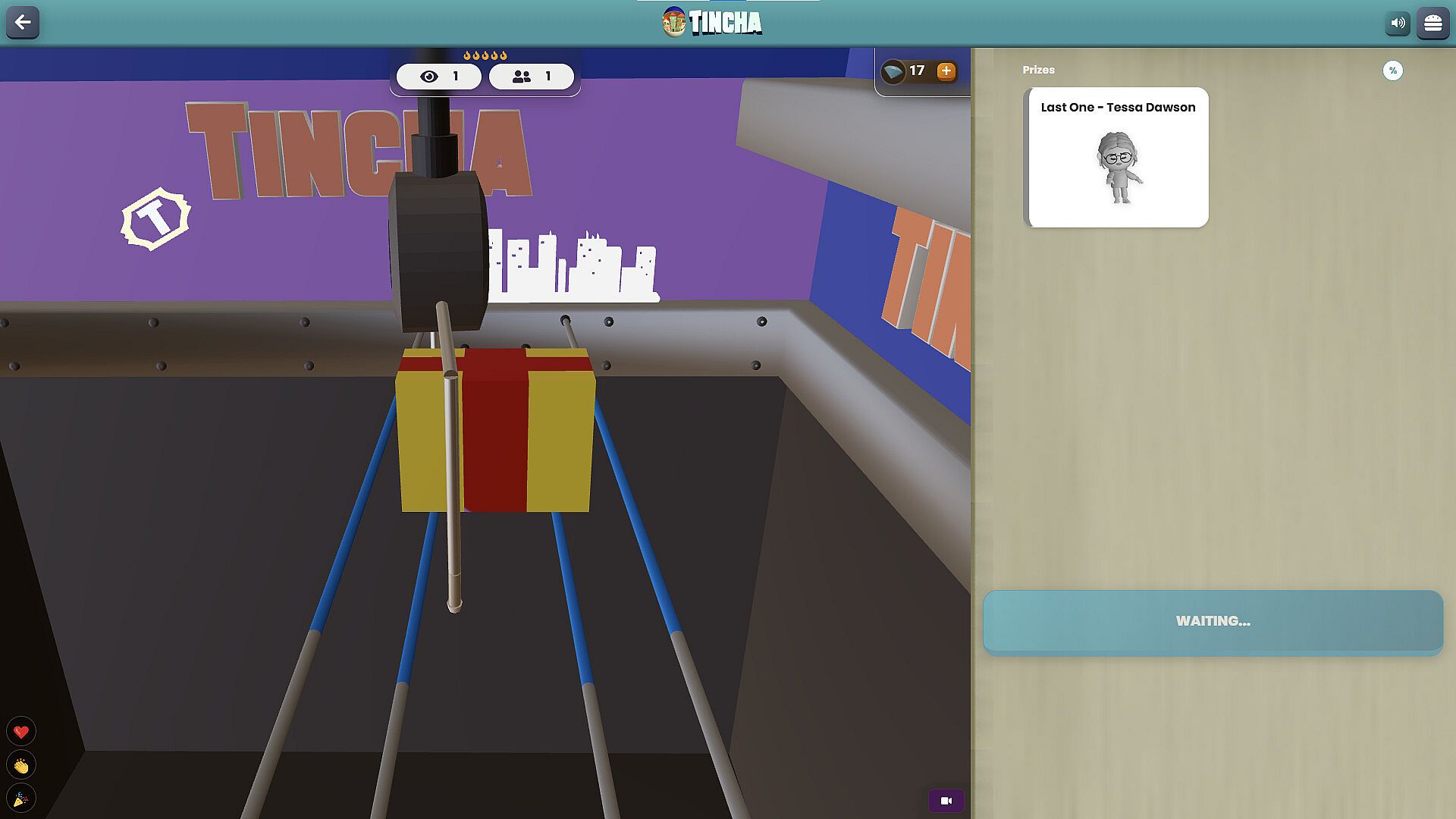
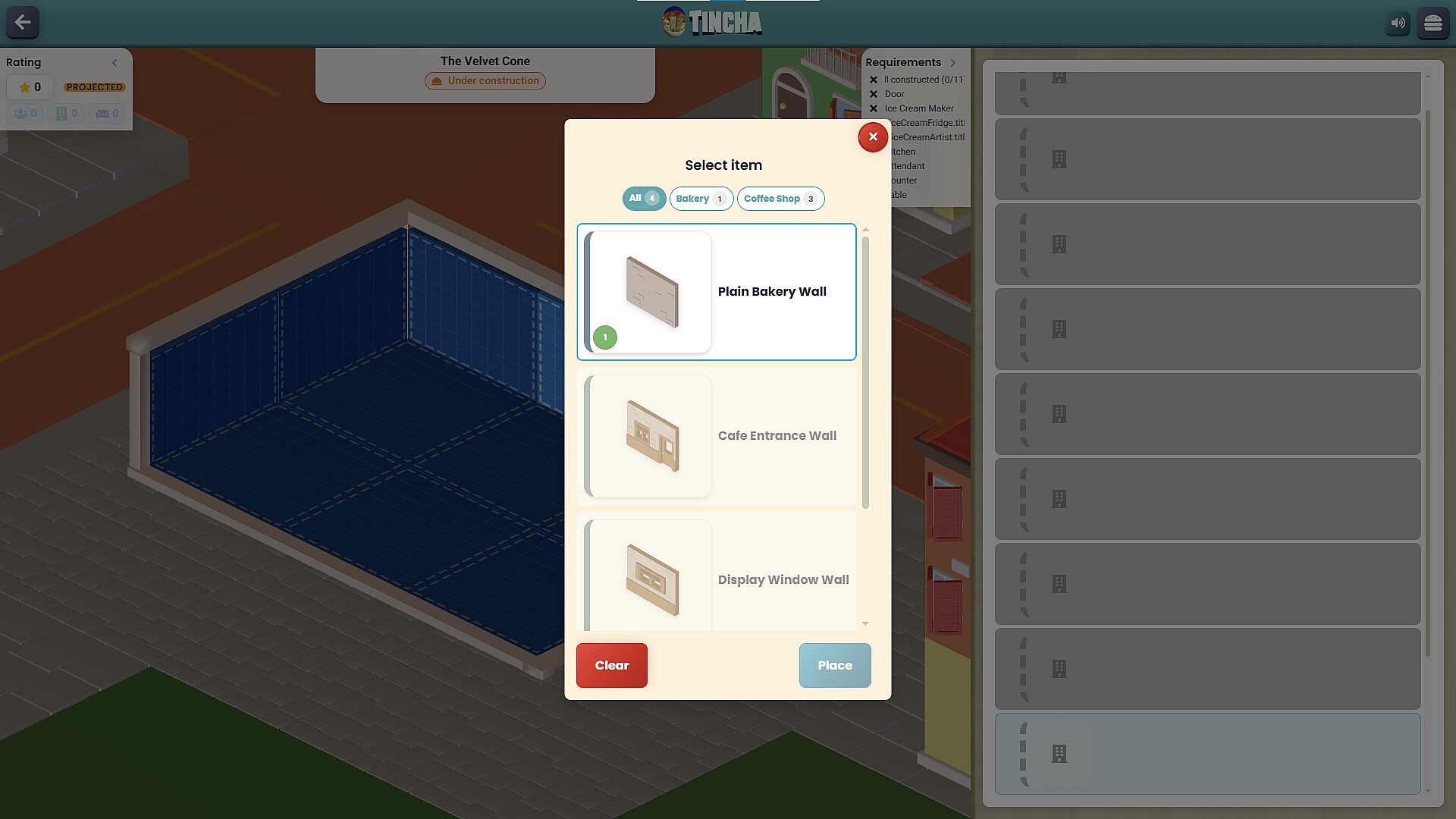
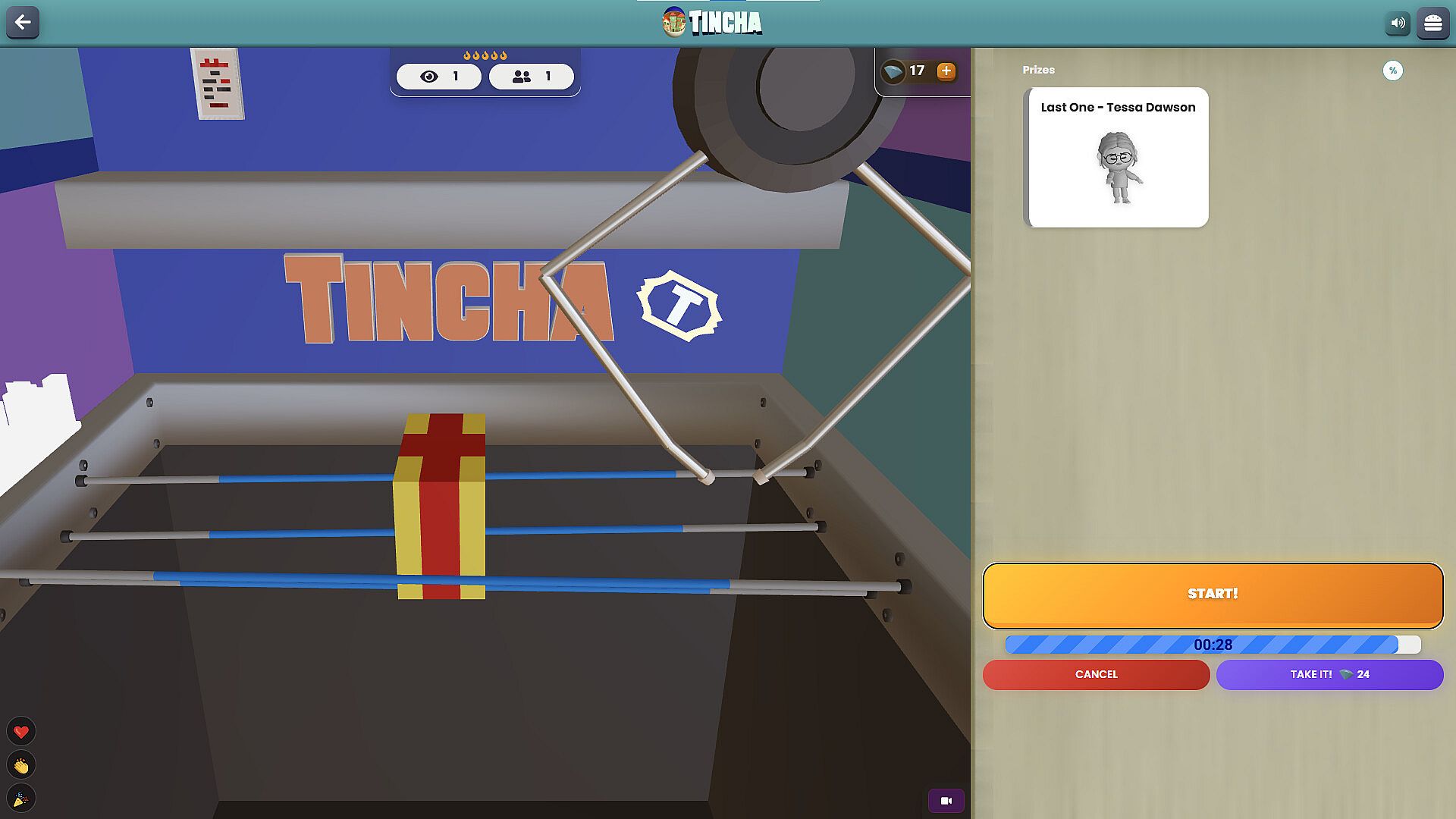
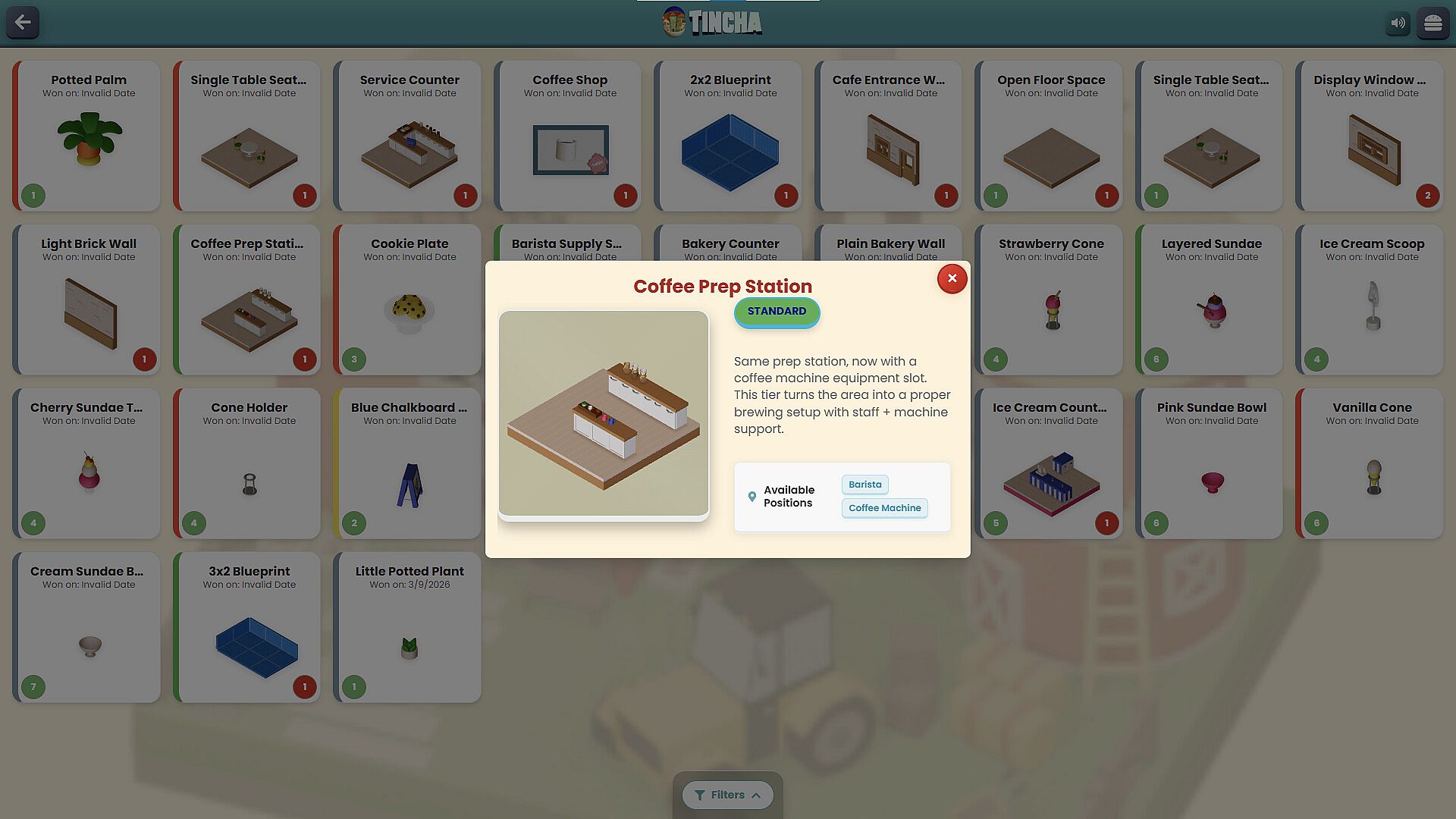
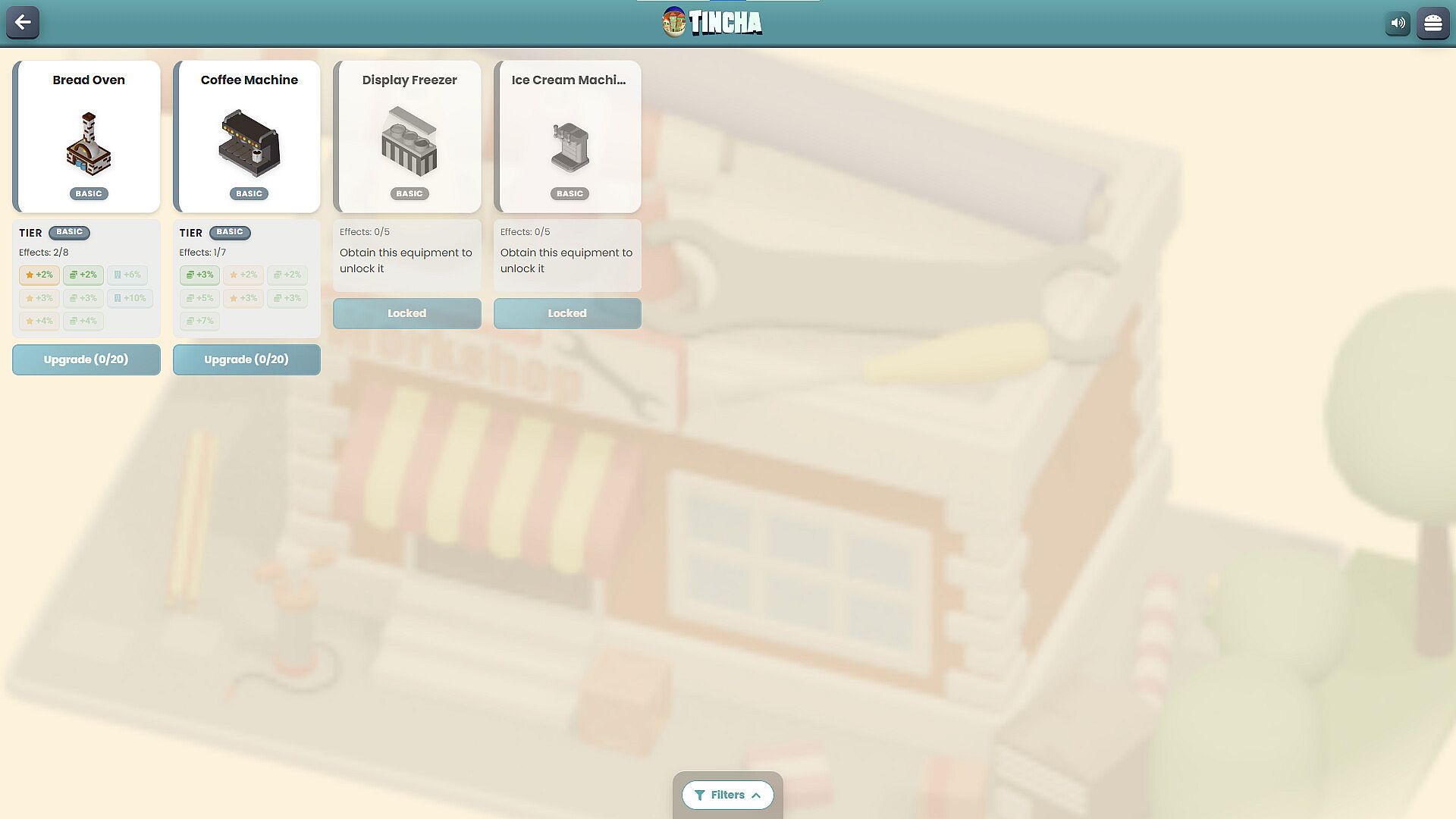
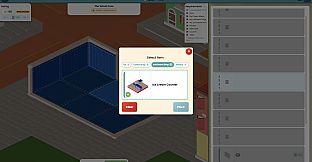
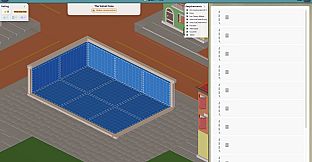
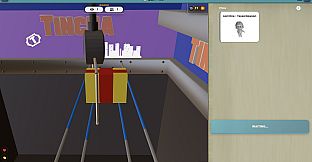
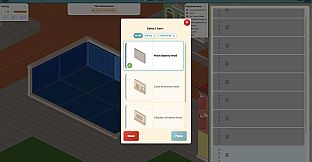
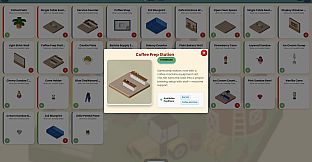
The core loop revolves around operating machines to obtain characters, equipment, construction blocks, blueprints, and permits. Prizes feed directly into store creation, where a permit combined with a blueprint determines the business type and size. Stores such as coffee shops, bakeries, and ice cream parlors appear alongside those built by other players in the shared city. Characters collected from capsules serve as staff, each carrying traits and stats that can be improved through item cards. A store's overall rating draws from three factors: the suitability and condition of its staff, the structural layout of zones, and the decorative elements placed throughout. Adjusting staff assignments and refining layouts requires planning to maximize performance. Sessions remain flexible, allowing quick visits for daily rewards, a few machine pulls, and minor staff adjustments without penalties for longer absences.
Game Modes
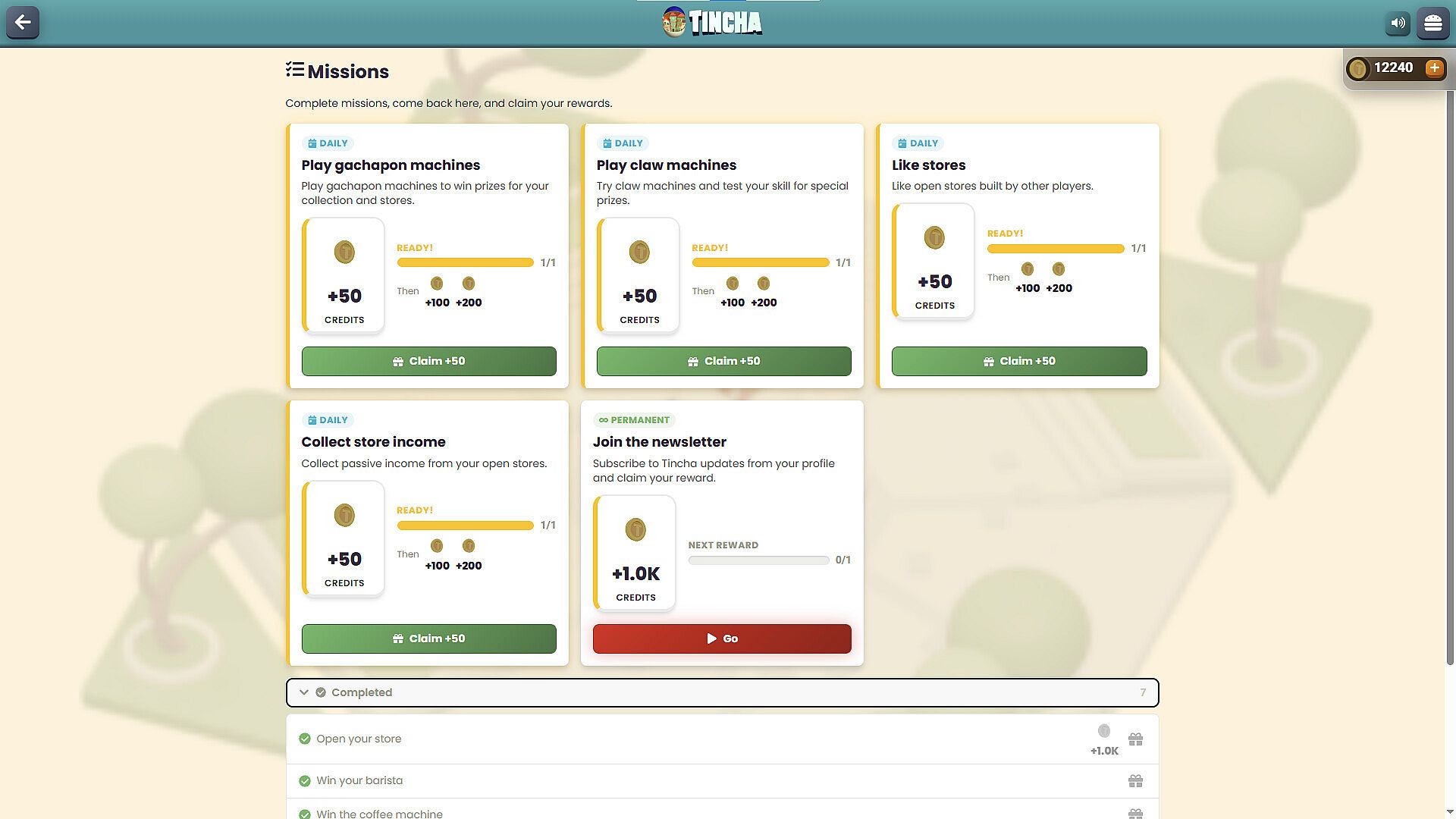
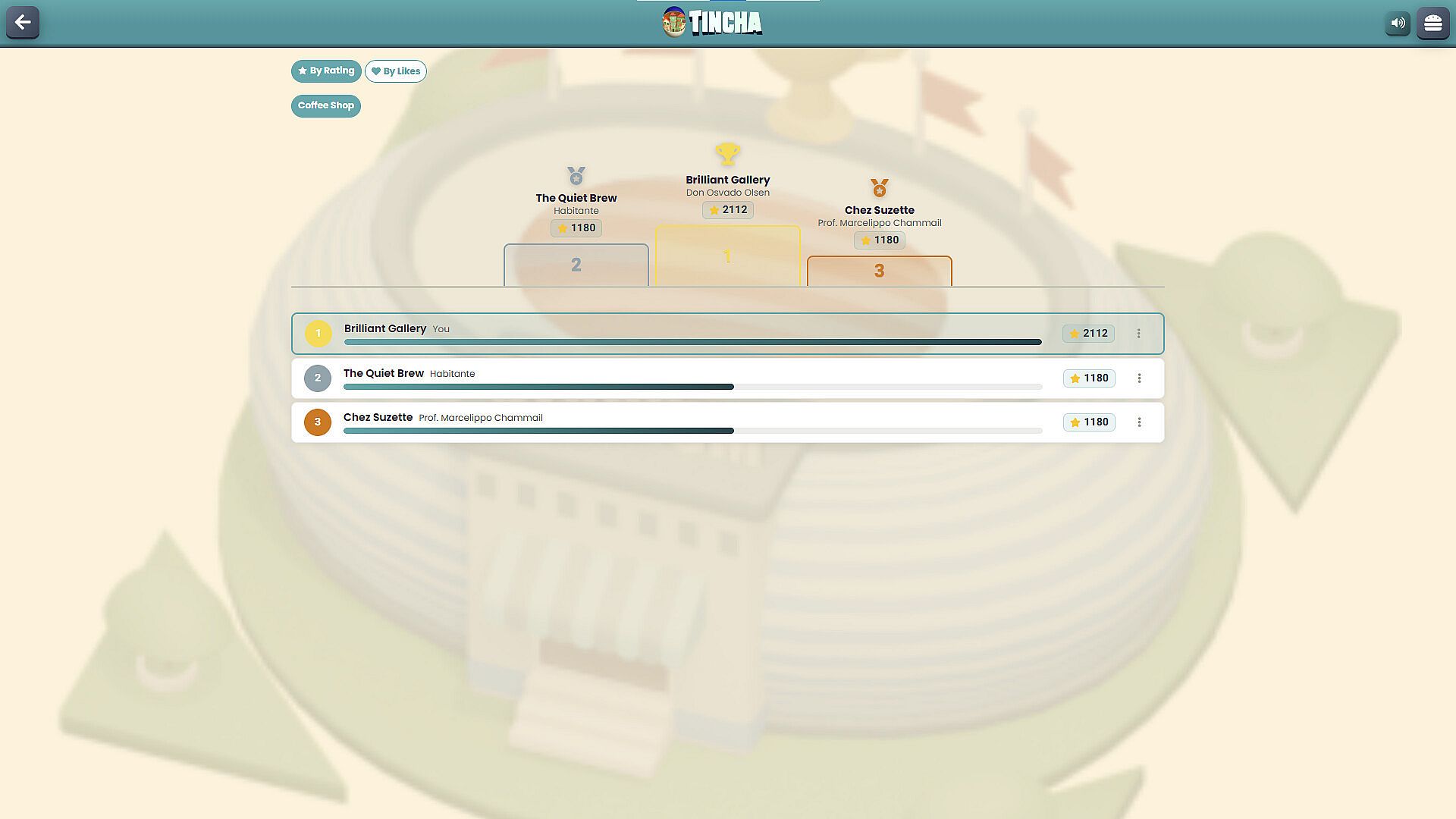
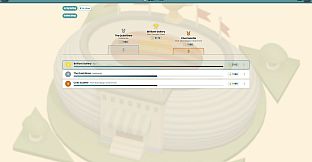
The primary activities center on prize collection through claw machines and gachapon capsules, followed by store construction and management. Collection involves spinning machines that award a mix of common and rarer items, with probabilities displayed for each. Management covers hiring collected characters, assigning them to specific roles within store zones, and customizing interiors to influence the rating system. The shared city element functions as an ongoing multiplayer layer where players view neighboring stores, leave likes, and contribute to community leaderboards. Future plans include allowing characters to visit other players' stores as guests for mutual rewards, though this remains in development. No separate competitive or story-driven modes exist beyond these interconnected systems.
Progression and Monetization
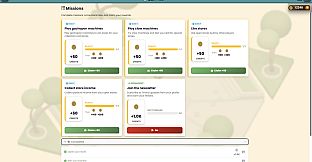
Progression ties directly to repeated machine use and store optimization. Daily rewards, tasks, and leaderboard performance supply credits for free spins. From level 10 onward, a secondary currency called blue diamonds appears, usable on select machines, though equivalent rewards remain obtainable through standard play at lower frequency. The game stays free to play with no requirement to spend for meaningful advancement. Revenue from optional diamond purchases supports server costs and ongoing development rather than introducing pay-to-win elements.
Development and Current State
Juan Albanesi, an independent developer, has built Tincha solo over several years. The project remains in open beta with frequent updates driven by player feedback. Features such as 3D physics-based claw machines, upgradeable character stats, and the three-factor rating system have been added through this process. The city continues to expand with additional store types planned, including a pizzeria and pet shop. Support for multiple languages exists, though some translations may benefit from community input. Players interact with the developer through Discord for suggestions on mechanics, art, or balance.
Is It Worth Playing?
Tincha suits players who enjoy relaxed collection mechanics paired with light strategic decision-making in a persistent shared space. The combination of gachapon-style pulls and store-building creates a steady rhythm of short, repeatable sessions that reward thoughtful staff placement and decoration choices. Its free-to-play model allows substantial progress without purchases, and the absence of aggressive monetization keeps focus on the core loop. Those seeking cozy simulation experiences with community elements will find the shared city and leaderboard system engaging, while the solo development pace means some features remain unfinished or subject to change. Overall, it appeals to fans of indie city builders who appreciate transparent development and low-pressure gameplay over polished production values.