

Titanium Court is a single-player strategy game that blends match-3 puzzle mechanics with tower defense and roguelite elements on PS5. Players take on the role of a newcomer thrust into the affairs of a peculiar fairy court locked in an endless conflict with rival courts. The experience mixes tactical battlefield manipulation with resource management and a layered narrative delivered through visual novel-style sequences between runs.
Gameplay
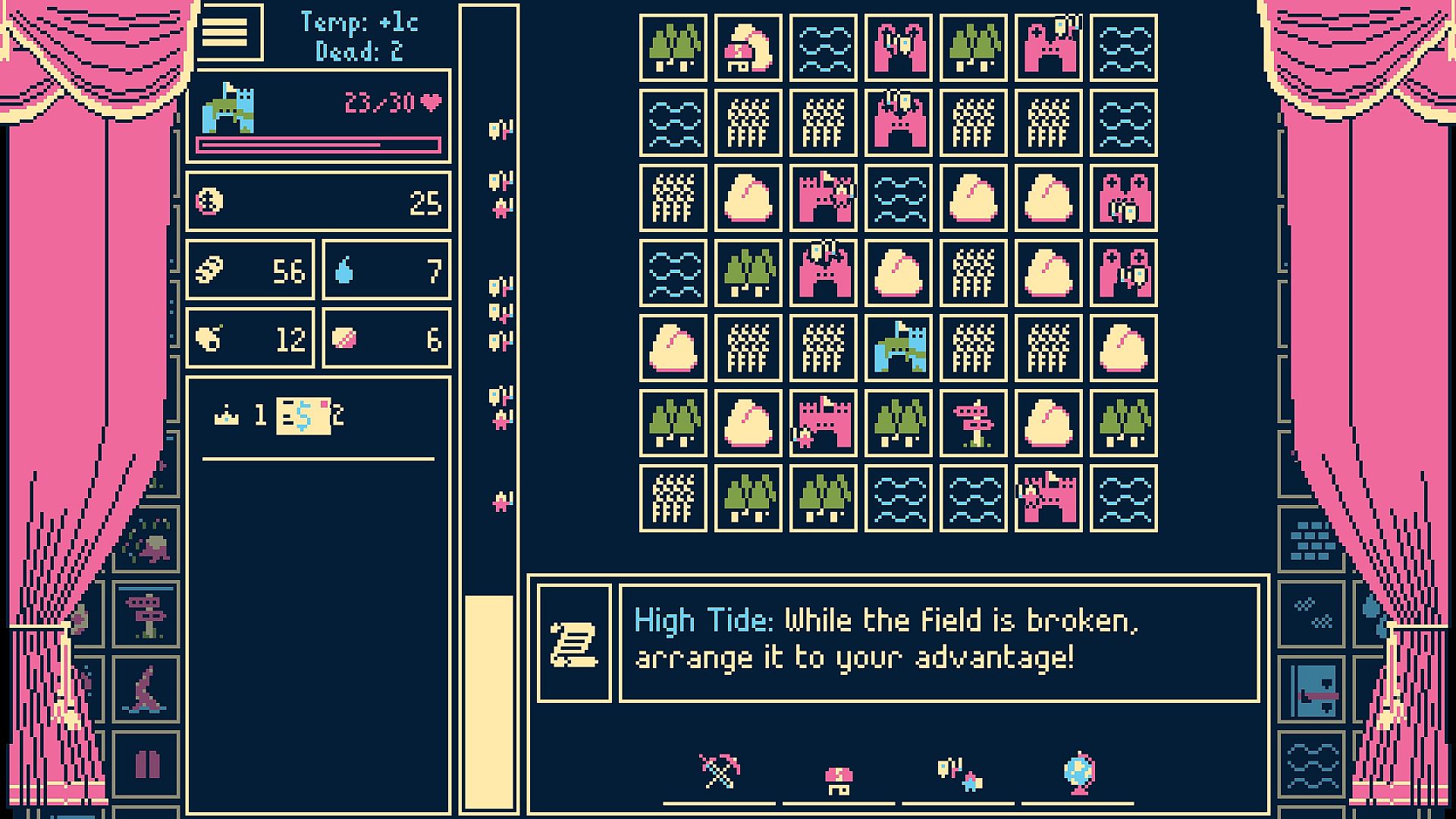
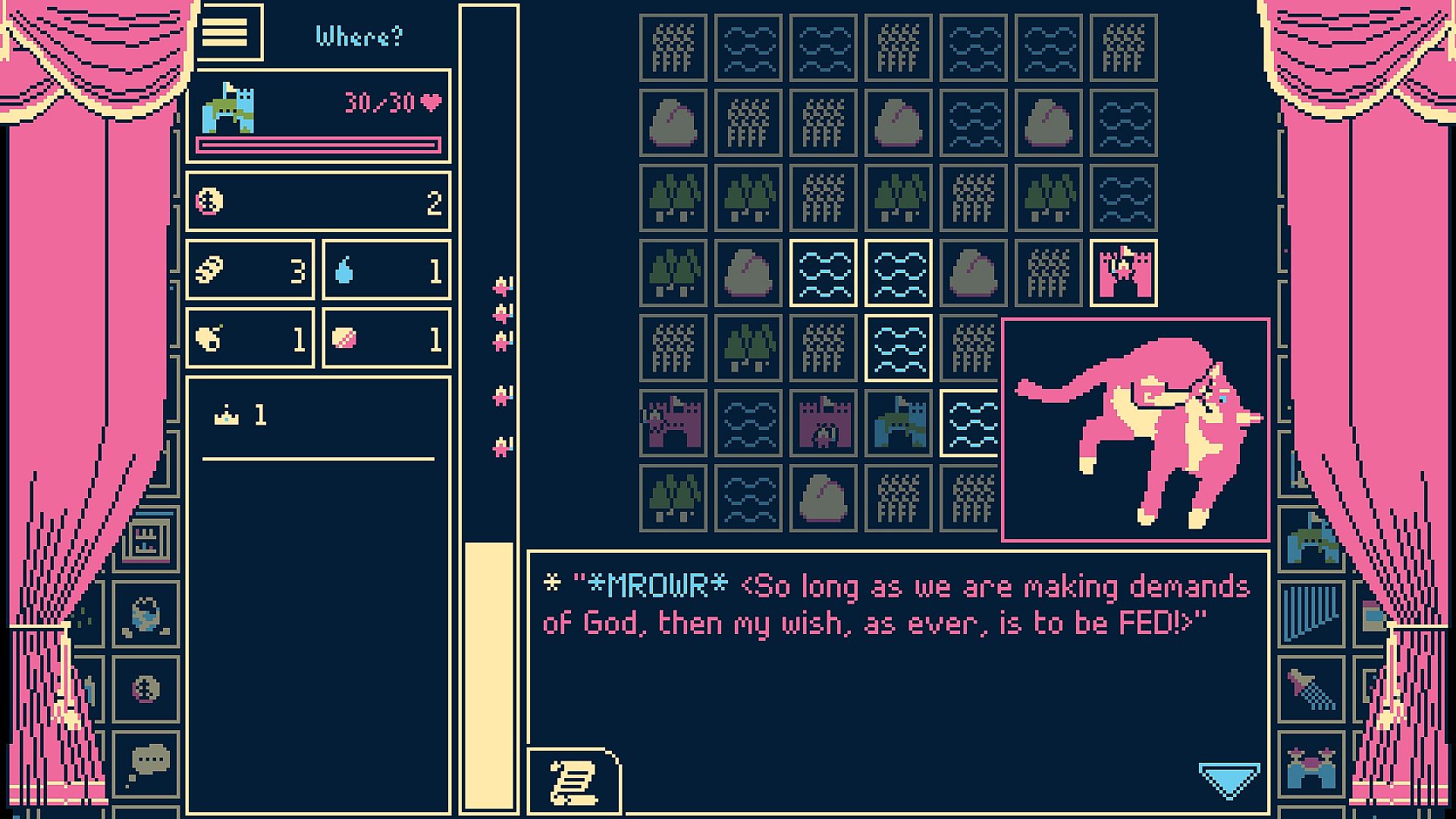
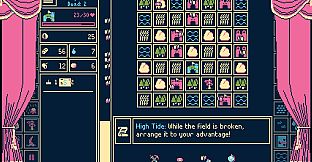
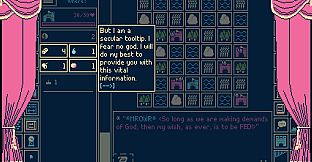
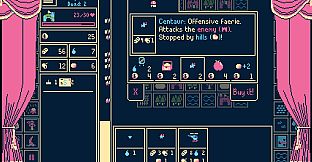
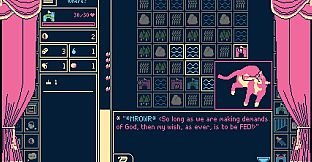
Core play revolves around two distinct phases in each battle. During High Tide, players rearrange terrain tiles on a grid through match-3 swaps to shape the battlefield favorably. Matching groups of identical tiles such as forests, rivers, or mountains yields resources while also repositioning defensive features and removing enemy structures. This phase emphasizes planning cascades and positioning to control the flow of the upcoming fight.
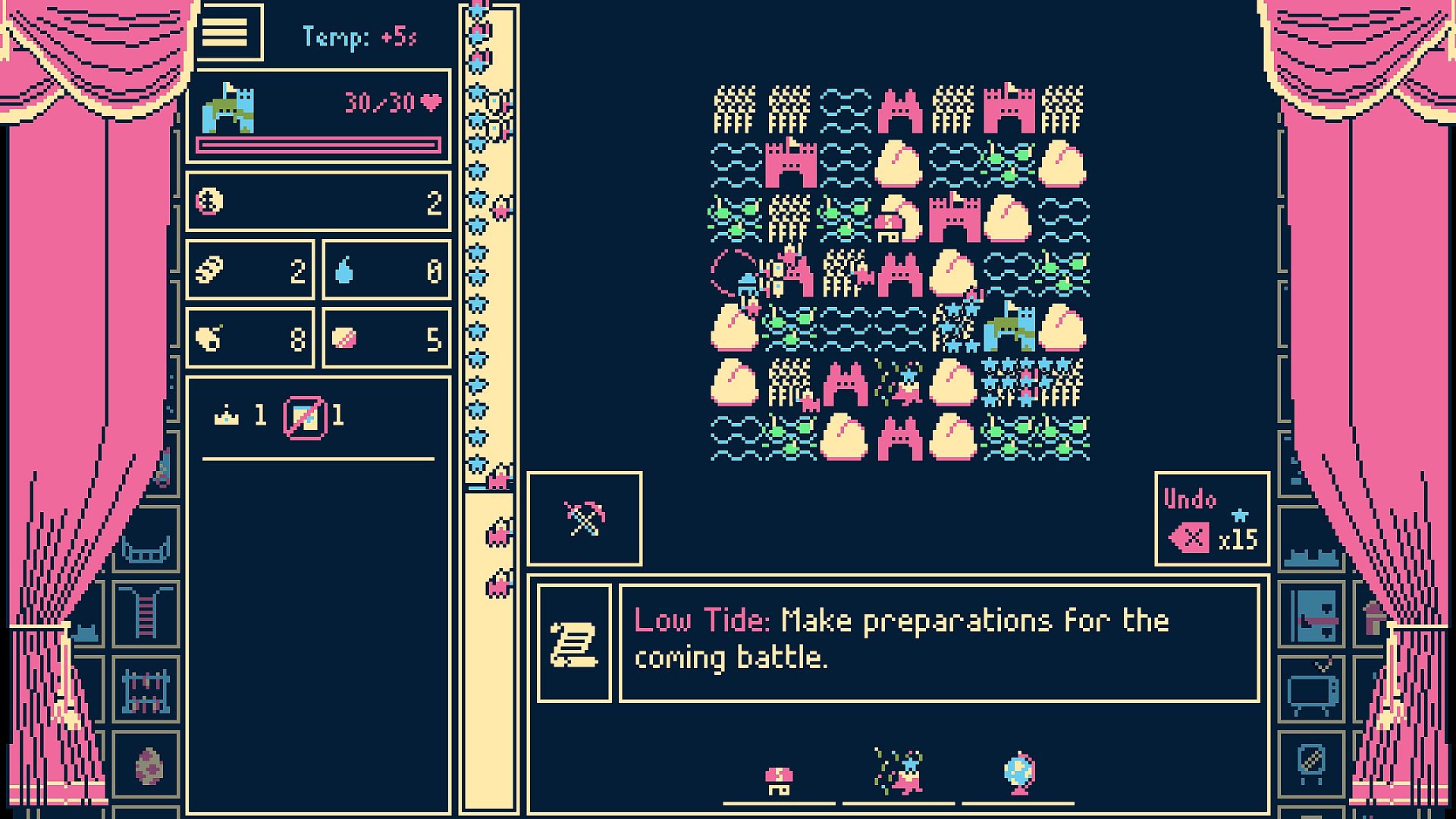
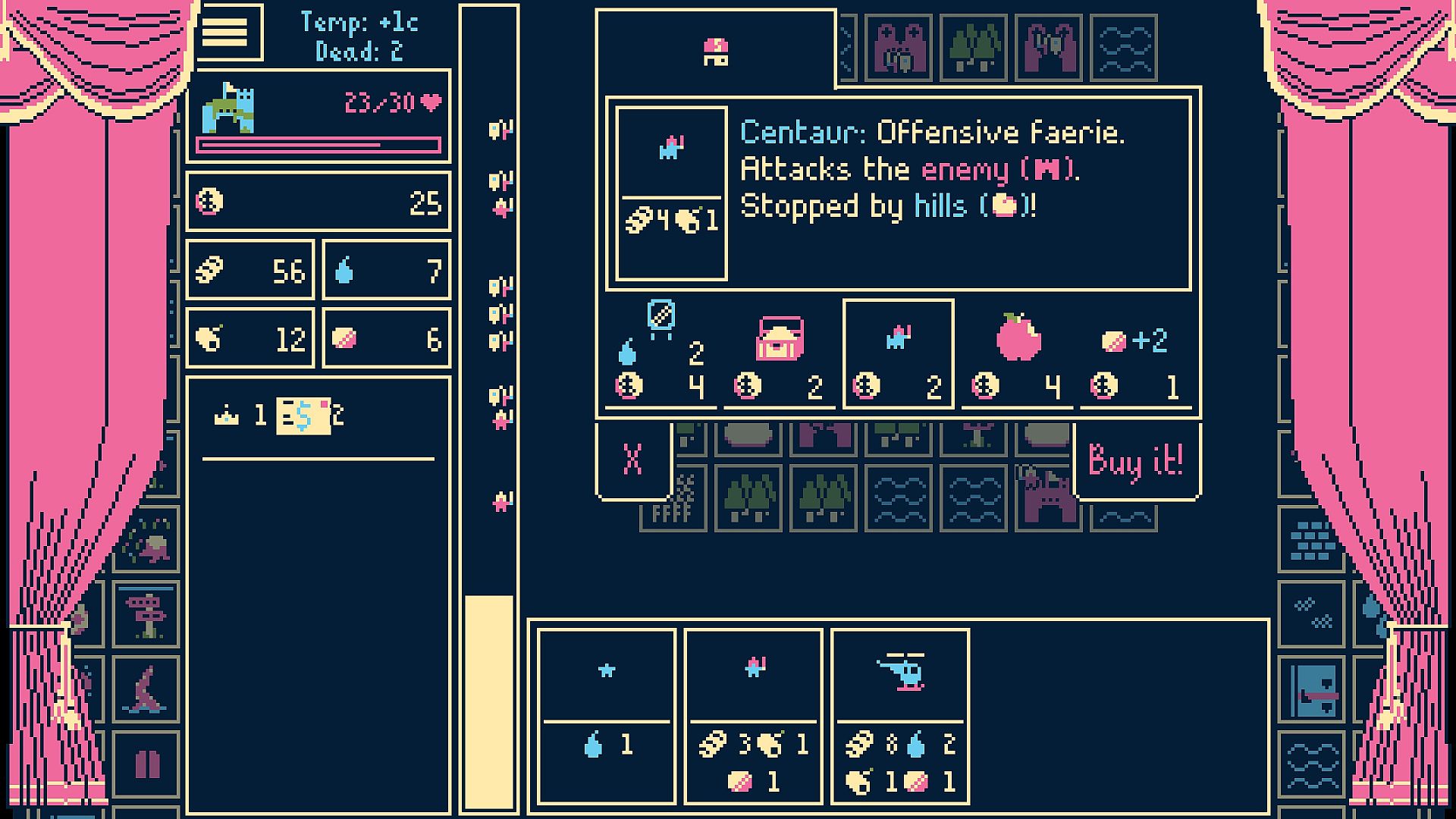
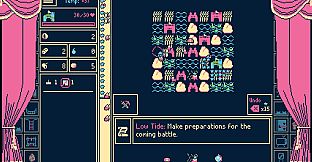
Low Tide shifts focus to deployment and resolution. Resources gathered earlier fund the placement of farmers who harvest additional materials over time and soldiers who automatically engage enemies in a tower defense sequence. Units move and attack without further input once deployed, so success depends on the terrain setup from the prior phase and the timing of purchases or upgrades. Runs consist of chained battles that escalate toward larger threats, with roguelite progression allowing carryover of certain advantages across attempts.
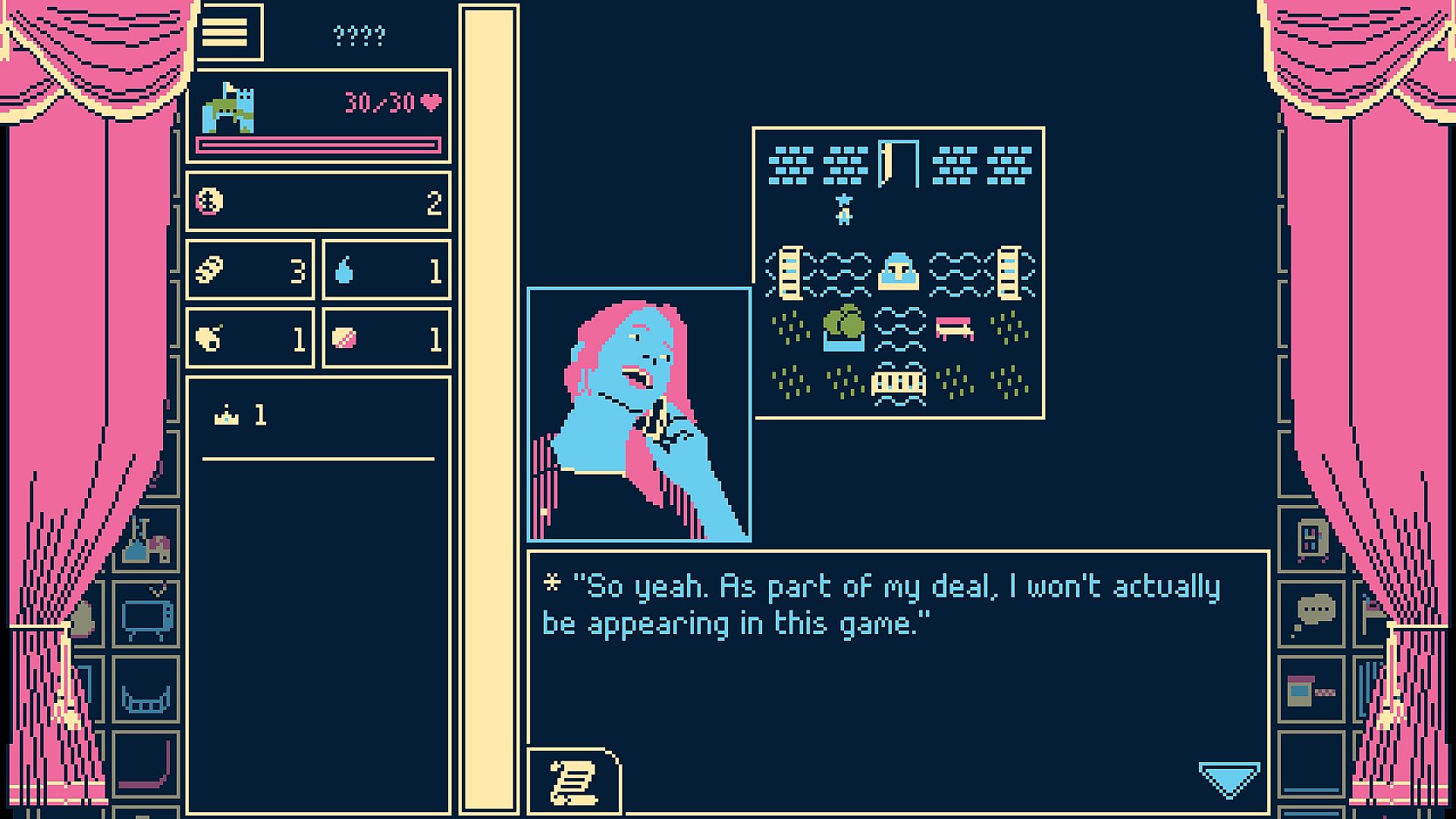
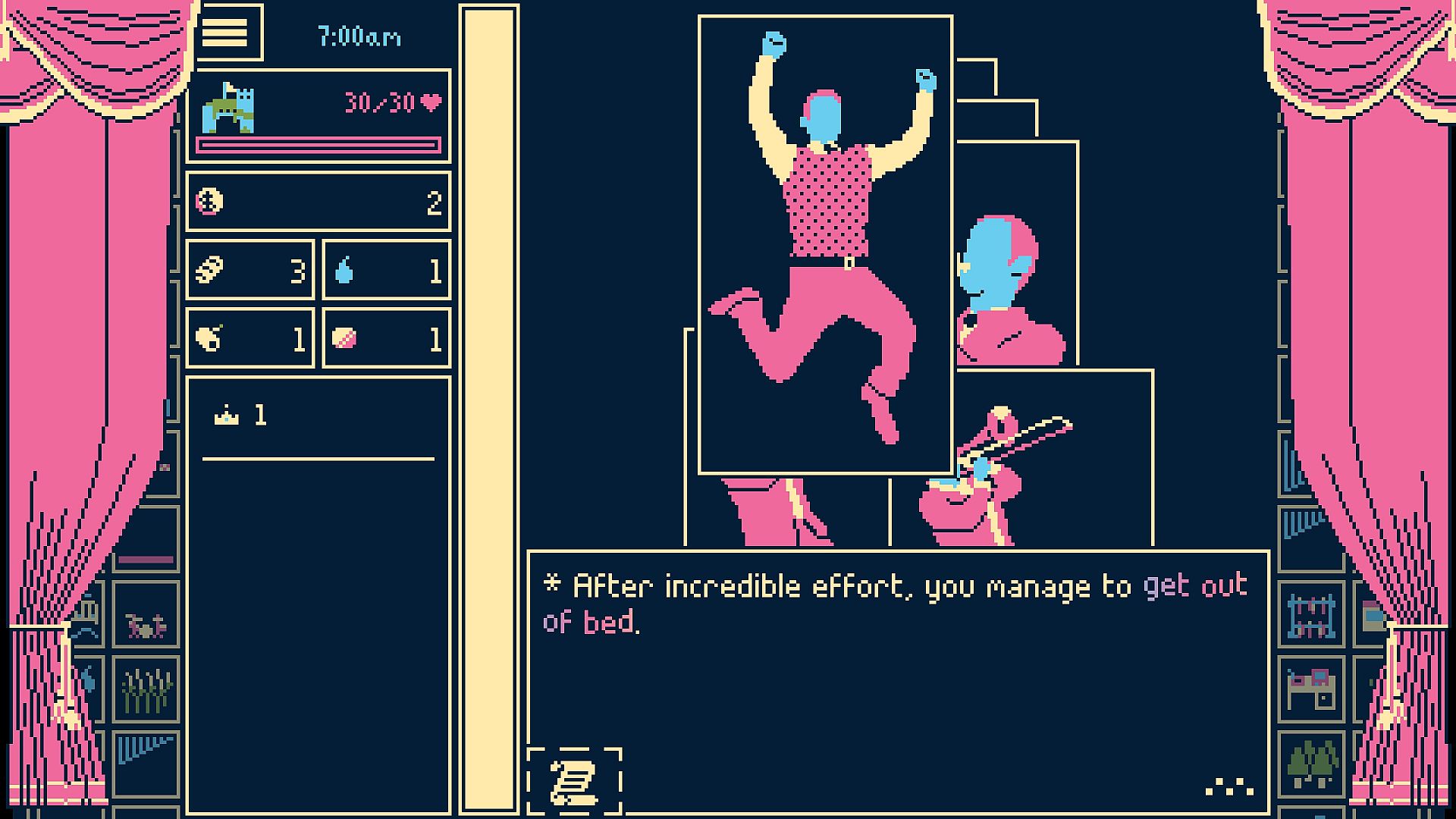
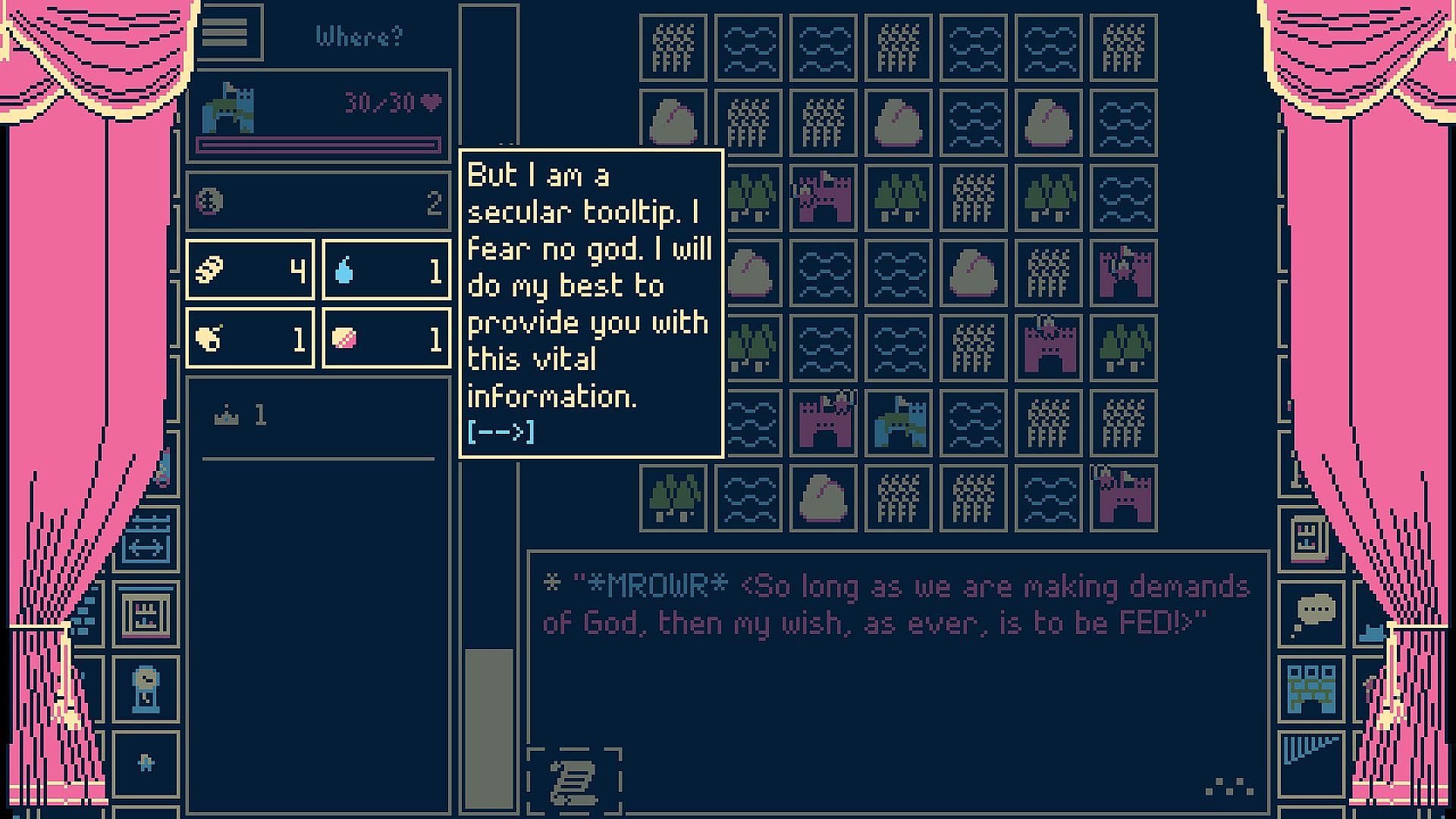
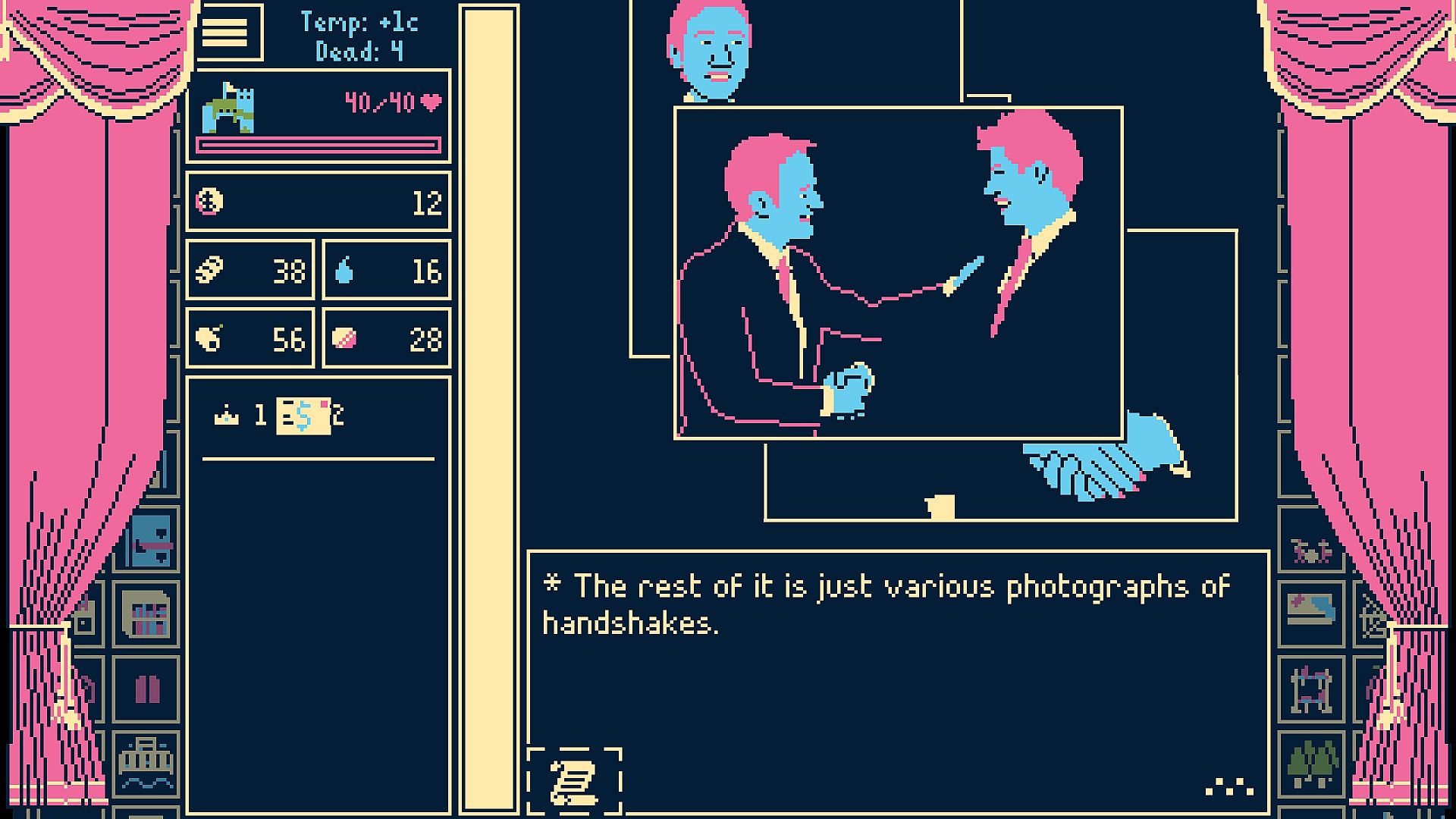
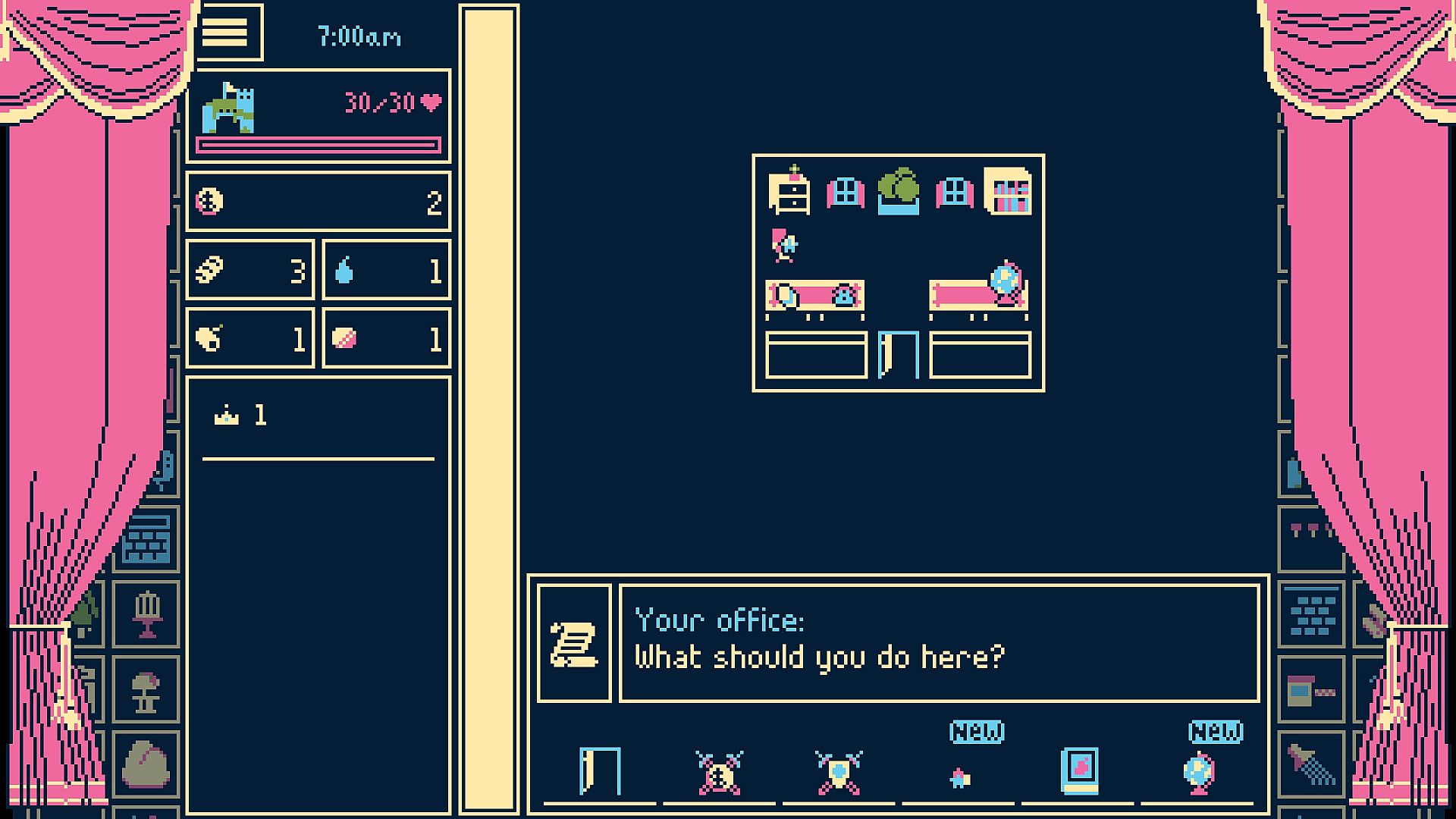
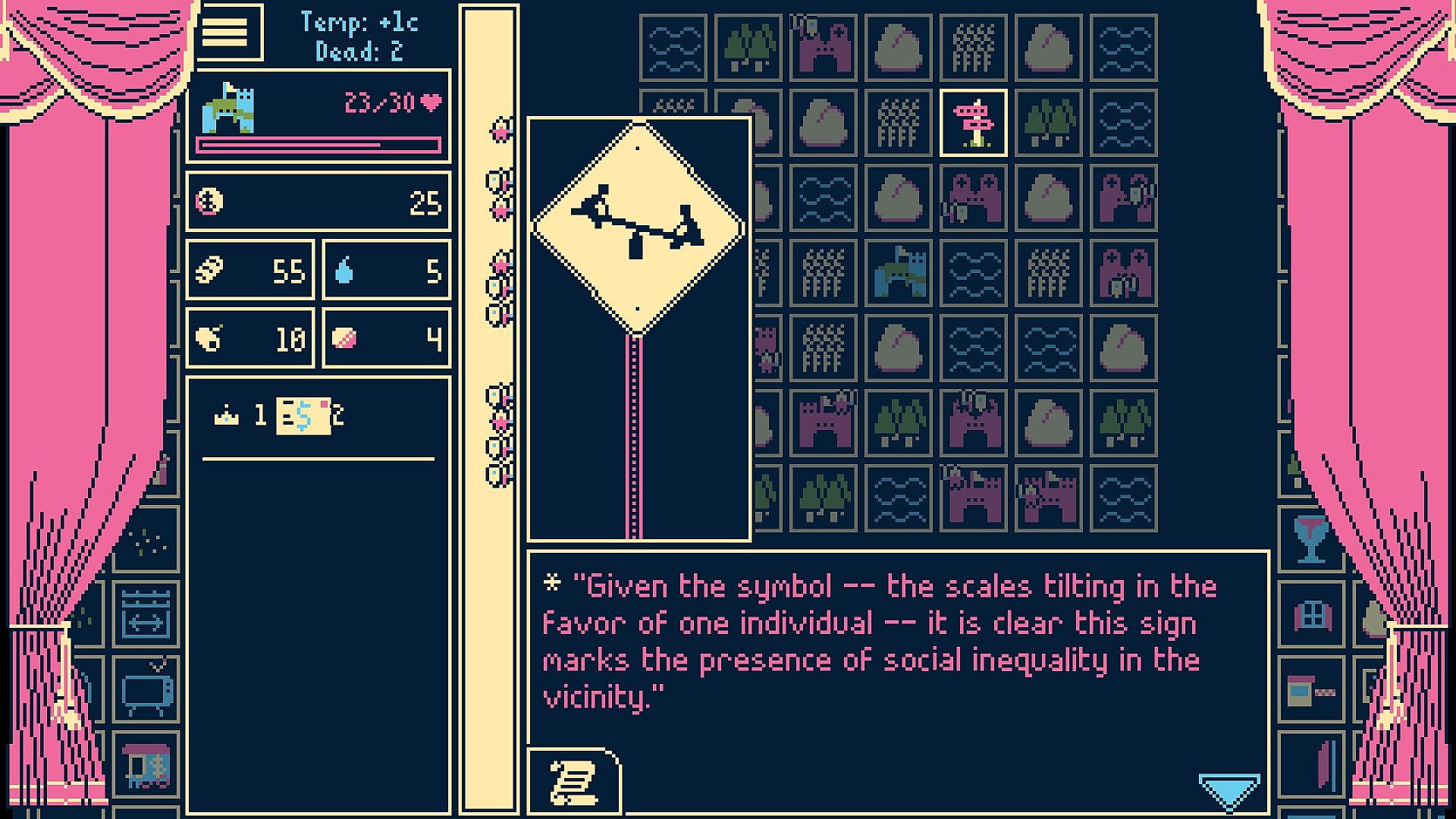
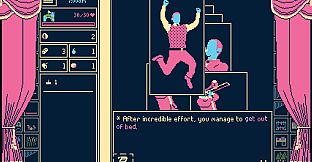
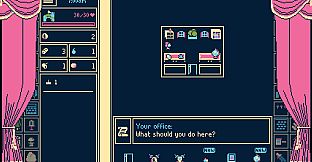
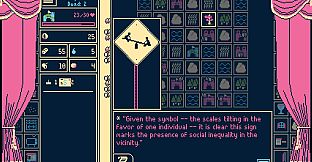
Between battles, players navigate the court through point-and-click interactions that advance a surreal story. Choices influence available jobs or upgrades, such as roles that alter resource generation or tile effects during matches. The narrative incorporates absurd humor and meta elements while tracking the search for a missing queen and other eccentric objectives.
Game Modes
The game centers on a single-player campaign structured around repeated runs, referred to internally as wars. Each run comprises a series of battles that test the match-3 and deployment loop against progressively stronger opposition. Procedural elements in tile layouts and enemy placements ensure variety across attempts, while persistent story threads and job selections provide continuity.
No separate competitive or cooperative modes exist. All activity stays within the roguelite framework of the main campaign, where failure returns the player to the court hub for reflection and preparation before the next attempt. The structure rewards experimentation with different jobs and terrain strategies over multiple runs that typically span several hours each.
Narrative and Progression
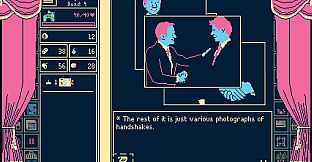
Story segments unfold in a lo-fi visual novel format that punctuates the tactical battles. Residents of the court offer tasks and dialogue that reveal more about the setting while advancing personal goals like locating lost keys. Job selection serves as a key progression system, granting specialized abilities that influence both puzzle solving and combat outcomes in subsequent runs.
Upgrades and resources carry forward selectively, encouraging players to explore different career paths such as those focused on destruction, deception, or influence. The overall loop balances short tactical sessions with longer narrative interludes, creating a rhythm suited to repeated play without requiring lengthy commitments per sitting.
Is It Worth Playing?
Titanium Court stands out for its inventive fusion of match-3 puzzles and strategic defense within a distinctive single-player package. It has earned strong critical praise for its originality and depth, including major awards at the Independent Games Festival. Player feedback highlights the satisfying tile-matching loop and the quirky writing that sustains interest across multiple runs.
The game suits those who enjoy puzzle-strategy hybrids and are open to unconventional storytelling. With playtimes ranging from six to thirty hours depending on how thoroughly runs are explored, it offers solid value for fans of roguelite systems and resource management. Those less inclined toward match-3 mechanics may find the core loop less appealing, but the surrounding elements provide enough variety to reward dedicated players. The upcoming PS5 release brings the same acclaimed experience to console audiences seeking a thoughtful, replayable strategy title.