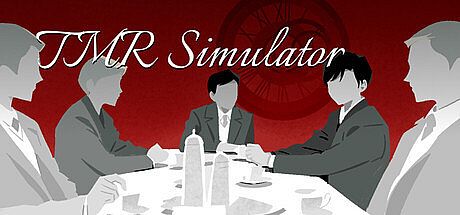



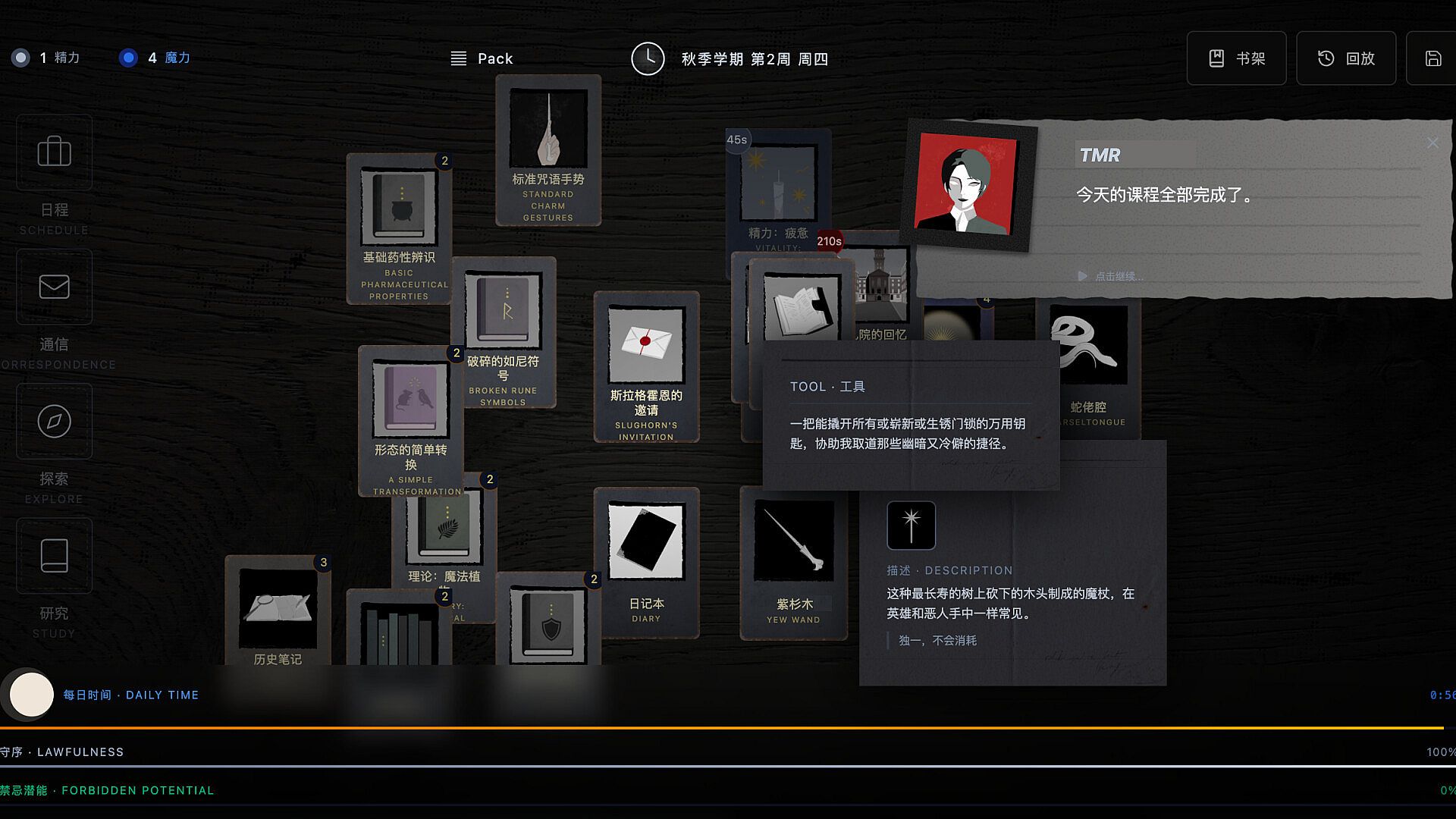
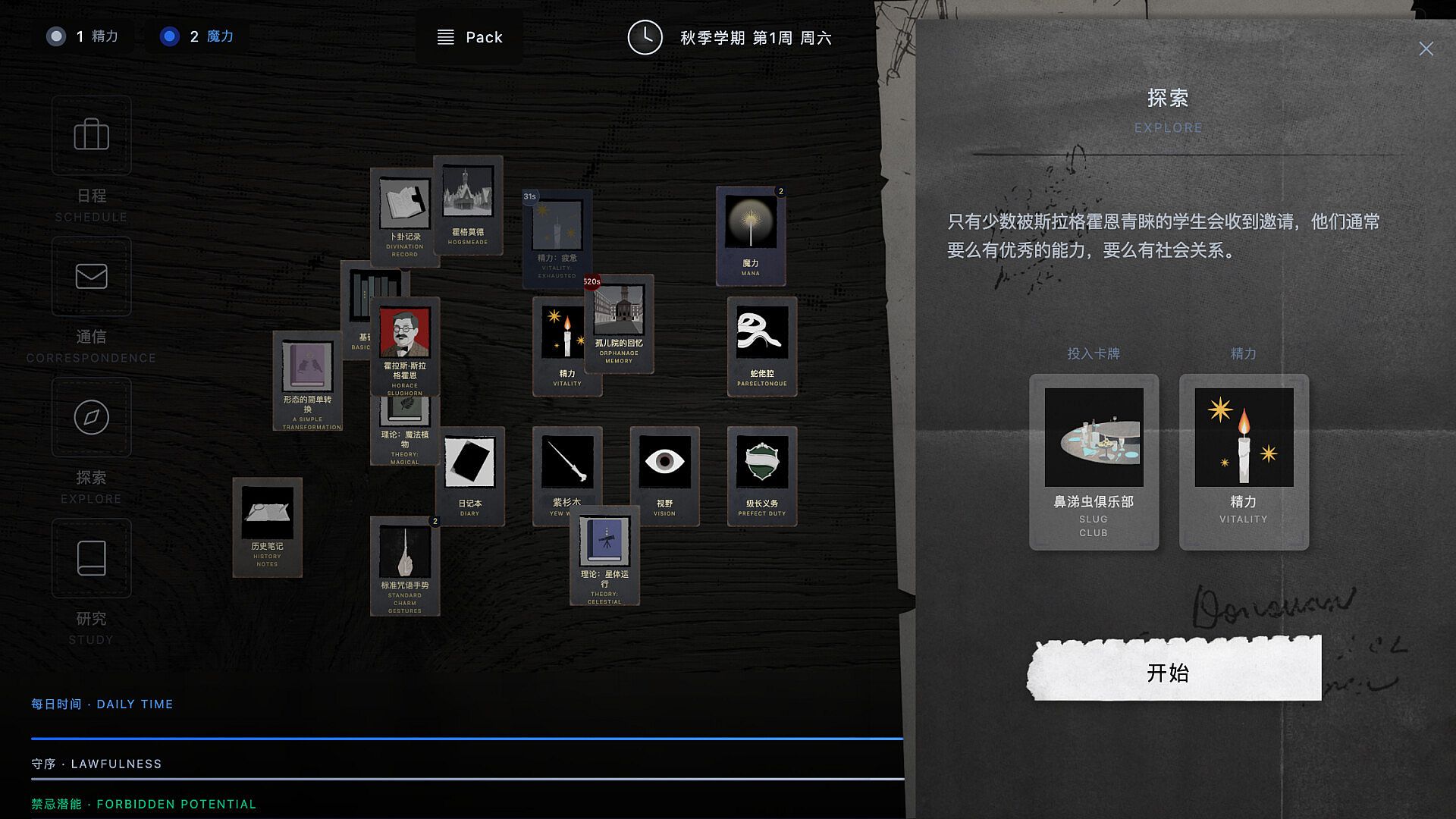
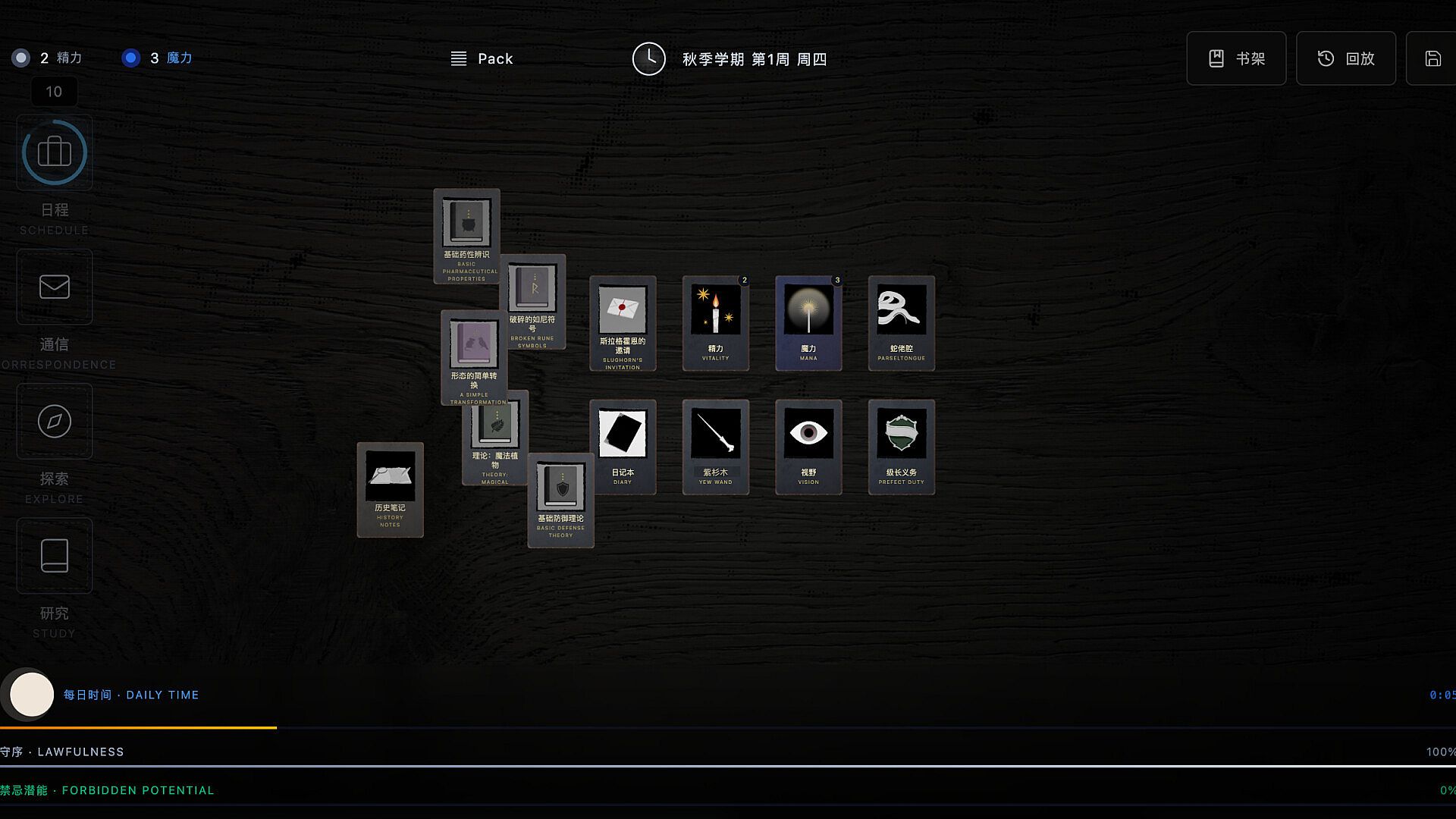
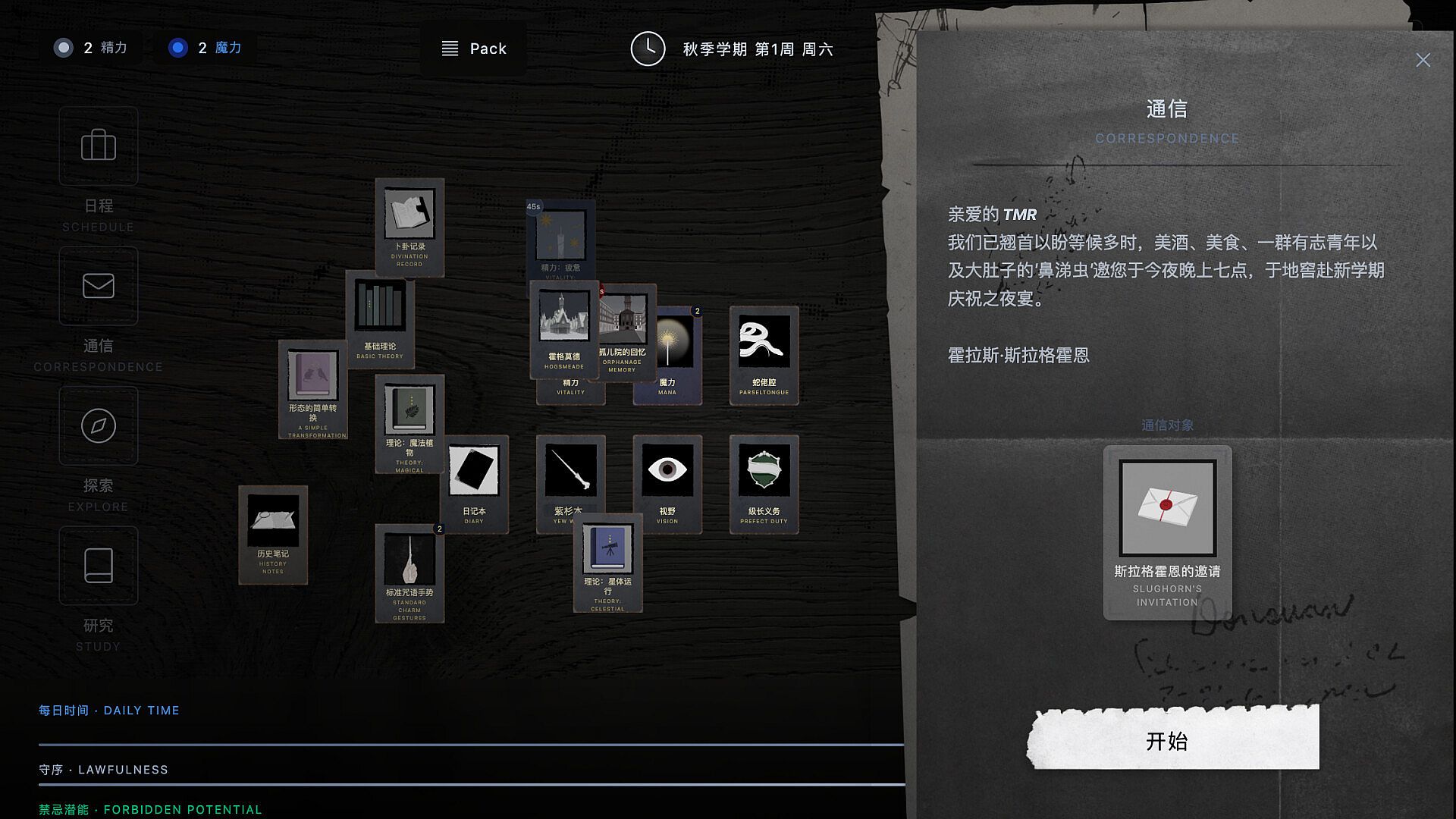
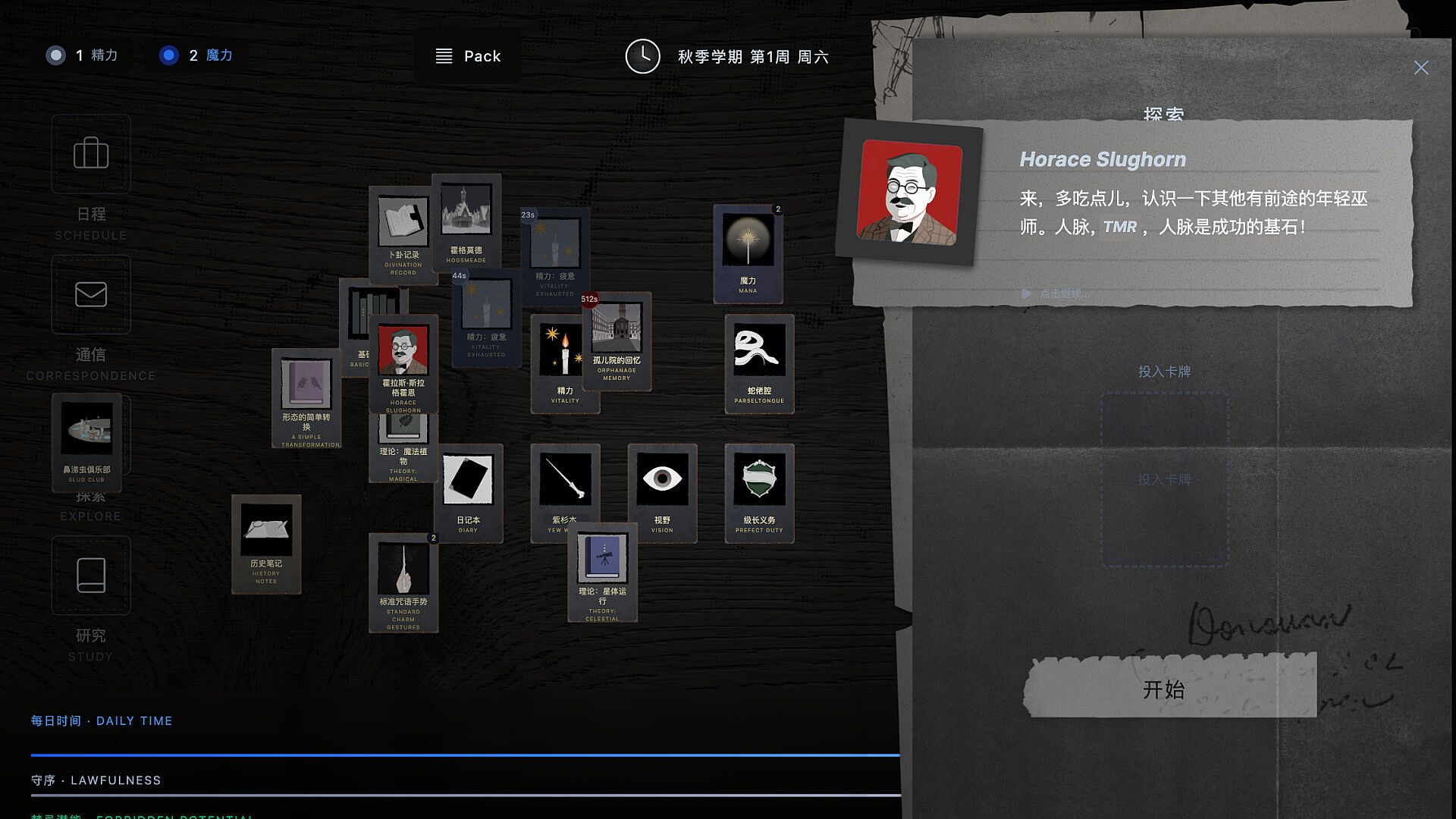
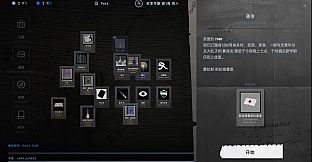
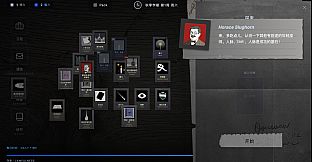
TMR Simulator ist ein kostenloses Singleplayer-RPG, das im Sommer 1942 an einer magischen Schule spielt. Man übernimmt die Rolle eines Schülers, der eine Position mit gewisser Autorität erreicht hat und nun zwischen Unterricht, sozialen Beziehungen, offiziellen Pflichten und persönlicher Erkundung jonglieren muss, während er Geheimnisse über die eigene Herkunft aufdeckt. Das Spiel legt den Schwerpunkt auf die sorgfältige Planung des Tagesablaufs und nutzt ein Kartensystem, um Handlungen zu lösen und neue Ergebnisse zu erzeugen.
Gameplay
Im Mittelpunkt steht die Verwaltung eines begrenzten Zeitplans, der aus Unterricht, Archivrecherchen, Dorfausflügen und Gesprächen mit Lehrern und Mitschülern besteht. Spieler ziehen Karten für Wissen, Energie oder Material in Aktionsfelder, um Aufgaben zu erledigen. Passende Karten können kombiniert werden, um neue Ergebnisse wie tiefere Erkenntnisse oder veränderte soziale Dynamiken zu erzielen. Die getroffenen Entscheidungen beeinflussen Beziehungen und eröffnen unterschiedliche Wege zu verschiedenen Abschlüssen am Ende des Semesters. Erkundung und Lesen erweitern die verfügbaren Optionen, während offizielle Aufgaben strukturierte Möglichkeiten bieten, die begrenzte Autorität auszuüben.
Zeitmanagement ist die zentrale Herausforderung. Jede Aktivität verbraucht Teile des Tages, sodass Spieler zwischen akademischem Fortschritt, dem Aufbau von Einfluss und der Suche nach verborgenem Wissen abwägen müssen. Die Geschichte führt zu Enthüllungen über den Hintergrund des Spielers, wobei die Mechaniken strategische Kombinationen und wiederholte Durchläufe für unterschiedliche Ergebnisse belohnen.
Spielmodi
Das Spiel besteht aus einer Singleplayer-Kampagne, die sich über ein Schulhalbjahr erstreckt. Der Fortschritt erfolgt über aufeinanderfolgende Tage, an denen Spieler Aktionen über das Kartensystem auswählen und lösen. Mehrere Enden ergeben sich aus den kumulativen Auswirkungen von Entscheidungen, sozialen Bindungen und erworbenem Wissen. Es gibt keine separaten Wettbewerbs- oder Koop-Modi; der Fokus liegt auf persönlichen Handlungsverzweigungen innerhalb des festgelegten Zeitrahmens des Schuljahres.
Handlung und Setting
Die Geschichte spielt 1942 an einer magischen Bildungseinrichtung. Spieler beginnen mit einem sichtbaren Zeichen wachsenden Status und müssen zwischen Routineaufgaben und der Möglichkeit abwägen, persönliche Geheimnisse zu erforschen. Lehrerversammlungen, Begegnungen in den Fluren und Freizeit im Dorf bieten Gelegenheiten für Einflussnahme und subtile Machtspiele. Der rote Faden ist das Aufdecken von Schichten der Geheimhaltung, das in einer Konfrontation mit größeren Kräften gipfelt, während der Spieler auf eine dominante Position zusteuert.
Die Mechaniken sind eng mit dieser Entwicklung verknüpft. Akademische Aufgaben bauen grundlegendes Wissen auf, während soziale und offizielle Handlungen Allianzen und Privilegien formen. Freizeitaktivitäten bieten nur geringe Entlastung und stehen hinter dem strategischen Wert nützlicher Verbindungen zurück. Das Element des verborgenen Wissens treibt die langfristigen Ziele an und motiviert Spieler, Zeit in Forschung und Erkundung zu investieren, um mehr über die Welt und die Rolle des Protagonisten darin zu erfahren.
Lohnt es sich?
TMR Simulator richtet sich an Spieler, die narrative RPGs mit Zeitmanagement und kartenbasierten Systemen schätzen. Die Singleplayer-Struktur belohnt sorgfältige Planung und das Ausprobieren von Kartenkombinationen, um verschiedene Enden zu erreichen. Als kostenloses Spiel für den PC bietet es einen niedrigschwelligen Einstieg ohne Anschaffungskosten, wobei das volle Erlebnis vom Umgang mit dem Zeitplan und den Entscheidungssystemen abhängt. Wer Geschichten über Ehrgeiz und Geheimnisse in einem strukturierten akademischen Umfeld mag, wird feststellen, dass die Mechaniken eng mit dem beschriebenen Ablauf aus Unterricht, Forschung, sozialen Kontakten und Entdeckungen übereinstimmen. Das Spiel befindet sich noch in der Vorabversion und es liegen derzeit keine Nutzerbewertungen vor.