

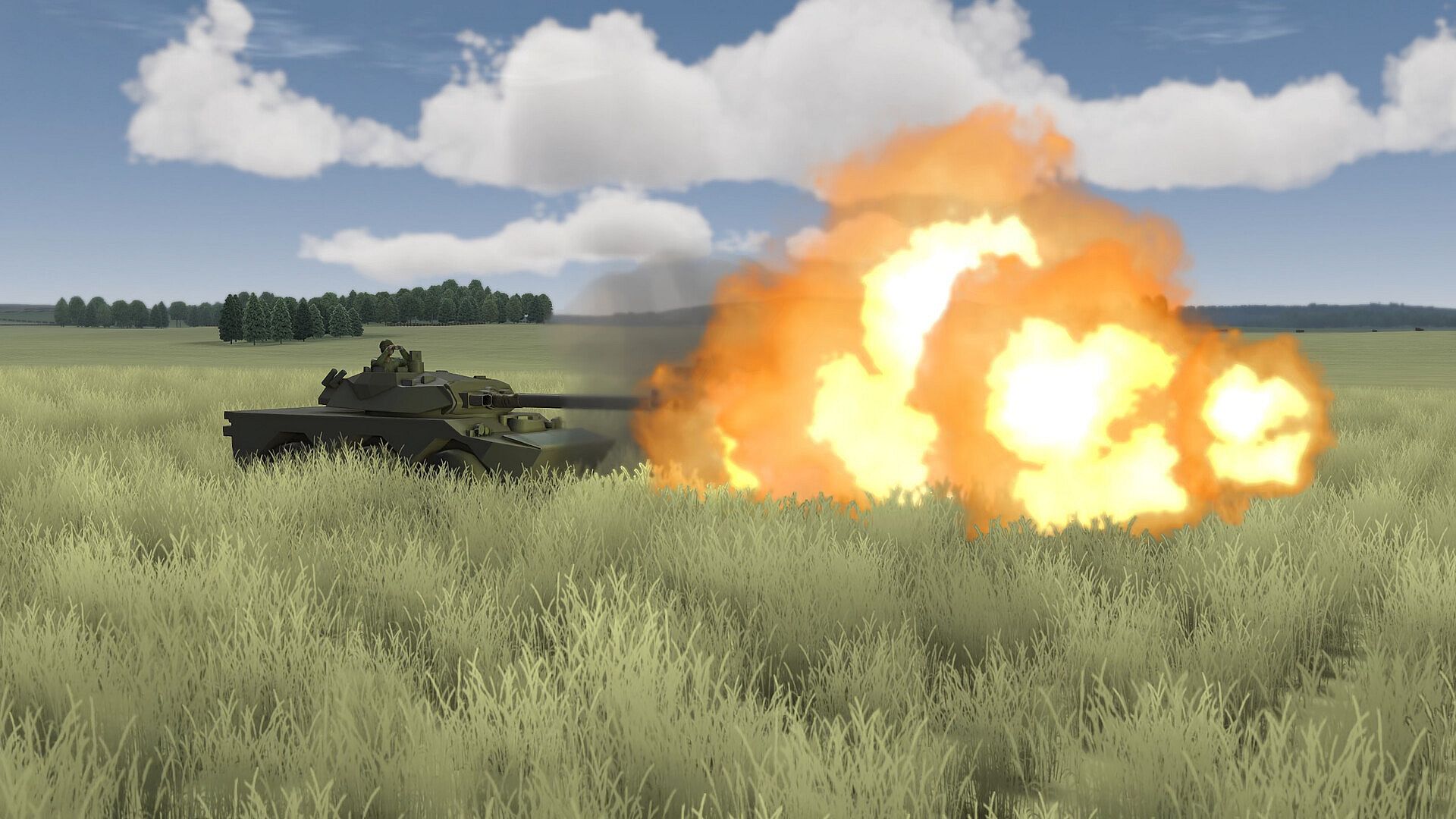
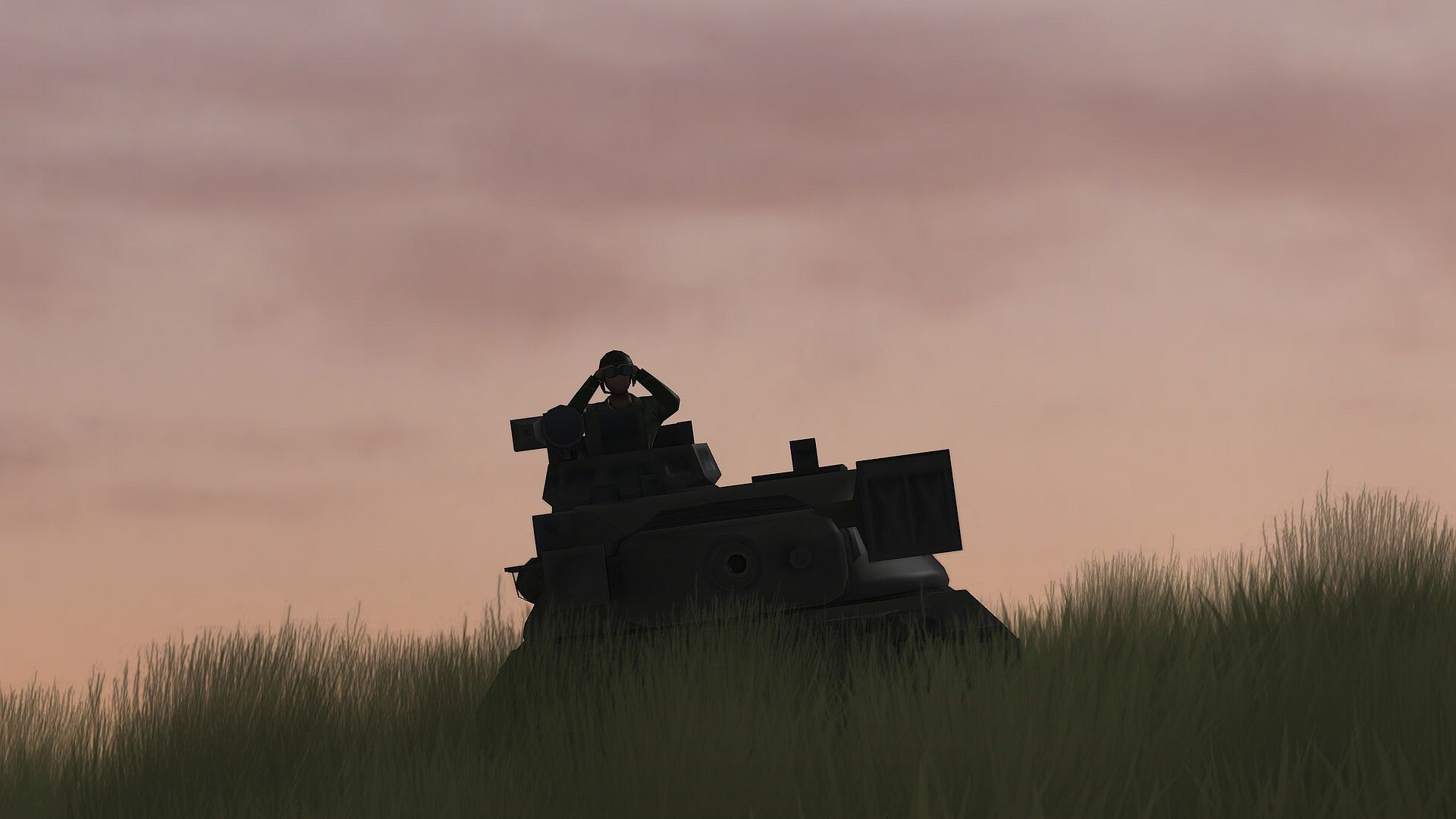
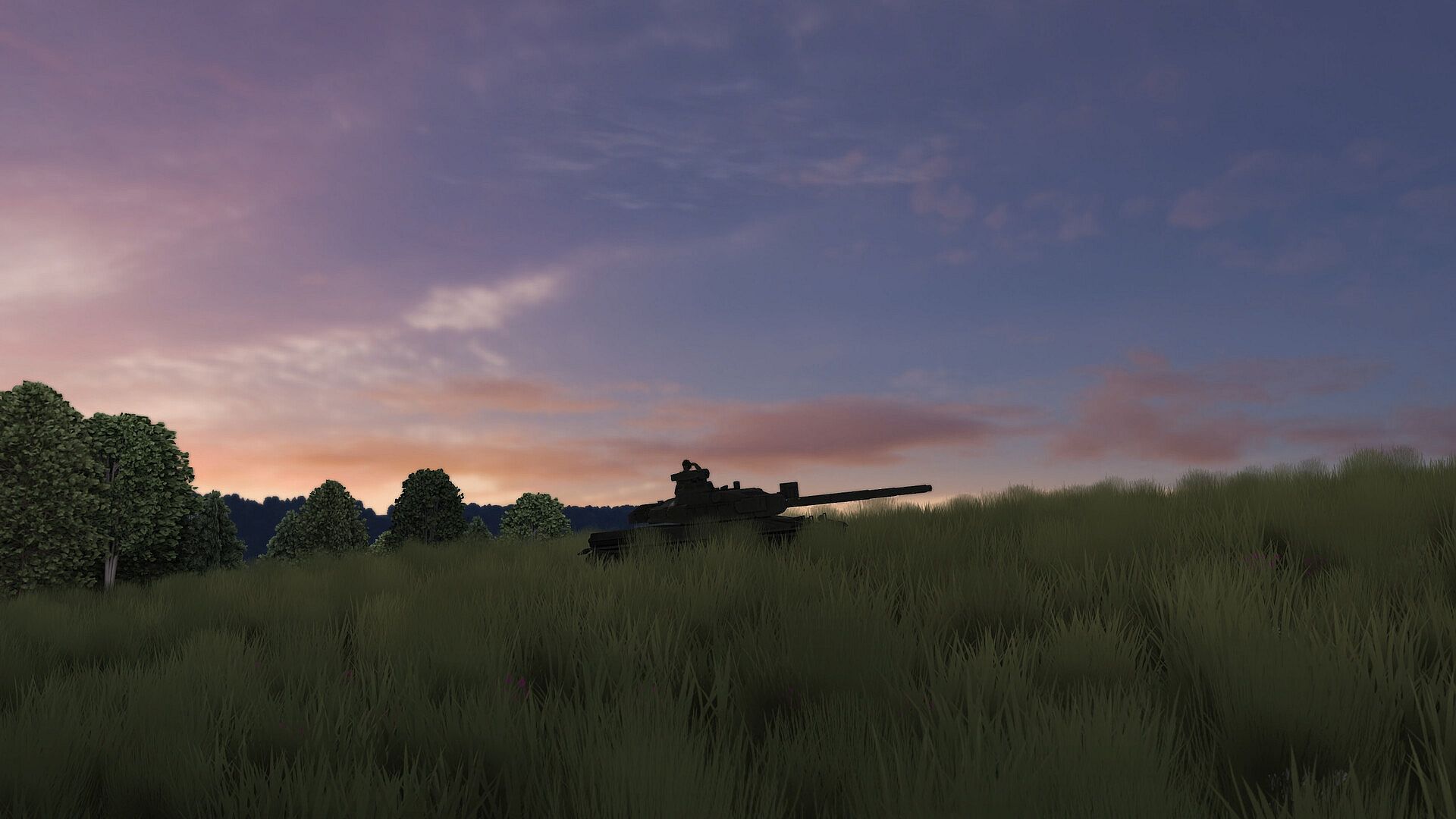
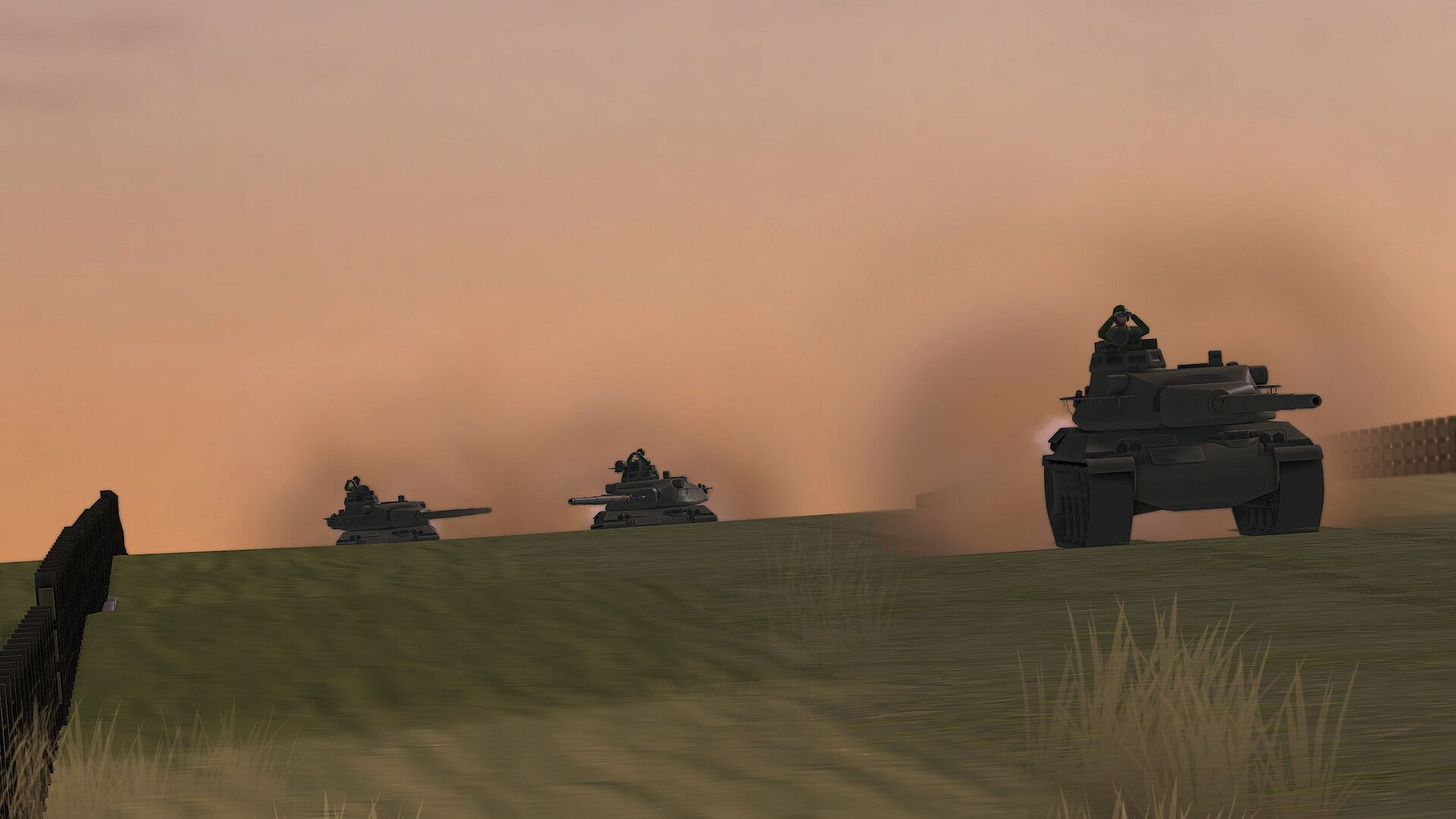
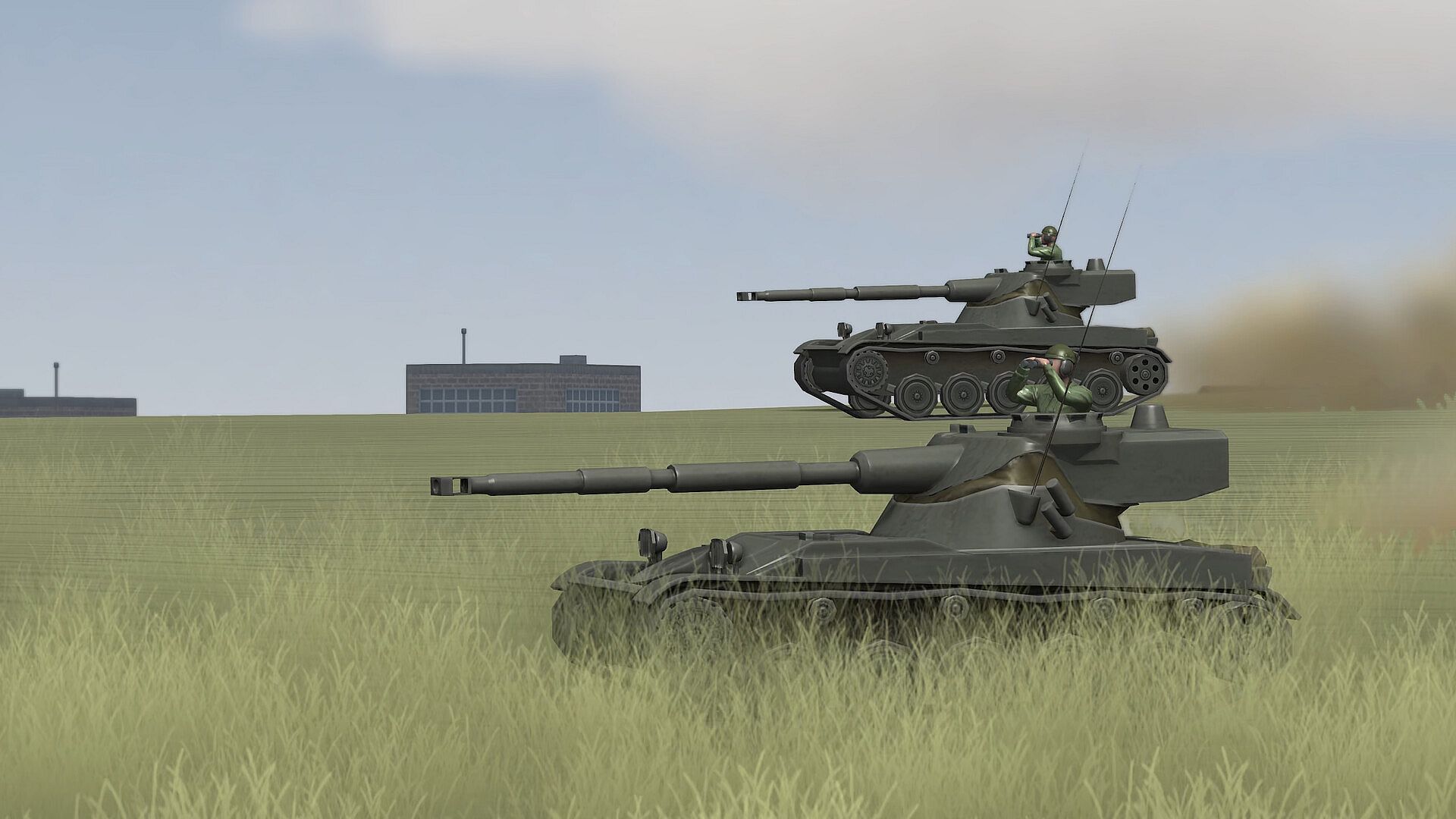
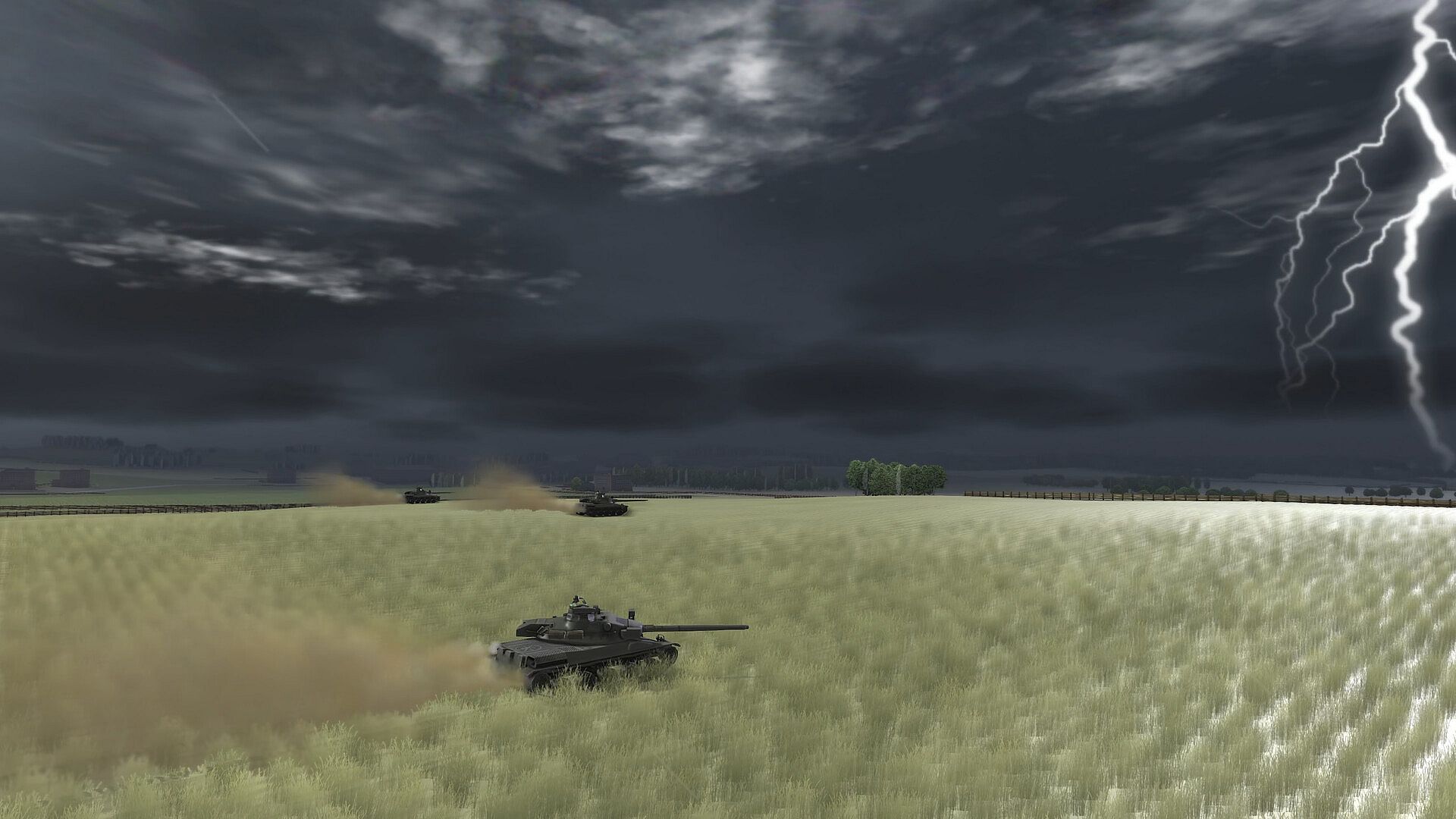
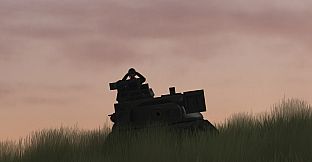
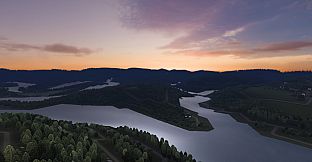
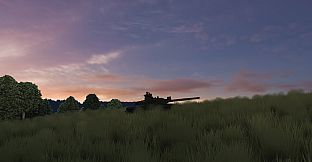
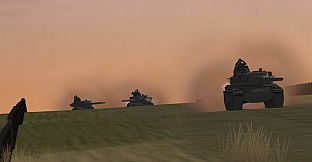
Armored Brigade II: Rhine Shield is a strategy and simulation game that adds three new NATO armies to the Cold War tactical wargame. Players command French, Belgian, and Dutch forces across three decades of potential conflict in Central Europe, bringing over 400 new units, a fresh 30 by 30 kilometer map, and dedicated campaign content to the existing framework of realistic combined arms battles.
Gameplay
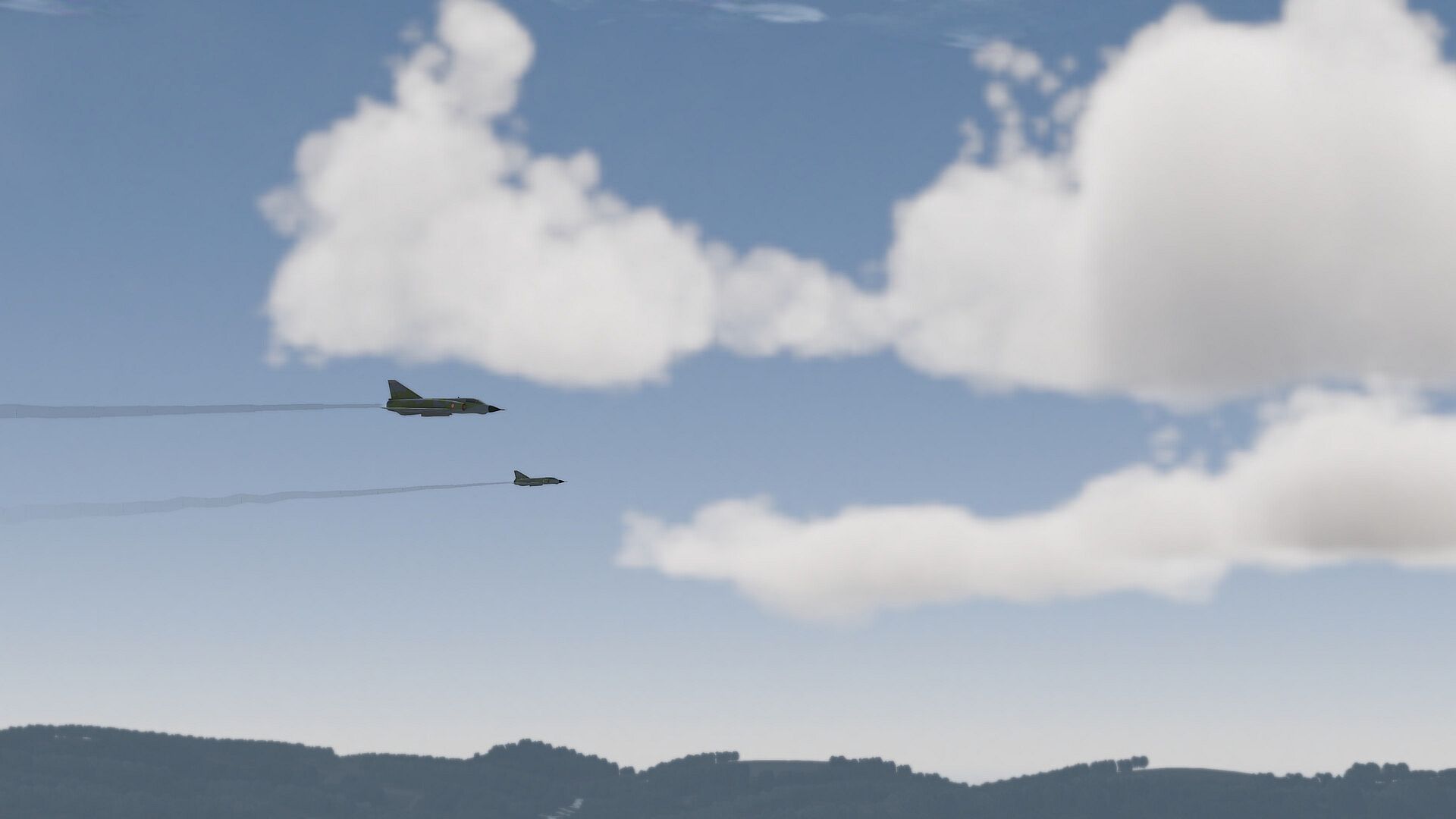
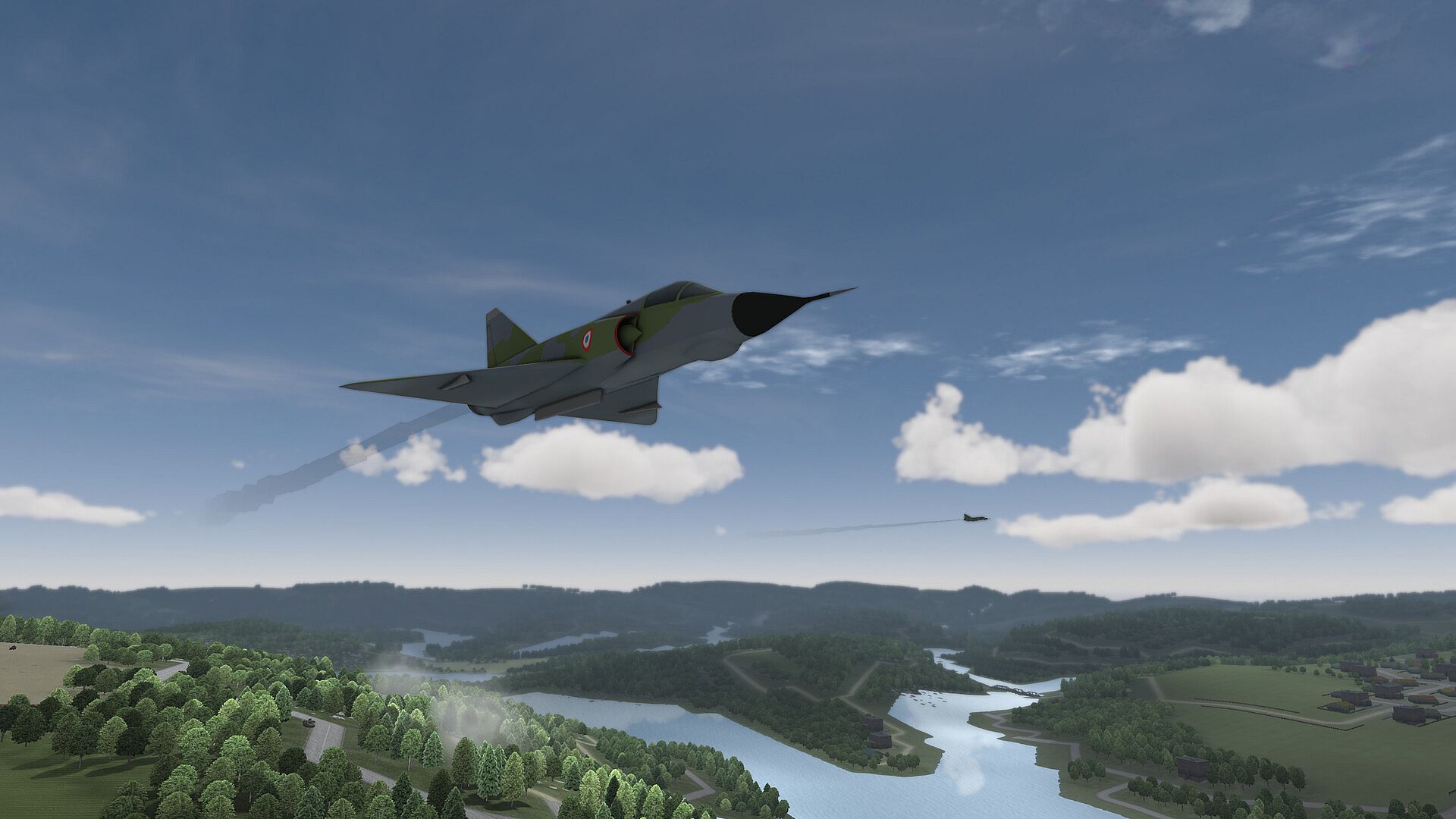
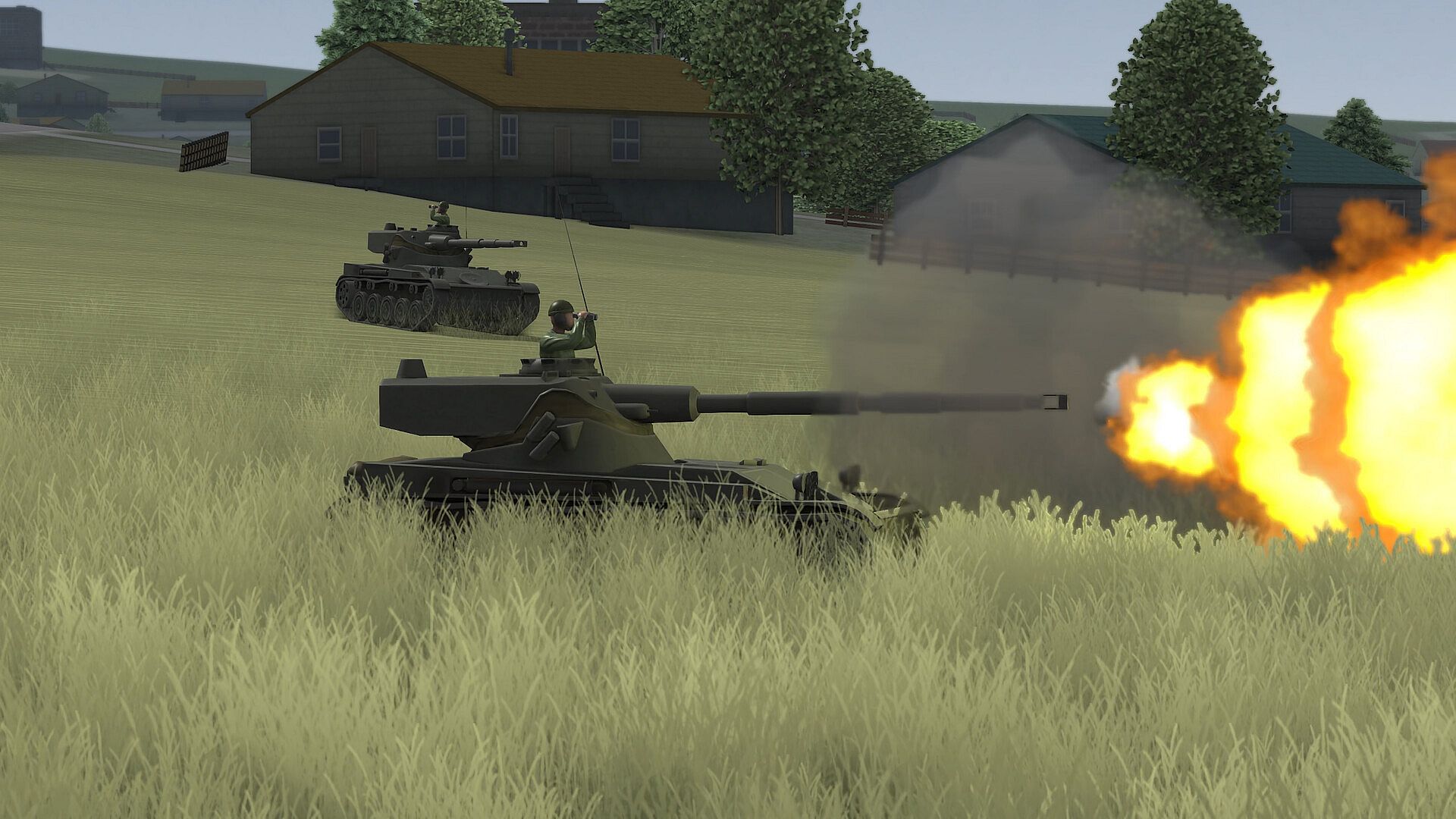
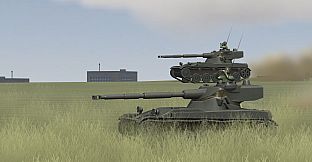
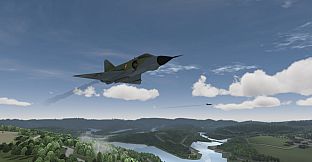
The core experience revolves around issuing orders to individual vehicles, teams, and formations in a pausable real-time environment or through a turn-based system. Command delays reflect realistic communication chains, while factors such as morale, training, fatigue, weather, time of day, and line of sight influence every engagement. National doctrines shape how each army performs. French units emphasize speed and long-range anti-armor strikes with equipment like the AMX-30 and AMX-10RC, favoring mobile reconnaissance and helicopter support over heavy armor. Belgian forces draw from a mixed inventory that includes Leopard 1 tanks, M113 carriers, and Mirage 5 aircraft, requiring players to balance diverse capabilities in a compact corps sector. Dutch mechanized units built around Leopard 1 and Leopard 2 tanks, YPR-765 infantry vehicles, and TOW missiles reward careful positioning on open terrain before an enemy advance develops.
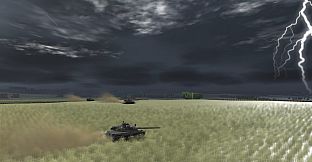
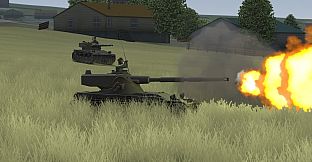
Real-world terrain maps support large-scale maneuvers from platoon actions up to battalion-level fights. Artillery delivers multiple munition types, air defenses contest close air support, and fortifications or obstacles can be breached or bypassed. Visibility changes with smoke, flares, and night vision gear, while ground conditions affect movement and firing. The lowest command level remains a single team or vehicle, giving fine control without overwhelming micromanagement once formations are organized.
Game Modes
Content centers on single-player scenarios and campaigns. Three new linear campaigns place players in specific defensive or counterattack roles across the North German Plain, West German farmland, and Ardennes hills. Six standalone single missions offer focused encounters that highlight the strengths and limitations of the added armies. Battle and campaign generators allow creation of custom engagements on the new map or existing terrain, with options to adjust force composition, time period, and objectives for repeated play.
These modes integrate with the base game's systems for unlimited variety. Players select armies, deploy formations, designate artillery targets, and execute plans while adapting to dynamic AI responses and changing battlefield conditions.
The New Armies and Map
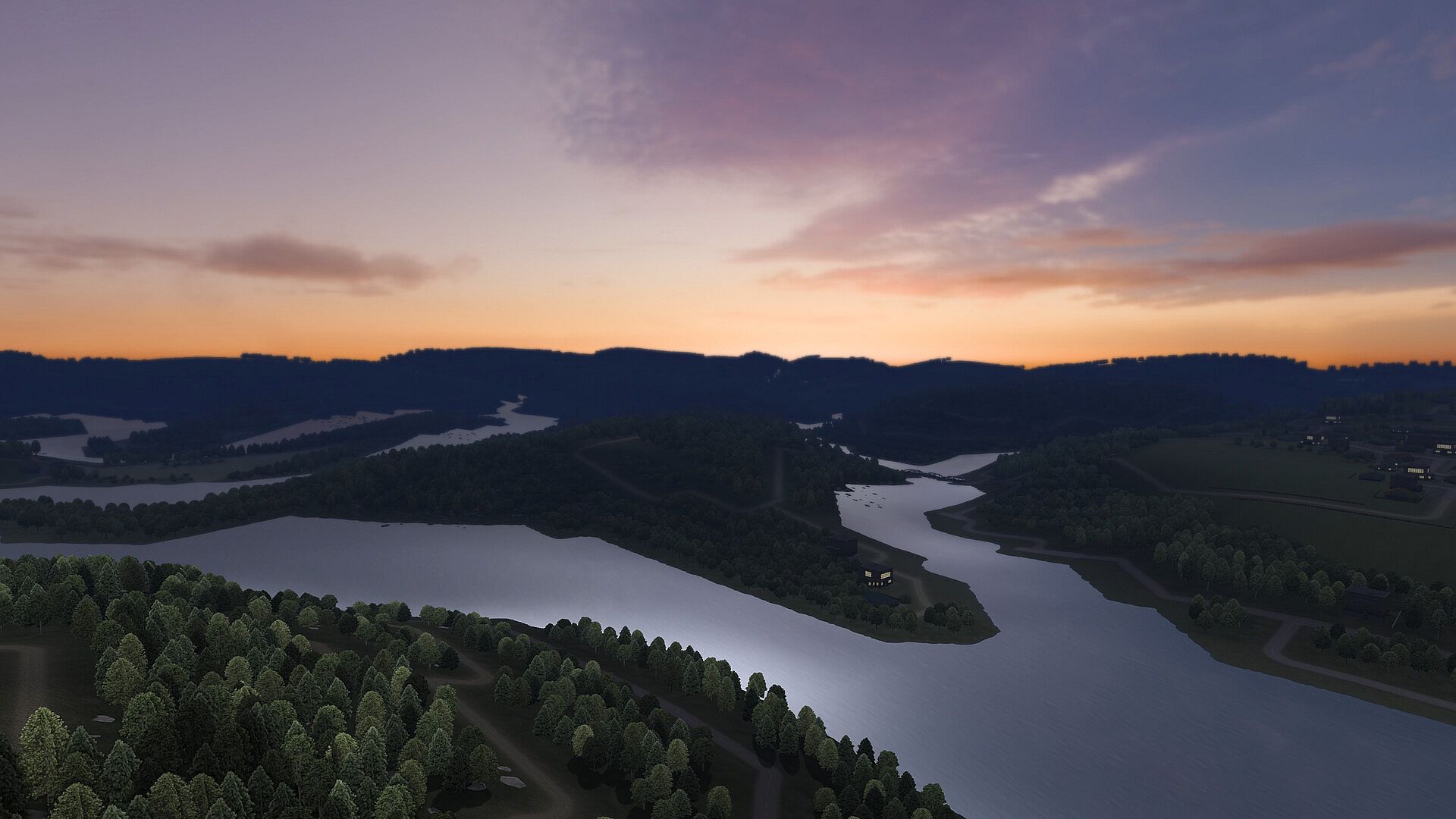
France operates with independent equipment and a focus on rapid intervention forces introduced in the 1980s. Belgium fields one of NATO's most varied arsenals drawn from multiple nations, supported by a large conscript and reserve pool. The Netherlands fields a heavily mechanized corps suited to the exposed northern sector, where timely arrival at defensive positions often determines the outcome. The new 30 by 30 kilometer map covers terrain suited to these doctrines, from open plains to wooded hills, allowing different armies to leverage their mobility, balance, or coordination advantages.
Is It Worth Playing?
Armored Brigade II maintains Very Positive reception on its primary platform, with players highlighting the depth of unit simulation, authentic terrain, and replayability through generators. Recent updates continue to refine AI behavior, add content, and improve performance. The expansion fits players who enjoy deliberate planning, national equipment differences, and large-scale Cold War scenarios without multiplayer elements. Those seeking quick action or visual spectacle may find the pace and learning curve demanding, while fans of detailed tactical simulations will appreciate the added variety in forces and the new map's strategic options. The game remains available as a complete package with ongoing support for single-player content.