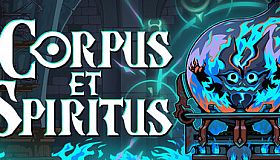


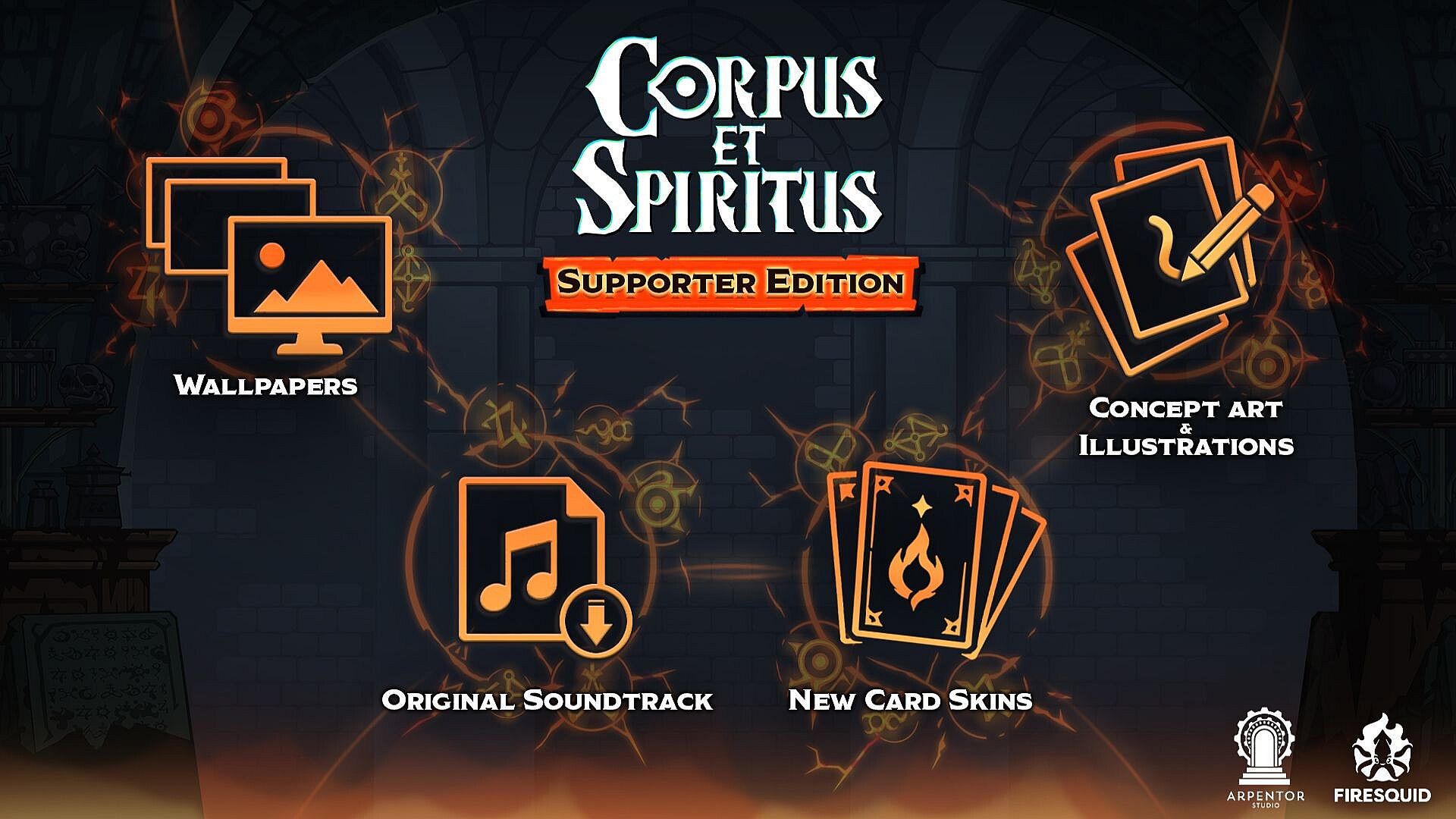
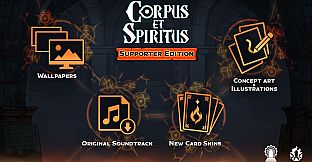
Corpus et Spiritus stands out as a roguelite deckbuilder centered on alchemy and resource management rather than direct confrontation. Players take on the role of an alchemist who enters a pact with a Homunculus, a demonic entity that offers guidance toward greater power in exchange for life force. The objective centers on breaking free from this agreement before it proves fatal, achieved through careful crafting and strategic deck construction on a personal computer platform.
Gameplay
Core loops revolve around gathering rare metals and feeding them into a workshop to produce new cards and magical talismans. The metals chosen influence the resulting items and available options, creating a layer of controlled randomness that rewards experimentation. Players balance multiple resources including vitality, intelligence, and stamina while deciding whether to accept or refuse deals from the Homunculus. Accepting deals grants boons but accelerates the drain on life force, whereas refusal builds rage that must be managed across turns.
Decks draw from seven distinct families tied to body, mind, and soul, each carrying its own mechanical focus. Cards combine with talismans to form escalating effects, encouraging players to seek synergies that amplify output without relying on combat sequences. Resource management extends to knowledge accumulation and attribute growth, all while progressing through runs that test the limits of the pact. At the outset of each attempt, players select boons and challenges that shape the run, unlocking further options as they approach freedom from the agreement.
Game Modes
The structure centers on repeated roguelite runs that emphasize deck evolution and survival against the pact's costs. Each run begins with pact customization that introduces variable boons and obstacles, then proceeds through workshop sessions where metals are transmuted into usable assets. Progress accumulates tokens that expand available stations and secret cards, rewarding consistent performance across attempts.
Singleplayer focus keeps attention on personal strategy and optimization. No separate competitive or cooperative formats appear in the design, keeping the experience contained to individual runs that test alchemy knowledge and timing of sacrifices. The absence of combat shifts emphasis entirely toward crafting efficiency and long-term resource planning within each attempt.
Alchemy and Resource Systems
Metals serve as the foundation for creation, with their properties dictating card rarity and talisman effects. Players experiment to uncover recipes that yield stronger combinations, turning the workshop into a central hub for progression. Vitality acts as a primary currency that trades for immediate advantages, while intelligence and stamina support sustained actions across turns.
Knowledge thresholds reset certain mechanics like rage buildup, creating cycles that demand forward planning. The system rewards players who maintain equilibrium among attributes rather than overcommitting to any single path. This approach differentiates the title within the strategy genre by prioritizing thoughtful allocation over aggressive expansion.
Is It Worth Playing?
Corpus et Spiritus appeals to those who enjoy deckbuilding and roguelite elements without the overlay of combat systems. Its focus on crafting and pact management offers a distinct loop for strategy enthusiasts seeking something outside standard card battle formats. The upcoming full release on November 3, 2026, follows an active demo period that has incorporated player feedback on balancing and accessibility.
Supporters of indie strategy titles may find value in the depth of the alchemy mechanics and the tension created by the Homunculus relationship. Those drawn to resource juggling and combo assembly will likely appreciate the seven card families and their varied styles. The game targets players comfortable with turn-based planning and iterative improvement across runs rather than immediate action sequences.